Laws Tourists Break Abroad Every Day Without Knowing
Congratulations - you are, statistically speaking, a criminal. Not in any exciting way involving high-speed chases or briefcases of cash. Somewhere between your last airport transfer and your third gelato, you almost certainly violated a municipal ordinance, an ancient preservation law, or a regulation so specific it could only have been invented in response to one extremely specific incident.
A 2024 survey found that 7% of international travelers received warnings or worse from local authorities during their trip. The remaining 93% were probably just lucky. The following is a partial guide to how the odds work against you - and how to check the odds before you end up on the wrong side of a Florentine policeman with a clipboard.
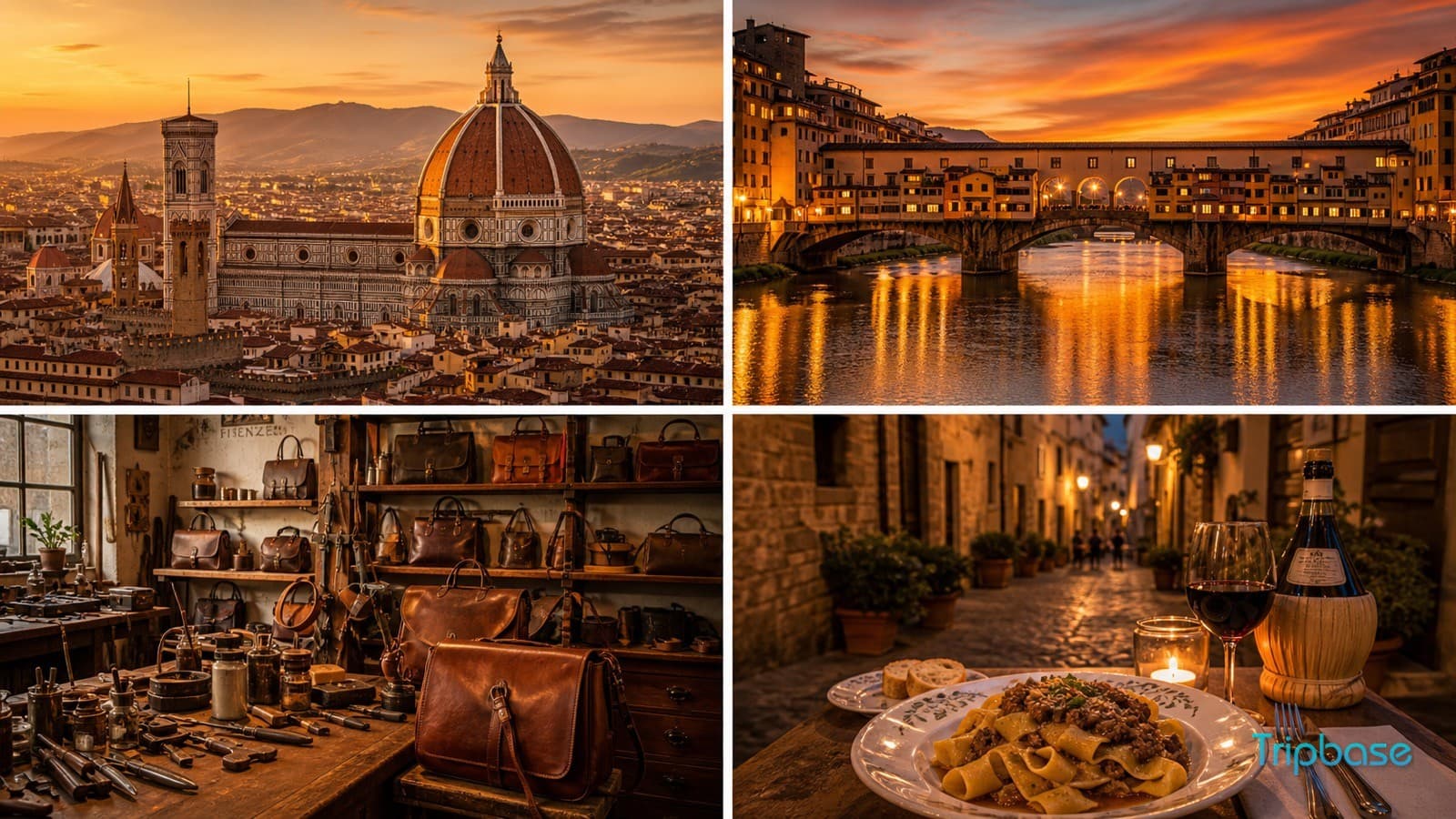
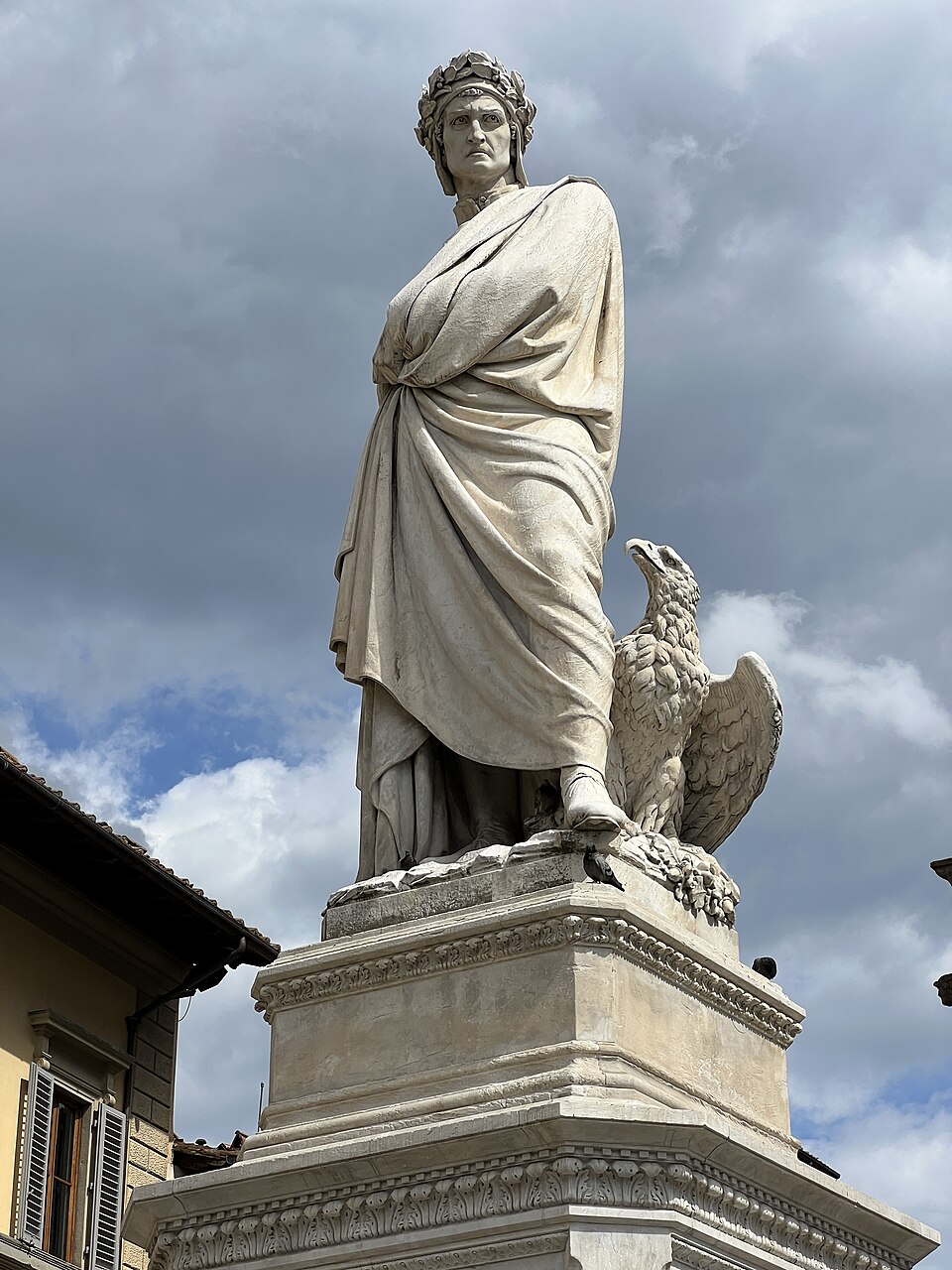
Eating on the Steps of Florence
Florence has progressively criminalized the tourist pastime of sitting on historic steps with food. The ban on eating and drinking near historic monuments covers piazzas including Piazza della Repubblica, the steps of Santa Croce, and various other scenic spots where tourists have historically congregated to enjoy lunch while looking vaguely continental. The fine for violating this sits at up to €500, which is a significant premium on a panino. Florence isn't alone: nearby Lucca bans eating on public monuments, Siena prohibits it near the Piazza del Campo, and Rome has similar rules near its major landmarks.
The consistent theme across these cities is that tourists, given a beautiful staircase and a sandwich, will inevitably combine the two. Florence enforces this via plainclothes vigili urbani (municipal police) operating in tourist areas, which means the rule's application is somewhat inconsistent. You might eat three sandwiches in peace on the same steps where someone else receives an on-the-spot fine for half a biscuit. The operative lesson here is that "consistently applies to everyone" is not a phrase that describes Italian civic administration.
The logic, as with most things in Italian heritage law, is sensible underneath the theatrics: historic marble degrades; food attracts pigeons; pigeons accelerate degradation; tourists therefore become, however inadvertently, agents of architectural decline. Whether this justifies five hundred euros is a philosophical question the vigili urbani are unlikely to entertain at the time of the fine.
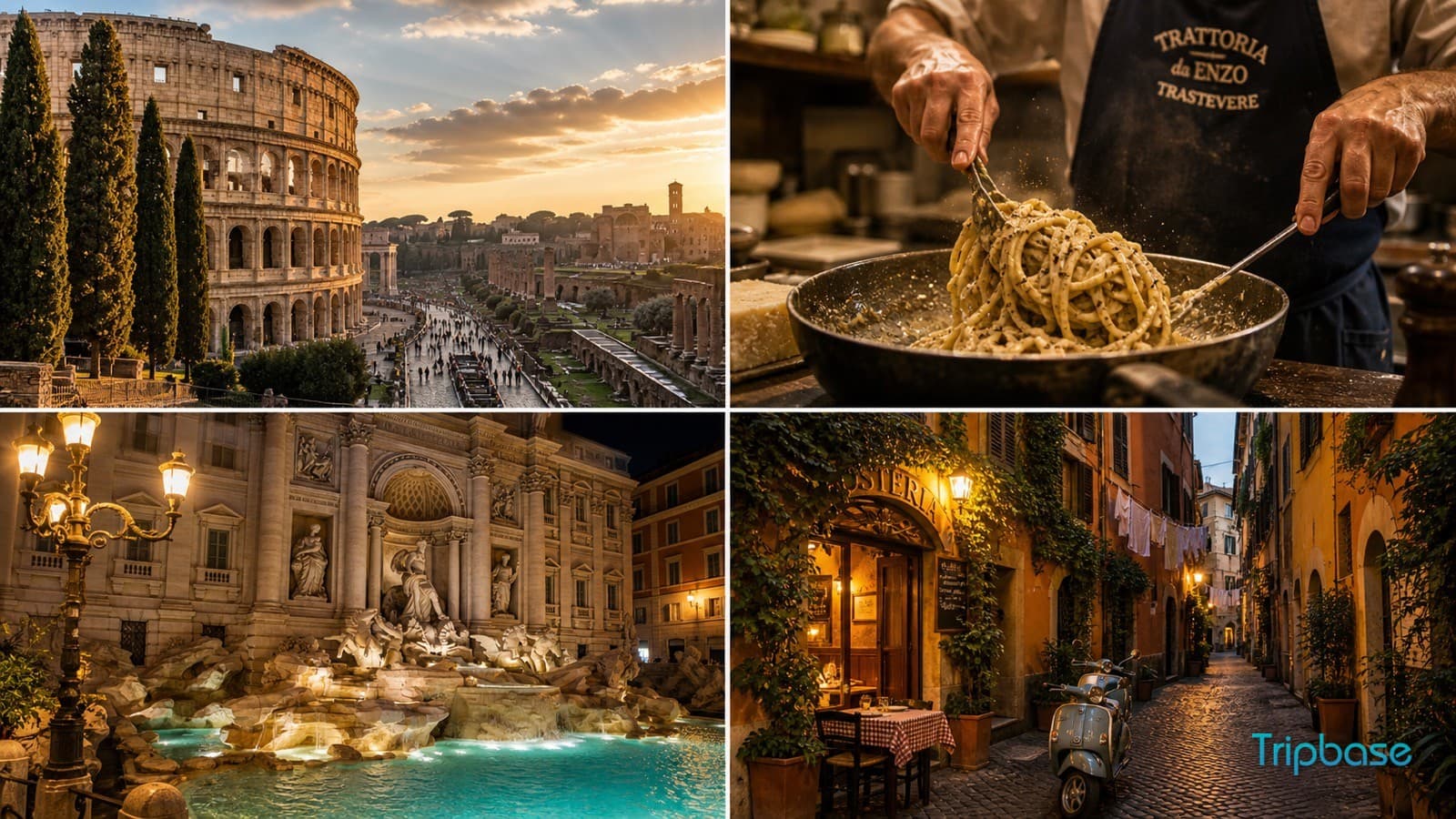
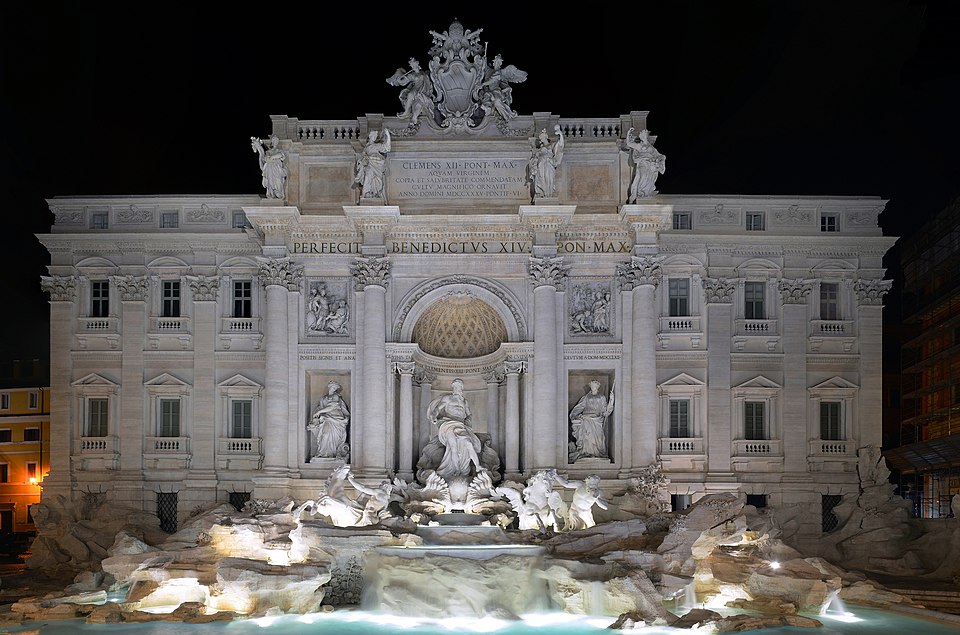
Swimming in the Trevi Fountain, Rome
The Trevi Fountain issue is not that people want to swim in a fountain. The issue is that they actually do it - with sufficient frequency that Rome introduced fines of up to €450 per person for entering the water, supplemented by security cameras and officers who have, by now, seen everything. The fountain is not large. It is not deep. It is very, very cold and very, very surveilled.
Rome's relationship with tourist-fountain interaction is one of those wonderful civic dramas that never quite reaches a resolution. The city adds cameras; someone films themselves swimming; the video circulates; more cameras are added. As of 2024, you can also be fined for splashing water, washing your feet in the fountains, or - in some interpretations - removing your shoes anywhere in the immediate vicinity. The exact boundary of what constitutes "interacting inappropriately" with a baroque sculpture is left, with characteristic ambiguity, to officer discretion.
There is also the coin tradition, which is legal and actively encouraged, with the coins collected for local charities. So while Rome has decided that you absolutely may throw money into the Trevi Fountain, it has concluded with equal firmness that you may not get in to retrieve it. This distinction appears to be very important to the relevant authorities.
Feeding Pigeons in Venice
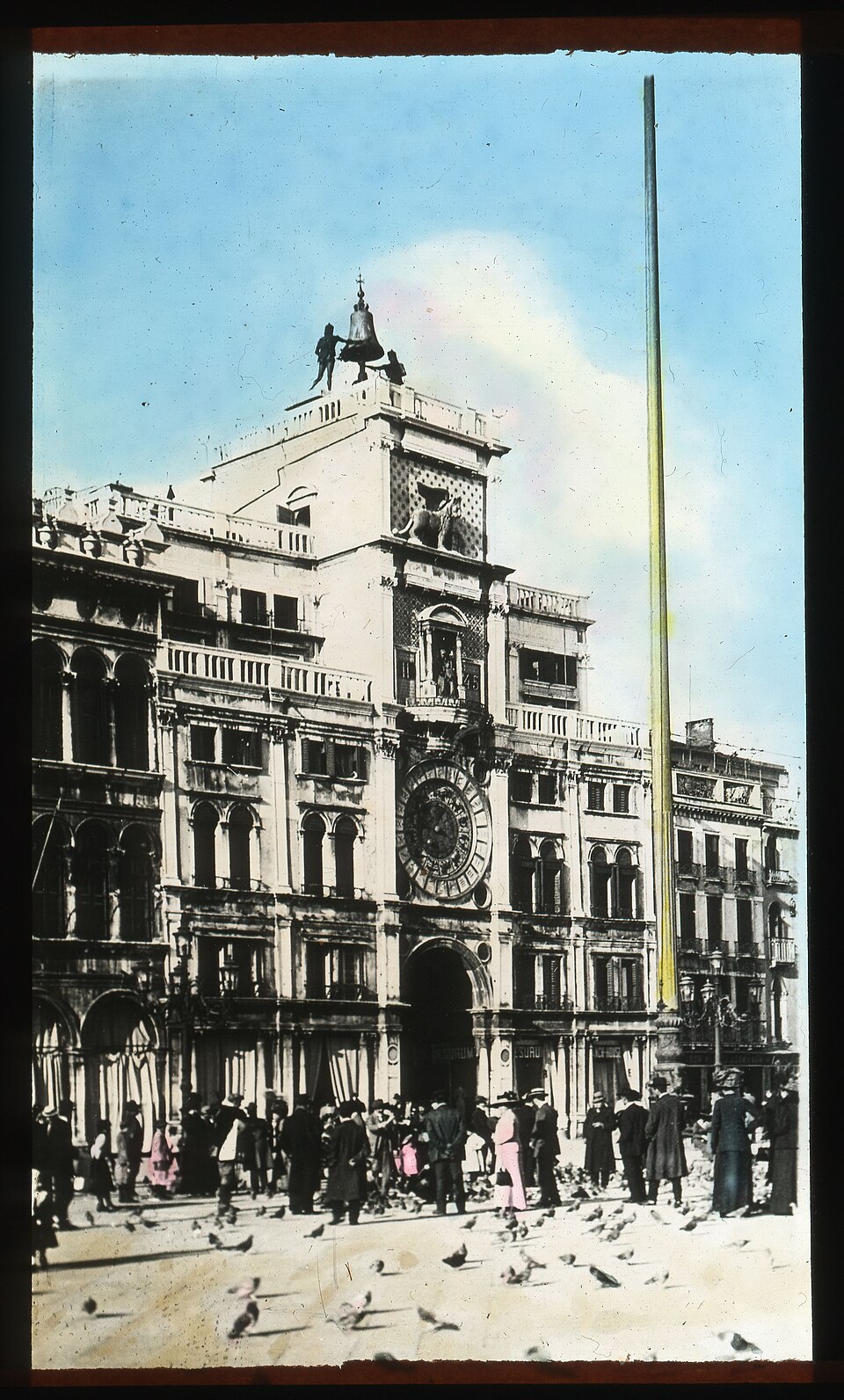
In 2008, Venice banned the sale of birdseed in Piazza San Marco and, shortly after, banned tourists from feeding pigeons at all, with fines reaching €700 per person. The reasoning is straightforward: the pigeons damage historic buildings, and tourists, when presented with a pigeon, will feed it. The city has essentially legislated against an entire category of tourist instinct.
This is a fairly significant fine for an activity that, prior to 2008, was actively sold in the piazza via licensed vendors - vendors who, one imagines, found the subsequent legislative pivot somewhat personally targeted. The civic reversal here - "we sold you the birdseed; we are now fining you for using it" - is the kind of institutional U-turn that would be remarkable anywhere outside Venice, where it fits neatly into the general atmosphere of architectural splendour and low-grade administrative drama.
Venice still has pigeons. Quite a lot of them. They continue to operate with full freedom throughout the piazza, apparently exempt from whatever enforcement applies to the tourists. This asymmetry - in which the bird faces no legal consequences and you face seven hundred euros - is the kind of detail that benefits from being known before rather than after. The pigeons, for their part, have found the transition from subsidized tourist attraction to unsanctioned nuisance remarkably smooth.
Photographing the Sistine Chapel
The Vatican officially prohibits photography inside the Sistine Chapel. The prohibition exists because in the 1980s, the Japanese television company Nippon Television financed the £3 million restoration of Michelangelo's ceiling in exchange for exclusive photographic and broadcast rights. This arrangement, which sounds like it was invented for a thriller plot, is entirely real and explains the no-photography signs in one of the world's most visited rooms.
Enforcement is inconsistent on a scale that approaches performance art. Large groups photograph the ceiling constantly; guards periodically shout for quiet and against photography; a portion of the tourists comply briefly and then resume; another guard shouts. The ceiling - one of the most reproduced images in the world - continues to be photographed by essentially everyone who visits. The signs are present, the instruction is announced, and the outcome is unchanged.
The situation is different from most entries on this list in that consequences rarely extend beyond a stern word from a guard in a striped uniform. You will not receive a fine. You may receive a reprimand, be asked to leave, or contribute to the erosion of whatever photographic rights a Japanese broadcaster negotiated in 1987 and presumably still holds. Whether that last part constitutes a moral dimension is a question above our pay grade, and possibly above that of most of the tourists operating their phones in the general direction of the Creation of Adam.

High Heels at the Acropolis
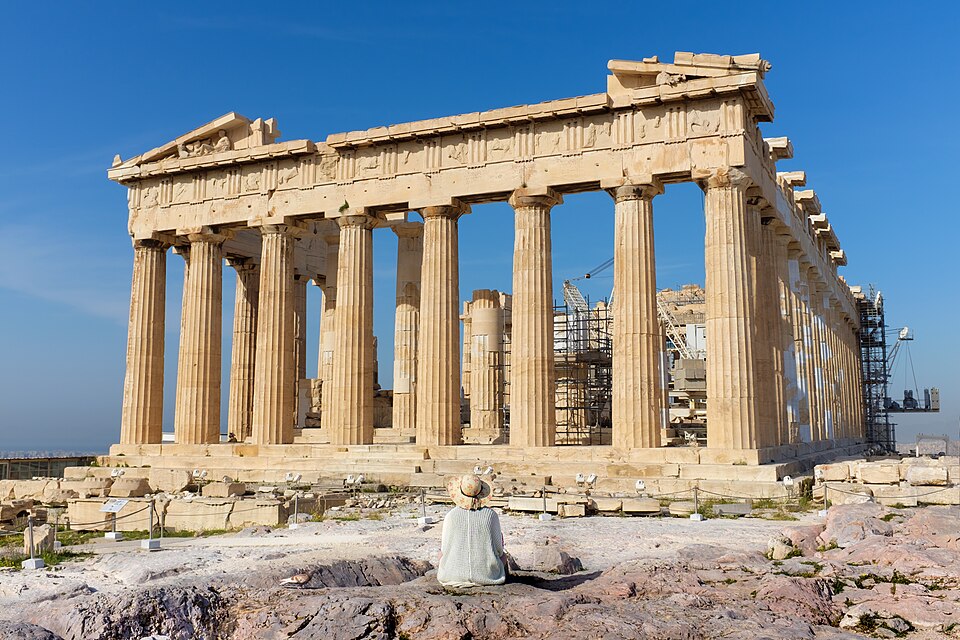
Since 2009, Greece has officially banned high-heeled shoes at the Acropolis. This is not a metaphor or an interpretation of an older regulation. The Greek Culture Ministry issued a formal directive banning stilettos and other sharp-heeled footwear from the site on the grounds that they damage the ancient marble. Guards at the entrance will provide plastic shoe covers if needed. If you cannot obtain them or decline to use them, you will be asked to leave.
The logic is architectural. The Acropolis marble is 2,500 years old and has not improved with being repeatedly punctured. Archaeologists estimated that stiletto heels exert pressure equivalent to thousands of kilograms per square centimetre - significantly more than an elephant's foot - more than enough to damage stone that has survived wars, earthquakes, and decades of general tourist traffic.
Athens does not enforce a dress code for the rest of the city with anything approaching this consistency, but the Acropolis operates under its own footwear logic. The practical result is that if you plan to visit one of the world's great archaeological sites and are concerned about your shoe situation, you now know. There is a certain dignity in discovering this before arriving in heels rather than after standing at the entrance being fitted with plastic caps by a guard who has clearly done this before.
Bringing Your Cold Medicine to Japan
This is the genuinely surprising one. A substantial number of common Western medications contain pseudoephedrine - a decongestant found in Sudafed, certain formulations of NyQuil, and other standard pharmacy purchases. In Japan, pseudoephedrine is classified as a controlled stimulant under the Stimulants Control Act. Bringing it into the country in quantities beyond one month's personal supply without a Yunyu Kakunin-sho (import certificate) is an offense. This has happened to real people at real airports who were simply trying to manage a cold.
The situation with Vicks inhaler sticks is equally unexpected: they contain l-methamphetamine, which is a distinct isomer from d-methamphetamine and is not controlled in the United States or most of Europe. Japan controls both isomers. Border officials have confiscated Vicks inhalers from arriving passengers. This is not a story about anyone attempting drug smuggling; it is a story about a nasal decongestant that costs under three pounds and is sold in British supermarkets next to the paracetamol.
The advice if you're heading to Tokyo or anywhere else in Japan is to check your medications in advance against Japan's Customs and Narcotics Control Department guidance, obtain documentation if needed, and consider substitutes available locally. The Japanese pharmacy network is extensive, well-stocked, and operates under its own pleasingly thorough logic. The pharmacists are helpful. They just won't have the specific Boots own-brand formulation you've relied on since 1998.
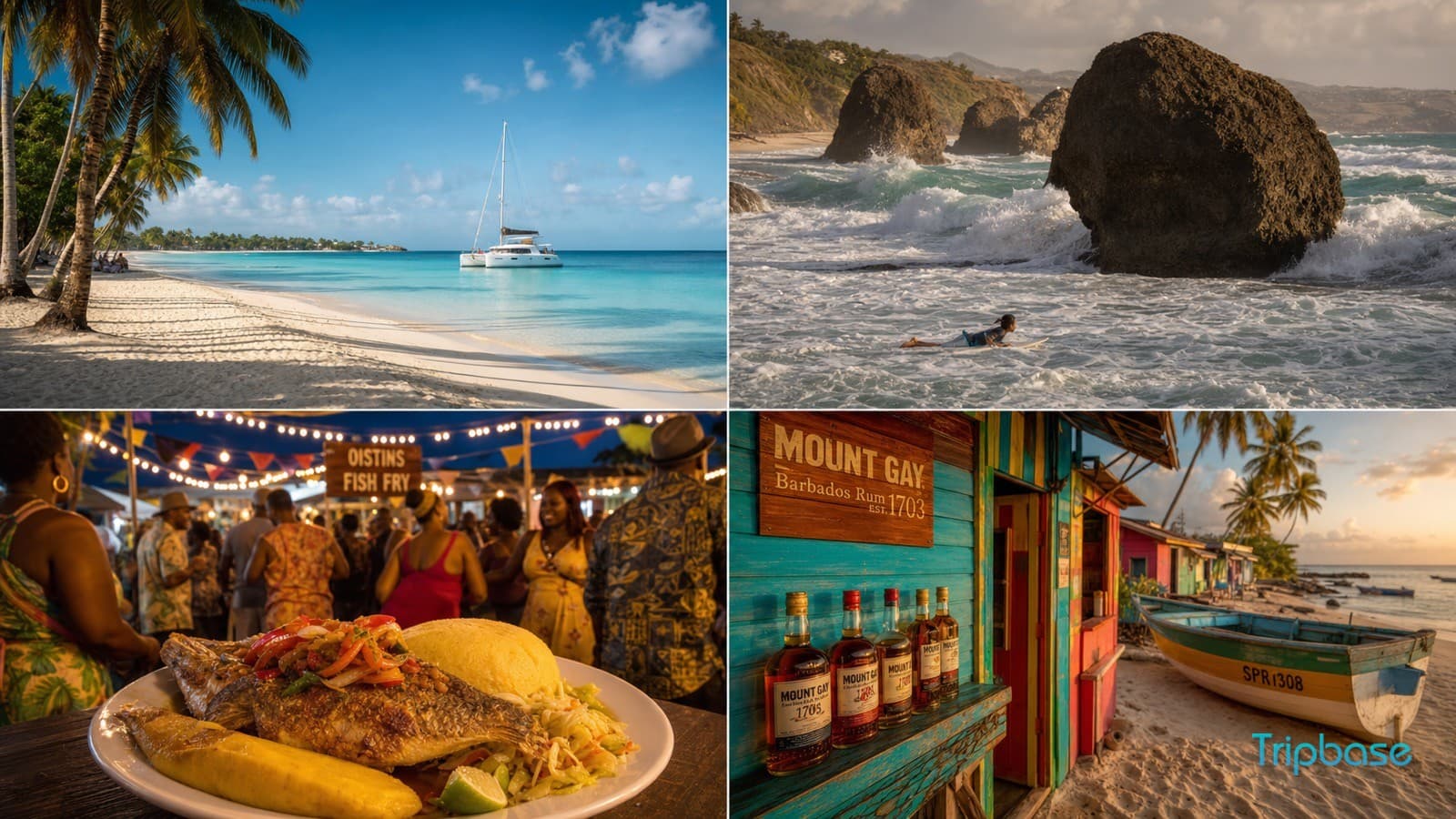
Camouflage Clothing in Barbados (and Most of the Caribbean)
Barbados prohibits civilians from wearing camouflage clothing. So does Jamaica. As does Trinidad and Tobago, Grenada, Belize, and St Lucia. This is not a historical oddity but an actively enforced rule in several of these jurisdictions, with fines or confiscation of the offending clothing reported at airports and border crossings. A number of tourists have arrived wearing camouflage-pattern shorts - a popular choice among people who favor a certain outdoor-leisure aesthetic - and have been required to hand them over or change before proceeding.
The laws were introduced to distinguish civilians from military and police personnel, which is the kind of practical concern that produces clear regulatory language. The fact that "camouflage" as a fashion concept has expanded well beyond anything resembling military utility - encompassing everything from neon-pink camo to branded athleisure - does not affect how the rule is applied at the border. The pattern is the pattern.
Barbados remains an excellent destination by all other measures. This particular entry in the regulatory landscape is simply worth knowing before you pack, especially given how routinely camo-pattern items appear in outdoor and travel clothing ranges. If your response to this information is "but camouflage isn't really military, it's just a pattern," that argument is legally correct in most of the world and specifically incorrect in Bridgetown. The relevant authorities have anticipated the objection and remained unpersuaded.
We have covered seven entries here; the full taxonomy of laws tourists routinely violate would require a separate legal journal. Singapore fines you for not flushing public toilets (up to S$1,000, and they have inspectors). Thailand makes it an offense to step on currency because currency bears the King's image. Greece prohibits metal detector use on beaches by anyone without a government permit. The world has been generating rules with considerable enthusiasm for several thousand years, and the result is a regulatory landscape that rewards research - or, at minimum, rewards knowing which ones still apply.
Disclaimer: This article is for entertainment purposes and does not constitute legal advice. Laws change; enforcement is inconsistent; and for anything involving Japanese customs and medication, please consult the Japanese Ministry of Health, Labour and Welfare guidance before you travel. We are not lawyers. We are barely geographers.