
12 Famous Foods That Were Invented Completely By Accident
Foods Invented by Accident
Some of the greatest culinary discoveries in history were not the result of careful planning, scientific research, or the work of talented chefs refining techniques over generations. They were mistakes. Spills, miscalculations, failed experiments, and distracted moments in the kitchen that happened to produce something extraordinary. These are their stories.
Chocolate Chip Cookies - 1937
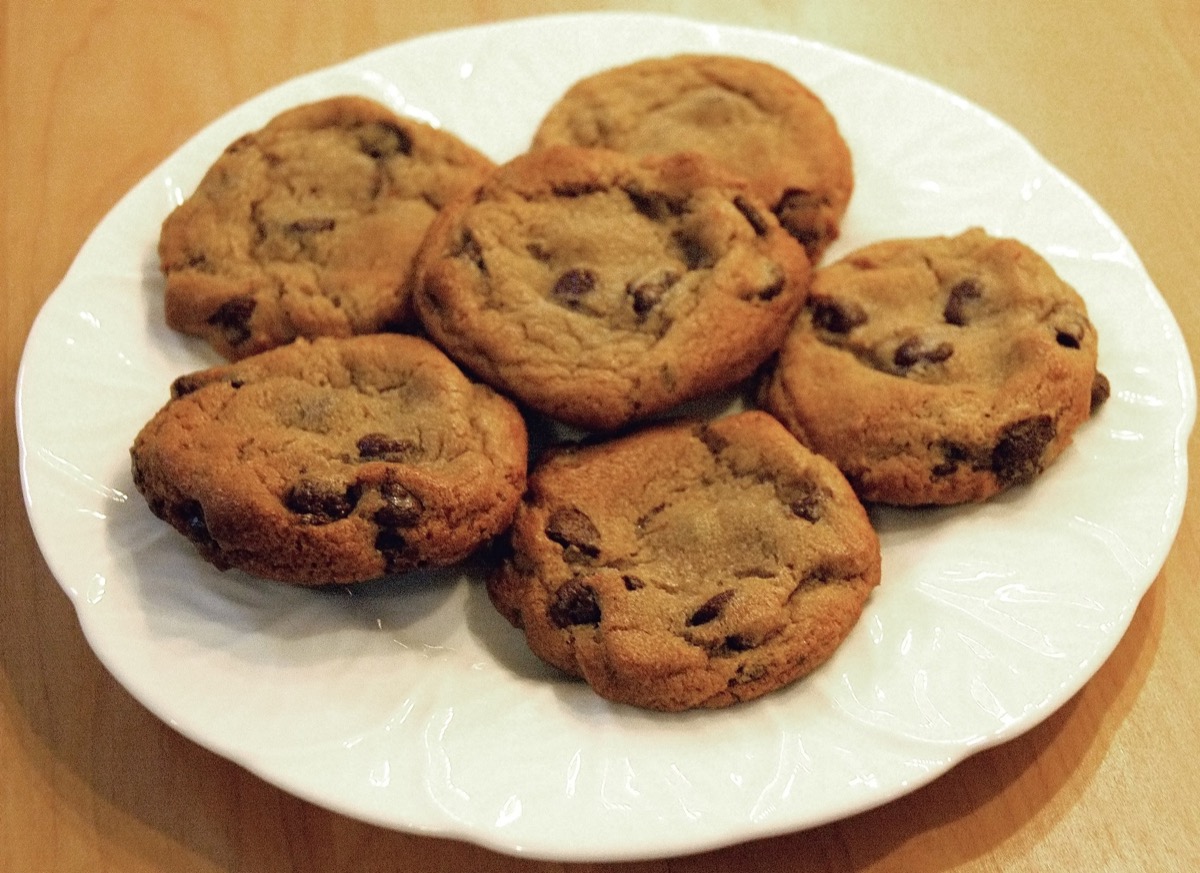

Ruth Wakefield was the co-owner of the Toll House Inn in Massachusetts when, according to the most widely told version of the story, she added chunks of a Nestlé semi-sweet chocolate bar to her butter drop cookie dough, assuming the chocolate would melt evenly through the batter as it baked. It didn't. The chunks held their shape, and the result - chewy cookie studded with distinct pockets of slightly softened chocolate - was immediately popular with guests.
Wakefield sold Nestlé the rights to print her recipe on their chocolate bar packaging in exchange for a lifetime supply of chocolate. Nestlé then began scoring their bars to make them easier to chop, and eventually introduced the Toll House chocolate chip. Today, Americans alone consume approximately 7 billion chocolate chip cookies per year.
Potato Chips - 1853
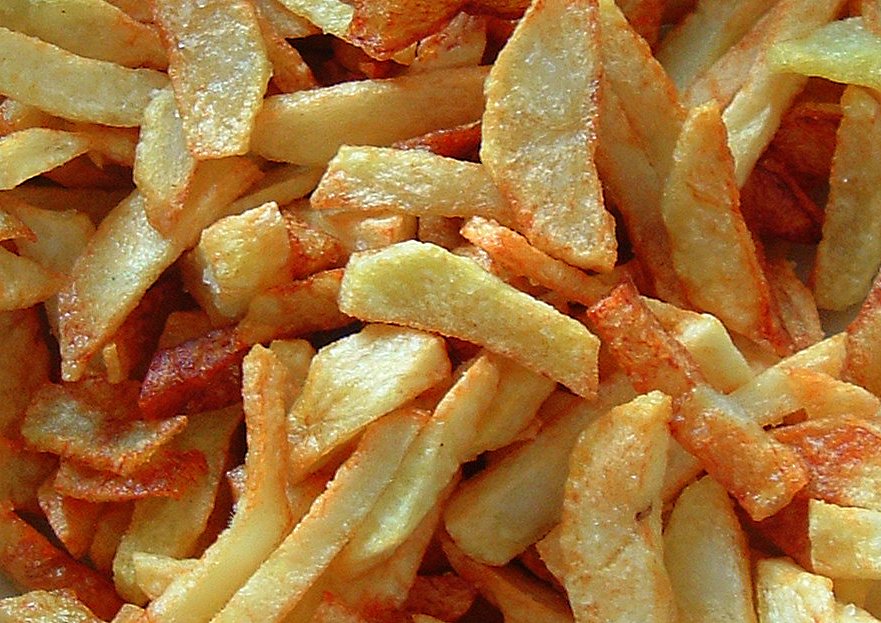

The most popular origin story places the invention of the potato chip at Moon's Lake House in Saratoga Springs, New York in 1853. A diner - sometimes identified as Cornelius Vanderbilt - repeatedly sent his fried potatoes back to the kitchen, complaining they were too thick and soggy. The chef, George Crum (who may or may not have been trying to annoy the complainant), sliced the potatoes paper-thin, fried them until crisp, and over-salted them. The result was a sensation.
Whether or not this story is strictly accurate - and food historians have questioned it - the Saratoga chip did originate in the mid-19th century in upstate New York before spreading nationally. The global potato chip market is now worth over $30 billion per year.
Corn Flakes - 1894
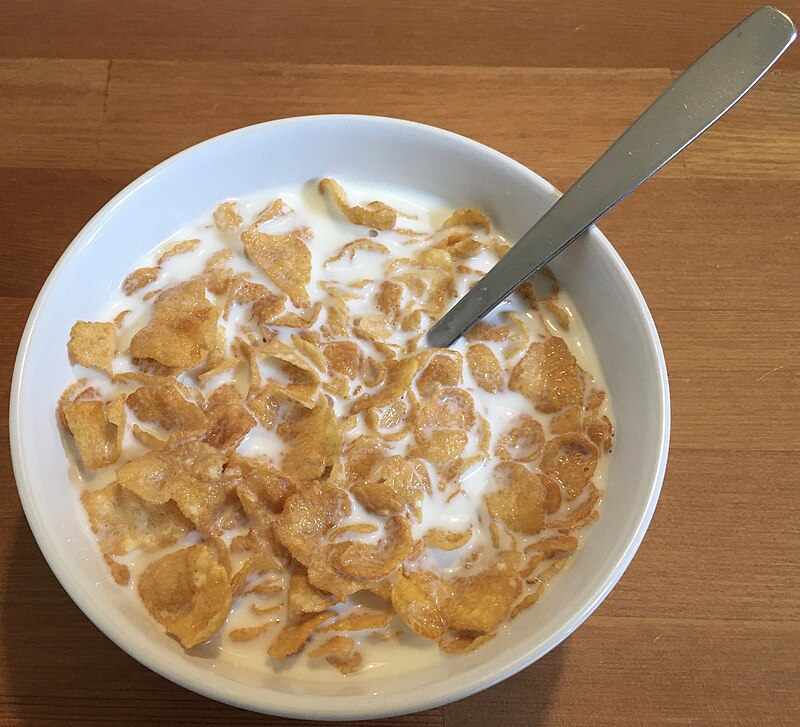

John Harvey Kellogg and his brother Will Keith Kellogg were running the Battle Creek Sanitarium in Michigan, a health resort with an unusual dietary philosophy. In 1894, they left a batch of boiled wheat sitting overnight and returned to find it had gone stale. Rather than throw it out, they forced it through the rollers anyway and found that, instead of a single flat sheet, each grain produced a separate flake. They baked these and served them to patients. The result was a crunchy, easily digestible breakfast food unlike anything available at the time.
Will Keith later replicated the process with corn, added sugar over his brother's objections (John was anti-sugar on health grounds), and founded the Kellogg Company in 1906. The combination of convenience, mild flavor, and shrewd marketing turned corn flakes into the world's first mass-market breakfast cereal.
The Popsicle - 1905
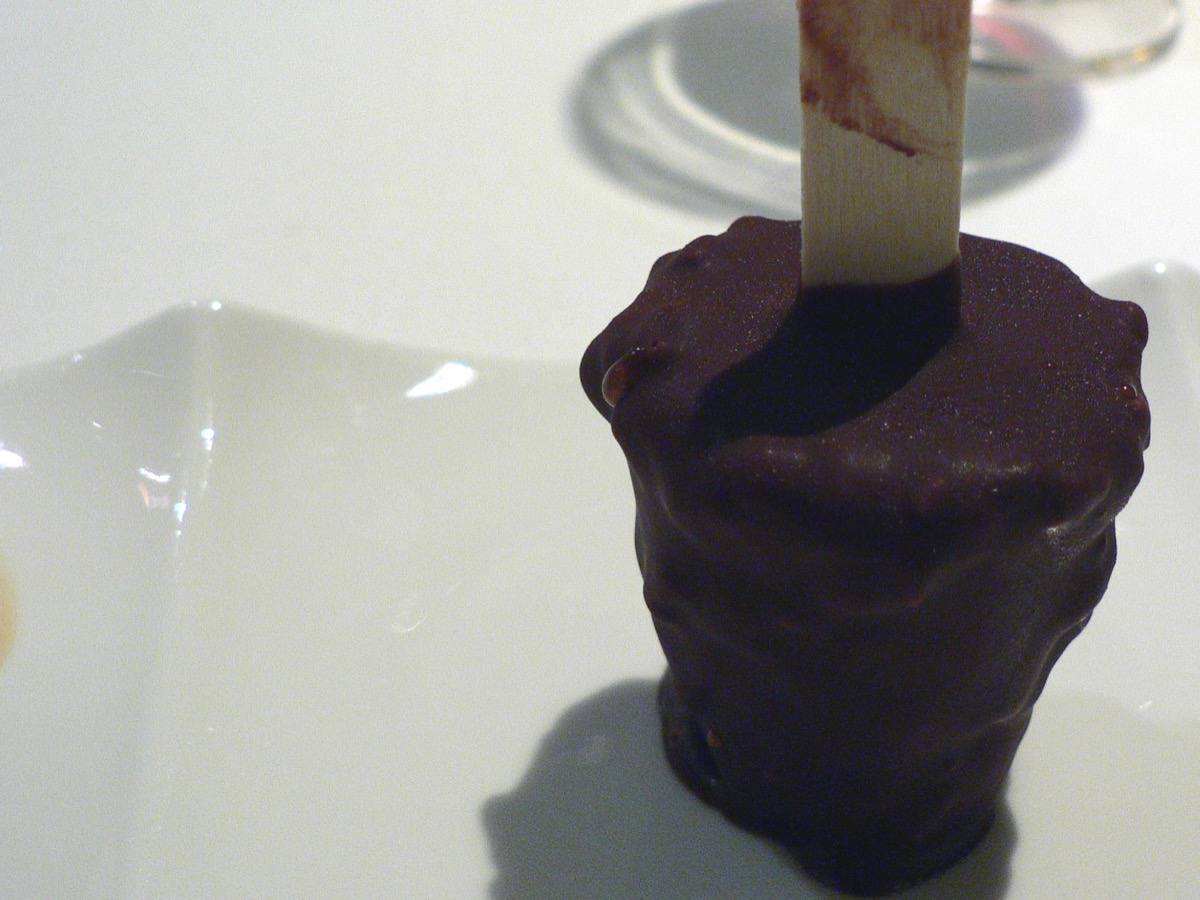

In 1905, an eleven-year-old named Frank Epperson left a cup of water mixed with powdered soda on his porch with a stirring stick in it. San Francisco experienced an unusually cold night, and in the morning Epperson found his drink frozen solid around the stick. He ate it and found the result delightful. He called it the Epsicle.
Epperson didn't patent his creation until 1923, by which point his children had been enjoying them for years and had renamed them - in the informal way of children - "Pop's sicle." He licensed the rights to the Joe Lowe Corporation in 1925. The Popsicle brand is now owned by Unilever, and an estimated 2 billion are sold annually in the United States alone.
Worcestershire Sauce - 1837
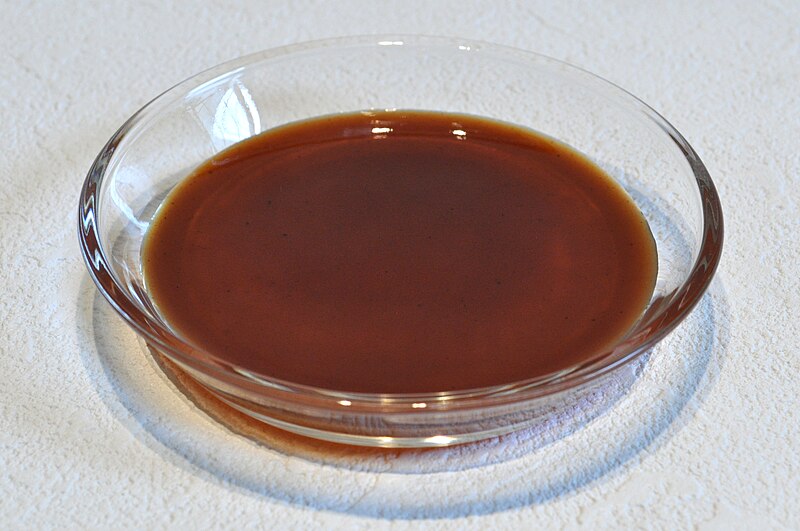

The story goes that Lord Marcus Sandys, having returned from Bengal, asked two Worcester chemists named Lea and Perrins to recreate a sauce he had enjoyed in India. They made a batch, tasted it, found it foul, and stored it in the cellar. Rediscovered 18 months later, the aged sauce had transformed into something complex and delicious: tangy, savory, slightly sweet, and deeply umami. The fermentation process - similar to how fish sauce or soy sauce develops flavor - had done its work.
Lea & Perrins began selling the sauce commercially in 1837. The recipe remains secret to this day, though the ingredients listed on the label include malt vinegar, spirit vinegar, molasses, sugar, salt, anchovies, tamarind extract, onions, garlic, and unspecified "spice and flavoring." The maturation period in the production process is still measured in months.
Tarte Tatin - circa 1888
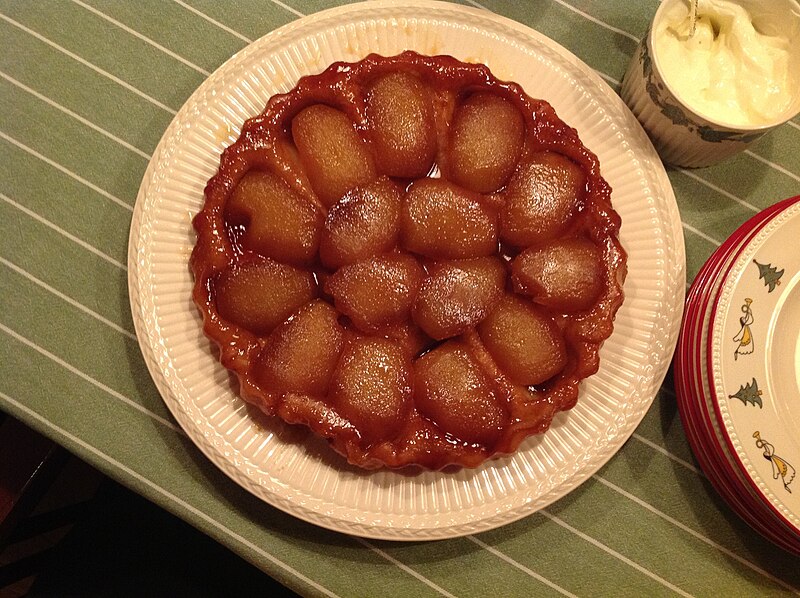

According to legend, Stéphanie Tatin was running the Hotel Tatin in Lamotte-Beuvron, France when she began making an apple tart while distracted. She cooked the apples in butter and sugar for too long, started to burn them, and in a panic placed the pastry lid directly over the caramelized apples in the pan and put the whole thing in the oven rather than starting over. When she turned it out, the result - caramelized apples on top, pastry underneath - was better than the original tart would have been.
Food historians debate whether this story is apocryphal, but there is little doubt that the tarte was associated with the Tatin sisters and the hotel in the Loire Valley from the 1880s onwards. Auguste Escoffier included it in his repertoire. It is now one of the most replicated French desserts in the world.
Other Notable Accidental Foods
Champagne was not invented by Dom Pérignon as legend suggests - secondary fermentation in the bottle was actually considered a flaw that winemakers tried to prevent. It was English scientists who first understood and deliberately exploited the process in the mid-17th century, after noticing that certain French wines re-fermented in warmer English cellars and developed bubbles.
Cheese is thought to have been discovered when milk was stored in pouches made from animal stomachs, which contain rennet. The rennet caused the milk proteins to coagulate, producing something like fresh cheese. This is estimated to have first happened around 8,000 BCE.
Brandy originated when Dutch traders found they could reduce the volume of wine for shipping by boiling off water, then add the water back upon arrival. At some point, someone noticed that the concentrated, aged liquid tasted better than reconstituted wine. The Dutch word for it - brandewijn, meaning "burnt wine" - became brandy.
Yogurt is thought to have been discovered when warm milk, perhaps stored near bacteria-covered containers, spontaneously fermented into something that preserved better than fresh milk and tasted pleasant.
Which of these accidental discoveries do you think had the biggest impact? Let us know in the comments - and if you know of any others, we'd love to hear them.