
The Worst Travel Destinations in the World (2025 Edition)
The Worst Travel Destinations in the World
Every year, the Institute for Economics and Peace publishes the Global Peace Index - a country-by-country ranking that measures the relative peacefulness of 163 nations using 23 indicators including ongoing conflict, political instability, crime rates, and militarisation. It is the most comprehensive objective measure we have of where in the world it is most dangerous to be.
This is not a list designed to be condescending about poor countries, or to exoticise suffering. Most of the people living in the places below are doing so not by choice but by accident of birth. Many of them are extraordinary, resilient, and deeply hospitable despite circumstances most of us cannot imagine. This list exists because travelers deserve honest, current information - and because the 2009 version of this article had been using data that is 15 years out of date.
What follows draws on the Global Peace Index 2024-2025, current UK/US/EU travel advisories (all three are independently maintained and broadly consistent), and recent reporting from journalists and aid organizations operating in these regions.
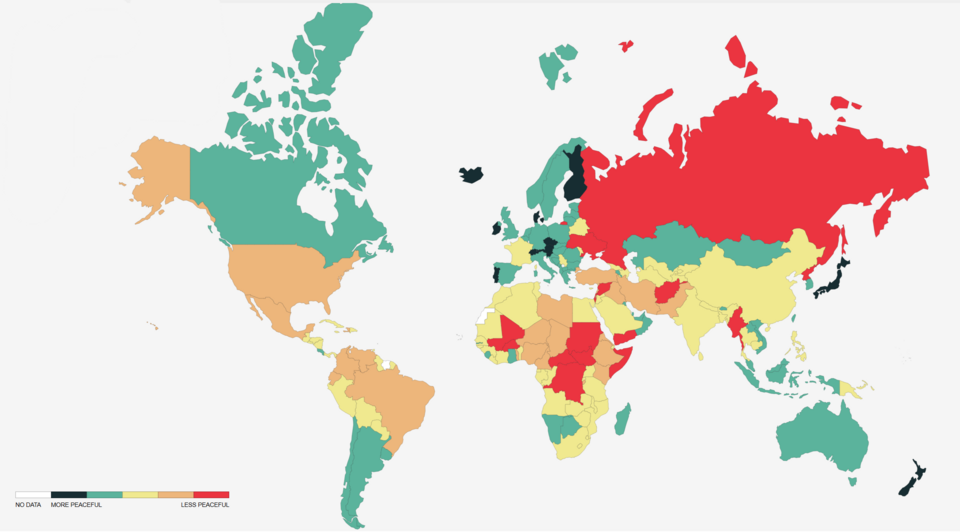

Yemen
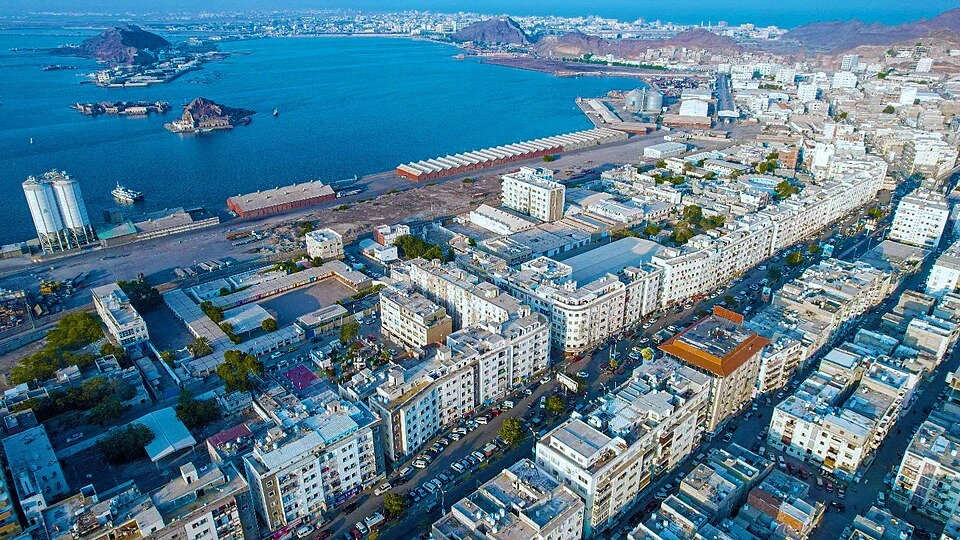

Yemen has ranked at or near the bottom of the Global Peace Index every year since 2016, and is consistently rated the world's worst humanitarian crisis by UN agencies. A civil war that began in 2014 between the internationally recognized government (backed by a Saudi-led coalition) and Houthi forces has killed an estimated 150,000-377,000 people directly and indirectly, with the UN describing millions as facing famine-level conditions. As of 2024-2025, a UN-brokered ceasefire has reduced major combat operations in many areas, but the situation remains deeply unstable.
All Western governments advise against all travel to Yemen. The specific risks include kidnapping (Yemen has one of the world's highest kidnapping rates for foreigners), air strikes, ground combat in contested areas, landmines left over from multiple phases of fighting, and the near-total collapse of healthcare infrastructure. The port city of Aden is nominally government-controlled; Sana'a is controlled by the Houthis. Aid workers and journalists who operate here do so under extraordinary security protocols. Independent tourist travel is not possible in any meaningful sense.
Before the war, Yemen was considered one of the Arab world's most fascinating travel destinations - the ancient mud-brick skyscrapers of Shibam, the walled Old City of Sana'a (a UNESCO World Heritage Site), the otherworldly landscape of Socotra island. Socotra remains technically accessible and has received a small number of adventurous travelers via Oman, but even this carries significant risk.
South Sudan
South Sudan became the world's newest country in 2011 when it achieved independence from Sudan following a referendum. Within two years, it descended into civil war. The conflict between forces loyal to President Salva Kiir and those of former Vice President Riek Machar (broadly, though not exclusively, along ethnic Dinka and Nuer lines) killed an estimated 400,000 people and displaced over 4 million. A peace agreement in 2018 formally ended major hostilities, but localized violence, armed group activity, and intercommunal conflict have continued. In 2023-2024, fighting resumed in parts of Upper Nile and Unity states.
South Sudan consistently ranks near the bottom of the Global Peace Index alongside Yemen. All Western governments advise against all travel. The specific risks include road ambushes, armed robbery, sexual violence (documented at extraordinary rates by UN monitors), kidnapping, and landmines in former conflict areas. Infrastructure is almost entirely absent outside Juba. The dry season brings its own risks; the wet season makes most roads impassable.
Myanmar (Burma)
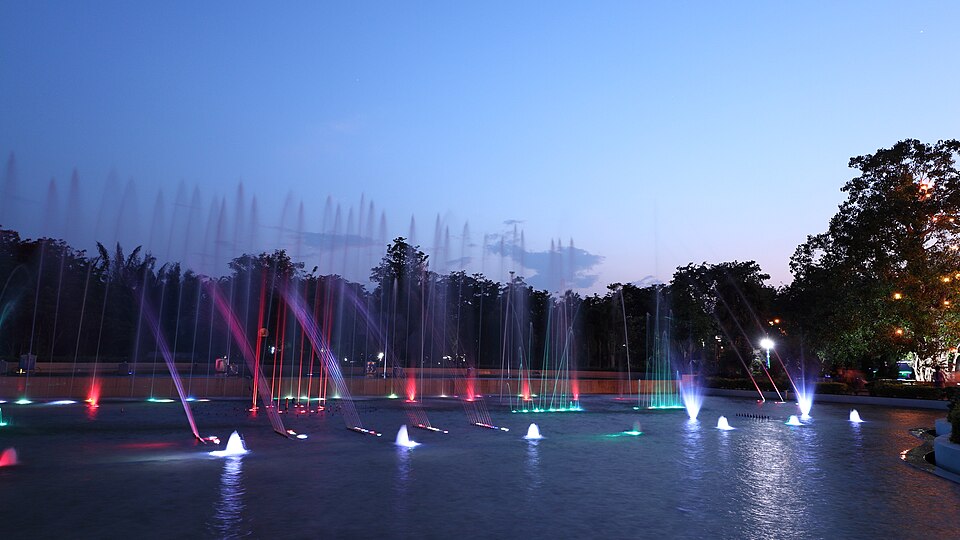

Myanmar appeared on the 2009 version of this article under the military junta that ruled from 1962 to 2011. In the decade that followed, the country went through a remarkable transformation: civilian government, freer press, tourist infrastructure, and opening to the world. Then on February 1st, 2021, the military staged a coup, arrested elected leader Aung San Suu Kyi, and began a crackdown on protesters that killed thousands. The country is now in a state of civil war, with the military (Tatmadaw) fighting a coalition of ethnic armed organizations and pro-democracy People's Defence Force fighters across most of the country.
As of 2025, the military government controls Naypyidaw and Yangon (and other major cities) but has lost significant territory elsewhere. Air strikes on civilian areas, forced conscription, and internet shutdowns are ongoing. The UK, US, Australia, and EU all advise against all travel to large parts of the country, with "essential travel only" advisories for Yangon and Mandalay. The tourism industry that had flourished in the 2010s has essentially collapsed. Travelers who do visit contribute to the military government's foreign exchange earnings - a significant ethical concern raised by pro-democracy groups, who have explicitly asked tourists to stay away.
Syria
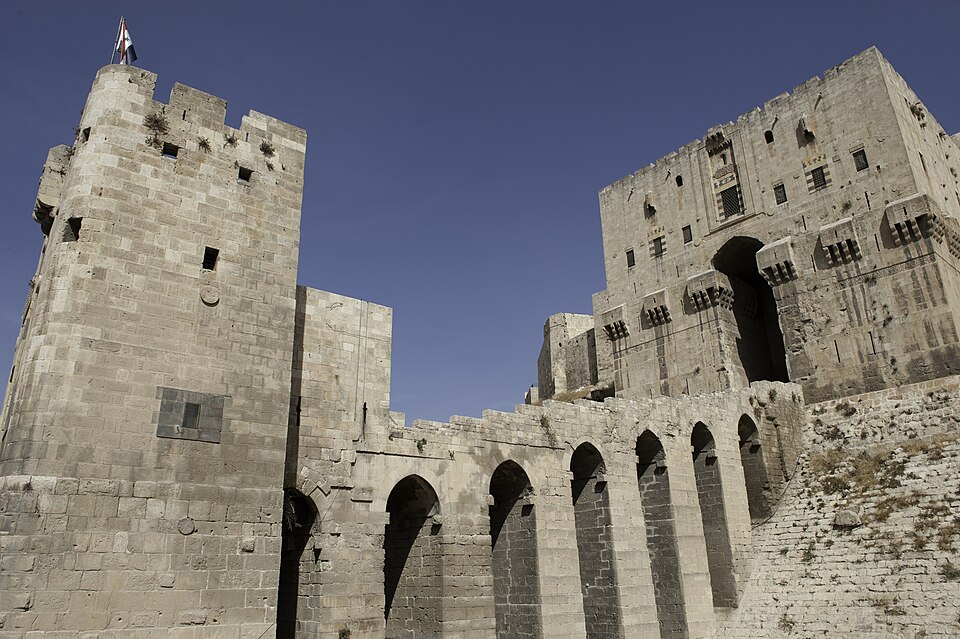

Syria's civil war, which began in 2011 during the Arab Spring, is one of the most destructive conflicts of the 21st century - an estimated 600,000 killed and over 13 million displaced (more than half the pre-war population). In December 2024, rebel forces led by Hayat Tahrir al-Sham and allied groups swept through the country in eleven days, ousting Bashar al-Assad who fled to Russia. The new situation as of 2025 is transitional and rapidly evolving: HTS controls much of the country, including Damascus and Aleppo, and has made statements about governance and minority rights that are being cautiously evaluated internationally.
For travelers, the situation in 2025 is genuinely uncertain. The violence of the Assad era - barrel bombs, chemical weapons, mass detention - has ended. But the new governing authorities are a Salafi-jihadist organization with a complex history, and their practical governance is unproven. Large parts of the country remain under different armed factions. All Western advisories continue to warn against travel. A small number of journalists have visited Damascus and reported on an atmosphere of cautious optimism - but this is reporting, not tourism.
Syria before the war was one of the most rewarding travel destinations in the Middle East: Palmyra, the Umayyad Mosque, the souk of Aleppo, the Krak des Chevaliers crusader castle. Much of this has been damaged or destroyed. The recovery, if it comes, will take decades.
Sudan
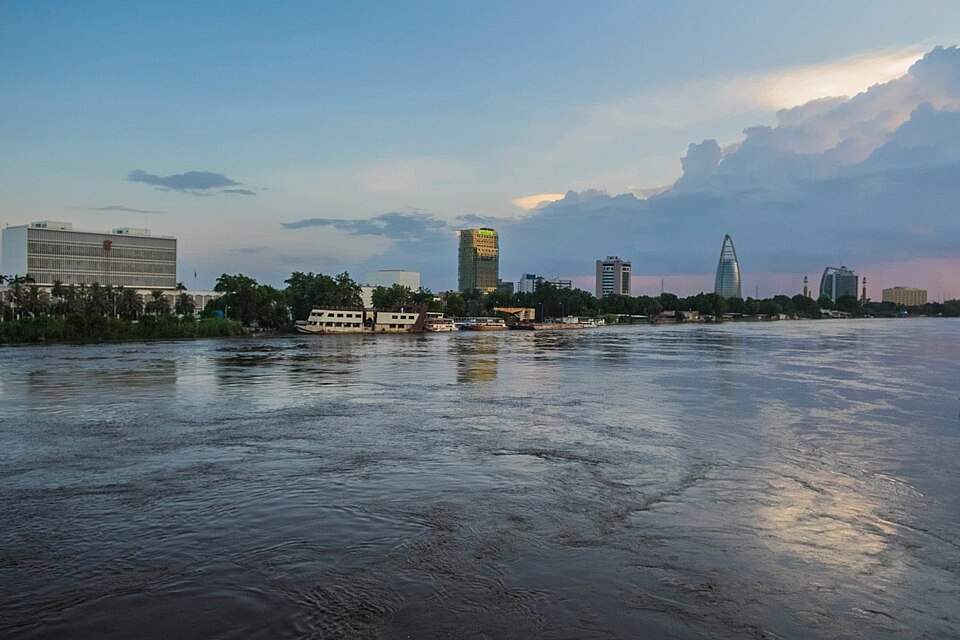

Sudan descended into a devastating civil war in April 2023 when fighting broke out between the Sudanese Armed Forces (SAF) and the paramilitary Rapid Support Forces (RSF) in Khartoum. The conflict spread rapidly across the country, including to Darfur, where the RSF and allied Arab militias committed what the US government formally described in 2024 as genocide against non-Arab communities. The war has created what the UN describes as the world's largest displacement crisis, with over 10 million people forced from their homes.
Khartoum itself has seen some of the heaviest fighting, with entire neighborhoods destroyed. All Western governments advise against all travel. Sudan had been slowly opening to tourism in the years before the conflict, with genuine highlights: the Nubian pyramids at Meroë, the ancient city of Kerma, the Red Sea coast. None of this is accessible to travelers in the current situation.
Haiti
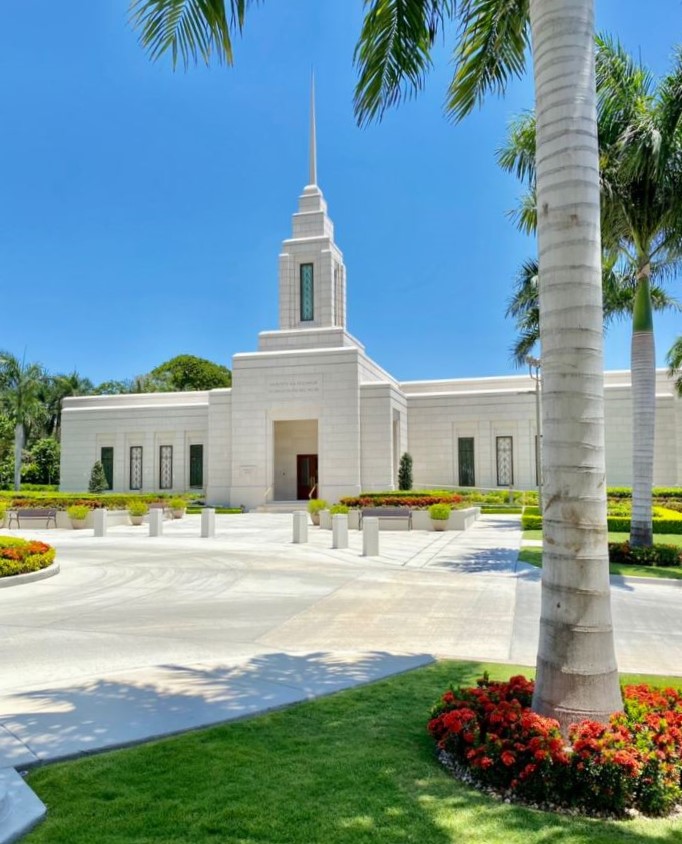

Haiti occupies a unique position on this list: unlike most of the other entries, its crisis is not primarily a conventional armed conflict but a complete collapse of state authority in the face of armed gang control. By 2024, armed gangs - primarily the G9 coalition and Viv Ansanm alliance - controlled an estimated 80% of Port-au-Prince and significant surrounding areas. The gangs had effectively besieged and shut down the main seaport and airport for extended periods. The murder and kidnapping rates are among the highest in the Western Hemisphere.
A Kenyan-led multinational security support mission began deploying in 2024 with the aim of restoring some government authority, with limited results so far. The US, UK, and Canada all advise against all travel to Haiti. The US advisory specifically highlights the risk of kidnapping for ransom targeting foreigners. Cruise ships that once called at Labadee (a walled, private resort on Haiti's north coast) suspended operations.
Haiti's history is one of the most complex and tragic in the Americas: the only successful slave revolt in history (1804), extraordinary mountain landscapes, a rich artistic tradition, and a people who have faced earthquake, cholera epidemic, political assassination, and now gang takeover within living memory.
North Korea
.jpg)
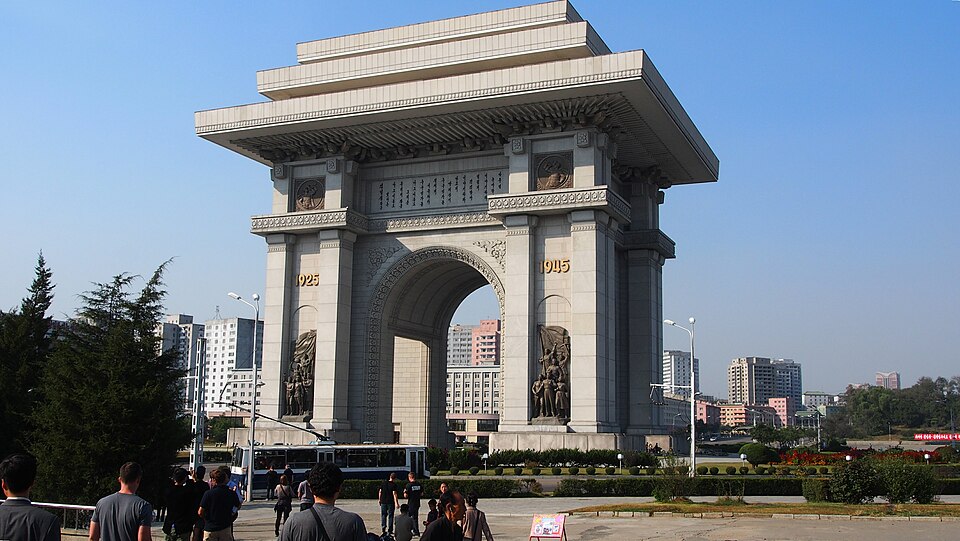
North Korea is a special case: it is not dangerous in the sense that you are likely to be killed there, but it ranks among the worst travel destinations in the world for a different set of reasons. The entire "tourist experience" is a controlled performance. Visitors are assigned state minders at all times, taken only to approved locations, shown carefully staged versions of daily life, and have no meaningful contact with ordinary North Koreans. Your presence generates foreign currency for one of the world's most repressive governments.
The deeper problem is legal risk. Otto Warmbier, a 22-year-old American student, was arrested in Pyongyang in 2016 for allegedly removing a propaganda poster, sentenced to 15 years hard labour, and returned to the US in a coma in 2017. He died six days later. The US has banned its citizens from travelling to North Korea since 2017. Citizens of other Western countries can still technically visit - through tour operators - but the risk of arbitrary arrest and detention is real.
North Korea closed its borders entirely in January 2020 at the start of the COVID-19 pandemic and as of 2025 had not reopened for tourism.
Central African Republic
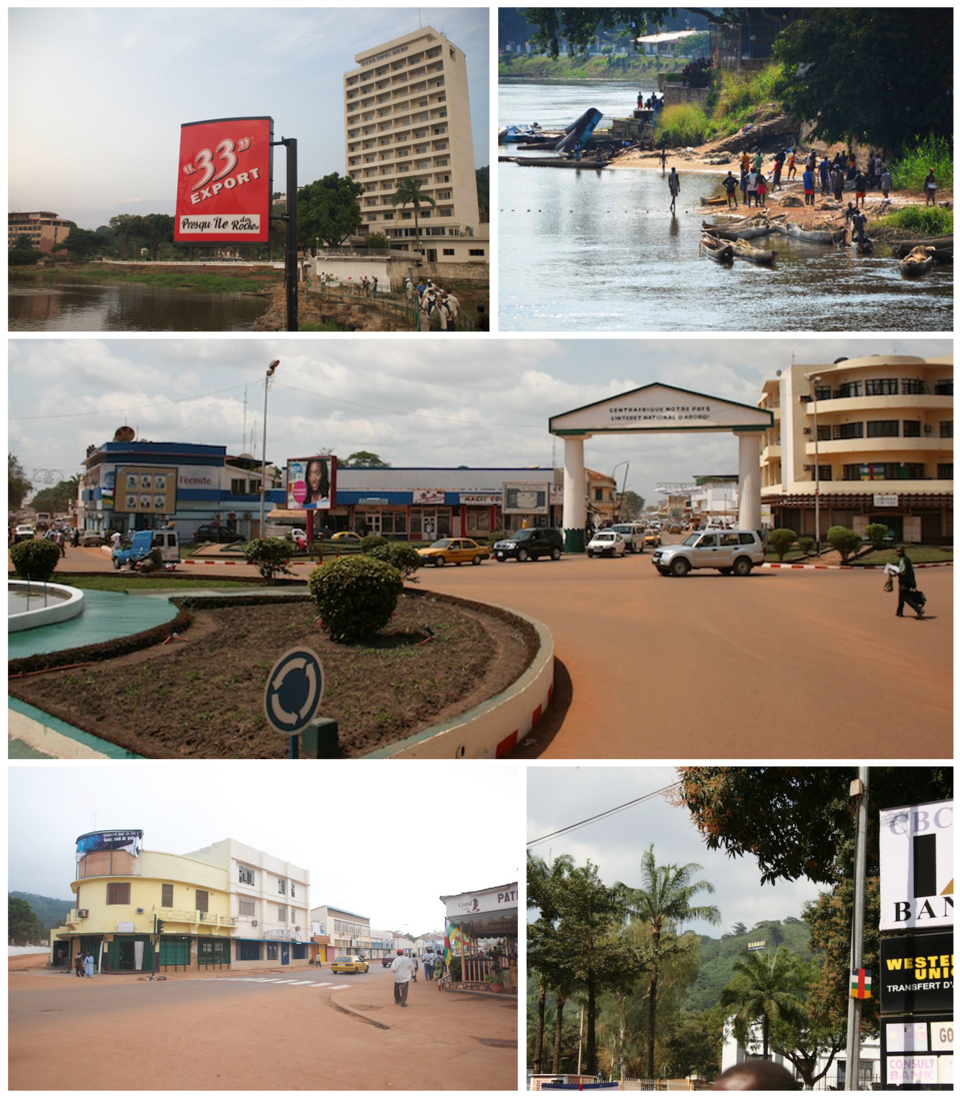

The Central African Republic is one of the world's poorest countries and has been in various states of armed conflict since independence. Multiple armed groups control significant territory outside the capital Bangui, and the government has relied heavily on Russian Wagner Group mercenaries (rebranded as the Africa Corps after Wagner's dissolution) to maintain control. Human rights organizations have documented atrocities committed by both the armed groups and the pro-government forces.
All Western governments advise against all travel to most of the country, with some allowing "essential travel only" to Bangui. The specific risks include armed robbery, kidnapping, and sexual violence. The country's wildlife - Dzanga-Sangha lowland gorillas, forest elephants, and a remarkable concentration of biodiversity - is one of the world's most extraordinary conservation areas, but is accessible only through specialist operators willing to work with the complex on-the-ground reality.
A Note on Volatility
This list will be out of date within months of publication, in both directions. Countries not on it can deteriorate rapidly (as Sudan did in April 2023, going from cautious-travel to full-emergency within weeks). Countries on it can improve: Liberia, Sierra Leone, and Colombia have all been through periods on lists like this one and have substantially stabilized. Myanmar in the 2010s was a destination on many travelers' lists.
The most reliable current information sources are:
- UK Foreign, Commonwealth & Development Office (FCDO): gov.uk/foreign-travel-advice - updated continuously, country-by-country
- US State Department Travel Advisories: travel.state.gov - uses a 1-4 level system
- Australian Department of Foreign Affairs and Trade (DFAT): smartraveller.gov.au - independently maintained and often useful as a second opinion
- Global Peace Index: visionofhumanity.org - annual, comprehensive, data-driven
Check all of these before traveling anywhere on this list - or anywhere that appears in geopolitical news. The situation on the ground can change faster than any article can be updated.
For a city-level breakdown of specific destinations and what makes them dangerous, see our guide to the world's most dangerous cities to visit - covering Mogadishu, Kabul, Kinshasa, and what independent travel there actually looks like.