Countries That Have Literally Banned Tourists (And Why You'd Want to Go Anyway)
The world has spent the last several decades arguing, broadly, that tourism is a force for good - that it spreads money, broadens minds, and produces the kind of mutual cultural understanding that ends wars. A handful of places have looked at this argument carefully, considered the evidence, and concluded: no thank you, please leave us alone, and in some cases, we will fire arrows at you if you persist. These are the destinations that have been formally, legally, or in one notable case quite homicidally placed off-limits to the global tourist economy.
The thrill, of course, is that humans are nothing if not contrarian. Tell us we cannot go somewhere and the somewhere immediately becomes the most fascinating place on Earth. Below are the places working hardest to keep you out, in roughly descending order of how seriously they are taking it.
North Sentinel Island, India: Where the Locals Are Doing the Banning
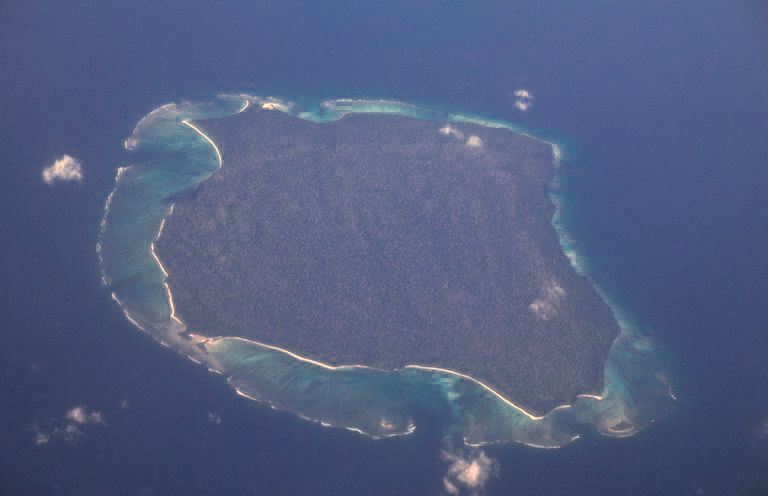
North Sentinel Island sits in the Bay of Bengal, part of the Andaman archipelago administered by India. It is roughly the size of Manhattan, ringed by reef, and home to the Sentinelese - one of the world's last truly uncontacted peoples, who have lived on the island for somewhere between 30,000 and 60,000 years. Indian law prohibits any approach within five nautical miles, partly because the Indian government has a duty of care toward its uncontacted citizens, and partly because the Sentinelese have no immunity to common diseases that would functionally amount to genocide if introduced, and partly because they will absolutely kill you.
The historical record is unambiguous. In 2006, two fishermen who drifted too close were killed and buried in shallow graves on the beach. In 2018, an American missionary named John Allen Chau paid a fishing crew to drop him near the island so he could share the gospel; he was killed within hours of his second landing attempt. The Indian Coast Guard used drones to locate his body, then declined to retrieve it, on the entirely sensible grounds that anyone going onto the beach to recover it was likely to join him there. Chau's diaries, which were recovered, contain the line "Lord, is this island Satan's last stronghold," which is a question with several possible answers, only some of which are theological.
Visiting is therefore illegal both because the Indian government has banned it and because the Sentinelese themselves have implemented a more direct enforcement mechanism. Both authorities are in unusual agreement on this point.
Bhutan: The Ban That Charges By the Day
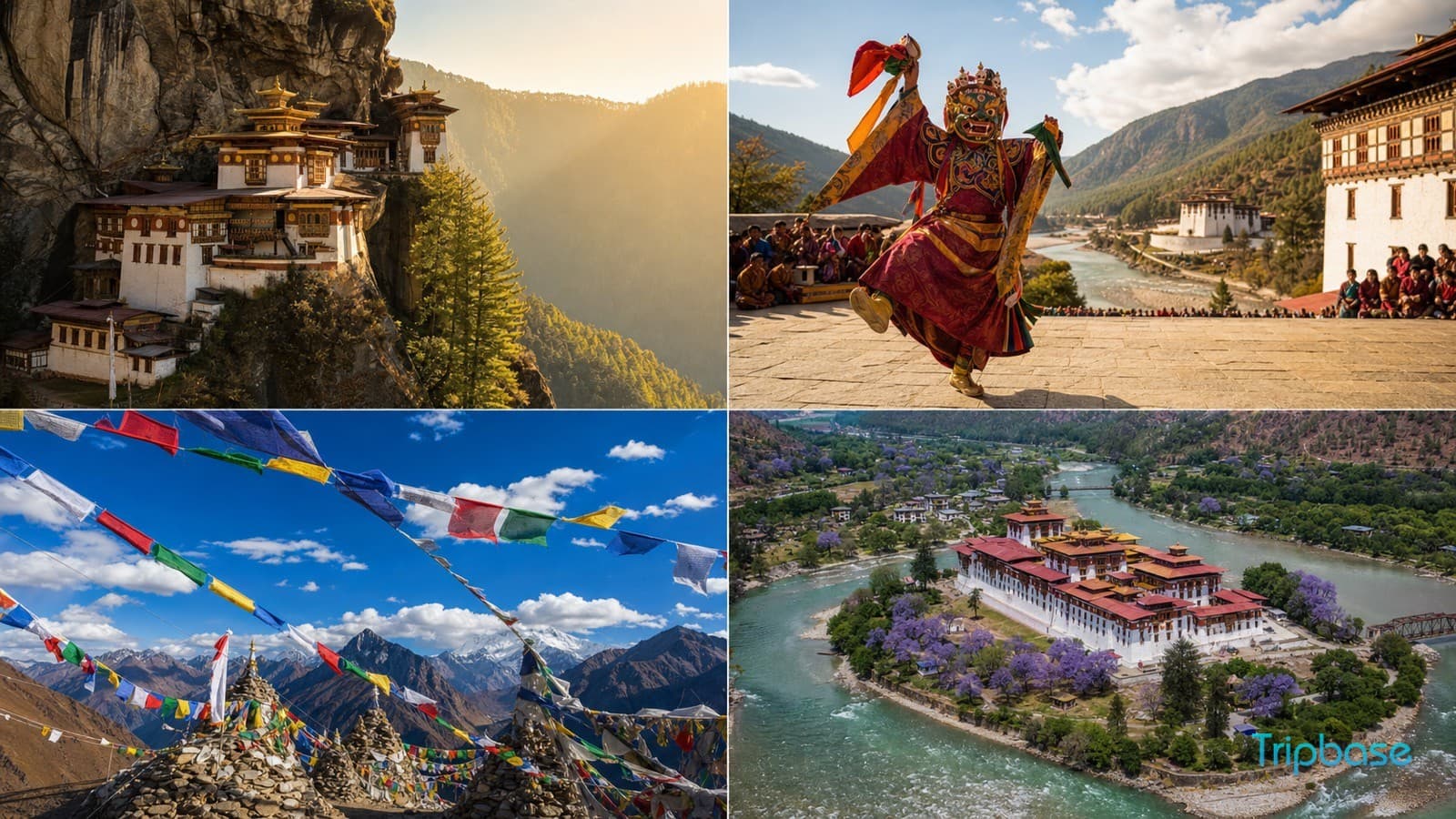
Bhutan has not technically banned tourism. What Bhutan has done is calculate, with admirable bureaucratic precision, exactly how much it would cost to make tourism inconvenient, and then charged that amount. The country requires every foreign visitor to pay a Sustainable Development Fee of US$100 per night - reduced from a mind-bending $200 in 2023 - on top of all the actual costs of being in Bhutan: hotels, food, the mandatory guide who will accompany you everywhere, transport, and the visa itself. A two-week trip therefore starts at around $4,000 in fees alone, before you have eaten anything or stayed anywhere, which is an effective filter against the kind of tourist who arrives in flip-flops and demands a cheeseburger.
This is officially a policy of "high value, low impact" tourism, which is government-speak for "we would prefer the wealthy ones, please." It works. Bhutan welcomes around 100,000 foreign tourists a year - roughly the daily footfall of Disneyland Paris - and the country measures success in Gross National Happiness rather than GDP, which is either deeply enlightened or marketing genius and probably both. Independent travel is not allowed; you must book through a registered Bhutanese tour operator. Showing up alone with a backpack will get you politely turned around at the border, possibly while being offered tea.
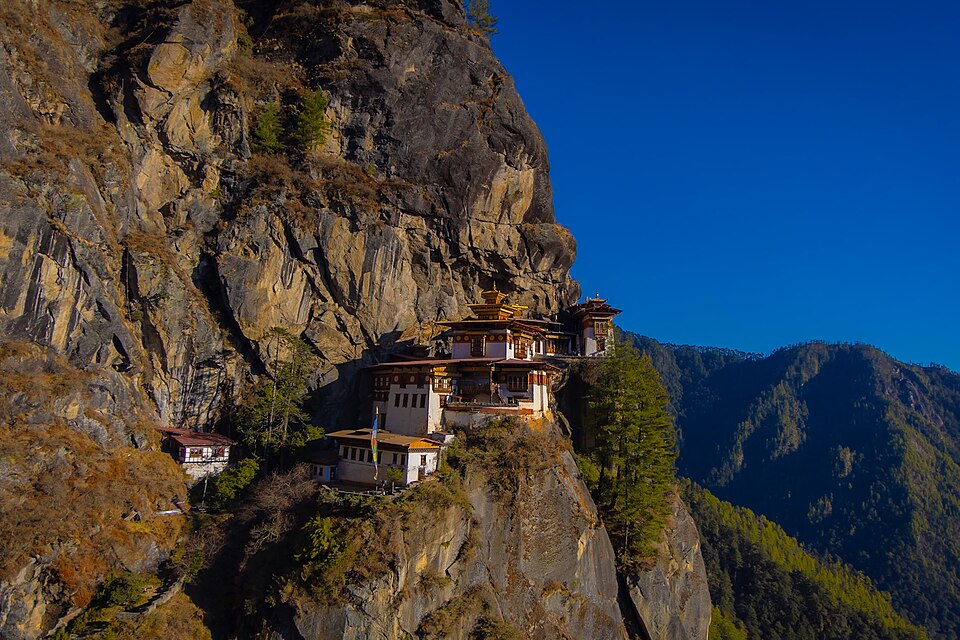
The country itself is, for what it's worth, genuinely extraordinary. The Tiger's Nest monastery clings to a cliff at 3,120 metres, traditional dress is mandatory in government buildings, the national sport is archery, and television was illegal until 1999.
North Korea: The Tour Where You Are Always Being Watched, Politely
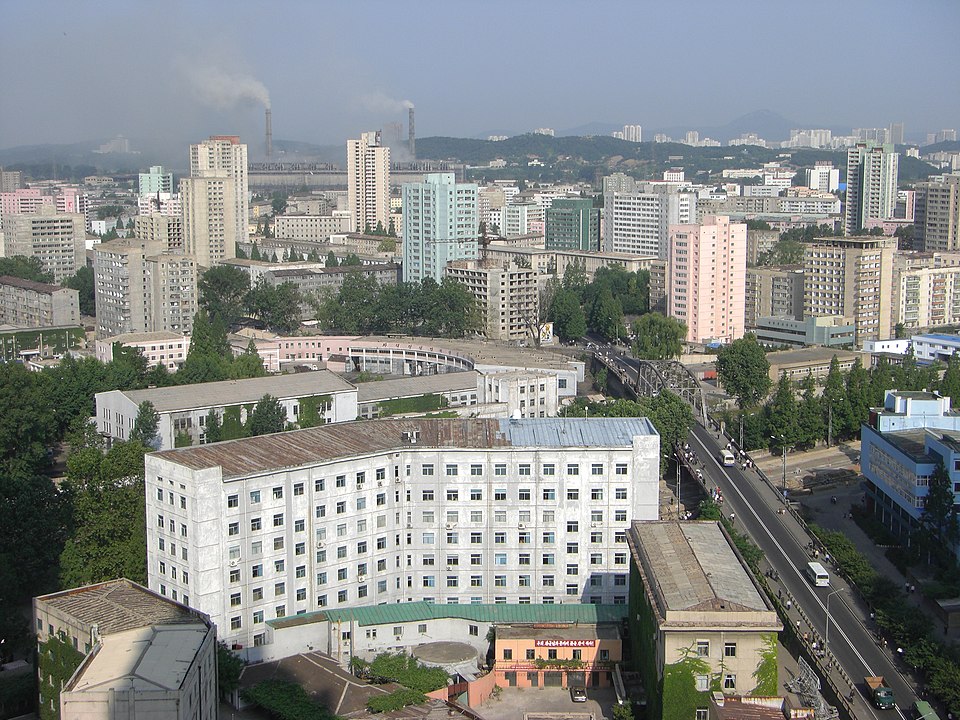
North Korea has, for most of its existence, accepted tourists in a tightly choreographed form that consists of being driven around Pyongyang by two minders, looking at the things you are permitted to look at, and being driven home again. American citizens were specifically banned from visiting in 2017, following the death of student Otto Warmbier shortly after his return from a 17-month detention in the country, which the US State Department took as a sign that the protective infrastructure for ordinary visitors was not, in fact, especially protective. The ban remains in force.
For non-Americans, the country closed entirely to all foreign tourism in early 2020 over Covid, and stayed closed for nearly five years. A limited reopening in 2024 lasted approximately three weeks before the country closed again to most tour operators in March 2025 (only Russian tourists were briefly allowed, an arrangement which has its own diplomatic flavour). The current situation, as of writing, is that organised tourism for Western nationals is largely suspended.
If and when the country reopens to your nationality, you will travel in a tour group of two or more (never alone), be assigned at least two state-approved guides, hand over your phone and laptop on arrival, photograph only what you are told you may photograph, and bow at appropriate statues at appropriate moments. You will not be allowed to wander, ask questions, or make jokes. Especially the last one.
Snake Island, Brazil: Five Vipers Per Square Metre
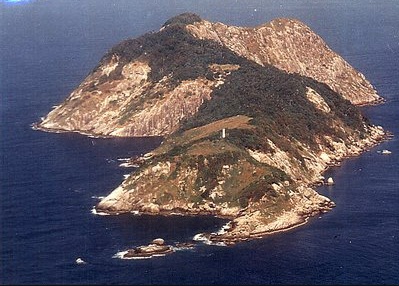
Off the coast of São Paulo state lies Ilha da Queimada Grande, which is the official name. Locals call it Snake Island, which is more descriptive and also quite a lot more accurate. The 43-hectare island is home to the golden lancehead pit viper - Bothrops insularis, found nowhere else in the world - at a density that researchers have estimated at one snake per square metre at peak, which is to say that wherever you stand, you are standing on a snake or about to be. The Brazilian Navy enforces a strict ban: no civilian visitors. The only humans permitted are scientists with research permits and a Navy detail to maintain the lighthouse, and even they don't enjoy it.
The reason for the snakes is what biologists call an extreme founder effect. Roughly 11,000 years ago, rising sea levels separated the island from the mainland, trapping a population of pit vipers on a piece of land with no ground-dwelling prey. The snakes adapted by climbing trees and ambushing migratory birds, evolving venom roughly five times more potent than their mainland cousins. The venom causes massive haemorrhaging, kidney failure, and the kind of necrosis that medical journals describe in language usually reserved for war wounds.
Local folklore claims that the last lighthouse keeper and his entire family were killed when snakes came in through the windows in the 1920s. Whether or not this is literally true, the island has had an automated lighthouse since 1925, which speaks for itself.
Heard Island: The Australian Volcano Almost Nobody Has Set Foot On
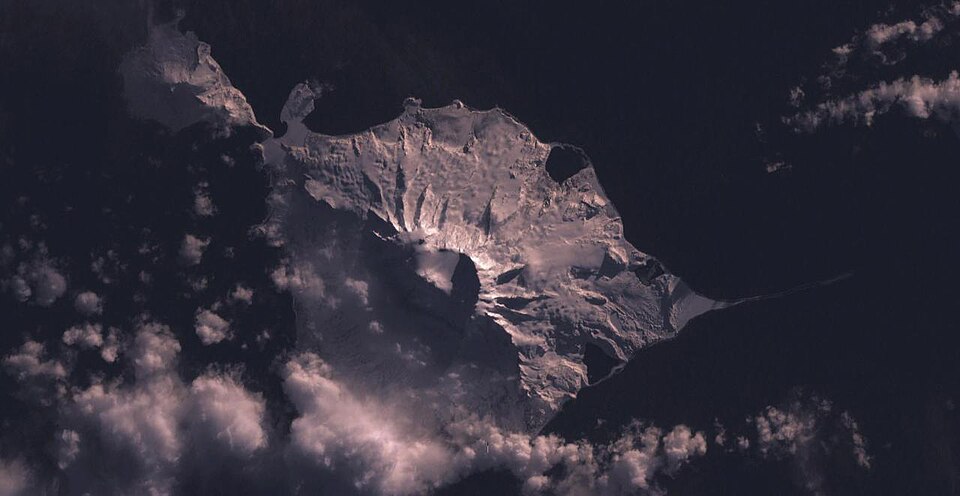
Heard Island is Australian territory, which is technically true and also the kind of fact that requires a paragraph of disclaimers. It sits roughly 4,000 kilometres southwest of Perth, in the Southern Ocean, between Madagascar and Antarctica. It contains Big Ben, the only currently active volcano on Australian territory, which last erupted in 2016 and may well be erupting as you read this, given that nobody is there to check. The island is about 80% covered by glaciers and the weather is perpetually awful.
Tourism is not strictly illegal, but it is practically impossible. The Heard Island and McDonald Islands Marine Reserve restricts access to scientific expeditions, and even those have to apply for permits years in advance, charter a suitable vessel (no commercial flights exist within 4,000 kilometres), and accept that they may simply not be able to land once they arrive. Around 240 humans have ever set foot on Heard Island, ever, in recorded history. For comparison, more people have summited Mount Everest. The island doesn't need a tourism ban because it has the Southern Ocean.
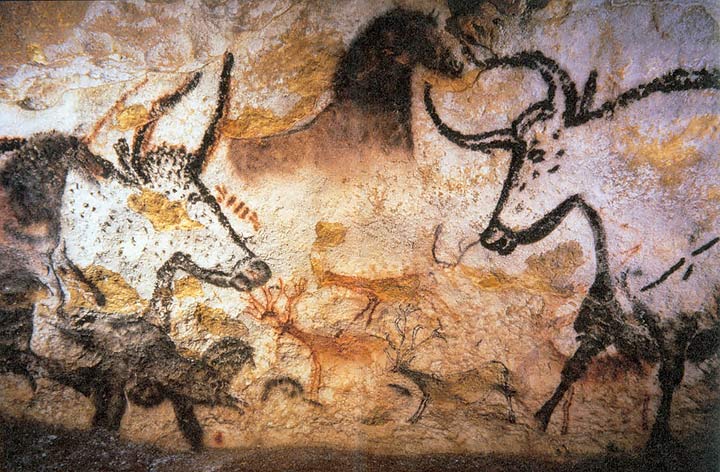
Lascaux Caves, France: Banned Because Tourists Were Killing the Paintings
The Lascaux caves in southwestern France contain some of the most important Palaeolithic art in the world: roughly 600 painted images of bulls, horses, deer, and abstract symbols, made about 17,000 years ago by people who had clearly mastered both pigment chemistry and animal anatomy long before they had mastered, say, the wheel. The caves were discovered in 1940 by four teenagers and a dog named Robot, which is the kind of detail that sounds invented but is documented. They were opened to the public in 1948, attracted around 1,500 visitors a day at peak, and were promptly destroyed by them.
The destruction was not malicious. It was respiratory. Tens of thousands of breathing humans introduced carbon dioxide, heat, and humidity into a sealed limestone environment that had remained climatically stable for 17 millennia. By 1955 the algae blooms had started; by 1963 the French Ministry of Cultural Affairs had no choice but to permanently close the original caves to the public. The ban is necessary because tourism, very politely and entirely accidentally, was destroying a 17,000-year-old artwork at the rate of about a year per visit.
Tourists today see Lascaux IV, a full-scale replica that opened in 2016 about 200 metres from the original. It is genuinely impressive, contains all 600 images, and lets you experience the caves without ruining them - which is, when you think about it, exactly the kind of compromise our species should probably be making more often. We've covered the broader theme of tourists damaging things they came to see at considerably more length.
Surtsey Island, Iceland: An Island That Was Born in 1963 and No-One Is Allowed On
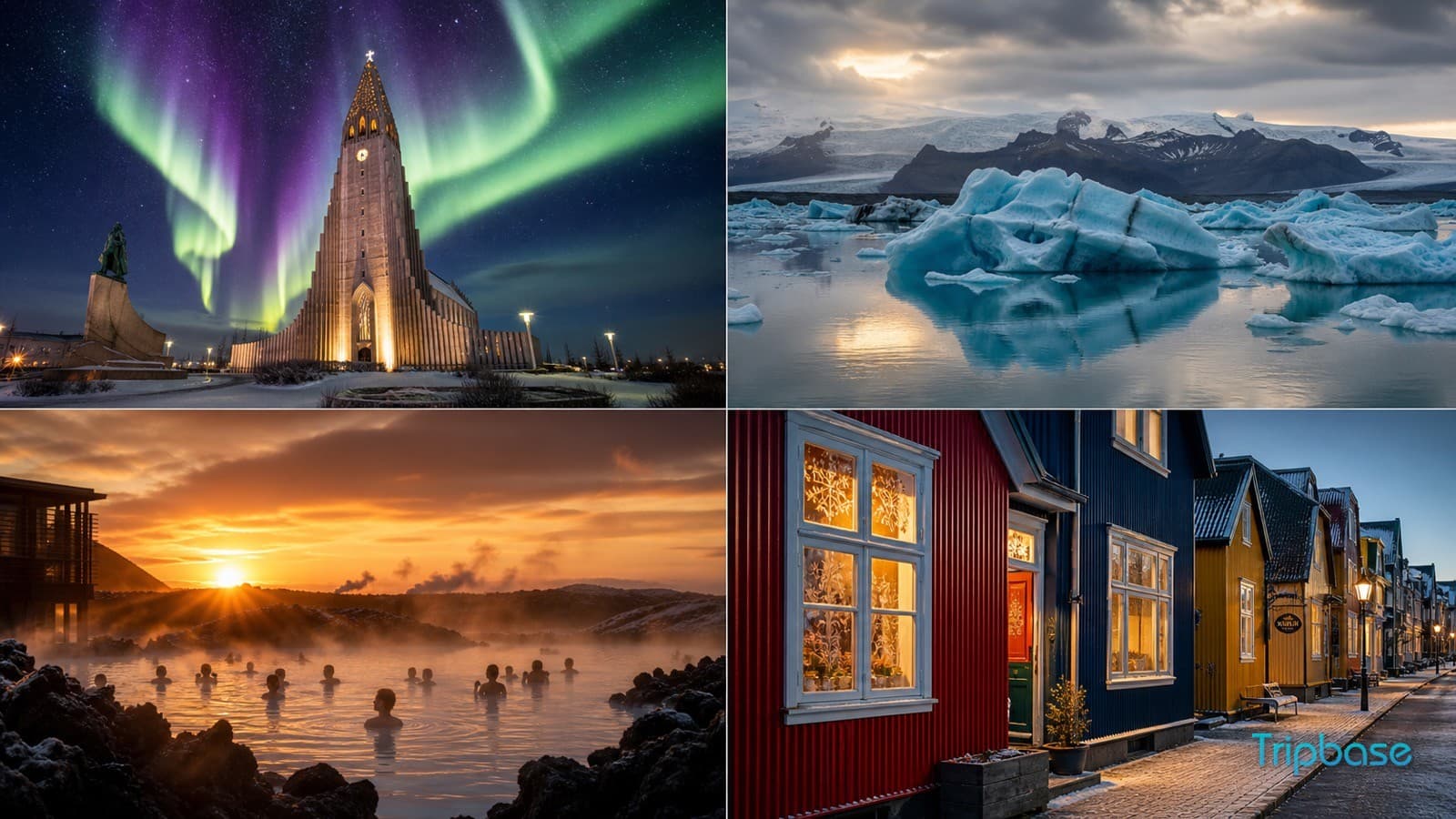
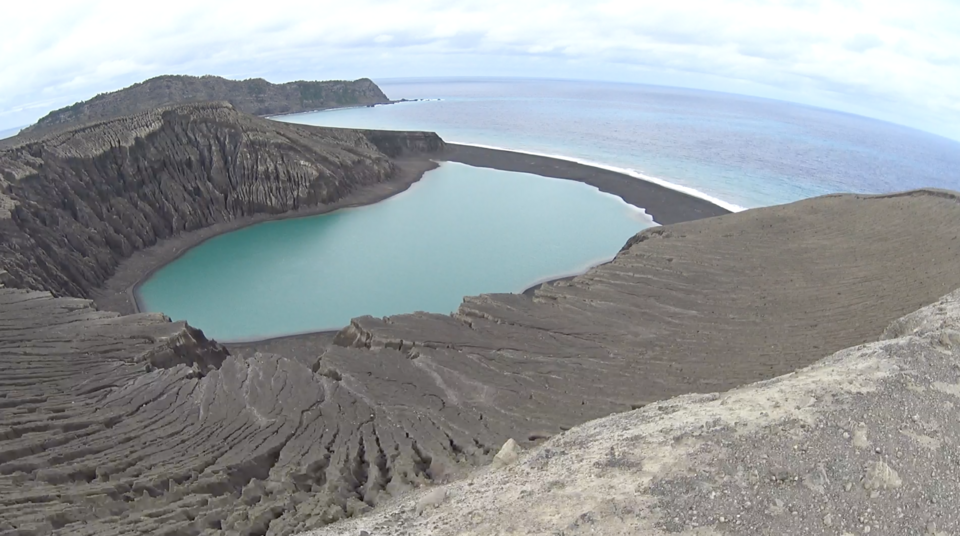
In November 1963, an Icelandic fishing crew off the south coast of Iceland noticed smoke rising from the sea and assumed a boat was on fire. It was not a boat. It was a submarine volcanic eruption, and over the next three and a half years it produced an entirely new island, named Surtsey after the Norse fire giant Surtr. The island is, geologically speaking, a baby - one of the youngest pieces of land on Earth - and Iceland has decided, with admirable foresight, that it will be left almost entirely alone so that scientists can study how a sterile volcanic rock becomes a functioning ecosystem from scratch.
Tourism to Surtsey is therefore banned. Not restricted, banned. The only humans permitted to set foot on the island are a handful of credentialed scientists, who must follow rigorous protocols to avoid bringing seeds, spores, or other biological material with them - one famous incident involved a tomato plant that grew, briefly, from a researcher's bathroom break, and was promptly uprooted by a horrified colleague. UNESCO recognised the island as a World Heritage Site in 2008. You can see Surtsey from boats and from the air, and Icelanders consider it slightly rude to ask whether you can land. You cannot.
Yemen, Libya, Syria: The De Facto Bans
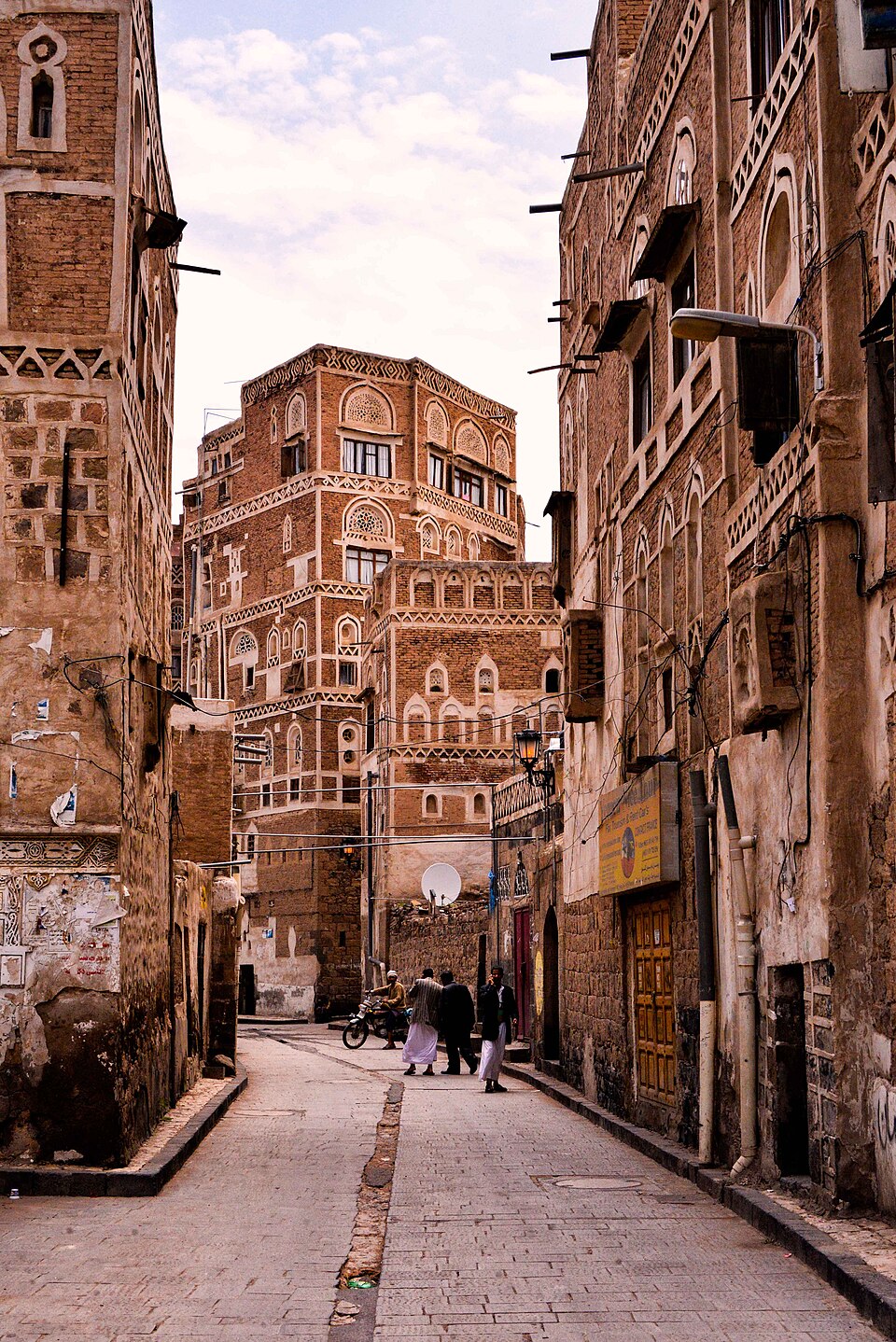
Some countries do not technically forbid tourists. They simply allow the situation on the ground to do the work for them. Yemen is on most Western governments' "do not travel under any circumstances" lists, which is the strongest advisory category and which most travel insurance companies treat as a polite way of saying "we will not be paying out for you." The country has been at war since 2014, has the largest cholera outbreak in modern history, and has airports that periodically get hit by missiles.
Libya, Syria, and parts of Somalia operate on similar de facto bans: not illegal, exactly, but functionally inaccessible to anyone without specific contacts, military experience, or what insurers call "a high tolerance for adverse outcomes." These are places where the official position is "you may visit, theoretically," and the practical position is "please do not." We've covered the broader category of places that are genuinely dangerous to visit in detail, with the kind of context that makes you want to book Switzerland instead.
Why People Keep Trying Anyway
The pattern across all of these places is that the more clearly somewhere is forbidden, the more people decide they would like to go. North Sentinel Island has had a steady trickle of trespassers for decades, ranging from the genuinely curious to the actively suicidal. People still try to land on Heard Island in private yachts, occasionally drown, and become a footnote in someone's PhD on Antarctic logistics. The Bhutanese tourism cap fills up every year. There is something about a closed door that human beings find structurally intolerable.
The list is also a useful corrective to the idea that the world is now fully mapped, fully visited, and fully Instagram-able. There are still genuinely uncontacted peoples, still places where the practical limits of human presence have been reached, still islands so remote that the question of who owns them is a recent and contentious one. The map is not, in fact, finished, and a small portion of it is functionally still blank.
If your reaction to reading this is mostly to wonder how you might get to North Sentinel anyway, please consider going somewhere with a slightly better risk-to-reward ratio. We hear Bhutan is lovely, in the sense that it is genuinely one of the most beautiful countries on Earth, and the only thing they will hit you with is a slightly alarming invoice. Disclaimer: As a brand, Tripbase is accepting of all global cultures and respects every nation's right to determine its own tourism policy. This article is meant for informational purposes. Please do not, under any circumstances, attempt to visit North Sentinel Island. The Sentinelese have been very clear about this for the last 60,000 years.