Things That Are Illegal at the World's Most Famous Tourist Sites
Tourist sites are governed by an enormous, opaque, and increasingly aggressive web of rules that almost no one tells you about until the moment you break one. Some of these rules exist for very sensible reasons (centuries-old marble does not love stiletto heels). Others exist because of one extremely memorable incident in the 1970s involving a Frenchman, a fountain, and a swimsuit. The fines, however, are real, and they are administered by people who have heard every excuse and are not interested in yours.
If you are about to embark on a multi-country sightseeing trip, this is the list to skim before you fly. Consider it a curated map of the small infractions that have, over the years, ruined many a holiday photo album, several engagements, and at least one international diplomatic relationship. We have, where possible, included the specific fine amount, on the grounds that knowing how much your mistake will cost is somehow less painful than finding out at the gendarmerie.
Getting Anywhere Near the Mona Lisa
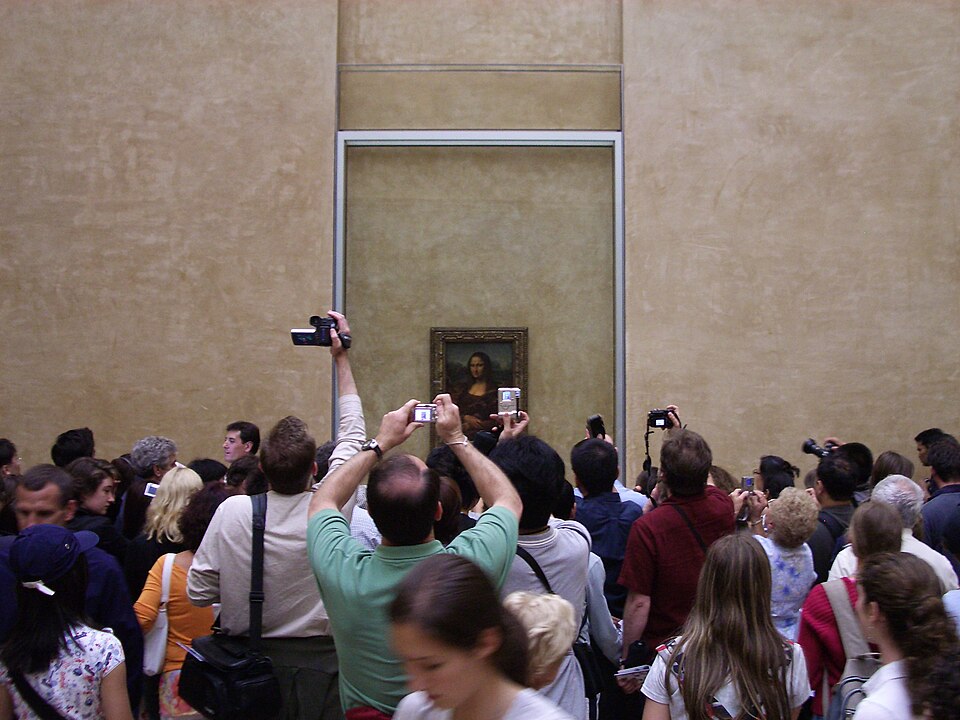
The Mona Lisa, as a work of art, measures 77 by 53 centimetres - roughly the size of a flatscreen TV from 2003. The exclusion zone in front of her, however, has the dimensions of a small swimming pool. The Louvre installed a curved wooden barrier in 2005 to keep visitors at a distance, and reinforced it with a much larger stand-back rope and a glass case after one too many incidents involving paint, soup, and angry French agriculture protestors. You will, in practice, get no closer than approximately 4.5 metres from the painting itself, in a room in Paris that holds around 30,000 visitors per day.
This means that the painting, viewed from the closest legal vantage, is roughly the size of a postage stamp held at arm's length. The single most photographed object in the Louvre is, paradoxically, the back of someone else's iPhone. Touching the barrier is forbidden. Crossing the barrier is forbidden. Climbing the barrier to take a selfie - which sounds like the kind of thing nobody would do, but for which the Louvre has dedicated guard staff - results in immediate ejection and, depending on the day, a written record handed to local police.
The painting itself is, by general consensus, smaller and dimmer than its reputation suggests. Most visitors describe the experience as "underwhelming" within minutes of waiting in line for hours to have it. France remains entirely unmoved. The Mona Lisa is staying exactly where she is, behind that barrier, looking faintly amused at the entire situation.
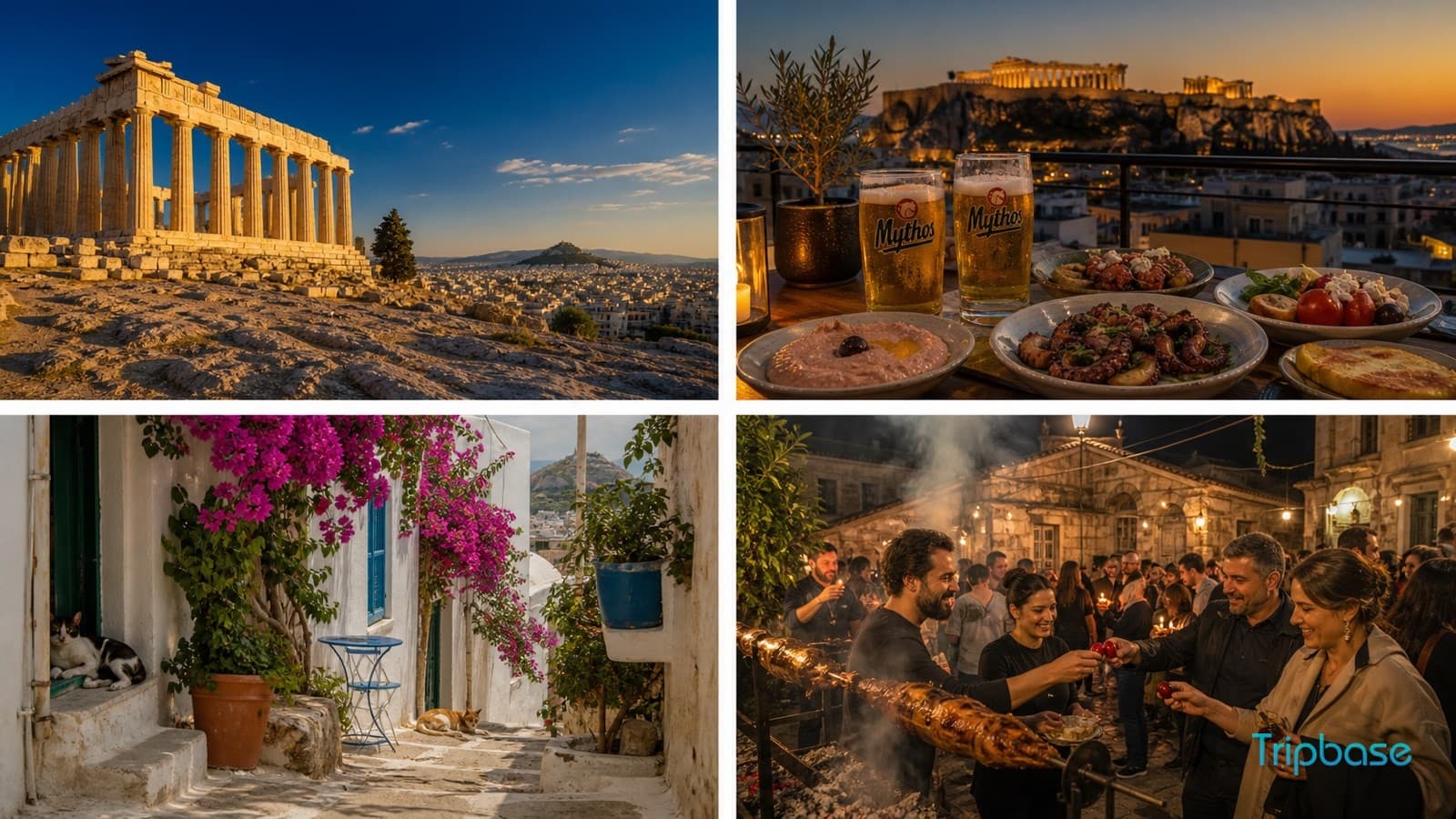
Wearing High Heels at the Acropolis
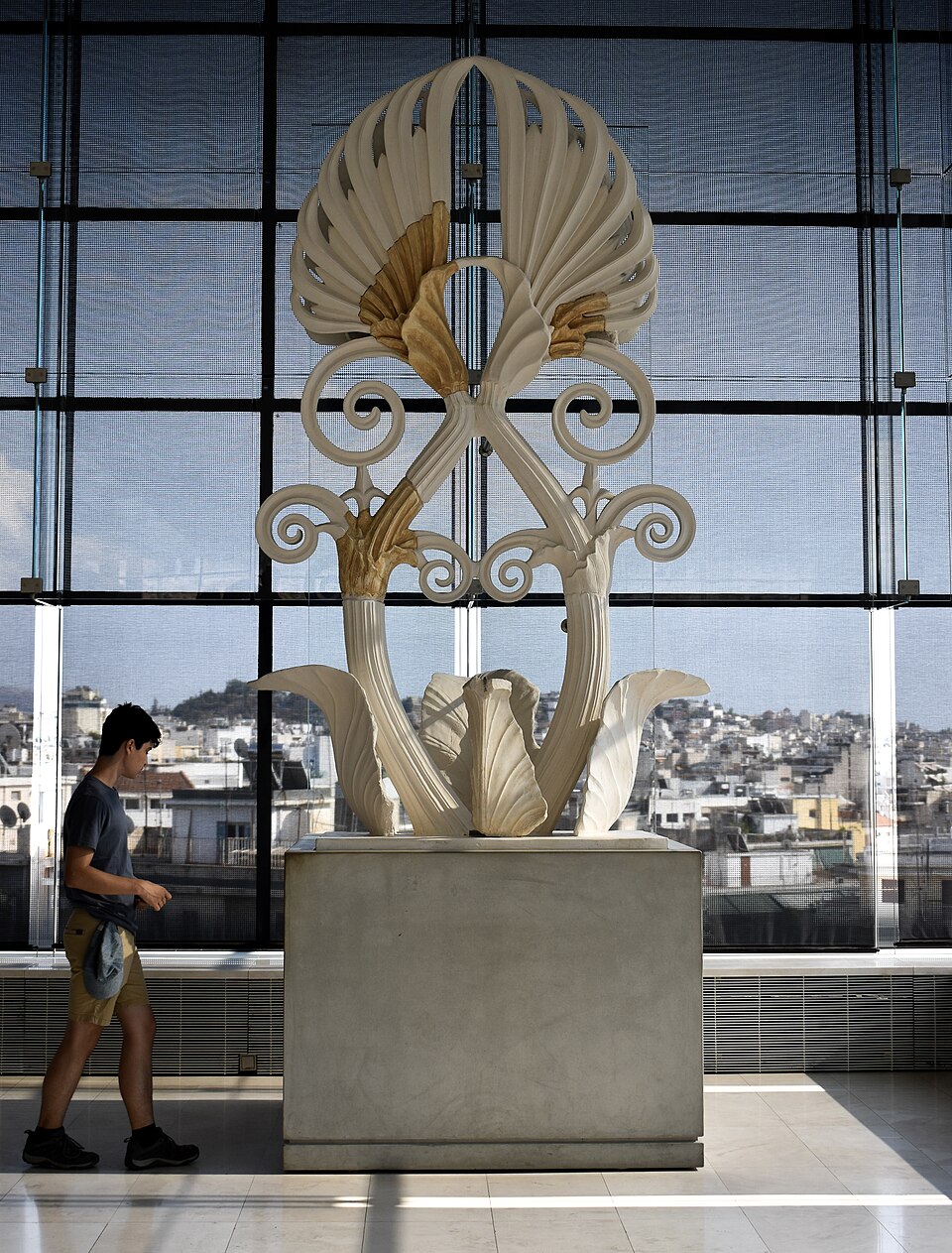
In 2009, Greek authorities formally banned high-heeled shoes at the Acropolis and most other archaeological sites in the country, after centuries of accumulated stiletto damage to ancient marble began to show. The marble in question is not modern marble - it is ancient, soft, polished by 2,500 years of weather and human feet, and surprisingly vulnerable to the sharp point of a stiletto, which delivers more pressure per square centimetre than the foot of an elephant. This is not an exaggeration. It is high-school physics.
The ban is enforced by guards at the entrance, who will turn you back, in front of everyone you came with, if you arrive in inappropriate footwear. Sneakers are required. Flat sandals are tolerated. Anything with a heel, including wedges, is, at the discretion of the guard, refused. There is no signage explaining this in advance and no airport pamphlet warning you, which means a great many visitors have made the long uphill walk only to be turned back at the gate, in unsuitable shoes, in 35-degree heat, in front of their entire tour group.
If you find yourself on this particular escalator-of-shame, the closest sensible solution is to buy a cheap pair of sandals from one of the hundreds of nearby tourist shops who have, over the years, learned to capitalise on exactly this scenario. The Greek economy has, in a small way, been propped up by impractical European footwear.
Taking a Selfie in the Sistine Chapel
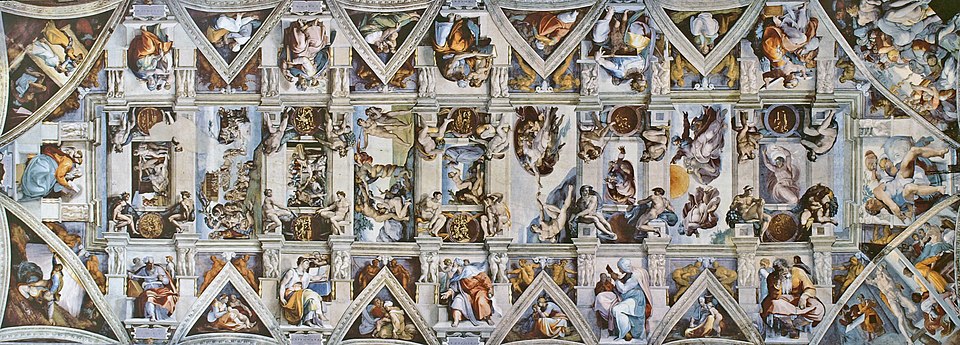
Photography of any kind is forbidden inside the Sistine Chapel, a rule that surprises an astonishing number of visitors given that they have just walked through several hundred metres of Vatican Museum where photography is permitted right up to the doorway. The ban dates to 1980, when Nippon Television Network of Japan paid for the chapel's restoration in exchange for exclusive photographic rights to the cleaned frescoes for a period of years. That contract has long since expired. The ban remains, partly out of inertia, partly because the Vatican has decided that the silence and reverence the chapel is supposed to inspire is incompatible with eight hundred phones being held aloft simultaneously.
The chapel is also, technically, a place of worship, and the Sistine Guard - the Vatican's own internal security - circulates among the visitors, asking them to stop talking, stop pointing, and most especially stop photographing. The recurring announcements, played in six languages on a loop, include the phrase "no photo, no video, silence please," delivered with the resignation of a man who has said this 14 million times in his career and would prefer not to say it again. He will, however, say it again.
Get caught taking a photograph and you will, at minimum, be asked to delete it on the spot. Repeat offenders can be ejected from the entire Vatican Museum complex. Sneakily attempting to take one with the camera flash on is the surest way to be marched out, because the flash damages the pigments and the guards have a kind of professional sixth sense for it. People have been known to weep.
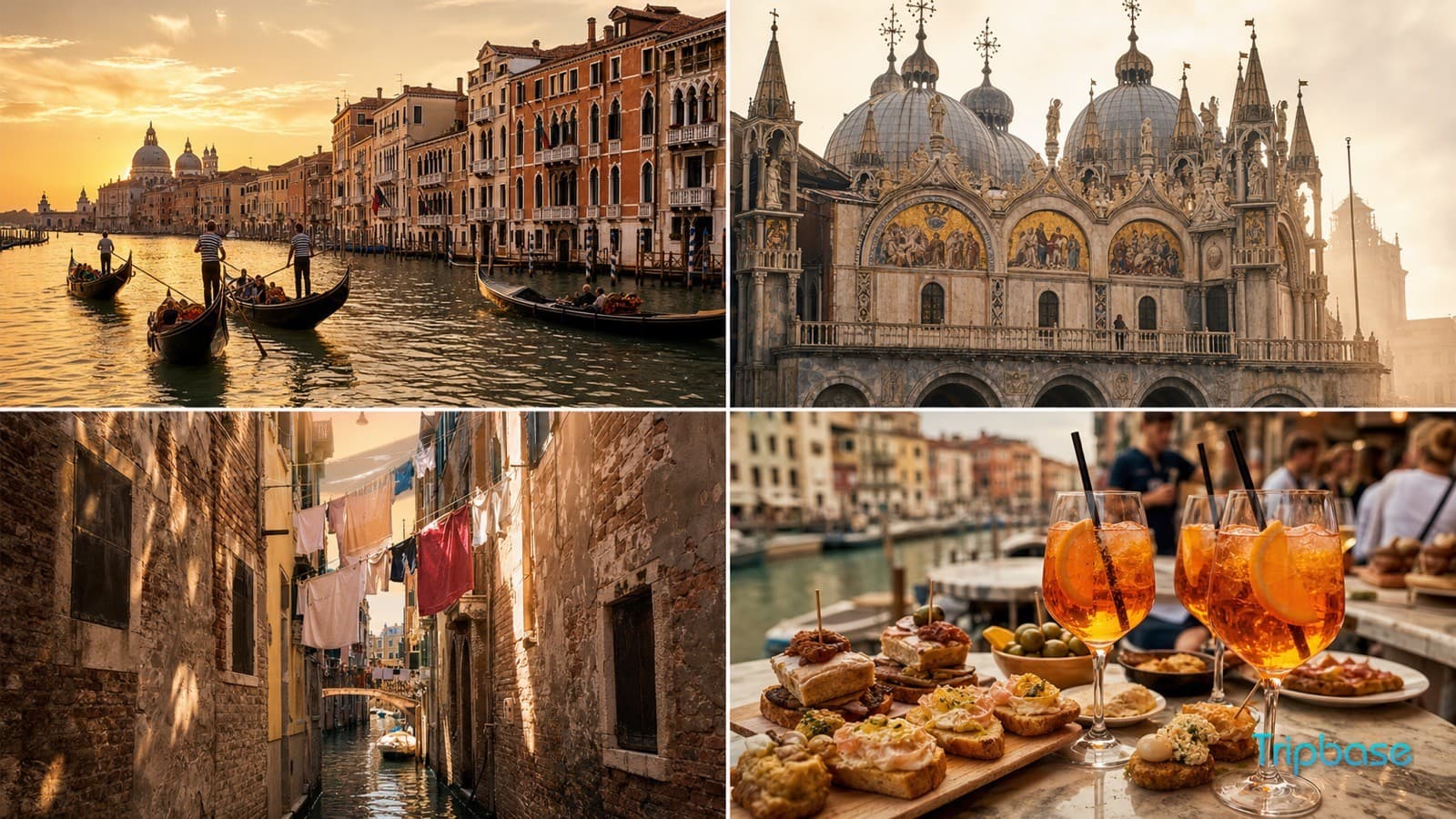
Feeding the Pigeons in Piazza San Marco
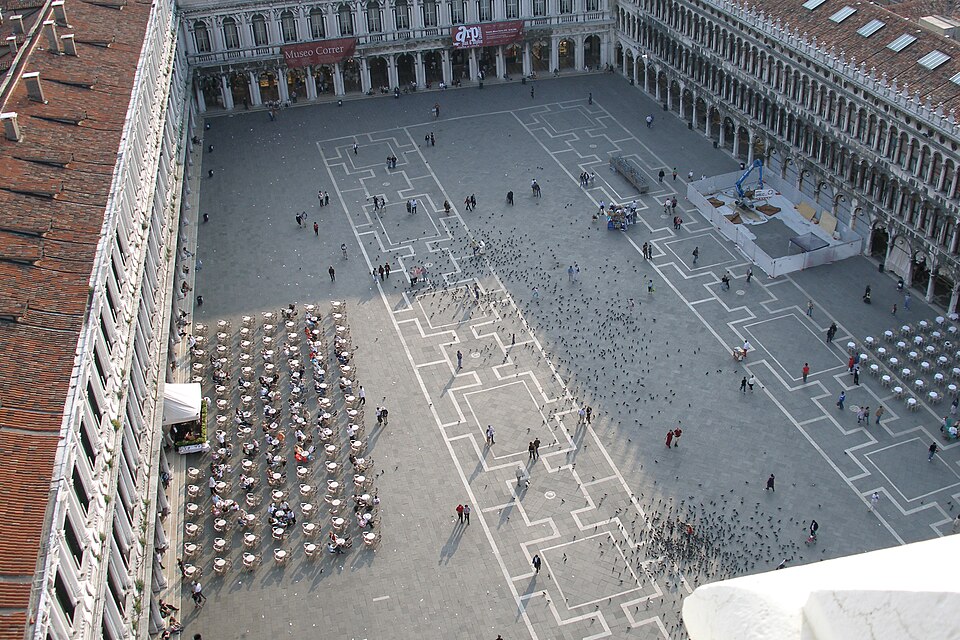
For roughly four hundred years, Venetians and tourists alike fed the pigeons of St. Mark's Square as a sort of established municipal hobby. There were vendors selling pigeon feed for two euros a packet. The pigeons posed for photographs. Postcards depicted children covered in them. It was a thing. In 2008, Venice banned the practice outright, on the grounds that the pigeon population had ballooned to roughly 130,000 birds, that pigeon droppings were eroding the centuries-old marble of the basilica and the surrounding buildings, and that the cost of cleaning was approaching one million euros per year.
The fine for feeding the pigeons is now up to 700 euros, payable on the spot to any of the surprisingly large number of plain-clothes municipal officers who patrol the square specifically to catch tourists doing it. The pigeon feed vendors were forced out of business. The pigeons themselves, deprived of human-supplied snacks, have largely dispersed to other parts of the city, where they continue to be a nuisance but a less expensive one.
The temptation, when you arrive, is enormous. There are still pigeons in the square, by reputation if nothing else, and they will approach if they think you might have food. Resist. The 700 euro fine is enforced. Your tour guide will not vouch for you. Your home embassy cannot help. The pigeon, ultimately, is an Italian municipal asset, and Italy has decided you may not feed it.
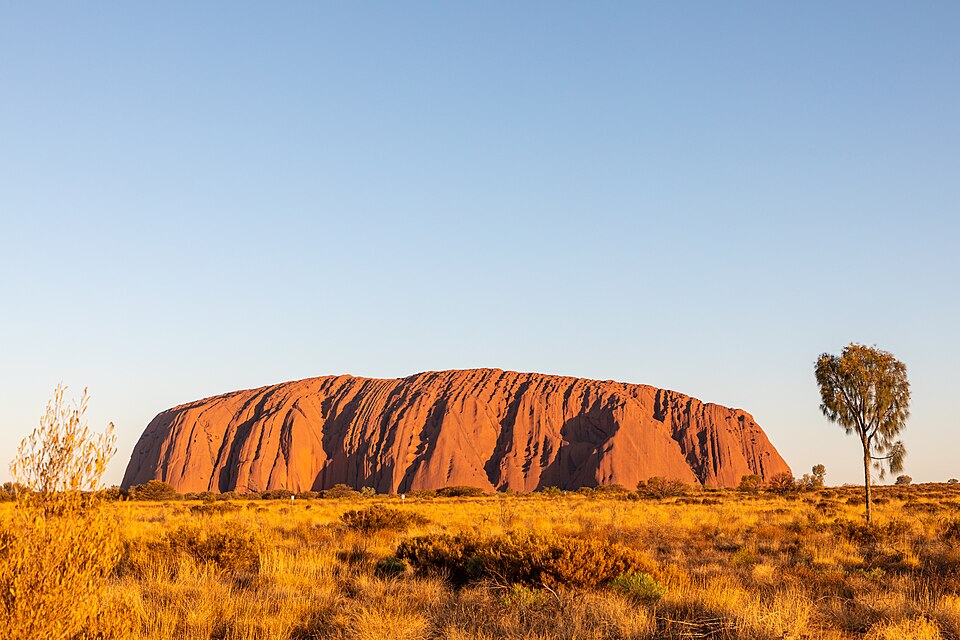
Climbing Uluru
Climbing Uluru - the enormous sandstone monolith in the centre of Australia formerly known to white Australians as Ayers Rock - was permanently banned on 26 October 2019. Until that date, climbing the rock was a long-standing tourist tradition, despite the fact that the Anangu people, the rock's traditional owners, had been politely and then less politely asking visitors not to do it for several decades on cultural grounds. The Anangu consider Uluru sacred, and the climb route specifically follows a ceremonial path used in male initiation rites.
The decade-long campaign to close the climb was eventually successful, and the chain that had been bolted into the rock to assist climbers has since been removed. Attempting to climb Uluru today is illegal under Australian federal park law, with fines up to AUD 6,300 and the possibility of up to two years in prison if you cause damage. Park rangers patrol the perimeter on foot and by vehicle. The site is monitored by camera. There is, in any case, no longer any chain, no path, and no obvious route up - just unstable, weathered sandstone and a 348-metre drop to the desert floor.
Several deaths occurred on the climb in the years before its closure, mostly from heat exhaustion or falls. Walking around the base on the eight-kilometre Uluru Base Walk is now the standard tourist experience, and is, by every account, a more meaningful one. The rock changes colour at sunrise and sunset in ways that don't really photograph properly. You should still try.
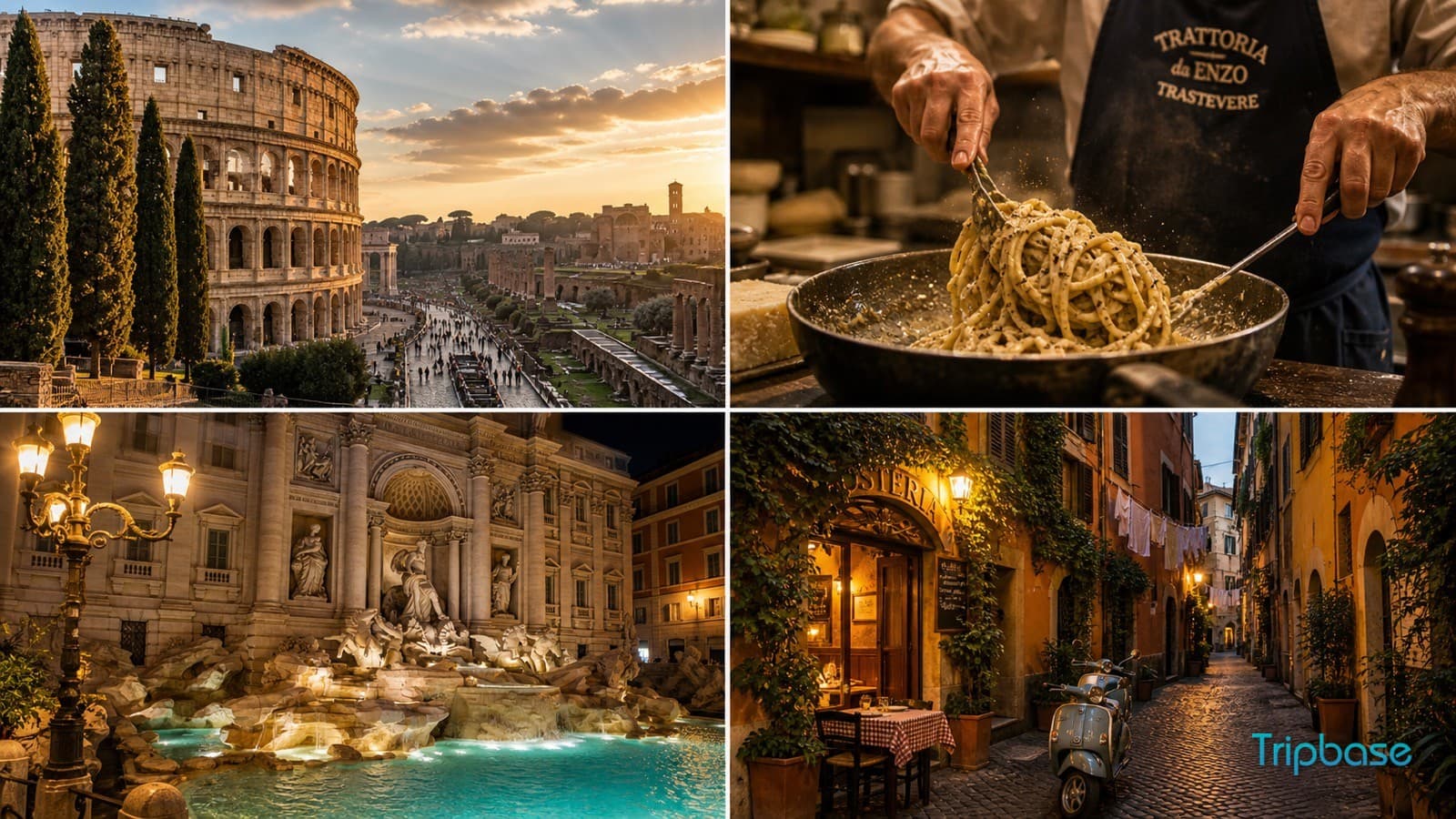
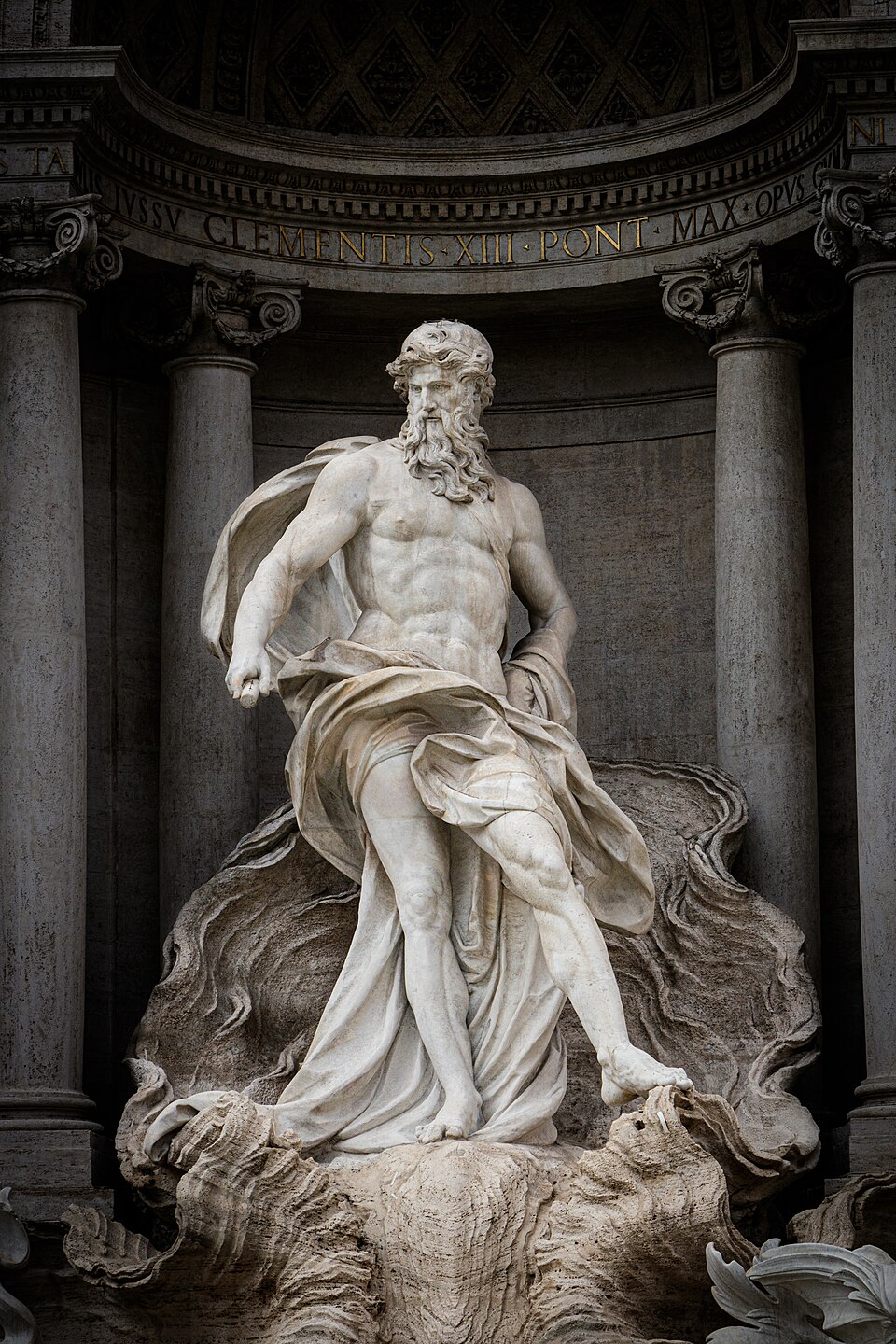
Swimming, Wading, or Bathing in the Trevi Fountain
The Trevi Fountain, completed in 1762, is fed by the ancient Aqua Vergine aqueduct that has been running since 19 BC. Climbing into it is, with sad regularity, attempted by tourists who have either seen La Dolce Vita, become drunk in central Rome, or both. The fine for entering the fountain is now up to 450 euros, increased from a much lower amount in 2017 specifically because the smaller fine wasn't deterring the famously deterrent-resistant clientele of the Roman late-night.
The fountain is patrolled around the clock by municipal police and a remarkable number of plain-clothes officers, particularly in summer when the temptation is at its peak. Sitting on the edge is forbidden. Touching the water is forbidden. Eating or drinking on the fountain steps is forbidden. The famous coin-tossing tradition is permitted - the city collects approximately 1.5 million euros per year in tossed coins, which it donates to a Catholic charity that feeds the homeless of Rome - but you must throw the coin over your left shoulder with your right hand, while facing away from the fountain. (You don't have to do this. Nobody will fine you for chucking it in the wrong way. But people will judge you.)
The 1960 Anita Ekberg scene from La Dolce Vita, in which she wades into the fountain in an evening gown, is the single most damaging piece of cinematography ever inflicted on Italian municipal infrastructure. It has been blamed, by Roman officials, for approximately every fountain-climbing incident since.
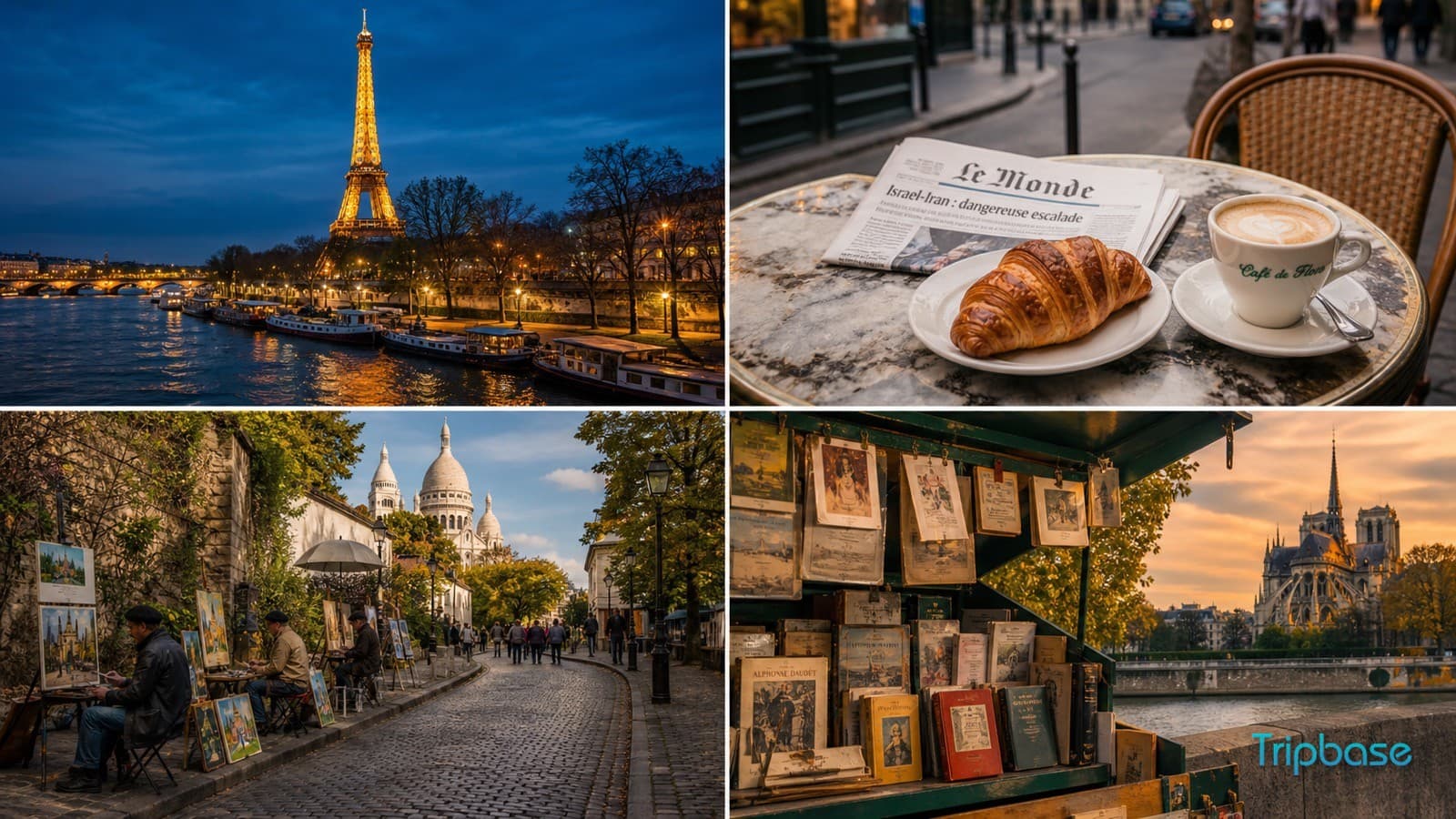
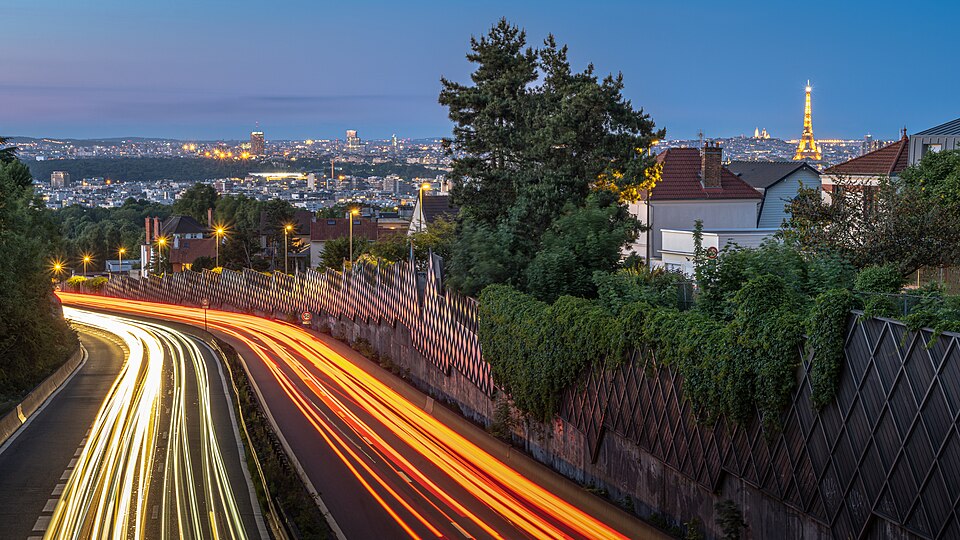
Photographing the Eiffel Tower at Night
The Eiffel Tower, in its daytime form, is in the public domain. Gustave Eiffel died in 1923, and the tower's design copyright expired in 1993. You may photograph the tower in daylight as much as you like, sell the photographs commercially, print them on tea towels, and otherwise treat them as you would any other public monument.
The tower's night-time light show, however, is a different matter. The 20,000-bulb illumination scheme was designed by Pierre Bideau in 1985 and is treated, under French intellectual property law, as a separate artistic work with its own copyright held by the Société d'Exploitation de la Tour Eiffel. Photographing the lit-up tower at night for personal use is fine. Publishing those photographs commercially - on a website, in a magazine, in a brochure, on a postcard - technically requires permission from SETE and may incur a licensing fee. The law was tested in French courts in 1992 and upheld.
This is, on its face, completely absurd. The tower is one of the most photographed objects on Earth, and a meaningful percentage of those photographs are taken at night, in violation of a law that no tourist has ever heard of and no website ever pays for. SETE, in practice, only enforces the rule against large commercial publishers, but its existence remains one of the great open secrets of European intellectual-property law. The night-time photo on your Instagram is, by the strict letter of the law, infringement. France will not pursue you. France finds the whole thing as ridiculous as you do. France keeps the law on the books anyway, partly out of pride, partly because it would be an enormous administrative pain to repeal.
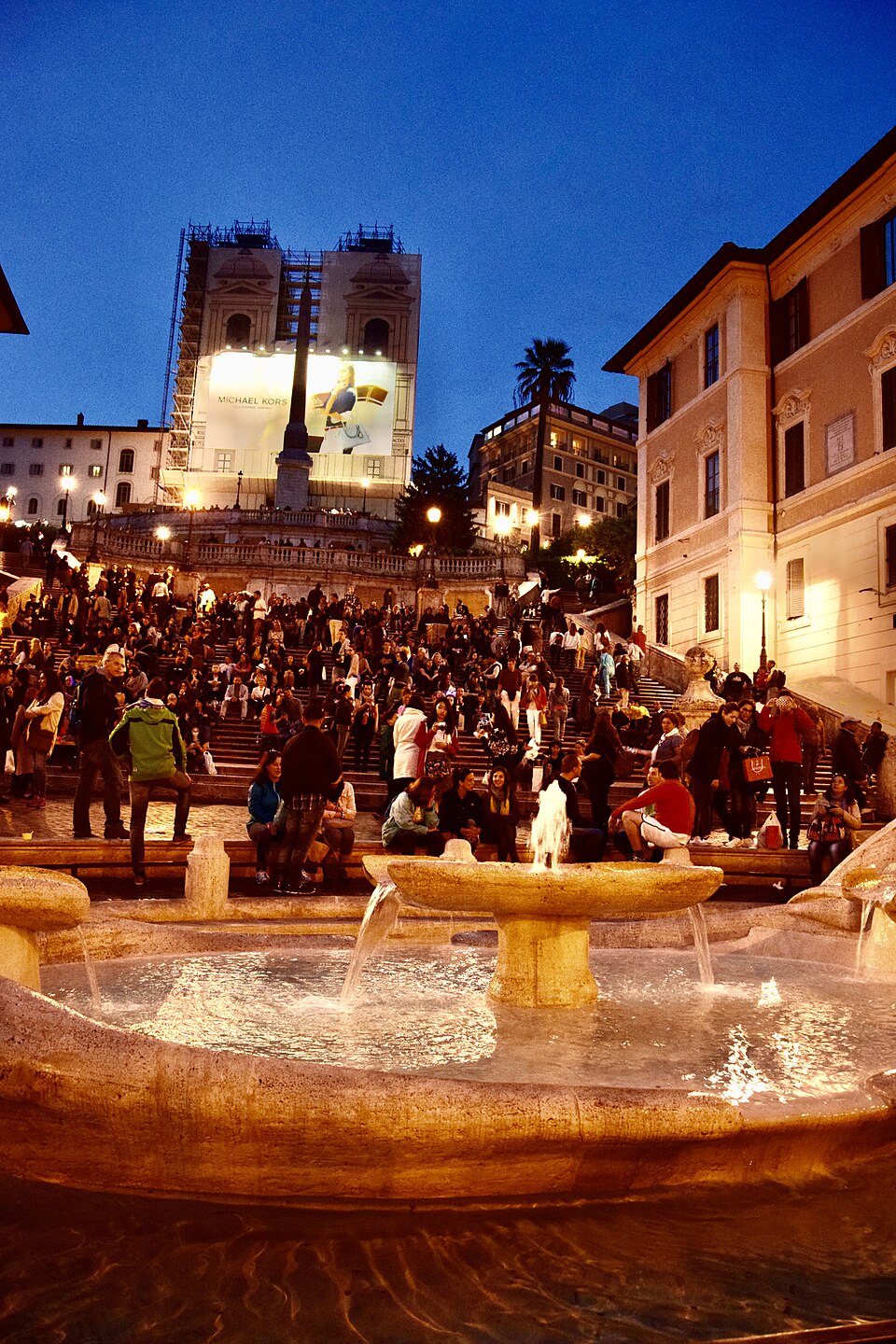
Sitting on the Spanish Steps
For roughly two hundred and ninety years - from their completion in 1725 until 2019 - sitting on the Spanish Steps in Rome was the entire point of the Spanish Steps. They were built specifically to be the kind of structure people sat on. Generations of poets, students, lovers, and tourists with sore feet have done so, on the unspoken understanding that this was an acceptable use of the architecture.
In August 2019, the Italian government banned it. The reason given was preservation of the marble (the Steps had been restored in 2016 at a cost of 1.5 million euros, paid for by the jeweller Bvlgari) and concerns about cleanliness, particularly the gelato-and-cigarette-butt residue left behind by sitting tourists. The fine for sitting on the steps is up to 400 euros, and they are patrolled, again, by carabinieri who blow whistles at offenders the moment they perch.
The ban also extends to eating, drinking, or otherwise lingering on the steps. You may walk up them. You may walk down them. You may stop briefly to take a photograph. You may not, under any circumstances, perform any other activity associated with steps. Several visitors per day are still being ushered up by whistle, on average, depending on the season, which suggests that the Italian state is winning a war of attrition against four centuries of established human behaviour. We will let you place your own bet on which side wins long-term.
Carving Your Name on the Colosseum
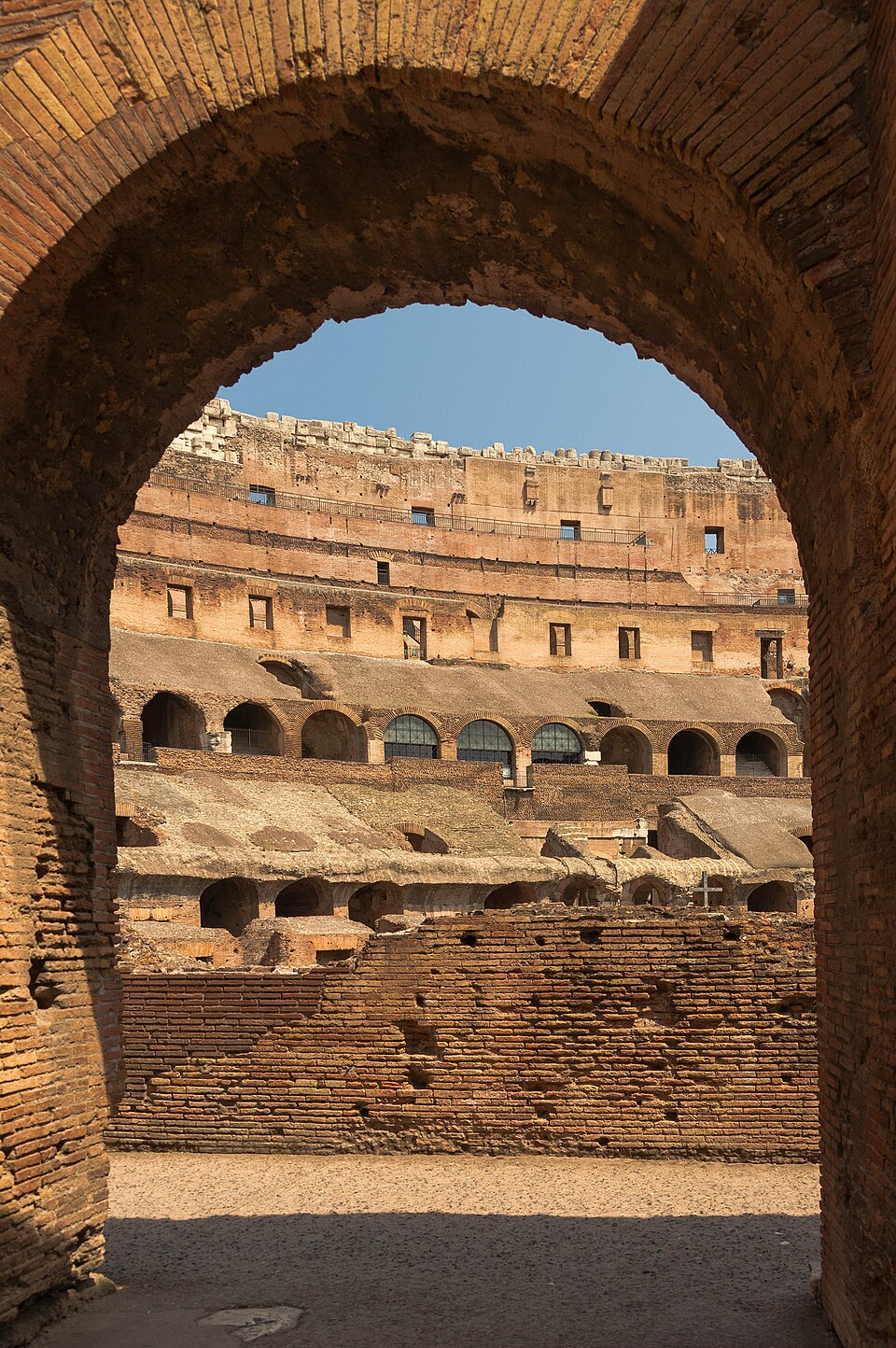
This shouldn't need saying. Centuries of graffiti in the Colosseum suggest, however, that it absolutely does. In June 2023, a Bulgarian tourist named Ivan Dimitrov carved "Ivan + Hayley 23" into the wall of one of the Colosseum's interior corridors, was filmed doing so by another tourist, was identified within 48 hours, and was charged under Italian heritage law with potential prison time of up to five years and a fine of up to 15,000 euros. He published a written apology in which he claimed not to have realised the wall was that old, which the Italian press treated with the contempt it deserved.
The Colosseum was completed in AD 80. Roughly every adjective you can apply to it - ancient, irreplaceable, World Heritage Site, the most-visited monument in Italy - is true. Damaging it, defacing it, climbing it, removing pieces of it, or otherwise treating it as your personal souvenir is illegal under multiple overlapping pieces of Italian law (the Codice dei Beni Culturali, which covers cultural heritage, and a separate piece of vandalism legislation passed in 1939 specifically for monuments).
The same applies to the Roman Forum, Pompeii, the Pantheon, and most of Florence. Italy has roughly 60% of the world's known cultural heritage sites and is, understandably, somewhat protective. "I didn't know" is not a defence. "It was already a bit damaged when I got there" is not a defence. "It's just a small one" is not a defence. The right answer, when standing in front of two-thousand-year-old stone, is to keep your hands in your pockets and your initials to yourself.
The Smaller Print
A non-exhaustive sampling of other things that will earn you a fine, an ejection, or a brief but memorable conversation with someone in uniform: feeding monkeys at the Sacred Monkey Forest in Ubud (the monkeys are not your friend), drone flying over Mont-Saint-Michel and most national parks (banned outright), wearing a bikini in the historic centre of Sorrento (the recent fine is 500 euros), eating in front of the Taj Mahal (forbidden inside the inner mausoleum), wearing skimpy clothing inside the Vatican (you will be turned away at the door), and posing for photographs in or against the famous Cinque Terre boardwalk in flip-flops (yes, really - the path requires proper hiking footwear, and Italian rangers will fine you 2,500 euros for getting stuck).
If there is a unifying theme it is this: tourist sites have, in the last decade, transitioned from a model of "come and behave more or less reasonably" to a model of "come and behave precisely according to a 30-page rulebook nobody handed you, on pain of a fine larger than your hotel bill." The reasons are mostly sensible (overtourism, conservation, simple wear and tear at scale), but the unstated subtext is that tourists, collectively, have ruined the privilege for everyone. Knowing the local rules in advance is now genuinely necessary, in the same way that avoiding obscure national laws always was. The whistles are real. The fines are real. The carabinieri are not bluffing.
Disclaimer: Fines and rules at tourist sites change with some regularity. Where possible, this article cites the most recently published amounts, but you should assume the actual fine, on the day, will be roughly what's listed here, possibly more, and definitely payable in cash.