
Vacation Souvenirs That Could Actually Get You Arrested
Nobody decides to become an international criminal while buying fridge magnets. It happens gradually, on a beach somewhere, when you pocket a pretty shell or scoop some particularly photogenic sand into an empty water bottle, and at no point does anyone think: "this is a CITES violation" or "the Republic of Turkey is about to have thoughts about me." The result is that thousands of tourists wander home every year with their rolling suitcases full of contraband, blissfully unaware that customs officials in a dozen countries have been waiting for exactly this moment.
This is a guide to the souvenirs that look innocent, feel innocent, and are - by the laws of multiple sovereign nations - absolutely not innocent.
Beach Sand (Italy Specifically, But Also Everywhere Else)
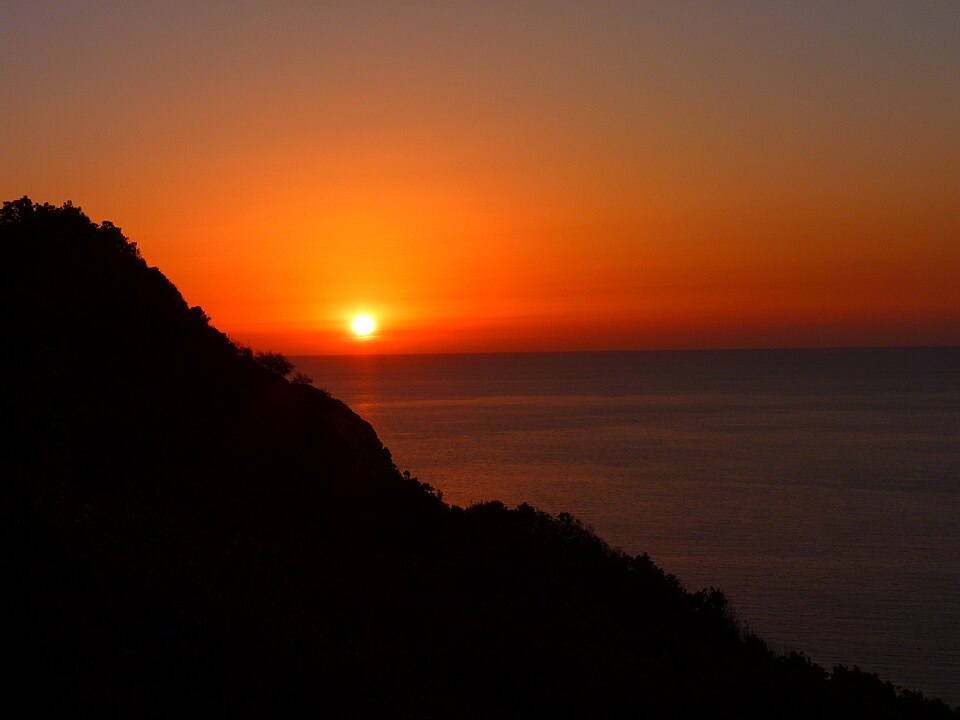
Every beach is beautiful. Every beach has sand. These two facts, combined with the human instinct to physically possess things we find beautiful, have created what Italian authorities now regard as an ongoing environmental catastrophe. Sardinia alone estimates it loses approximately 100,000 tonnes of sand per year to tourists who pocket it in little bottles, baggies, and - in what must be considered peak ambition - entire suitcases.
The response has been proportionate. Italy introduced fines for removing sand, shells, or pebbles from its beaches, with penalties reaching up to €3,000 for particularly committed souvenir hunters. Sardinian authorities have caught people at airports with kilograms of it - there are documented cases of travellers being stopped with multiple bags of the stuff, apparently unable to resist the siren call of "but it's so white." Courts have upheld the fines. The sand is not yours. The sand was never yours. The sand is Italy's, and Italy would like it back.
Greece, Cyprus, and several other Mediterranean countries have similar laws that tourists discover roughly at the point of being handed a citation. The environmental logic is real: beach erosion is a genuine problem, and it gets worse when millions of people each take a small piece of it home. The comedic reality is that people are still getting caught at airports in 2024 with ziplock bags of Aegean coastline, seemingly surprised that the concept of "taking something that isn't yours" applies to national geological formations.
Shells, Particularly the Queen Conch
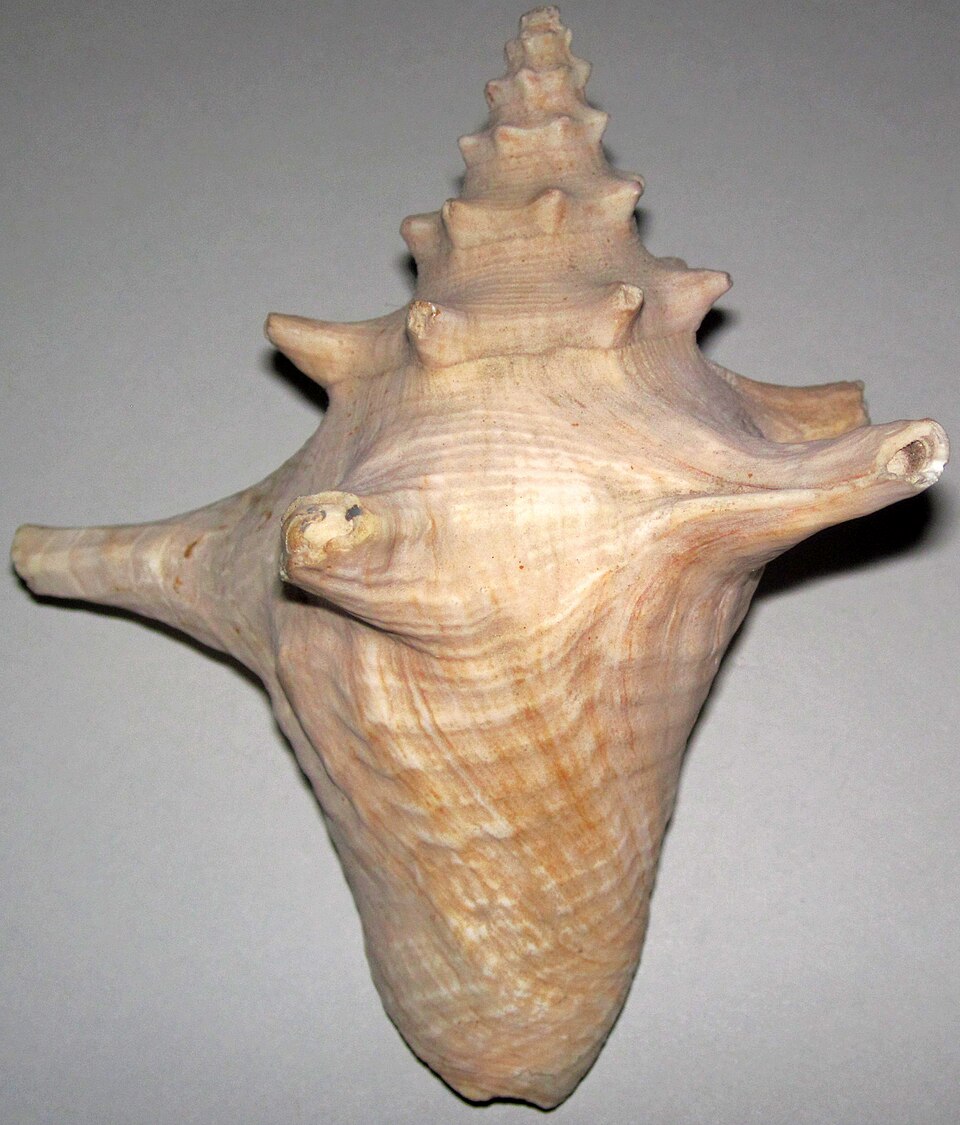
The queen conch (Aliger gigas, for the uninitiated, though you can also just call it "the big pink one") is, objectively, an exceptional shell. It is large, it is beautiful, it turns up on beaches across the Caribbean, and it is listed under CITES Appendix II, which means the international community has collectively decided that the ongoing survival of this species matters more than your mantelpiece decoration.
Bringing a queen conch shell home from the Bahamas, Turks and Caicos, or most Caribbean destinations without the correct permits - which are, practically speaking, nearly impossible for a tourist to obtain - constitutes a CITES violation at the US border. The US Fish and Wildlife Service is not joking about this. Fines run into the thousands of dollars. Officers have seen the shell. Officers have confiscated the shell. Officers have explained, to someone who genuinely did not know this was a crime, that the pretty thing they found on a beach is now federal property.
The same applies to sea turtles and turtle products (including shells), black coral, and various species of tropical fish sold in tourist markets. If it came from the ocean, was once alive, and looks impressive enough to sell in a beach shop, there is at minimum a 40% chance someone has put a regulation on it. The rule of thumb for anything that used to have a face: look it up before it ends up in your carry-on and becomes someone else's problem.
Coral (The Reef Variety, Which Is All of Them)
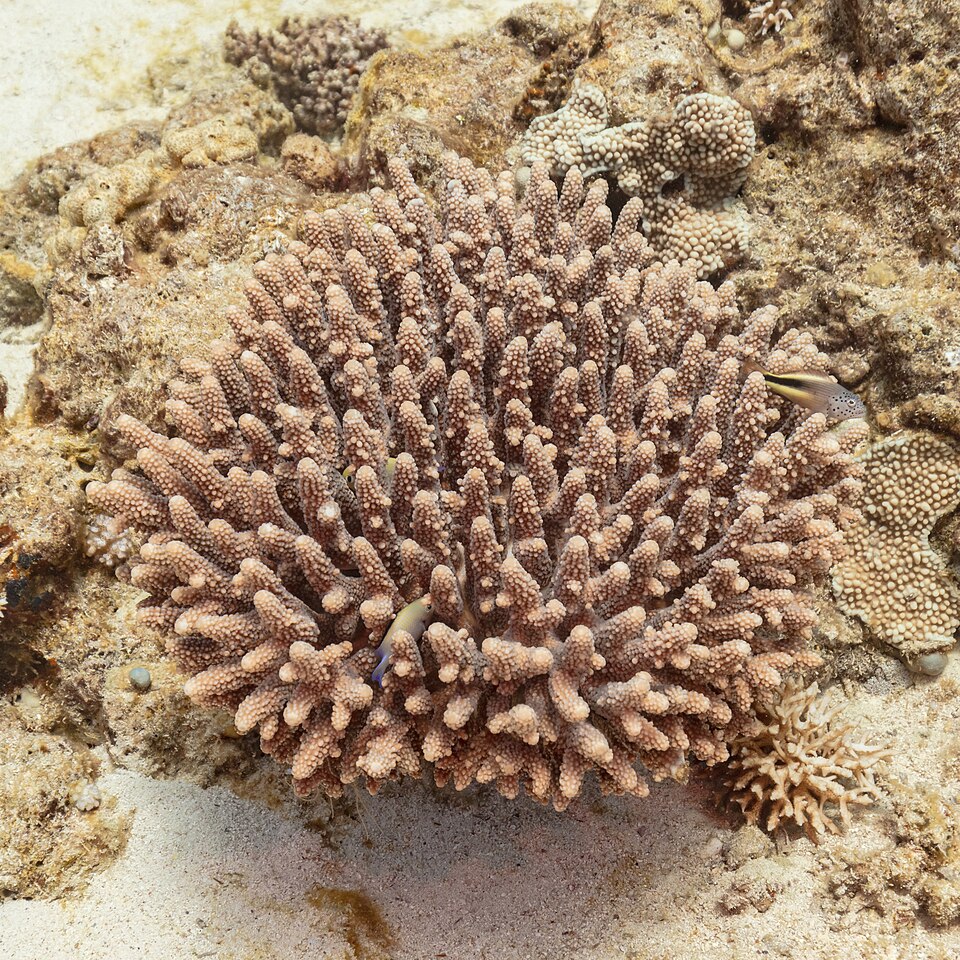
The Philippines has coral. The Philippines has some of the most extraordinary coral reefs in the world. The Philippines also has criminal penalties for removing coral from its waters, and the fact that those three sentences exist in the same paragraph should tell you something about how previous generations of tourists handled this situation.
Coral is protected under CITES, under the laws of virtually every country with a reef, and - for American tourists - under the Lacey Act, which covers illegally acquired wildlife imported into the US regardless of where the original crime occurred. So if you take coral from the Balinese coast, bring it back to the United States, and a wildlife officer notices it on your Instagram, you have committed a federal offense in two countries simultaneously. That is an achievement of sorts, but not the kind that gets framed.
Hawaii deserves special mention because people keep trying. Hawaiian law prohibits removing coral, rocks, sand, or any marine life from state waters. Signs explain this. Rangers explain this. The signs are in multiple languages. People still do it and are still caught, because apparently there is something about standing on a lava coastline in a state of holiday-induced euphoria that causes the average person to think "the rules about geological theft surely don't apply to me specifically." They do.
Ancient Coins and Archaeological Objects (Turkey, Greece, Egypt, Basically All of History)
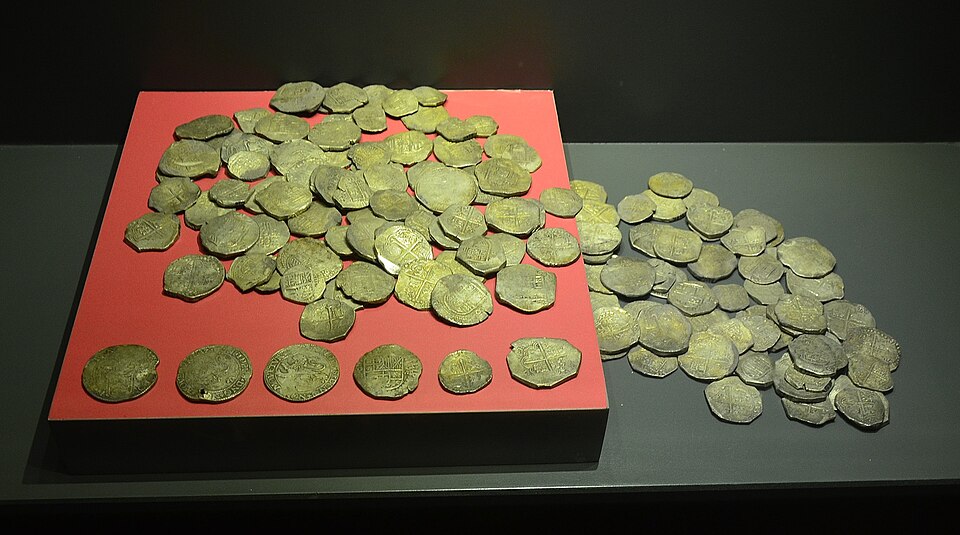
Here is something Turkey, Greece, Egypt, Italy, Peru, and Cambodia have decided: anything found in the ground that dates back more than a certain number of years belongs to the state. Not to whoever found it, not to the dealer in the market who sold it to you, and absolutely not to the tourist who bought it thinking it was a quirky addition to their kitchen counter. The Turkish Cultural Property Protection Law is particularly comprehensive on this point: all antiquities found in Turkey are property of the Turkish state, full stop, and exporting them without authorization is a criminal offence carrying genuine prison sentences.
The coins are where tourists keep getting into trouble. The street markets and bazaars of Istanbul, Athens, Cairo, and Rome sell coins that appear to be ancient - and some of them genuinely are. Buying them seems harmless, because obviously if it were illegal the man selling them in a public market surely would have reconsidered his business model. The man selling them in a public market has often not reconsidered his business model because enforcement falls on the buyer at customs, not the seller in the market. This asymmetry is working out excellently for the man with the coins.
US customs requires travelers to declare cultural objects and can refuse entry to items covered by bilateral agreements with countries like Italy, Greece, China, and Cambodia. The safest approach, as with coral and shells: if you found it in the ground or it was found in the ground and then sold to someone who found it in the ground, perhaps do not carry it across an international border in your jacket pocket.
Seeds, Plants, and the US Department of Agriculture
The USDA's Animal and Plant Health Inspection Service exists specifically to stop you from bringing home that mango you bought in the Bangkok airport. This is not a joke. That mango could carry fruit flies. Those fruit flies could devastate American agriculture. The mango is, from the USDA's perspective, a potential instrument of agricultural apocalypse dressed up as a tropical snack, and they would like you to eat it before you board or surrender it to the bin, thank you very much.
The restrictions extend considerably beyond fruit. Soil (which you might inadvertently carry home on shoes or plant roots) can harbor pathogens and invasive species. Plants without phytosanitary certificates from their country of origin are routinely confiscated. Seeds that look harmless - dried flowers, spice pods, beans - can carry diseases that have never been introduced to American or European ecosystems and against which local crops have no defence. The agricultural consequences of getting this wrong historically have been substantial: foot-and-mouth disease outbreaks have been traced to illegally imported meat products; invasive species brought in as "decorative plants" have become ecological disasters.
The declared fine for a first-time agricultural smuggling offense at a US port of entry is up to $10,000. The undeclared reality is that Beagle Brigade dogs at international airports are very good at their jobs, and the slightly-too-enthusiastic customs declaration form that asks whether you have "fruits, plants, or soil" is not being polite - it is asking because people keep answering "no" and then being sniffed out by a dog named something cheerful, which is a particularly humiliating way to begin an encounter with federal law enforcement.
Certain Foods (The Kind That Come With Flags and Traditions Attached)
The Kinder Surprise was banned in the United States for decades because of a 1938 law prohibiting non-edible objects embedded in confectionery. This is the level of detail with which countries approach food imports: not just "is it food" but "is the thing inside the food also food." Anyone trying to bring a Kinder egg into the US faced potential fines of up to $2,500 per egg, which is roughly what you'd pay for smuggling actual drugs in some jurisdictions. The law has since been updated and Kinder Joy - an egg-shaped container where the chocolate and the toy are in separate compartments - is now permitted, because apparently someone noticed this was getting embarrassing.
But the principle extends to less whimsical items. Unpasteurized cheeses, raw meats, and certain cured products cannot be brought into the US, UK, or EU from outside specific approved sources. Cuban cigars were illegal to bring into the US until the Obama-era thaw in relations, and there are still limits on quantities even now. Haggis - the Scottish dish made from sheep offal - is banned in the United States because it contains sheep lung, which US food safety regulations prohibit in products destined for human consumption. Scotland finds this offensive. The USDA is unmoved.
The underlying principle is consistent: if it was alive recently, came from an animal, or could theoretically contain something that would upset an agricultural ecosystem or a regulatory body, someone has probably already prohibited it. The Barcelona market charcuterie you bought is beautiful. It is also going to be confiscated at JFK, and you are going to feel genuinely bereft about this in a way that is completely out of proportion to its market price. We have written about some of the more illegal and controversial foods you might encounter on your travels - most of those have similar customs problems, compounded by the fact that they are also sometimes illegal in the country you brought them to, which is a double achievement.
Disclaimer: This article is not legal advice, and Tripbase are not customs lawyers. If you are currently at an international border with a bag of sand, a queen conch shell, a selection of antique coins, and a Kinder Surprise egg, this article will not help you. Please consult a lawyer, or alternatively, just put the sand down.