Overtourism: The Destinations Being Crushed by Their Own Popularity
There is a particular flavour of irony reserved for the destinations so beautiful, so historically significant, so culturally precious that the world has collectively decided to love them to death.
Travel, as a concept, used to be aspirational. You went somewhere. You saw a thing. You came back, possibly with a postcard, definitely with a tan, and your friends said "oh that sounds nice" and the matter was concluded. Then a combination of cheap flights, smartphones, social media, and a generation that decided photographic evidence of leisure was more important than the leisure itself produced a phenomenon for which the official term is "overtourism" and the unofficial term is "why is there a man with a selfie stick standing in my flowerbed."
What follows is a tour of the cities, villages, and ancient monuments that have officially had enough. Some have raised prices. Some have built fences. Some have started handing out water pistols. All of them would very politely (or, in Barcelona's case, not very politely) like you to consider going somewhere else for a bit.
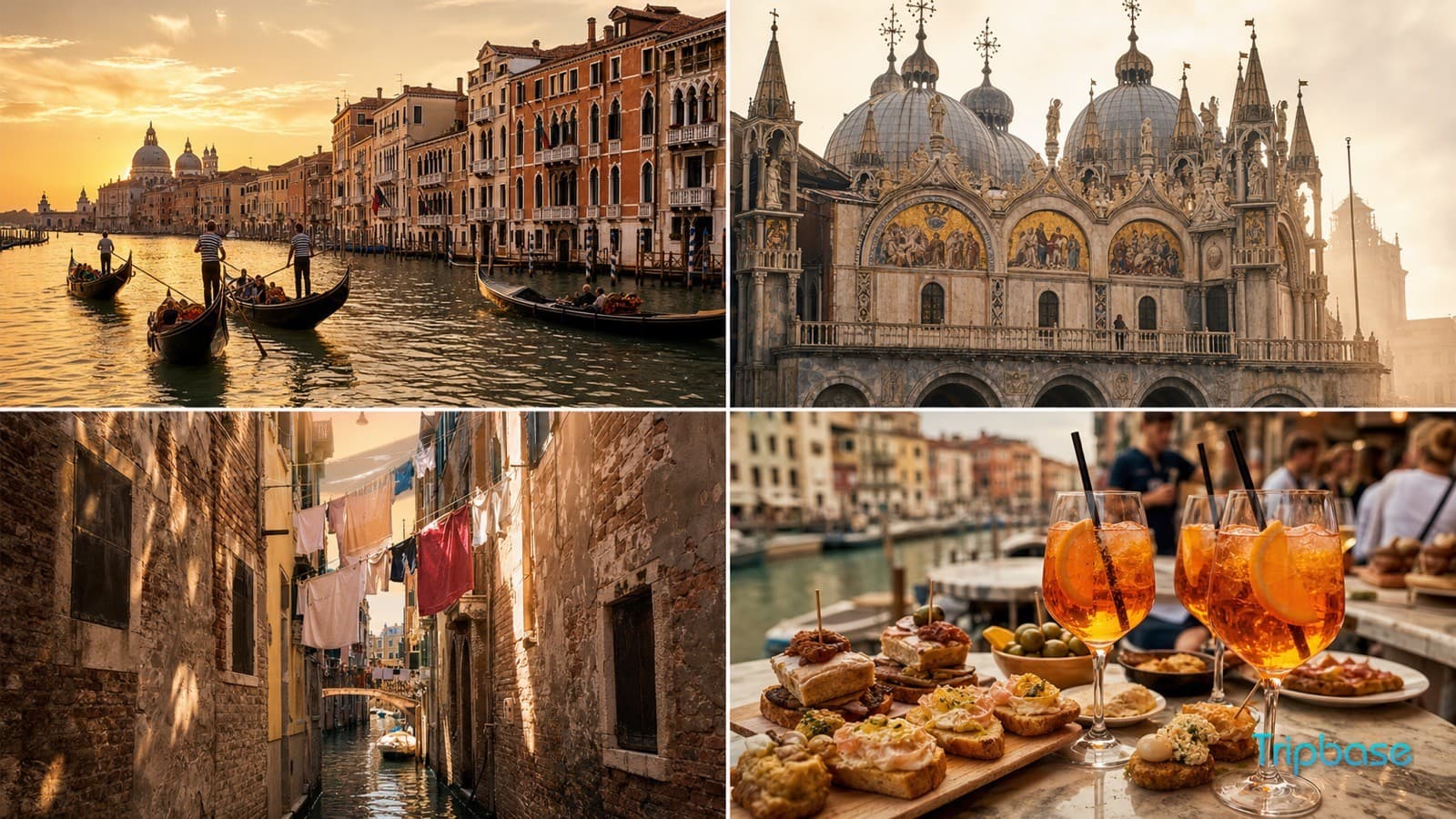
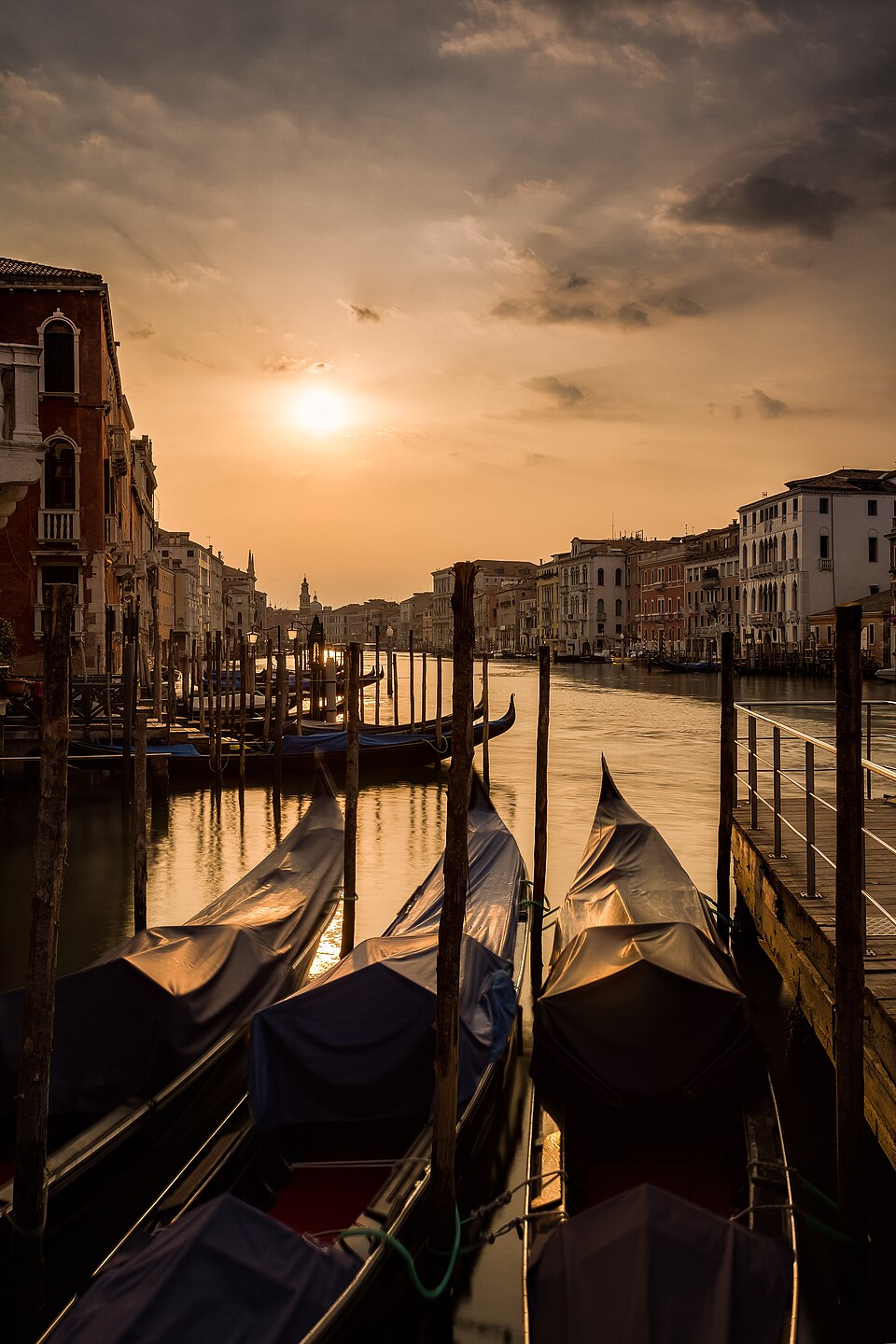
Venice, Italy: The €5 Door Charge
In April 2024, Venice did something no major European city had done before: it started charging tourists money simply to walk in. The fee began as a €5 ticket required of day-trippers on 29 designated peak days during the year, and in 2025 the city expanded the programme to 54 days and added a tiered system that doubles the fee to €10 for those who book less than four days in advance (a clever way of penalising the impulsive). The intent, mayor Luigi Brugnaro stated, was not to deter visitors but to "strike a balance between the rights of those who live, study, or work in Venice and those who want to visit it."
The numbers explain the desperation. Venice has a resident population of roughly 49,000 in its historic centre - and on bad days, 80,000 day-trippers arrive on top of them. Locals have been leaving the city in steady decline for decades, priced out by short-term rentals, drained of services, and generally exhausted by the experience of attempting to buy bread while a tour group photographs the bakery. By some estimates, the city loses around 1,000 residents a year. UNESCO came close to placing Venice on its endangered heritage list in 2023, which is the cultural equivalent of the doctor saying "we need to talk."
If you are going - and you should, because it remains, against all odds, one of the most extraordinary places humans have ever built - go in November. Stay overnight. Walk to the Cannaregio district to see what Venice looks like when nobody is photographing it. The official Venice destination guide goes into more detail, but the short version is: pay the fee, don't take the gondola at the front of San Marco (use the €2 traghetto ferry instead - it crosses the Grand Canal in the same boats), and try to remember that someone lives here.
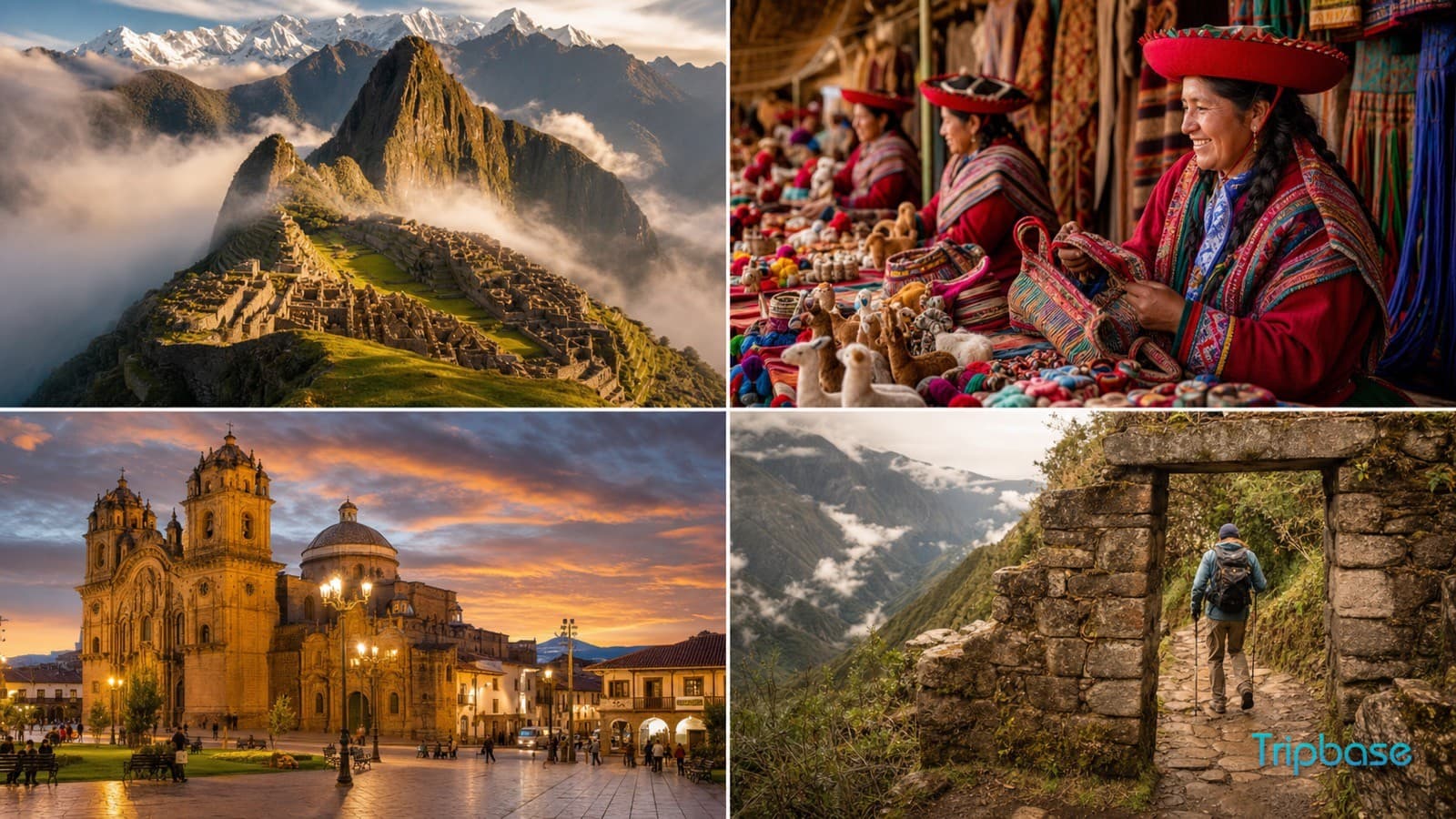
Machu Picchu, Peru: The Hard Cap on the Sacred Mountain
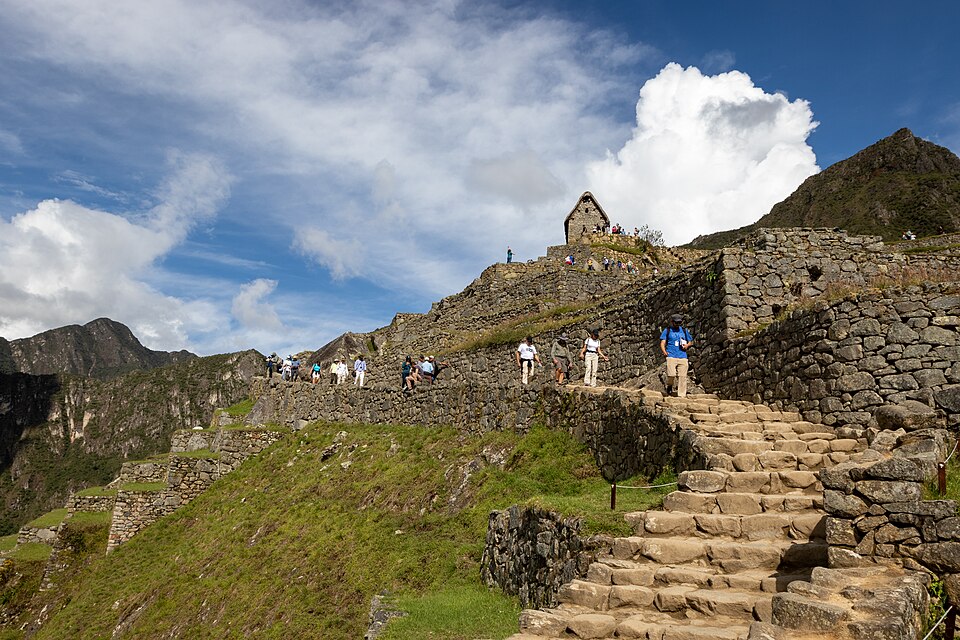
Machu Picchu was built around 1450 and abandoned around 1572. For roughly 350 years it sat in cloud-forest silence, known only to the locals farming the surrounding terraces. Then in 2024 it received approximately 1.6 million visitors, which works out to one visitor every twenty seconds during operating hours, which is not how 15th-century stonework was designed to be loved.
The Peruvian Ministry of Culture has spent the better part of a decade trying to manage the situation without killing the golden goose, which provides a meaningful share of national tourism revenue and an even more meaningful share of regional employment. Daily visitor caps have been ratcheted down repeatedly: roughly 4,500 per day during low season, with peak-season totals only modestly higher under a circuit system. Visitors must now choose one of several mandatory routes through the site, must be accompanied by a licensed guide, and may not loiter, picnic, or attempt to recreate that one specific photograph by lying on the terrace where someone you follow on Instagram lay in 2019.
UNESCO has been threatening to escalate Machu Picchu to its endangered list for years - a threat that carries diplomatic weight because Peru built a tourism industry around the brand and would prefer not to have the brand carry an asterisk. The town of Aguas Calientes (renamed Machu Picchu Pueblo, presumably because that polls better) handles the bottleneck of visitors arriving by train, the buses up the mountain, and a population of llamas that have learned that humans carry food. See the Cusco guide for how to arrange entry, and consider the most isolated islands article if you want a destination that has not been Instagram-flattened into a queue.
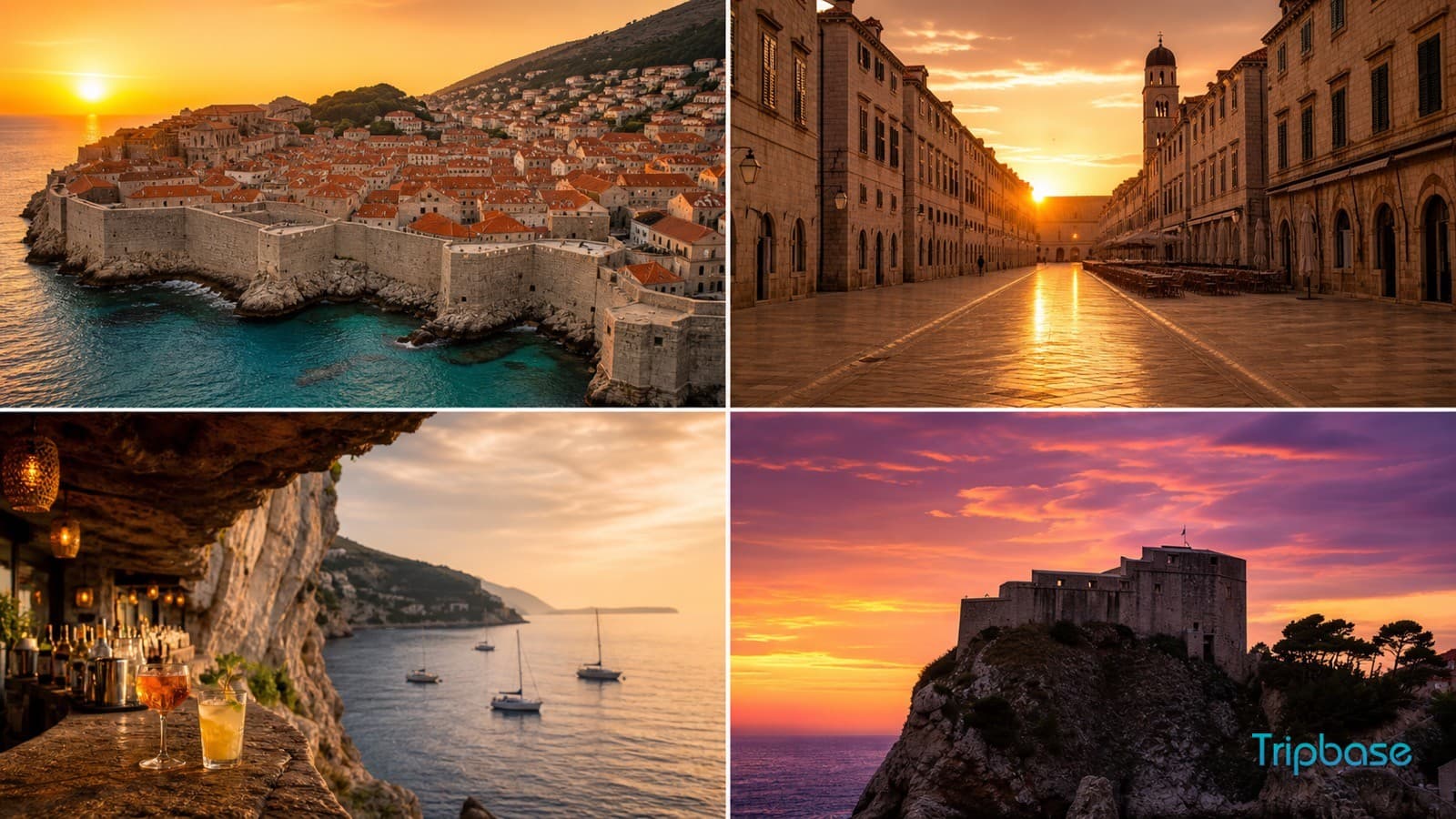
Dubrovnik, Croatia: The Game of Thrones Tax
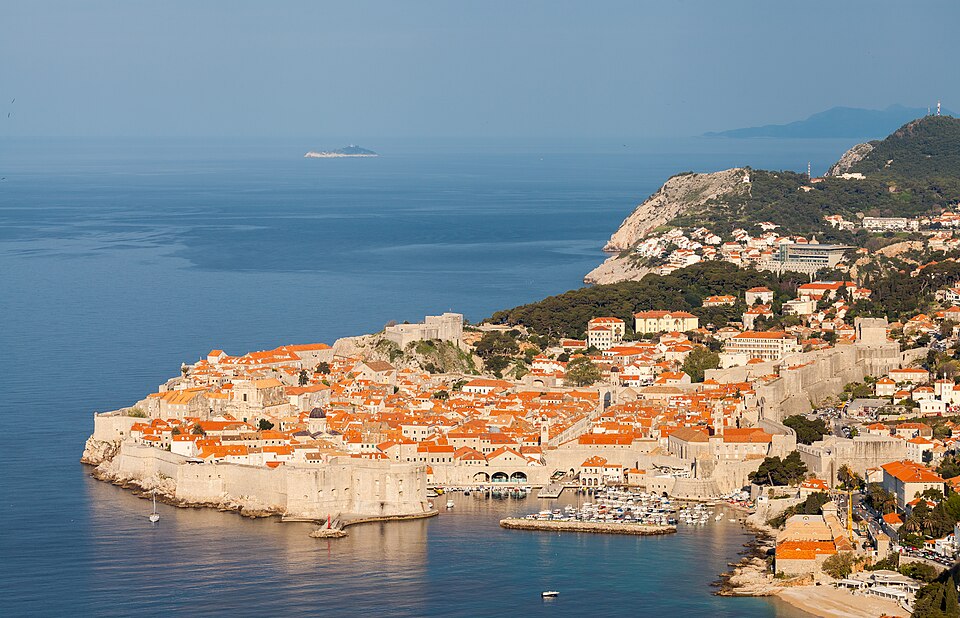
Dubrovnik's old town, ringed by 13th-century stone walls and tumbling toward the Adriatic, was an absolute delight in 2010. By 2016 it had been used as the principal filming location for King's Landing in Game of Thrones, and the city's tourism board did roughly nothing to discourage the obvious comparisons. By 2019, daily summer arrivals routinely exceeded 10,000 - inside a walled city of 1,557 permanent residents - and the local population had started using "the Red Keep" as shorthand for "that bit by the cathedral I now have to walk around."
The city's response has been impressively practical. Cruise ship arrivals are now capped at two ships per day with a combined maximum of 4,000-5,000 cruise passengers, down from a previous chaos in which up to ten ships might disgorge 15,000 people simultaneously. The number of cafe and restaurant tables permitted on the old town's pedestrian streets has been cut by around 30%. There are limits on the number of new tour-guide licences. There is, mercifully, a working CCTV system that lets the city see in real-time when the Pile Gate is about to lock up, allowing officials to redirect arrivals through other entrances.
For visitors, the simple recommendation is to walk the city walls early - they open at 8am, and the first hour is the only time of the day when you can do the full circuit without queueing behind someone explaining the show to their partner who has not seen it. The Dubrovnik guide covers the rest, including which beaches the locals actually use (hint: not the one directly under the walls).
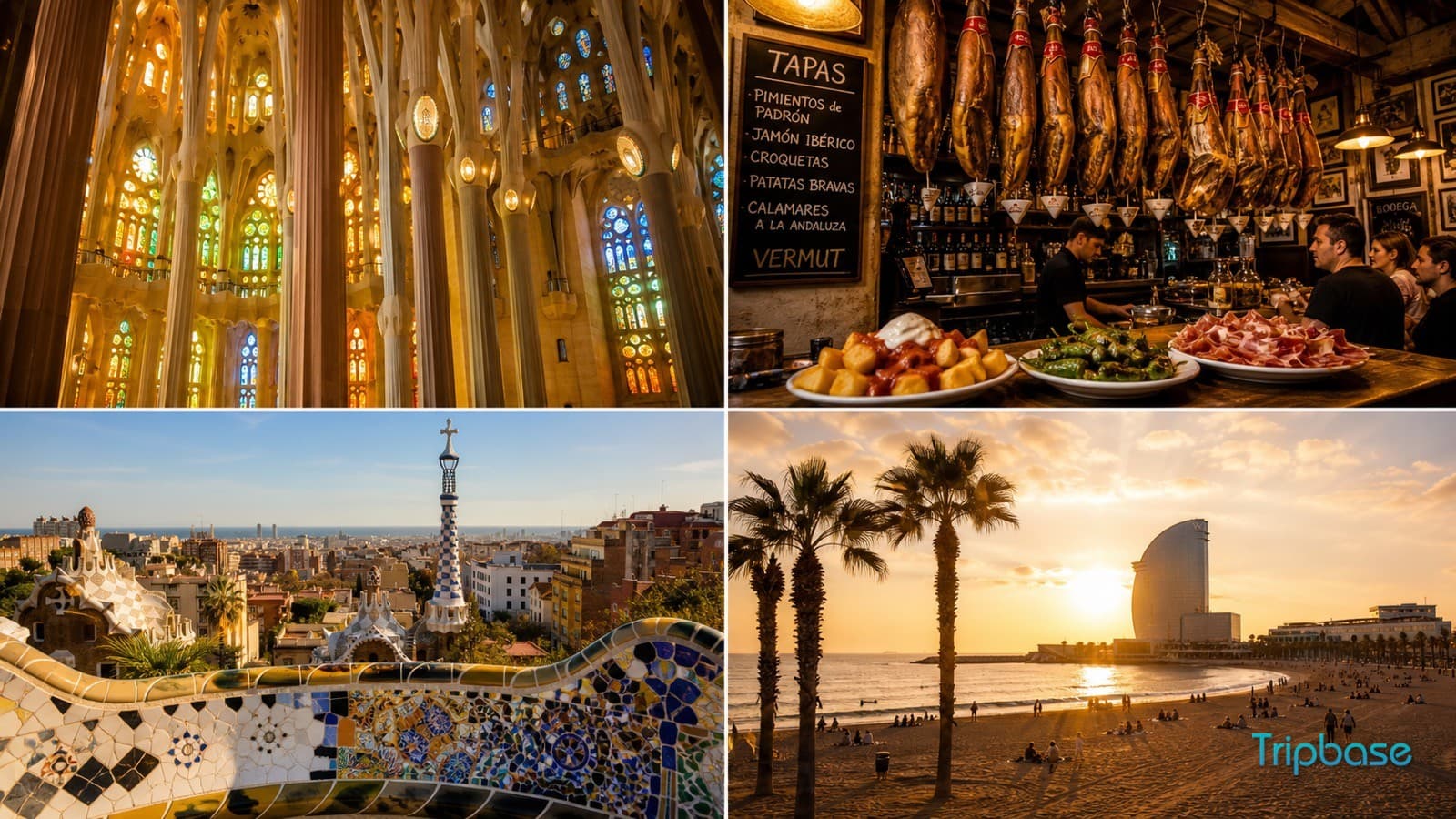
Barcelona, Spain: The Water Pistol Resistance
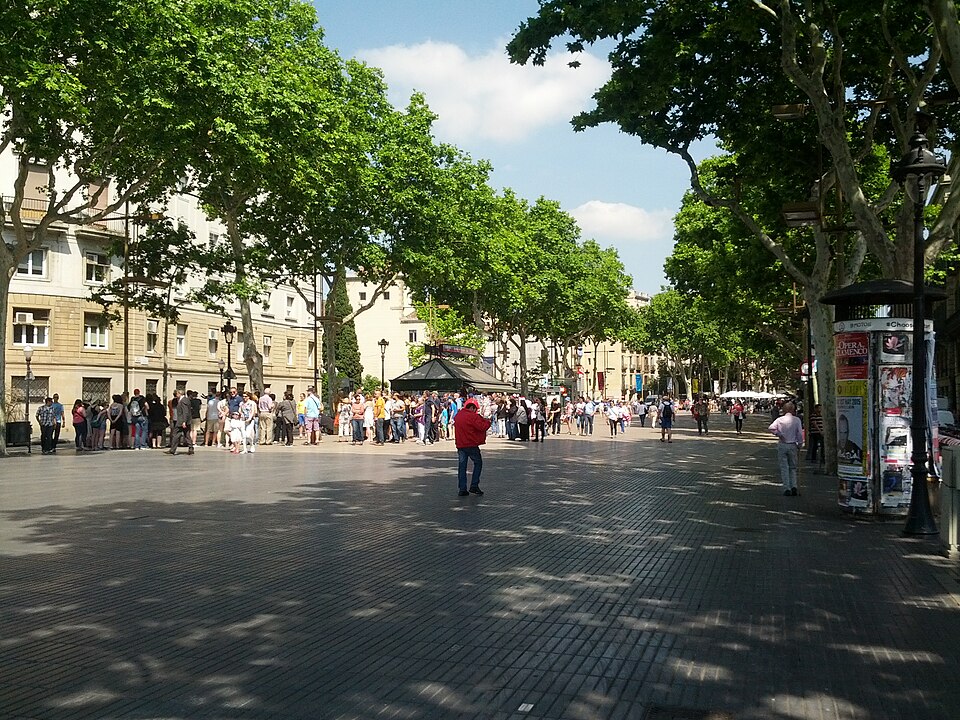
In July 2024, several thousand Barcelona residents marched down Las Ramblas spraying tourists with water pistols. This was not a metaphor. They had small plastic guns, the kind you can buy in any newsagent for under €5, and they used them to spray people sitting at outside cafes while chanting "tourists go home." It was simultaneously absurd, slightly funny, and profoundly serious - the kind of protest that gets onto international news precisely because it is so visually undignified that nobody can look away.
The grievance is straightforward and arithmetic. Barcelona has roughly 1.6 million residents and receives on the order of 32 million tourists in a typical year - which is, generously, a lot. Short-term holiday rentals have hollowed out neighbourhoods like the Gothic Quarter and Barceloneta to the point where pharmacies and bakeries close because there is no one left to buy from them. Mayor Jaume Collboni has pledged to ban all short-term tourist apartments by 2028 - around 10,000 licences will not be renewed - which is one of the most aggressive housing-versus-tourism interventions any major European city has attempted. The cruise port has cut its terminal count from seven to five.
None of this means you should not go (the city is, by any reasonable measure, one of the most pleasant urban environments in Europe). It means you should perhaps consider visiting in February instead of August, staying in a proper hotel rather than an Airbnb that used to be someone's grandmother's flat, and not, under any circumstances, attempting to enter the Sagrada Familia without a timed-entry ticket booked weeks ahead. The Barcelona guide has the practical details. Bring an umbrella, just in case.
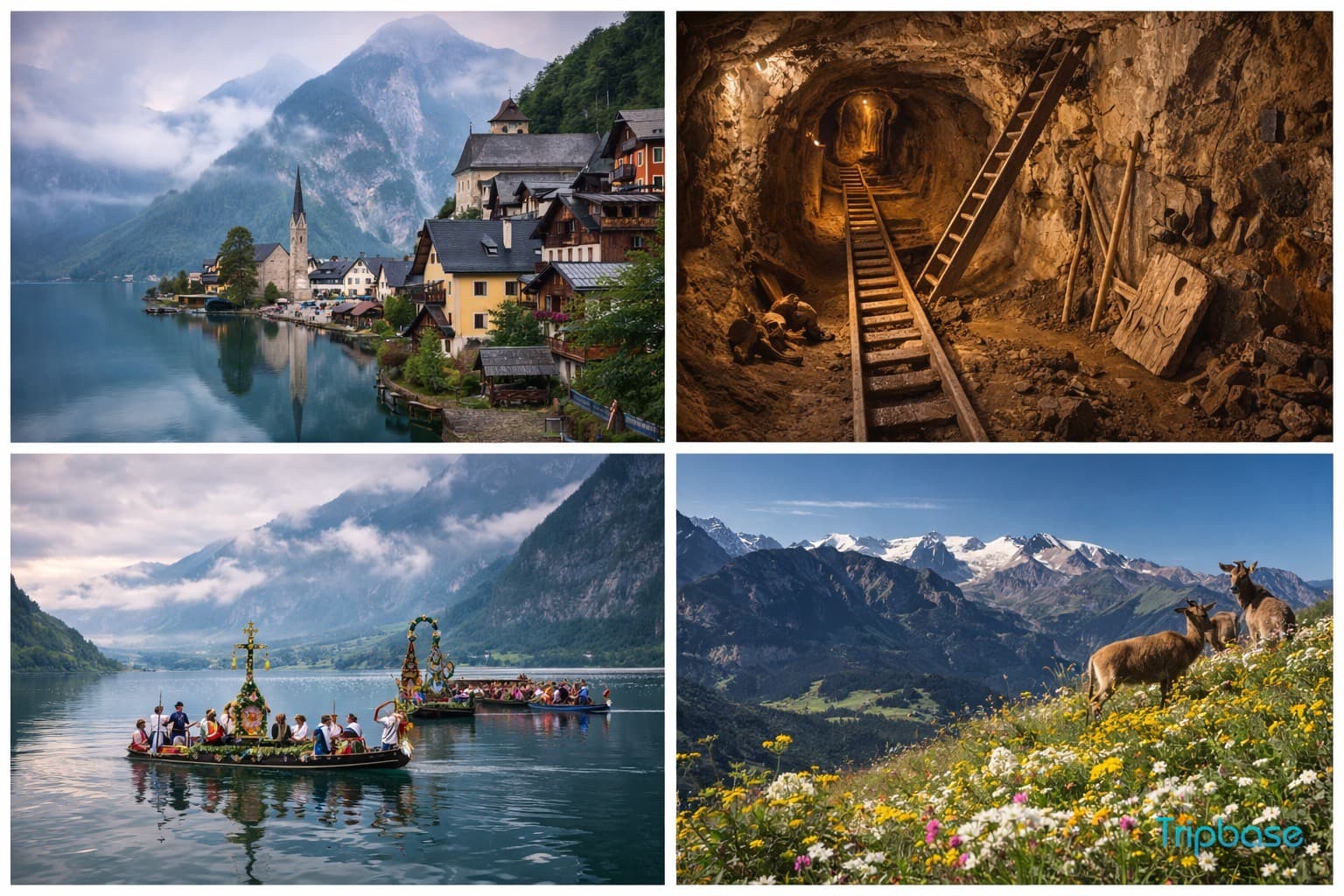
Hallstatt, Austria: The Village That Built a Fence
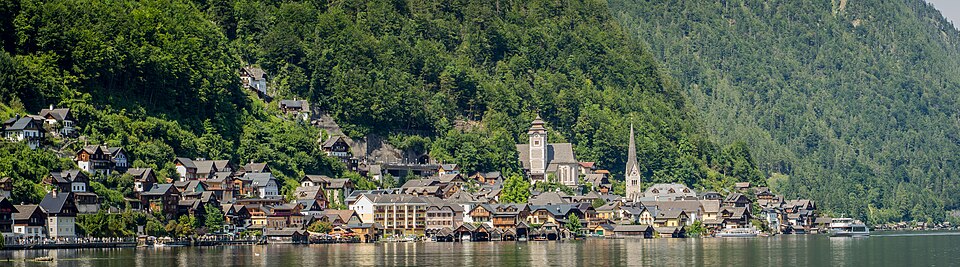
Hallstatt is a village of approximately 750 people on the shore of an alpine lake in the Salzkammergut region of Austria. It is exquisitely picturesque - pastel houses crammed onto a thin strip of land between mountain and water, a slender white church spire reflected perfectly when the lake is still. It is also, quite plausibly, the most photographed small village on Earth, and the trouble began when several million Chinese tourists per year decided that the original Hallstatt looked exactly like the full-size replica that a Chinese property developer built in Guangdong Province in 2012. The replica is real. You can look it up. The Austrian original is now a victim of its own loveliness.
Annual tourist counts for the village run at around 10,000 per day in peak season - against, again, 750 residents - and the proportion who arrive by tour bus, take a single photograph from the famous viewpoint above the village, and depart within ninety minutes is genuinely staggering. In May 2023 the local council erected wooden barriers across the most-photographed viewpoint to stop the constant Instagram bottleneck. The barriers were taken down within days after international news coverage made them look bad, then quietly restored in different forms (a slightly less obvious barrier; signs about respect; a fence dressed as decoration). New rules cap the number of tour buses entering the village, require pre-booked time slots, and ban evening arrivals entirely.
If you go - and Hallstatt does deserve the visit, even now - stay the night in one of the small hotels in the village itself. The day-trippers vanish by 6pm, and the lake at sunset is the experience that the tour buses are technically chasing but never actually achieve. The Hallstatt guide covers logistics including the much-quieter neighbouring villages of Obertraun and Bad Goisern.
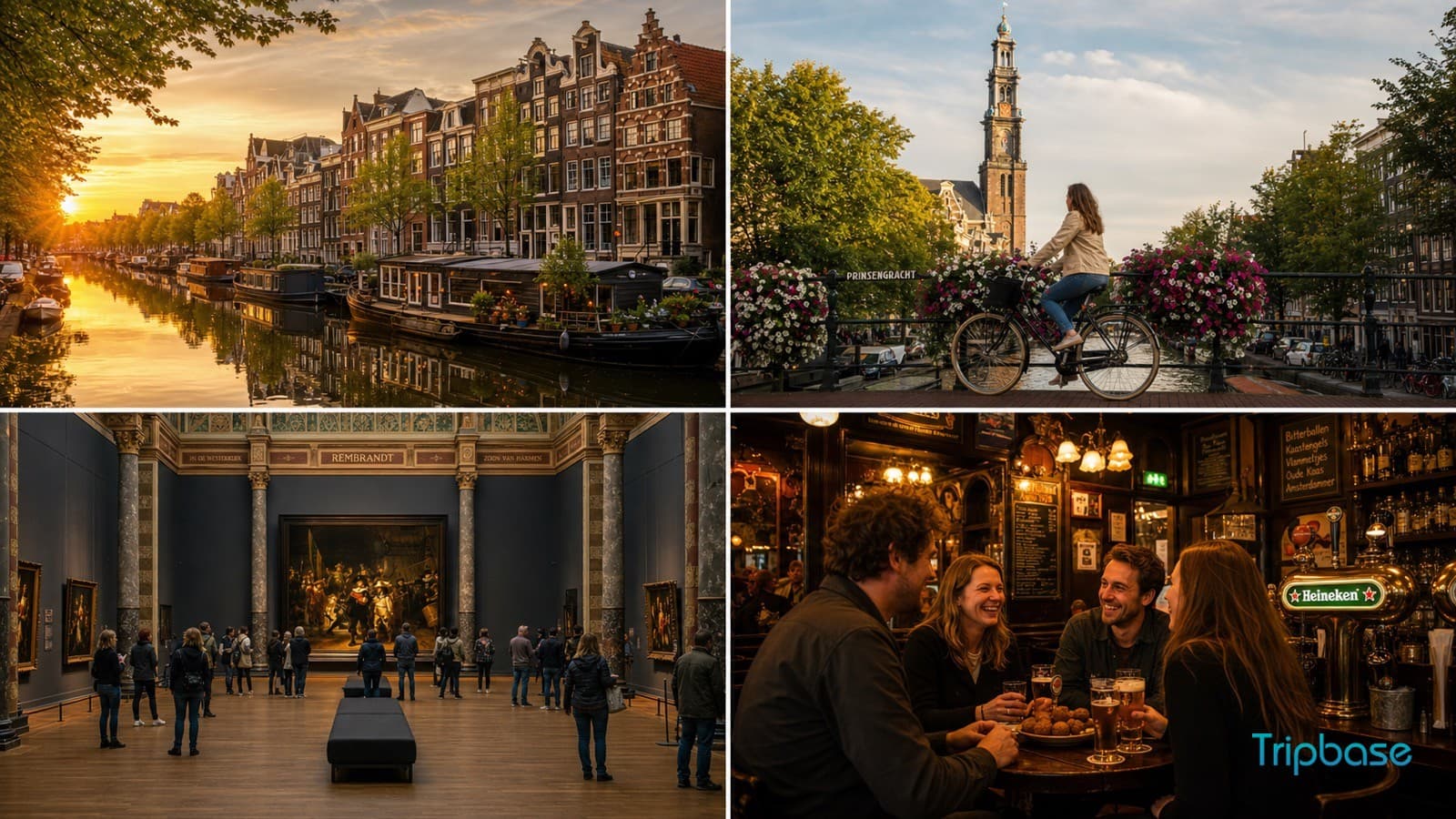
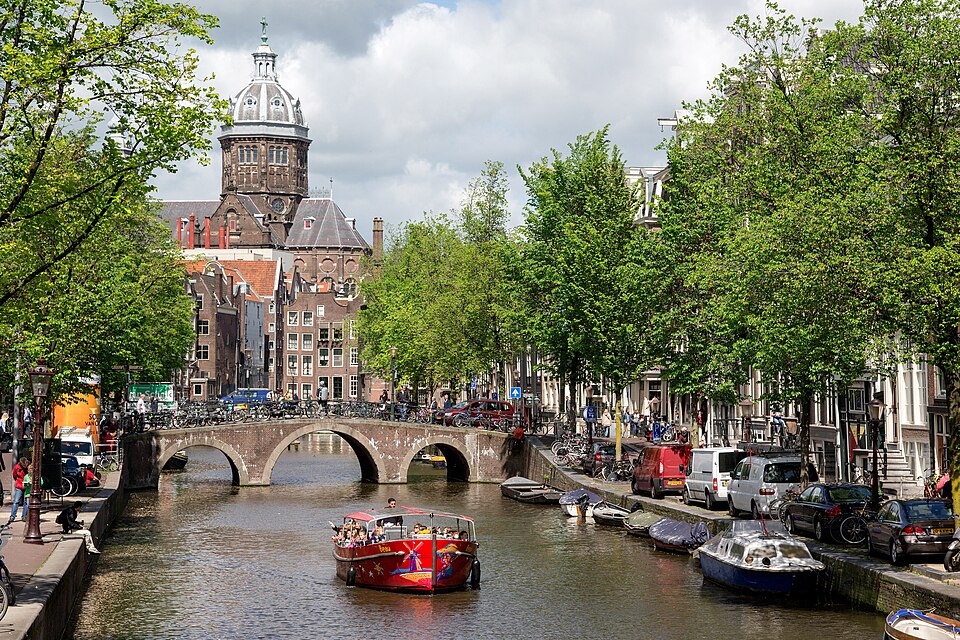
Amsterdam, Netherlands: The "Stay Away" Campaign
Amsterdam, in 2023, did something quite extraordinary for a tourism board: it launched a campaign called "Stay Away," specifically targeted at British men aged 18 to 35 who had been searching online for terms like "stag party Amsterdam," "cheap weed Amsterdam," and other phrases that the city had decided it would prefer not to be the answer to. The ads, which appeared on Google search results, warned would-be visitors that the city was clamping down on antisocial behaviour and that they should consider somewhere else. It was, depending on your perspective, either a magnificent piece of reverse advertising or the most polite restraining order ever issued at scale.
The underlying problem is that Amsterdam has a long-standing tolerance policy around recreational drugs and a red-light district older than most European capitals, and these things have, in combination with budget airlines, made the city Europe's de facto destination for the kind of weekend trip where the photographs do not appear on LinkedIn. The 2023 measures - which include moving the brothels out of the central red-light district to a purpose-built facility on the outskirts, banning cannabis smoking in the open air in De Wallen, raising tourist tax to among the highest in Europe (12.5% on hotel stays as of 2024), and capping cruise ship arrivals - are an attempt to selectively repel one type of visitor while keeping the rest.
The functional advice is to visit during the week if you can, stay outside the central canal ring (Oost or De Pijp are excellent and far less crowded), rent a bicycle and use it, and avoid the central red-light district between 9pm Friday and 4am Sunday. The Amsterdam guide covers the canals and museums, including the Anne Frank House (book six weeks ahead, no exceptions). Also see our shoulder-season piece for why April and October are the city's best months.
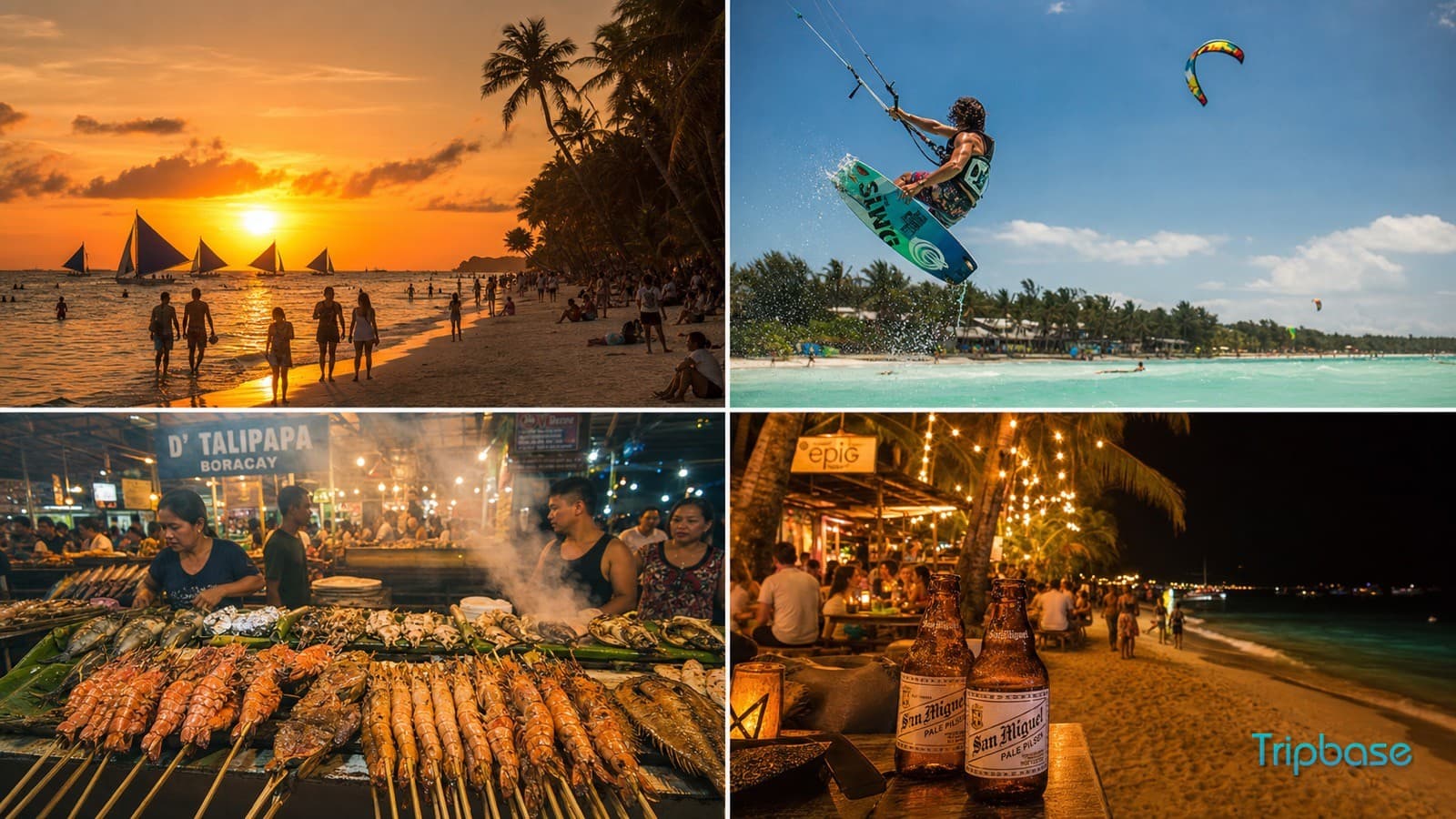
Boracay, Philippines: The Time They Closed an Island
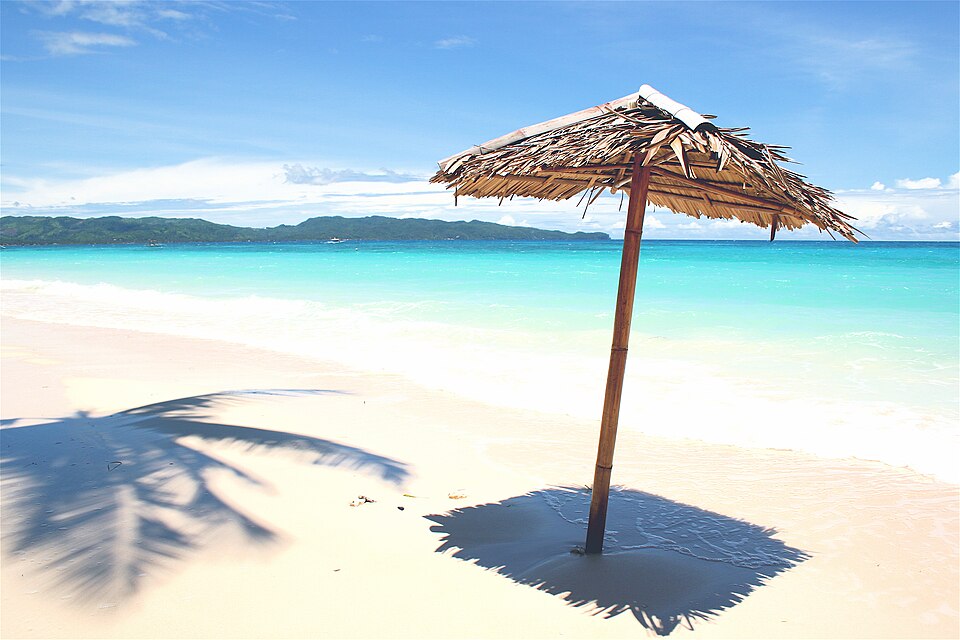
And then there is the option that nobody else has yet had the nerve to fully execute: just shut the place down. In April 2018, the Philippine government, with a directness that genuinely surprised the international tourism industry, closed Boracay Island - one of the country's most popular beach destinations, generating around US$1 billion a year in tourism revenue - to all visitors for six months. President Rodrigo Duterte described the island as a "cesspool," which is the kind of language that does not, traditionally, appear in Lonely Planet guidebooks. He was, awkwardly, broadly correct: hundreds of hotels, restaurants, and bars had been illegally discharging sewage directly onto the beach, the famous white sand was thick with algae, and the island's environment was on the brink of collapse.
The closure cost the Philippine economy an estimated $25 million per month in lost tourism revenue. Roughly 36,000 island residents lost their jobs overnight; the government provided emergency cash assistance and food subsidies. When Boracay reopened in October 2018, it did so with significant restrictions: a daily visitor cap of around 19,000 (down from peaks of 40,000+), no drinking or smoking on the beach, no plastic, no fire dancing, no sandcastles, no parties, and a comprehensive new sewage system. Several hundred businesses that could not prove environmental compliance were never allowed to reopen at all.
Whether the experiment worked depends on who you ask. The water is clean now. The sand is white again. The island makes less money than it used to, and the residents who returned to work returned to a more regulated, less profitable, but more sustainable industry. As a precedent, it has been quietly studied by every overrun destination in Southeast Asia. The Boracay guide covers what you can and cannot do on the island today.
What This All Means for You
The simplest way to be a less destructive tourist is also the most boring: go in the off-season, stay longer, spend more locally, and avoid places that are visibly begging you not to come. The shoulder months exist precisely for this, and our cheapest-countries piece has more on extracting value out of the calendar. The worst-tourist-traps article covers the related problem of the things you should avoid even when the place itself is fine.
The more pointed observation is that the destinations on this list are not collapsing because too many people love them. They are collapsing because too many people love them in the same week of the same year for the same forty-five-second photograph. There is a version of travel that does not involve this. Most of the world is still in it.
Disclaimer: As a brand, Tripbase remains accepting of all global tourists. This article is written from the perspective of a person who has been politely shoved out of a cathedral doorway and is meant for informational purposes only. No offence is intended to your stag party.