Why Shoulder Season Is the Smartest Time to Visit Europe's Top Cities
Every summer, millions of people make the same mistake. They consult a calendar, identify the two weeks in July or August when they have time off work, book a flight to somewhere in Europe that is, by then, also hosting somewhere between fourteen and twenty million other people with identical calendars, and then spend a meaningful portion of their holiday standing in a queue - specifically, the queue to stand in another queue - before eating dinner at 6pm because everywhere they wanted to eat is full until 10:30.
Shoulder season is the period on either side of peak summer: broadly, April to early June and September to October, with some city-specific variation. The core proposition is simple: the same attractions, the same restaurants, the same architecture, minus the crowds that turn a piazza into a compression exercise and plus the prices that make the whole thing financially sensible. Hotel rates in Europe's major cities drop 25 to 40 percent between August and October. Flights follow the same trajectory. The museums are still there. The food is better (restaurants operating below capacity cook better food; this is not a controversial claim). The weather, particularly in September and October, is frequently excellent. What shoulder season requires is a willingness to take your holiday when everyone else isn't, which turns out to be a significant psychological barrier for a lot of people and an extraordinary opportunity for everyone else.
Paris: April, May, and October
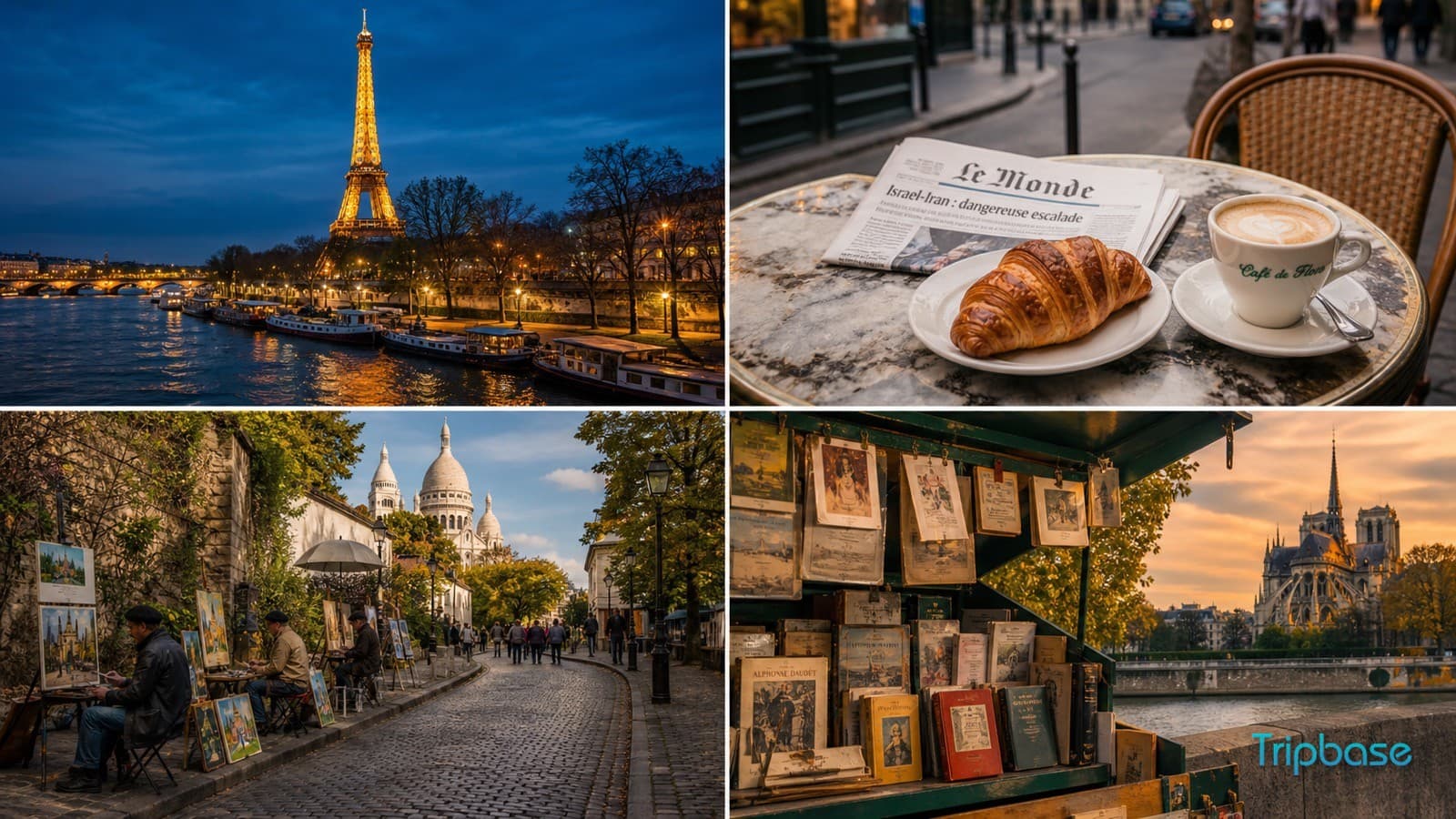
Paris in August is a peculiar city. The Parisians have mostly left - they flee with an admirable commitment to leisure that the rest of the world would do well to study - and the city is running on a skeleton staff of tourists who have convinced themselves this is what Paris is like. It is not. Paris in April has the city back: markets open, restaurants fully staffed, an energy that August genuinely lacks. The chestnut trees along the boulevards are doing their annual thing. The Luxembourg Gardens contain people reading books rather than queuing for photographs. The Eiffel Tower has the same number of stairs it had in August (1,665, if you're walking to the top) but the queue to climb them is perhaps 40 minutes shorter. This matters.
October is Paris at what many regular visitors consider its finest: warm enough for outdoor tables, cool enough for the wool coat that makes everyone look like an Agatha Christie character, the light a particular golden quality that photographers arrive specifically for. Hotel rates in October average 30 to 35 percent below July and August peaks. The Louvre - which on a July Tuesday can process 45,000 visitors in a day - operates at something closer to its design capacity, meaning you can actually stand in front of things you came to see rather than photographing them over other people's shoulders. Our Paris guide covers where to stay by arrondissement, but the short version for shoulder season is: book anywhere you would have been priced out of in August, because it will be available and it will be cheaper.
Prague: May and September
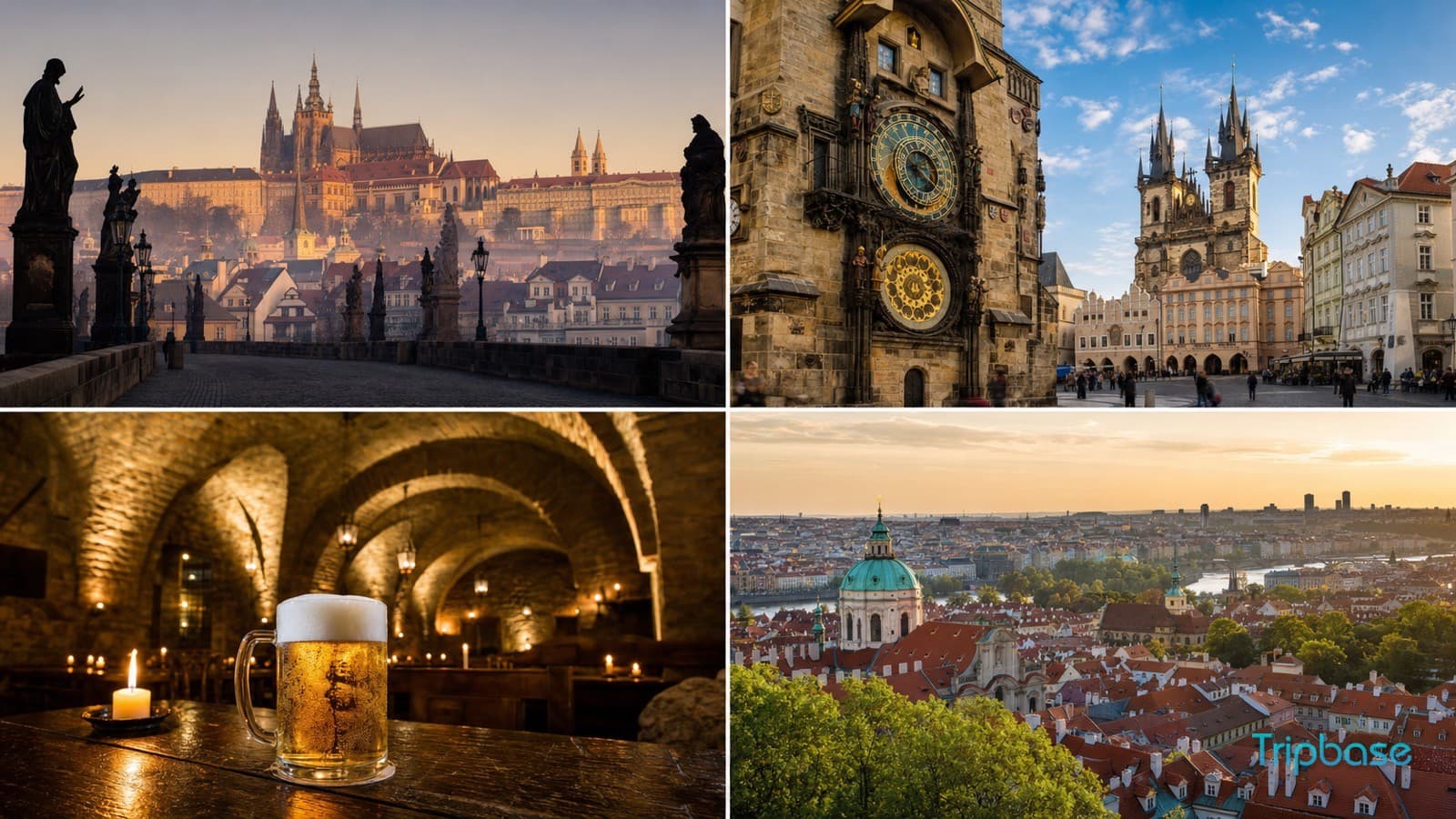
Prague in July and August is a city experiencing something that has less to do with culture and more to do with logistics. The Old Town square contains, at any given moment, approximately seven different walking tour groups moving in formations that make pedestrian navigation a genuinely tactical exercise. The Charles Bridge - objectively one of the more beautiful bridges in Europe, lined with Baroque statues that have been there since the 1600s and have seen considerably worse than a selfie stick - is by 10am in July a wall of people with cameras pointed in all directions. It is beautiful and it is also a crowd-management situation.
September in Prague is the same bridge with twenty people on it at 8am, which is a fundamentally different experience. The same statues. The same river below. The same castle visible on the hill above the left bank. The temperature in September averages around 16 to 18 degrees Celsius, which is, by any reasonable assessment, comfortable weather for walking a city that rewards walking. Hotels in the Old Town drop substantially - mid-range properties that run 150 to 200 euros per night in July regularly come in at 90 to 120 in September. Our Prague guide will tell you where to eat and what to do, but September adds a specific variable: the hop harvest is running in Bohemia (Czech hops are the reason Czech beer tastes the way it does, which is excellent), and smaller restaurants start featuring dishes that exist only at this time of year. This is not a minor consideration.
Barcelona: May and October
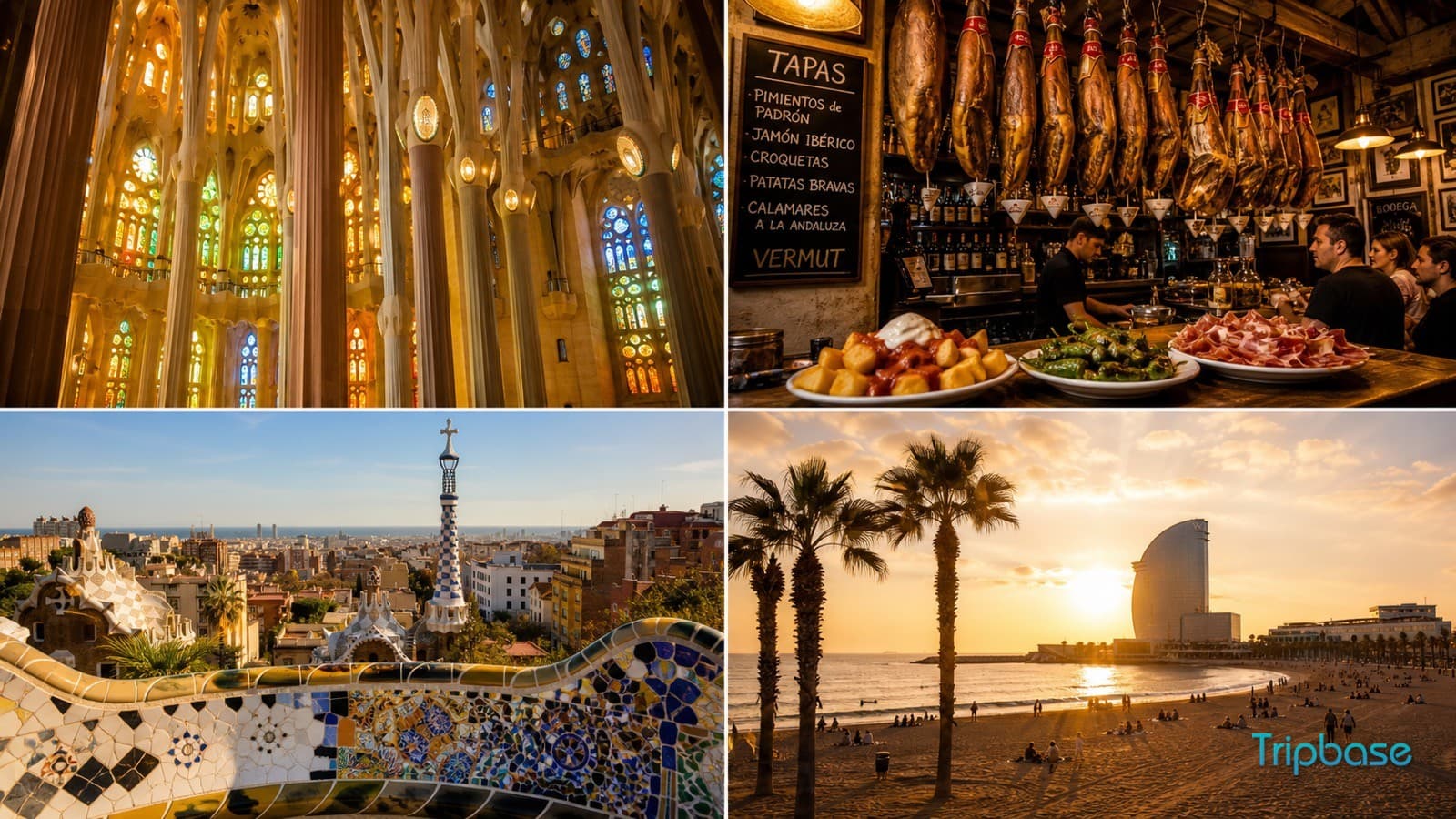
Barcelona in August has a temperature problem. The average high is around 29 degrees Celsius, which sounds appealing in the abstract and feels, when you are standing in the queue for the Sagrada Familia surrounded by a thousand other people all emitting heat, considerably less so. The Ramblas - which is at all times of year primarily a place for pickpockets to operate with professional efficiency - reaches a density in August that makes walking it less of a promenade and more of a controlled drift in whatever direction the crowd happens to be moving.
May is Barcelona with decent weather (22 to 25 degrees), beaches that are pleasant rather than packed, the Barceloneta still functioning as a beach rather than a temporary city, and restaurants with actual availability for dinner at a normal time. October is marginally cooler and arguably better: the sea is still swimmable (water temperature around 22 degrees in early October - warmer, actually, than the air temperatures that British tourists consider perfectly adequate for swimming in August), the terrace bars are full without being impossible, and the city has returned to its own pace. Our Barcelona guide covers logistics and neighbourhoods; what it cannot communicate is the specific pleasure of getting a table at a restaurant you'd been told was impossible to get into, simply because you arrived in October rather than July.
Amsterdam: April and May
Amsterdam has a shoulder season argument that is unlike any other European city, because its April and May shoulder season comes with an additional feature that peak summer simply cannot offer: the tulip fields. The Keukenhof gardens - 32 hectares of tulip displays outside the city, open for approximately eight weeks in spring - are a genuine reason to time a trip around the shoulder window rather than treating them as a bonus. Seven million tulip bulbs planted annually, producing something so absurdly, improbably colourful that most photographs of it look like they've been digitally enhanced. They haven't.
Amsterdam in summer has the additional complication of being very small and very popular simultaneously. The canal ring is a UNESCO World Heritage Site that roughly twenty million tourists visit annually, concentrated heavily into the June to August window, and the city has responded by becoming extremely crowded in the areas that everyone wants to be in. April and May spread the load. The canal houses are the same canal houses. The Rijksmuseum's Rembrandt collection is unchanged. The herring carts are operational. The cycling infrastructure - which is the fastest way to understand Amsterdam and is available year-round to anyone willing to take their chances in a city where cyclists have right of way over everything including, arguably, the laws of physics - is substantially more navigable in April than in July, when the rental bike routes are thick with tourists discovering for the first time how fast the actual residents cycle. Some discoveries are better made at slightly lower traffic volumes.
Rome: April and October
Rome in August is technically operational. The shops are open, the restaurants are (some of them) staffed, the Trevi Fountain still has water in it. What August Rome also has is heat - average highs around 32 degrees, rising to 35 on the bad days - and the specific aerobic challenge of navigating the Vatican Museums in those conditions, in a crowd of approximately 25,000 people all attempting to see the Sistine Chapel simultaneously. The Sistine Chapel ceiling is a masterpiece. It is also small (40 metres long, 13 metres wide), and experiencing it while wedged into a crowd that is moving steadily toward the exit in the direction of an air-conditioned gift shop produces a reaction that Michelangelo probably did not intend.
October is 22 degrees and significantly saner. The lines for the major sites still exist but they are lines rather than events. The trattorias in Trastevere are running at dinner rather than serving the tourist turnover that July requires. Autumn produce is coming into the Roman markets - porcini, artichokes, the first white truffles at prices that will alarm you - and the restaurants that track seasonality (which is most of the good ones) are cooking accordingly. Our Rome guide covers the city in detail, but April deserves a specific mention as well: the spring wildflowers bloom along the Appian Way in April, and Easter notwithstanding (which brings its own specific crowd situation), early-to-mid April sits in a window before the main European school holidays begin and the city is, by the standards of a city receiving 14 million tourists a year, relatively manageable.
Edinburgh: May, June, and September
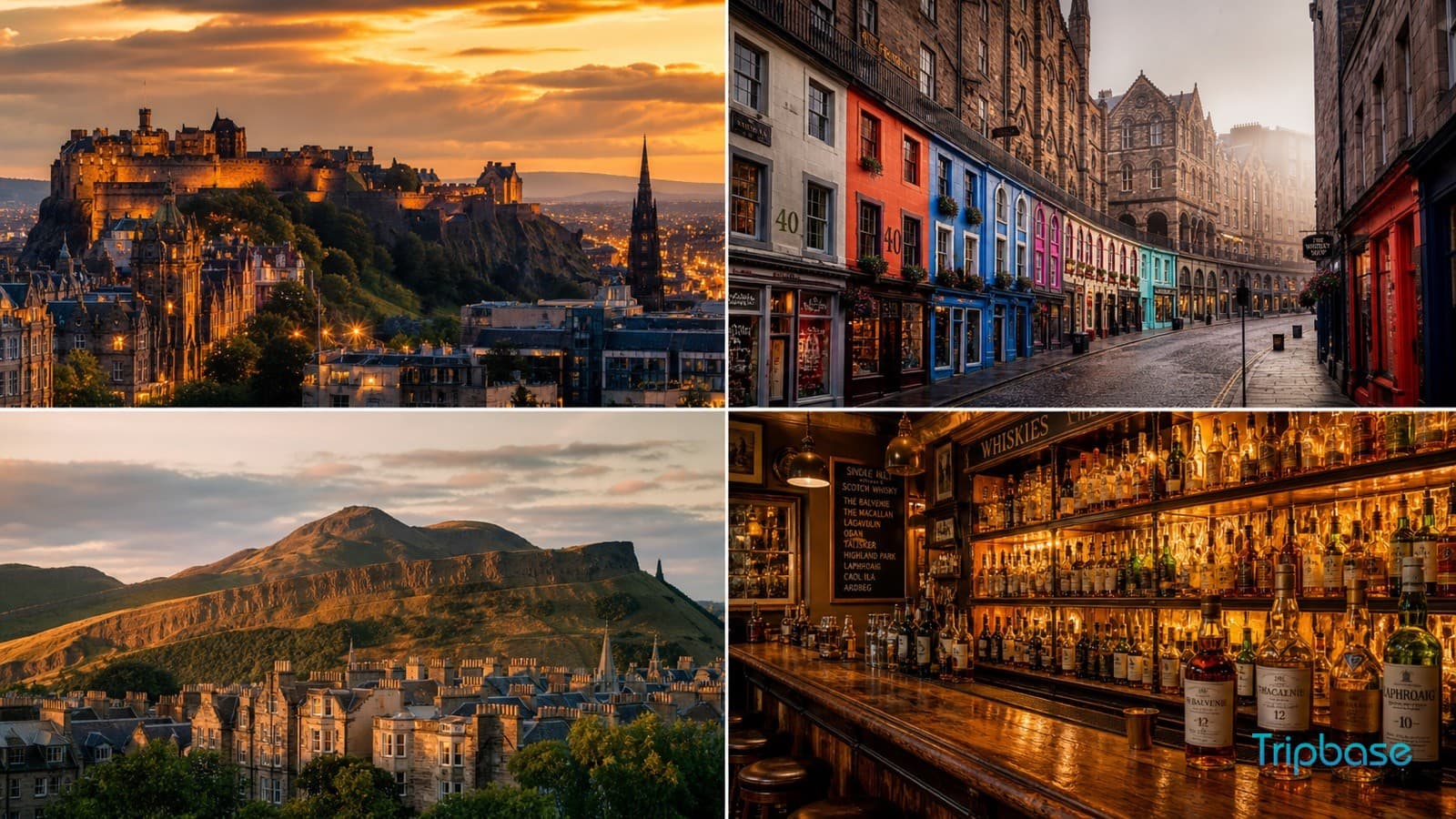
Edinburgh in August is a choice. Not a bad choice, necessarily, but a choice that should be made consciously: the Edinburgh Festival Fringe runs through August and turns the city into something that feels like a university town and a circus have merged and agreed on the Old Town as their shared venue. The population of the city roughly doubles. Every surface that can hold a flyer holds seventeen. Shows start at 11am and end at 2am. If this is what you want - and it is genuinely extraordinary, a city-wide creative explosion with nowhere quite like it - then August is correct. If you wanted Edinburgh the city rather than Edinburgh the festival, you have arrived at the wrong moment.
September is the calm after the Fringe. The city reassembles itself. The castle - sitting on its volcanic crag with the particular authority of something that has been there since the 12th century and has survived everything - is still there. The Royal Mile's closes and wynds (Edinburgh's lanes, because Edinburgh uses its own vocabulary) are walkable rather than navigable. The Scotch whisky experience tours have availability. The weather in September averages a bracing 16 degrees, which is Edinburgh's version of warm and requires a sensible jacket but nothing more dramatic. Our Edinburgh guide gives you the full picture; the short version is that if you are not specifically coming for the Fringe, May and September are demonstrably better times to be there, and the accommodation will cost you 30 to 45 percent less than August for the same properties.
The underlying logic of shoulder season applies to all of the above, and to most of Europe besides: the assets that make these cities worth visiting are permanent, available year-round, and mostly free. What varies is the price of sleeping near them and the number of other people attempting to look at them at the same time as you. Adjusting when you go costs nothing and saves a considerable amount. The worst tourist traps are worst in peak season; the same sites in shoulder season are merely famous. There is a meaningful difference.
If you have already read this and are thinking that your schedule only allows August, that is also a valid conclusion, and the cities above are worth visiting regardless of when. The queues will be longer. The hotels will cost more. The Sistine Chapel will be warm in a way that is historical rather than pleasant. None of this will ruin the trip. It will, however, make you think wistfully about October, which is available next year and will cost you less. Consider it.