The World's Most Extreme Roller Coasters (And the Ones That Got Shut Down for Killing People)
There is a particular kind of person who looks at a 139-metre tower of steel and thinks, yes, please strap me to that and fling me at the sky at 206 kilometres per hour, ideally while I am still digesting a churro. The roller coaster, as a leisure concept, requires you to pay money to be terrified, briefly weightless, and then returned to the queue you just left. It is one of humanity's stranger inventions, and over the last few decades engineers have been quietly competing to see how far they can push the average human's tolerance for being shaken about.
What follows is a tour of the rides that hold the various records for fastest, tallest, steepest, longest, and most inversions, plus a brief and unhappy detour through the rides that killed people and were promptly demolished. All of these are real and most of them are still operating, which is either a triumph of engineering or a catastrophic failure of risk assessment, depending on your mood. Bring a sick bag.
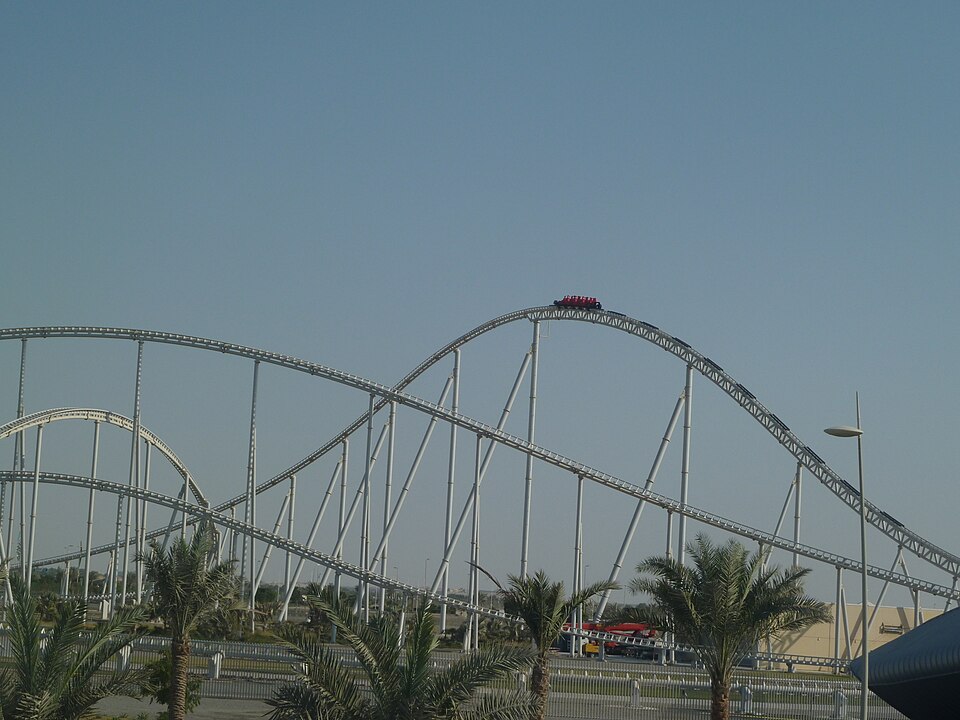
Formula Rossa - The Fastest, By Quite a Lot
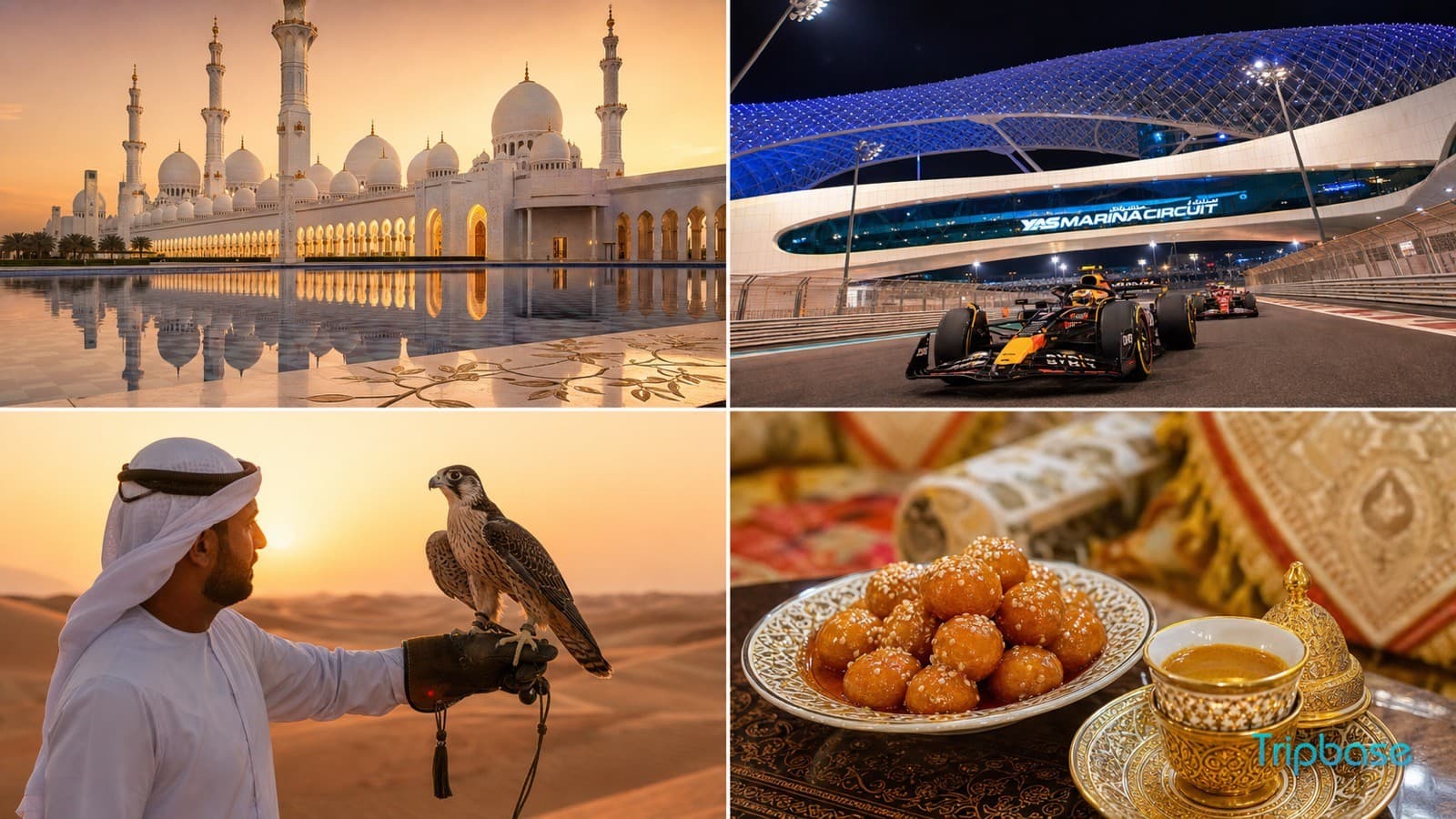
If you have ever been to a Formula 1 race and thought, this is fine, but I would prefer to experience this with no car around me and also no road, then Formula Rossa at Ferrari World in Abu Dhabi is the ride for you. It accelerates from 0 to 240 kilometres per hour (149 mph) in 4.9 seconds, which is faster than the actual Ferrari road cars parked in the lobby of the building you walk through to reach it.
The launch is so violent that riders are required to wear protective goggles, not as a marketing gimmick but because at that speed an unfortunate insect collision can cause genuine eye injury. Let that sink in: the management of a theme park has formally calculated that bugs, on this ride, become projectiles. The track is shaped like the Yas Marina F1 circuit and the whole experience is over in 92 seconds, which is approximately the length of time it takes to remember why you queued for it.
Formula Rossa has held the world speed record since 2010, and in roller coaster terms 16 years is a small geological era. Several proposed challengers have been quietly cancelled, including a Saudi project that was meant to do 250 km/h. The current record holder, in other words, is winning by simply existing while everyone else's plans collapse.
Kingda Ka - The North American Skyscraper
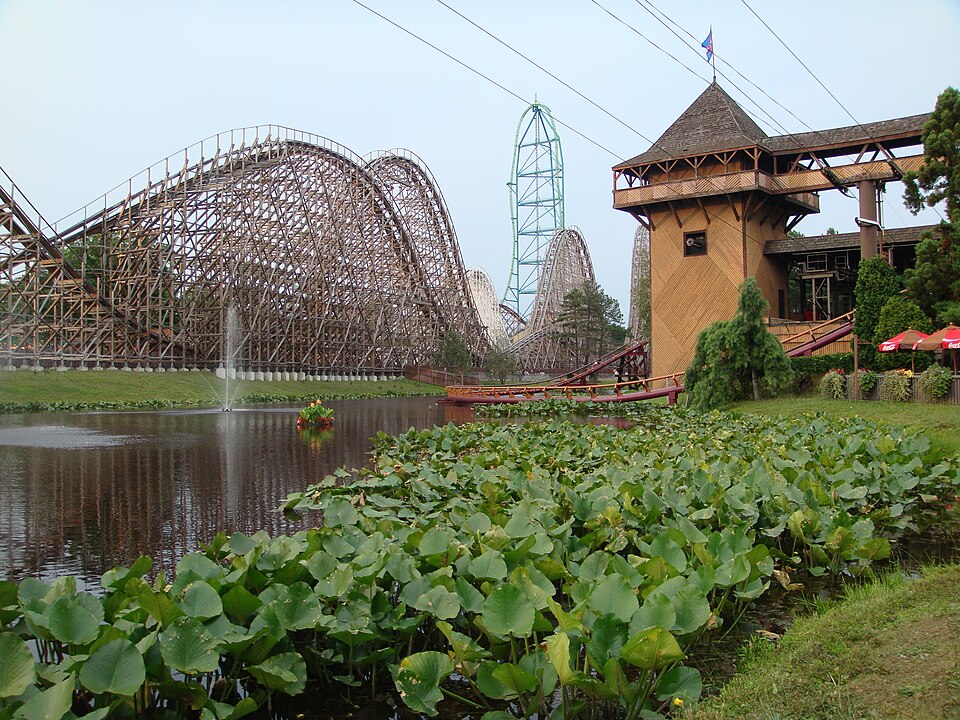
Kingda Ka at Six Flags Great Adventure in New Jersey opened in 2005 as the world's tallest roller coaster at 139 metres (456 feet), and held the title until it closed permanently in early 2024. It hits 206 km/h (128 mph) in 3.5 seconds, then climbs a vertical tower the height of a 45-storey building, then falls back down. That is the entire ride. There are no loops. There is no theme. There is just a very tall thing and the question of whether you would like to be at the top of it.
The ride was famously temperamental. It got struck by lightning twice, suffered two cable failures that injured guests, and routinely stranded riders mid-launch when the hydraulic system gave up halfway. On a bad day you would reach the top of the tower, lose all forward momentum, and roll backwards down the launch track to start the queue again, which is the closest a theme park has ever come to recreating the experience of public transport.
Six Flags shut Kingda Ka down for good in January 2024, citing maintenance costs that had simply become absurd. The replacement ride is meant to break the speed record and stand 152 metres tall, which is exactly the kind of statement that should make a sensible person check their travel insurance.
Takabisha - The Drop That Goes Past Vertical
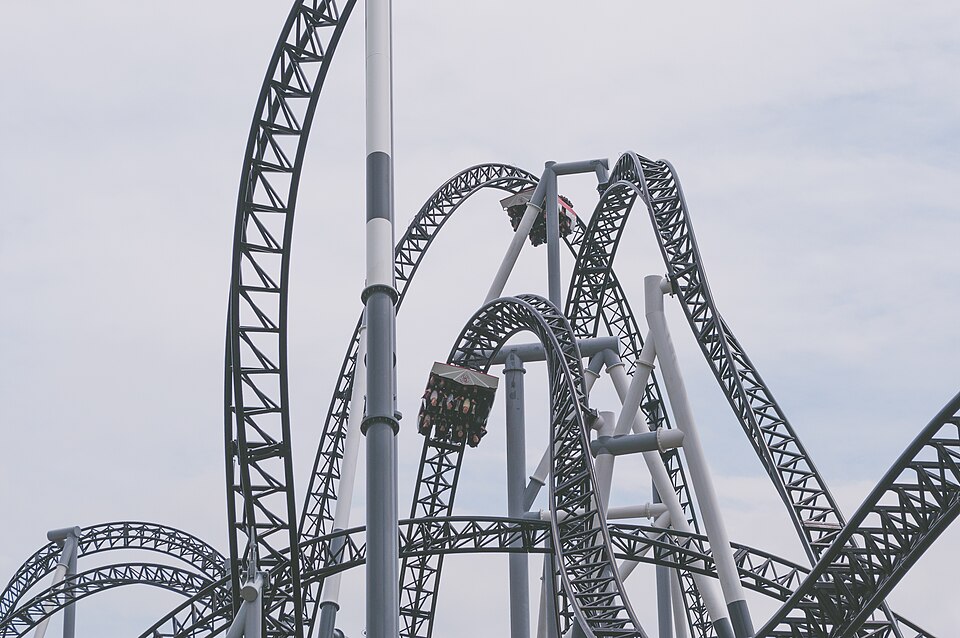
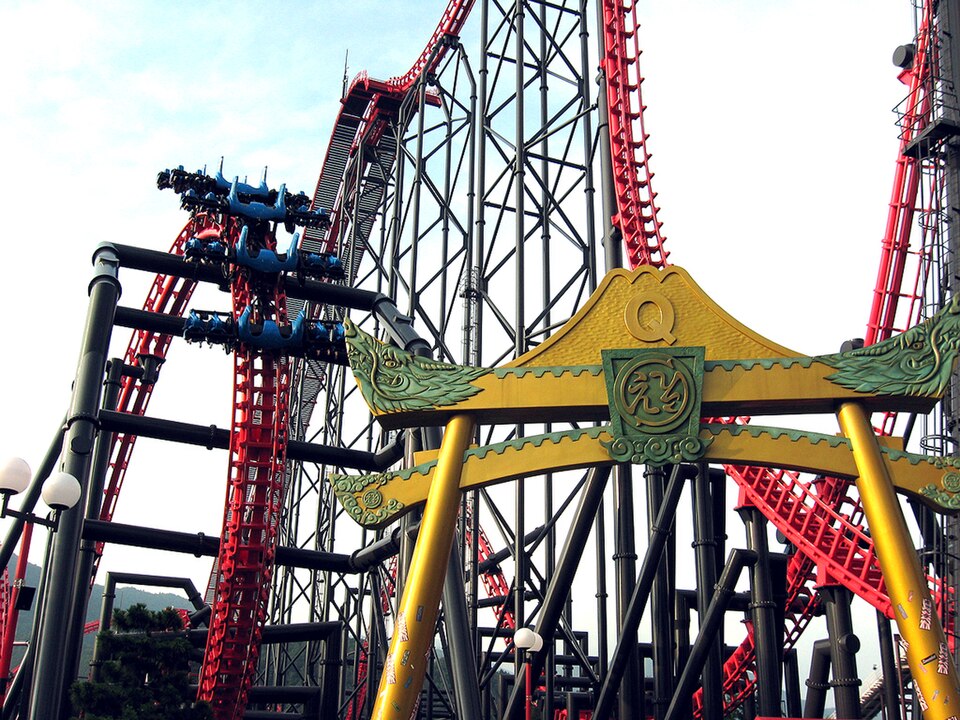
You may be wondering what happens when a roller coaster designer decides that simply going straight down is insufficient. The answer is Takabisha at Fuji-Q Highland near Tokyo, which has a 121-degree drop. That is 31 degrees past vertical, or in less mathematical terms, the track tilts back under itself so that for a moment you are falling at an angle that suggests the universe is actively trying to dispose of you.
The drop held the world record for steepest from 2011 until 2024, when the unfortunately named Gravity Max in Taiwan was found to be slightly more aggressive in its grip on physics. Takabisha is also notable for having seven inversions and four launches, which are roller coaster terms for "you will be upside-down a lot" and "the train will repeatedly attempt to leave you behind."
Fuji-Q Highland sits within view of Mount Fuji, which means that on a clear day you can stare directly at one of the most beautiful mountains on Earth as you plummet earthwards at an angle no human anatomy was designed to enjoy. It pairs nicely with Japan's other contributions to recreational adrenaline.
Steel Dragon 2000 - The Longest Track on Earth
While most extreme coasters concentrate on getting the unpleasantness over quickly, Steel Dragon 2000 at Nagashima Spa Land in Japan takes the opposite view. At 2,479 metres (8,133 feet) of track, it is the longest roller coaster in the world by a comfortable margin. The full ride lasts about four minutes, which sounds reasonable until you realise that is roughly the length of an entire pop song spent screaming.
It was built in 2000 to commemorate the Year of the Dragon in the Chinese zodiac, which feels like a slightly aggressive way to honour an astrological cycle, but here we are. To survive the seismic conditions of Japan the structure required so much extra steel reinforcement that it cost a reported 50 million dollars to build, making it one of the most expensive roller coasters ever constructed. Worth it, presumably, if you have always wanted to fall off a small mountain repeatedly for four minutes.
Steel Dragon was briefly closed in 2003 after a wheel detached from a moving train and injured a guest in a passing log flume below, which is the kind of plot twist you do not expect from a flume ride. Repairs were extensive and the coaster has run without incident since.
Eejanaika - The 4D Coaster That Spins You Sideways
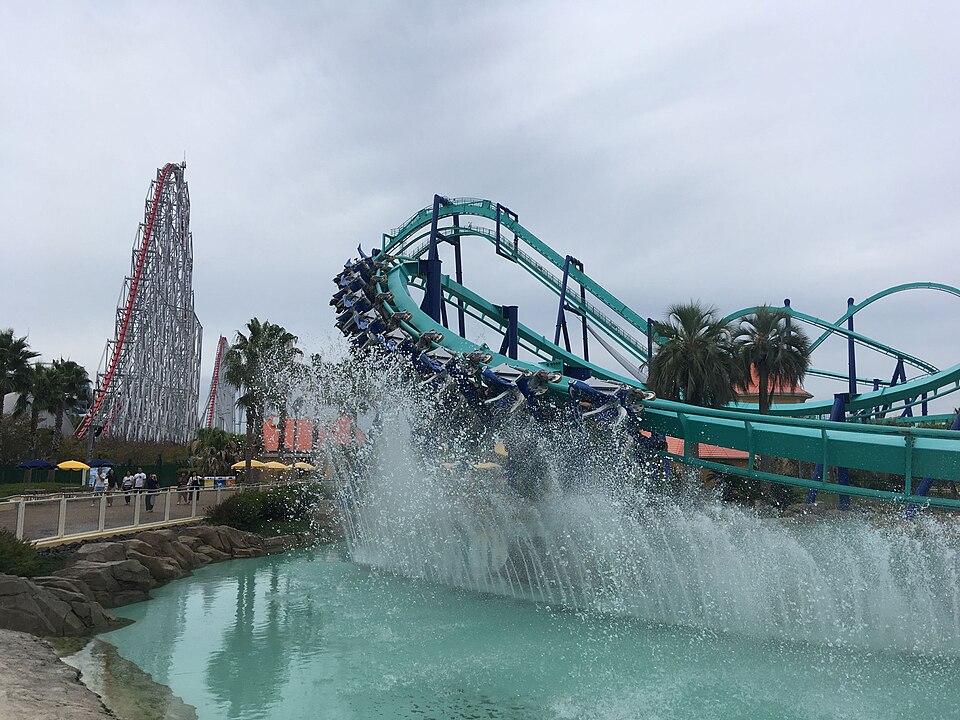
There is a category of roller coaster called "4D," which sounds like marketing nonsense and largely is, except that Eejanaika at Fuji-Q Highland actually does something that no normal coaster does: the seats rotate independently of the track, so you can be flipped upside-down while the train is going right-side up, or vice versa. The total number of head-over-heels rotations on a single ride is 14, which is at least 13 more than your inner ear was hoping for.
The name "Eejanaika" is loosely translated as "ain't it great?" which it is, technically, in the same way that being thrown down a flight of stairs by a benevolent friend is technically a form of exercise. The ride is so disorienting that the park advises riders to keep their eyes open the entire time, because closing them apparently makes the experience considerably worse, which is not a sentence many things in life can claim.
Eejanaika held the world record for most inversions on a roller coaster from 2006 until 2013, when The Smiler at Alton Towers opened with 14 conventional inversions. The Smiler then crashed in 2015, injuring 16 people and resulting in two amputations, which is the kind of footnote that makes you appreciate the relative discipline of Japanese theme park engineering.
Superman: Escape from Krypton - The First to Break 100 mph
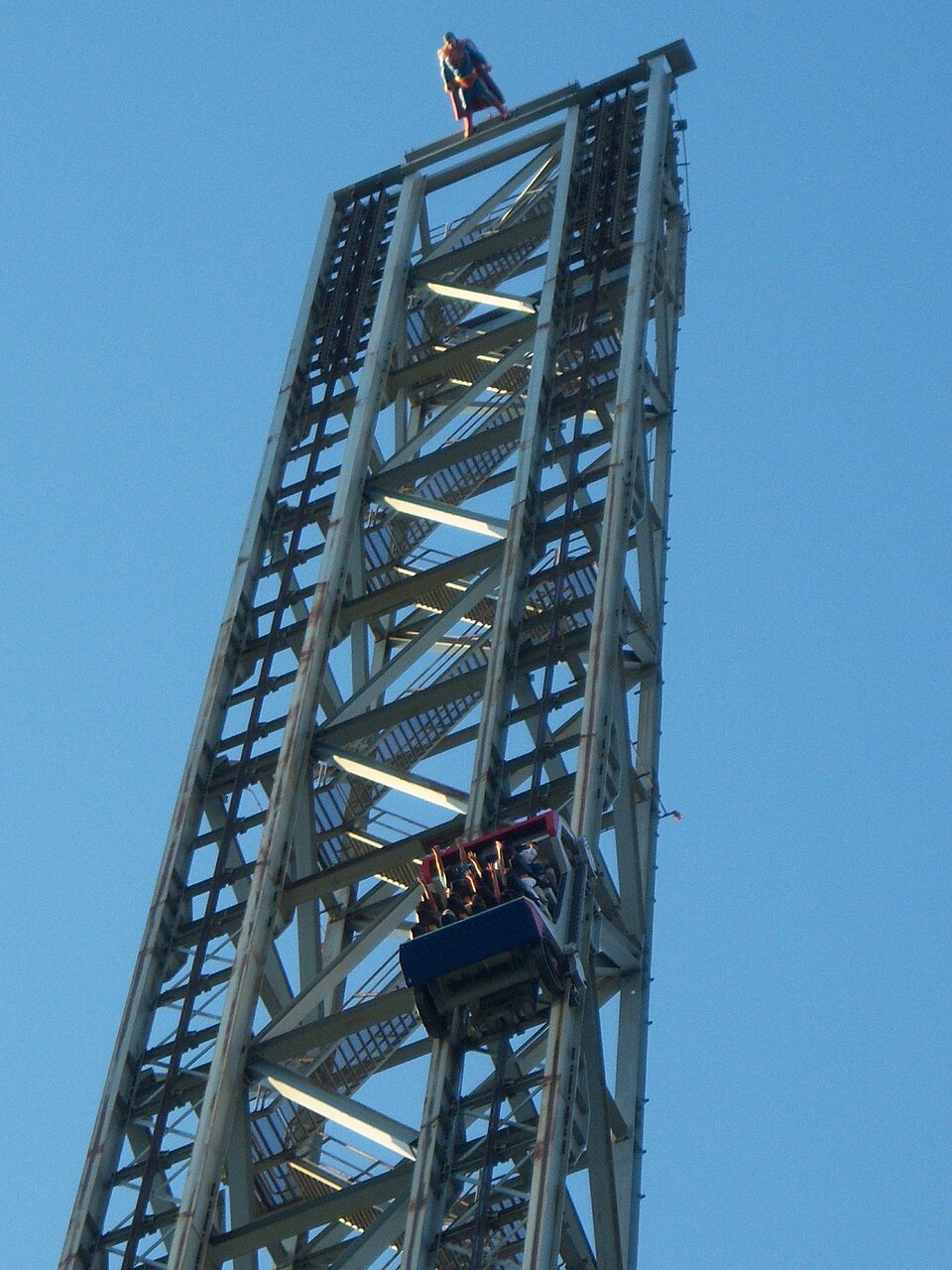
Before Kingda Ka, before Formula Rossa, before any of this got truly out of hand, there was Superman: Escape from Krypton at Six Flags Magic Mountain in California, which opened in 1997 and became the first roller coaster on Earth to break 100 miles per hour. It also broke 415 feet of vertical track, making it the tallest coaster of its era by a margin so wide that nothing else came close for years.
The ride is a reverse-launch shuttle, which means it fires the train backwards out of the station, up a 90-degree vertical tower, and then gravity returns it to the platform whether it likes the platform or not. The launch system originally used linear synchronous motors, which had not been used on a roller coaster before, and which famously refused to work for the first several years. The ride opened five months late and broke down so often that locals called it Superman: Escape from Operation.
It is still running today, mostly. Whether it is running on any given visit appears to be a matter of personal luck and the mood of the maintenance team, much like everything else in Los Angeles.
Verruckt - The One That Killed a Child
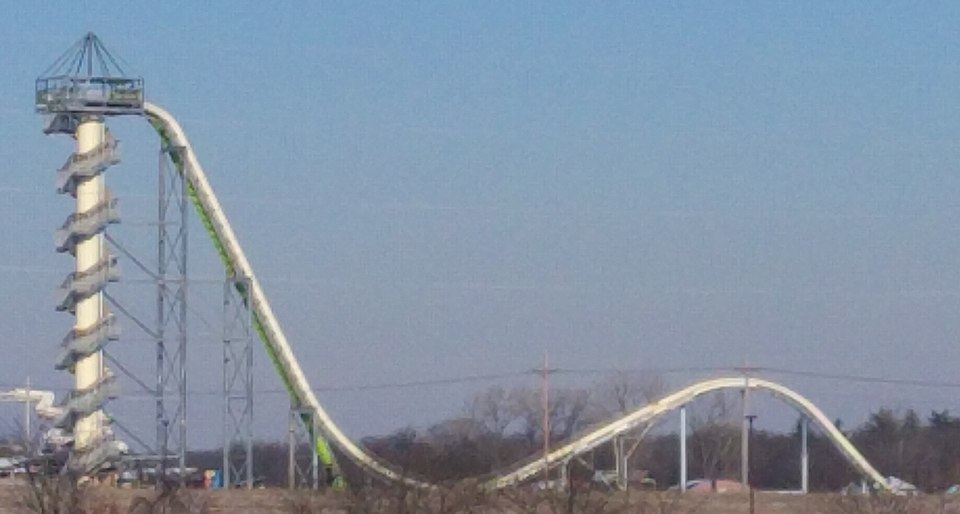
And now the part of the article you may want to skip if you have plans to visit a water park this summer. Verruckt, German for "insane," was the world's tallest water slide, opened in 2014 at the Schlitterbahn water park in Kansas City. At 51 metres (168 feet) it was taller than Niagara Falls and steeper than a black diamond ski run. Riders sat in a three-person raft, dropped down a near-vertical chute at around 110 km/h (70 mph), launched up a second hump that briefly produced negative G-forces strong enough to lift the raft off the slide, then dropped again into a final pool.
The ride was developed in roughly six months, designed by people with no formal engineering qualifications, and rushed through testing to meet a deadline tied to a Travel Channel TV special. During those tests, sandbags repeatedly flew off the track. On 7 August 2016, ten-year-old Caleb Schwab was decapitated when his raft went airborne on the second hump and struck a metal hoop suspended above the slide as part of the safety netting. He had been seated in the front of the raft. The two adult riders behind him survived with serious injuries.
Verruckt was demolished in 2018. The park's owner and the slide's co-designer were indicted in 2018 on charges including involuntary manslaughter and aggravated child endangerment, though the charges were later dismissed by a judge on procedural grounds in 2019. The ride had operated for two years and injured at least 13 other guests before the fatal accident. It is now the most-cited case study in the field of theme park engineering ethics, which is a small comfort.
So, Should You Ride These Things?
Probably, yes. The major operating coasters on this list have collectively given billions of rides without serious incident, and modern safety standards (Verruckt very much excluded) are genuinely robust. The chance of dying on a major roller coaster has been calculated at roughly 1 in 750 million per ride, which is significantly safer than the drive to the theme park, the airline meal you ate in transit, and the questionable hot dog you bought once you got there.
What you should not do is assume that all extreme rides are equally well-engineered. The pattern with disasters like Verruckt is depressingly consistent: a publicity deadline, a designer with more ambition than experience, an inadequate testing programme, and a regulatory environment that defers entirely to the operator. If a ride was built in six months for a TV special, ride something else.
Disclaimer: We are not engineers, and this article should not be substituted for an actual safety assessment. If you have already booked tickets to a coaster designed primarily for a Travel Channel ratings push, please reconsider your plans, in that order.