
The World's Most Extreme and Terrifying Airports
The World's Most Extreme Airports
For most people, an airport is a place of comfortable anonymity - long corridors, expensive coffee, and the mild tedium of security queues. But a small number of airports around the world require something a bit more focused from everyone involved: pilots who need exceptional skill, passengers with a tolerance for the unexpected, and ground staff who routinely work in conditions that would end careers elsewhere. These are those airports.
Tenzing-Hillary Airport, Lukla - Nepal
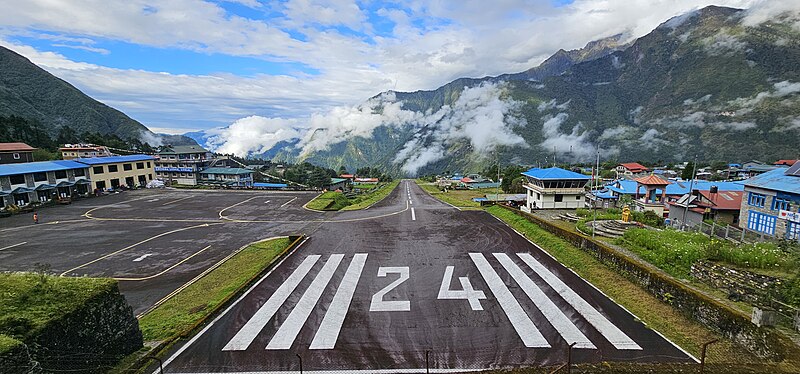

Named after Edmund Hillary and Tenzing Norgay - the first climbers to summit Everest - Lukla Airport sits at 2,860 metres in the Khumbu region of Nepal and serves as the primary gateway to the Everest trekking routes. It has a runway of just 527 metres (compared to the 3,000+ metres of a typical international runway) that slopes upward at a 12% gradient, ending at a stone wall at the upper end and a cliff dropping hundreds of metres into the valley at the lower end.
There are no go-arounds at Lukla. If the approach isn't right, there is nowhere to climb away to - the terrain on all sides rises sharply. The airport operates using visual flight rules only, which means it closes entirely in cloud or fog, which is common. Pilots who fly here are specially certified for this approach alone. The combination of short runway, high altitude (which reduces engine power and extends stopping distances), mountain terrain, and unpredictable Himalayan weather makes it consistently rated among the world's most dangerous airports.
Despite all of this, hundreds of flights operate here every year, ferrying trekkers and climbers toward the mountains.
Princess Juliana International Airport, St Maarten
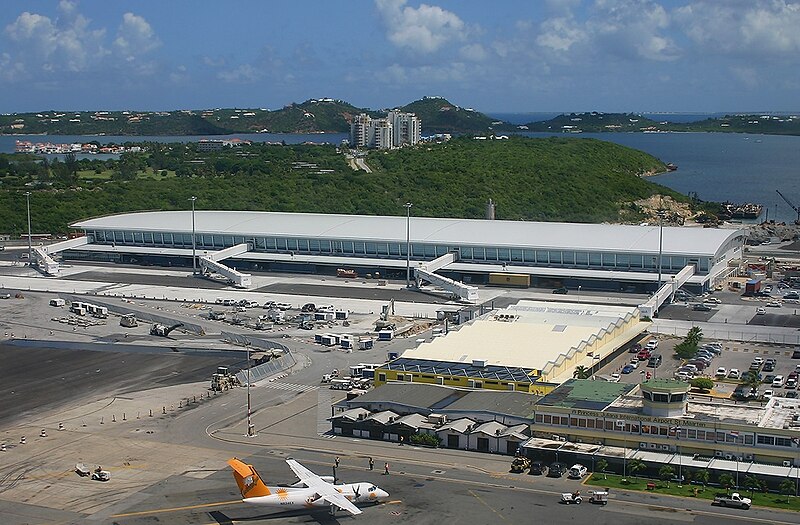

Princess Juliana Airport on the Dutch Caribbean island of St Maarten is famous for one thing: the approach to runway 10, which passes almost directly over Maho Beach. Aircraft - including wide-body jets like the Boeing 747 - descend so low on final approach that they pass approximately 20 metres above the heads of beachgoers, close enough to read the aircraft registration number. The jet blast on takeoff from runway 28 is strong enough to knock people off their feet on the beach.
This has turned the beach itself into a tourist attraction. Signs warn visitors of the danger of standing near the fence during operations, and at least one death from being blown into rocks by jet blast has been recorded. Planespotters come from around the world specifically to experience the low-altitude arrivals. The airport was severely damaged by Hurricane Irma in 2017 and has been substantially rebuilt - but the approach geometry hasn't changed.
Barra Airport - Scotland
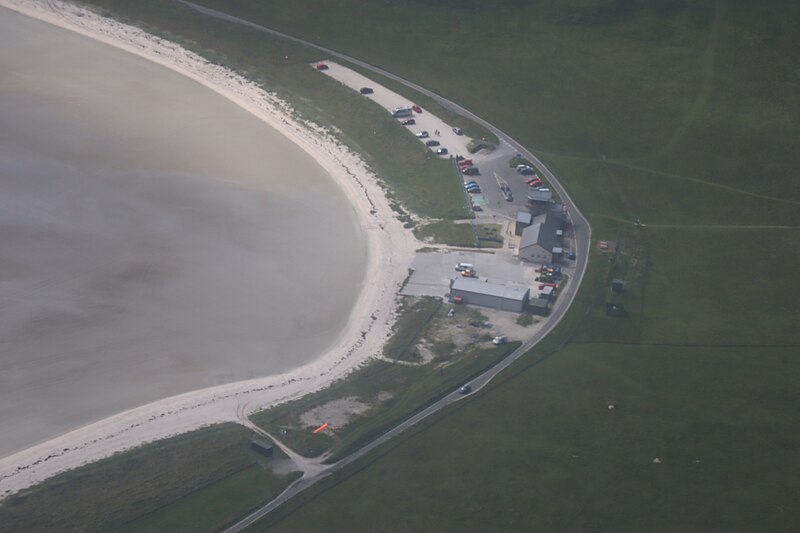

Barra Airport on the Outer Hebridean island of Barra, Scotland, is the only scheduled commercial airport in the world whose runways are a beach. Specifically, the cockle-strewn tidal flat of Tràigh Mhòr ("big beach") serves as three grass-like crossing runways - which are also used, between flights, for gathering cockles, walking dogs, and the general purposes a beach serves. Flight schedules are dictated not by slots or curfews but by the tide.
Loganair operates the route from Glasgow using Twin Otter aircraft, and the approach - low over the Atlantic, banking over dunes onto a beach - has been described by pilots as one of the most satisfying in civil aviation. The airport terminal is a modest wooden building. The contrast with major hub airports could not be more complete.
Gibraltar International Airport
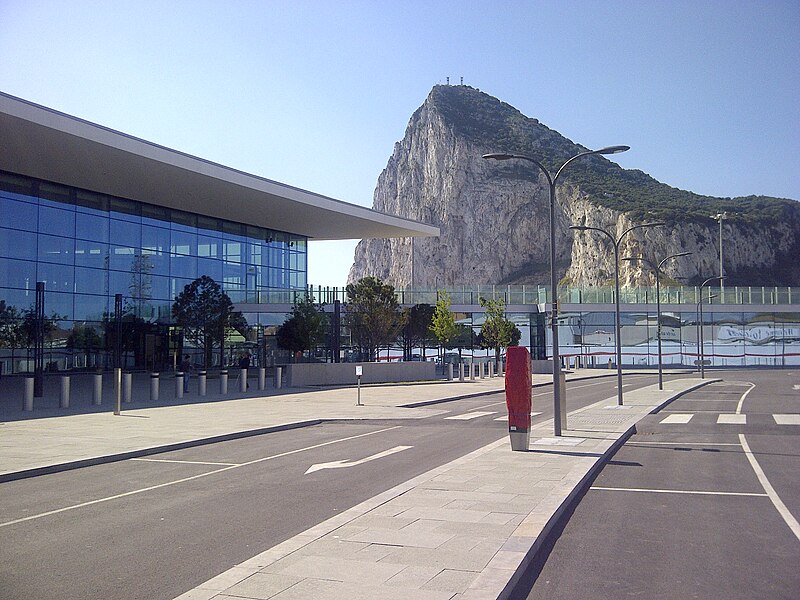

Gibraltar's airport is built on the narrow strip of flat ground at the base of the Rock of Gibraltar, which is essentially the only land available for a runway on a territory 6.7 square kilometres in size. The result is a runway that runs across a main road - Winston Churchill Avenue, the principal land crossing between Gibraltar and Spain. Every time an aircraft needs to land or take off, the road barriers close, traffic stops, and the aircraft crosses.
Beyond the unusual road intersection, the approach itself is complicated by the Rock of Gibraltar rising to 426 metres immediately adjacent to the runway. Pilots must account for turbulence and wind shear caused by the Rock, and the runway (1,680 metres) is short for the commercial jets operating the route. The approach from the Spanish side involves flying over the sea toward the rock at low altitude.
Courchevel Altiport - France
The altiport (high-altitude airstrip) serving the French ski resort of Courchevel sits at 2,008 metres in the Alps and has a runway of just 537 metres that slopes upward at a 18.5% gradient - steeper than Lukla. This slope is deliberately engineered so that aircraft are slowed by the incline during landing (no brakes required) and accelerated for takeoff by rolling downhill. All operations are visual-only.
Only specially licensed pilots are permitted to fly into Courchevel, and instruction for the approach qualification must be completed in the actual aircraft and aircraft type. The approach over the mountain ridges requires precise altitude management with no margin for error. It appears regularly in aviation enthusiast lists as one of the most technically demanding approaches in Europe.
Paro Airport - Bhutan
Located in a valley surrounded by Himalayan peaks reaching over 5,000 metres, Paro Airport in Bhutan has a runway visible for only a short portion of the approach. Pilots must fly a dramatic turning visual approach around the mountains at low altitude to align with the runway, which only becomes visible after the final turn. The approach can only be flown by a handful of specifically qualified pilots worldwide - reportedly fewer than 30 as of recent years. Only visual flight rules apply. Cloud or low visibility means no flights, regardless of demand.
Would you fly into any of these? Which one sounds most appealing - or most terrifying? Let us know in the comments.
For more extreme travel, see our guide to the most unusual travel world records - the first person to visit every country, the fastest circumnavigation by commercial aircraft, and the records that redefined what travel means.