The World's Highest Bungee Jumps (Ranked by How Far You'll Fall)
In April 1979, four members of Oxford University's Dangerous Sports Club put on tuxedos, tied themselves to elastic cords, and jumped off the Clifton Suspension Bridge in Bristol, England, and modern bungee jumping was born from what was, by any legal definition available at the time, an arrestable offense.
They were arrested, in fact, but the stunt made international news, and the sport spent the next decade migrating from "thing eccentric British academics do for a dare" to "billion-dollar tourism industry with safety certifications." Along the way it borrowed heavily, and unapologetically, from a much older tradition: the land diving ritual of Pentecost Island in Vanuatu, where young men have jumped from wooden towers with vines tied to their ankles as a coming-of-age ceremony for generations, minus the elastic, and minus, mercifully, the modern safety record.
Today the sport has an actual global hierarchy, measured in one simple number: how far you fall before the cord decides otherwise. Here are the jumps that sit at the top of it.
How a Vanuatu Ritual Became a Global Extreme Sport
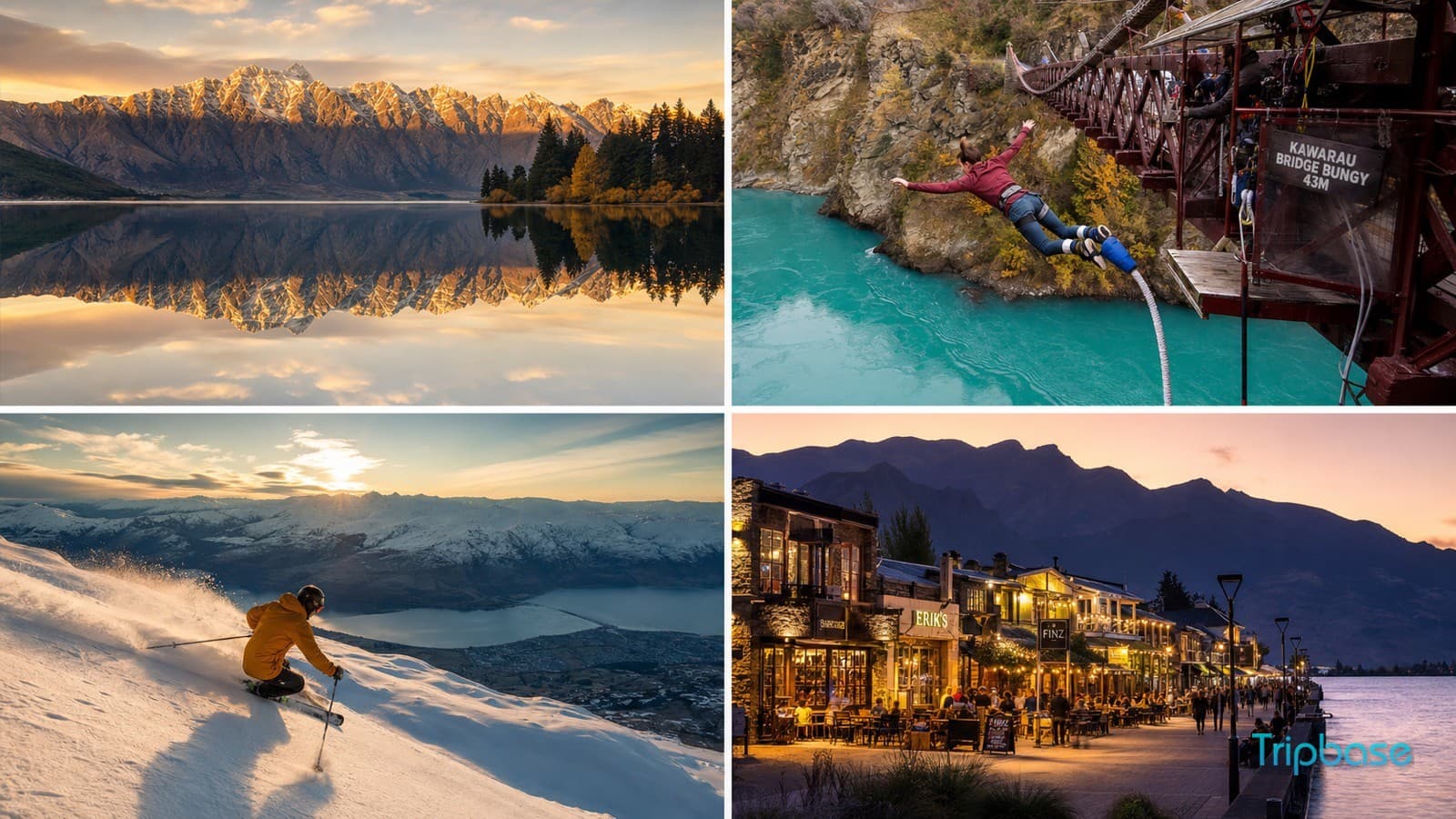
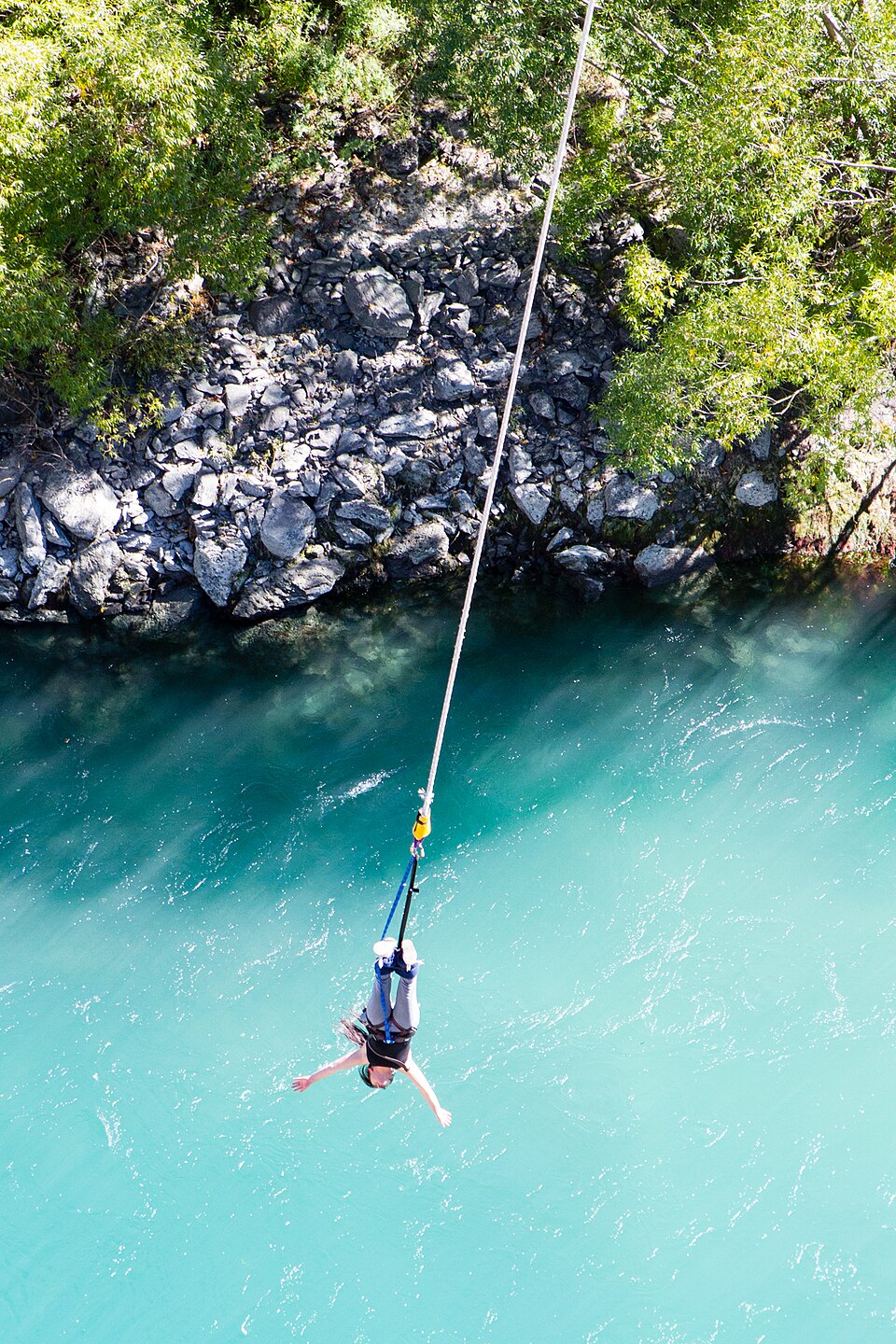
The Dangerous Sports Club's Clifton Bridge stunt might have stayed a one-off oddity if not for a New Zealander named AJ Hackett, who spent years studying both the Bristol jump and the Vanuatu ritual before deciding the world needed a version of this you could actually pay for. In 1988, Hackett jumped off the Eiffel Tower without permission, an unauthorized publicity stunt that got him arrested and got bungee jumping a wave of global press it could never have bought. That same year, he opened the world's first permanent commercial bungee operation at the Kawarau Gorge Suspension Bridge near Queenstown, New Zealand, a 43-metre jump that is still running today and is generally credited as the birthplace of bungee jumping as an actual industry rather than a stunt.
From that one bridge in the South Island, commercial bungee jumping spread everywhere there was a gorge, a dam, or a sufficiently tall structure and a local government willing to sign off on the liability waiver. Queenstown remains the spiritual home of the sport, and Hackett's company still operates several of the jumps on this list.
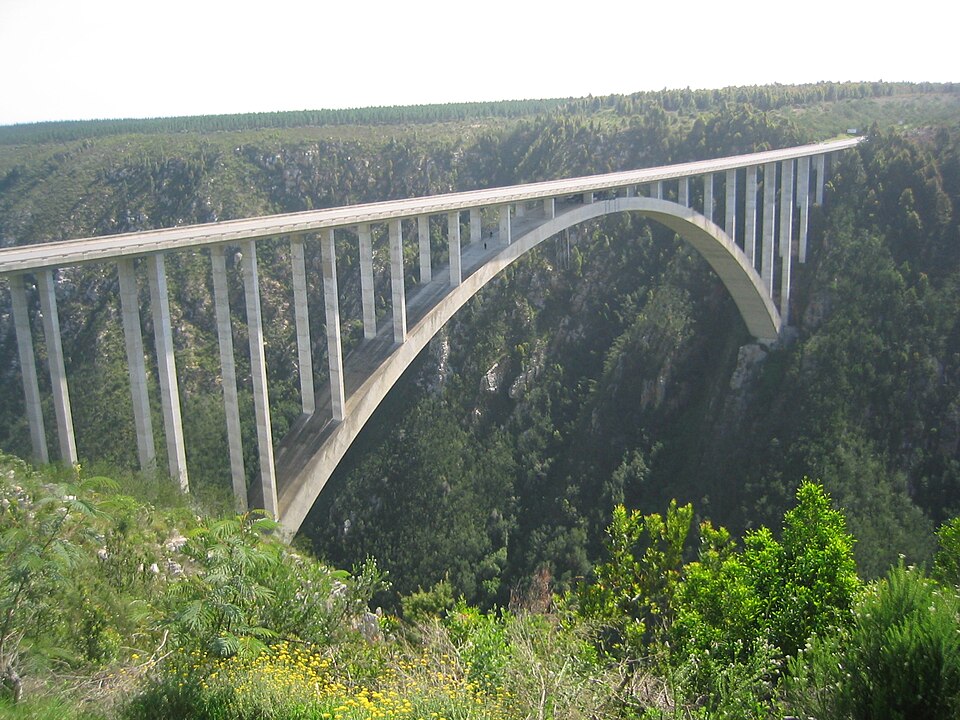
Bloukrans Bridge, South Africa (216 Metres)
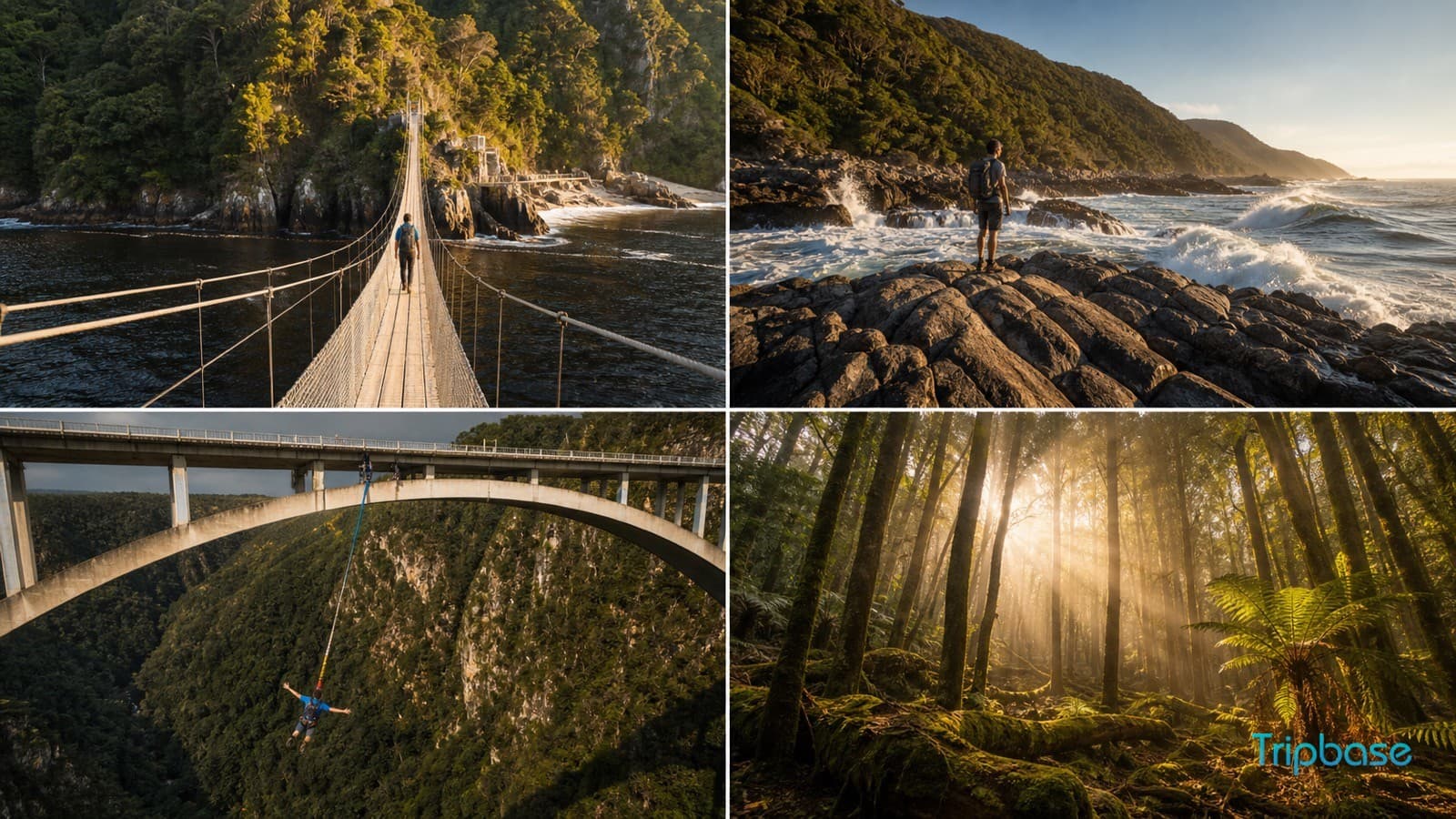
The Bloukrans Bridge arches over the Storms River gorge on South Africa's Garden Route, roughly midway between Cape Town and Gqeberha, and the jump run from its underside by Face Adrenalin has been marketed for years as the world's highest bridge bungee, dropping jumpers 216 metres, nearly the height of a 70-storey building, toward a river most of them never actually reach. The operation has run for decades with a safety record the company understandably advertises heavily, which is the sort of thing you want to see before signing a waiver that mentions the word "gravity" this many times.
The jump itself takes roughly five to eight seconds of actual freefall, long enough, by every account from people who have done it, for the entire experience to stop feeling like an adrenaline sport and start feeling like a genuine philosophical event. Face Adrenalin also runs a bridge swing and a walkway underneath the bridge for people who would like to look at the view without technically falling through it.
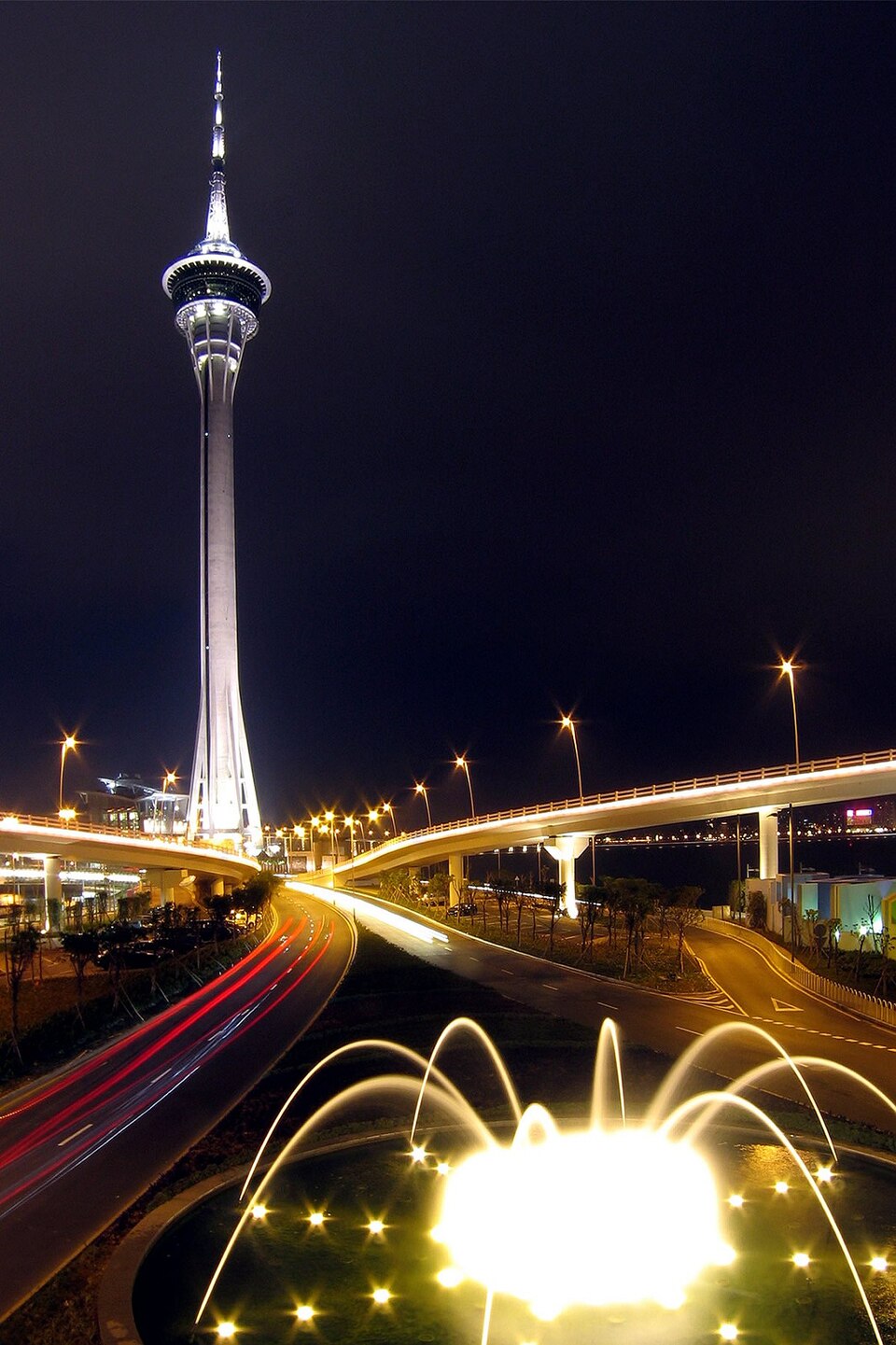
Macau Tower: The Highest Commercial Bungee Jump on Earth
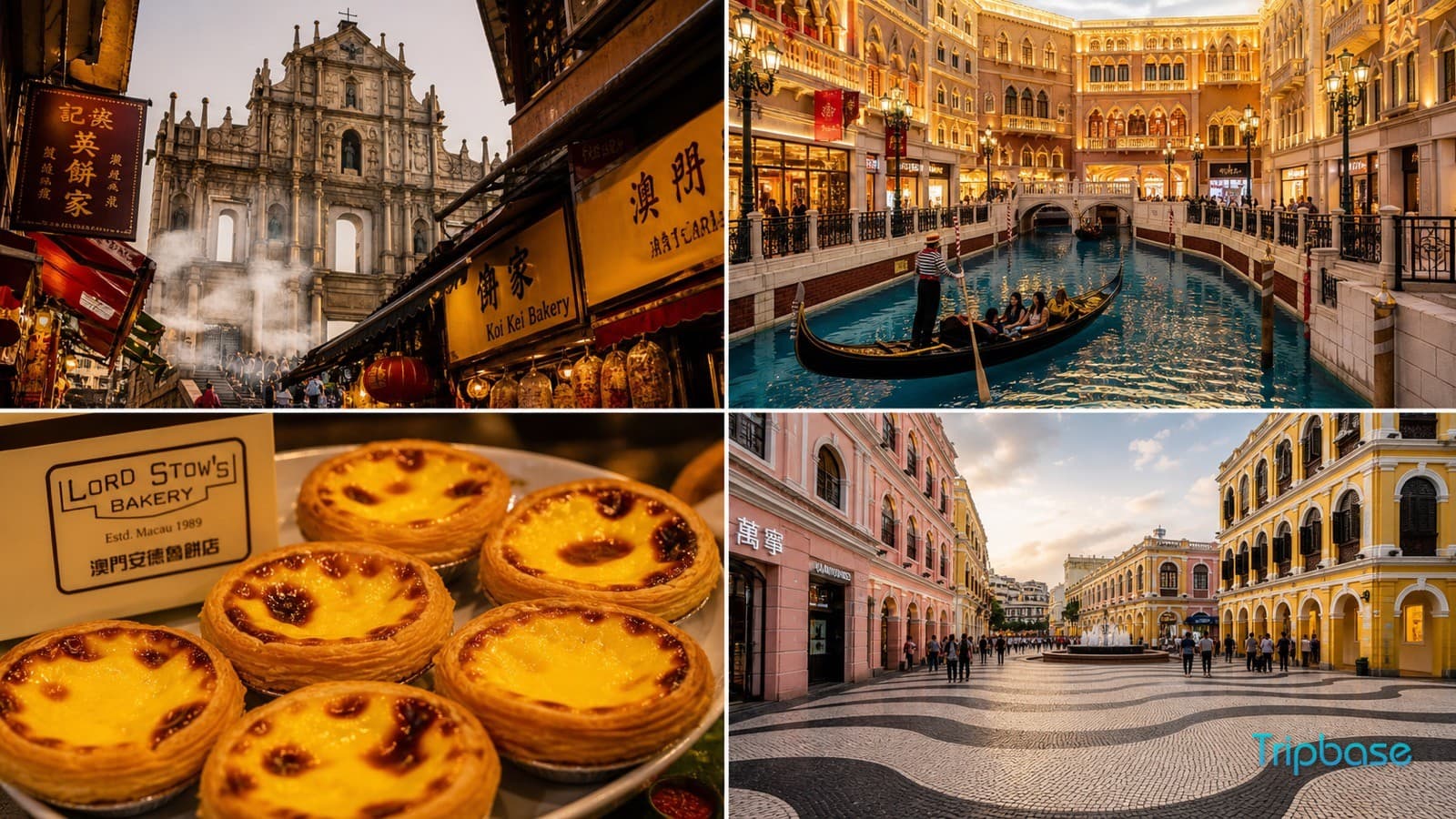
Macau Tower stands 338 metres over the city's skyline, and since the mid-2000s it has offered a certified Guinness World Record bungee jump from a platform 233 metres up, officially recognized as the highest commercial bungee jump on the planet. Jumpers fall for roughly four seconds before the cord engages, reaching speeds the operator is only too happy to advertise on a large sign at the base, because nothing sells a tourist attraction like a specific, terrifying number.
What makes the Macau jump distinct from most of the others on this list is the setting: rather than dropping into a gorge or over a river, you're falling directly toward one of the densest, most neon-lit cities on Earth, close enough to make out individual casino signs on the way down. It is, by a wide margin, the most urban way to nearly lose consciousness through your own free will.
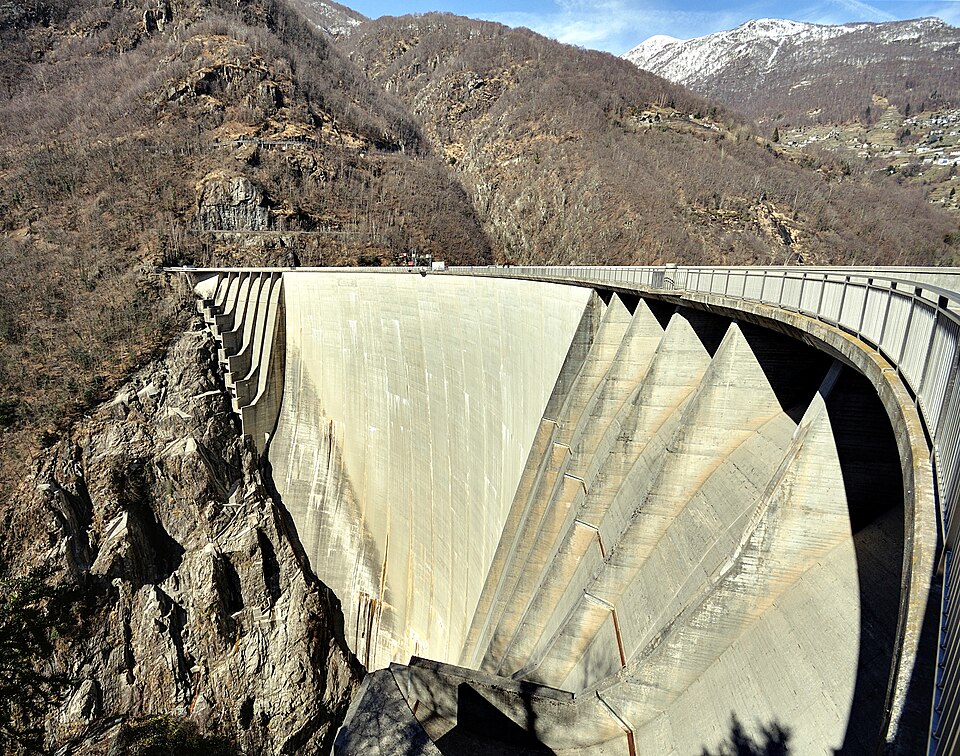
Verzasca Dam, Switzerland: The GoldenEye Jump
Before it was a tourist attraction, the Verzasca Dam (officially the Contra Dam) in Switzerland's Ticino region was best known as the location of one of cinema's most famous stunts: the opening sequence of the 1995 James Bond film GoldenEye, in which stuntman Wayne Michaels bungee jumped off the 220-metre dam wall in a sequence that remains one of the most-watched stunts ever filmed. The jump was real, the height was real, and the dam has been offering the same jump to paying tourists ever since, under the entirely on-the-nose name "007 Bungee."
The dam sits in a genuinely spectacular alpine setting, a curved concrete wall holding back a lake the colour of mouthwash, which means even the walk to the jump platform comes with scenery good enough to distract you briefly from what you're about to do. Briefly.
What's Actually Holding You Up There
None of this works without a surprisingly unglamorous piece of engineering: a cord made of hundreds of individual latex strands, bundled together and wrapped in a woven nylon sheath, calculated to stretch to roughly two to three times its resting length before recoiling. Reputable operators, including all five on this list, weigh every jumper before they step onto the platform, because the cord has to be matched to body weight with real precision. Too stiff a cord and the deceleration hurts. Too soft a cord and you have a much more serious problem than sore ribs.
Major operators also build in redundancy that guests rarely think to ask about: a secondary safety cord attached to a harness around the ankles or waist, cords retired and replaced on a fixed schedule regardless of how sound they look, and a visual inspection before every single jump of the day. It is, structurally, one of the more heavily systematized "extreme" sports on this entire site, which is precisely why the operators with the longest safety records also tend to be the ones running the highest jumps. Nobody gets to advertise "233 metres" for two decades running by cutting corners on the one piece of equipment that matters.
Victoria Falls Bridge: Two Countries, One Gorge
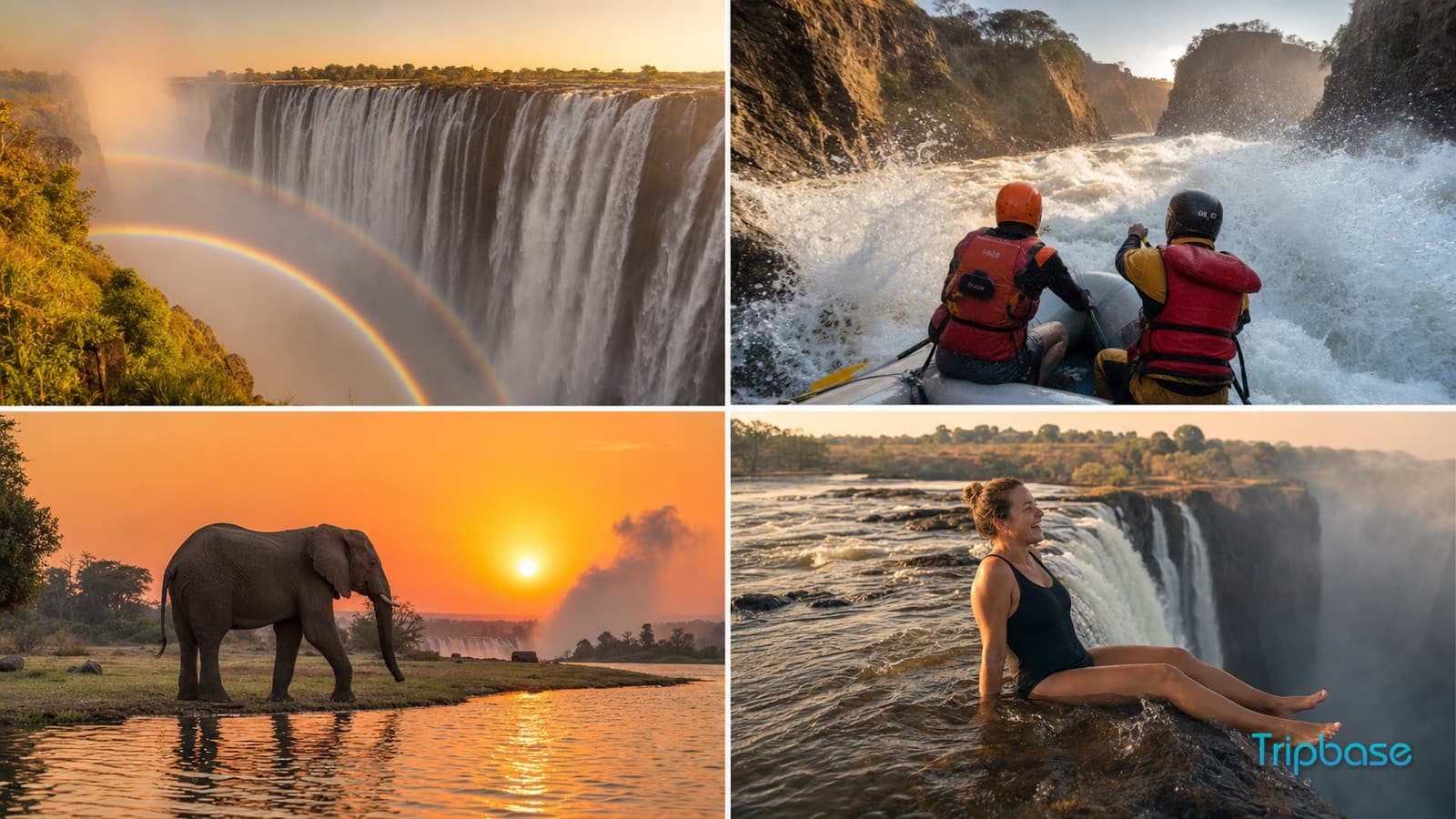
The Victoria Falls Bridge, a 111-metre steel arch spanning the Batoka Gorge on the Zambia-Zimbabwe border, offers a bungee jump directly beside one of the most famous waterfalls on the planet, close enough that mist from Victoria Falls itself regularly drifts across the jump platform. Jumpers leap from the bridge deck toward the Zambezi River below, technically crossing an international border partway through the fall, which has to be one of the more unusual ways to enter a country without a passport.
The jump is a fraction of the height of Bloukrans or Macau Tower, but it makes up for it with sheer setting: nowhere else on this list can you free-fall with a view of a UNESCO World Heritage waterfall on one side and a gorge full of wildlife on the other. It remains one of the most popular adrenaline stops on the classic southern Africa overland route, largely because nobody visiting Victoria Falls wants to admit they came all this way and didn't jump.
The bridge itself predates the bungee operation by nearly a century, built in 1905 as a rail crossing intended, according to the wishes of its original backer Cecil Rhodes, to run so close to the falls that passengers would feel the spray on their faces. Rhodes died before construction finished and never saw it completed, which feels like the kind of detail a Bond villain's backstory would include, minus the bungee cord.

If you're planning to work your way down this list in person, Queenstown is the obvious pilgrimage for where it all started, Tsitsikamma on South Africa's Garden Route gets you Bloukrans, Macau gets you the record holder, and Victoria Falls gets you the waterfall view on the way down. For more ways gravity has been turned into a tourism product, see our guide to the world's most terrifying bridges you can actually cross and our ranking of the world's most extreme roller coasters.
Disclaimer: We are not adventure sports instructors, insurance adjusters, or bridge engineers, and nothing in this article should be read as a recommendation that you personally jump off anything. If you do, please use a licensed operator, not a length of elastic you found in a garage.