
The World's Most Dangerous Travel Destinations (And Whether You Should Go)
The World's Most Dangerous Travel Destinations
Every year, government travel advisory systems produce ranked assessments of the safety situation in every country on earth. Some countries carry warnings that have been in place for decades. Others have appeared or disappeared from danger lists as political situations changed. A few seem permanently fixed at the bottom, visited by almost no one outside journalists, aid workers, and the occasionally naive backpacker.
This is a look at some of the most consistently dangerous destinations in the world - what makes them dangerous, what's actually happening on the ground, and whether independent travel is ever realistic. It's worth noting upfront that "dangerous" is not the same as "unrewarding." Several of these places have extraordinary history, culture, and landscapes. The safety situation doesn't erase any of that. It just makes accessing it genuinely hard.
Mogadishu, Somalia
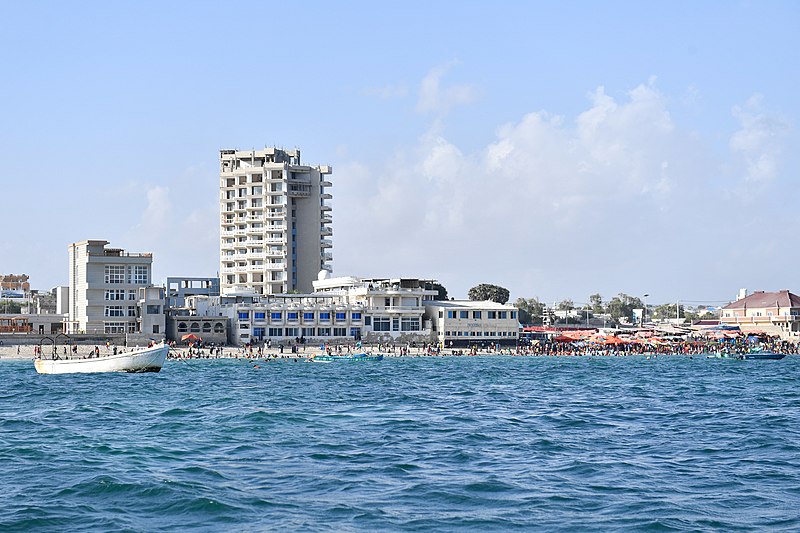

Somalia has been in various states of civil conflict since the collapse of the central government in 1991. The country is technically divided between the internationally recognized Federal Government, the self-declared independent Republic of Somaliland in the north (which has been significantly more stable), and areas controlled by the militant group Al-Shabaab across much of the south and center. Mogadishu, the capital, has been the site of multiple significant bombings and attacks in recent years.
The situation in Mogadishu is more nuanced than many assume. The city has experienced genuine reconstruction: beachfront restaurants, hotels, and cafés have reopened, and there is something approaching a normal civilian life in certain neighborhoods, protected by a substantial security apparatus. But the risk of attack remains real. Virtually all Western governments advise against all travel to most of Somalia (with an exception sometimes made for Somaliland, which operates a basic tourist infrastructure).
Somalia was once a destination for adventurous travelers, with extraordinary coastline, ancient Mogadishu architecture, and access to the Laas Geel cave paintings (Somaliland) - which rank among the finest prehistoric rock art in Africa. Some of this is cautiously accessible for travelers willing to engage specialist operators and accept significant security overhead.
Kabul, Afghanistan
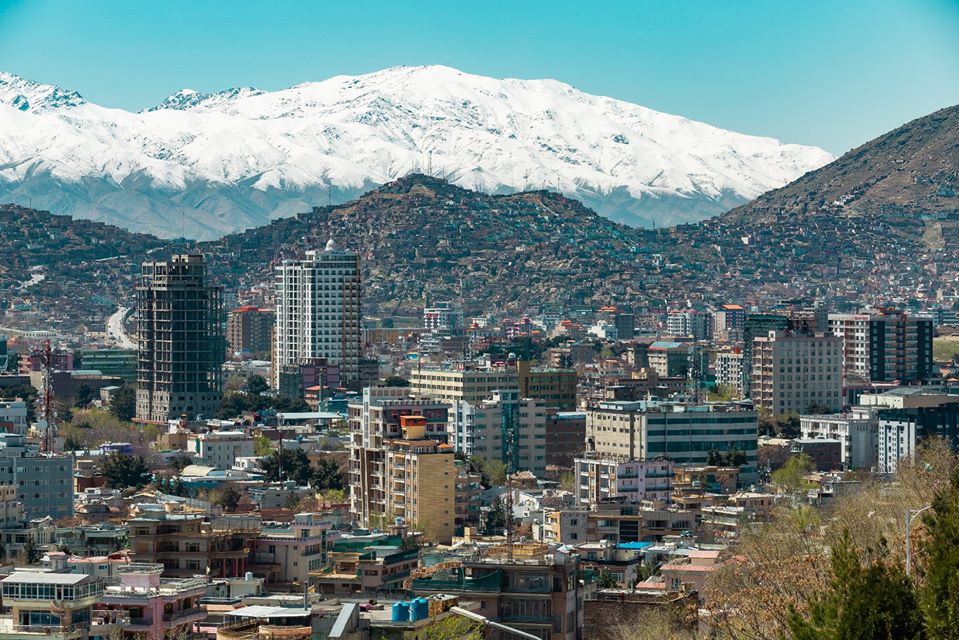

Since the Taliban takeover in August 2021, Afghanistan has been effectively closed to Western tourism. Several foreign journalists and a handful of independent travelers have entered, typically through Pakistan, and their accounts describe a country that is physically safer in some respects than during the years of open conflict - there are fewer bombs in Kabul now - but where severe restrictions on women's movement and appearance, the presence of Islamic State Khorasan (ISKP) as an ongoing threat, and the near-complete disappearance of Western-oriented services make independent travel extraordinarily difficult.
Afghanistan's historical and cultural riches are remarkable: the ancient city of Balkh, the Minaret of Jam (a UNESCO site reachable only by a long off-road journey), the Band-e-Amir lakes, and the Wakhan Corridor - one of the most remote mountain landscapes on earth. A small number of organized tours from specialist operators were being run into Afghanistan in 2022-2023, primarily under Taliban-sanctioned permits. This remains an extremely high-risk proposition requiring specialist advice, appropriate insurance, and full awareness that consular assistance in an emergency will be effectively impossible.
Kinshasa, Democratic Republic of Congo
.jpg)
The Democratic Republic of Congo is the second-largest country in Africa, home to vast mineral wealth, the Congo Basin rainforest (the world's second-largest), extraordinary biodiversity (mountain gorillas, okapis, bonobos), and one of the most complex ongoing conflict situations in the world. The eastern DRC - the provinces of North and South Kivu - has been in continuous conflict since the 1990s, involving dozens of armed groups, significant humanitarian crises, and periodic major military operations.
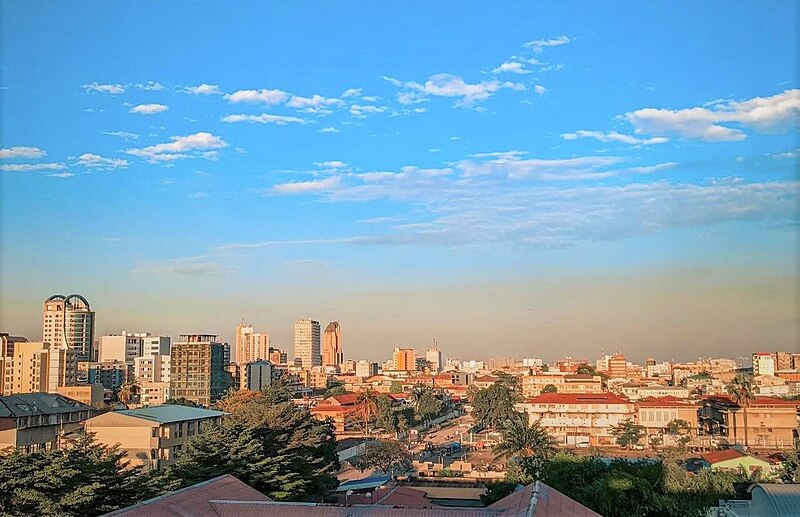
Kinshasa itself, in the far west of the country, is more removed from the eastern conflicts, but remains difficult: petty crime is extremely common, the police are unreliable, infrastructure is very poor, and bureaucratic harassment of foreigners is frequent. Organized tours to the gorilla trekking sites in Virunga National Park and elsewhere have been running intermittently, suspended by security incidents, and resumed - always under a security assessment framework that requires up-to-the-minute information from operators on the ground.
Port Moresby, Papua New Guinea
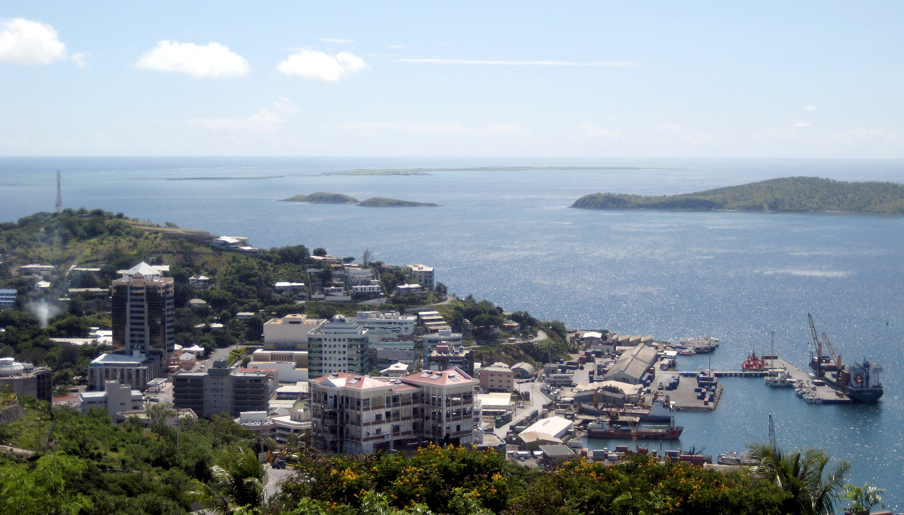

Papua New Guinea is consistently ranked among the most dangerous places in the world for travelers, primarily due to extremely high rates of violent crime - particularly carjacking, robbery, and gang violence in Port Moresby and other urban centers. This is less a conflict-zone danger than a rule-of-law and poverty issue: PNG has one of the highest rates of violent crime in the world relative to its size, and police capacity is limited.
Outside the urban centers, PNG offers some of the world's most extraordinary experiences: remote highland cultures with traditions extending back thousands of years, World War II battlefield sites, some of the world's best diving on intact coral reefs, and the Kokoda Track - a historic jungle trekking route. These experiences are genuinely accessible with appropriate local operators and guides. The key is avoiding independent exploration of urban areas and using established organized tour frameworks for everything else.
A Note on Travel Advisories
Government travel advisories are useful but imperfect tools. They are written with worst-case scenarios and maximum liability in mind, and they often lag real conditions significantly in both directions - slow to upgrade when situations improve, and sometimes slow to downgrade when situations deteriorate rapidly. They also treat entire countries as single units, which can mask enormous variability: Colombia's travel advisory at its most severe did not reflect the relative safety of Medellín's El Poblado neighborhood; Somalia's does not distinguish between Mogadishu and Somaliland.
For genuinely dangerous destinations, specialist operators who work in these areas full-time and maintain real-time security networks are the most reliable information source. Organizations like G Adventures, Wild Frontiers, and various regional specialists operate in places that government advisories technically recommend against - with carefully managed risk frameworks that make travel possible for the appropriately prepared traveler.
Have you traveled somewhere on the danger list? Tell us about it in the comments - we'd love to hear how the reality compared to the warnings.
For a country-level view, see our guide to the worst travel destinations in the world - ranked using the Global Peace Index and current UK/US/EU travel advisories.