Countries Where Tipping Is Insulting (And One Where It's Mandatory)
Tipping is one of those rituals that Americans have managed to export to roughly nowhere else, and yet they still expect everyone to participate when abroad, like a tourist attempting to high-five a Japanese monk. The result is a peculiar global tableau in which travellers leave coins on tables in countries where the gesture is variously considered baffling, embarrassing, vaguely insulting, or in extreme cases a coded suggestion that the service was so terrible the server should be paid extra to compensate for it.
The polite assumption that tipping is universal generosity is not just wrong, it is in some places actively offensive. What follows is a guide to the countries where leaving a tip will get your money chased down the street and returned to you, the countries where it implies your evening was a disaster, and the one country where you genuinely should leave 20 percent or risk being remembered as a monster. Pack accordingly.
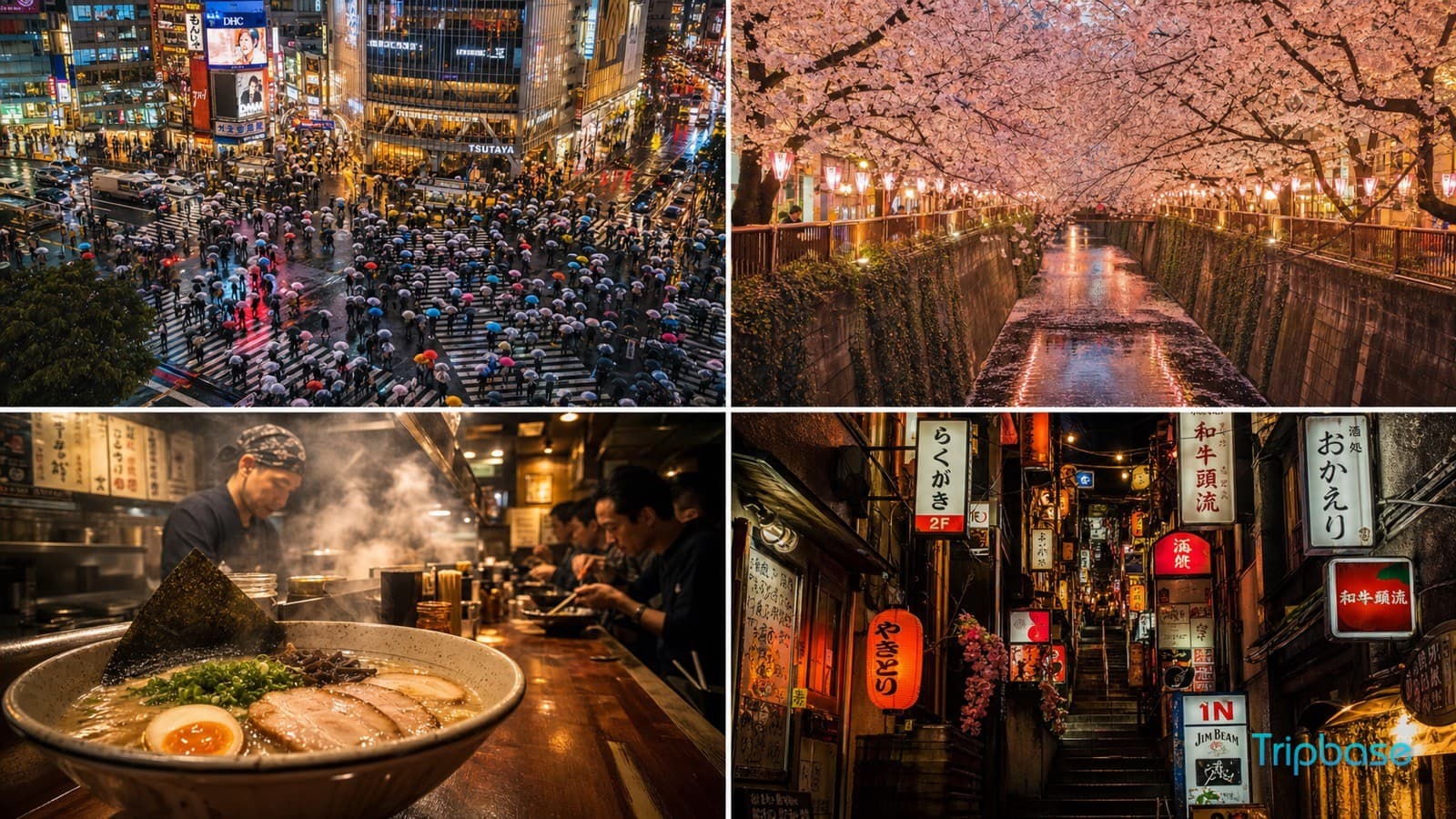
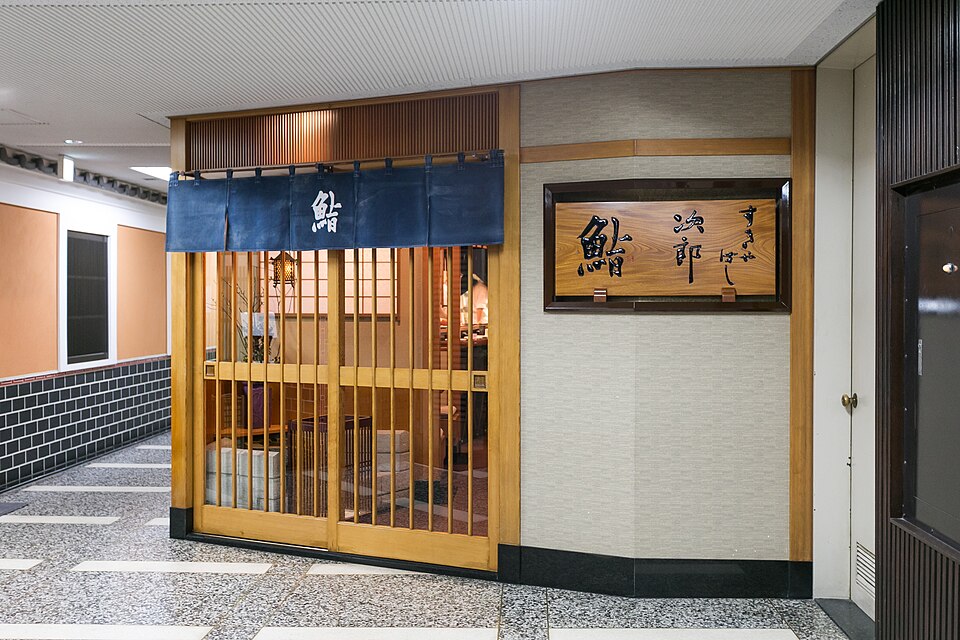
Japan - Where Tipping Causes Genuine Confusion
Japan operates on a principle called omotenashi, which roughly translates as "selfless hospitality" but actually translates as "the staff have already done their job perfectly, please stop trying to give them money for it." Exceptional service is the cultural baseline. The bill is the bill. Tipping a server in Tokyo or Kyoto is not generous; it is a small social emergency.
What actually happens when you leave money on the table is that the server will chase you down the street to return it, often holding the cash with both hands and bowing. They are not being polite about a misunderstanding. They are sincerely concerned that you accidentally left part of your change behind, because the alternative interpretation - that you intentionally gave them a few thousand yen for no reason - is, to them, baffling. Some upscale establishments will accept a discreet envelope at a wedding or a ryokan stay, but in restaurants, the answer is no.
Japan does have one creative workaround for foreigners who simply cannot bear to leave without tipping. Some hotels and ryokans accept a small gift, traditionally wrapped in noshi paper, in lieu of cash. This is fine, in the same way that arriving at a European wedding with a casserole is technically fine. It is the kind of thing covered in our guide to unwritten travel rules, and ignoring it is the kind of mistake that you will only make once.
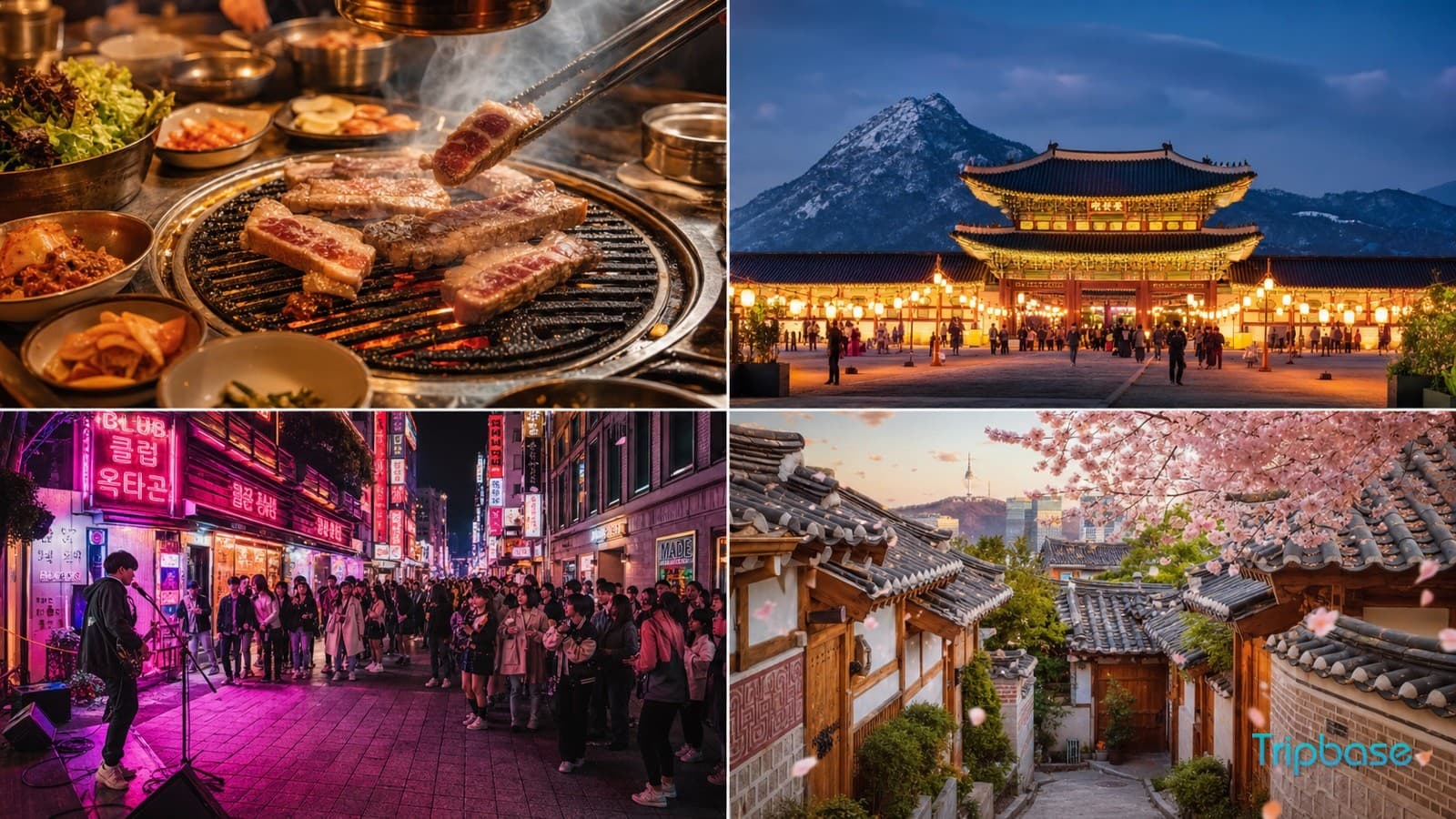
South Korea - The Bill Is the Bill
Korea operates on the same broad principle as Japan, with one notable difference: Korean servers are slightly less likely to chase you. They will, however, refuse the tip with the kind of polite firmness that suggests you have made a small but identifiable mistake. The standard response is a slight bow and the words "gwaenchanayo," which means "it's fine," delivered in a tone that translates more accurately as "please put your wallet away."
In Seoul, restaurants either build service into the menu price or are run by an owner-operator who would consider extra money a transaction error rather than a tip. High-end international hotels and certain Westernised establishments in Itaewon do accept tips, mostly because they are dealing with American guests who would otherwise riot. But the rule of thumb is that if the menu doesn't add a service charge, no service charge exists, and you do not need to invent one.
The cultural background here is partly Confucian and partly economic: tipping implies a hierarchical transaction in which the customer rewards the server, and Korean service culture sees the relationship as more reciprocal than that. The bill covers it. Move on.

Iceland - There Is No Tipping Culture, At All
Iceland's approach to tipping is the most efficient version of "don't." Service charges are included in restaurant bills, taxi drivers do not expect anything beyond the metered fare, and hotel staff are paid a living wage that does not require supplementing with handfuls of krona. Reykjavik bartenders will accept a tip if you press it on them, but they will not look pleased about it; they look more like someone who has just been handed a slightly damp postcard.
The economic background here matters. Iceland has one of the strongest minimum wage frameworks in the developed world, supported by a unionisation rate of around 90 percent. Restaurant servers are paid actual salaries. The idea that they would need a tip to survive the month is roughly as plausible as the idea that an Icelandic schoolteacher would need a tip after each lesson. Whoever introduced the American tipping system to Iceland would face the kind of stony silence that the country normally reserves for foreign tourists asking why there are so few trees.
Some American chains have opened in Reykjavik in recent years and these will print suggested tip percentages on receipts, which is the kind of cultural exporting that does not improve anyone's day. You can ignore them. The locals do.
China - Tipping Is Mostly Confusing, Sometimes Refused
China is more nuanced than the previous entries on this list. Tipping is not customary in mainland China, and at most ordinary restaurants attempting to leave one will result in either a confused server returning the cash or a brief discussion with the manager about whether you accidentally overpaid. In some traditional contexts the gesture is read as charity, which is a problem because Chinese servers are generally not interested in being seen as objects of charity.
There are exceptions. Five-star international hotels in Beijing and Shanghai have absorbed Western tipping conventions, and bellhops, concierges, and tour guides at the higher end of the market do expect 10 to 50 yuan depending on the service. Hong Kong (technically a special administrative region) has a service charge built into most restaurant bills - typically 10 percent - which is exactly the same model as the UK and which functions as a non-tip tip.
The complicating factor is that tipping has become slightly more common in tourist-heavy zones thanks to a decade of Western visitors leaving cash on tables, but the locals are not on board with this and consider it a slow-motion cultural pollution. If you want to be generous in China, the polite version is to compliment the meal sincerely. The financial version is the bill.
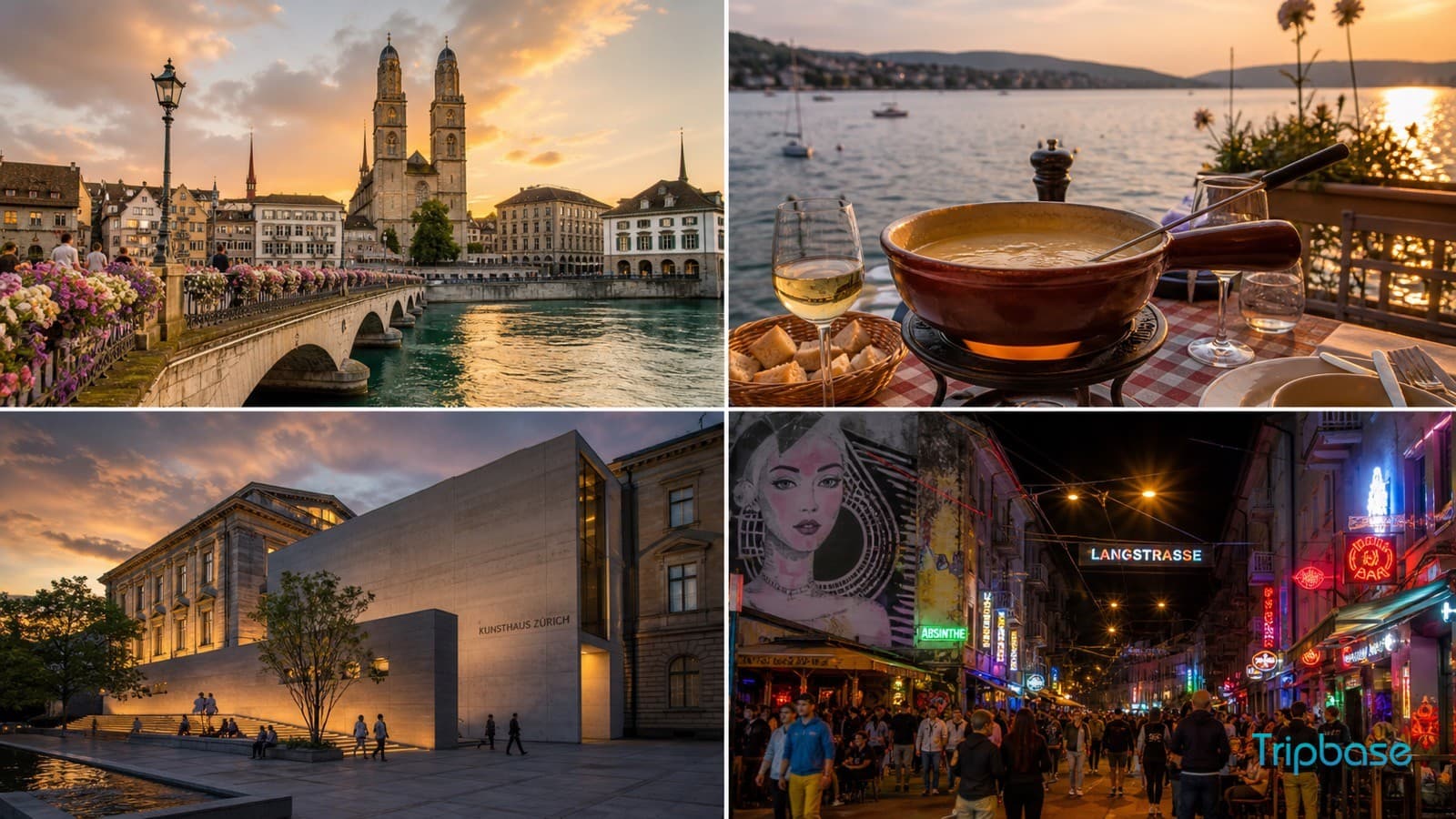
Switzerland - Service Is Included, And a Tip Is a Mild Insult
Swiss service culture is built on a principle so straightforward it borders on rude: you have already paid the server a fair share of the bill, and adding more would imply they did not deserve the price they charged you. Zurich waitstaff have been paid a service component since 1974, when Swiss labour law mandated it, and the gesture of leaving extra is not seen as generous so much as it is seen as a slightly accusatory commentary on what the restaurant just charged you for.
The polite Swiss approach, if you have genuinely been delighted by a meal, is to round up the bill to the nearest five or ten francs - so 47 francs becomes 50, not because the server expects it but because it tidies up the transaction. Anything beyond that is treated as either a misunderstanding or, in expensive restaurants, an indication that you have more money than sense. The Swiss broadly disapprove of both.
This logic extends to taxis (round up the fare), hotels (no expected gratuity), and bars (the bartender has been paid). Tour guides are the one slight exception - 5 to 10 francs at the end of a private guided tour is acceptable - but this is closer to a cultural workaround than a Swiss custom. It is also worth noting that Switzerland is not a cheap country, and the included service is part of why the bill arrives looking the way it does.
The United States - The Country That Made It Mandatory
And now for the country that has gone in the opposite direction so emphatically that the rest of the world finds it slightly disturbing. In the United States, federal law allows employers to pay tipped workers a base wage of 2.13 dollars per hour, on the assumption that customer tips will bring the worker up to at least the federal minimum wage. If they do not, the employer is technically required to make up the difference, though enforcement of this is roughly as robust as enforcement of pedestrian crossing rules in Naples.
The practical consequence is that American servers genuinely depend on tips for their income. Failing to tip in the US is not a faux pas in the way that tipping in Japan is a faux pas; it is closer to refusing to pay part of the bill. The standard rate has crept upwards over the decades, from 10 percent in the 1950s to 15 percent in the 1990s to 18 to 20 percent today, with some restaurants now offering payment screens that suggest 25 or 30 percent as their default option, which is the kind of mathematics best described as ambitious.
The system has expanded beyond restaurants to include taxi drivers, hotel housekeepers, valet parkers, hairdressers, baristas, food delivery riders, and increasingly the people who hand you a coffee at a counter where you are also expected to bus your own table. The introduction of tip prompts on iPad checkout systems has accelerated this to the point that Americans themselves complain about it, which is when you know it has gone too far.
Australia - Optional, Not Expected, And Slightly Awkward
Australia occupies a middle ground that the rest of the English-speaking world has largely abandoned. Tipping is not expected. The minimum wage is high, around 23.23 Australian dollars per hour as of 2024, and casual hospitality workers earn loadings of 25 percent on top of that. A server in Melbourne earning the casual rate makes more in an hour than a server in many American states makes in a shift.
Australians do tip occasionally, mostly at high-end restaurants or after exceptional service, and the typical amount is rounding up to the nearest five or ten dollars rather than a percentage of the bill. Some restaurants now include a tip line on the eftpos machine, partly because of American tourists and partly because hospitality margins are genuinely tight, but it remains optional rather than expected. Australian servers will not chase you down the street to return a tip; they will just look mildly surprised, like someone has handed them a small but useful bonus.
This is roughly the same model as Oslo, Stockholm, Amsterdam, and most of continental Europe outside Germany. The pattern is consistent: high minimum wages mean tipping is a courtesy rather than a survival mechanism, and the percentages, when they exist at all, are smaller than the American norm.
So What Should You Actually Do?
The short version: research the country before you go, because there is no global rule and the assumptions you bring with you from home will be wrong somewhere. The medium version: in Japan, Korea, China, Iceland, and Switzerland, do not tip in restaurants. In the US, tip 18 to 20 percent or accept the social consequences. Everywhere else exists on a spectrum, and the safest default is to round up rather than calculate a percentage.
If you are American and travelling abroad, the hardest adjustment is internalising that the tip you carefully calculated and felt good about leaving is, in many countries, the thing the server is now politely chasing you with. If you are not American, the hardest adjustment is realising that in the US, the price on the menu is a polite suggestion of what you owe before tax and service are added. Both adjustments are survivable. Both are also less surreal than some of the actual laws governing daily life in various countries.
Disclaimer: As a brand, Tripbase are accepting of all global cultures. This article is written from a Western perspective and is meant for humorous purposes only. No offense is intended.