Places You Can Visit Without a Passport
Somewhere in your home there is a small blue book that costs $165, takes weeks to arrive, and is required for you to leave the country - unless you know where the doors are.
The passport is a strange object. It is simultaneously the most powerful document you own and the one most likely to be sitting expired in a drawer when you need it. And every year, an enormous number of people discover this fact roughly nine days before a trip, at which point they begin frantically searching for somewhere - anywhere - they can go without it.
The good news is that such places exist. The bad news is that the internet is full of confident, cheerful, and completely wrong advice about which ones they are. What follows is the actual list, with the actual caveats, because the difference between "you probably don't need a passport" and "you definitely don't need a passport" is the difference between a holiday and standing at a check-in desk having a very quiet breakdown.
Puerto Rico: The Caribbean, Minus the Paperwork
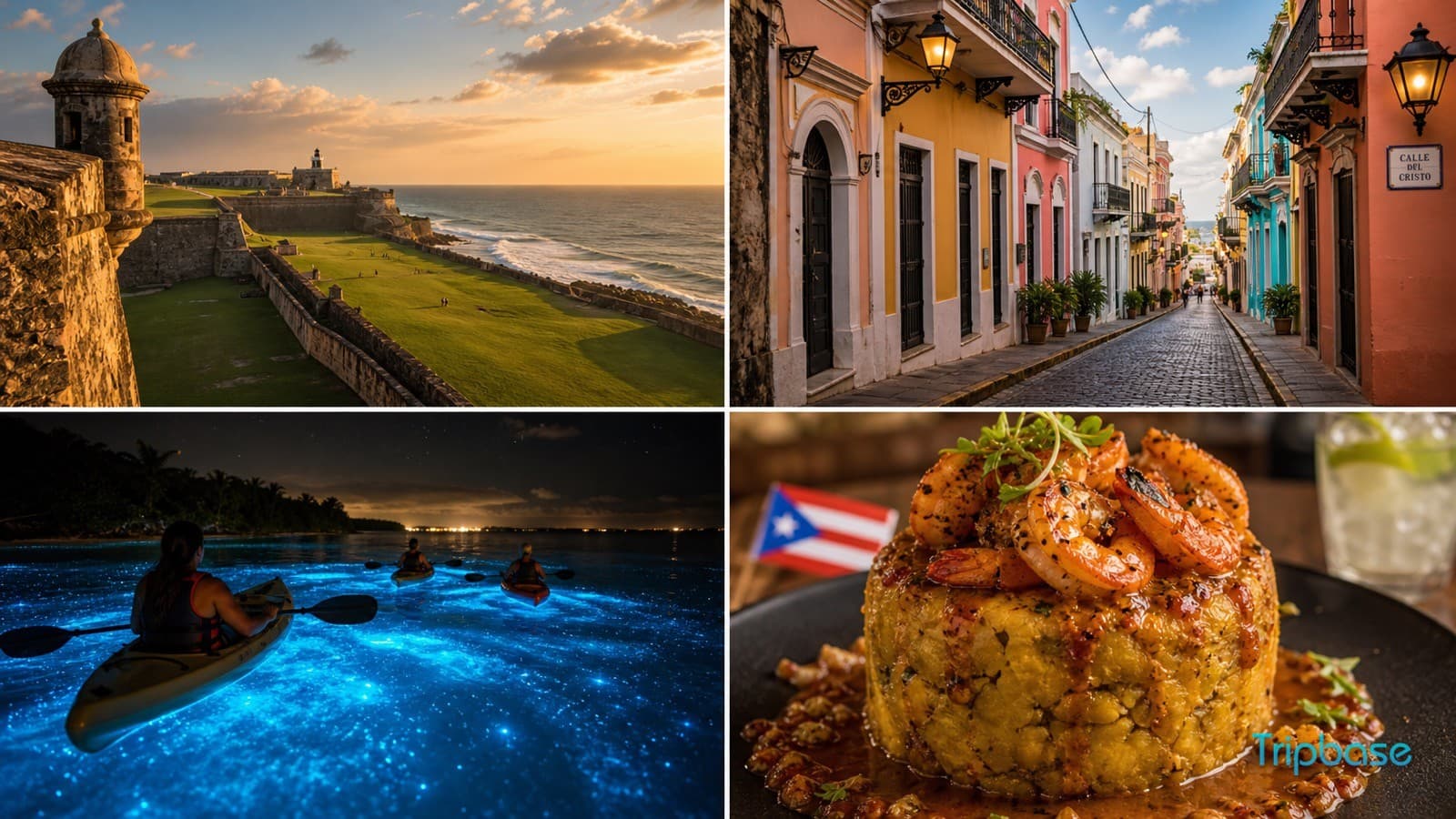
Puerto Rico is the answer to this question so often that it has become slightly boring, which is unfair, because Puerto Rico is not boring at all. It is a US territory, its residents are US citizens, and a flight there from Miami or New York is a domestic flight in every sense that matters to the person scanning your boarding pass. You need the same identification you would need to fly to Cleveland. That is the entire rule.
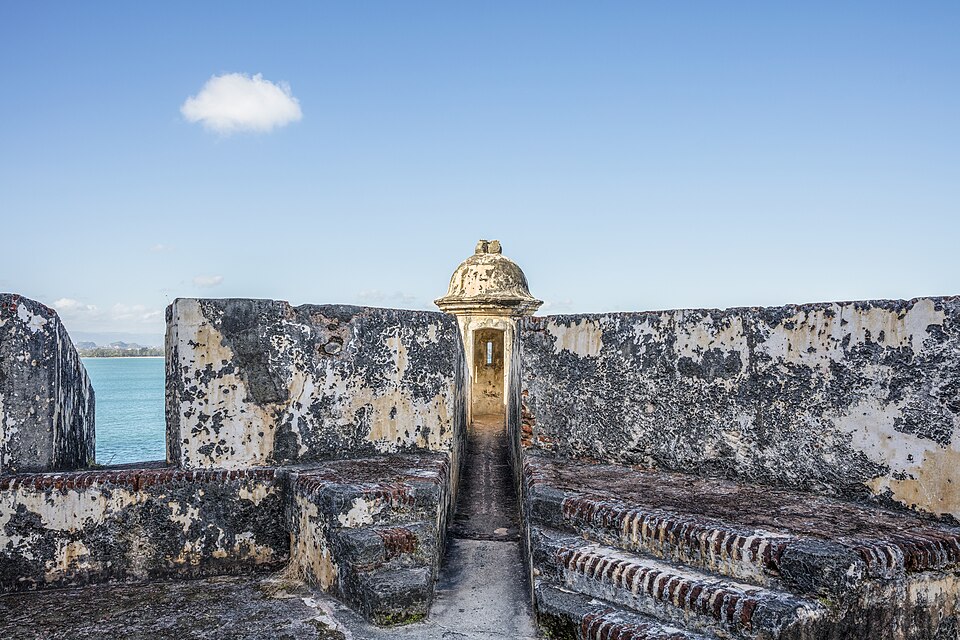
What you get in exchange for this administrative shrug is a 500-year-old walled colonial city, a rainforest with a legally protected status, and three bioluminescent bays - which is three more than most countries manage. The one in Vieques is generally considered the brightest in the world, an accolade that sounds invented until you are sitting in the water at midnight watching your own hands glow, at which point you stop asking questions.
The only genuine catch is the one that catches everyone flying anywhere in America now: since May 2025, the ID you present at the airport has to be REAL ID compliant, or a passport, or one of a short list of alternatives. So the document you don't need is the passport. The document you do need is a driver's license that has been through a bureaucratic upgrade you may not have noticed happening. Check it before you pack. Our Puerto Rico guide covers the rest.
The US Virgin Islands: Same Rule, Wrong Side of the Road
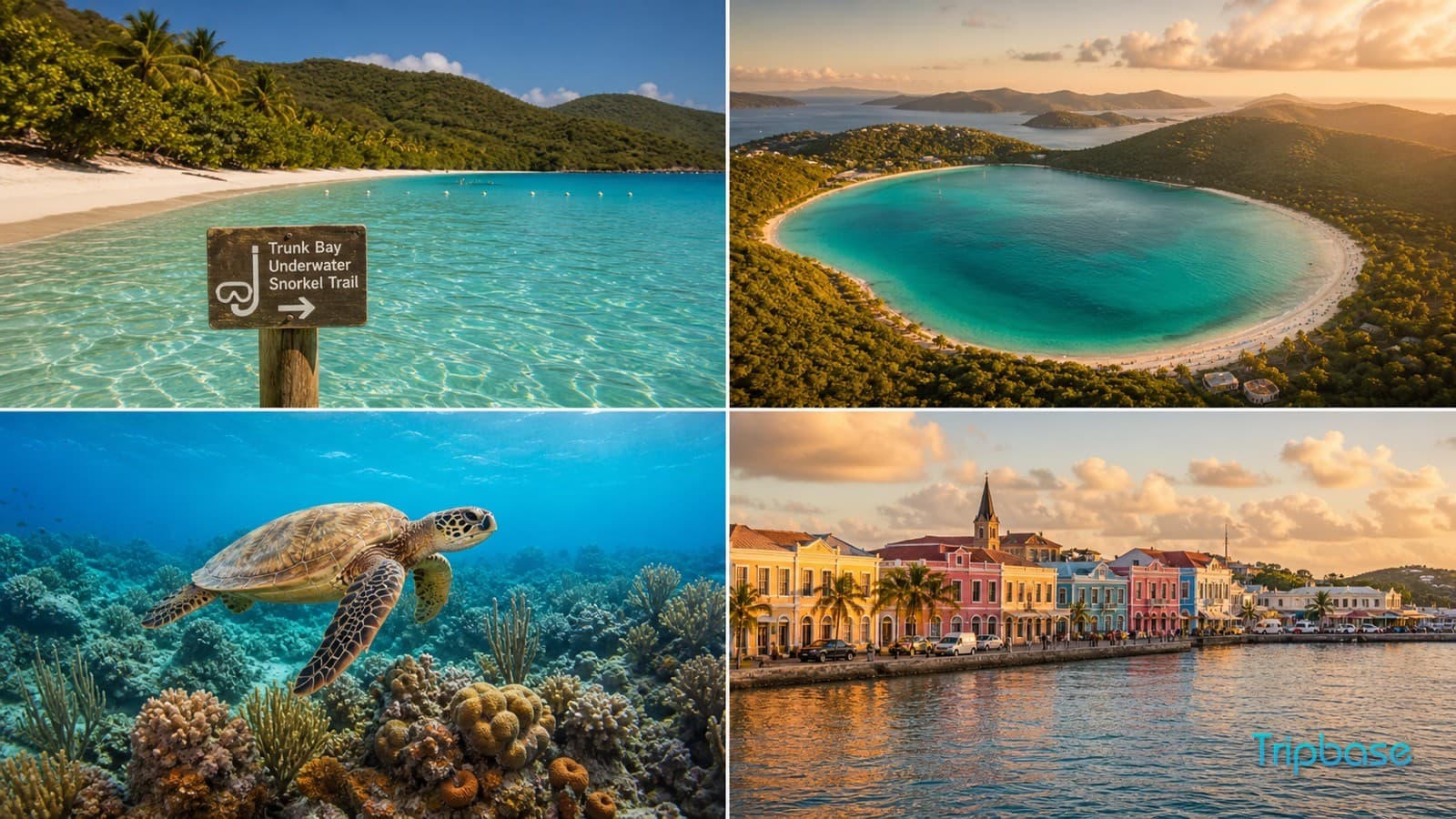
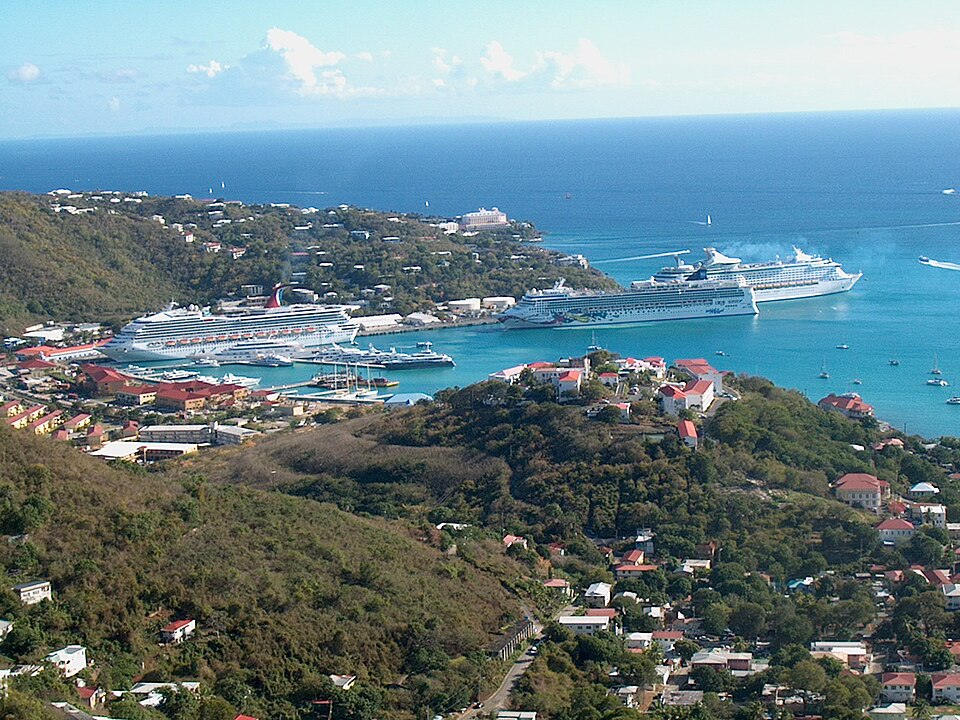
St. Thomas, St. John, and St. Croix operate under exactly the same logic as Puerto Rico. American territory, domestic flight, no passport, go swim. If anything the Virgin Islands are the better version of the trick, because they look considerably more like the thing people picture when they say the word "Caribbean" - the water is aggressively turquoise, two thirds of St. John is a national park, and nobody is going to ask you to justify your presence.
There is one delightful quirk worth knowing in advance, which is that the US Virgin Islands drive on the left. This is a leftover from Danish colonial rule, it has never been changed, and it applies to a fleet of cars that are almost entirely American left-hand-drive vehicles. The result is an island where you sit on the wrong side of the car while driving on the wrong side of the road, which is either charming or a two-week adrenaline experience depending on your temperament.
Duty-free allowances are also unusually generous here compared to the rest of the US, which is the sort of fact that seems irrelevant until you are in the departures hall making decisions about rum. The US Virgin Islands guide has the details that matter more than the rum ones.
Guam and the Northern Marianas: Domestic, Technically
Guam is a US territory in the western Pacific, which means a US citizen can arrive there without a passport in the same way they can arrive in Puerto Rico. This is true. It is also the single most misleading true fact in this entire article.
The problem is geography. Guam is roughly 6,000 miles from California and about 1,500 miles from Tokyo, and the flight routings reflect that. Plenty of itineraries connect through Japan, South Korea, or the Philippines, and the moment your journey touches a foreign airport - even in transit, even if you never technically enter the country - you need a passport. So the honest version of the rule is that you can visit Guam without a passport if, and only if, you fly there entirely via US soil, which in practice means through Honolulu, and which in practice means paying attention to the routing rather than the price.
The Northern Mariana Islands, Saipan chief among them, work identically. Both are worth the effort - Guam for the diving and a genuinely strange layered history, Saipan for beaches that have not been discovered by the volume of people who have discovered Maui. Just book the flight like a lawyer reading a contract.

American Samoa: The Exception That Ruins the Pattern
Here is where the tidy rule falls apart. American Samoa is a US territory. Its people are US nationals. You would therefore assume it belongs on the list above. It does not, because American Samoa runs its own immigration system, entirely separate from the rest of the United States, and it would like to see some documentation.
Travelers arriving in Pago Pago are expected to produce a passport or a certified birth certificate plus government photo ID, and non-US-nationals need an entry permit arranged in advance. This is not a technicality that gets waved through by a friendly official at the desk; it is a functioning border. The practical advice is unglamorous but correct: bring the passport. You are visiting a place that is legally American and administratively not.
It is genuinely worth the paperwork. American Samoa hosts the only US national park south of the equator, receives a tiny fraction of the visitors that other Pacific islands do, and has retained a traditional social structure that most of the region has not. It is the least convenient entry on this list and the most rewarding, which is a pattern travel keeps insisting on. See the American Samoa guide before you commit.

The Closed-Loop Cruise: The Famous Loophole, Explained Properly
This is the one everybody has heard about and almost nobody can state accurately. The rule is this: a US citizen on a closed-loop cruise - one that departs from and returns to the same US port - may travel using an original or certified copy of their birth certificate together with a government-issued photo ID, instead of a passport. Under 16, the birth certificate alone will do. This covers most of the Caribbean, Mexico, Bermuda, and Canada.
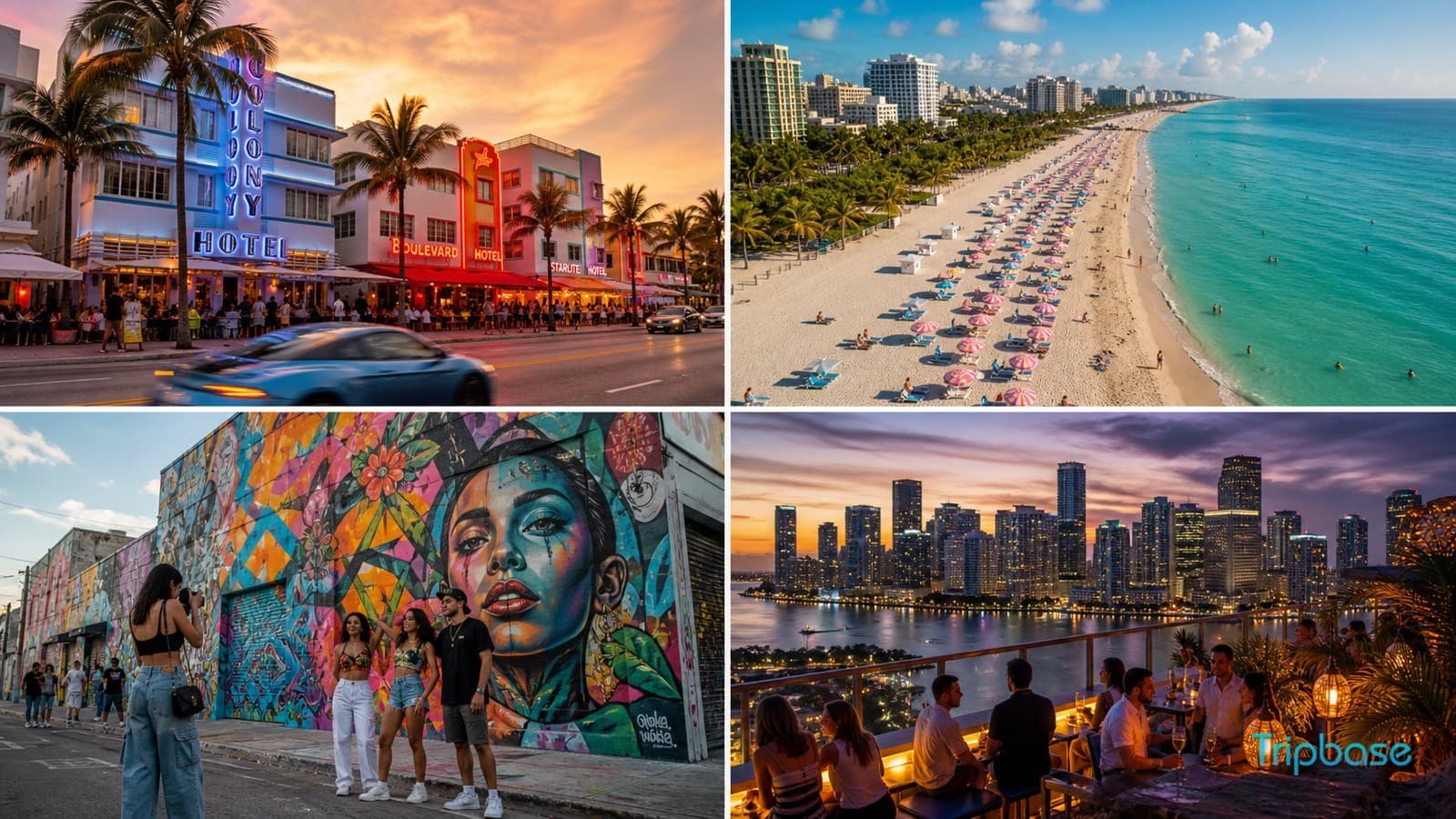
So yes, you can sail out of Miami, wander around Nassau, snorkel off Cozumel, and come home, all on the strength of a piece of paper your parents were given in a hospital. It is a real rule and cruise lines process thousands of passengers this way every week.
Now the part that gets skipped. That birth certificate gets you back onto the ship. It does not get you onto a plane. If you miss the departure in a foreign port, or you have a medical emergency, or the ship diverts and leaves without you, you are a US citizen standing in a foreign country with no passport, trying to arrange emergency travel documents through a consulate while your luggage sails toward Florida without you. Cruise lines recommend passports for exactly this reason, and they are not doing it to sell you anything. The loophole is real. The loophole has a trapdoor.

The Land Border: Where the Loophole Used to Be
There was a golden age, and it ended on 1 June 2009. Before that date, an American could drive into Canada waving a driver's license and a pleasant expression, and this was considered adequate. The Western Hemisphere Travel Initiative closed that door, and it has stayed closed ever since, no matter what your uncle remembers about a road trip in 1998.
What you need now at a land or sea crossing into Canada or Mexico is a passport, a passport card, an Enhanced Driver's License from one of the handful of states that issue them, or a trusted traveler card such as NEXUS or SENTRI. The passport card is the interesting option here: it is cheaper than the book, it fits in a wallet, and it is valid for land and sea crossings into Canada, Mexico, Bermuda, and the Caribbean. It is not valid for international air travel, which means it is a genuinely useful document right up until the moment your plans change.
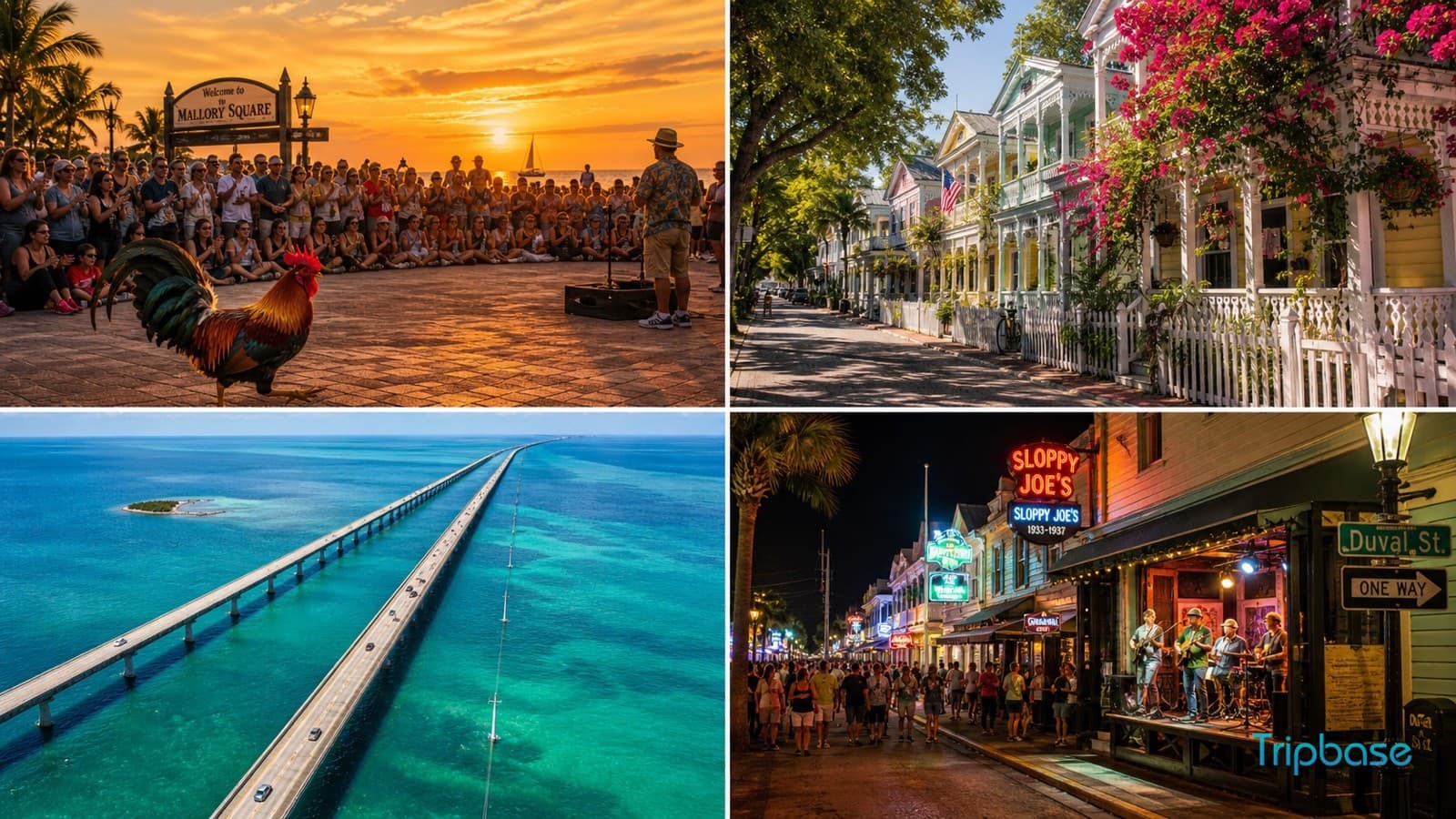
The upshot is that the land border is no longer a passport-free zone in any meaningful sense - it is a zone where you have a choice of which passport-adjacent document to carry. That is a downgrade, but it is a cheaper downgrade, and driving to Key West still requires nothing at all.

If You're Not American: The Continent That Uses ID Cards
Everything above assumes a US passport, which is a fairly parochial assumption for an article about the world. If you hold a European passport, the calculation is completely different and considerably better, because most of Europe decided some time ago that a national identity card is sufficient documentation for crossing an international border.
An EU citizen can travel between EU member states, and throughout the Schengen area, on a national ID card alone. No passport required, no stamp, frequently no border control of any visible kind. This covers roughly thirty countries, several of which contain entire mountain ranges, and it makes the American arrangement look like an elaborate ceremony by comparison.
The British and Irish have their own version in the Common Travel Area, which predates the EU entirely and survived Britain leaving it. British and Irish citizens can move between the two countries without a passport - though airlines will still demand photo identification, because airlines have always regarded government policy as a suggestion. Take the ferry to Dublin and you experience one of the last genuinely casual international borders in the developed world. While you are there, you may want our notes on where tipping is considered rude, since the rules change the moment you cross water.

So What Should You Actually Do
The uncomfortable summary is that the passport-free options are real, they are pleasant, and there are fewer of them than the internet implies. US territories are genuinely open to Americans with nothing more than a compliant driver's license. Closed-loop cruises genuinely work on a birth certificate. Everything else has either been closed since 2009 or comes with a caveat printed in a font nobody reads.
The other uncomfortable summary is that a passport costs $165 and lasts ten years, which works out to about a dollar and a half a month for the ability to go anywhere on Earth without reading paragraphs like these. If you are the sort of person who found this article by searching for it in a mild panic, the long-term fix is not a better loophole. It is an appointment at the post office. In the meantime, if the budget is the real constraint rather than the paperwork, our guide to the cheapest countries to travel is where you should be looking instead.
Disclaimer: Entry requirements change, occasionally without much warning, and the person at the check-in desk is working from a screen rather than from this article. Confirm the current rules with the US State Department, your airline, or the relevant government before you travel. If you are reading this in an airport having already been turned away, we are sorry, and also gently suggest that this reading order was suboptimal.