The Worst Airline Meals Ever Inflicted on Paying Customers
The economics of airline catering are, on inspection, the entire explanation for what arrives on your tray table. Airlines spend somewhere between $3 and $8 per economy passenger on food, including labour, packaging, refrigeration, transport, the trolley it rides on, and the eventual disposal of whatever you didn't manage to finish. By the time you subtract everything that isn't the food, what's left to spend on actual ingredients is, in some documented cases, well under a dollar. You then take this dollar's worth of food, blast it with industrial-grade reheating in a galley the size of a wardrobe, deliver it to a person whose taste buds are dulled by 30% from the cabin pressure and dehydration, and ask them to feel grateful. That this works at all is, frankly, a minor miracle. That it sometimes goes catastrophically wrong is not surprising. That airline catering occasionally produces things that defy belief, biology, and several local food safety regulations is, on those margins, almost inevitable.
What follows is a tour through the worst things airlines have ever served to paying customers at 35,000 feet. Some of these meals have been documented by passengers, photographed in their full horror, and shared on social media in such volumes that the airlines responsible were forced to issue statements. Some have entered aviation folklore. None of them are made up. All of them happened to someone who had paid actual money to be there.
China Eastern's Mac and Cheese Topped With Shrimp and Slimy Mushrooms (For Breakfast)
In 2018, a passenger flying China Eastern from Shanghai to Sydney was served what the airline's menu described as a breakfast. What arrived was macaroni and cheese, topped with what appeared to be steamed shrimp, then garnished with sliced mushrooms that had achieved the precise texture and visual character of objects that should be considered medical evidence rather than food. The passenger photographed it. The internet did the rest. Within 48 hours the image was being passed around the international travel community with the kind of horrified reverence usually reserved for plane-crash photos.
What makes this meal genuinely instructive, rather than merely funny, is that every single element on the tray makes sense in isolation. Mac and cheese is comforting carbohydrate. Shrimp is protein. Mushrooms are vegetable. Someone, somewhere, looked at the breakfast spec sheet, ticked all three boxes, and considered the job done. Nobody appears to have asked the obvious question, which is whether these three foods belong on the same plate, at any time of day, ever. The lesson here is that airline catering operates on a system of nutritional Tetris, and the result is what happens when you optimise for caloric density and shelf stability rather than, say, edibility.
Norwegian's Mystery Chicken Mash (Officially Described as 'Slop')
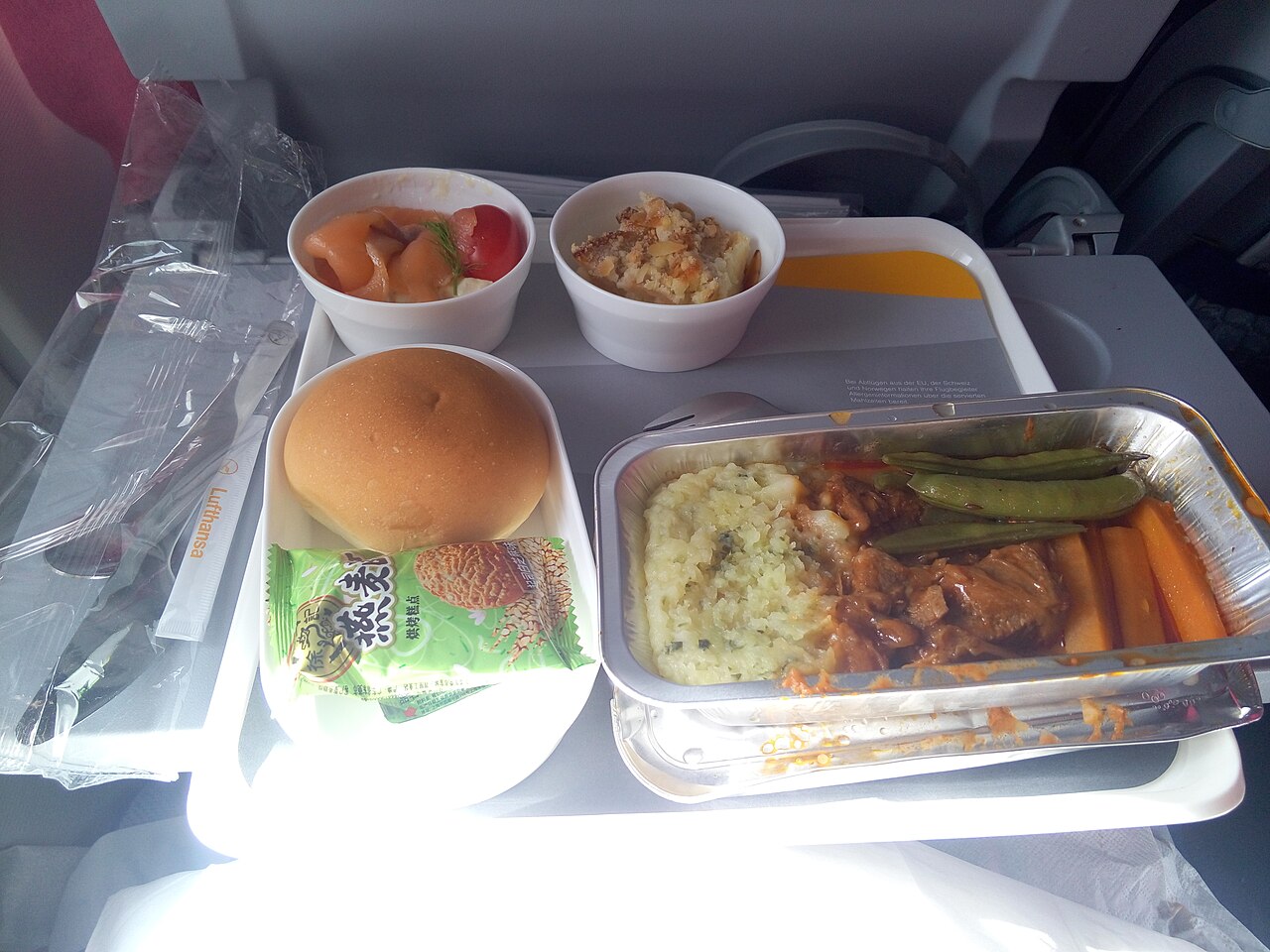
Norwegian Air, before its eventual restructuring out of long-haul flying, became briefly notorious for a chicken meal served on transatlantic routes that passengers struggled to identify in any meaningful way. The dish was a brown-grey mash with chicken-textured lumps of unclear provenance, described in one widely shared review as "chicken-flavoured slop" and in another as "approximately what you would imagine if someone had to describe chicken to a person who had never seen one." The airline's response was that the meal met all relevant nutritional requirements, which is the kind of statement that is technically true and yet entirely fails to address the actual concern.
The Norwegian budget model, which charged separately for everything including water (a long-standing aviation in-joke that became substantially less funny when applied to your specific flight), had compressed the catering budget to a level that did not really permit the dish to be anything other than what it was. Norwegian was eventually outcompeted on long-haul by airlines that had worked out passengers were willing to pay marginally more for food they could identify. Visit Oslo and you can eat extremely well for a price that is admittedly punishing in any other context, but at least you'll be able to tell what you're eating.
Air India's Croissant That Could Stop a Bullet
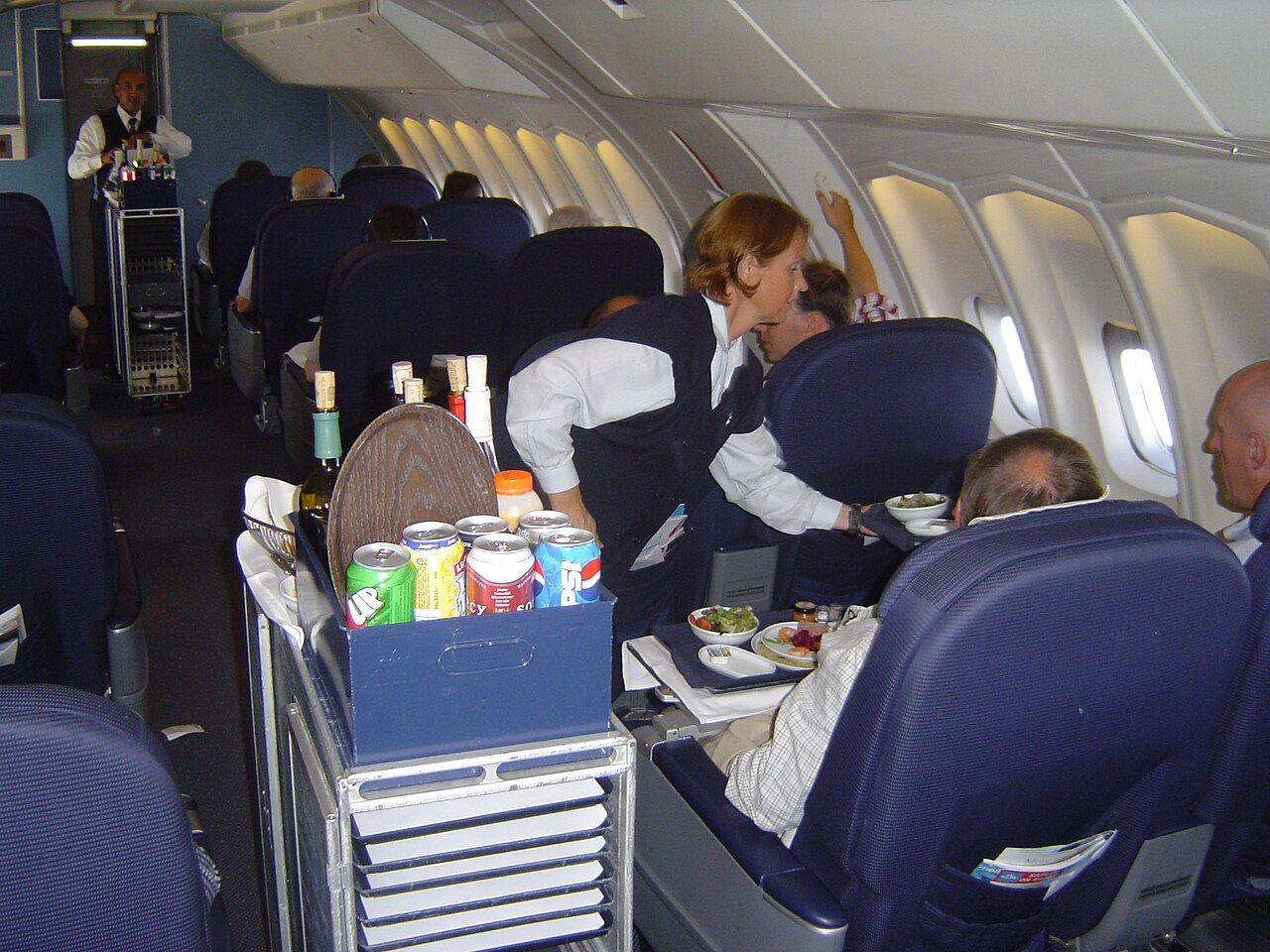
The Air India breakfast croissant on the Delhi-Paris route in the 2010s achieved a kind of mythical status among aviation forums for its structural integrity. Passengers reported that the croissant was, in the words of one widely circulated complaint, "harder than the tray it sat on." Several photographs exist of the croissant being struck against various surfaces - fork tines, plastic cutlery, the tray itself - and producing a sound more associated with masonry than with viennoiserie. One ambitious passenger appears to have tested whether it would float, which it did not, sinking instead with the kind of decisive finality usually reserved for objects made of denser materials than flour and butter.
The probable explanation is that the croissant had been baked, frozen, transported, refrozen, reheated in a low-pressure oven, then reheated a second time at altitude, in a process that achieved a textural state that food scientists describe as "crystalline" and that ordinary humans describe as "that's a rock." Air India has since improved its catering substantially, but the croissant remains a fond and slightly bruised memory among Indian-French expatriates of a certain vintage.
British Airways Business Class Ravioli (Per Bite Costing More Than a Michelin Star)
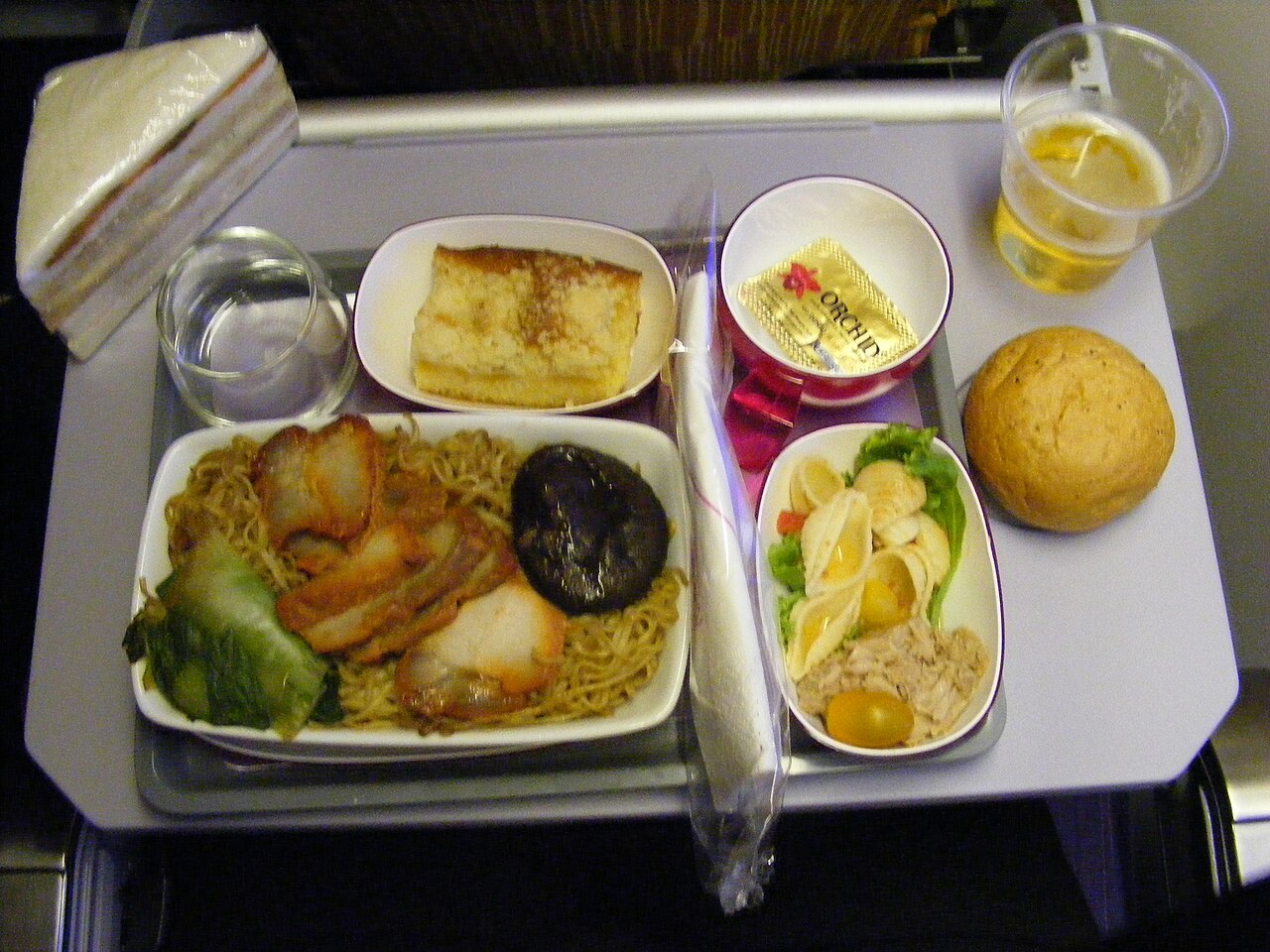
The thing about business class is that the gulf between what you have paid and what arrives can be, on a bad day, deeply emotional. A British Airways Club World ticket from London to New York can cost north of £4,000, and the catering budget per business-class passenger is genuinely substantial - well into the double digits per meal. So when, in the late 2010s, multiple business-class passengers reported being served overcooked, congealed ravioli that one reviewer described as "the worst pasta I have ever paid for, including in a service-station Little Chef in 1997," the problem was not budgetary. The problem was that someone had, somewhere, chosen this ravioli, and the choice had not been corrected before it reached customers paying roughly forty pounds per bite.
British Airways' catering has improved markedly since 2019, when the airline began a major overhaul including bringing in Tom Kerridge to consult on the menu. The pasta era is, by most accounts, over. But the ravioli of 2018 remains a cautionary tale about how spending more does not, in itself, mean spending well, and how some of the worst meals in aviation history have been served by airlines on tickets where the meal alone, by spreadsheet, ought to have been excellent. Visit London and you can find ravioli for £6 a plate that is more than acceptable. Or you can spend £4,000 on a flight and get worse. The choice, technically, is yours.
Alaska Airlines, 1970s: Raw Reindeer (And Yes, This Was Intentional)
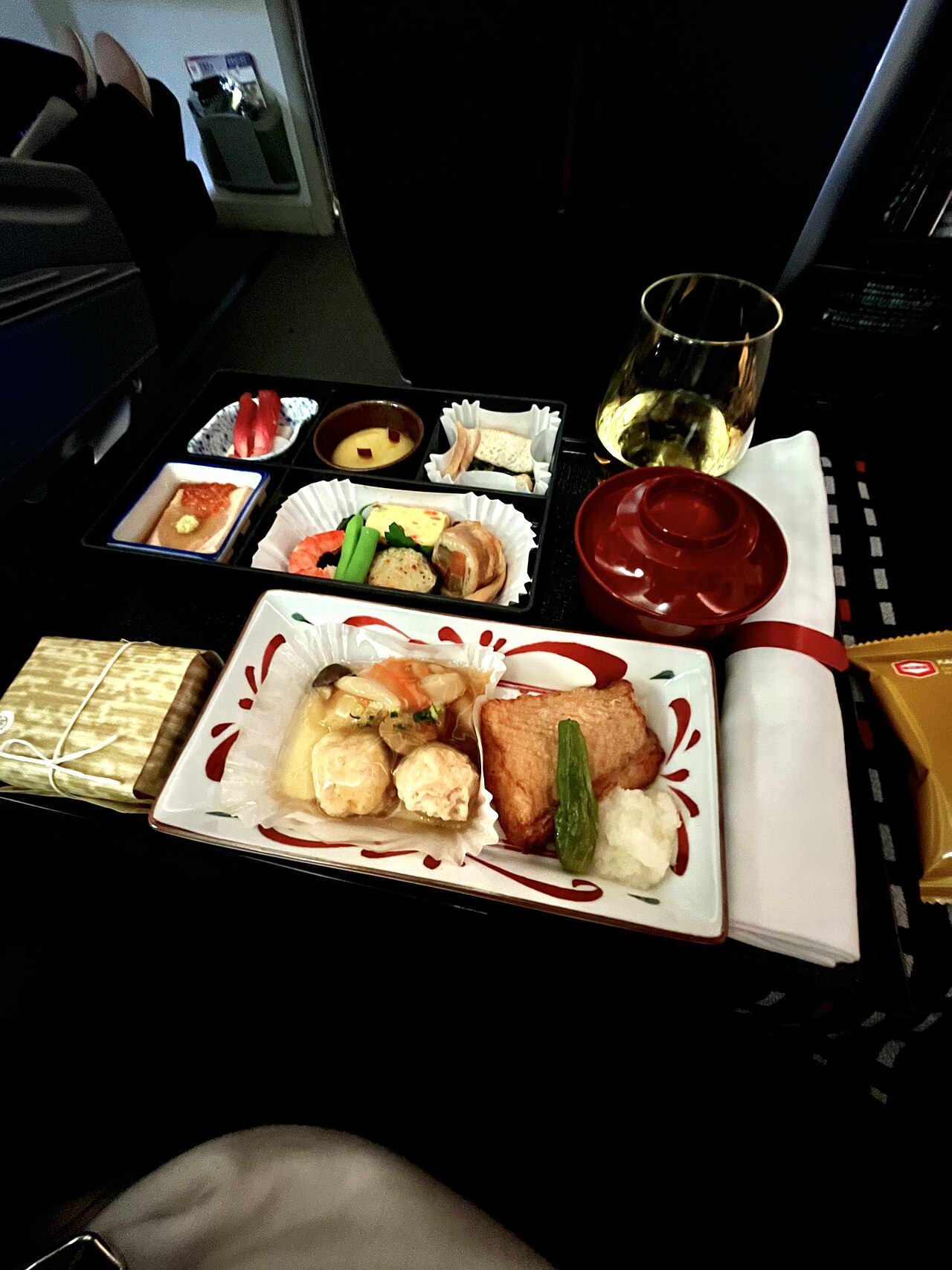
The 1970s were, broadly, a time when airline catering was attempting things. Pan Am served caviar in coach. TWA had a piano on the 747. Alaska Airlines, never one to be outdone in the regional-flair department, served raw reindeer on certain routes during a brief and now legendary period in the early 1970s. The reindeer was a kind of carpaccio - thinly sliced, served chilled, accompanied by lingonberry sauce. Some passengers loved it. Some passengers wrote letters. At least one passenger appears to have arrived at the airline's offices in person to express their feelings about the matter.
The reindeer service was discontinued, but Alaska Airlines retained its reputation for regionally distinctive catering, which over the decades has included salmon, sourdough, and various cuts of meat that other airlines would not serve on a dare. The airline still serves Alaskan salmon on certain routes today, which is universally well-received and which has the additional virtue of being cooked. The lesson from the reindeer era is that ambition in airline catering should be admired in moderation. The reindeer itself was, by all accounts, perfectly fresh; the issue was philosophical rather than gastronomic.
Why Airline Food Tastes Different (And Worse) at Altitude
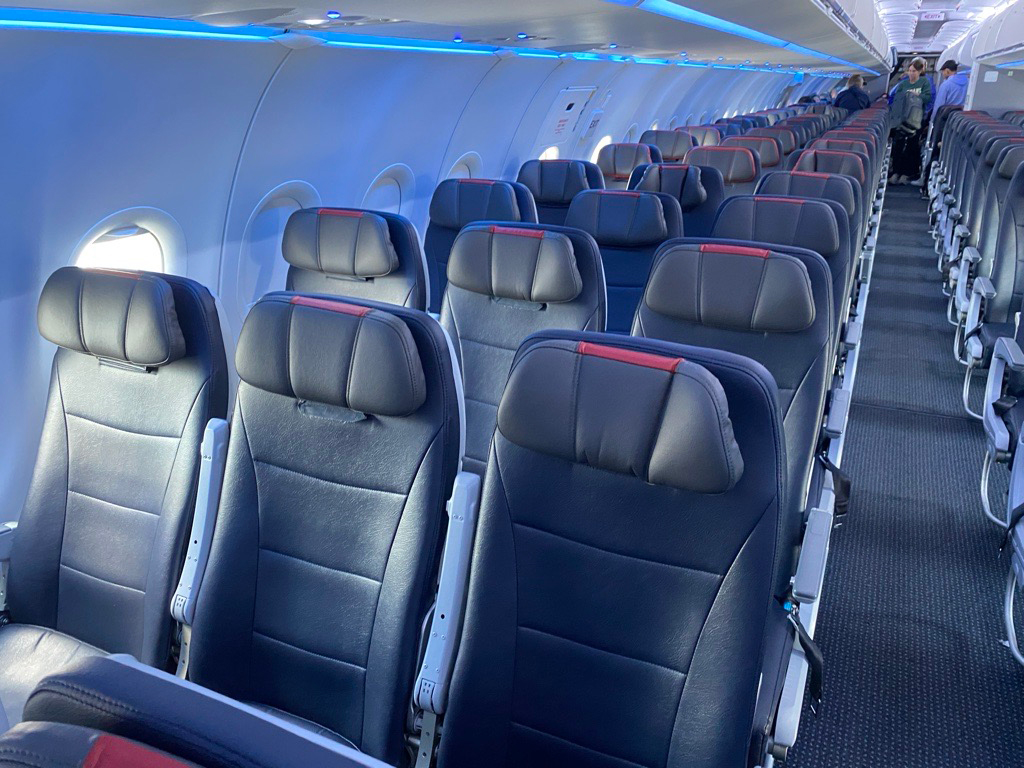
The science here is, genuinely, a bit unfair to the airlines. At cruising altitude, cabin air pressure drops to roughly the equivalent of being on top of a 2,400-metre mountain, and humidity falls to around 12% (drier than most deserts). These two factors do something specific to your taste buds. Your perception of saltiness drops by about 20-30%. Your perception of sweetness drops by a similar amount. Aroma compounds, which contribute massively to flavour, are dulled by the dry air drying out your nasal passages. The only flavour your tongue continues to register at full strength is umami, which is why airlines lean heavily on tomato juice (umami-rich) and on heavily salted, MSG-laced dishes that taste fine in the cabin and would taste like assault on the ground.
Airlines that take this seriously hire chefs who specifically design for the altered palate. Singapore Airlines is famous for it - the airline's catering team test-cooks every dish in a low-pressure chamber before it goes into service, adjusting seasoning to compensate. Lufthansa has run similar tests at its catering kitchen in Frankfurt for decades. Korean Air has long invested heavily in bibimbap as a flagship economy meal, on the entirely sensible grounds that strong fermented flavours hold up better at altitude than delicate ones. Most other airlines do not test in pressure chambers, which is one reason their food tastes the way it does.
The $3 Economics That Explain Everything
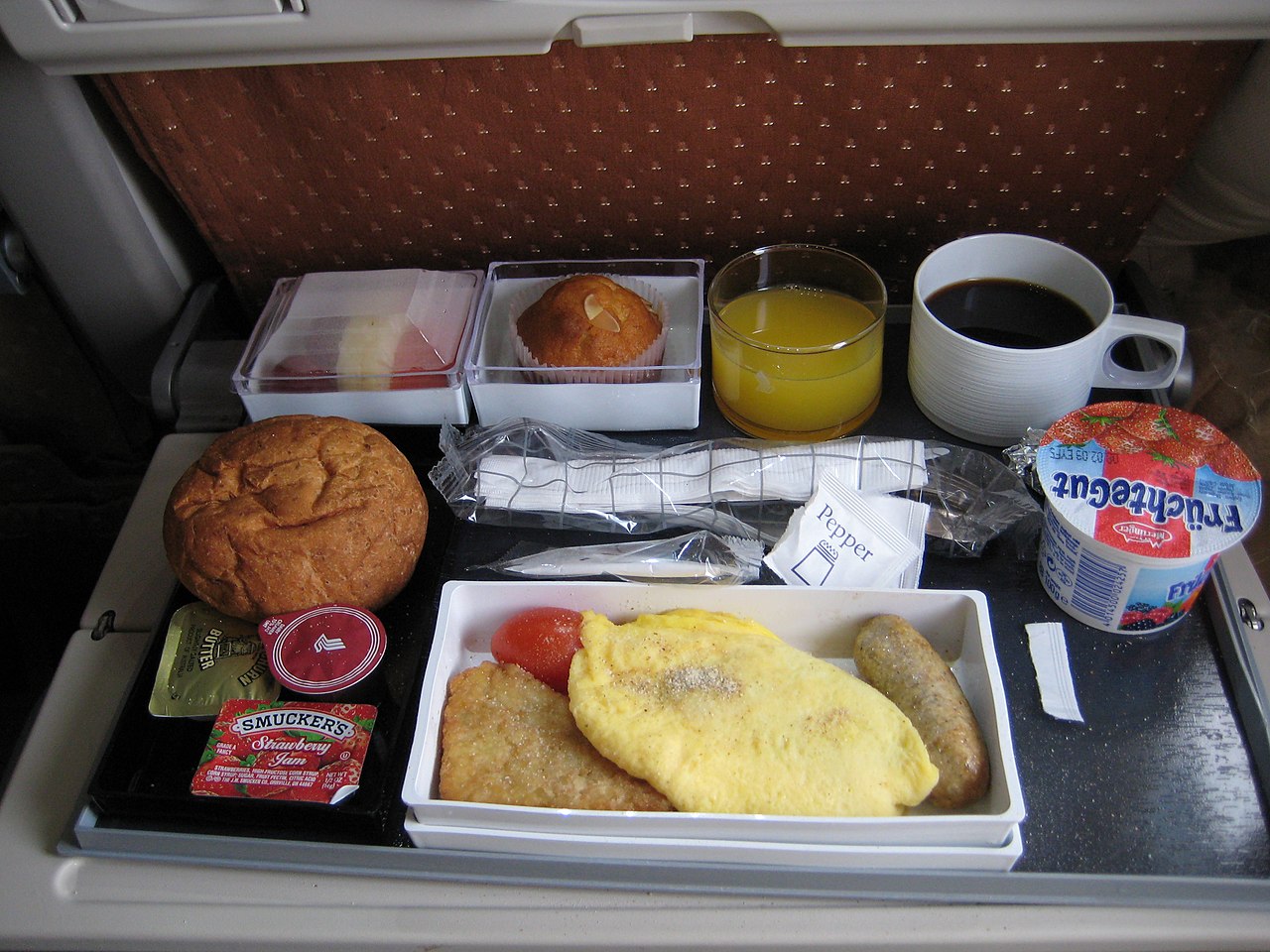
The figure that travel writers throw around for economy airline meal cost is somewhere between $3 and $8 per passenger, and like most aviation figures it depends substantially on what you include. The narrowest definition (food ingredients only) puts the number well under $1 on some budget routes; the broadest definition (food, packaging, labour, refrigeration, ground transport, loading, the cart, the staff who push the cart, and the eventual rubbish disposal) puts it closer to $8 on full-service carriers. Either way, you are not getting a restaurant meal for that money, and asking why airline food doesn't taste better is a bit like asking why a £3 meal deal sandwich isn't a Michelin lunch.
Airlines that pay more get better food. Singapore Airlines, Qatar Airways, Emirates, ANA, and JAL all pay substantially more per passenger and consistently rank at the top of inflight catering surveys. Budget carriers - and increasingly the legacy carriers competing with them in economy - have cut catering budgets to keep ticket prices low, which is exactly the trade-off most passengers say they want and then complain about when the meal arrives. We've explored the broader category of foods that aren't allowed on planes at all, which is a reminder that not everything bad in airline food is the airline's fault - some of it is yours, and some of it is regulatory.
The Few Airlines Where the Food Is Actually Good
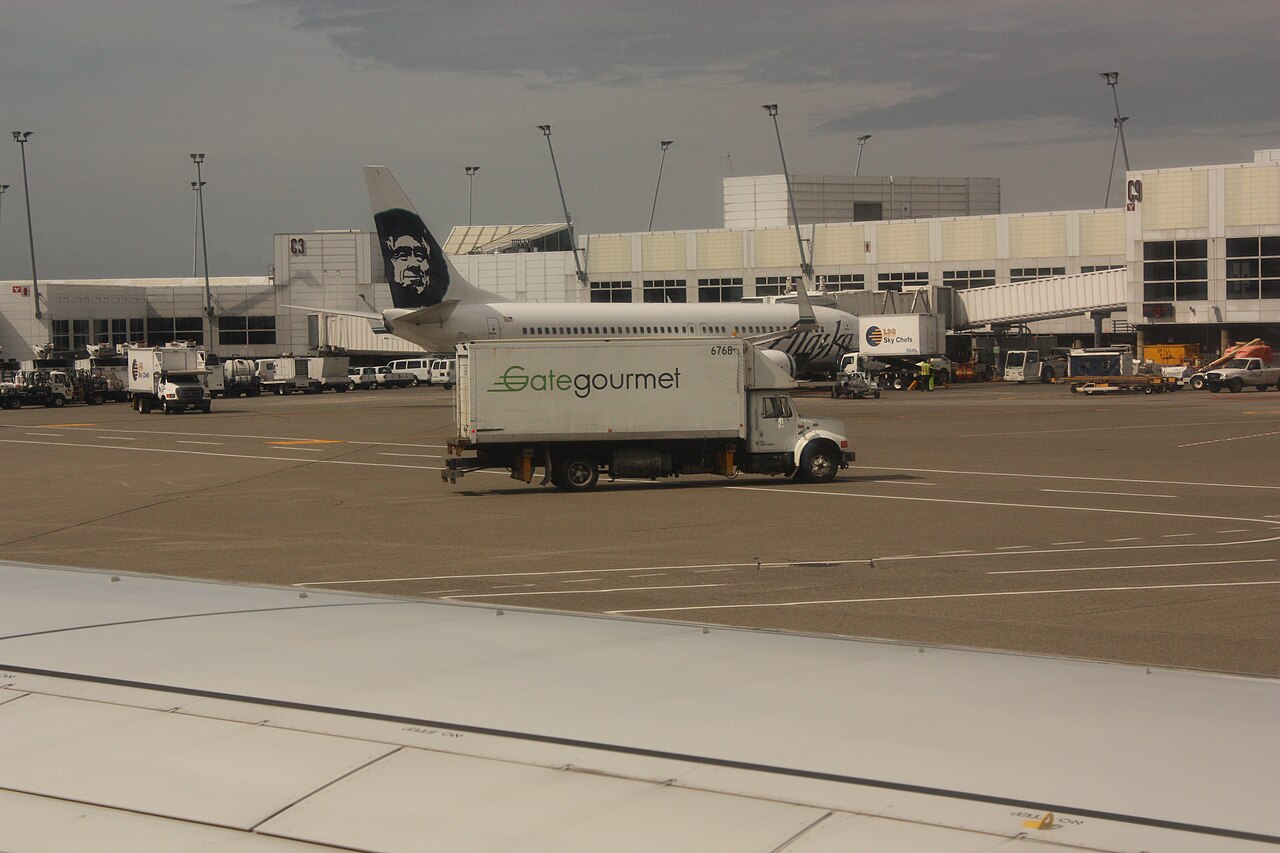
It would be unfair to spend an entire article complaining and not name the airlines that have, by general consensus, worked out how to feed people well at altitude. Singapore Airlines wins most polls every year, with a Book the Cook programme that lets long-haul passengers preselect from a chef-designed menu including signature lobster thermidor and Hainanese chicken rice. ANA and JAL serve carefully designed Japanese washoku in business class that genuinely surprises people who weren't expecting it - the Japanese carriers spend per economy passenger something close to what most carriers spend per business passenger. Qatar Airways and Emirates run expensive five-star catering that lives up to the price. Turkish Airlines has a chef on board on long-haul business class, which is the kind of detail that sounds invented and isn't. We've covered the unusual operational quirks of the strangest airports in the world in considerably more detail, including several where merely landing is more memorable than anything that happens after.
For the budget end, the surprise winner is often Korean Air, whose economy bibimbap is consistently praised, and Air New Zealand, which has been doing a creditable job for decades despite a relatively modest budget. Visit Tokyo on JAL or ANA and the meal you eat on the way over will, on the right route, be something you would happily eat on the ground. Visit it on a budget Chinese carrier and you will get the mac and cheese with the shrimp on top. The price difference between the two tickets is real, and it is not a coincidence.
What Makes a Bad Airline Meal Genuinely Bad
Looking across the worst examples, the pattern isn't really cost, exactly. Plenty of cheap meals are perfectly fine. The pattern is decision-making: someone, somewhere along the chain, made a choice that was not corrected before it arrived in front of a customer. The mac and cheese with the shrimp existed because the spec sheet had been ticked. The Norwegian slop existed because nothing in the budget allowed for the chicken to look like chicken. The Air India croissant existed because the reheat protocol turned a perfectly fine breakfast pastry into a structural component. Each of these meals had multiple opportunities to be intercepted and improved, and was not. The fix, when airlines have applied it, is invariably better testing, better training, and (yes) more money.
The other reliable pattern is that the worst meals are usually long-haul economy on routes that the airline does not consider strategically important. Catering on hub-to-hub flagship routes tends to be tested and refined. Catering on regional fifth-freedom routes that operate twice a week with old aircraft tends to be whatever the local catering kitchen could be persuaded to load that morning. The worst meal you ever ate on a plane was almost certainly served on the second kind of route. Plan accordingly.
If your reaction to this article is to start checking SeatGuru for the catering reputation of every flight you've already booked, please be aware that meal photos on the internet are usually drawn from worst-case examples and most flights produce something perfectly acceptable. Disclaimer: The shrimp-mac-and-cheese photograph from China Eastern is real and remains, on the internet, several years after the fact, undefeated. Pack snacks.