The Accidental History of the World's Most Famous Street Foods (All of Which Were Invented Out of Desperation)
That artisanal food market charging you $17 for a "heritage recipe" hot dog with pickled fennel and truffle aioli is selling you, if we're being honest about it, the food of German immigrants who couldn't afford anything else.
The same is true of most of the world's celebrated street foods. Pizza was the meal of the Neapolitan poor. Fish and chips was invented by Jewish immigrants making do in Victorian London. Pad Thai is a government-mandated dish created during a rice shortage by a Thai Prime Minister who wanted a national identity. The banh mi is what happens when a colonial power forces wheat cultivation on a country that didn't want wheat, and that country responds by stuffing a baguette with fish sauce, pickled vegetables, and cilantro until it becomes undeniably superior to the original.
The story of street food is almost uniformly a story about poverty, immigration, and the remarkable human talent for producing something genuinely delicious from the worst possible circumstances. The $17 food truck version is the endpoint of a history that starts somewhere considerably grimmer. Here, then, is where your favourite street food actually came from. Apologies in advance.
The Hot Dog: A Dispute Frankfurt and Vienna Have Been Having Since the 1400s
The hot dog's origins are contested in the particular way that only food arguments can be: with genuine municipal fury spanning several centuries. Frankfurt claims its sausage was invented in 1484. Vienna (Wien) insists the "Frankfurter" was actually developed in Vienna by a Frankfurt-born butcher who moved there, and should therefore be called a "Wiener." A formal complaint was once filed. Diplomats were not involved, but probably should have been.
What is less disputed is the American chapter of the story, which is where the hot dog as most of the world knows it was actually developed. German immigrants, arriving in the United States in waves through the 1800s, brought their sausage-making traditions with them and set up carts on the streets of New York. Charles Feltman, a German immigrant, is credited with selling frankfurters from a cart on Coney Island in the early 1870s. The original sausages were served with white cotton gloves so customers could handle the hot meat without burning themselves. The gloves kept disappearing. Bread rolls were cheaper. The bun was not a design decision so much as a loss-prevention measure.
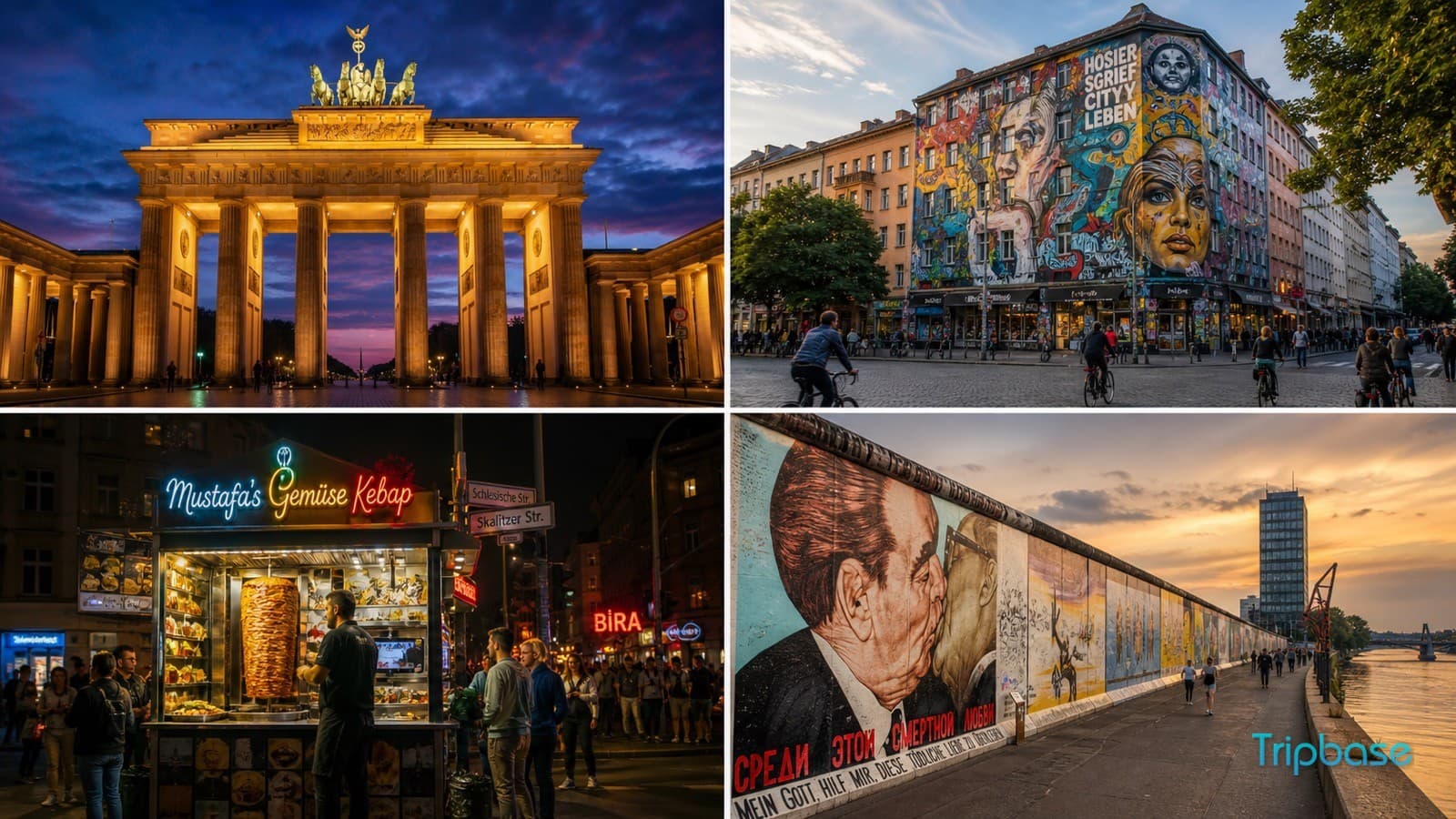
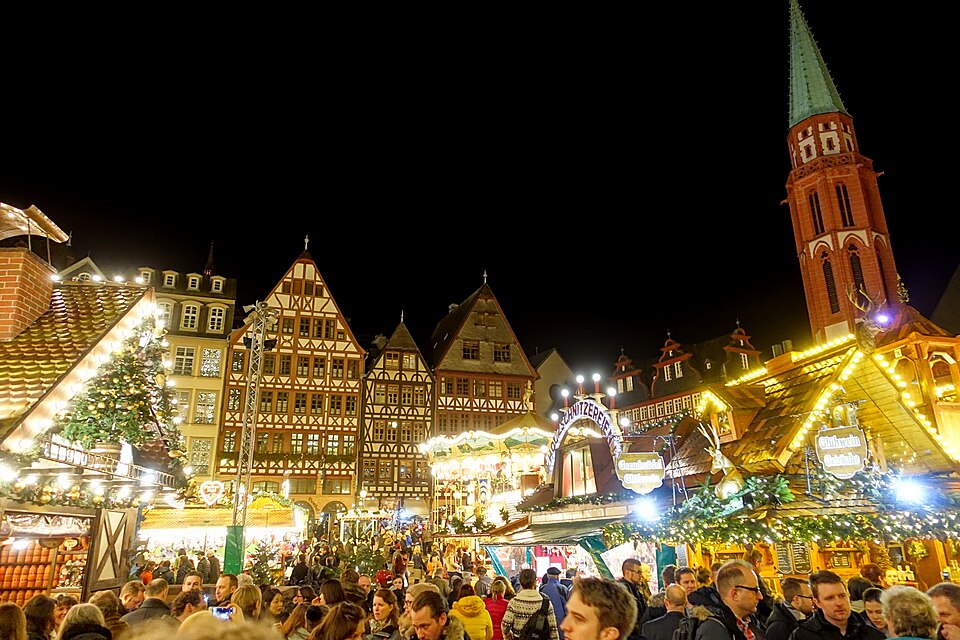
The name itself is telling. "Hot dog" appeared in American newspapers in the 1890s and early 1900s, amid sustained jokes about what might actually be inside the sausage. The meat industry found this very funny. The public found it funny enough to keep ordering them anyway. The sausage vendors of Frankfurt and Vienna, had they known how their legacy would be received, might have reconsidered the whole enterprise. The streets of Berlin and the wider German food scene are worth visiting to understand the culture the humble hot dog actually came from, which is considerably more sophisticated than a stadium bun might suggest.
Pizza: A Neapolitan Slum Food That Conquered the World
Flatbreads with toppings existed in ancient Rome, Greece, and the Middle East for millennia before anyone called the result "pizza." But the specific version that became one of the most replicated foods on earth emerged in Naples in the 18th and 19th centuries, and its origin is about as glamorous as you'd expect from something invented in a 19th-century Neapolitan slum.
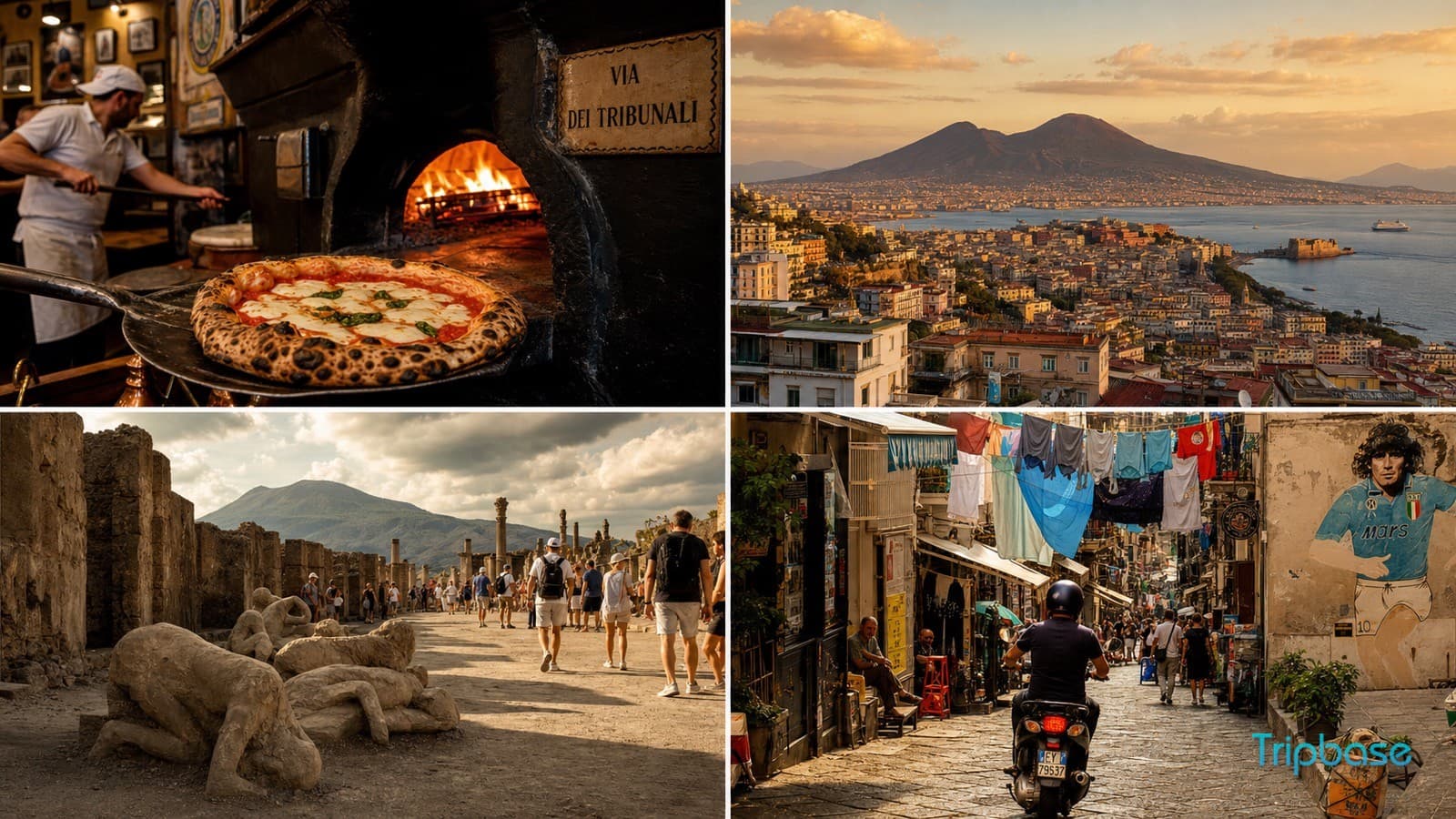
The lazzaroni - the street poor of Naples - needed food that was cheap, filling, portable, and could be eaten without cutlery or a table. Pizza was it: flatbread topped with lard, garlic, salt, and cheap local ingredients, sold by vendors directly to people eating in the street or in their doorways. It was considered disgusting food for disgusting people by the upper classes of Naples, who wouldn't have touched it. This is one of history's better ironies.
The tomato's role deserves a separate mention because it is genuinely absurd. Tomatoes arrived in Europe from the Americas in the early 1500s and were widely believed to be poisonous for the next two hundred years. Upper-class Europeans ate from pewter plates, which are high in lead; the acidic tomato leached lead from the plates, and people died from what they assumed was tomato poisoning. The poor, eating from wooden plates, ate tomatoes and didn't die. Nobody updated the assumption for an impressively long time. Eventually it was noticed that the Neapolitan poor, who had been putting tomatoes on their flatbreads for decades, appeared to be fine. This is how tomatoes entered European cuisine - through a two-century experiment involving class prejudice and lead poisoning.
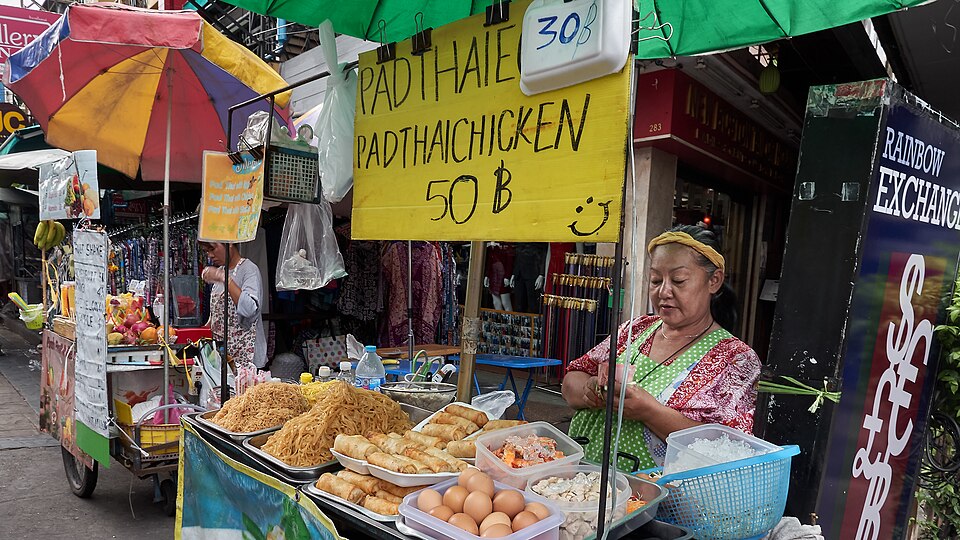
The famous Pizza Margherita (tomatoes, mozzarella, basil - Italian flag colours) supposedly originated in 1889 when pizzaiolo Raffaele Esposito made it for Queen Margherita of Savoy during her visit to Naples. The story is probably at least partially apocryphal, but it served the crucial function of making the food of the city's poor respectable. Pizza went from slum food to royal endorsement in a single documented visit. Marketing, essentially. See the full Naples travel guide - the pizza there is still largely incomparable to every version that came after.
Fish and Chips: Invented by Immigrants, Claimed by Everyone
The British treat fish and chips as a national institution of approximately eternal standing. The actual history is considerably more recent and considerably less British in its origins, which is a detail that British people generally prefer not to dwell on.
Fried fish - pescado frito - was a dish of Sephardic Jewish communities expelled from Spain and Portugal in the late 1400s who settled across Europe, including in Britain. By the 1600s and 1700s, Jewish communities in London's East End were selling cold fried fish on Fridays (fried in advance so it could be eaten on the Sabbath without cooking). The practice of battering and frying fish in oil was well-established in the community long before the British considered it a national dish.
The first documented fish and chip shop is generally attributed to Joseph Malin, a Jewish immigrant, who opened in London's East End around 1860. The Lancashire claim - a shop run by John Lees in Mossley around the same period - is also credible, and the two have been arguing about it since roughly 1863. The combination of fried fish with chips (fried potatoes, themselves a cheap working-class staple) spread rapidly through industrial Britain for the same reason pizza spread through Naples: it was cheap, filling, portable, and could be eaten without equipment.
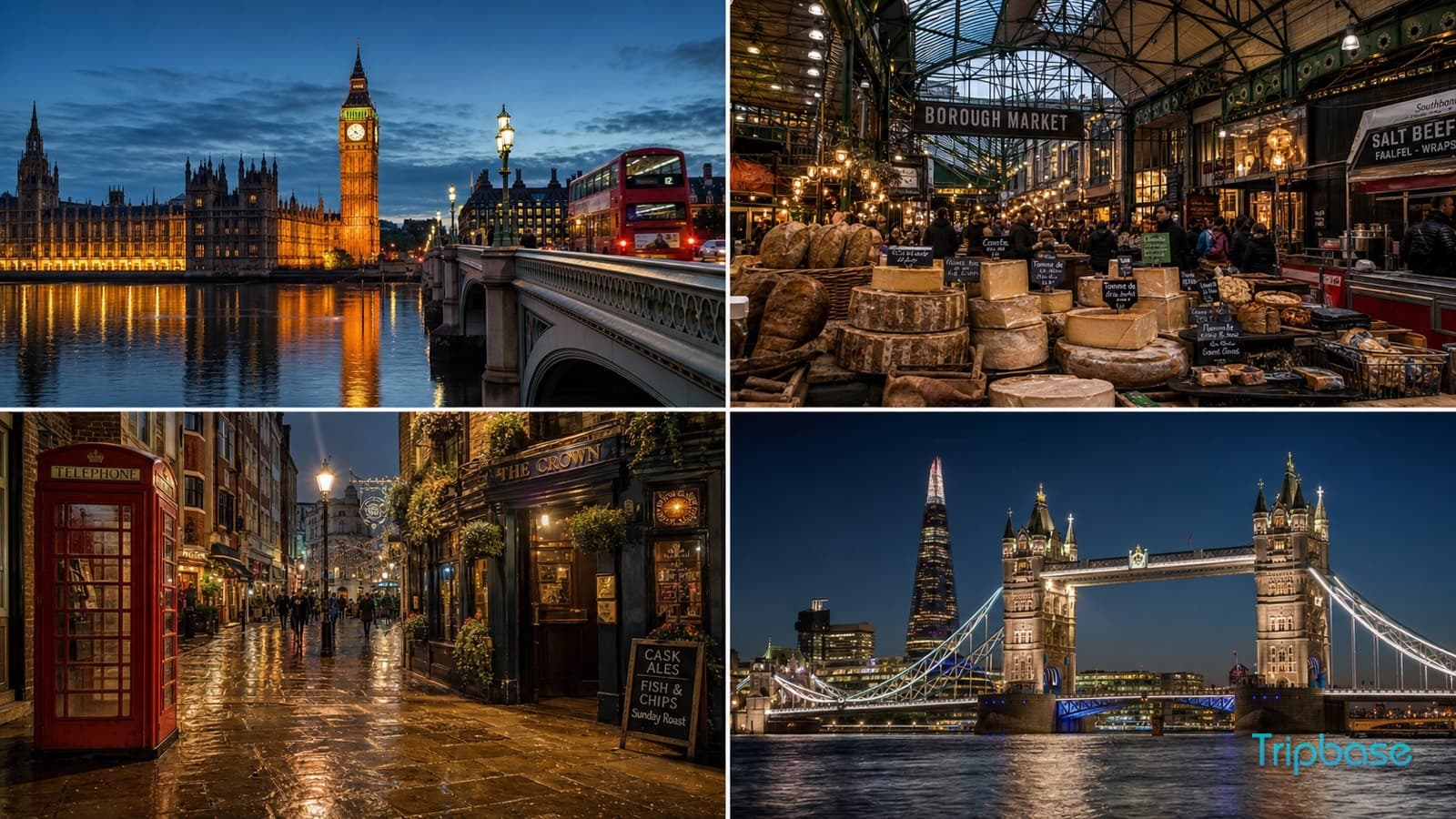
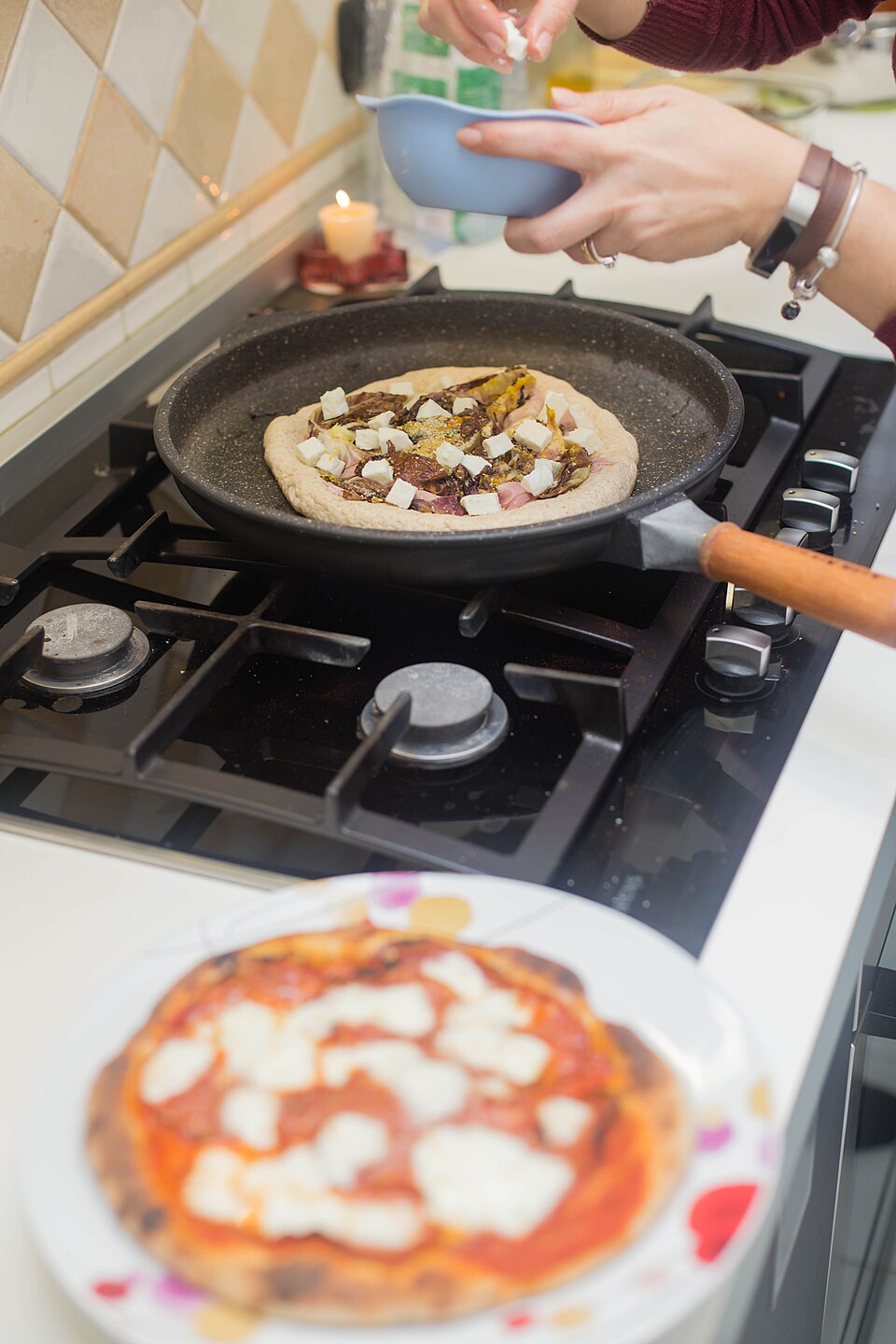
Winston Churchill exempted fish and chips from World War II rationing, calling them "good companions" - possibly the only undisputed thing he and the nation's Jewish immigrant population would have agreed on. The north-south divide over mushy peas (a northern addition involving peas cooked until they achieve the consistency of paste) remains unresolved and will not be resolved in this article or any other. The streets of London still sell it; the East End fish and chip shops, at least the honest ones, are still there.
Pad Thai: A Dish the Government Made Up
The origin of pad thai is unique in this list because it is not a folk tradition, an immigrant's improvisation, or a happy accident. It was invented deliberately, on purpose, by a government, for political reasons, in the 1930s. If you've ever eaten it in a "traditional" Thai restaurant, you've eaten a government-mandated nationalist project dressed up as culinary heritage.
In 1938, Field Marshal Plaek Phibunsongkhram - a man whose name is considerably more demanding than any noodle dish should be - led a coup and became Prime Minister of Siam, which he promptly renamed Thailand as part of a broader national identity project. He wanted a dish that would represent the new nation: distinctly Thai, easy to cook, filling, and - crucially - made from rice noodles rather than rice. Thailand was experiencing a rice shortage and needed people to eat less of it. Rice noodles use a fraction of the rice required to feed the same number of people.
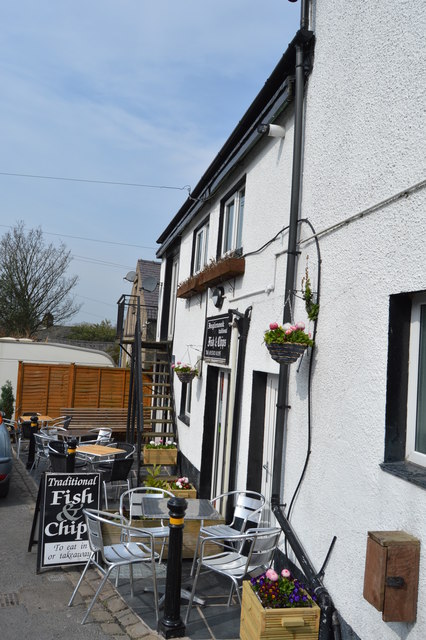
The recipe was distributed door to door. Noodle cart vendors were subsidized. The dish combines Chinese rice-noodle traditions with Thai seasoning - tamarind, fish sauce, palm sugar, dried shrimp - making it a specifically designed hybrid rather than an organic development. The government essentially franchised it across the country before the concept of franchising existed. Today pad thai is sold in thousands of restaurants worldwide as a traditional Thai food, which it is - in the sense that a law passed in 1938 is technically tradition if you wait long enough. Bangkok is still the best place to eat it, because whatever the origins, the people making it now have had eighty years of practice.
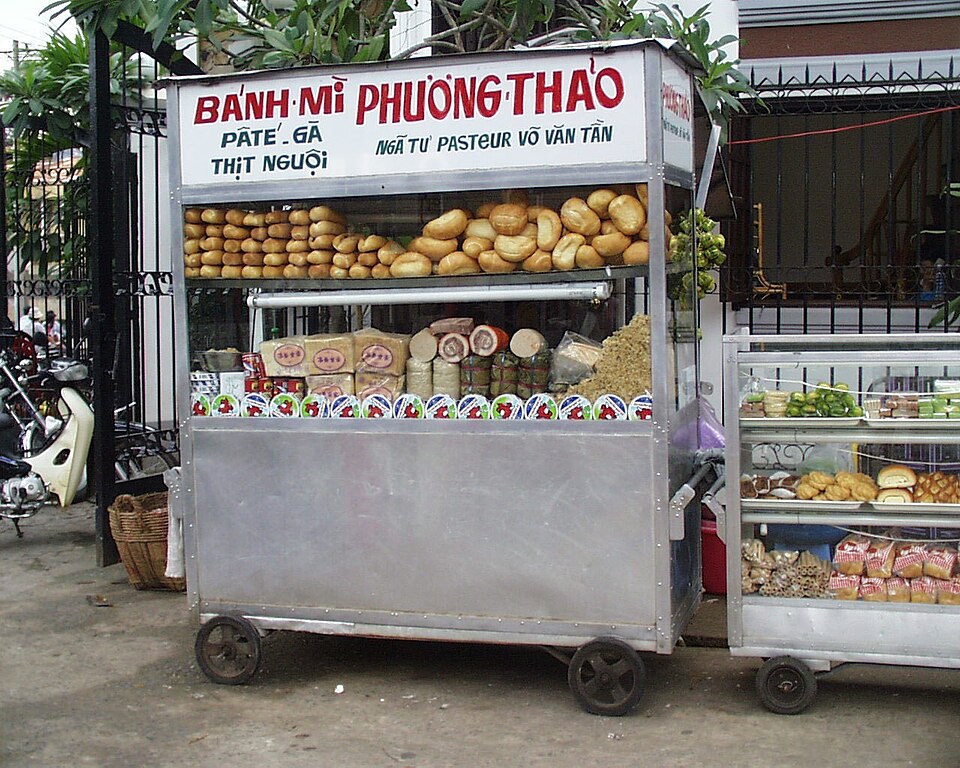
Banh Mi: Colonial Revenge Served in a Baguette
France colonised Vietnam from the 1860s, which involved the introduction of various French institutions including bureaucracy, rubber plantations, and the baguette. French colonisers who wanted bread demanded bread, which meant wheat cultivation, which meant Vietnamese farmers growing a crop they had no particular use for to serve a colonising population's carbohydrate preferences. This is one of history's less celebrated examples of forced agricultural labour.
Vietnamese bakers adapted the baguette for local conditions: the Vietnamese version is shorter, with a thinner crust and a more aerated crumb - better suited to the humidity, easier to carry, crispier in the way that matters. After Vietnamese independence in 1954 and the subsequent mass migration to Saigon, street vendors began filling these adapted baguettes with what was available and what was Vietnamese: cold cuts, pork pâté (itself a French introduction, repurposed), pickled daikon and carrot, fresh cucumber, cilantro, jalapeños, and fish sauce. The banh mi as we know it solidified on the streets of Saigon in the 1950s and 1960s.
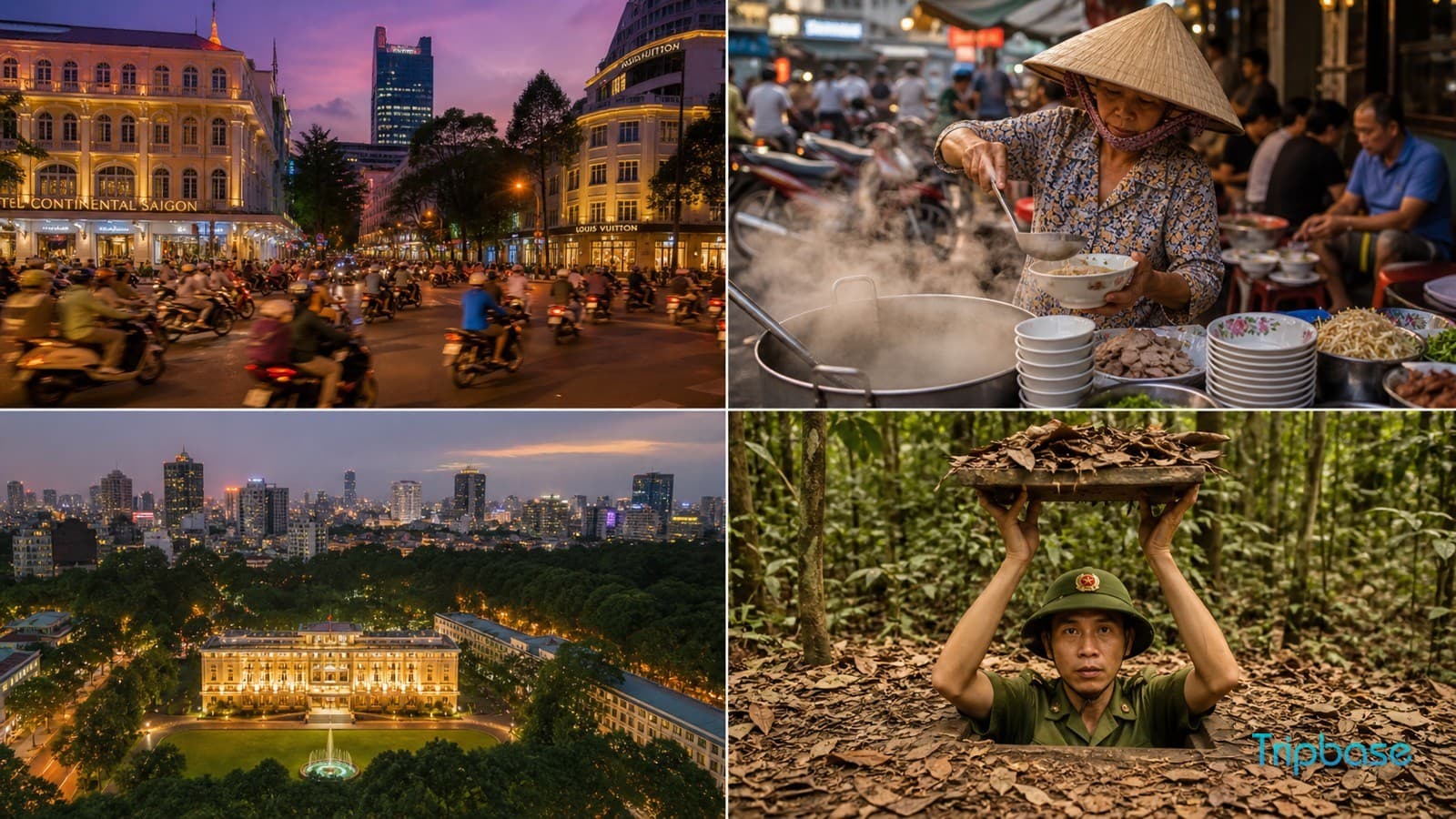
The result is arguably one of the finest sandwiches ever assembled - and the particularly satisfying thing about it, from a historical perspective, is that it takes the most aggressively French item in Vietnamese cuisine (the baguette) and subordinates it entirely to Vietnamese flavours, to the point where most people eating a banh mi barely register the bread as French at all. It's a perfect example of a colonised people taking what was imposed on them and making something considerably better. The banh mi stalls of Ho Chi Minh City are still the gold standard, though the sandwich has since spread to every city with a Vietnamese immigrant community, which is most of them.
The Pretzel: What Happens When Monks Get Creative
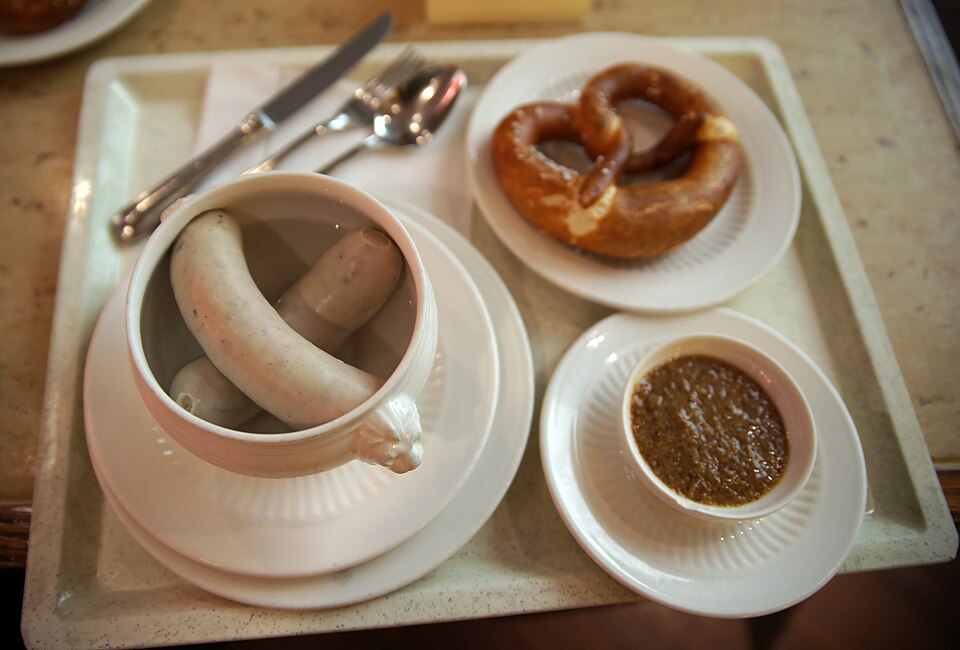
The origin of the pretzel is disputed in the way that medieval food history tends to be disputed - which is to say, several accounts exist, none of them can be verified, and at least one involves a monk. The most widely circulated story places the invention around 610 AD, when an Italian (or possibly southern German) monk made a twisted bread shape from leftover dough, intended to represent arms crossed in prayer, and gave them to children who had successfully memorised their prayers. This makes the pretzel, if the story is true, the world's oldest documented reward system. The monk's name is not recorded, which seems like a significant oversight.
The hard, crunchy pretzel that Americans know best is allegedly the result of a completely different accident: a baker in 17th-century Pennsylvania (or possibly 18th-century Germany, accounts differ) fell asleep while minding a batch and over-baked them into hard, shelf-stable crackers. He tried to present this as a deliberate innovation. It worked, which is more than can be said for most accidents.
German bakers had their own guild for pretzel-making from the 12th century, suggesting the product was already significant enough to warrant professional regulation several hundred years before the Americans added cheese dip. In Germany, a pretzel hung above a bakery door still indicates the shop is open, a signage convention dating back to when most of the population couldn't read. A pretzel above the door communicates "bread here" in the most straightforward possible way. The food stalls and bakeries of Munich still sell them fresh and warm, and the gap between a fresh German pretzel with beer and an airport pretzel with plastic packaging is the kind of gap that makes you reconsider everything.
Disclaimer: As a brand, Tripbase are accepting of all global cultures and culinary traditions, however inadvertently they came about. This article is meant for humorous and informational purposes. The $17 artisanal hot dog is still your choice to make.