Foods That Used To Be Poor Man's Grub (But Cost a Fortune Now)
The market has a sick sense of humor.
Somewhere between the 18th and 21st centuries, someone looked at the detritus of fishing docks, the rations of prison cafeterias, and the emergency nutrition of people who genuinely had nothing else to eat - and decided to sell it for sixty dollars a plate at a restaurant with exposed brick and a very serious wine list. The result is that you are now paying for the privilege of eating exactly what a condemned criminal ate in 1852, but now it comes with a micro-herb garnish and a story about the fisherman who caught it, whose name is Derek.
These are the foods that were once so abundant, so reviled, or so culturally embarrassing that only the desperately poor would touch them. They have since become luxury goods. This is their story, and it is deeply humiliating, mostly for you.
Lobster: The Cockroach of the Sea
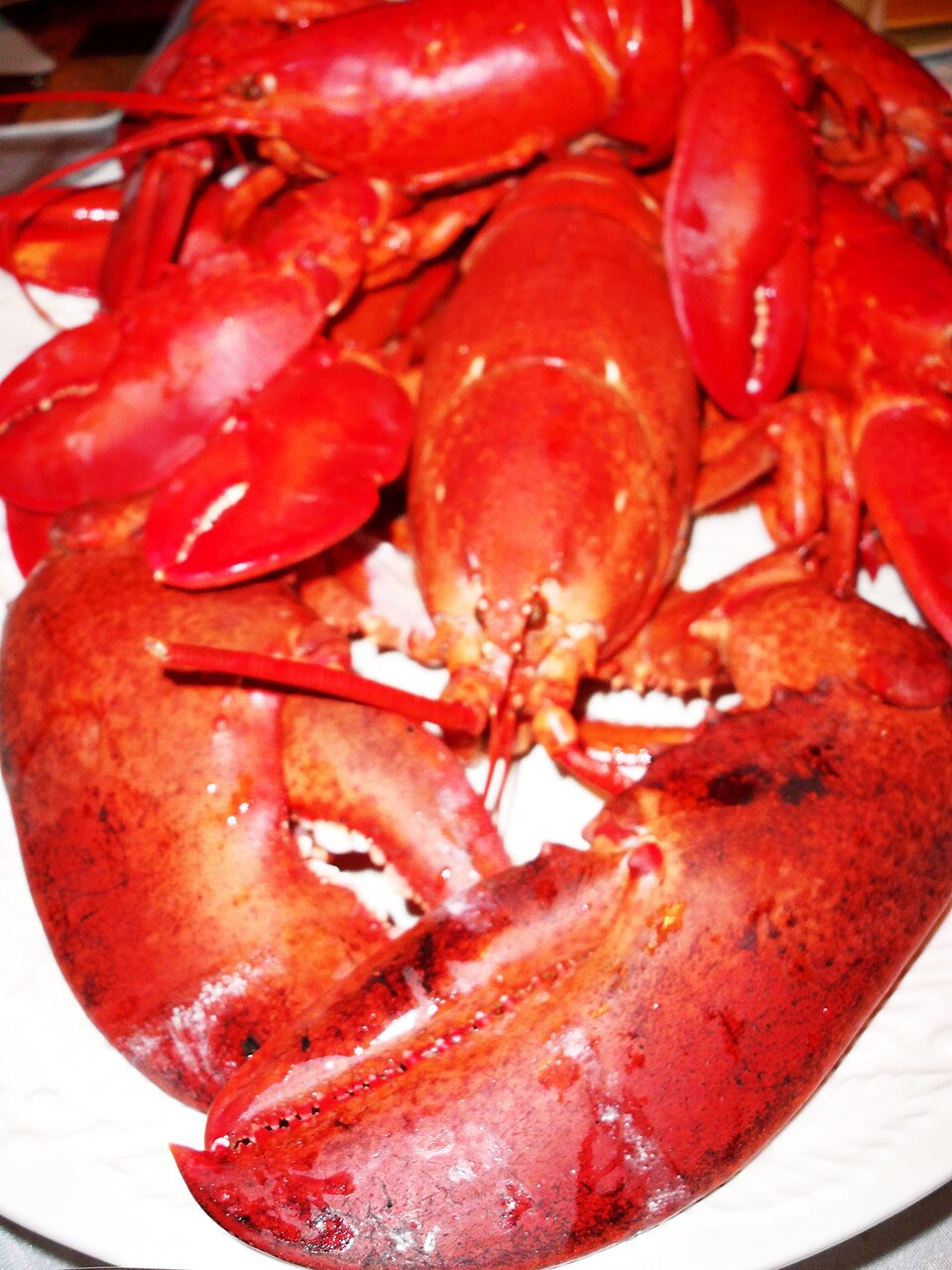
Before we get into what lobster costs now - anywhere from thirty to seventy dollars a pound, depending on the cruelty of whoever is selling it to you - it's worth understanding what lobster was. In colonial New England, lobster was so abundant that it washed up on beaches in piles, and early settlers used it primarily as fertilizer and fish bait. Eating it yourself was considered something of a personal failure.
It was so prevalent and so looked down upon that servants in colonial Massachusetts reportedly wrote clauses into their contracts specifying that they could not be fed lobster more than twice a week. Whether this particular detail is entirely apocryphal is somewhat debated by historians (everything about history becomes somewhat debated by historians eventually), but the underlying reality is not: lobster was the food you ate when you had run out of options. It was called "the cockroach of the sea," "poor man's chicken," and other names that suggest a collective cultural aversion that is, in retrospect, quite embarrassing given current menu prices.
What changed everything was the railroads. The invention of refrigerated rail transport in the 1880s meant that fresh lobster could be shipped inland to people who had never seen one and had no idea what its historical reputation was. To these newly middle-class Americans from Ohio and Indiana, a lobster was an exotic novelty. The coastal fishing towns hadn't mentioned the fertilizer angle, and the inland customers didn't ask. By the time anyone thought to bring it up, lobster had already become aspirational. Our New York guide covers a related story - the city's once-magnificent oyster beds suffered a strikingly similar arc, on a similar timeline, for nearly identical reasons.
Oysters: The Victorian Fast Food
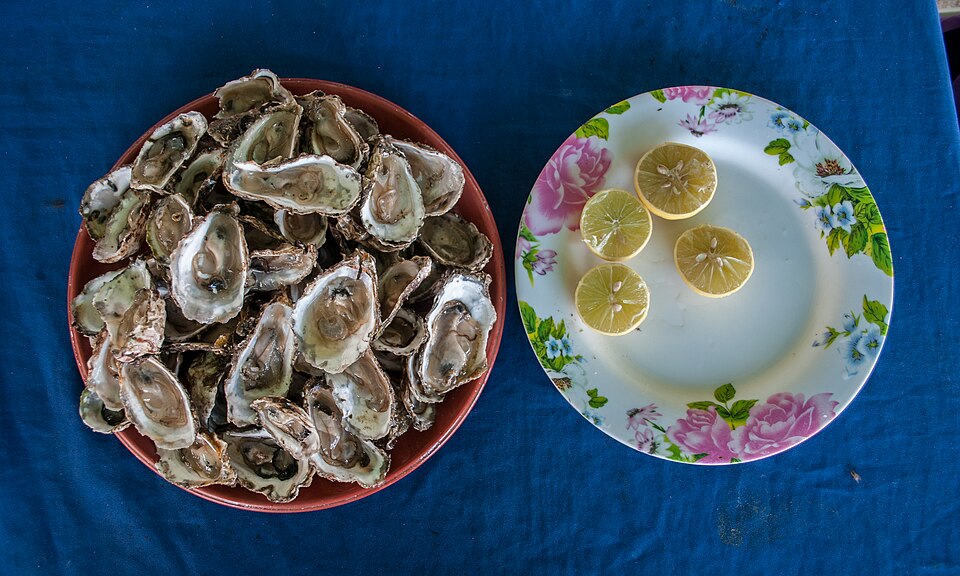
In Charles Dickens's Pickwick Papers, there is a line that has aged particularly well: "Poverty and oysters always seem to go together." Dickens wrote this in 1837, at a time when oysters were sold from barrows on the streets of London for a penny apiece and were the food of the Victorian working class. This was not a niche observation - it was common knowledge. Oysters were what you ate in London when you couldn't afford something better.
The East End was practically built on oyster consumption. Street vendors sold them as fast food, the Victorian equivalent of a four-pound meal deal. In New York, the situation was if anything more extreme: New York Harbor contained an estimated half of the world's oyster supply in the early 1800s, and the waterfront was lined with oyster cellars where workers ate them by the dozen for pennies. The word "cellar" is doing some work in that sentence - these were underground establishments of variable cleanliness, serving alcohol alongside shellfish to people who definitely could not afford anywhere with a proper ground floor and pretensions to atmosphere.
The collapse came from two directions simultaneously: overfishing and industrial pollution, which between them destroyed the oyster beds of both New York Harbor and the Thames estuary by the late 19th and early 20th centuries. Suddenly a food that had been absurdly plentiful was scarce. Scarcity, as history repeatedly demonstrates, is all it takes. Today you will pay somewhere between three and six pounds for a single oyster in London, and you will eat it while someone in a linen shirt tells you about the tasting notes. The oystermen of Whitechapel would have words, and some of those words would be unprintable.
Caviar: The Luxury That America Gave Away at Bars
Caviar's trajectory from peasant food to luxury item is, among all the entries on this list, the one with the most darkly comedic element - because America was actively giving it away free within living memory of the generation that turned it into a status symbol.
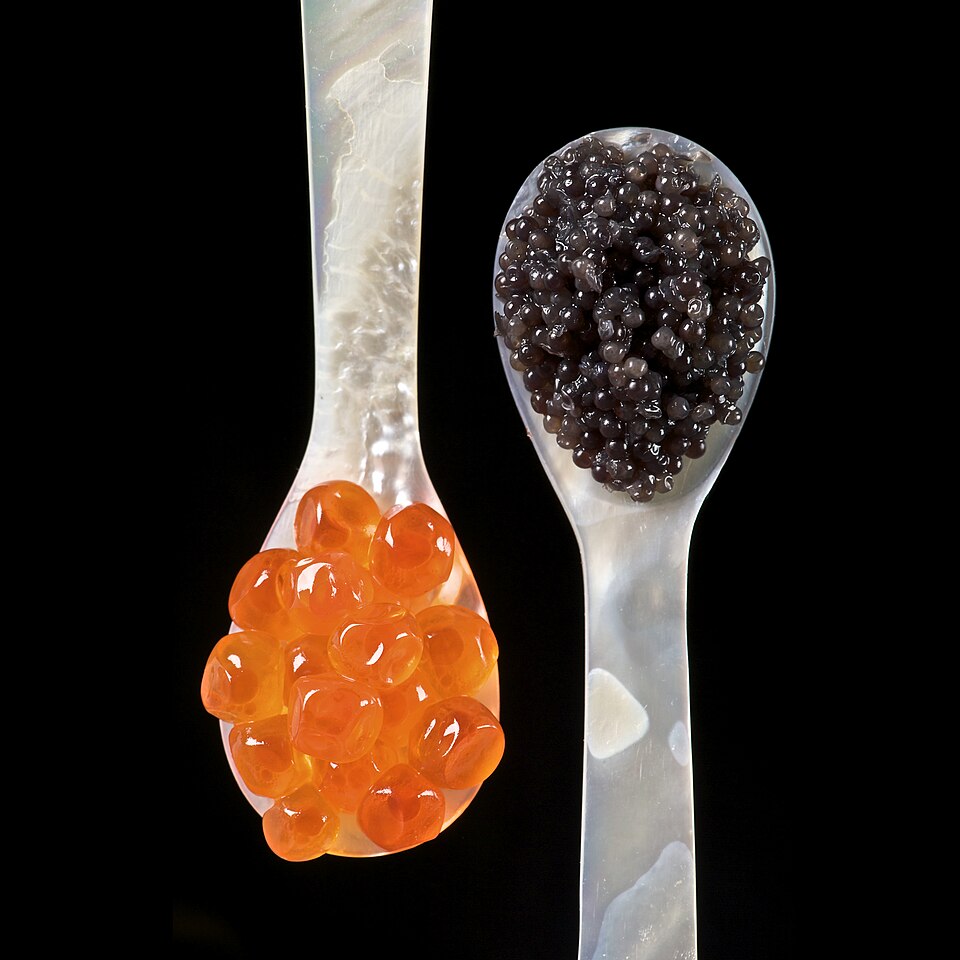
In the 19th century, American Atlantic sturgeon were so plentiful that their roe was sold cheaply to bars and saloons, who put it out on the counter for free, in the same spirit as peanuts or chips, because its saltiness encouraged customers to drink more. American caviar was exported to Europe in large quantities and sold as "Russian caviar" because American provenance was considered declassé (the Europeans, by all accounts, were not asking too many questions). This continued until the 1890s, when decades of industrial-scale harvesting had predictably destroyed the American sturgeon population. What had been essentially bar snacks was now irreplaceable.
In Russia, the situation was similar in origin and catastrophic in resolution. Caspian sturgeon were historically so abundant that Russian and Persian fishermen ate the roe themselves - salted and packed in wooden barrels - as ordinary working food. What transformed it into a luxury was overfishing, habitat loss, and the chaos of post-Soviet commercial exploitation, which between them reduced the Caspian sturgeon population to near-collapse. By 2006, CITES had banned international trade in Caspian caviar entirely. The price of genuine Beluga caviar now runs to several thousand dollars per kilogram. The fishermen who used to eat it like jam are, presumably, unavailable for comment. We've covered the wider phenomenon of foods with catastrophically unstable supply chains in our rarest foods guide, where this particular pattern recurs with depressing regularity.
Sushi: From Street Cart to Status Symbol
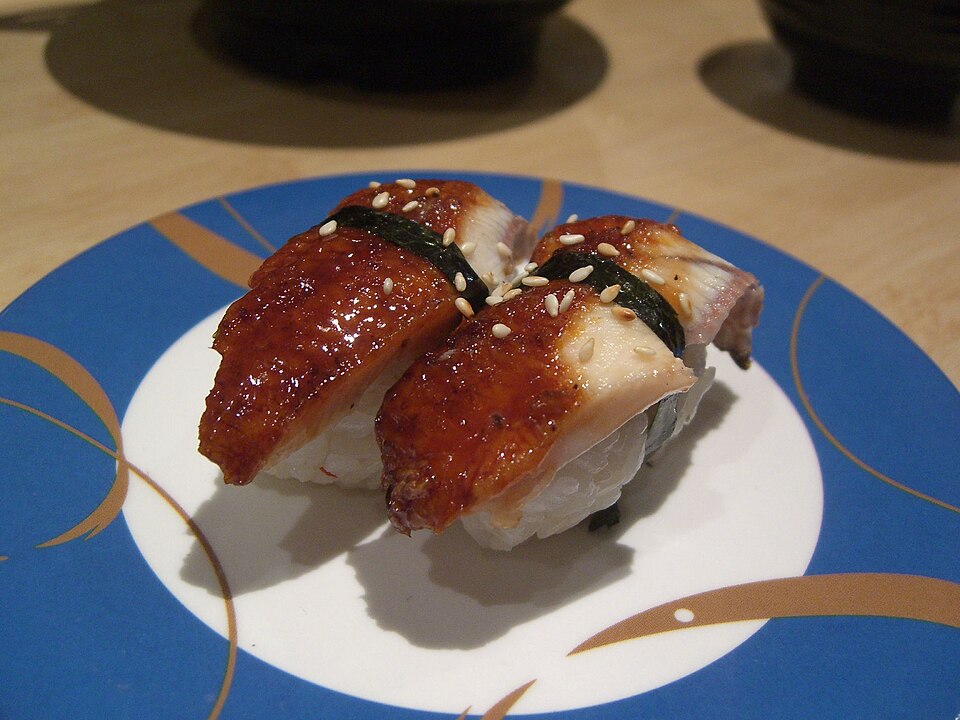
The sushi you are paying twenty dollars per piece for in a restaurant with carefully positioned lighting has an ancestor, and that ancestor would find the whole situation quite amusing. Nigiri-zushi - the hand-pressed rice and fish combination that forms the basis of what most of the world calls sushi - was invented in Edo-period Tokyo (Edo being Tokyo's name before it became Tokyo) as street food. It was the fast food of early 19th-century Japan: cheap, quick, eaten standing up, sold from carts at roadside stalls and outdoor festival grounds. The fish used was often marinated or braised, because refrigeration did not exist and raw fish left at room temperature has a fairly assertive agenda of its own.
The cultural transformation from proletarian snack to restaurant luxury began with refrigeration technology, which made genuinely fresh raw fish possible, and accelerated sharply after World War II when Japanese restaurants moved indoors and upmarket. The version that reached America in the 1960s was already aspirational; by the time omakase menus existed (the model in which a restaurant charges a hundred and fifty dollars for the chef to simply decide what you eat, a business arrangement that could only have been invented by someone with magnificent confidence), sushi had completed its ascent from street cart to status symbol in approximately a century and a half, which, for a dramatic social reversal, is remarkably efficient.
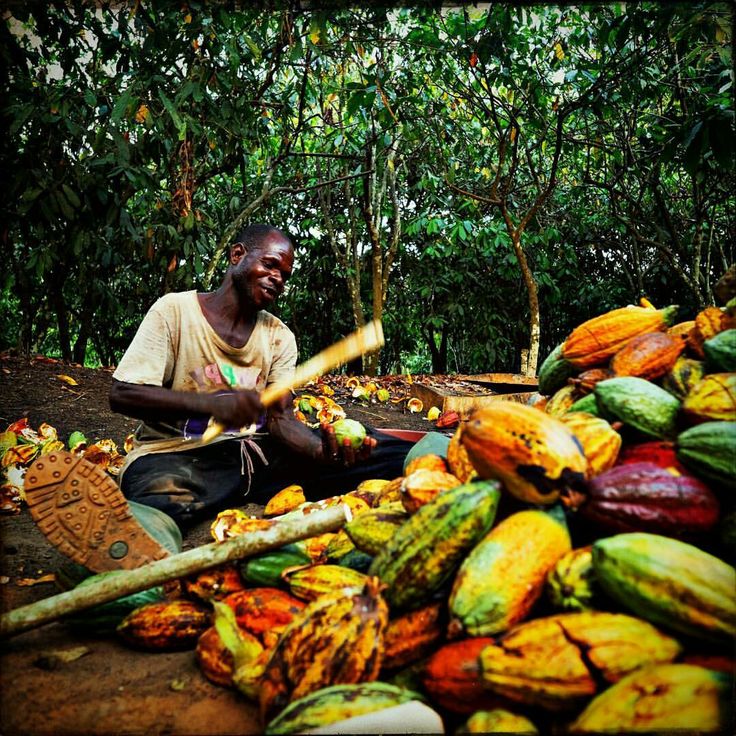
Chocolate: The Bitter Royal Medicine That Became a Treat
Chocolate did not start as a sweet. This is important context. When Hernán Cortés encountered cacao at the Aztec court of Moctezuma in the early 16th century, what he was being served was a bitter, spiced drink called xocolatl - consumed by priests and warriors, associated with the divine, and about as much like a Cadbury bar as a piece of granite is like a gentle pillow. It was not a treat. It was, in the estimation of several Spanish explorers who wrote about it, extremely unpleasant.
When cacao arrived in Europe, the Spanish court classified it as medicine - partly because 16th-century medicine was approximately as reliable as guessing, and partly because this created specific taxation and trade advantages that historians find interesting and everyone else finds tedious. Adding sugar made it more palatable, and by the 17th century, chocolate houses in London and Paris were fashionable establishments where wealthy men gathered to drink sweetened chocolate, discuss politics, and maintain a specific air of exclusivity, mostly by charging a great deal for access. Women were generally excluded (naturally). The chocolate houses of London's St. James's area eventually evolved into the private gentlemen's clubs that still exist today. The cacao farmers who made any of this possible were, as in all such stories, not invited.
The industrial revolution democratized chocolate entirely. In 1828, Dutch chemist Coenraad Van Houten invented a process for making cocoa powder; in 1847, Joseph Fry produced the first solid eating chocolate; in 1875, Daniel Peter added condensed milk and invented milk chocolate. By the early 20th century, a penny bar was available to nearly everyone. And then, because we cannot have nice things for very long, "artisanal craft chocolate" arrived, and now a small bar of something with single-origin cacao and notes of "sun-dried apricot and forest floor" costs eighteen dollars at a farmers market. The Aztecs would not have got the joke, but they would have recognized the price point.
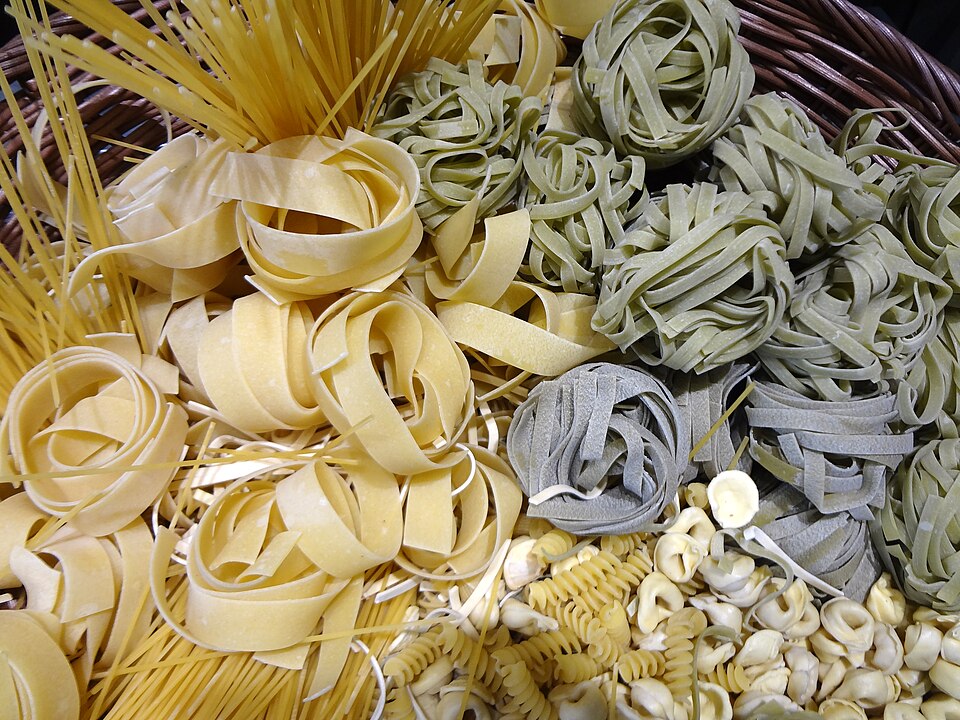
Pasta: How Peasant Food Learned to Cost Thirty Euros a Bowl
In 18th and 19th-century Naples, the urban poor were called "mangiamaccheroni" - macaroni eaters. It was not a compliment. Pasta with simple sauces was what you ate in southern Italy when you could not afford meat, which was most of the time for most people. Pasta e fagioli (pasta with beans), pasta e ceci (pasta with chickpeas), pasta with tomato and olive oil - these were not recipe concepts developed by a food writer who took a villa for August. They were survival strategies for people who had genuinely run out of alternatives.
The reversal is now complete and slightly absurd. The same pasta dishes - cacio e pepe (cheese and pepper), carbonara, amatriciana - that were assembled from the cheapest available ingredients by people who couldn't afford anything else are now served at upscale Italian restaurants in London and New York for anywhere between twenty-five and forty-five pounds per bowl, with a paragraph on the menu about where the Pecorino Romano comes from. The ingredients of your thirty-five-pound cacio e pepe cost approximately two pounds to produce. The remainder covers the ambient lighting, the provenance narrative, and the waiter's considered opinion about which pasta you should actually be ordering.
To be entirely fair: the box of dried pasta at the supermarket still costs about a pound fifty. The peasant food is still there, priced for peasants, if you are willing to make it yourself. The experience of being charged thirty-five pounds for it is entirely optional. We recommend our foods invented as medicine guide for the equally strange parallel story of how other foods made the journey from functional necessity to expensive dining experience, often via a detour through the pharmacist's shop.
Disclaimer: This article is not financial advice, investment guidance, or a recommendation to start a lobster farm. The market corrected itself in one direction for all of these foods and there is no particular reason it cannot correct back again. If oysters end up free in twenty years, this article will have aged beautifully. If they don't, at least you now have more context for why your dinner cost more than your rent did in 2014.