
Foods That Were Originally Invented as Medicine (And What They Were Trying to Cure)
There was a period in Western history - roughly the 1800s to the early 1900s - when the line between "food" and "medicine" was less a line and more a vague suggestion, and most pharmacists were also selling you your breakfast.
The foods and drinks on this list were not invented by accident, or by a chef, or even by someone primarily interested in taste. They were invented by doctors, pharmacists, and one particularly alarmed Presbyterian minister, all of whom had a specific ailment in mind and a firm belief that the kitchen was, if approached correctly, a kind of hospital ward. The ailments they were trying to cure ranged from the genuinely life-threatening (malaria) to the medically dubious (heat exhaustion in American football players) to the frankly ideological (masturbation). Some of the resulting products became staples of everyday life. Some ended up tasting excellent. Some did neither but sold very well anyway.
In every case, the original purpose would surprise you - or possibly not surprise you, if you've spent any time looking at Victorian-era medical literature, which is a genre of writing that combines genuine scientific inquiry with the confidence of someone who has absolutely no idea what they're doing and has decided that this is not going to stop them.
We've covered some of the more alarming results of food experimentation in our guide to illegal and controversial foods. This is the history of what happens when the experimentation starts at the dispensary.
Corn Flakes
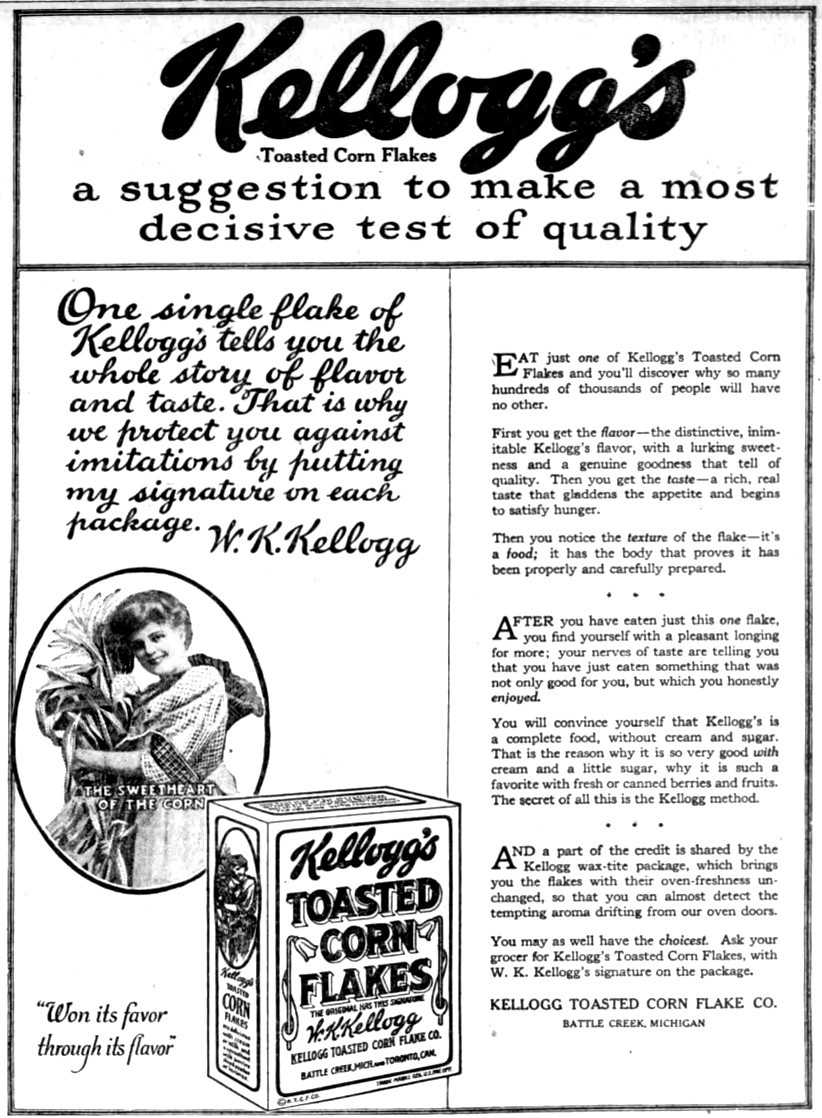
In 1894, Dr. John Harvey Kellogg was running the Battle Creek Sanitarium in Michigan, a Seventh-day Adventist health resort where patients were treated to a regime of vegetarianism, fresh air, exercise, and what Kellogg referred to as "biologic living." Biologic living, in practice, meant no meat, no alcohol, no tobacco, no coffee, no tea, no spices, and absolutely nothing that might, as Kellogg put it, "excite the passions." Kellogg was extremely concerned about the passions. He wrote an entire book about the dangers of masturbation, which he attributed to meat eating, spicy food, and general stimulation of any kind.
The corn flake was, in this context, a deliberate piece of culinary sedation. Plain, crunchy, grain-based, and completely devoid of anything that might accelerate a pulse: it was food designed not to be enjoyed, which is, if you think about it, the purest possible medical logic. The original product was unsweetened and made from wheat; his brother Will developed the corn-based version and later, over John Harvey's strenuous objections, added sugar. The sugared version sold in enormous quantities. John Harvey was furious. The commercial corn flake, as it exists today, is essentially a monument to Will's market instincts and a betrayal of everything the original invention stood for.
Kellogg's sanitarium also gave the world peanut butter, granola, and a general philosophy of wellness that was genuinely ahead of its time in some respects and spectacularly wrong in others. The corn flake has outlasted all of it. You can find it in London, Tokyo, and every hotel breakfast buffet on Earth. None of these venues prominently mention what it was for.
Graham Crackers
Roughly sixty years before Kellogg was worrying about the passions in Battle Creek, a Presbyterian minister named Sylvester Graham had arrived at the same conclusion by a different route. Graham - who gave his name to the cracker and, less directly, to a school of dietary thought that considered blandness to be morally adjacent to holiness - believed that a plain, vegetarian, high-fibre diet would suppress what he called "carnal desires," which he in turn believed were responsible for pretty much every disease known to man, including cholera, which is not primarily a dietary disease but Graham was not a man who let facts interfere with a good theory.
The Graham cracker, in its original form, was made from coarsely ground, unsifted whole wheat flour, and was entirely unsweetened. It was not meant to taste good. It was meant to calm the body down and, ideally, make it less interested in anything Sylvester Graham considered sinful. His followers, known as Grahamites, operated boarding houses across New England where the diet was strictly controlled, presumably to the deep joy of everyone staying there (this is a guess; they probably left reviews that would not survive on modern platforms).
The modern Graham cracker - sweet, honey-flavoured, made from refined flour, and best known as a component of s'mores - is so comprehensively contrary to its founder's intentions that it might as well be a different product entirely. Graham is thought to have died of complications from the very stimulants he spent his life warning others against, though this is disputed. What is not disputed is that s'mores are delicious, and that Sylvester Graham would have had several things to say about that.

Coca-Cola
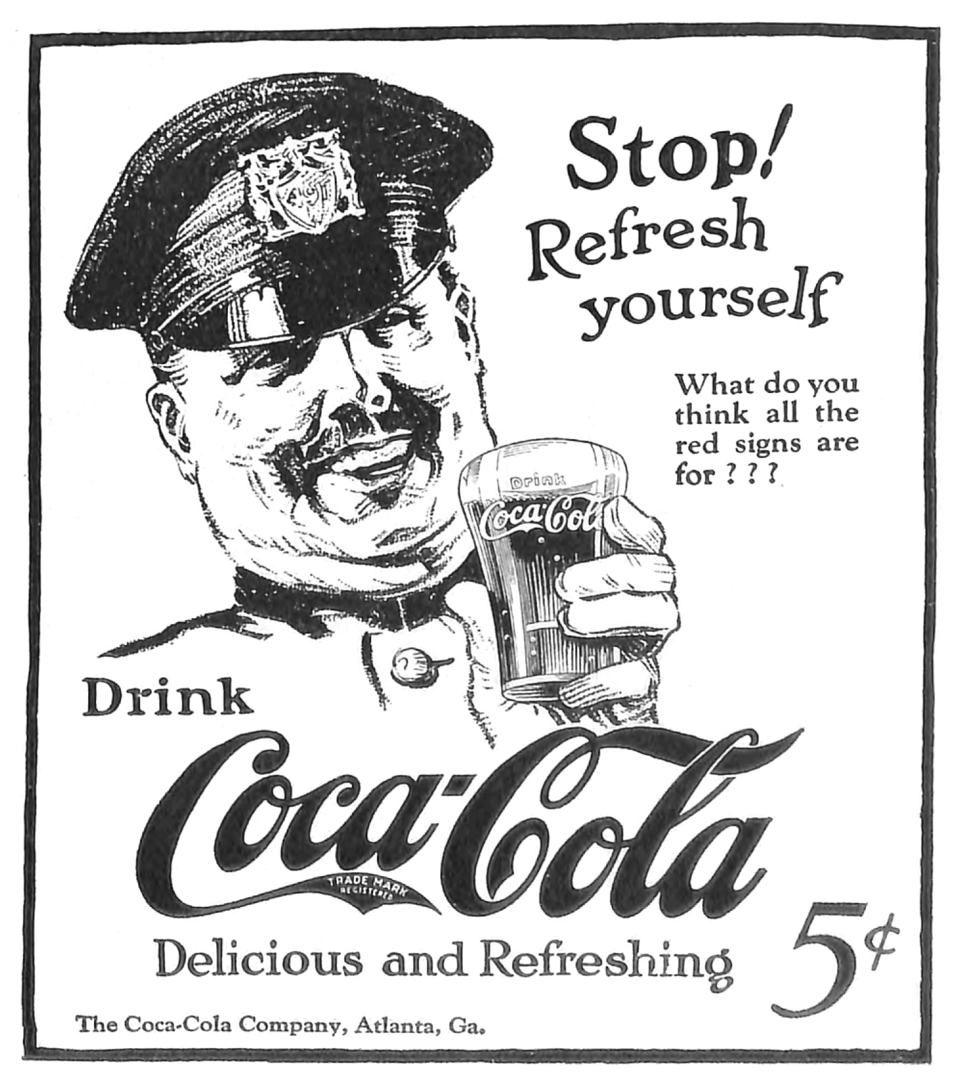
In 1886, Dr. John Stith Pemberton, a pharmacist and Confederate Army veteran in Atlanta, Georgia, was attempting to cure his own morphine addiction. He had been using morphine for pain relief since a sabre wound he received in the Civil War, and he had spent several years developing coca wine - a mixture of wine and cocaine extracted from coca leaves - which he and others believed could serve as a substitute for morphine. When Atlanta introduced Prohibition that year, Pemberton reformulated his coca wine into a non-alcoholic syrup and registered it as a patent medicine.
The original Coca-Cola formula contained two key ingredients that are worth noting: cocaine (from coca leaves) and caffeine (from kola nuts). It was marketed at pharmacies as a cure for headaches, "nervous affections," depression, impotence, hysteria, and morphine addiction - the last item being somewhat ironic given that the cure also contained cocaine, which is to say that Pemberton was treating one powerful stimulant addiction with another powerful stimulant addiction in liquid form. It retailed for five cents a glass. By this measure, it was excellent value.
The cocaine content was gradually reduced from 1903 onward and eliminated entirely by around 1929, replaced with decocainized coca leaf extract (still used today, purely for flavoring purposes). The caffeine remained. The headache cure claim also remained, as marketing claims have a somewhat longer half-life than active ingredients. Pemberton sold the rights to Coca-Cola shortly before his death in 1888 for a sum that historians describe as "far less than what it was subsequently worth," which is a sentence structure that appears repeatedly in the early history of every enormously valuable product. See also our guide to foods that started wars for more on the intersection of commerce and very bad decisions.
Tonic Water
Quinine, extracted from the bark of the cinchona tree found in the Andes, was for centuries the only effective treatment for malaria - a disease that was killing British colonial officers throughout India, Africa, and Southeast Asia with enthusiastic regularity. By the 1850s, British troops stationed in India were required to take a daily preventive dose of quinine to keep malaria at bay. This was a sensible medical precaution undermined somewhat by the fact that quinine, in therapeutic doses, tastes absolutely terrible. It is intensely bitter in a way that the word "bitter" does not fully convey, the way the word "cold" does not fully convey Siberia in February.
The British, being nothing if not resourceful when it comes to making unpleasant things palatable, solved this problem by mixing the quinine with carbonated water, sugar, and lime to create something marginally less awful. This was tonic water. It was still medicine. It was medicine that was, however, technically carbonated and technically citrusy, and some British officer - the exact individual is lost to history, which is unfortunate, because they deserve a monument - realized that adding gin made it significantly more bearable. The gin and tonic was born: a medical treatment that tasted like a drink, delivered daily to the British colonial apparatus for decades.
Modern tonic water contains approximately 83 milligrams of quinine per litre, against the therapeutic dose of around 500-1000 milligrams. You would need to drink roughly six litres of gin and tonic to achieve a prophylactic dose of quinine, which is technically possible but would constitute a different kind of medical problem. The Amsterdam bar scene has tested this hypothesis. Results were inconclusive.
Dr Pepper
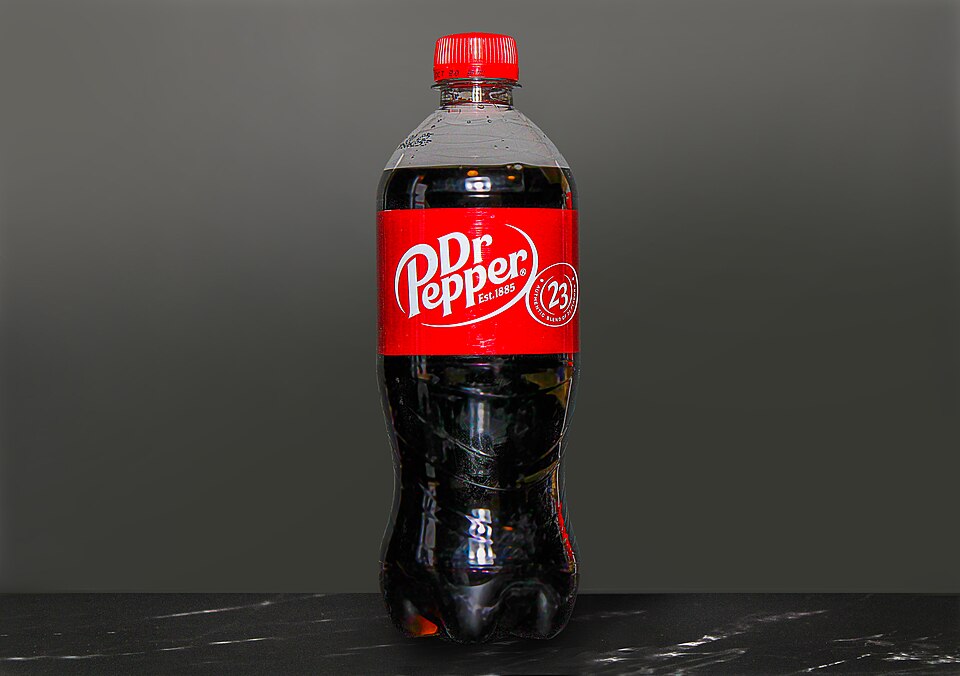
In 1885 - a year before Coca-Cola, which Dr Pepper fans are extremely keen for you to know - a pharmacist named Charles Alderton was working at Wade Morrison's Old Corner Drug Store in Waco, Texas. Alderton was experimenting with fruit syrups at the soda fountain counter, which was, in the 1880s, a perfectly normal thing for a pharmacist to do, because soda fountains were operated by pharmacies on the theory that carbonated mineral water had therapeutic properties. The result of his experiments was a drink with a distinctive, difficult-to-classify flavour - twenty-three ingredients, by the company's own account, though these have never been publicly confirmed - which Morrison began selling as a brain tonic and general invigorating beverage.
The "Dr" in the name was not an accident. It was a marketing decision, implying medical endorsement in an era when "tonic" and "doctor" appearing together on a product was considered a selling point rather than a cause for regulatory concern. The "10, 2, and 4" advertising campaign of the 1920s was explicitly medical in framing: a dubious study was cited to claim that blood sugar dropped at those times of day, and that a Dr Pepper would restore it. The study has not been independently replicated. The marketing campaign ran for decades.
Dr Pepper became one of the most popular soft drinks in the American South, and later nationally and internationally. What it was originally intended to cure - energy loss, brain fog, the general torpor of 1880s Texas - is now somewhat lost to history. It tastes, depending on who you ask, like cherry cola, or fruit punch, or something entirely its own. It does not, by most accounts, taste like medicine, which is perhaps the greatest achievement of its century-long career.
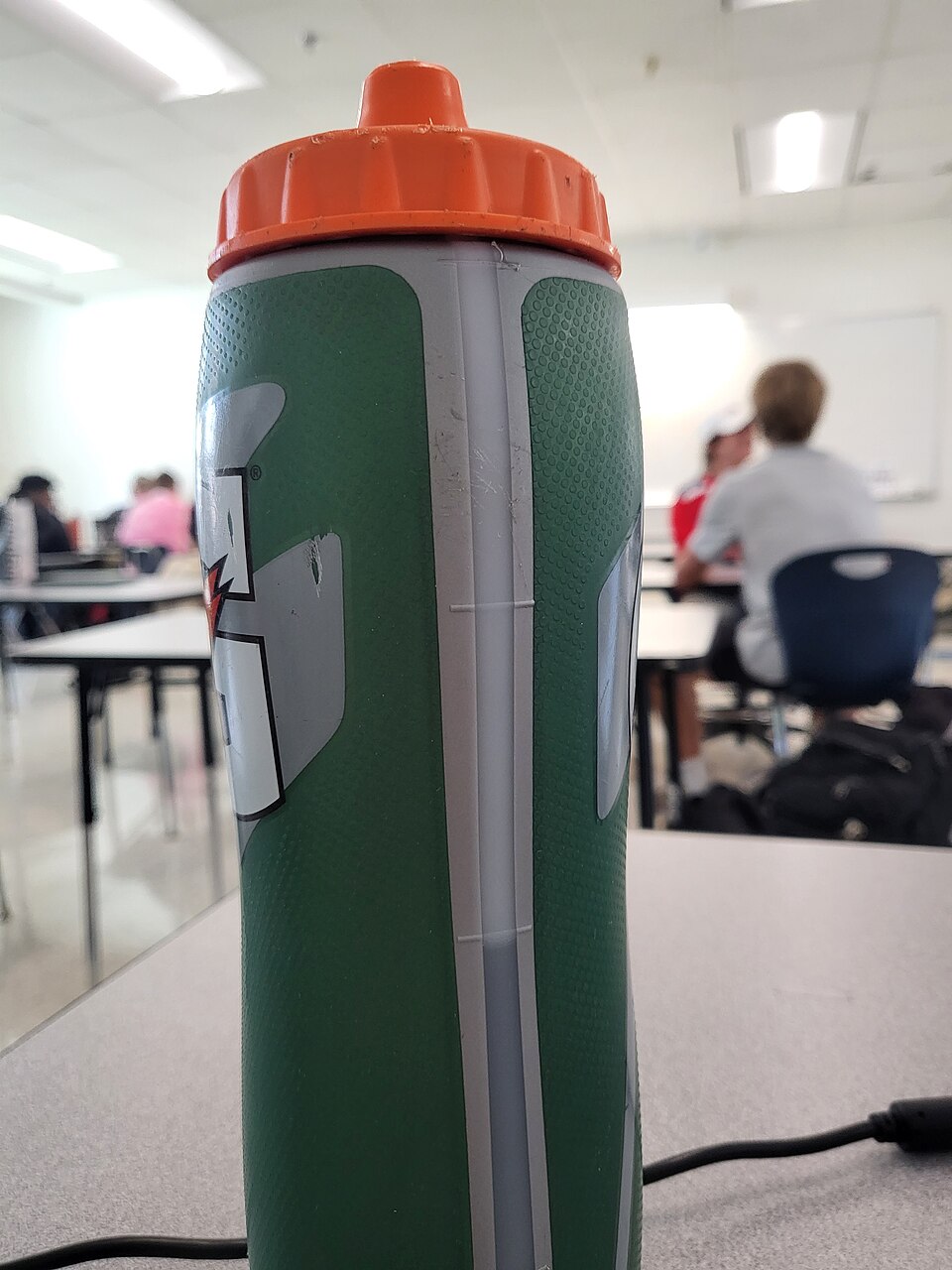
Gatorade
In 1965, the University of Florida Gators football team was suffering a problem that coaches had noticed but could not explain: players were wilting in the Florida heat at a rate that exceeded other teams, losing significant body weight during games, and - most alarmingly from a medical standpoint - not sweating or urinating much after matches, despite playing in extreme conditions. The university enlisted Dr Robert Cade and a team of researchers to investigate. What they found was severe dehydration and electrolyte depletion: the players were losing sodium, potassium, and other salts through sweat and not replacing them with water alone.
Cade's team developed a solution of water, sodium, sugar, potassium, and phosphate salts in the proportions most easily absorbed during exercise. The first batch, which players were given to test, was described by one quarterback as tasting "like toilet water." It was reformulated with lemon flavoring. It still did not taste great, but it worked - the Gators won their first Orange Bowl in 1967, leading to the quote attributed to the opposing coach: "We didn't have Gatorade. That made the difference." This quote, possibly apocryphal, became one of the most effective pieces of incidental marketing in food history.
Stokely-Van Camp bought the commercial rights to Gatorade in 1967 for $100,000 and a royalty arrangement that eventually paid Cade and his collaborators around $80 million. It is now the official sports drink of the NFL, NBA, MLB, and most major American sporting leagues, consumed at stadiums in New York and Ho Chi Minh City by people who are nowhere near as dehydrated as the 1965 Gators but enjoy the flavour. The medical origins are still visible in the formula. The fluorescent colour is harder to explain.
Pepsi-Cola
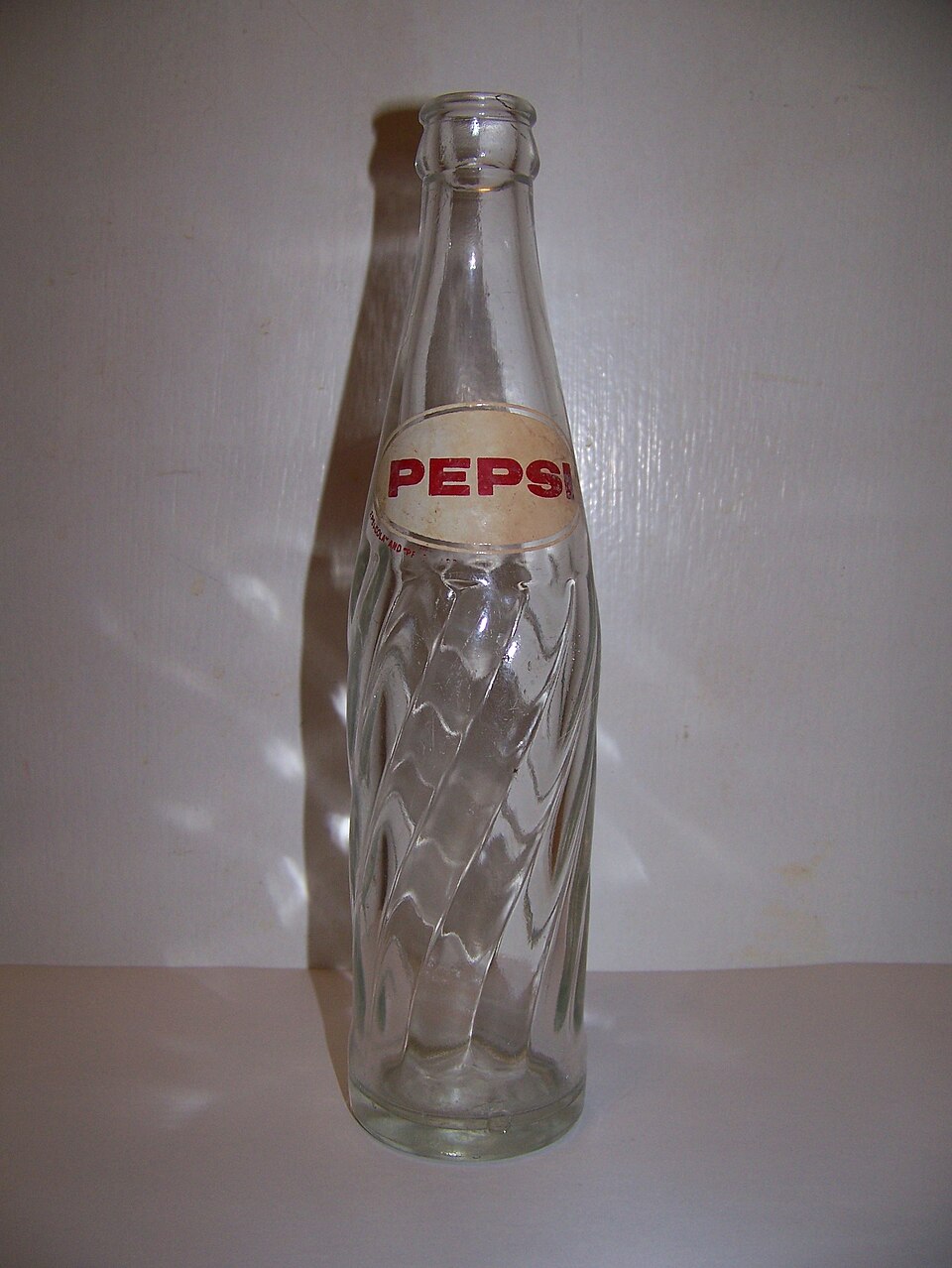
In 1893, a pharmacist named Caleb Bradham in New Bern, North Carolina, began selling a carbonated drink of his own invention at his soda fountain, initially called "Brad's Drink," which is the least exciting product name in beverage history. In 1898, he renamed it "Pepsi-Cola" - Pepsi from pepsin, a digestive enzyme found in the stomach, and Cola from the kola nut, which provided caffeine - and began marketing it as a digestive aid and energising tonic for people suffering from indigestion and fatigue. The therapeutic logic here was more straightforward than Kellogg's: carbonated water was widely believed to settle the stomach, and caffeine demonstrably increased alertness. That the pepsin enzyme was not present in any meaningful quantity in the actual drink was a detail that did not feature prominently in the marketing materials.
Bradham patented the formula in 1902 and began building a small commercial empire, which promptly collapsed in 1923 when he speculated heavily on sugar prices following World War One, assumed they would remain high, and was very wrong. Bankrupt and stripped of the brand, he spent the rest of his working life as a pharmacist in North Carolina, which is where he started. The Pepsi-Cola Company changed hands several times before stabilising under new ownership, eventually dropping the digestive-aid positioning and competing directly with Coca-Cola, with whom it has maintained a rivalry so long-running that it has its own dedicated academic literature.
The name retained its medicinal etymology even as the medicine disappeared from the bottle. "Pepsi" still means "digestion," technically, in a way that has not been relevant to actual digestion since around 1902. Whether the current product aids digestion is a matter on which the medical establishment has declined to weigh in, which is probably the most honest position available to them. See our guide to the world's weirdest drinks if you'd like to continue down this particular rabbit hole.
Disclaimer: None of the products on this list are medically endorsed by Tripbase, primarily because Tripbase is a travel website and not a medical authority. If you are currently treating malaria with gin and tonic, please increase the quinine and reduce the gin. In that order.