Slow Travel in Portugal's Alentejo: The Region That Refuses to Hurry
There is a region in Portugal where the most exciting thing that happens on any given Tuesday is a cork oak slowly growing its bark back. This is not a criticism. This is the entire point. Alentejo - the vast, sun-blasted, golden-grassed interior south of Lisbon - is what happens when a landscape decides it has absolutely nothing to prove and would you please stop rushing around, you're making the sheep nervous.
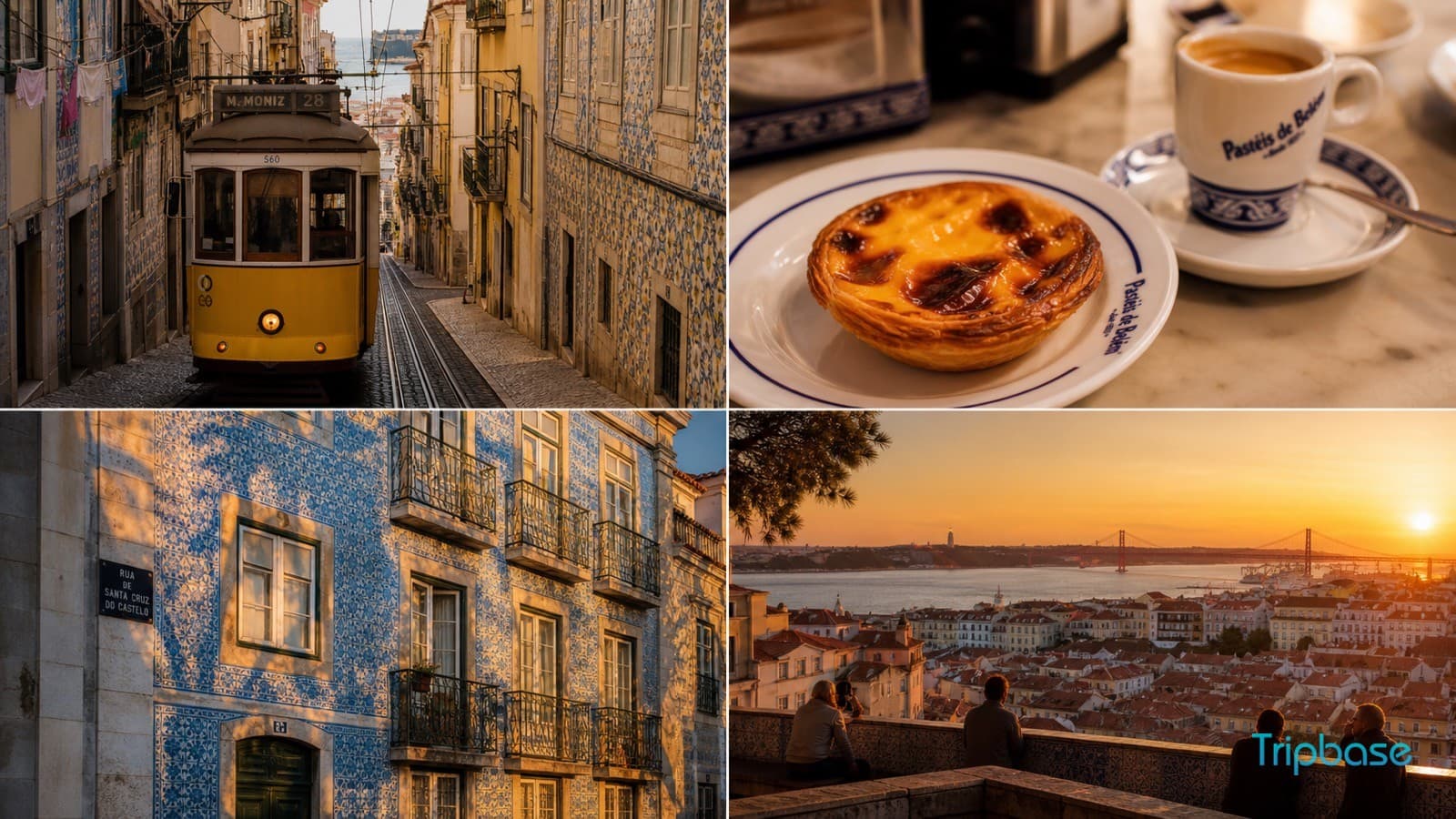
If you've spent any time in Lisbon recently, you'll have noticed that it's become the kind of city where you can't throw a pastel de nata without hitting someone's Instagram tripod. Alentejo is the opposite of that. It's two hours from Lisbon and approximately four hundred years from the concept of a selfie stick. People come here to eat bread soup, drink wine that costs less than water in Shoreditch, and stare at cork trees until their blood pressure drops to levels their doctors thought were theoretical.
The Cork Oak Situation
Alentejo produces more than half the world's cork. Let that sink in. Every wine bottle you've ever opened, every cork board in every sad office break room, every pair of Birkenstocks - there's a reasonable chance the material came from a tree that is currently standing in a field in Alentejo, looking magnificent, being ignored by a cow.
The cork oaks are extraordinary. They're harvested every nine years by hand - by actual men with actual axes, in a process that hasn't meaningfully changed since the 18th century. The freshly stripped trunks are a raw, startling red-orange that looks like the tree has been skinned alive, which, to be fair, it basically has. Poor tree. It grows back. The trees live for 200+ years and seem entirely unbothered by the whole arrangement, which is more than can be said for most of us when someone asks for a small favor.
You'll drive past thousands of them. They'll all look the same. You will somehow not get bored. This is the Alentejo effect: the landscape is so monotonously beautiful that it resets your entire attention span. After three days, watching bread rise feels like an action movie.
Acorda and the Gospel of Bread Soup
Alentejano cuisine was invented by people who had bread, garlic, olive oil, water, and a willingness to make it work. Acorda - which is, let's be honest, bread soup - is the foundational dish: stale bread soaked in a broth of garlic, coriander, olive oil, and water, topped with a poached egg. It sounds like poverty food because it is poverty food. It is also, when made properly, one of the most satisfying things you can eat, and I will fight anyone who disagrees.
The broader Alentejano food philosophy is: take simple ingredients, apply heat and centuries of stubbornness, produce something that makes fancy food look like it's trying too hard. Migas (breadcrumbs fried with pork fat and garlic - essentially a heart attack in a clay pot, and worth every arterial risk). Carne de porco a alentejana (pork and clams together, which sounds like a dare but is actually genius). Sericaia (a cinnamon egg custard dessert that exists to make you briefly consider moving to a region where the nearest airport is a two-hour drive).
Meals in Alentejo take a minimum of two hours. Not because the food takes long to prepare - it's usually been simmering since dawn - but because nobody here is in a hurry. Your waiter will bring you bread and olives and then vanish for twenty minutes. This is not neglect. This is the pace. Adjust your expectations or suffer.
Wine That Doesn't Need a Marketing Department
Alentejo makes some of Portugal's best wines, and they cost almost nothing. A bottle that would be $40 in a Lisbon wine bar is $8 at the cellar door. The reds are big, sunbaked, full-bodied - they taste like the landscape looks, which is to say warm and slightly drowsy. The whites are surprisingly crisp given that the region's average summer temperature is "surface of the sun."
The wineries (adegas) are not the kind of manicured, reservation-only estates you find in Napa or Bordeaux. Many of them are just... buildings. In fields. With a person inside who will pour you wine and seem mildly confused that you're there. Some of the best wine I've ever had was served to me by a man in rubber boots who appeared to have just come from doing something agricultural and who spoke to me entirely in Portuguese, which I do not speak. We understood each other perfectly because wine is a universal language, and also because he kept filling my glass, which is the kind of communication that needs no translation.
The Herdade do Esporao and Adega da Cartuxa are the big names, and they're excellent, but the real joy is in the anonymous roadside adegas where you buy wine by the liter from a spigot and carry it home in a plastic jug like a medieval peasant who has absolutely nailed the work-life balance.
Medieval Villages Where Time Goes to Die
Alentejo's hilltop villages were built in the 13th and 14th centuries by people who wanted to see their enemies coming, and they haven't changed much since. Monsaraz sits on a ridge overlooking the Alqueva reservoir (Europe's largest artificial lake, for those who collect lake facts) and has a permanent population of about 150 people, most of whom appear to be over seventy. The streets are cobbled, the houses are whitewashed, and the whole place looks like a film set for a movie about a place where nothing happens beautifully.
Marvao is perched on a granite cliff at 860 meters and has views that would make a grown adult weep, which I can confirm because I am a grown adult and I wept. The castle is free to enter. You can see Spain from the walls. Spain looks the same as Portugal from up there - brown, flat, hot - but somehow knowing you're looking at another country makes it more interesting, which says something about the human need for borders that I'm not qualified to analyze.
Evora is the big one - a UNESCO World Heritage city with Roman temples, a cathedral, and a chapel decorated entirely with human bones (the Capela dos Ossos, where Franciscan monks arranged the skeletons of 5,000 people into walls and pillars, probably as a meditation on mortality but also possibly because they were profoundly weird). The sign at the entrance reads: "We bones that are here, for yours we wait." Cheerful stuff. Excellent day out.
The Dark Sky Reserve and the Absence of Everything
The Alqueva Dark Sky Reserve is one of the few places in Western Europe where you can see the Milky Way with your naked eyes. This is because there is nothing in Alentejo that produces light pollution, because there is - and I say this with tremendous affection - nothing in Alentejo. The darkness is absolute. The stars are absurd. You will lie on your back in a field and feel the specific existential vertigo of realizing how small you are relative to the universe, and then you will go inside and eat bread soup, and the vertigo will pass.
Several accommodations offer stargazing packages, which means someone gives you a blanket and points at the sky. This is a service you are paying for. It's worth it. Sometimes the simplest experiences are the most expensive, and sometimes they cost forty euros including dinner, and Alentejo is mercifully the latter.
The Rota Vicentina: Walking as a Personality Trait
The Rota Vicentina is a network of walking trails along the southwest coast where Alentejo meets the Atlantic. The Fishermen's Trail hugs the cliffs - properly dramatic, vertigo-inducing cliffs - through landscapes that look like Ireland if Ireland had been left in the oven too long. Wild rosemary, crumbling sandstone, waves smashing into sea stacks with the kind of violence that makes you instinctively step back from the edge.
This is where Alentejo stops being sleepy and starts being genuinely dramatic. The coast is wild, undeveloped, and protected - no high-rises, no beach bars playing EDM, no jet skis. Just empty beaches accessible by dirt tracks, where the most crowded it gets is maybe twelve people, four of whom are German hikers with trekking poles and the other eight are Portuguese families who somehow transported an entire kitchen to the sand.
You can walk the trail in sections, staying in guesthouses in villages like Zambujeira do Mar and Porto Covo, where the nightly rate is about what you'd pay for a cocktail at a rooftop bar in Lisbon.
Thermal Baths and the Science of Doing Nothing
Alentejo has thermal springs because the earth here is apparently as relaxed as the people and just... leaks warm water. The thermal baths at Cabeço de Vide and Sulfurea are not fancy - we're not talking about the kind of curated wellness experience where someone charges you ninety euros to sit in a room that smells like eucalyptus while a speaker plays whale sounds. These are functional, slightly old-fashioned thermal facilities where the water is warm, the facilities are clean, and nobody is trying to sell you a "journey."
This is, in many ways, the thesis of Alentejo as a travel destination: it delivers the thing itself without the packaging. The food is the thing, not the presentation. The wine is the thing, not the label. The experience is the experience, not the Instagram post about the experience. In a travel landscape increasingly dominated by the performance of travel, Alentejo is aggressively, almost stubbornly real.
How to Actually Do This
Rent a car in Lisbon. Drive southeast for two hours. Stop when the landscape becomes golden and the road becomes empty. You're in Alentejo. There is no Uber. There is limited public transport. A car is not optional - it is the difference between seeing Alentejo and seeing the bus station in Evora, which, while fine, is not the point.
Stay in a monte - a converted farmhouse - for 60-100 euros a night. Eat at restaurants that don't have websites. Drink wine that doesn't have reviews. Visit a village, walk around it in fifteen minutes, sit in the square for an hour. Drive to the next village. Repeat until your nervous system has fully recalibrated and the idea of checking your email feels like a distant memory from a worse life.
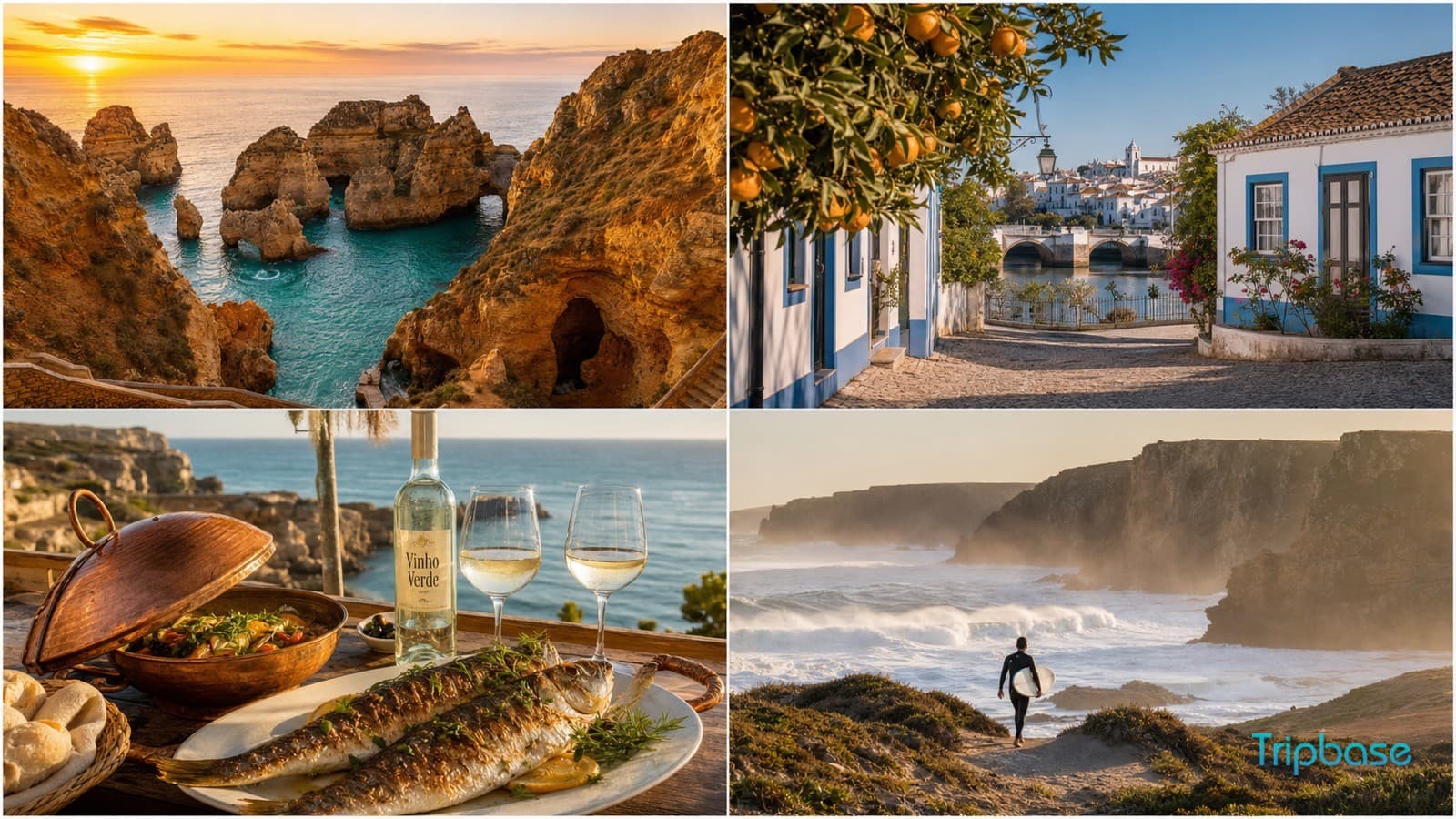
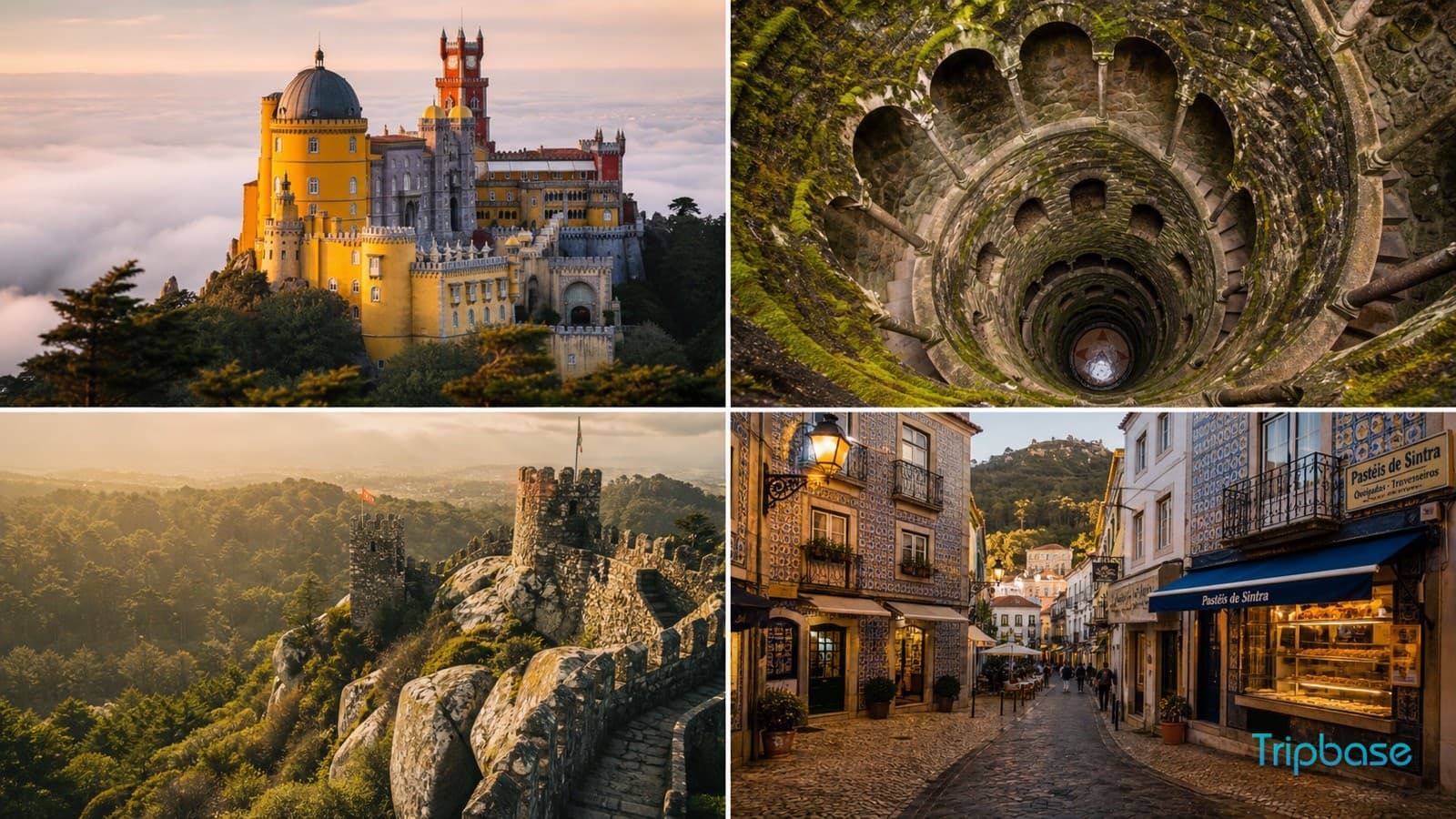
If you need the coast eventually, the Algarve is to the south, and Sintra's fairy-tale palaces are back up north near Lisbon. But honestly, give Alentejo a week. It won't give you content. It won't give you stories that make your friends jealous. It will give you the far more valuable gift of having absolutely nothing to report, in the best possible way.
For more on eating your way through a destination as a form of cultural immersion (rather than, you know, just being hungry), see our guide on eating like a local.