Porto Beyond the Postcards: Where the City Actually Lives
Porto is one of those cities that Instagram has essentially flattened into a single image: blue tiles, a port wine glass catching golden hour light, and the Douro River doing its best impression of a Renaissance painting. Which is fine, I suppose, if your idea of travel is collecting the same photograph seven million other people already have. But Porto - real Porto, the one that smells like grilled sardines and echoes with the sound of someone's grandmother yelling across a narrow street - exists about three turns away from wherever your walking tour ends. It's darker, steeper, occasionally structurally questionable, and infinitely more interesting.
The Cliffside Neighborhoods That Will Destroy Your Knees
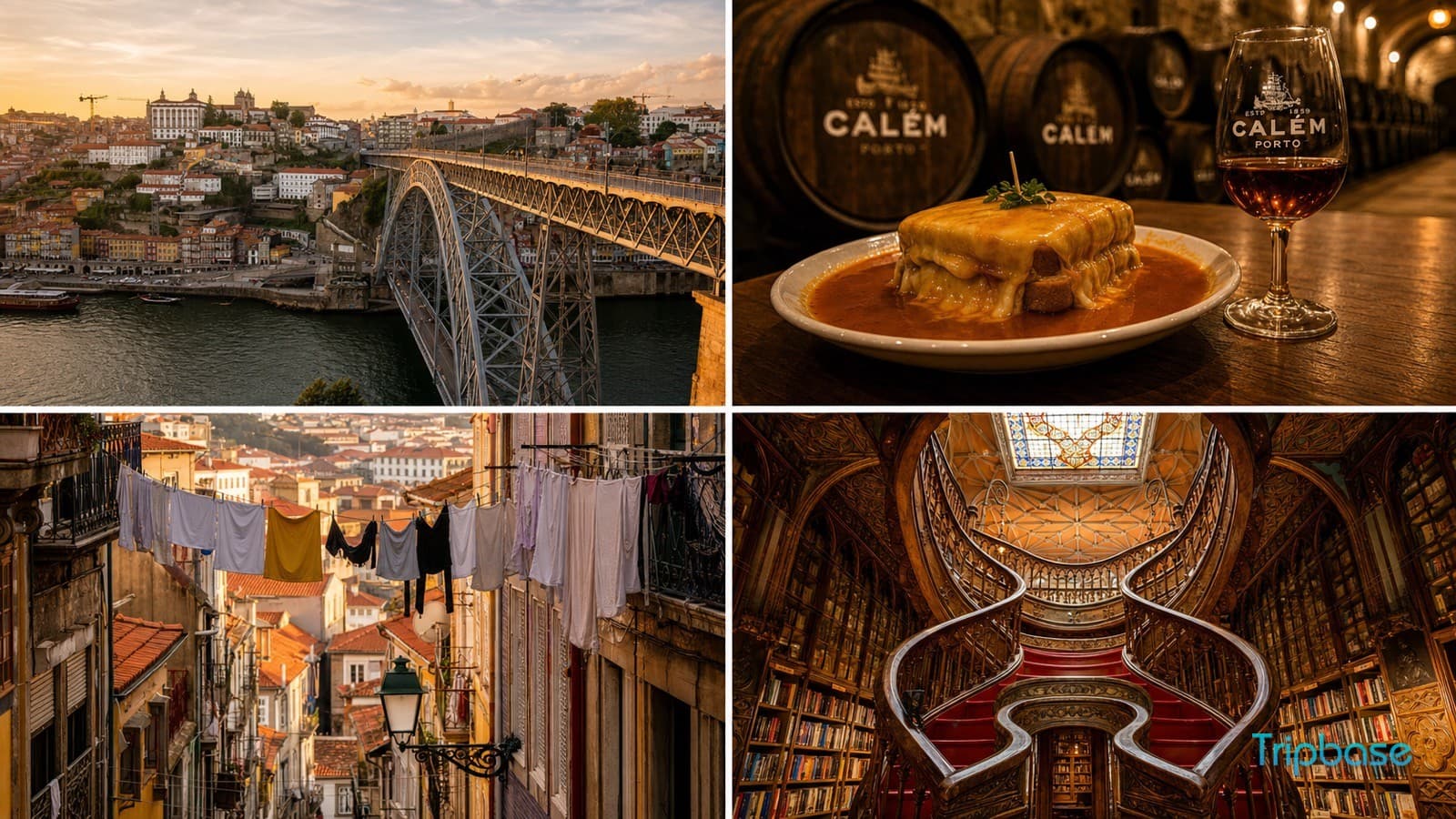
Let's start with Fontainhas, a neighborhood that appears to have been built by someone who lost a bet with gravity. The houses cling to the cliff face above the Douro with the desperate optimism of a cat on a curtain, stacked in improbable layers of crumbling plaster and wrought-iron balconies draped with laundry that will never fully dry. The streets - and I use that word generously - are essentially staircases with ideas above their station. You will be out of breath within four minutes. You will question your life choices. You will also see one of the most spectacular views of the river that exists anywhere in southern Europe, completely free of charge, shared only with a stray cat and possibly someone's grandfather who has been sitting in the same chair since 1987.
Miragaia, just west along the river, is Fontainhas' slightly more put-together cousin - the one who actually brushed their hair before leaving the house. It's a former fishermen's quarter that still retains the narrow-lane, low-rise character that the rest of Porto is slowly renovating into oblivion. There are tiny grocery shops here that sell nothing you recognize and everything you need. There are also some genuinely excellent restaurants that haven't yet been discovered by the sort of person who photographs their meal from four angles before eating it, which means they might still be affordable by the time you read this. (No promises. Gentrification moves faster than I can type.)
Street Art That Isn't Asking You to Live, Laugh, Love
Porto has a street art scene that exists in that perfect sweet spot between "sanctioned mural project" and "someone did this at 3 AM with stolen spray paint." The Cedofeita creative quarter is the epicenter, a neighborhood that has undergone the classic urban transformation from "kind of dodgy" to "artisanal everything" but has, miracle of miracles, managed to retain some actual grit in the process. Rua de Miguel Bombarda is the main artery - galleries, design shops, and cafés that serve flat whites with the solemn reverence of a religious ceremony. But wander off the main drag and you'll find enormous murals wrapping entire buildings, paste-ups in alleyways, and the occasional piece of art so aggressively weird that you'll stand in front of it for a full minute trying to decide if it's brilliant or an actual cry for help.
The Half Rabbit gallery and the various pieces commissioned by the city's arts council have turned entire façades into canvases. It's the kind of street art that makes you feel vaguely cultured just for walking past it, which is a sensation I actively seek out to compensate for my other life choices.
The €8 Lunch Menu: Porto's Greatest Contribution to Civilization
Forget the Discoveries. Forget the Baroque churches. Porto's single greatest gift to humanity is the prato do dia - the daily lunch menu at a tasca, which for somewhere between €7 and €10 will get you soup, a main course, bread, a drink, and sometimes dessert or coffee. The main will be something like grilled pork chop, or bacalhau prepared in one of Portugal's alleged 365 ways, or arroz de pato (duck rice, which sounds simple and is in fact transformative). The bread will be excellent. The wine will be from a box and it will be completely fine. The entire experience will take place in a room with fluorescent lighting, paper tablecloths, and a television playing football at a volume that suggests the owner is partially deaf. It is, without exaggeration, one of the best meals you will eat in Europe.
The trick is finding the right tascas, which is actually not tricky at all: look for the ones packed with construction workers at 12:30 PM. If there is no menu in English, you're in the right place. If the waiter seems mildly irritated by your existence, you are definitely in the right place. These spots exist all over the city but concentrate in the Bolhão market area, Cedofeita, and the streets around the university. You should eat like a local here because the locals have been doing it right for centuries, and you haven't.
The Francesinha: A Sandwich That Wants You Dead
We need to talk about the francesinha, Porto's signature dish and possibly the most aggressively calorific thing ever constructed between two slices of bread. It is, at its core, a sandwich - in the same way that a tsunami is, at its core, a wave. Layers of cured ham, fresh sausage, steak, and sometimes a fried egg, all entombed in melted cheese and then drowned in a spicy beer-and-tomato sauce that varies from restaurant to restaurant and is guarded with the kind of secrecy usually reserved for nuclear codes. It is served with chips that swim in the sauce like tiny fried lifeboats. It will sit in your stomach like a depth charge for approximately fourteen hours.
It is also, and I cannot stress this enough, absolutely magnificent. The best versions create a kind of savory delirium - a heat-cheese-meat feedback loop that temporarily disables the part of your brain responsible for self-preservation. Café Santiago and Bufete Fase are the classic recommendations, and for once the tourist consensus is correct. Order a francesinha, order a Super Bock, accept your fate.
The Douro Valley by Train (Because You're Not a Millionaire)
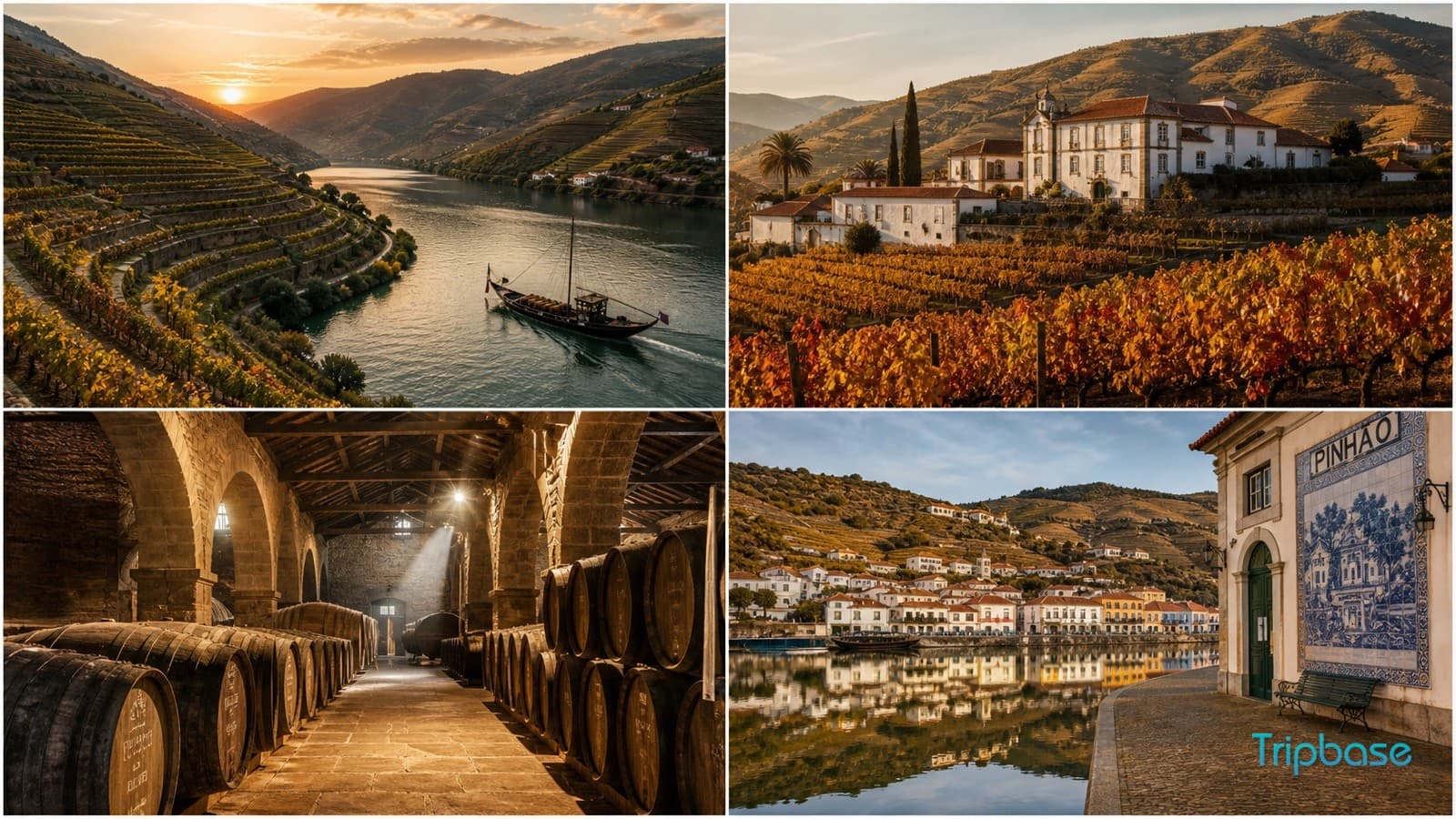
Every travel publication on earth will suggest you experience the Douro Valley via a luxury river cruise or a private tour with wine tastings at €200 a head. This is lovely if you're the sort of person who has €200 lying around for a Tuesday afternoon, which - and I'm making assumptions here - you probably aren't, because you're reading a travel article on the internet rather than having your butler arrange things. The alternative is the train from São Bento station to Pinhão or Pocinho, which costs somewhere around €15 each way, takes about two and a half hours, and runs directly along the river through some of the most staggeringly beautiful landscape in all of Portugal.
The terraced vineyards rise from the water in neat geometric lines that have been there since the 18th century. The river turns and narrows and widens. You will pass through tunnels cut into solid rock and emerge blinking into valleys so pretty they look computer-generated. Pinhão is the obvious stop - a tiny town surrounded by quintas (wine estates) where you can taste port and still wine for a few euros. Some even offer lunch. You can do the whole thing as a day trip from Porto and be back in time for, yes, a francesinha. The Porto-Douro region is absurdly accessible if you just take the train like a normal person.
Matosinhos: Where Porto Goes to Eat Fish
Matosinhos is Porto's beach suburb, reachable in about twenty minutes on the metro, and it exists for one primary purpose: the consumption of grilled seafood in quantities that would alarm a cardiologist. Rua Heróis de França is the main strip - a road lined on both sides with restaurants that are, functionally, identical: outdoor grills billowing smoke, paper-covered tables, and waiters who will bring you a plate of grilled fish the approximate size of a small dog. You don't really choose a restaurant here so much as sit down at whichever one has a free table and accept whatever fish was caught that morning.
The fish is almost always sea bass (robalo), sea bream (dourada), or sardines, grilled whole over charcoal and served with boiled potatoes, salad, and enough olive oil to lubricate a small engine. It's simple in the way that only things requiring genuine skill can be simple. The bill will make you wonder if there's been a mistake. There hasn't. This is just how Matosinhos works, and it is one of the best arguments I know for Portuguese civilization.
Port Wine Lodges: Getting Mildly Drunk Before Noon, Respectably
Crossing the Dom Luís I bridge to Vila Nova de Gaia to visit the port wine lodges is technically the most touristy thing you can do in Porto, and I'm going to recommend it anyway because, fundamentally, it involves tasting port wine in a dark cellar at 11 AM and calling it culture. The big names - Taylor's, Graham's, Sandeman - are polished, professional, and charge accordingly. But the smaller, less-visited lodges offer tastings that are cheaper, quieter, and often guided by someone who actually seems to enjoy being there rather than reciting a script for the four hundredth time that week.
The real move, honestly, is to skip the formal tasting entirely and just order a glass of tawny at one of the lodge bars overlooking the river. A 10-year tawny at sunset, with the whole of Porto's ribeira glowing across the water - that's the postcard moment, except you're actually living it instead of photographing it for strangers.
Livraria Lello: Yes, Fine, Go
Livraria Lello is the famous bookshop with the red staircase that may or may not have inspired J.K. Rowling, a claim that has been repeated so many times it has achieved the status of fact regardless of its accuracy. It now charges €5 for entry, which is redeemable against book purchases - a system that is either a reasonable way to manage crushing overcrowding or a bookshop charging admission, depending on your generosity of spirit. The interior is genuinely beautiful, all carved wood and stained glass, and if you go early on a weekday you might actually be able to appreciate it rather than being pressed against a wall by forty people trying to take the same photograph of the staircase.
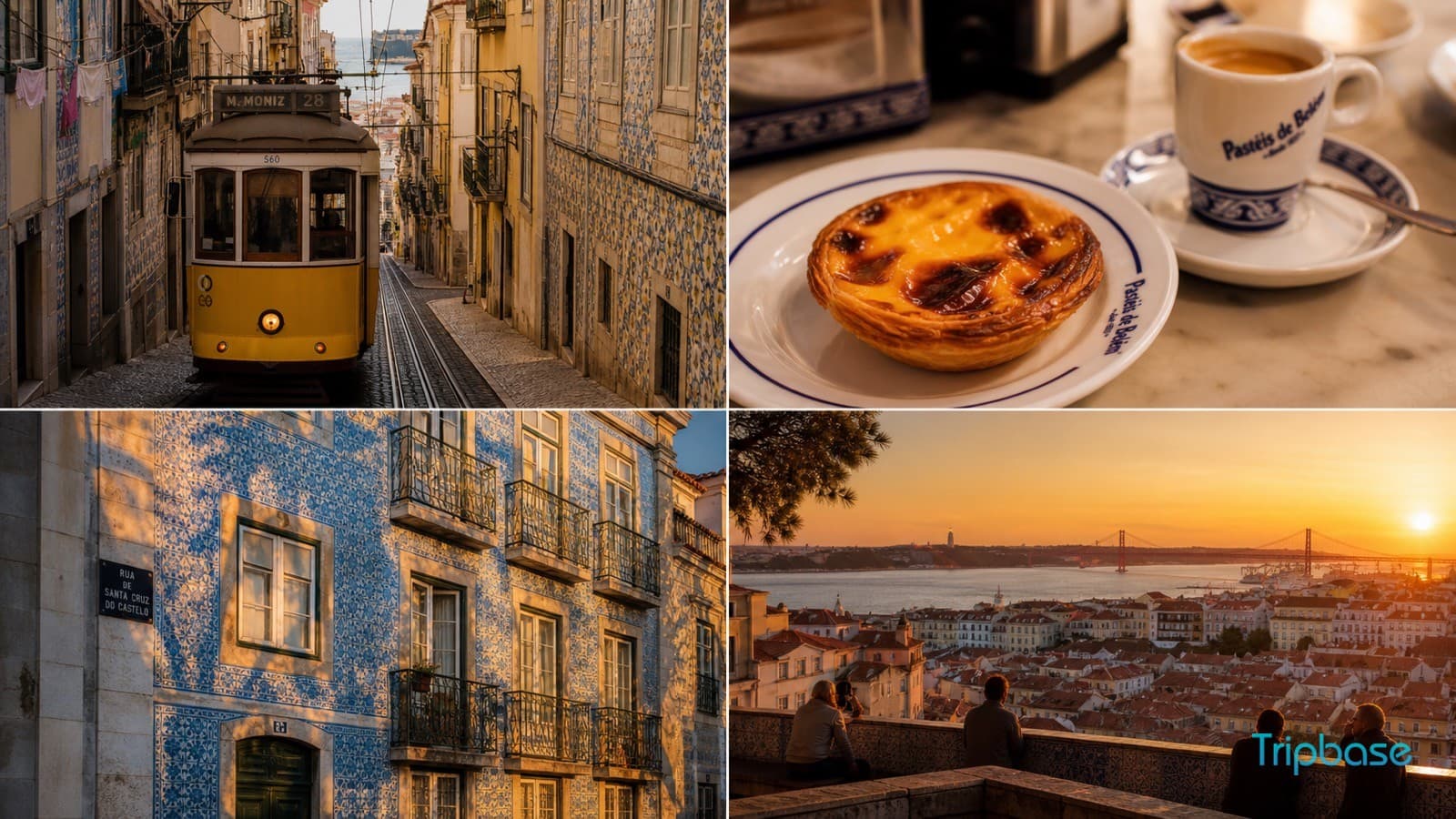
Buy a book. It's a bookshop. That's what they're for. Then go outside and walk downhill to a tasca and spend the €8 you just saved by not eating at a tourist restaurant near the tower. Lisbon gets all the attention, but Porto is where Portugal goes to be itself - unbothered, slightly rough around the edges, and absolutely certain that its sandwich is better than yours.