Lisbon Beyond Alfama: The Neighbourhoods Where Locals Actually Live
Alfama is lovely, in the same way that a museum is lovely - beautiful, well-preserved, and absolutely heaving with people who don't live there. The last time I walked through Alfama on a Saturday afternoon, I counted more selfie sticks than actual residents, which is a census methodology I've invented and stand behind. Lisbon's oldest neighborhood has been so thoroughly colonized by tourism that the fado you hear drifting from doorways is now statistically more likely to be a Spotify playlist from a vacation rental than an actual person singing about the sea taking their lover (which is, for the record, what approximately 80% of fado songs are about).
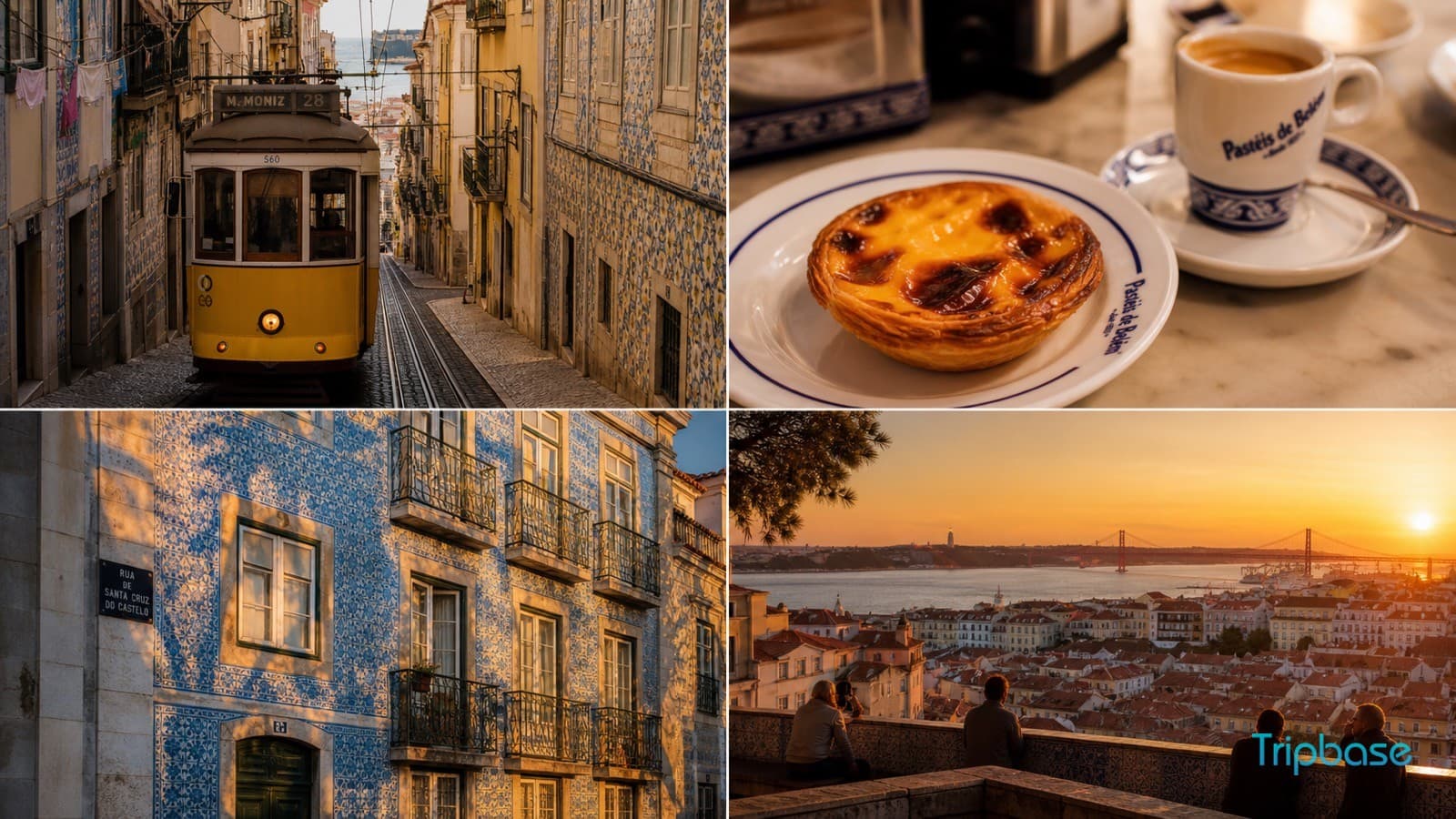
This is not Alfama's fault. Alfama is gorgeous. But Lisbon is a city of neighborhoods, and the ones where people actually live, eat, argue with their neighbors, and hang laundry from their windows are far more interesting than the ones where people take photos of other people's laundry. So here's where to go instead.
Mouraria: Where Fado Was Born and Nobody Knows Your Name
Mouraria is where fado actually originated - not in the tourist restaurants of Alfama where a three-course meal with live music costs forty euros and the emotional authenticity of the performance is, shall we say, negotiable. Mouraria is named for the Moors who were segregated here after the Christian reconquest of Lisbon in 1147, which is both historically fascinating and, given what gentrification is doing to the neighborhood now, grimly ironic.
Today, Mouraria is Lisbon's most multicultural neighborhood. Within about four blocks you can eat Bangladeshi curry, Mozambican prawns, Chinese dumplings, and traditional Portuguese bifana (pork sandwich, aggressively seasoned, consumed standing up, no further questions). The Mercado de Fusao, when it's running, is a food market where immigrant cooks serve dishes from their home countries at prices that would make a food hall in London weep with shame.
The streets are steep, crumbling, covered in graffiti that ranges from genuine street art to territorial markings of unclear origin, and populated by a mix of elderly Portuguese women in black, hipsters who've been priced out of Principe Real, and families from Cape Verde and Bangladesh who've been here for decades. It's messy and real and smells like twelve different cuisines at once, which is either overwhelming or magnificent depending on your relationship with sensory input.
Wander up to the Miradouro da Graca for sunset. Or don't. Mouraria doesn't care what you do. That's the appeal.
Graca: Old People, Good Views, Better Pastries
Graca is what happens when a neighborhood is too steep for mass tourism. The hills here are not the gentle, Instagram-friendly inclines of Chiado - they are full-commitment, cardiovascular-event-grade slopes that thin out the crowds with ruthless efficiency. By the time you reach the top, your calves will be burning and most of the day-trippers will have turned back, which means the viewpoints are yours.
The Miradouro da Graca and the Miradouro da Senhora do Monte offer the best views in Lisbon, and I will die on this hill (possibly literally, given the gradient). The light in the late afternoon turns the city pink and gold, the Tagus glitters, and the only sound is elderly residents having conversations at a volume that suggests either intense disagreement or profound affection - in Portuguese, these are acoustically identical.
Graca is an old neighborhood in both senses: the buildings are old, and the people are old. This is not a criticism. It's a neighborhood where the average resident has been living in the same apartment for forty years and has no interest in your boutique hotel or your artisanal gin bar. The padarias (bakeries) sell pastries for one euro that are better than anything in the tourist-trap cafes downtown. There's a woman who sells ginjinha (sour cherry liqueur) from a window. The transaction takes about eight seconds and improves your entire day.
The Feira da Ladra flea market spills across the Campo de Santa Clara on Tuesdays and Saturdays. It sells everything from genuine antiques to what can only be described as "stuff someone found in their dead aunt's attic." The quality ranges from museum-worthy to actively cursed. Bring cash and low expectations, and you'll have a wonderful time.
Arroios: Lisbon's Most Interesting Meal
Arroios was recently named the "coolest neighborhood in Lisbon" by Time Out, which is either a recommendation or a death sentence depending on how you feel about publications that rank neighborhoods. For now, it's still more local than hype, largely because it's not conventionally pretty. There are no pastel-colored buildings here. No azulejo-tiled facades that photograph well. Just regular streets with regular buildings full of restaurants run by people from everywhere.
The food in Arroios is the most diverse in Lisbon, which means it's the most diverse in Portugal, which means - given Portugal's relatively homogeneous food culture outside of Lisbon - it's operating in a different dimension entirely. Nepalese momos. Indian thalis. Chinese hot pot. African churrasqueiras where the piri-piri chicken is so good it should probably be classified as a controlled substance. A single street can take you from Goa to Guangzhou to Guinea-Bissau, and none of these restaurants have a social media presence because they're too busy being excellent.
Cervejaria Ramiro is technically in the Arroios-adjacent area and is Lisbon's most famous seafood restaurant, but the wait is now two hours on a weekday because every food blogger on earth has written about it. Skip it. Walk three blocks in any direction and find a place with no line that serves food that's 90% as good for 50% of the price. This is the Arroios way.
Marvila: Warehouses, Beer, and Aggressive Coolness
Marvila is Lisbon's former industrial zone, which means it's now Lisbon's art-and-craft-beer zone, because the gentrification playbook is the same in every city on earth: abandon warehouse, add murals, install brewing equipment, charge nine euros for an IPA, call it "urban renewal." I'm being cynical. Marvila is genuinely good. I just wish we could skip the part where every repurposed industrial space on the planet follows the exact same aesthetic trajectory as a Brooklyn brewery circa 2015.
That said: the Marvila beer scene is legitimately excellent. Dois Corvos and Lince are the anchors - proper craft breweries in proper warehouses with proper beer that doesn't mess around. Underdogs is a gallery-bar-music venue that hosts events ranging from noise art to comedy nights, and where the crowd is young, international, and dressed in a way that suggests they've all independently decided that looking slightly disheveled is an art form.
The warehouses along the waterfront have been converted into gallery spaces, studios, and the kind of "creative hubs" that either represent the future of urban culture or the commodification of everything interesting, depending on whether you've had two beers or four. The Beato Creative Hub is the biggest - a former military complex now housing restaurants, co-working spaces, and events. It's impressive in scale and slightly exhausting in concept.
What saves Marvila from being just another hipster district is that the gentrification is still patchy. Walk two blocks from a craft brewery and you're in a residential street where grandmothers yell at each other from balconies and a man sells fish from a van. The juxtaposition is jarring and honest and more interesting than either world on its own.
Intendente: The Square That Came Back
Ten years ago, Intendente was the kind of place Lisbon residents told you not to go. Drugs, petty crime, general sadness - the Largo do Intendente was a square that the city had essentially written off. Then someone put in a cafe, someone else opened a ceramics shop, the city renovated the square, and now it's one of the most pleasant spots in central Lisbon. This is either a heartwarming story of urban renewal or a case study in how quickly "revitalization" can tip into displacement, and it is, of course, both.
The square itself is beautiful - wide, tiled, anchored by the Ceramica Viuva Lamego building (blue and white tiles, looks like a giant piece of crockery, impossible to miss). Cafes line the edges. On warm evenings, which in Lisbon means roughly 250 evenings per year, the square fills with people drinking beer and eating snacks from the surrounding restaurants. It's social without being performative, lively without being loud, and central without feeling touristic.
Casa Independente, a bar and cultural space in a converted palace, hosts everything from DJ nights to poetry readings to craft fairs. It has the energy of a place that's still figuring out what it is, which is vastly more interesting than a place that figured it out, printed it on a tote bag, and now sells it for fifteen euros.
Campo de Ourique: The Neighborhood That Doesn't Need You
Campo de Ourique is where Lisbon goes to be quietly, contentedly boring, and I mean that as the highest possible compliment. It's a residential grid of tree-lined streets, independent shops, and a market - the Mercado de Campo de Ourique - that serves the dual purpose of being a genuinely good food hall and a place where elderly residents buy vegetables and fish while looking mildly annoyed at anyone who's there for the Instagram opportunities.
Fernando Pessoa, Portugal's greatest poet, lived in Campo de Ourique. His apartment is now a museum. It's small, which feels appropriate for a man who spent most of his life writing about multiple fictional versions of himself while barely leaving Lisbon. The neighborhood has the same energy: inward-looking, self-sufficient, not trying to attract attention. The butcher knows everyone. The cafe owner knows everyone. The pharmacist knows everyone. If you stay long enough, they might learn your name, but don't count on it - acceptance in Campo de Ourique is earned over decades, not weekends.
The market is the main draw for visitors, and it's good - seafood stalls, wine bars, a counter that does excellent ceviche - but the real Campo de Ourique experience is walking the residential streets at 10 AM on a Wednesday, buying a newspaper from a kiosk, and drinking a coffee at a pastelaria where you're the only person under sixty. This is not exciting. This is better than exciting. This is peace.
The Case Against Alfama (Sort Of)
Look, go to Alfama if you want. It's beautiful. The Castelo de Sao Jorge is up there. The fado museums are informative. The views are excellent. But go at 7 AM, before the crowds, or at 10 PM, when the restaurants thin out and you can hear actual fado from actual bars where actual Portuguese people are having actual feelings. Alfama between those hours is a theme park version of itself - lovely to photograph, difficult to experience.
The neighborhoods above won't give you the postcard shots. They'll give you something harder to capture and more worth having: the texture of a city where people live complicated, unglamorous, beautiful lives that have nothing to do with you. Which is, when you think about it, the only honest reason to travel anywhere.
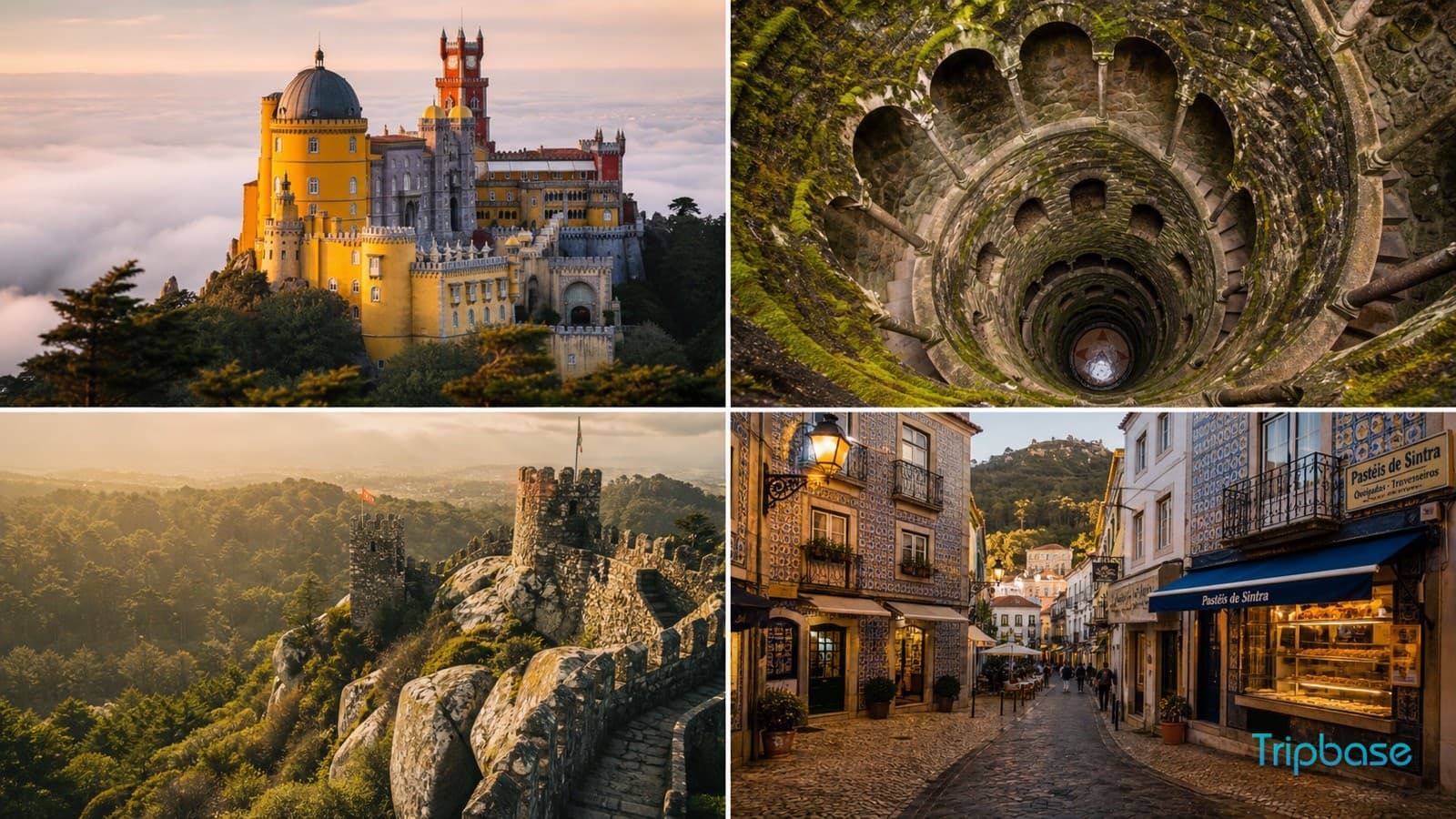
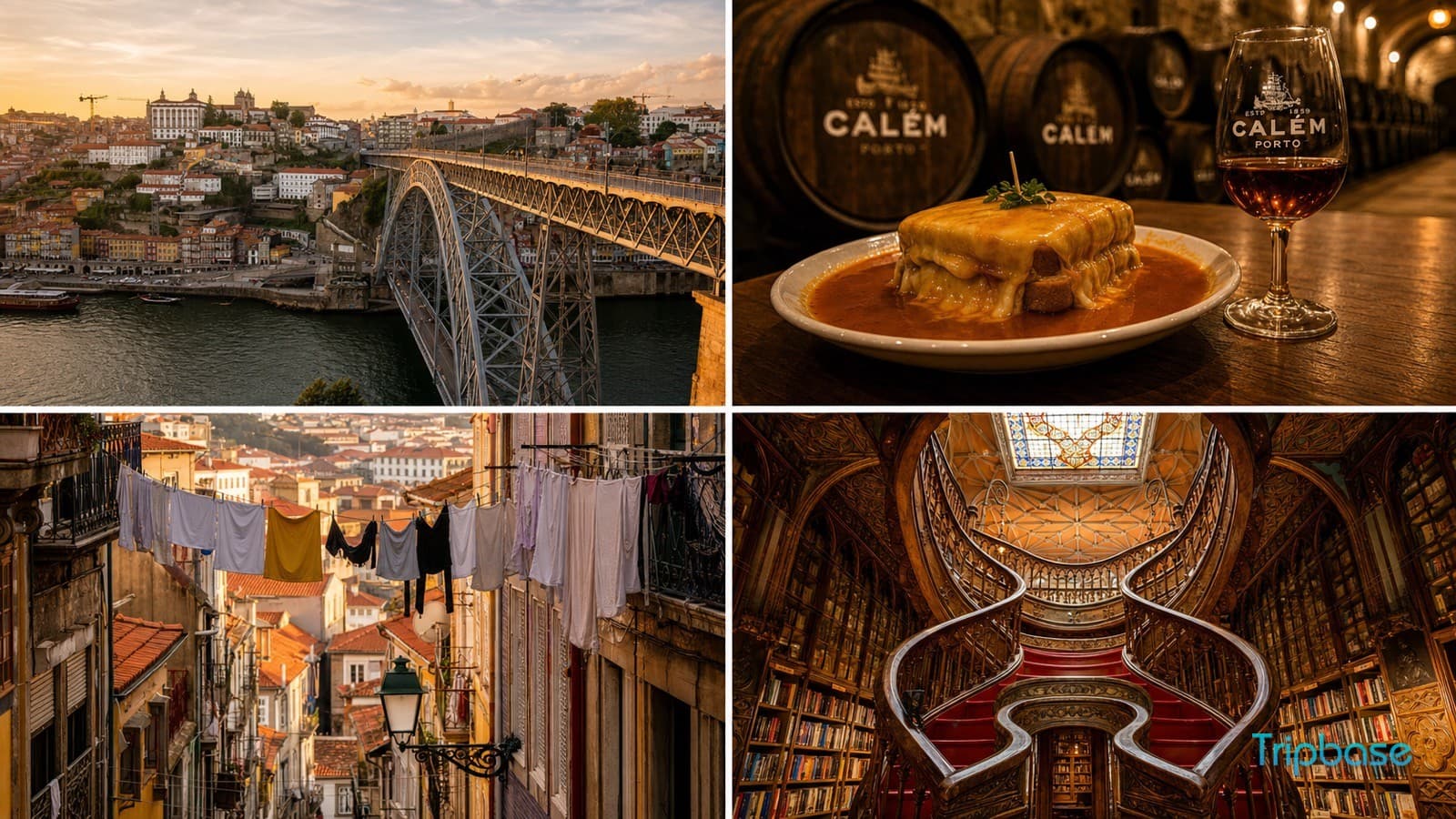
If Lisbon leaves you wanting more of Portugal, Sintra is a fever dream of castles thirty minutes away, and Porto up north does the whole tiles-and-river-views thing with considerably less tourist saturation. And for our broader philosophy on why eating where locals eat is the whole point, see our piece on eating like a local.