The Most Dangerous Bridges in the World (And the People Who Cross Them Anyway)
A bridge has exactly one job, which is to be the part of the journey you don't have to think about. The bridges on this list have failed at that job so completely that they have become the journey - the bit people photograph, the bit people write home about, and in a couple of cases the bit people quietly decide they'll walk back around instead.
Some of these are genuinely lethal: rotting timber over freezing rivers, planks with gaps wide enough to lose a leg through, cables that were last inspected during a previous geopolitical era. Others are structurally immaculate and terrifying purely as an experience - engineered to hold a small crowd while suspending you over a void large enough to make your inner ear file a formal complaint. Both categories qualify, because the point of a dangerous bridge is not the statistics. It's the moment, roughly a third of the way across, when you understand exactly what is beneath you and exactly how little is between you and it.
What unites them is that people cross them anyway - not always for the thrill. For plenty of the humans on this list, the terrifying bridge is simply how you get to school, or to the next valley, or to the shop. We've covered the roads that lead to places like this in our guide to the world's most dangerous roads; consider this the sequel that happens when even the road gives up and hands the job to a length of wire.
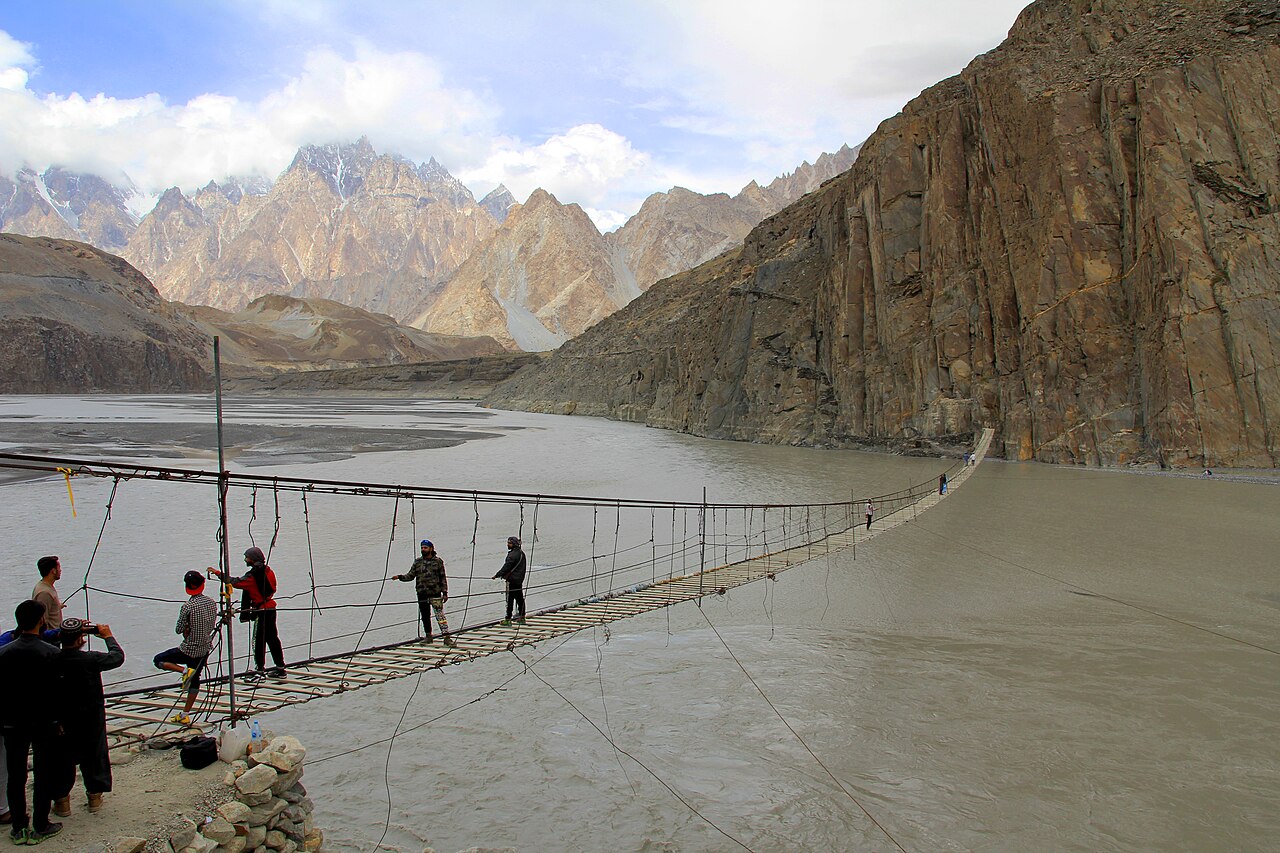
Hussaini Hanging Bridge, Pakistan
The Hussaini Hanging Bridge, stretched across the Hunza River in the Gojal Valley of Gilgit-Baltistan, is the bridge that appears on every "most dangerous bridge" list ever assembled, and for once the reputation is entirely earned. It is a suspension bridge in the loosest possible sense: wooden planks strung between two cables, the planks spaced far enough apart that you can see the river below through the gaps, and enough of them missing that "far enough apart" undersells the situation considerably.
Adding to the general mood is the presence, right beside it, of the previous bridge - the one this bridge replaced - hanging in tattered ruin over the same river, a helpful visual reminder of what the local infrastructure does when it has had enough. The bridge sways in the wind, which in this valley is not a rare event. The planks are uneven, some are rotten, and the whole structure has the improvised quality of something built to solve a problem rather than to reassure a tourist.
And yet people cross it daily, because the alternative is a very long walk. If you're travelling the Karakoram Highway through northern Pakistan, the Hussaini bridge is the moment the region stops being scenic and becomes a personal test. Cross it slowly. Do not, whatever the temptation, make it bounce.
Vitim River Bridge, Russia
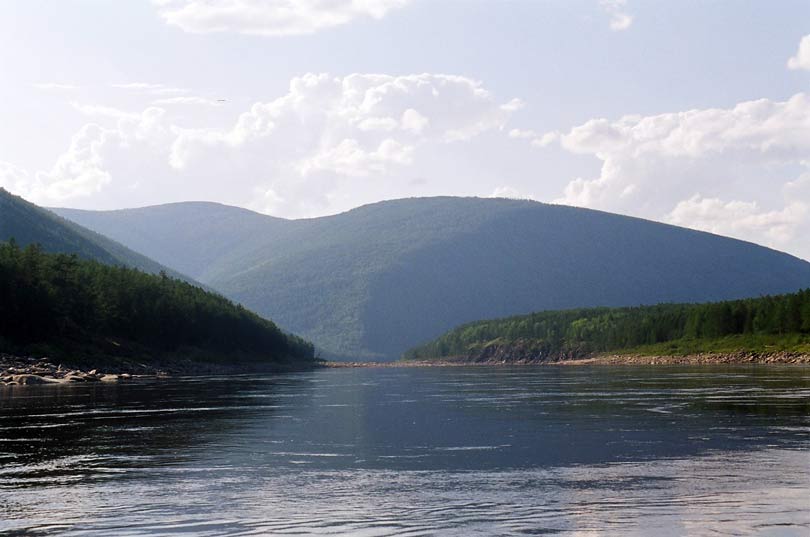
The Kuandinsky, or Vitim, bridge in Russia's Trans-Baikal region is what happens when a decommissioned railway bridge is quietly repurposed by the people who still need to get across the river. It runs roughly 570 metres over the Vitim, it is about two metres wide, it has no railings of any kind, and its surface is a patchwork of aging wooden sleepers left over from its rail-bridge days, some of which have rotted, all of which are frequently coated in ice.
People drive across it. In cars. This is the detail that elevates the Vitim bridge from "alarming" to "the subject of internet legend": there is a genre of video in which a local, apparently untroubled, edges a vehicle across two metres of iced timber with a lethal drop on either side and no barrier, while wind gusts off the river with opinions of its own. Slip a wheel and there is nothing - no kerb, no rail, no forgiveness - between the tyre and the water.
There is no tourist infrastructure here, no guided experience, no waiver to sign. There is just a river, a very old bridge, and a regional attitude toward risk that the rest of the world finds difficult to process. Most people who cross the Vitim would rather you didn't make a fuss about it.
Trift Bridge, Switzerland
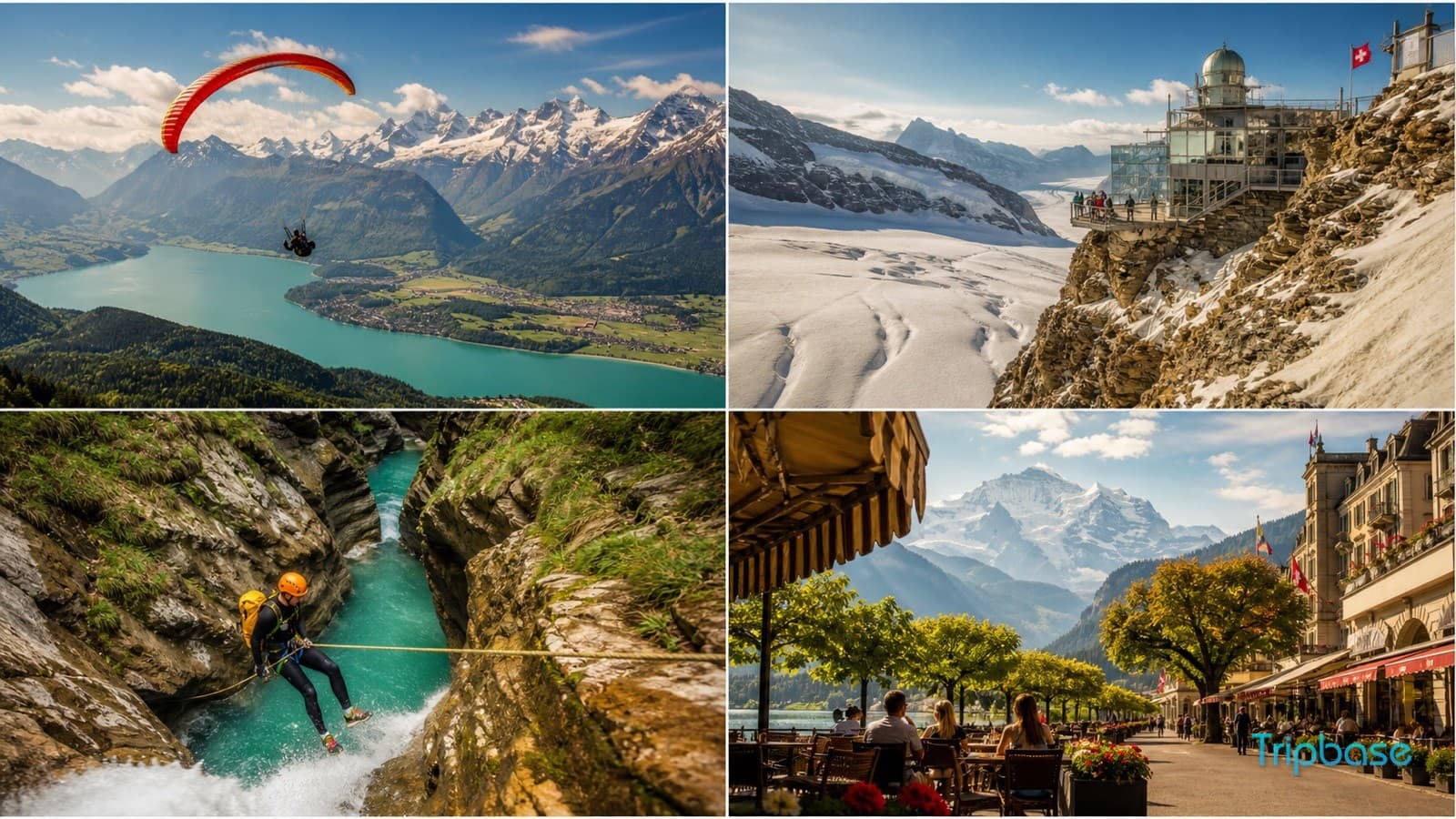
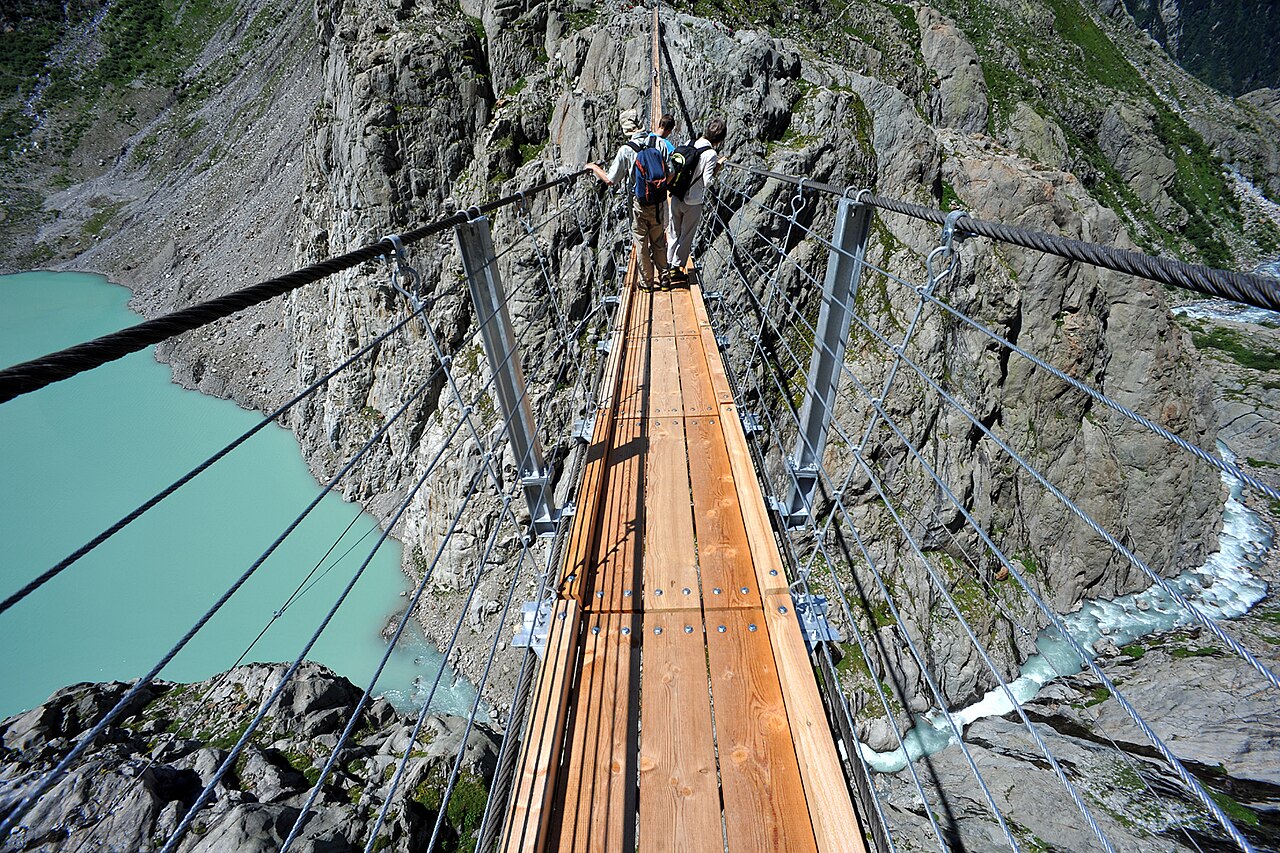
The Trift Bridge in the Bernese Oberland is what a dangerous bridge looks like when the Swiss build it, which is to say it is not actually dangerous at all and simply feels that way with extraordinary conviction. It hangs 170 metres long and 100 metres high across the gorge above the Triftsee, a glacial lake that exists because the Trift Glacier has been retreating and leaving meltwater behind it - which is a slightly sombre note to open a tourist attraction on, but there we are.
Getting to it involves a small cable car followed by a steep 90-minute hike, which means that by the time you reach the bridge you have already committed emotionally to the day and can't easily back out. The current bridge, built in 2009, replaced an earlier 2004 version that swung alarmingly in the wind; the new one is stabilised with additional cables and sways far less, which regular visitors describe as "a considerable improvement" and first-timers describe using different words entirely.
It is one of the longest and highest pedestrian suspension bridges in the Alps, and the views across the glacier and lake are the kind that Switzerland produces so reliably that the country has more or less stopped being surprised by them. Base yourself in Interlaken and it's an achievable day trip; the wider Swiss Alps hold several more bridges in this genre, all of them engineered to be perfectly safe and to feel absolutely nothing of the sort.
Q'eswachaka Rope Bridge, Peru
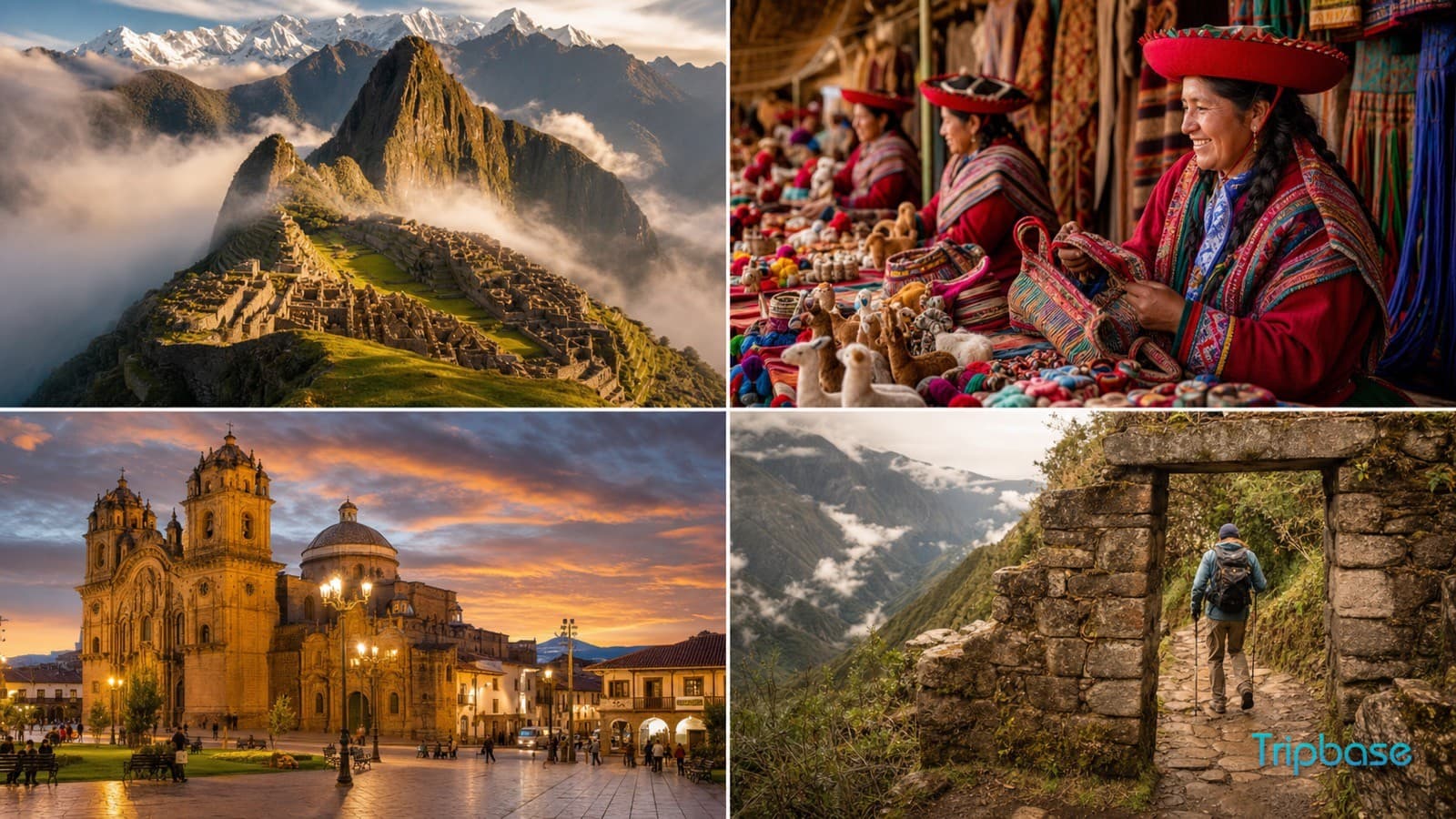
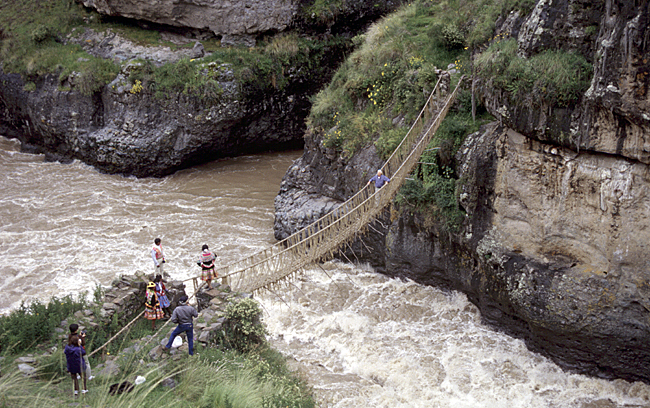
The Q'eswachaka bridge, spanning a gorge of the Apurímac River in the Cusco region of Peru, is the last surviving Inca rope bridge in the world - and it survives because every single June, the four surrounding Quechua communities take it down and build an entirely new one, by hand, out of grass.
This is not a metaphor. The bridge is woven from q'oya, a tough Andean grass, which the communities harvest, dry, and twist into cords, then into thicker ropes, then into the six great cables that carry the deck. The old bridge is cut loose and dropped into the river; the new one is completed over roughly three days of coordinated labour, according to techniques passed down since before the Spanish arrived. UNESCO lists the whole ritual as intangible cultural heritage, which is the international community's way of saying "please, for the love of everything, do not let this stop happening."
The result is a bridge of woven grass, perhaps 28 metres long, sagging gently over a canyon with a fast river at the bottom. It holds. It has held, in one form or another, for centuries, which is a better track record than most steel. Reach it as a day trip from Cusco, cross it if the timing allows, and reflect on the fact that you are walking across the single most impressive piece of civil engineering on this list, and it is made of lawn.
Kawarau Gorge Suspension Bridge, New Zealand
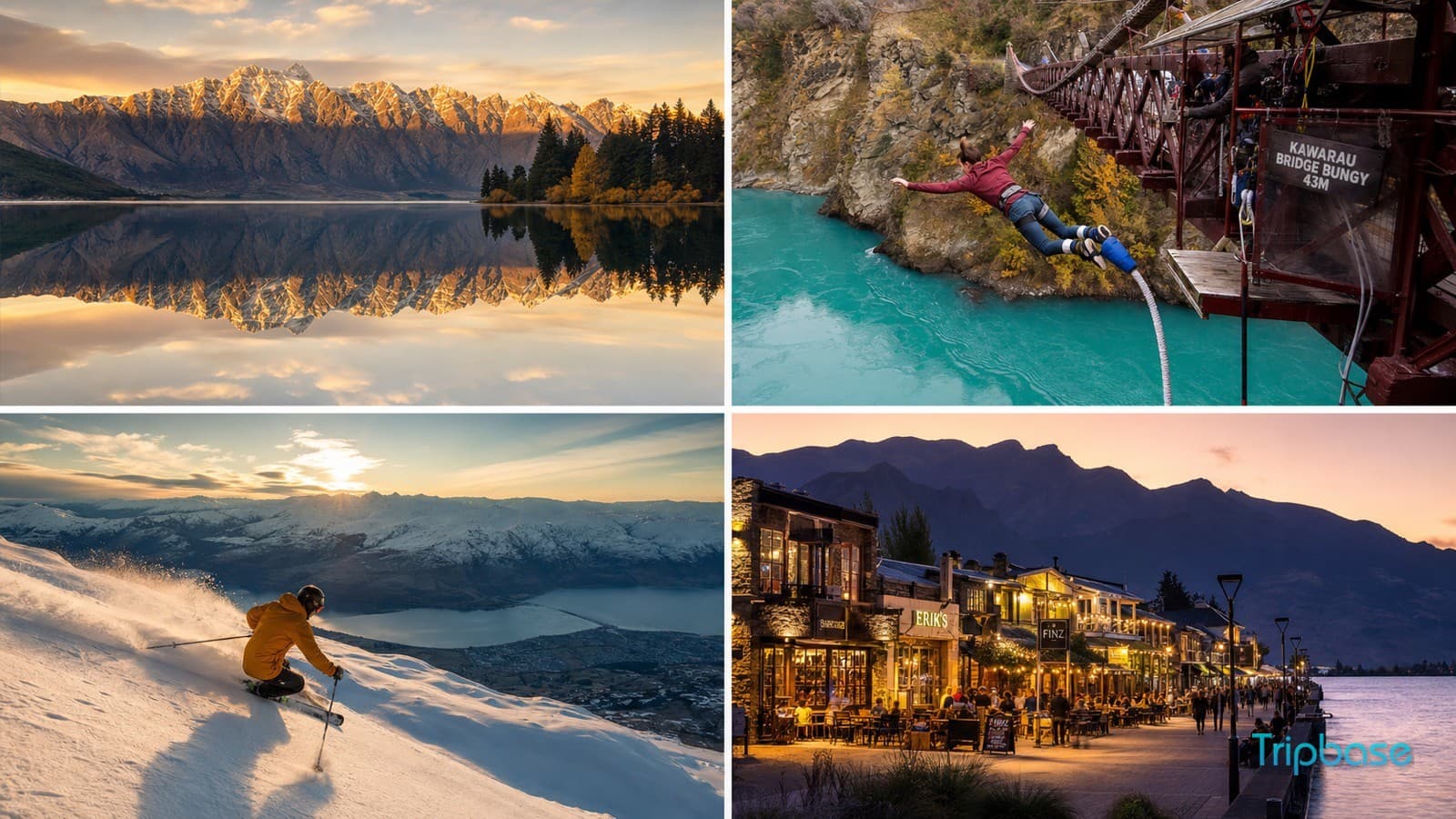
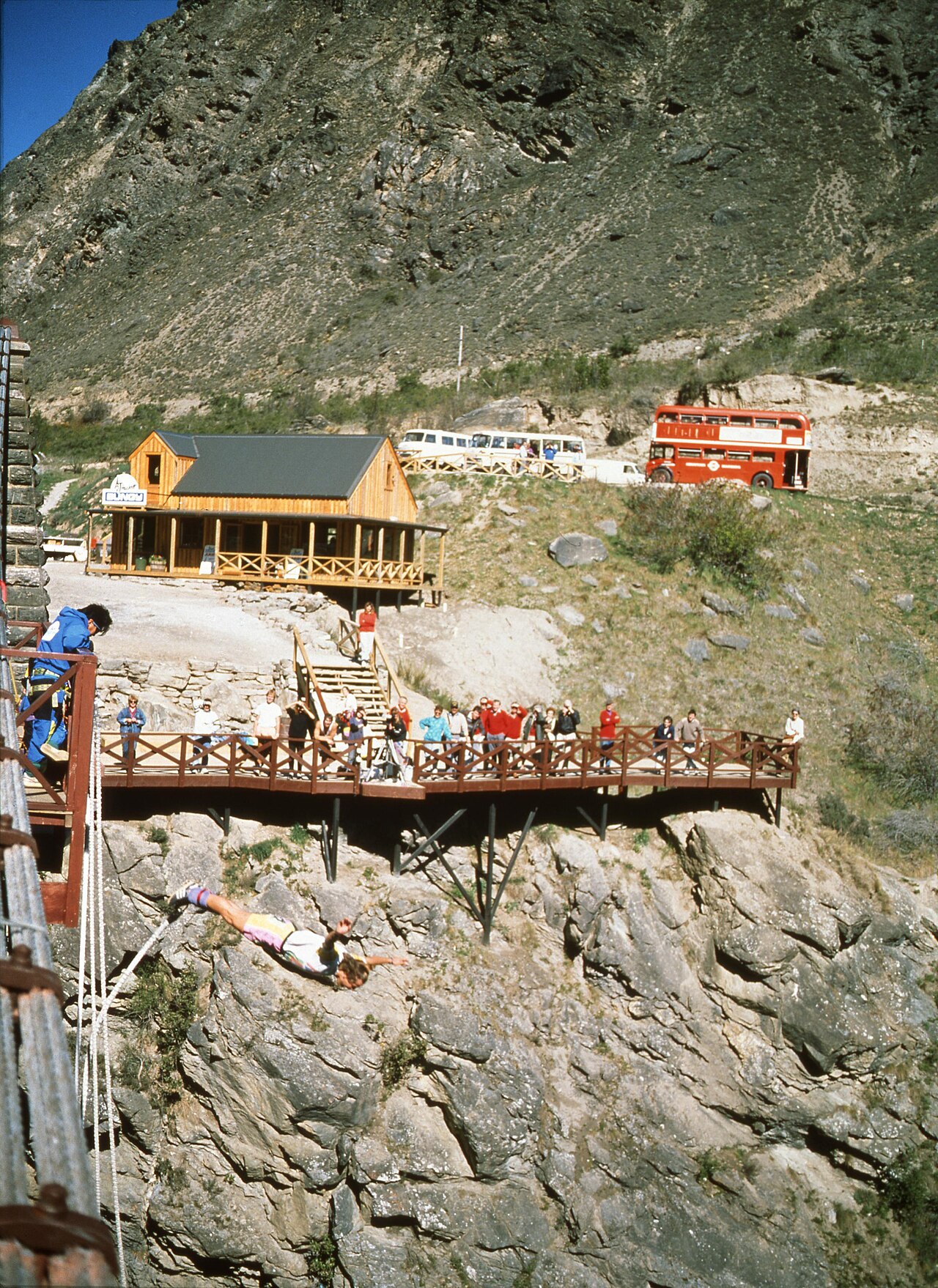
The Kawarau Gorge Suspension Bridge near Queenstown is the only entry on this list where the danger is not merely permitted but sold to you, at a premium, with a photo package. Built in 1880 to carry gold-rush traffic across the Kawarau River, it retired into quiet obsolescence until 1988, when a man named AJ Hackett decided it would be an excellent place from which to jump off with a rubber cord tied to his ankles, and thereby invented the commercial bungy jump.
Since then, the bridge's job has been to hold people 43 metres above the river for precisely as long as it takes them to reconsider every decision that led them here, before they either jump or perform the walk of shame back to solid ground. The structure itself is perfectly sound - a heritage-listed bridge maintained to modern standards - so the only real hazard is voluntary, which is somehow worse.
The town of Queenstown has built an entire economy on this principle: that the surest way to make people pay is to first make them terrified, and then let them survive it. The Kawarau bridge is where that economy began. Whether you jump or merely watch other people make the noise that jumpers make, it belongs on any list of the world's most consequential bridges.
Kushma Suspension Bridge, Nepal
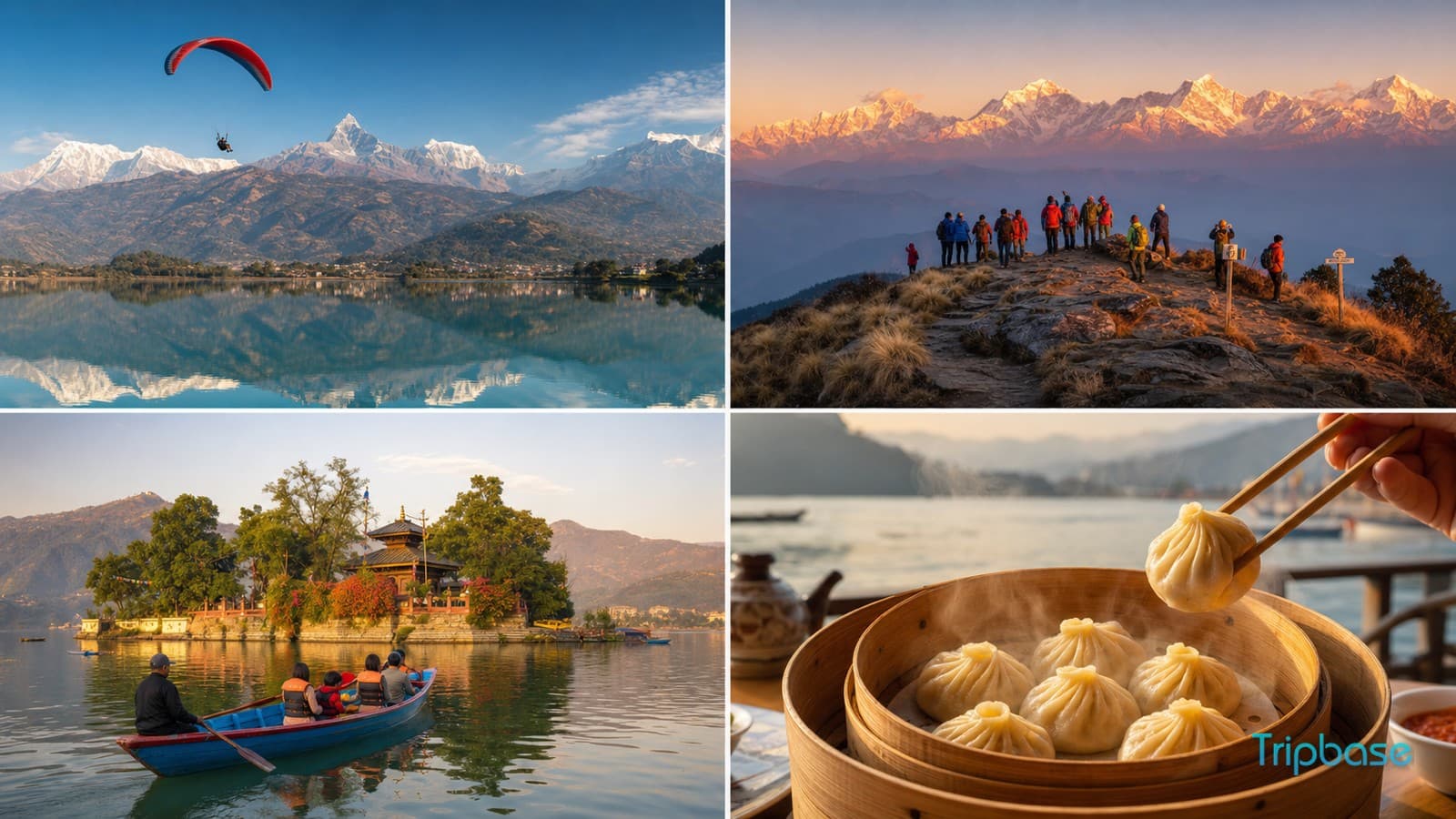
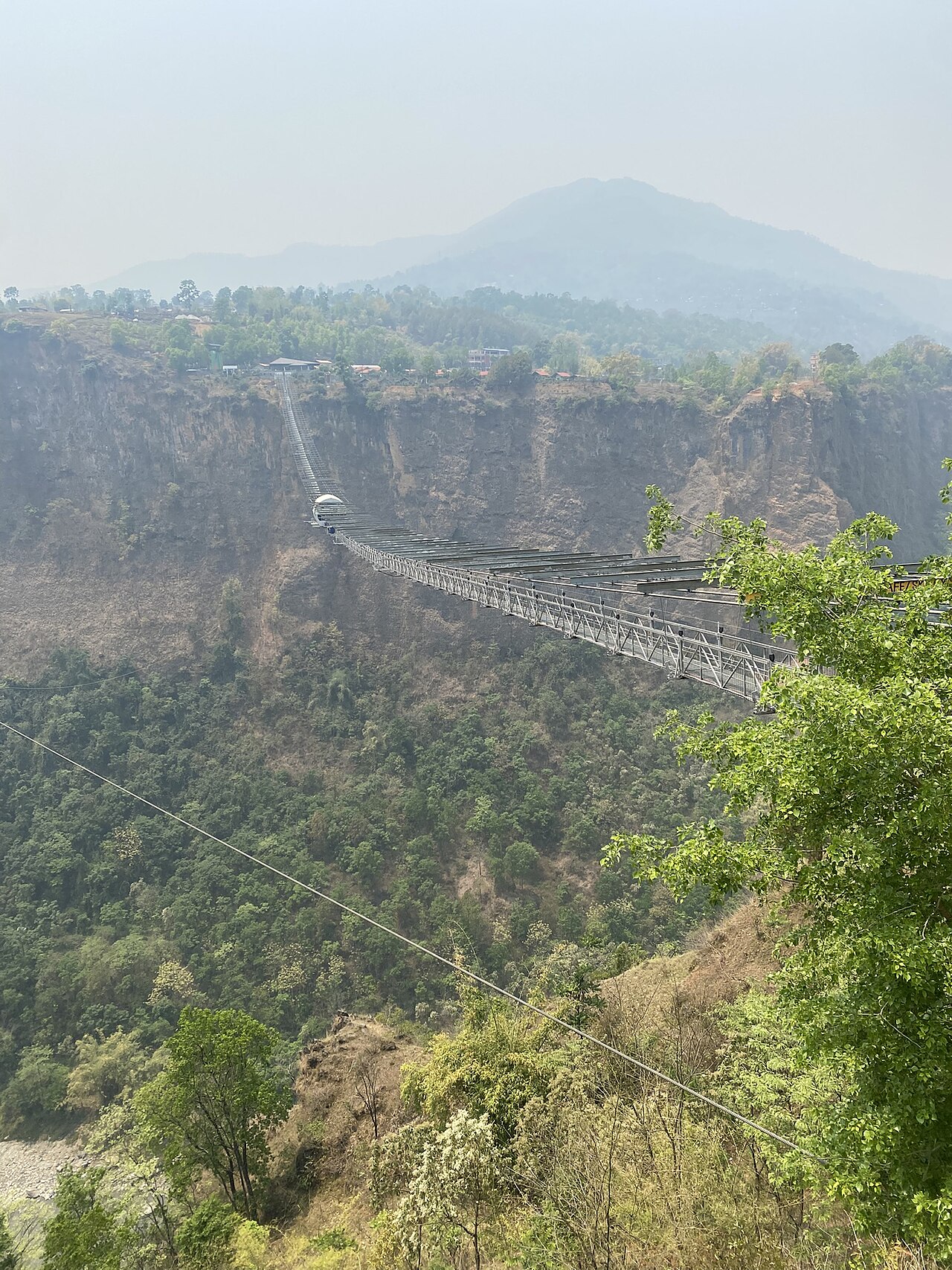
Nepal solves the problem of deep river gorges the way it solves most problems - with a very long, very high pedestrian suspension bridge and a national talent for not looking down. The Kushma bridge in Parbat district, at roughly 344 metres long and around 135 metres high, is among the tallest and longest of them, strung across a gorge so deep that the river at the bottom looks like a rumour.
These bridges are not decorative. Across rural Nepal, suspension bridges are essential infrastructure connecting villages separated by terrain that would otherwise require a day's descent and re-ascent to cross. Locals walk them carrying shopping, livestock, and building materials, at a pace that suggests the drop has long since stopped registering. Kushma has additionally acquired a bungy operation, because word of the New Zealand business model gets around, so you can now cross it for transport or leap off it for entertainment, depending on your priorities.
It's an easy detour from Pokhara, and it is the kind of experience that recalibrates your sense of what counts as a normal walk to the shops. The bridge sways. The wind is real. The view down the gorge is magnificent, assuming you can bring yourself to look at it.
Langkawi Sky Bridge, Malaysia
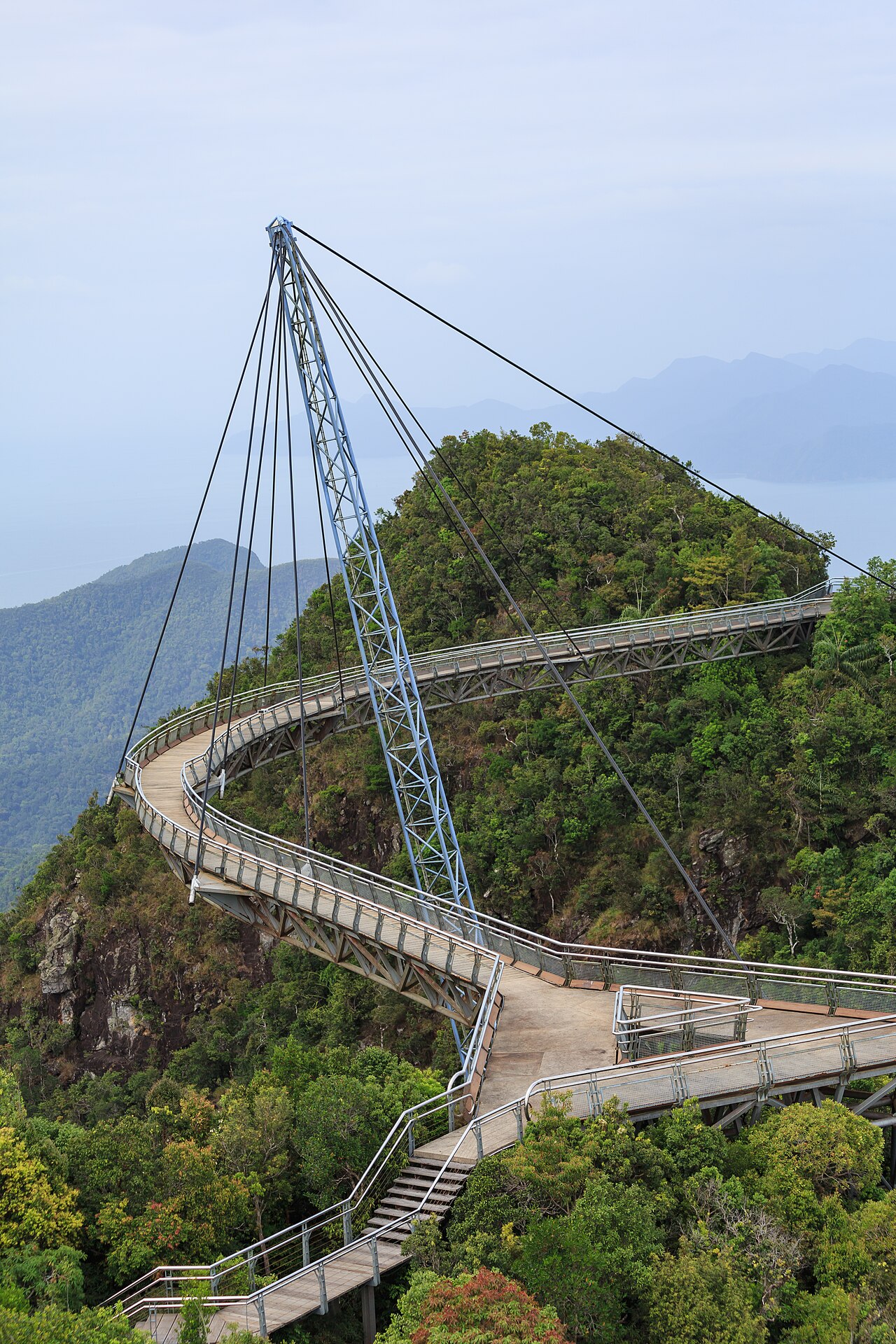
The Langkawi Sky Bridge is a 125-metre curved pedestrian walkway suspended from a single 82-metre pylon near the summit of Gunung Mat Cincang, roughly 660 metres above sea level, on the Malaysian island of Langkawi. It curves because a straight bridge would have been structurally simpler and considerably less alarming, and the designers correctly identified that alarm was the entire product.
You reach it via the Panorama cable car, which hauls you up one of the steepest cable-car gradients in the world - itself a warm-up act for the main event. The bridge hangs from that lone pylon by a fan of cables, so that from certain angles it appears to float, unsupported, in the space between two mountain peaks, over a valley of rainforest. Sections of the deck are glass, for anyone who felt the standard experience was insufficiently direct about the drop.
It is, to be clear, extremely safe - a modern engineered structure with a strong safety record. It just doesn't feel that way when the whole thing is gently moving, the rainforest is a long way down, and you are standing on a curved sliver of walkway held up by what looks, from the middle, like optimism.
Capilano Suspension Bridge, Canada
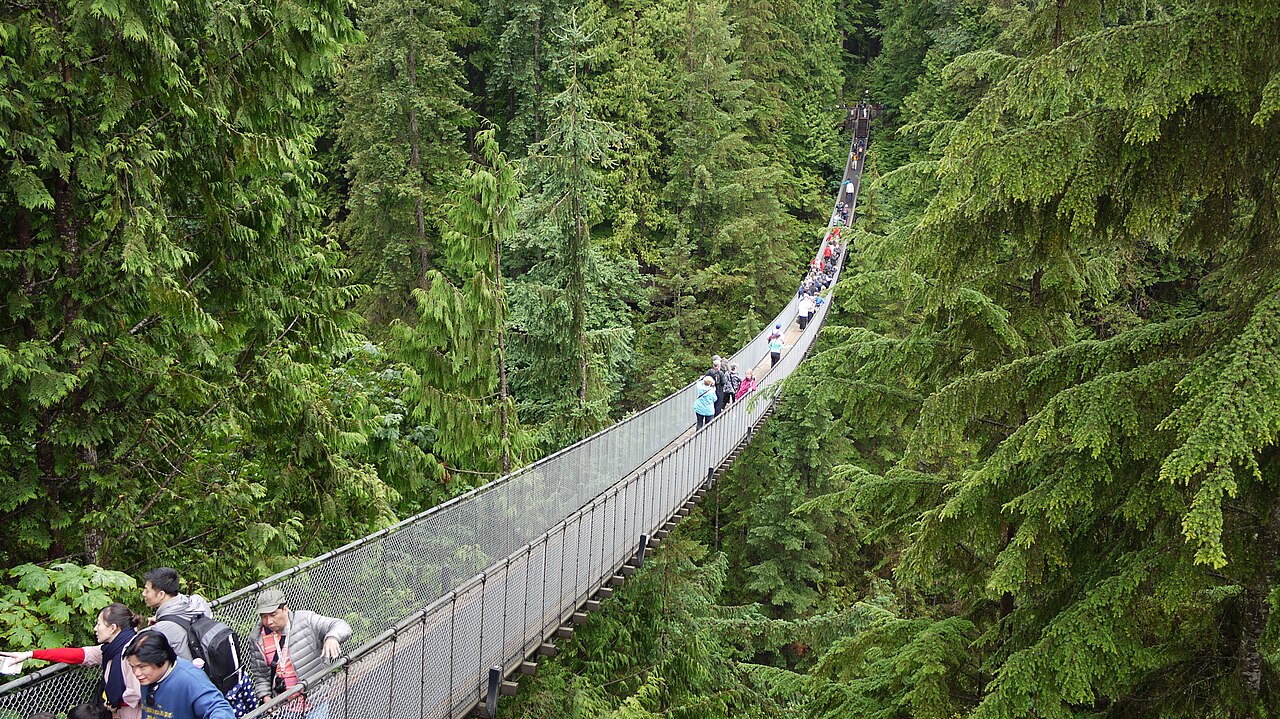
The Capilano Suspension Bridge in North Vancouver is 140 metres long, hangs 70 metres above the Capilano River, and is by a wide margin the safest bridge on this list, which is precisely why it is here. It represents the entire second category: bridges that pose no meaningful physical danger and rely instead on the ancient human inability to trust a walkway that moves.
First built in 1889 from hemp rope and cedar planks - a specification that would place it near the top of this list had it stayed that way - it has since been rebuilt in steel and turned into one of the most visited attractions in the region. It sways when people walk on it, and people, being people, walk on it in coordinated bouncing groups specifically to make it sway more, while someone's uncle films the reaction of someone's aunt, who did not sign up for this.
The real hazard at Capilano is the crowds, and the second real hazard is the gift shop. But the bridge earns its place as the purest demonstration of the principle at work across this entire article: the danger you feel and the danger you're in are frequently unrelated, and the human nervous system has never once been persuaded to care about the difference.
Titlis Cliff Walk, Switzerland
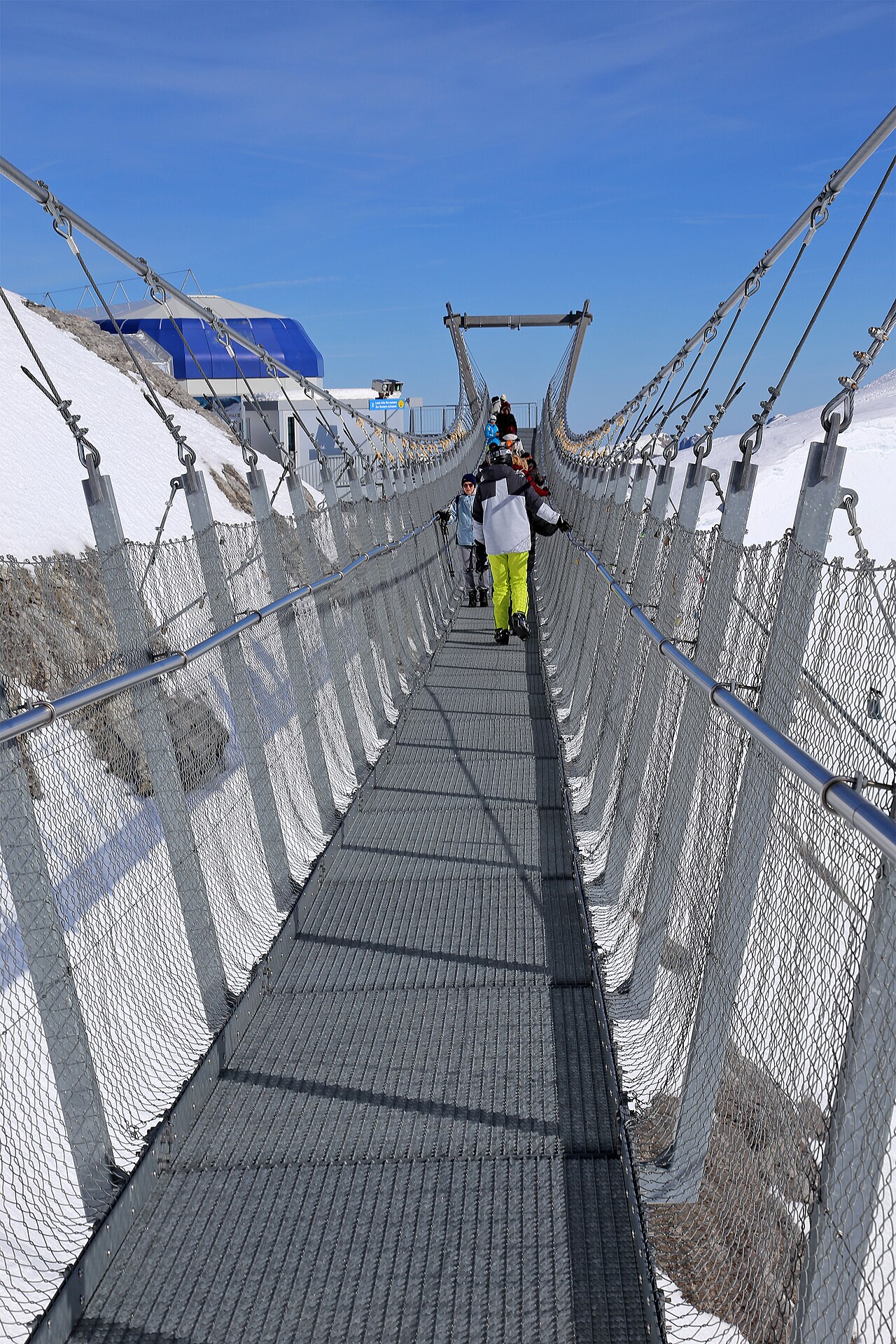
The Titlis Cliff Walk, near Engelberg, is billed as the highest-elevation suspension bridge in Europe, hanging at around 3,041 metres near the summit of Mount Titlis. It is about 100 metres long, roughly a metre wide, and suspended alongside a sheer rock face with a drop of some 500 metres beneath it - a set of numbers assembled by someone who clearly wanted the experience to be memorable rather than relaxing.
At that altitude the bridge deals not only with height but with weather: wind, snow, ice, and the general Alpine tendency toward sudden meteorological drama. It's reached by cable car from Engelberg, and on a clear day the walk delivers a panorama across the surrounding peaks that is genuinely, objectively spectacular - which you will be able to enjoy properly on the return journey, once your hands have stopped gripping the cables.
Like the Trift Bridge further into the Swiss Alps, it is engineered to be entirely safe and designed to feel otherwise, which by now you will recognise as a distinctly Swiss approach to leisure. The country has quietly become a world leader in the business of scaring visitors under strictly controlled conditions.
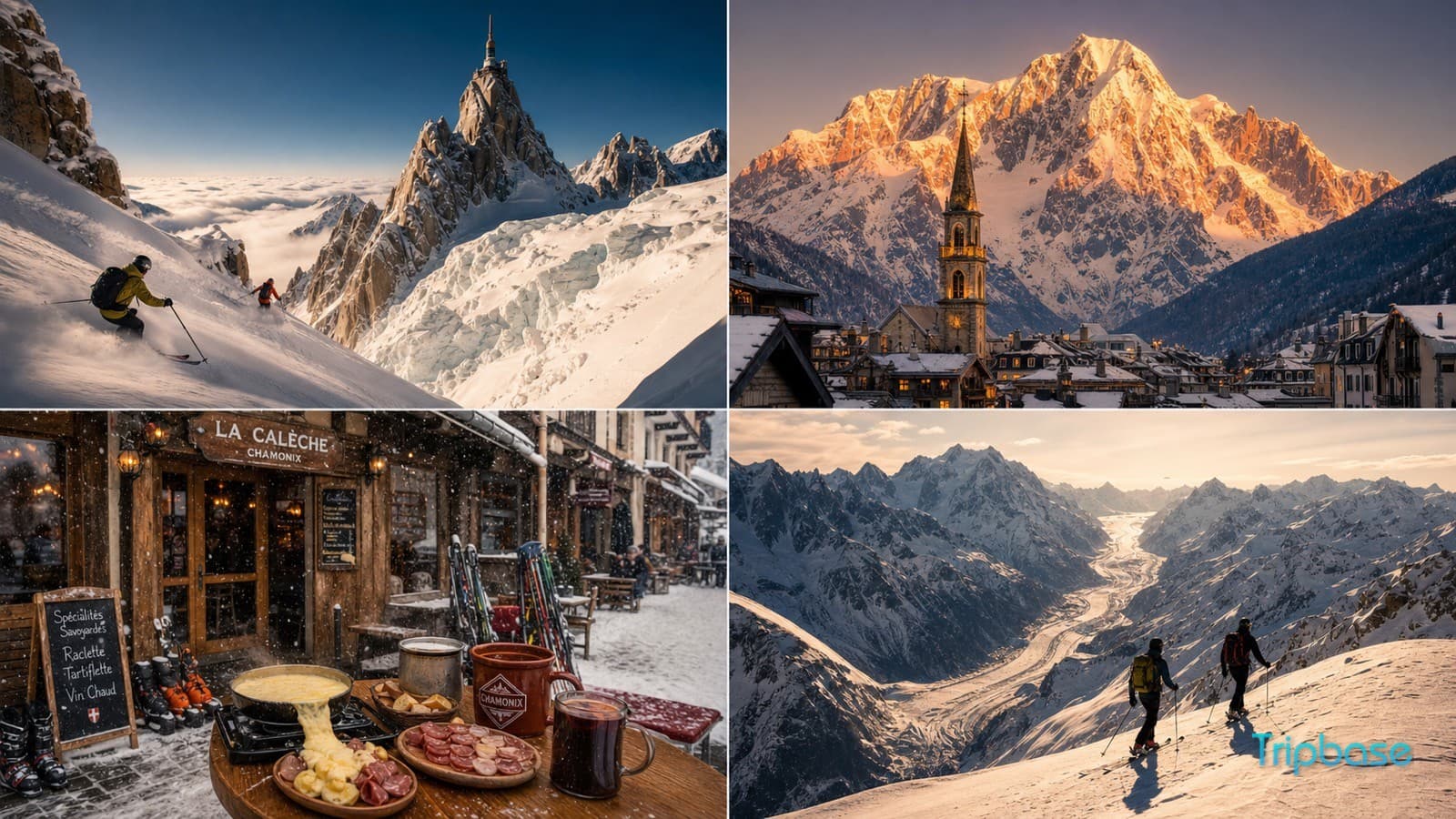
Aiguille du Midi Bridge, France
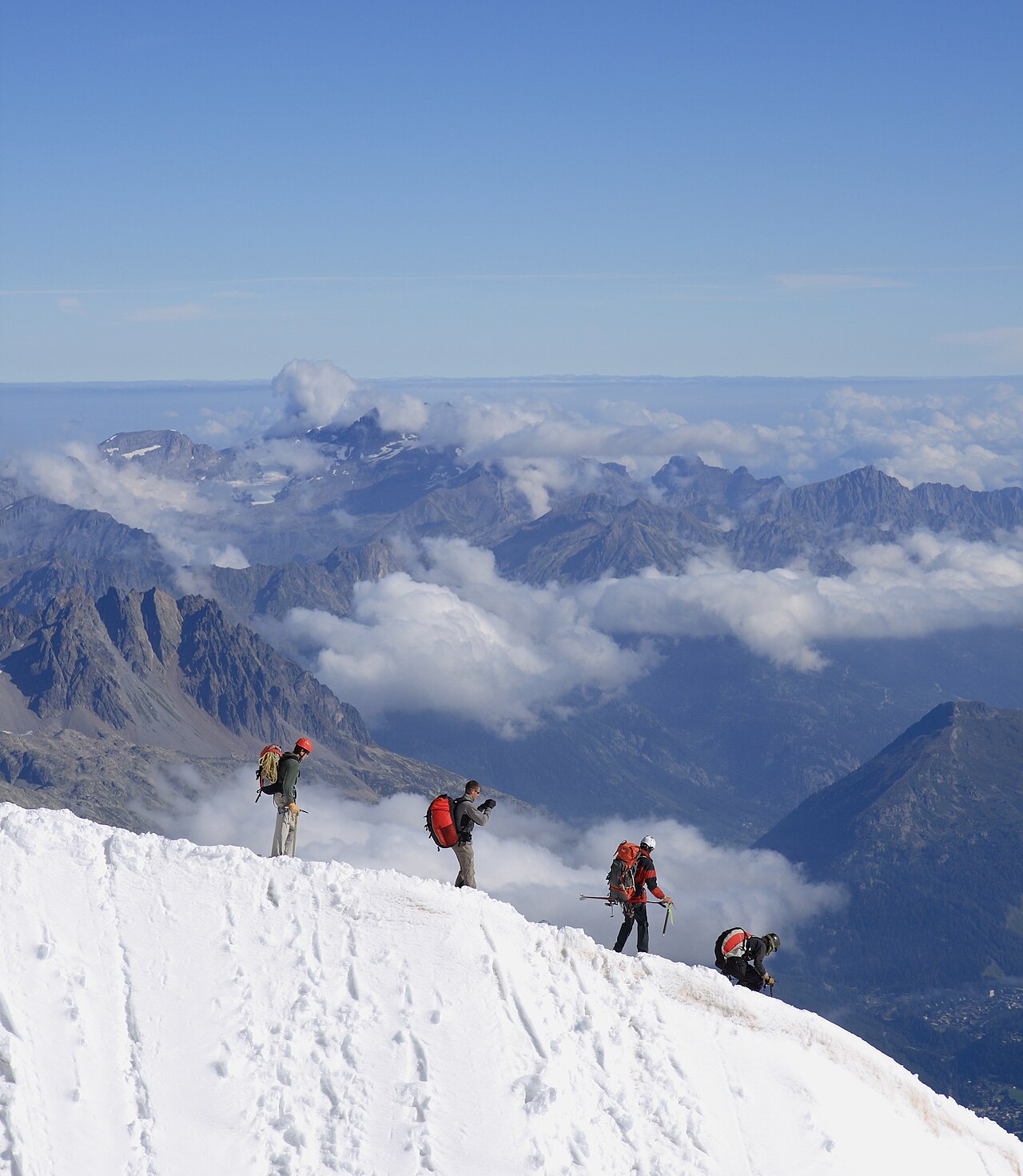
High above Chamonix, at 3,842 metres, the summit of the Aiguille du Midi is split into two rocky pinnacles, and the short footbridge that connects them is one of the most casually vertiginous stretches of walkway in the Alps. You arrive via the highest vertical-ascent cable car in the world, which climbs some 2,800 metres in about 20 minutes and deposits you, ears popping and possibly regretting breakfast, onto a needle of rock in the middle of the Mont Blanc massif.
The bridge itself is short and structurally trivial. What it crosses is not: on either side the mountain falls away in the sheer, glaciated, genuinely fatal manner of the high Alps, and there is no pretending this is a theme-park drop. This is the real thing, at real altitude, where the air is thin enough to make the walk across feel like it's happening slightly outside your own body.
Most visitors are here for the views - Mont Blanc close enough to touch, glaciers unspooling below, mountaineers roping up to head out onto the snow - and the bridge is simply the way you get the best of them. It is also where the summit stops being an observation deck and briefly reminds you that you are, in fact, standing on a mountain.
Storseisundet Bridge, Norway
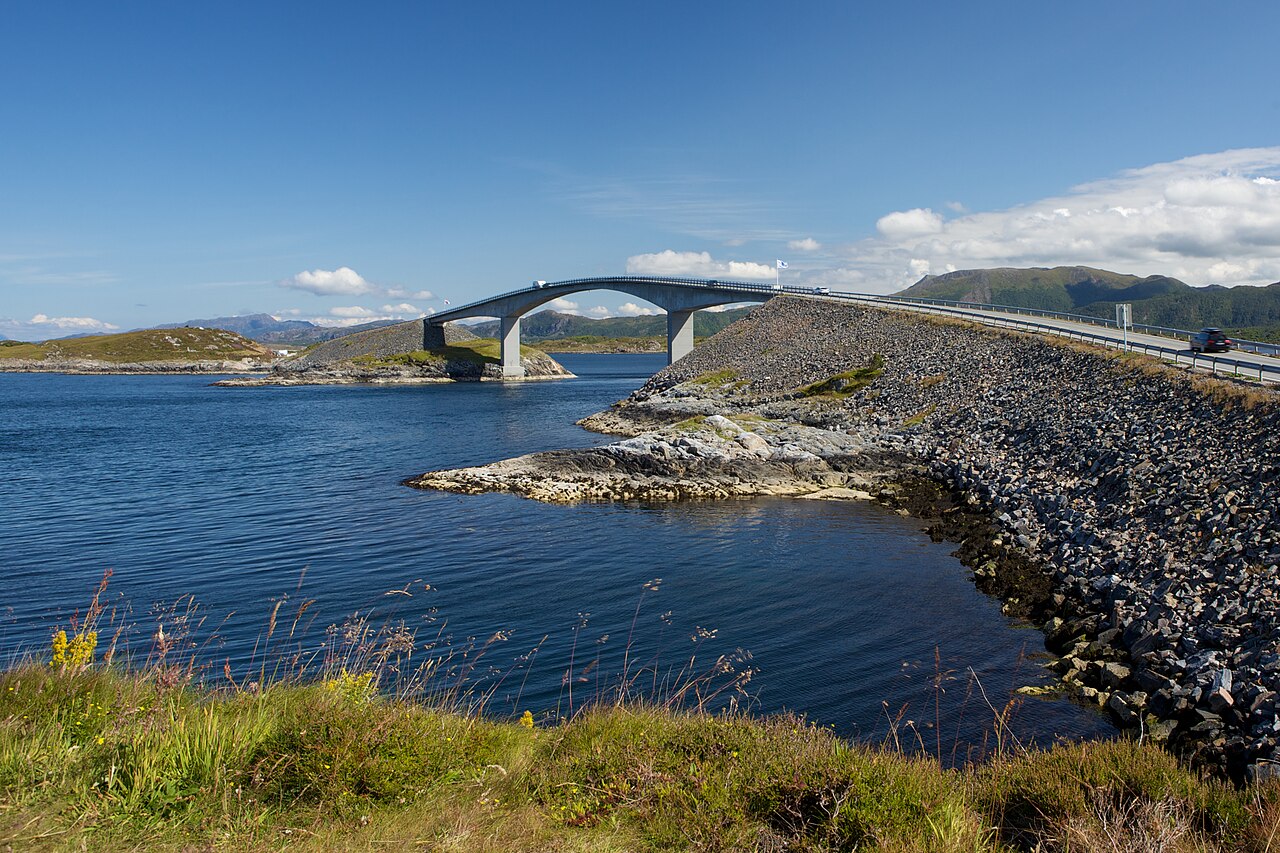
The Storseisundet Bridge is the largest of the eight bridges that make up Norway's Atlantic Ocean Road, and it has earned its fame through an optical illusion rather than a body count. Approached from the right angle, its steep curved span appears to rise up and then simply stop - a road that launches you into the sky, or off the end of the world, depending on your temperament. Locals call it "the drunk bridge," which captures the effect precisely.
The illusion is a trick of perspective; the bridge does, reassuringly, continue down the other side and connect to more road. But the Atlantic Road on which it sits is exposed to the open sea, and in a storm the experience becomes genuinely wild - waves breaking directly over the carriageway, spray swallowing the road, and drivers proceeding anyway because the alternative is turning back. On calm days it's one of the most beautiful drives in Europe. On rough ones it's a reminder that the ocean was here first and remains unconvinced by the road.
It is the gentlest entry on this list and the best note to end on, because it makes the underlying point plainly: a bridge doesn't have to be crumbling to unsettle you. Sometimes it just has to disappear in front of your windscreen at the exact moment you needed to know where it went. For more scenery that seems determined to end you, our guide to the world's most dangerous train journeys covers the routes that took the concept and put it on rails.
Disclaimer: The bridges on this list range from "perfectly safe and merely terrifying" to "please check the planks first." Tripbase strongly advises against making any suspension bridge bounce for comedic effect, against ignoring posted weight limits, and against crossing anything in Siberia in a vehicle unless a local you trust has gone first. If a bridge has a previous version hanging in ruins beside it, treat that as the review it is.