The World's Strangest Spa Treatments (That Actual Humans Pay For)
The global wellness industry is worth over five trillion dollars annually, which is a number large enough to suggest that the people spending it have run out of ordinary things to spend it on. To be fair, once you've had every conventional massage and facial the world offers, you do start looking for novelty. The following treatments represent where that search leads: actual services, offered by real establishments, to paying customers who have presumably read the description in advance and decided, yes, this is what they want.
Snake Massage
The Ada Barak Carnivorous Plant Farm in Talmei Elazar, Israel, is a garden center that also offers snake massages. You lie on a table, and Ada or one of her associates places several large constrictors - typically a combination of California and Florida king snakes along with corn snakes - on your back, where they then proceed to move around of their own volition. The slithering motion, the farm argues, creates a kneading sensation that relaxes muscles and, in the case of larger snakes, provides something approaching a deep tissue massage. The snakes are fed beforehand, which is the detail that distinguishes this from an entirely different kind of experience.
The treatment has been offered since the early 2000s and has attracted enough international coverage that snake massage has spread as a concept to various spa establishments in the United States, Indonesia, and the Philippines. The philosophical underpinning is that the body's anxiety response to a large snake resting on it is eventually overcome by the warmth of the animal and the rhythmic movement, producing a state that practitioners describe as deep relaxation and that outside observers might describe as something else entirely.
Proponents claim the experience works particularly well for people with a fear of snakes, on the theory that extended proximity to snakes in a controlled setting is therapeutic. This is technically accurate and also a sentence that deserves some additional thought before acceptance.

Garra Rufa Fish Pedicure
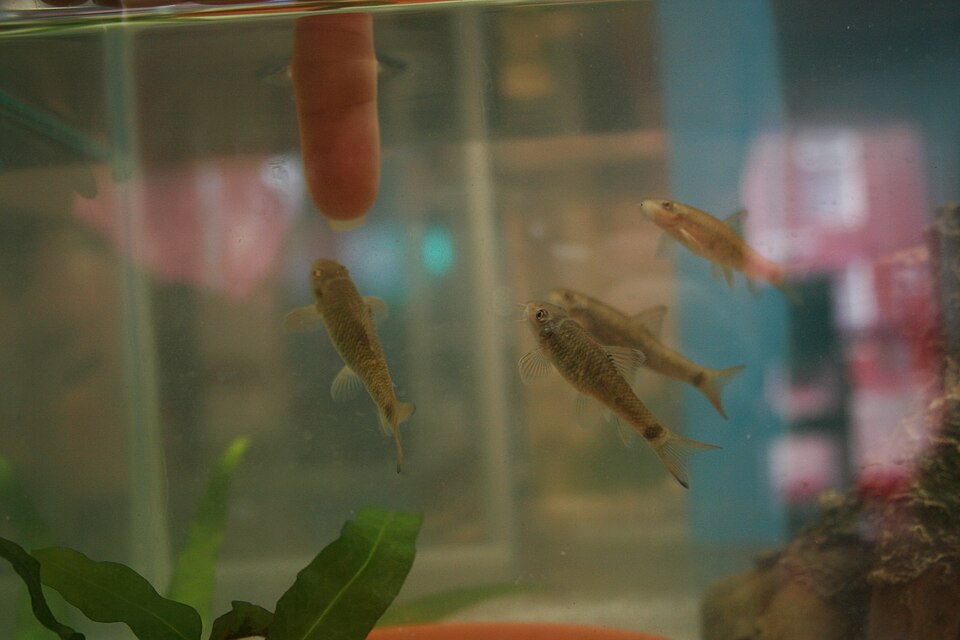
The Garra rufa is a small freshwater fish native to the river basins of the Middle East and Turkey, where it has spent millennia being unremarkable. Then someone noticed that it had a particular fondness for dead human skin, and an industry was born. At the Kangal hot springs in central Turkey, visitors have been immersing their feet in pools containing thousands of garra rufa fish for over a century, with the fish doing what comes naturally to them and the visitors experiencing what every description of the process calls a "tingling" sensation (this is a diplomatic description of having your feet eaten by a great number of small fish simultaneously).
The treatment gained significant international momentum in the 2000s, when garra rufa fish pedicure tanks appeared in shopping centers and tourist districts across Asia, Europe, and the United States, allowing people to have the experience without traveling to the Kangal springs. This raised several regulatory questions in various jurisdictions about whether fish could be adequately sterilized between customers, which is the kind of sentence you don't expect to need but occasionally do. Several US states and some European countries subsequently banned or restricted the practice on hygiene grounds. Turkey itself continued unbothered.
The claimed benefits include exfoliation, improved circulation, and, in the original Kangal hot springs context, documented effects on skin conditions including psoriasis - the mineral-rich thermal water being the more likely active ingredient, with the fish providing the ambiance. If you're visiting Istanbul, the broader Turkish spa tradition known as hammam offers a rather more conventional alternative involving a large marble slab and a human attendant, which also has much to recommend it.
Beer Bath
The Czech Republic has more breweries per capita than any other country in the world and the highest per capita beer consumption globally, which is either a source of national pride or a statement that requires context depending on who you ask. The logical extension of this relationship with beer, it turns out, is bathing in it. Czech spa towns offer beer baths in which guests recline in tubs containing warm beer (typically unfiltered dark lager, brewed specifically for this purpose), hops, brewer's yeast, and minerals, while being handed a fresh glass of the conventional variety to drink. This is the treatment that is genuinely hard to fault on the grounds of premises.
The claimed benefits are numerous: the yeast is said to nourish and soften skin; hops contain polyphenols with purported anti-inflammatory properties; the warmth opens pores and improves circulation. Whether these claims withstand clinical scrutiny is a separate question, and one that Czech spa operators appear disinclined to investigate with excessive rigour. The beer is not recycled between guests, which is the reassurance that clients generally require before committing. The experience typically ends with guests being wrapped in blankets and given more beer, which is an ending that compares favorably to most medical procedures.
The original beer spa, Bernard Beer Spa in Prague, has been operating since 2006 and spawned numerous imitators across Bohemia and Bavaria. Our Prague guide covers the city's remarkable density of unusual experiences. For a broader look at foods and substances that began as unremarkable things and became very expensive, our piece on luxury foods that used to be cheap takes a similar approach to beverages.

Nightingale Dropping Facial
Uguisu no fun translates from Japanese as "nightingale droppings," which is what this treatment contains. Specifically: the dried, powdered, UV-sterilized excrement of Japanese bush warblers (Cettia diphone - though commonly called the Japanese nightingale), mixed with rice bran and applied to the face as a brightening and exfoliating mask. The treatment has been used in Japan for several centuries, with records suggesting it was popular among geishas and kabuki performers for removing the heavy white face paint used in their professions. The fact that it works well for removing stage makeup from the face tells you something about its active properties. What it tells you about the ancient Japanese beauty industry is a separate question.
The active ingredient is guanine, an amino acid present in bird droppings that functions as an exfoliant - the same compound used in many conventional cosmetic products, though in rather more refined form. The UV sterilization process eliminates the microorganisms one would otherwise expect from the primary ingredient. Practitioners describe the facial as leaving skin remarkably smooth, with a brightening effect that regular users attribute to the treatment's enzymatic action on dead skin cells. Skeptics attribute the same results to the facial massage technique that typically accompanies the application.
The treatment is available at various high-end spas in Tokyo and Kyoto, where it is presented with appropriate discretion and commands prices that reflect both its historical prestige and the effort involved in sourcing, collecting, and processing the primary ingredient at scale. It is, by any measure, the most labor-intensive component in the Japanese spa industry, and we mean that in every sense. We've covered other foods and substances whose cultural context requires some adjustment in our illegal and controversial foods article, which explores similar territory with somewhat less refinement.
Cactus Massage
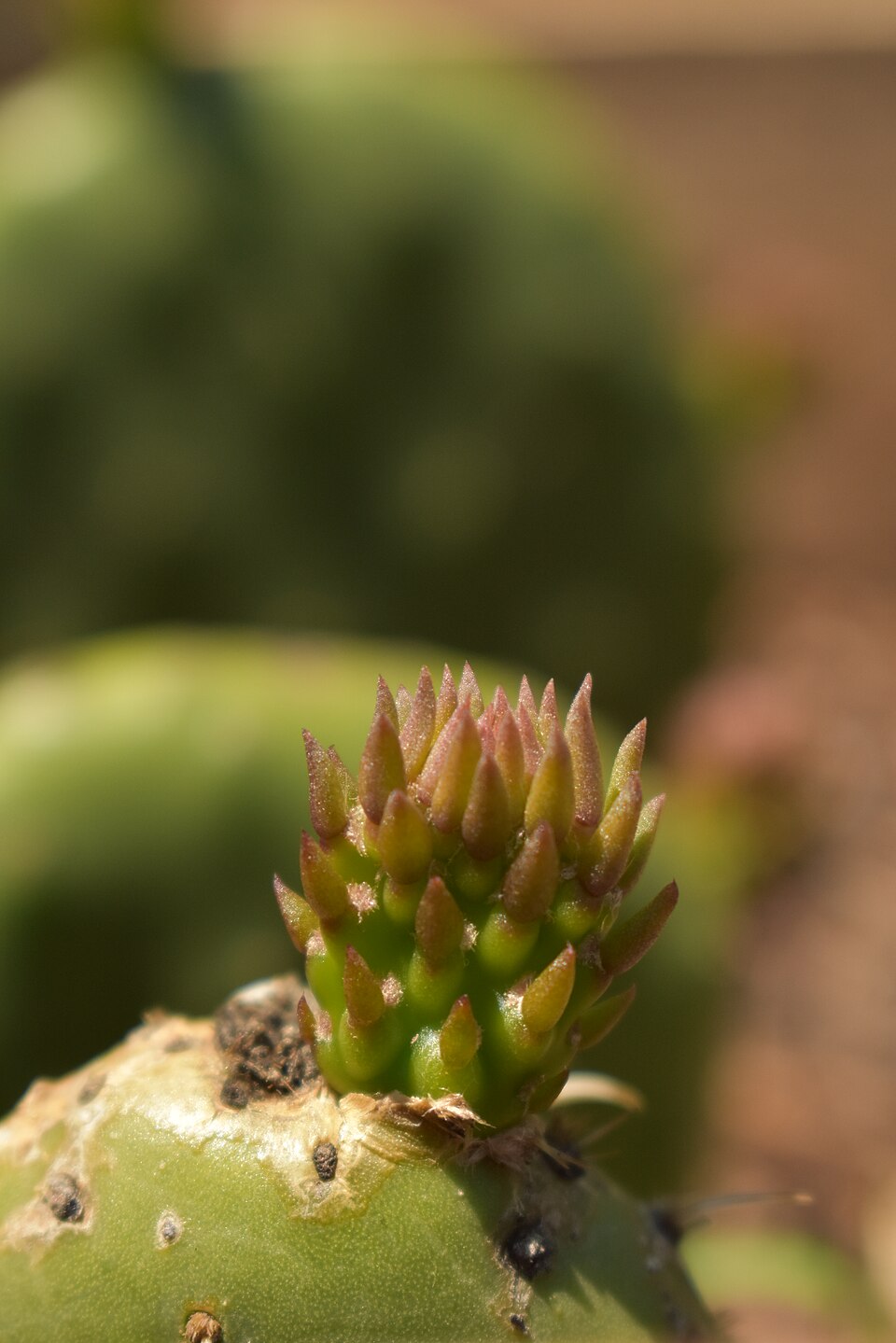
The nopal cactus is a staple of Mexican cuisine and traditional medicine, appearing in everything from breakfast scrambles to folk remedies for type 2 diabetes. Its transition into massage tool required only a short conceptual leap and a pair of thick gloves. At various spas in Mexico, treatment offerings include a massage performed using heated nopal cactus paddles - the wide, flat pads of the prickly pear, with the spines removed (this detail is important), warmed and applied to the body in sweeping movements that are claimed to improve circulation, reduce inflammation, and leave skin unusually soft.
The mucilage inside the cactus pad functions as a natural moisturizer; the warmth of the heated pad opens pores; the slight roughness of the pad surface provides exfoliation. The treatment is reportedly popular at several luxury spas in Mexico City, Oaxaca, and the Yucatan peninsula, where it is positioned as both a wellness treatment and a cultural experience, the nopal being sufficiently central to Mexican identity that it appears on the national flag (held in the beak of an eagle, though this detail is unrelated to the spa context). Our Mexico City guide covers a range of experiences that don't involve cactus, should you prefer.
The practical question that this treatment raises is how one persuades a guest that being rubbed with a cactus constitutes luxury. The answer, judging by reviews, is primarily a function of how thoroughly the spines have been removed.
Cryotherapy
Cryotherapy chambers lower the ambient temperature to between minus 110 and minus 160 degrees Celsius using liquid nitrogen mist. Clients enter for sessions lasting two to four minutes wearing minimal clothing (socks, gloves, and a face mask to protect extremities; the rest, apparently, is fine) and are exposed to these temperatures for the duration. The claimed benefits are extensive: reduced inflammation, accelerated muscle recovery, improved circulation, skin tightening, elevated mood via endorphin release, and, in various less carefully worded marketing materials, weight loss, anti-aging effects, and general wellness enhancement. The evidence base for these claims varies considerably between treatments.
Cryotherapy for localized injury treatment has a legitimate clinical history: ice packs, cold water immersion, and cold therapy for inflammation are well-established. Whole-body cryotherapy is the more theatrical version, in which the entire person is treated simultaneously. It gained significant mainstream visibility when several high-profile athletes began using it for recovery, after which the number of facilities offering it increased considerably. The treatment is available in most major cities globally, having made the transition from sports medicine to general wellness spa in the mid-2010s.
The experience is described by most clients as intensely cold (which is accurate) followed by a warm flush and elevated energy as the body compensates. The scientific literature on whole-body cryotherapy remains cautious, with the most rigorous reviews noting that the evidence for most claimed benefits is promising but not yet robust. The treatment is, however, one of the few on this list where the mechanism - cold exposure triggering physiological response - requires no suspension of disbelief, only tolerance for discomfort. You get COLD. Very, extremely cold. This is not a metaphor.

Leech Therapy
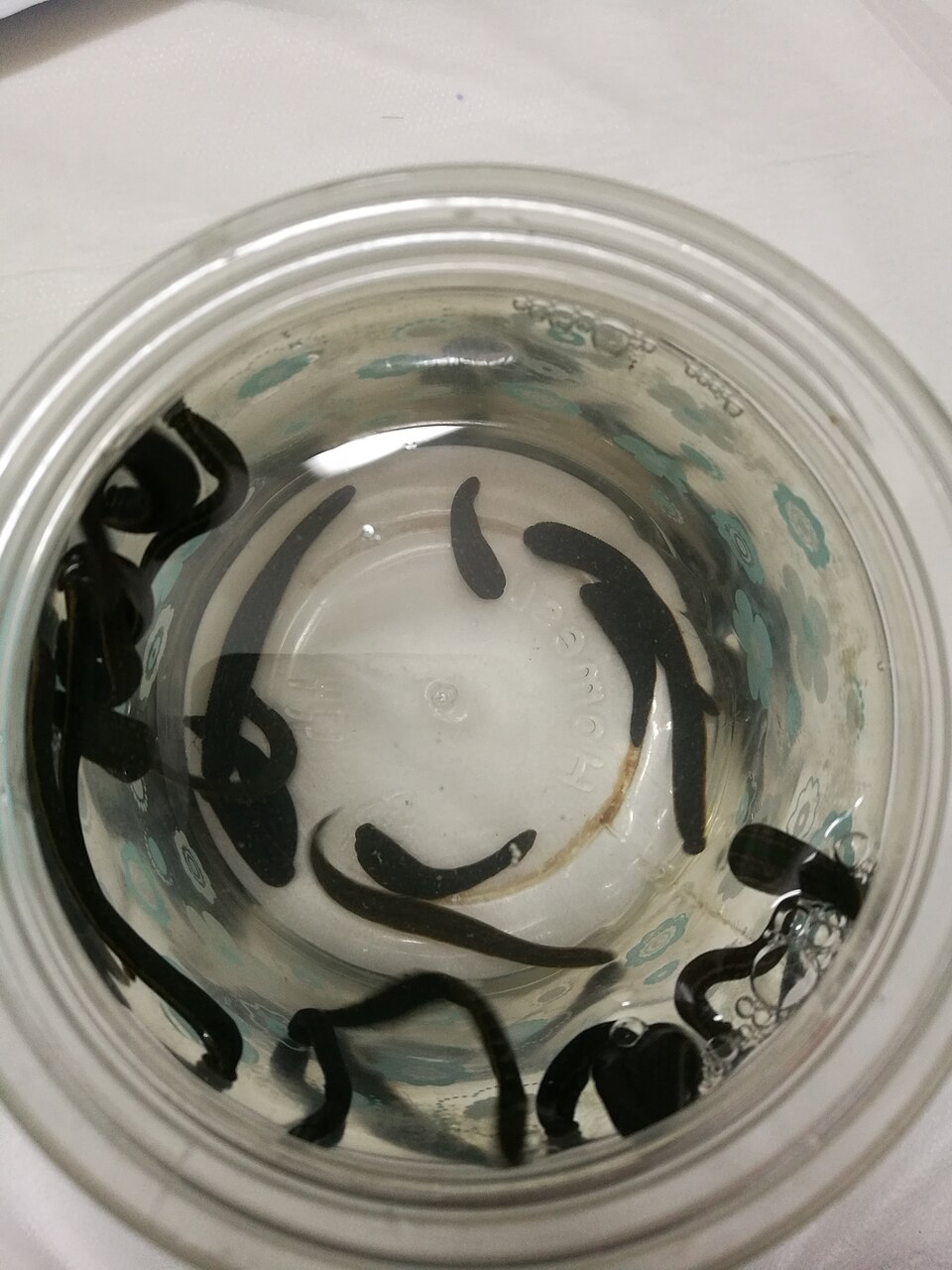
Leeches were removed from mainstream Western medicine in the nineteenth century, when the practice of bloodletting fell out of favor along with other treatments that, in retrospect, were doing more harm than the conditions they addressed. They returned in the 1980s, when microsurgeons discovered that medicinal leeches (Hirudo medicinalis) were extraordinarily useful for preventing post-surgical venous congestion in reattached or transplanted tissue - the anticoagulant compounds in leech saliva, including hirudin, keep blood flowing in delicate reconnected blood vessels where conventional anticoagulants are less effective. The FDA approved leeches as a medical device in 2004.
The wellness industry was watching. Leech therapy spas exist in Bosnia, Russia, Egypt, and various other countries where the treatment has historical roots in traditional medicine, as well as in upmarket wellness centers globally where it is offered for conditions ranging from arthritis and varicose veins to general detoxification (this last claim is the one where the scientific literature is more skeptical than the brochure). The practice involves applying between four and twelve leeches to specific points on the body, where they feed for approximately thirty to forty minutes before detaching voluntarily - a detail that draws certain parallels to other dining experiences, though one that practitioners prefer not to emphasize.
The hirudin in leech saliva is genuinely bioactive, producing measurable anticoagulant and anti-inflammatory effects in the treated area. The broader detox and wellness claims are supported by the same rigour that underlies most wellness claims, which is to say variably. The treatment is more medically respectable than several others on this list and more instinctively challenging than all of them. The craziest laws in the world article covers some equally counterintuitive things that have acquired institutional legitimacy over time.
Fire Cupping
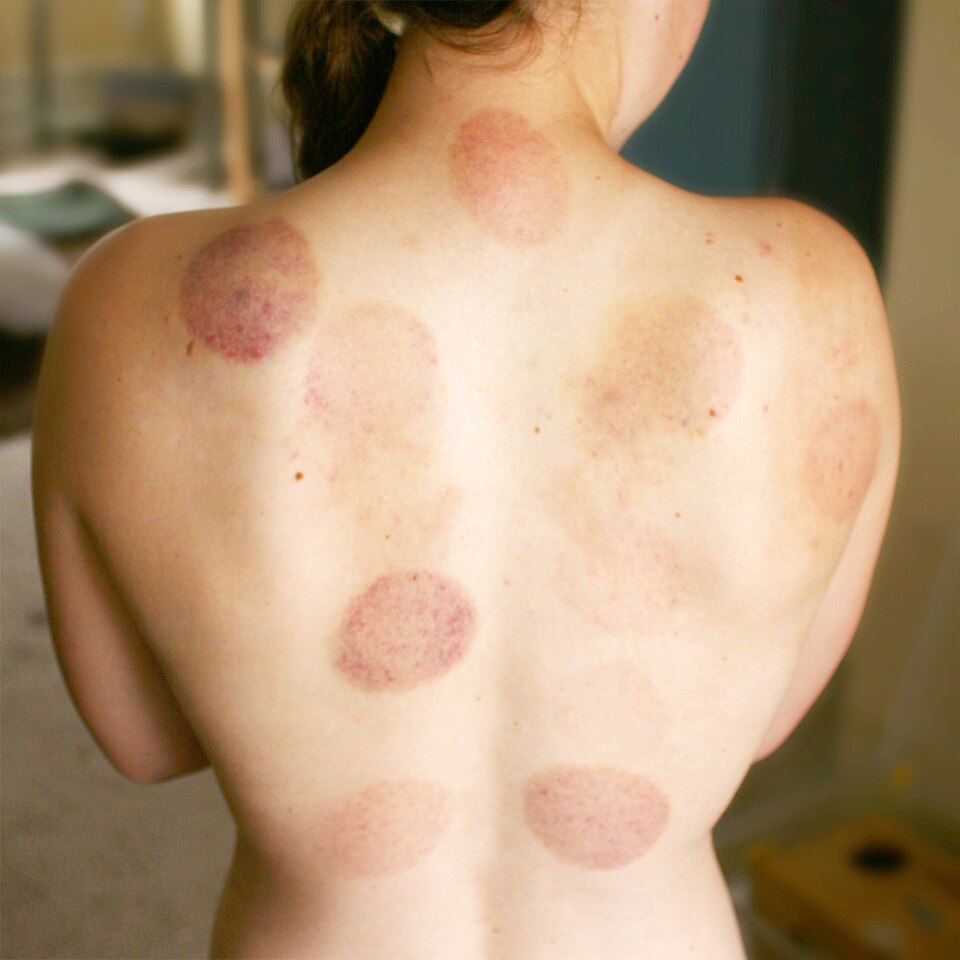
Fire cupping became briefly impossible to ignore during the 2016 Rio Olympics, when several high-profile athletes appeared on television with large circular bruises covering their backs and shoulders. The bruises are the product of cupping therapy, in which glass cups are placed on the skin after being briefly heated (the flame heats the air inside, which contracts as it cools, creating suction) or with mechanical pumps, creating a partial vacuum that draws the skin and superficial muscle layer upward into the cup. The resulting bruises (politely called petechiae by practitioners) are formed by broken blood vessels beneath the surface and typically take between seven and ten days to fade.
Cupping has roots in traditional Chinese medicine dating back at least two thousand years, with similar practices found independently in ancient Egyptian, Greek, and Middle Eastern medicine. The claimed benefits include improved blood flow, muscle relaxation, and the removal of metabolic waste products from tissue - a claim that the conventional medical community views with varying degrees of interest. What is clear is that many professional athletes from diverse sports swear by the treatment for post-competition recovery, which is evidence of some kind, though controlled trials have produced mixed results on the specific mechanisms involved.
The treatment is available at traditional Chinese medicine practitioners globally, at acupuncture clinics, and, increasingly, at mainstream sports massage and wellness centers. The sensation during the treatment is described as a strong pulling pressure rather than pain. The aftermath - a back that looks like it lost an argument with a squid - is the part that generates the most discussion. For other foods and practices where cultural context significantly affects interpretation, our most controversial foods piece covers related territory.
Disclaimer: Tripbase does not endorse or recommend any of the above treatments as medical advice. If you are considering leech therapy, cryotherapy, or having a large snake placed on your back for therapeutic purposes, please consult a qualified medical professional. And possibly a therapist. The wellness industry is five trillion dollars for a reason, and that reason is not always the one printed in the brochure.