
The Most Controversial Foods in the World
Every cuisine has a dish that splits a dinner table down the middle - the one where half the guests reach for seconds and the other half quietly reach for their coats. These are the foods that come with an asterisk, a protest sign, and occasionally a court case. Some are cruel, some are unsustainable, some are merely served while still moving. All of them are, somewhere on Earth, considered a delicacy worth paying through the nose for. Here are the most controversial foods in the world - the dishes that make ethicists wince and gourmands salivate, often at the same table.
A quick distinction before we wade in: controversial is not the same as illegal, though the two overlap constantly. A food earns its place here by being genuinely contested - on grounds of animal welfare, sustainability, safety, or sheer cultural shock - not merely by being weird. Weird we can handle. It’s the ethical asterisk that gets people shouting across the dinner table.
Foie Gras
The poster child of culinary controversy, foie gras (“fat liver”, because the French commit to a theme) is duck or goose liver swollen to several times its normal size. It gets that way through gavage - force-feeding the bird via a tube until its liver balloons into the buttery prize that restaurants charge a fortune for.
France produces the overwhelming majority of the world’s foie gras and treats it as protected cultural heritage, which is why you’ll find it on every second menu in the bouchons of Lyon and across Strasbourg and Alsace. The rest of the world is less sentimental: production or sale has been banned in numerous countries and US jurisdictions, landing it squarely on our list of illegal and controversial foods.
What makes it the defining controversy is that nobody really disputes the facts - the debate is entirely about whether tradition and taste justify the method. Chefs call it heritage; welfare groups call it cruelty with a wine pairing. Both camps will die on this hill, ideally over a tasting menu.
Shark Fin Soup
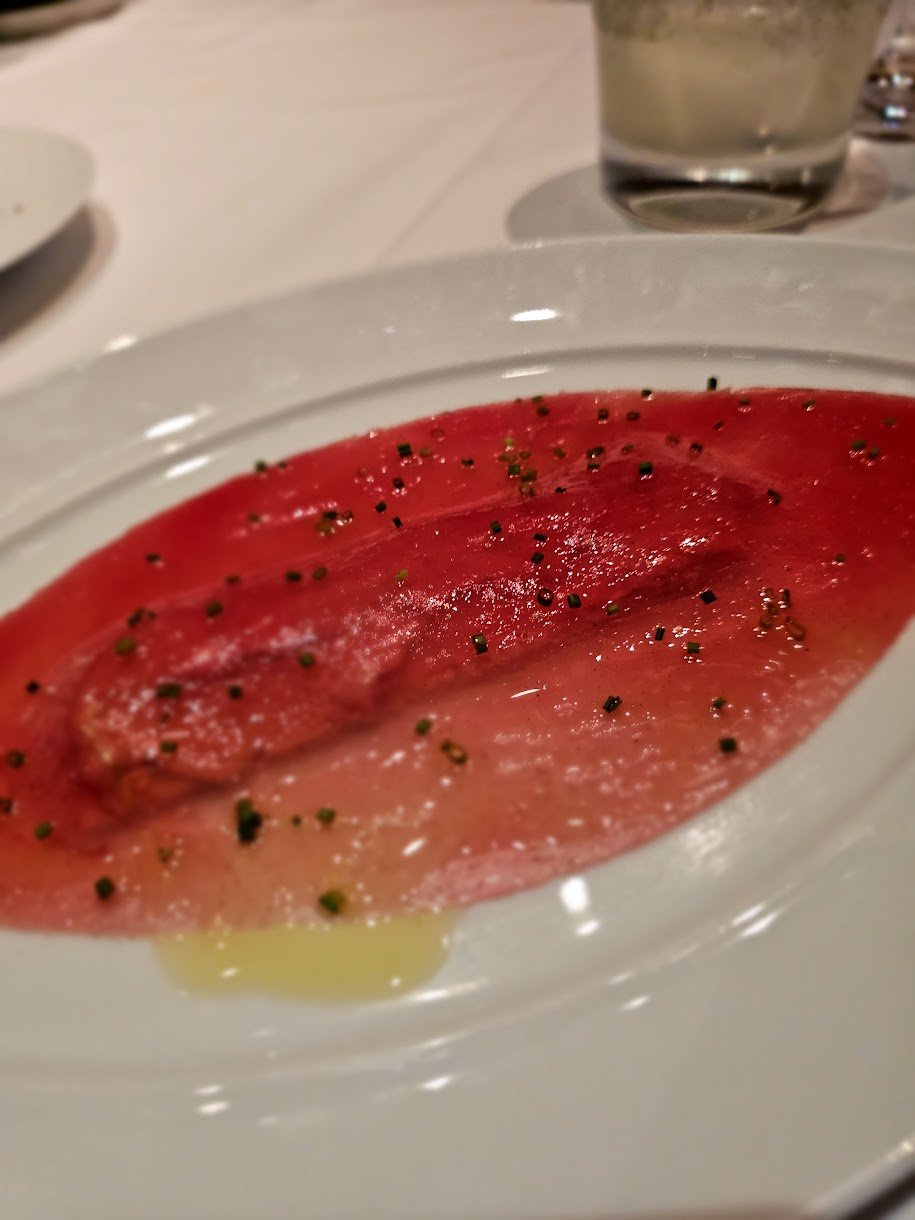
A bowl of shark fin soup is less about flavor - the fin itself is basically flavorless cartilage that borrows its taste entirely from the broth - and more about flexing. For centuries it has been the centerpiece of high-end banquets and weddings across Chinese cuisine, a way of telling your guests you spent money you didn’t need to.
The controversy is the part that doesn’t make it into the bowl. The practice of finning often involves slicing the fins off a live shark and dumping the rest back into the sea to sink, which is exactly as grim as it sounds. Tens of millions of sharks are killed for the trade annually, with ripple effects up and down the ocean food chain that scientists are still measuring.
Conservation groups have spent years pressuring restaurants in hubs like Hong Kong - long the capital of the trade - to take it off the menu, and many now have, alongside airlines and shipping lines that refuse to carry fins. The soup, stubbornly, remains a status symbol in some circles. Prestige is a slow thing to kill.
Ortolan Bunting
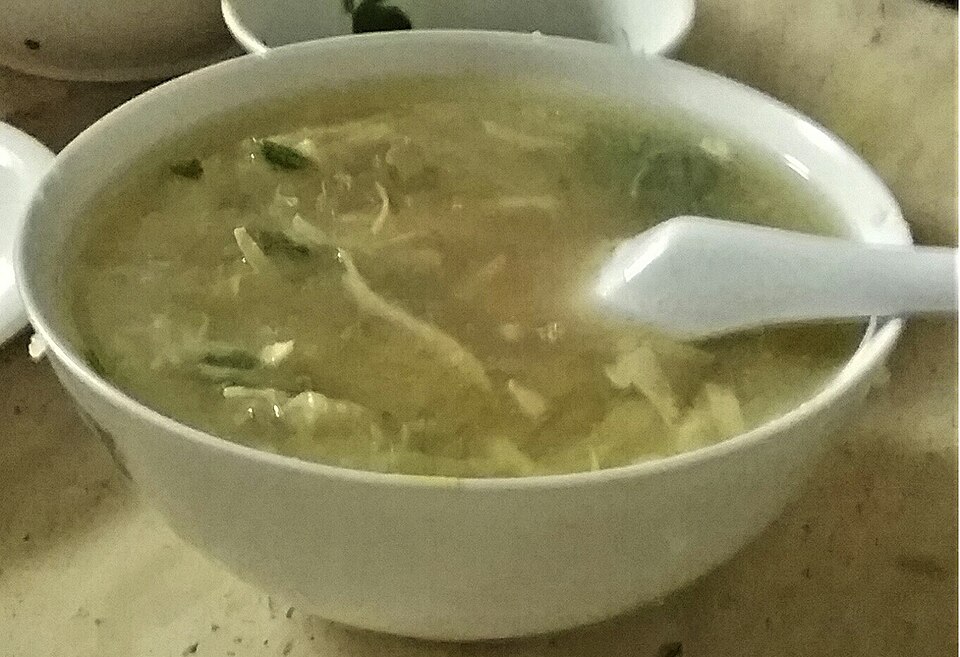
If you want to understand how far gourmands will go, consider the ortolan: a tiny songbird, smaller than your thumb, that France has nearly eaten into oblivion. The traditional preparation is a small horror story in four acts - the bird is captured, kept in darkness to make it gorge, drowned in Armagnac, then roasted and eaten whole, bones and all.
The diner is meant to drape a napkin over their head while eating, ostensibly to trap the aroma, though the popular theory is that it’s to hide the act from God. It was famously part of French president François Mitterrand’s decadent last meal - a man who knew exactly how the optics looked and ordered two anyway.
Hunting and eating ortolan is now illegal in France and across the EU, which is why it also features in our roundup of foods banned around the world. A black market persists, because nothing makes a dish more desirable to a certain kind of diner than telling them they can’t have it. The napkin, it turns out, hides quite a lot.
Bluefin Tuna
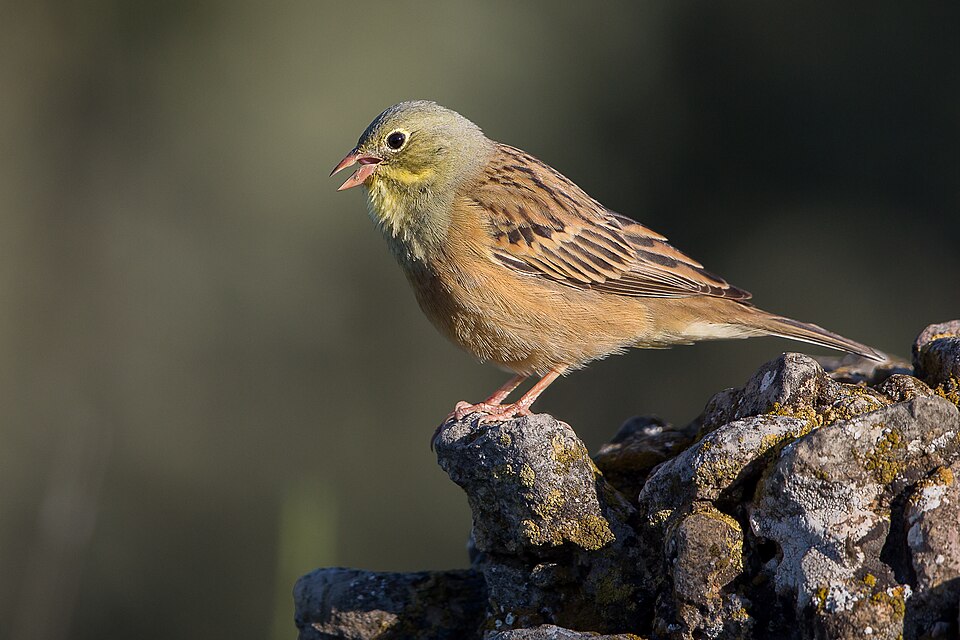
Bluefin tuna is the controversy you can order at a perfectly respectable sushi counter without realizing it. Prized for its rich, fatty belly (otoro), the fish commands staggering prices: a single bluefin once sold at a Tokyo new-year auction for over three million dollars, a number that earns it a place among the world’s most expensive foods.
That demand is precisely the problem. Decades of overfishing pushed Atlantic and Pacific bluefin stocks to alarming lows, and the fish became a flashpoint for the larger argument about whether any wild seafood can be eaten sustainably at scale. The species reproduces slowly and ranges across international waters, which makes it fiendishly hard to manage and easy to plunder.
Stocks have recovered somewhat under tighter quotas and better enforcement, which is a rare piece of good news in this article. But “endangered luxury” is a hard label to plate elegantly, and every piece of otoro is still a small wager on a species’ future.
Kopi Luwak (Civet Coffee)
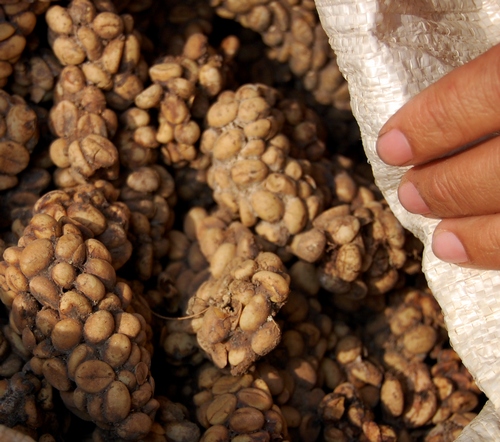
Marketed for years as the world’s most exclusive coffee, kopi luwak is made from beans that have been eaten and, ahem, passed by the Asian palm civet. The animal’s digestion supposedly mellows the bean, and tourists across Bali and Southeast Asia have paid premium prices for the privilege of drinking something a small mammal already did.
The romance - wild civets daintily selecting the ripest cherries by moonlight - turned out to be mostly marketing. Soaring demand spawned battery-style operations where caged civets are force-fed coffee cherries in cramped conditions welfare groups have roundly condemned, which is how a novelty brew earned a spot in any honest list of the world’s weirdest foods.
The cruel irony is that the caged version is reportedly worse coffee - a stressed animal on a forced diet doesn’t produce the mythical smoothness. The taste of the real thing? Reviewers tend to land on “fine.” An expensive, ethically fraught “fine.”
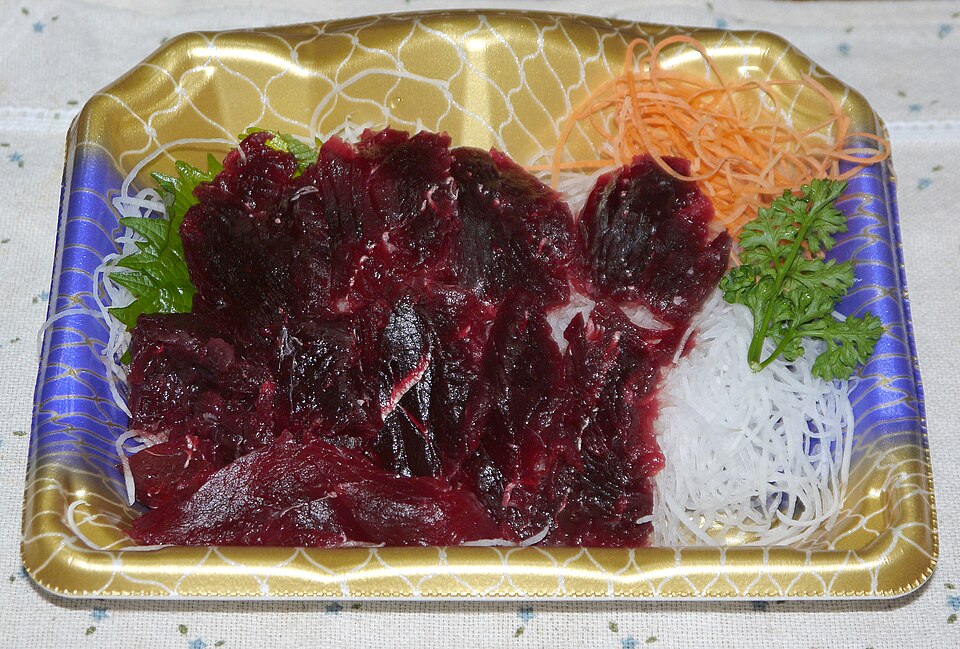
Whale Meat
Few foods spark an international incident quite like whale. Once a global staple in lean times, whale meat is now eaten in only a handful of countries - chiefly Japan, Norway, and Iceland - and each plate sits on top of a long-running fight with the International Whaling Commission and conservationists worldwide.
Supporters frame it as culinary tradition and food sovereignty; opponents point to the conservation status of the animals and the slow, contested methods used to catch them. The science and the sentiment rarely meet in the middle, and the diplomatic temperature around it has barely cooled in decades.
The strange epilogue is that demand has quietly collapsed even where it’s legal - domestic appetite has faded, stockpiles sit unsold, and a notable share of the remaining diners are curious tourists rather than locals. It’s a controversy that may eventually be settled less by treaty than by indifference.
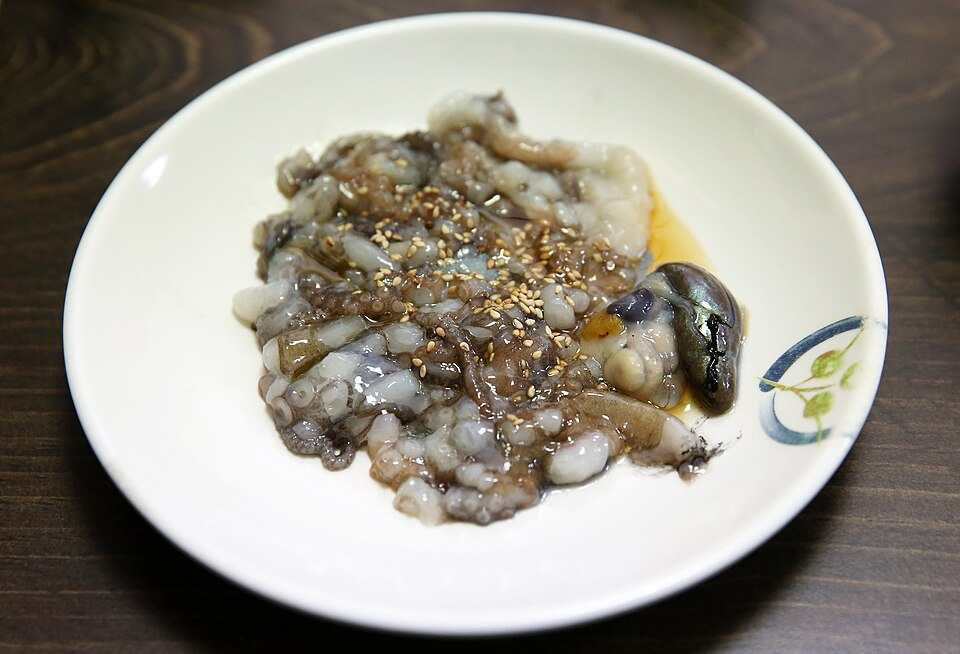
Sannakji (Live Octopus)
Sannakji is a Korean dish in which octopus is sliced and served immediately, so fresh that the tentacle pieces are still squirming with suckers that grip on the way down. It is, depending on your worldview, either a thrilling test of nerve or breakfast that fights back.
The ethical objection is obvious - octopuses are now widely recognized as remarkably intelligent, which makes this about as close to eating something alive as the law allows. There’s also a genuine safety angle: those active suckers can latch onto the throat, and the dish causes a small number of choking deaths each year.
The official advice is to chew thoroughly and not get cocky, which is rarely advice you need for a salad. If wriggling food intrigues rather than horrifies you, it keeps good company in our guide to illegal and controversial food.
Bird’s Nest Soup
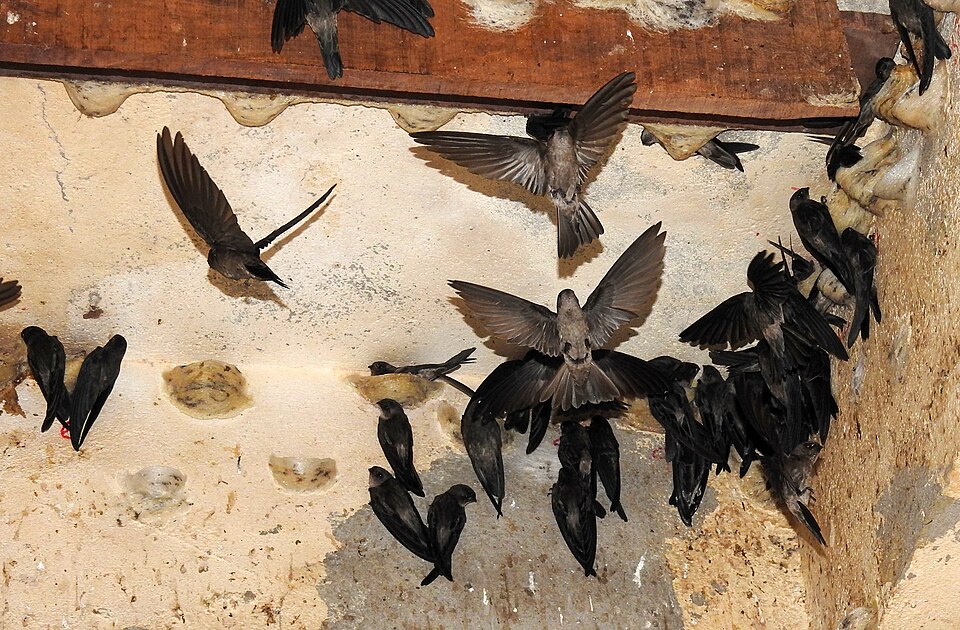
The “caviar of the East” is, brace yourself, soup made from solidified bird saliva. Specifically, swiftlets build their nests almost entirely from their own hardened spit, and those nests are harvested, cleaned, and dissolved into a gelatinous, faintly sweet soup that ranks among the most expensive animal products on the planet.
The controversy is twofold: the dizzying prices have driven intensive harvesting that disturbs wild swiftlet colonies, and the most prized cave nests are gathered by climbers scaling sheer rock faces in genuinely dangerous conditions. People have died collecting the raw material for a starter.
Purpose-built “swiftlet houses” have sprung up across Southeast Asia to farm the nests more sustainably, which helps the birds if not the neighbors who live next to a building broadcasting recorded birdsong at volume. Either way, it’s a delicacy that mostly tastes of the broth it’s cooked in. Tradition is a powerful seasoning.
Disclaimer: As a brand, Tripbase respects all global cultures and culinary traditions. This article is written from a Western perspective for informational and lightly irreverent purposes, and takes no joy in the welfare and conservation issues it describes. Eat thoughtfully out there.