
The Most Insane Food World Records Ever Set
Food World Records That Shouldn't Be Possible
Human beings have an extraordinary drive to push things to their absolute limits. In food, this manifests in two distinct ways: the engineering of scale (how big can a single food item be made?) and the testing of human biology (how much can one person eat, how fast, of something how terrible?). The Guinness World Records organization has been tracking both since 1955, and the results range from genuinely impressive feats of engineering to deeply questionable decisions about what to do with a Tuesday afternoon.
The Hottest Chili Pepper: 2.69 Million Scoville Units
The Scoville scale measures the concentration of capsaicin compounds in chili peppers, expressed in Scoville Heat Units (SHU). Bell peppers score 0. Jalapeños score around 5,000. Traditional habaneros score 100,000-350,000. The world's hottest pepper as of 2023 is Pepper X, developed by Ed Curlin of PuckerButt Pepper Company, which was certified by Guinness at 2.693 million SHU - a level at which pure capsaicin compounds cause genuine pain responses and are used in bear spray and riot control agents. Curlin spent 10 years developing it. He describes eating it as producing full body cramps and waves of heat that last for hours. The pepper is not commercially available.
Previous record holders include the Carolina Reaper (also bred by Curlin), the Trinidad Moruga Scorpion, the Infinity chili, and Naga Viper - all involving breeders deliberately selecting for maximum capsaicin concentration in a multi-decade arms race that has effectively turned chili breeding into competitive engineering.
Competitive Eating: 76 Hot Dogs in 10 Minutes
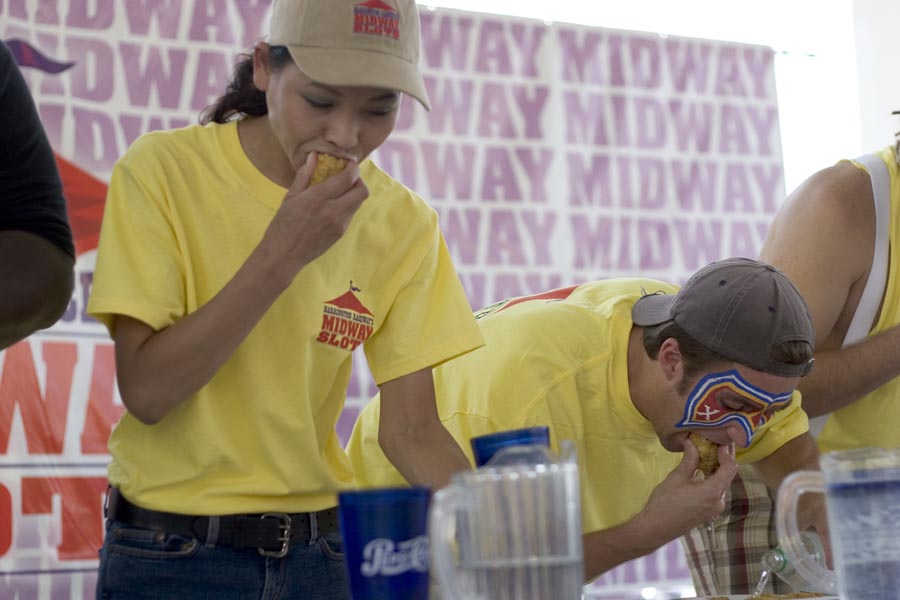

Joey Chestnut holds the world record for hot dogs eaten in 10 minutes at the Nathan's Famous Hot Dog Eating Contest on Coney Island, New York: 76 hot dogs and buns in 2021. To put this in context: a standard hot dog weighs approximately 57g and a bun approximately 45g. 76 of them = approximately 7.8 kilograms of food in 600 seconds. The average competitive eater consumes roughly 12 calories per second during peak performance - comparable to the caloric rate of sustained high-intensity athletic exercise.
Competitive eating has developed its own techniques: dunking the bun in water to compress and lubricate it (the "Solomon Method"), breaking the hot dog lengthwise to consume two at once (the "Kobayashi Method"), and training the stomach through gradual water consumption to expand its capacity. Research on elite competitive eaters suggests they develop a notably more distensible stomach than the general population. The long-term health effects are unclear but not widely studied by mainstream medicine.
World's Heaviest Pumpkin: 1,226 kg
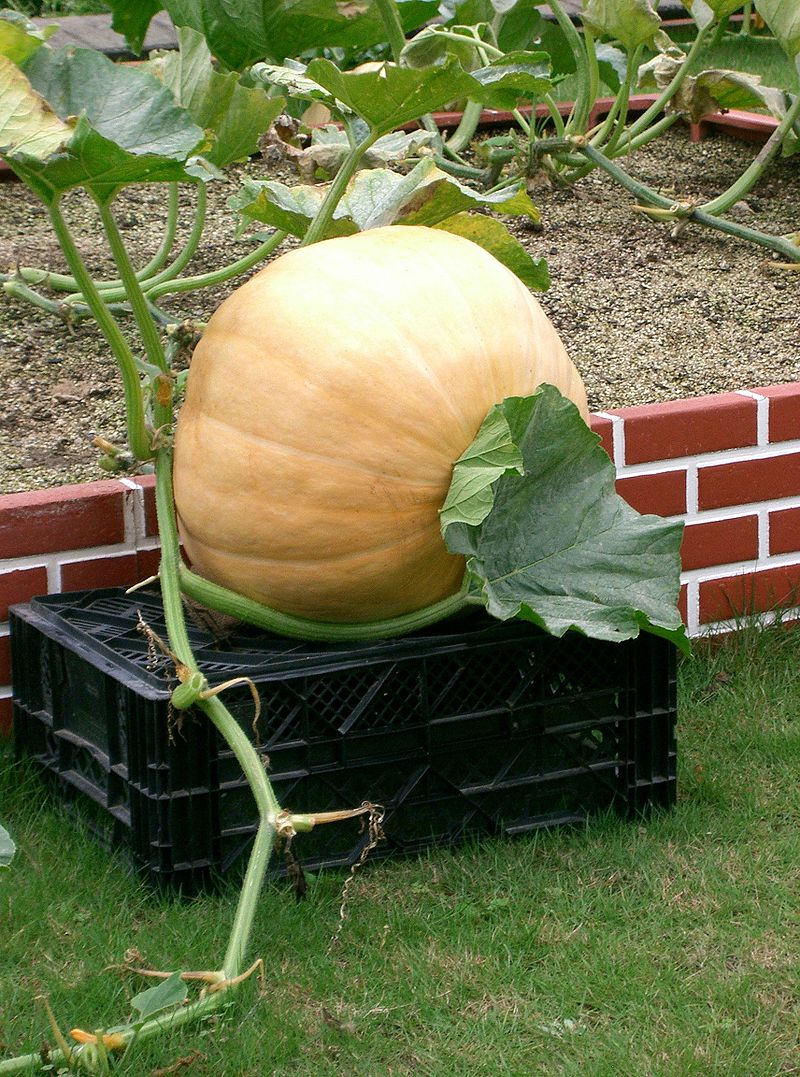

The world's heaviest pumpkin records are set at the Great Pumpkin Commonwealth's (GPC) sanctioned weigh-offs, predominantly in the United States and Europe. The current world record holder is a pumpkin grown in Italy, by Stefano Cutrupi in 2021, weighing 1,226 kg - 2,703 pounds. That is heavier than a medium-sized car.
Giant pumpkin growing is serious competitive agriculture. The Atlantic Giant variety (Cucurbita maxima) is the only cultivar capable of reaching these weights, and top growers treat their seeds like intellectual property - buying seeds from champions of previous seasons for thousands of dollars, maintaining soil chemistry to precise specifications, constructing shade structures to maintain optimal temperature, and monitoring growth with daily weight estimates. A champion pumpkin can gain 15-20 kg per day at peak growing season. The plants require extraordinary inputs: thousands of liters of water per week, intensive fertilization, and constant monitoring for disease.
World's Largest Pizza: 1,261.65 m²
The largest pizza ever made was created in Rome in 2012 by Dovilio Nardi, Andrea Mannocchi, Marco Nardi, Matteo Nardi and Matteo Giannotte. It measured 1,261.65 square metres - roughly the size of four basketball courts - and weighed approximately 23,000 kg. It was made gluten-free, which lent it an additional novelty distinction. The making required five days of continuous production.
This should not be confused with the largest commercially available pizza, which is a more practically interesting record. Big Mama's & Papa's Pizzeria in Los Angeles sells a 1.83 × 1.37 metre pizza (the "Giant Sicilian") that requires 48 hours notice to order and comfortably feeds 50-70 people.
World's Largest Chocolate Bar: 5,792 kg
The world's largest chocolate bar was made by Thorntons in the UK in 2011 to mark their centenary. It weighed 5,792.50 kg (12,770 lb) and measured 4 × 4 metres by 35cm deep. The production required 330 individual chocolate deliveries to the factory and took two weeks to assemble. It was eventually broken up and distributed as samples.
Most Expensive Meal Eaten at Altitude
In 2014, a team of climbers cooked and ate a three-course meal - consisting of tomato soup, a main course of lamb chops with vegetables, and chocolate mousse for dessert - at the summit of Mount Everest (8,848 metres) to set a Guinness record for highest altitude formal dinner. The logistics required pre-cooking and freeze-drying components, carrying dedicated cooking equipment and table settings up 8,000 metres of altitude, and somehow finding the motivation to eat rather than simply survive at a location where the partial pressure of oxygen is less than one-third that at sea level.
Which of these records do you think is the most extraordinary - the engineering of scale or the limits of human biology? Tell us in the comments.