Underground Cities You Can Actually Visit (And Why Anyone Would Want To)
Fire is humanity's greatest invention. The wheel is a close second. But somewhere between those two, our ancestors looked at a dark hole in the ground and thought, 'actually, yes.' After spending several hundred thousand years trying to climb OUT of caves, we promptly reversed course and started digging our way back in - this time with ventilation shafts, chapels carved from salt, and the occasional underground pub.
The underground city is, when you think about it, an absolutely logical response to living on the surface. The surface has weather. It has invaders. It has other people. The underground has none of these things, except for the other people you brought with you, and at least you chose those ones. Across the world, humans have responded to everything from Byzantine persecution to Australian summer and Canadian winter by simply going underground and building a second city beneath the first one.
Here, then, is a guide to the most impressive underground destinations on the planet - each one a monument to human ingenuity, stubbornness, and an exceptionally low tolerance for whatever was happening aboveground. Unlike our roundup of remote places you can actually visit, these destinations are all reasonably accessible. Getting underground is, it turns out, easier than ever.
Derinkuyu Underground City, Turkey
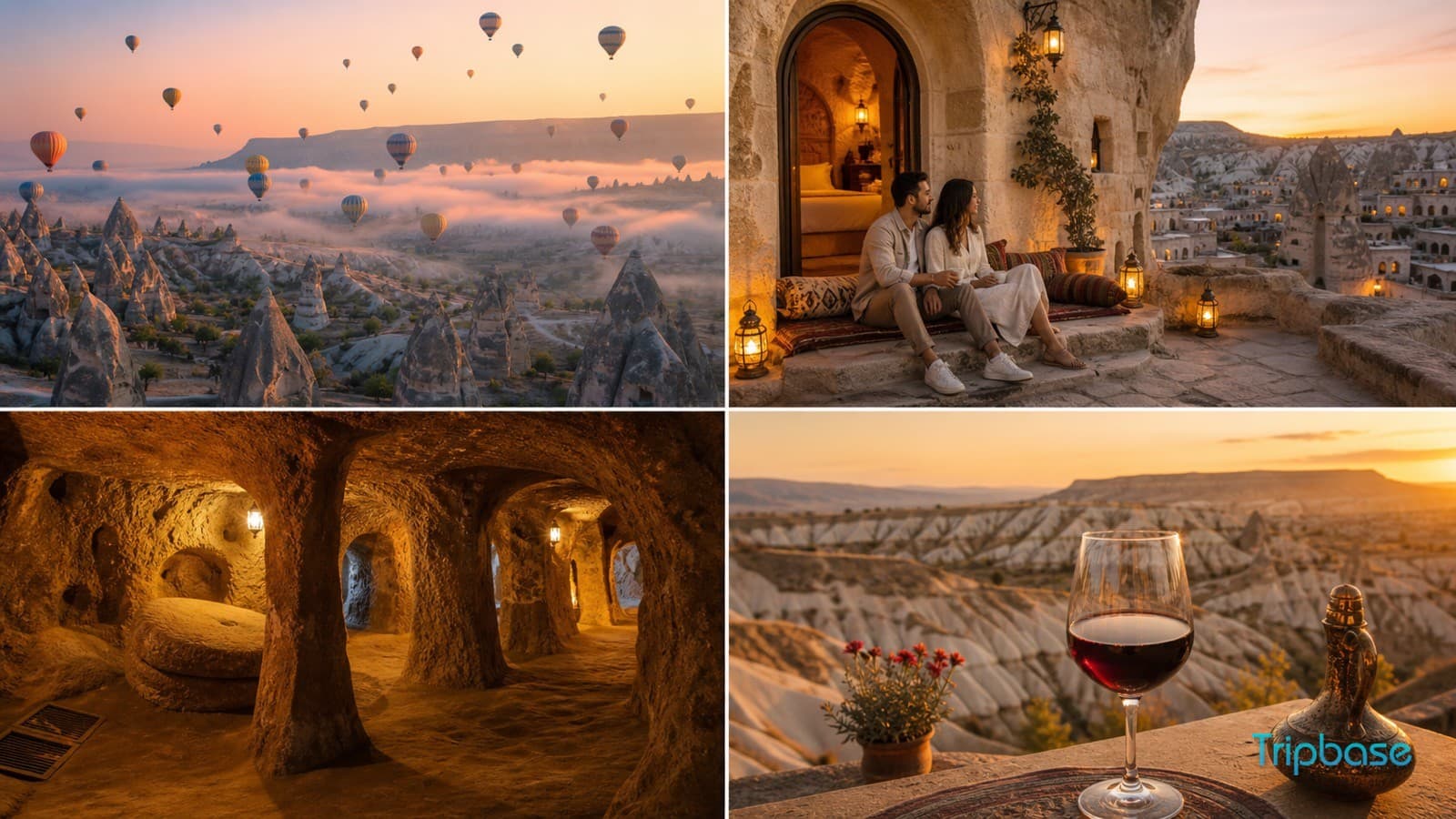
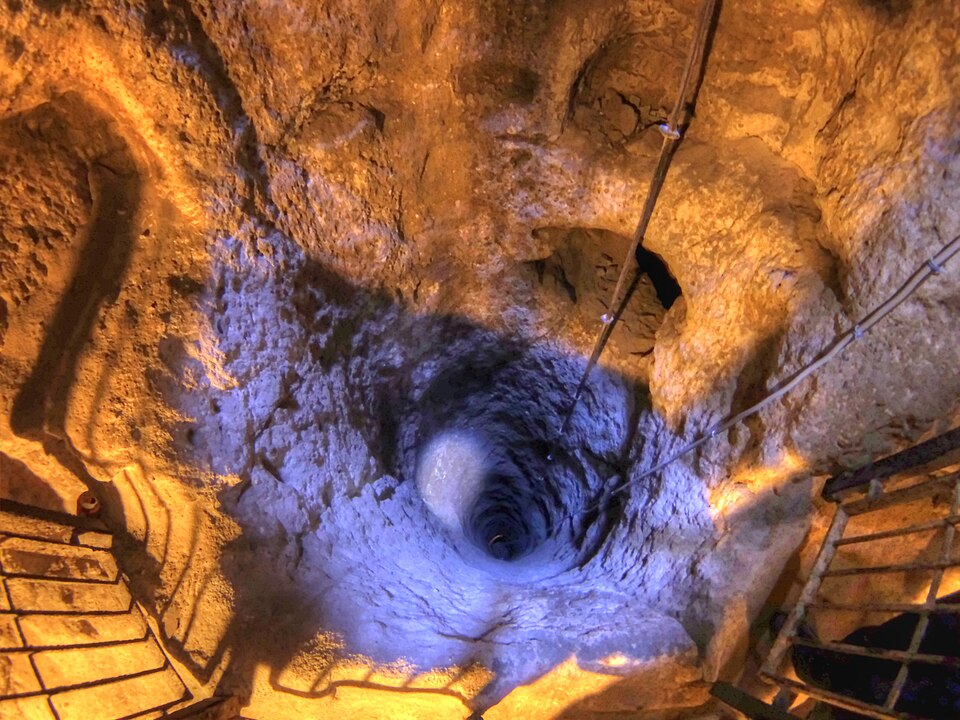
Of all the places on this list, Derinkuyu has the most dramatic origin story, which is saying something because several of these places were built specifically to survive the end of civilization. Located in the Cappadocia region of Turkey - a landscape already so surreal it looks like someone designed a planet using only fairy chimneys and the set of an Agatha Christie miniseries - Derinkuyu was carved out of soft volcanic rock roughly 3,500 years ago, probably by the Phrygians, and then expanded significantly by early Christians who were, to put it diplomatically, having a difficult few centuries.
The city descends 18 levels underground, though only 8 are open to visitors, which is either a safety precaution or a decision made by someone who ran out of lighting. At its peak, it could shelter approximately 20,000 people, plus their livestock, their food stores, their wine cellars, their churches, and - apparently - their need for a missionary school, because underground religious education was apparently a priority. Circular millstone doors, each weighing up to 500 kilograms, could be rolled into place to seal passages from the inside. The invaders could knock all they liked. The people of Derinkuyu were not interested.
The truly wonderful detail about Derinkuyu is how it was rediscovered in 1963. A local man knocked through a wall during a home renovation and found himself staring into a tunnel system extending to an underground city large enough to shelter a small town. This is, by most measures, the greatest home renovation discovery in recorded history. Our guide to Cappadocia covers the full surreal landscape above ground - but going underground at Derinkuyu is the part that stays with you longest.
Real Mary King's Close, Edinburgh
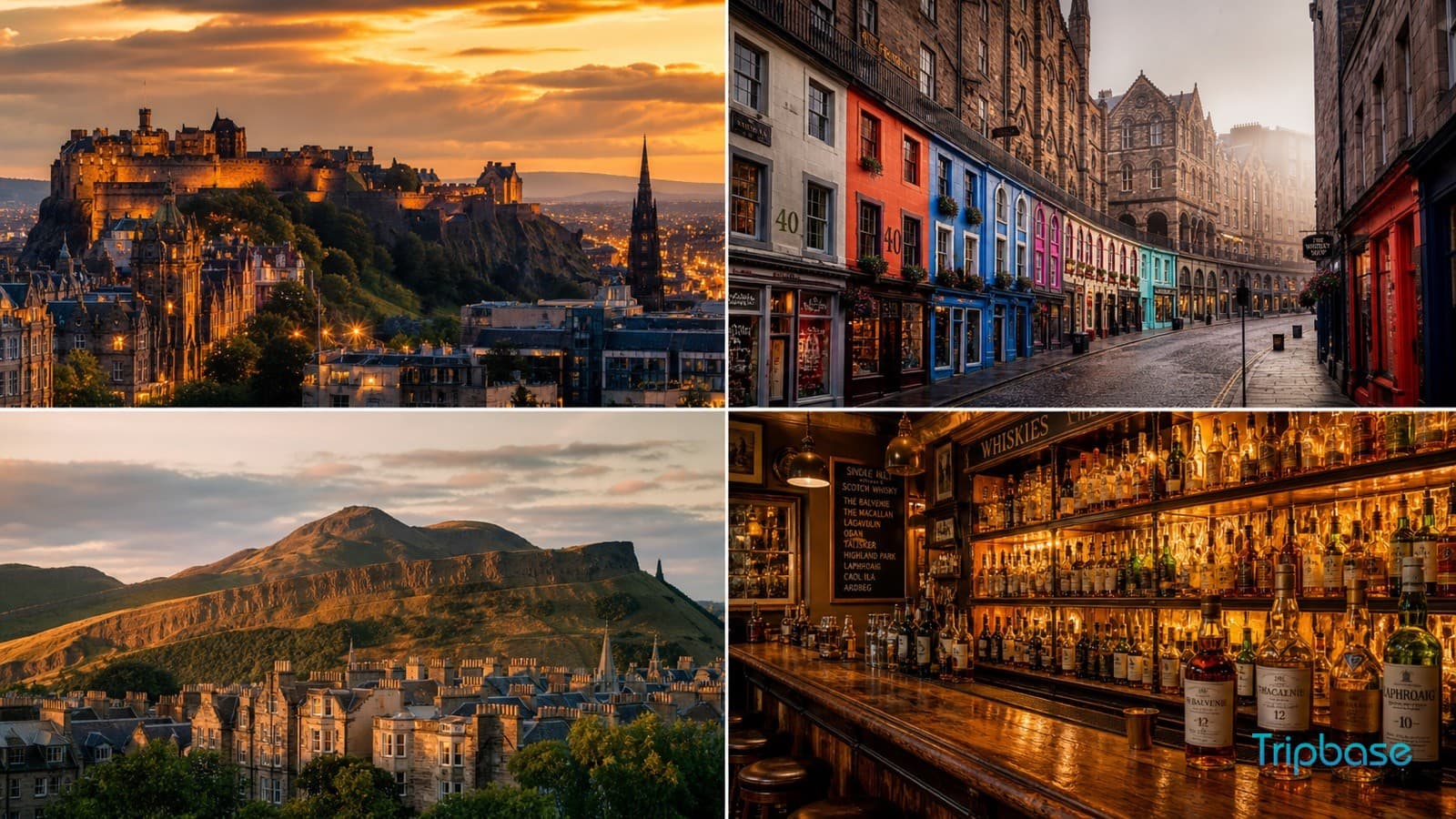
Edinburgh did not build an underground city because of persecutors or climate emergencies. Edinburgh built its underground city because they built a new building on top of an old one and found it was cheaper to seal the old streets than to demolish them. This is the most Scottish approach to urban planning imaginable, and we mean that entirely as a compliment.
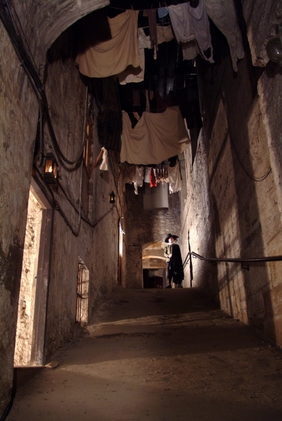
Real Mary King's Close runs beneath the Royal Mile in Edinburgh's Old Town - a series of 17th-century streets and tenements that were partially preserved when the Royal Exchange (now the City Chambers) was constructed above them in 1753. Rather than clearing the old buildings, builders used the existing structures as foundations, sealing off the streets below. For about two centuries, this was used mostly for storage and the occasional unnerving encounter with the past. Today, it's a guided tour attraction and one of Scotland's most visited dark tourism sites.
The Close has a well-established haunted reputation, which Edinburgh leans into with the enthusiasm of a place that has discovered ghost tourism is quite good for business. The most famous ghost is Annie, a small girl who allegedly appears to visitors and requests a toy - a claim that originated with a Japanese psychic in 1992, which is a sentence that requires no further commentary. There is now a corner of the Close dedicated to dolls left by sympathetic visitors. It is exactly as unsettling as it sounds. Edinburgh's full city guide covers the above-ground highlights - though this is one case where going underground is arguably the point.
Wieliczka Salt Mine, Poland
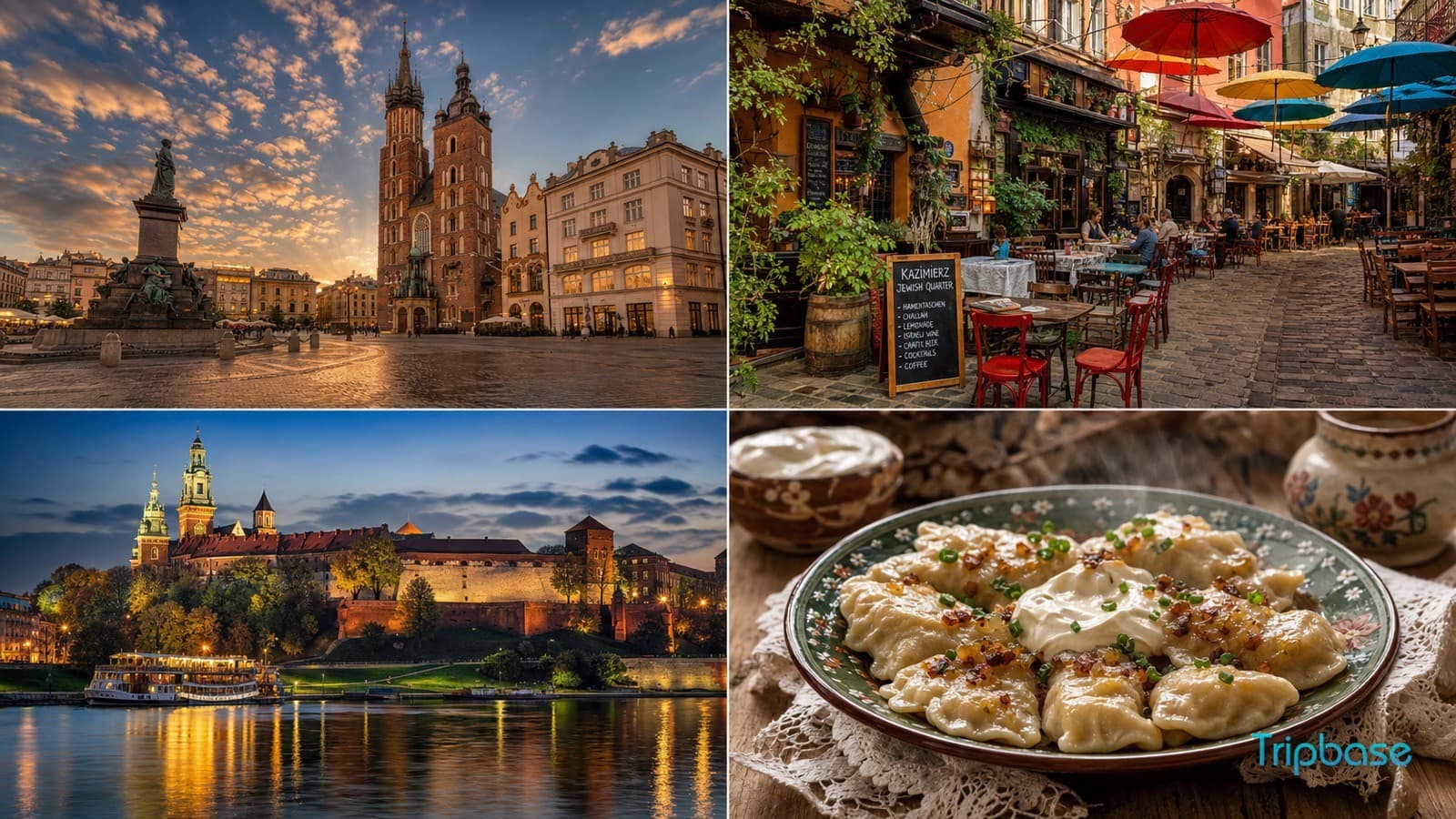
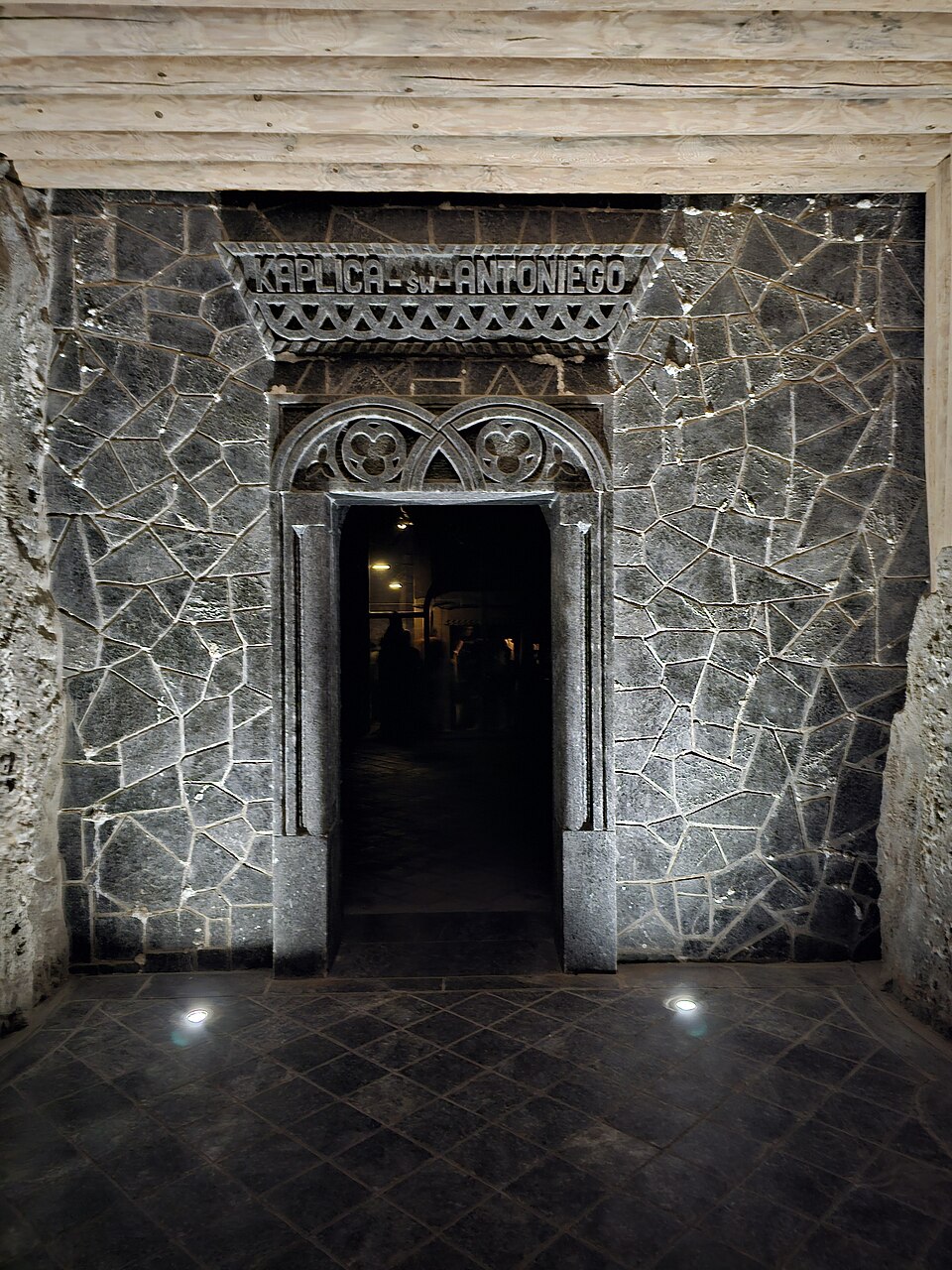
Wieliczka Salt Mine is, on the surface (and then considerably below the surface), the result of 700 years of people mining salt and periodically losing the plot in a very constructive way. The mine dates to the 13th century and operated continuously until 2007, making it one of the longest-running industrial operations in European history. During those seven centuries, the miners - whether from devotion, boredom, or an artistic vision that required 200 metres of depth to fully express - carved an entire underground world from rock salt.
The centrepiece is the Chapel of Saint Kinga: a fully functioning underground church approximately 54 metres long, 18 metres wide, and 12 metres high, with chandeliers made of salt crystals, bas-relief sculptures, and a full-size statue of Pope John Paul II. Every surface is carved from salt: the walls, the altars, the floor. The miners apparently decided that if you're going to spend your working life underground, you might as well make it beautiful. This is a philosophy the rest of us could probably apply to our own offices, though with less chiselling.
Nine levels descend to 327 metres, with 300 kilometres of passages connecting over 2,000 chambers. There is an underground lake. There is a sanatorium operating in the mine because the microclimate has genuine therapeutic benefits for respiratory conditions - one of those facts that sounds entirely made up until you look it up. The mine is a UNESCO World Heritage Site and receives about 1.5 million visitors per year. Krakow is 30 minutes away and the natural base - our Krakow guide covers the above-ground cultural capital - but Wieliczka is, frankly, non-optional.
Coober Pedy, Australia
Coober Pedy has a simple and entirely rational explanation for why approximately 60% of its 3,500 residents live underground: it is, by any reasonable measure, the hottest inhabited place in Australia where people have nonetheless elected to stay. Summer temperatures regularly reach 50°C (122°F). The solution, rather than moving somewhere with shade, was to dig into the sandstone hillsides and build underground homes called 'dugouts' - which maintain a cool, stable temperature year-round, cost less to build than surface houses, and require no air conditioning, because they are the air conditioning.
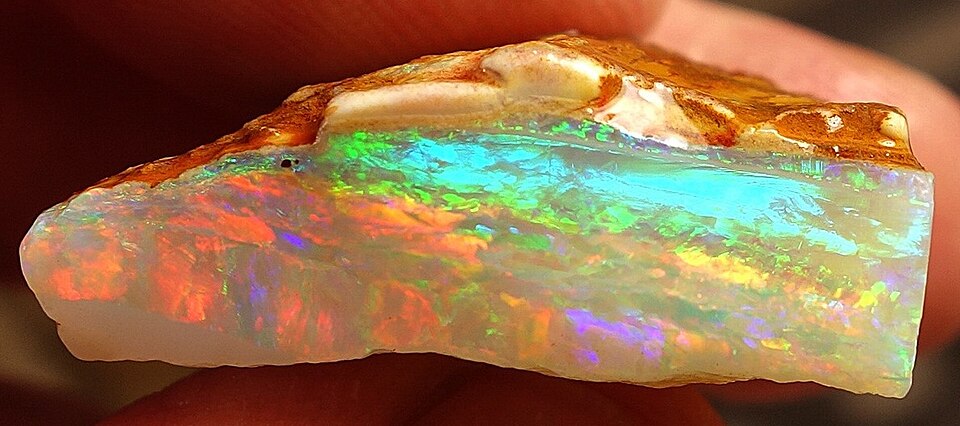
Coober Pedy is also the opal mining capital of the world, producing approximately 70% of the global opal supply, which is why anyone lives there in the first place. Opal was discovered in 1915 by a 14-year-old named Will Hutchison who was looking for water and found something considerably more valuable - the Australian continent's approach to most things. The town now has underground hotels, underground churches (the Serbian Orthodox, the Catholic, and the Catacomb Church all operate underground), underground shops, and a golf course with no grass. The golf course is played after dark using luminous balls, because the daytime temperature makes outdoor recreation a theoretical rather than practical concept.
Coober Pedy has been used as a film location for Mad Max 3: Beyond Thunderdome and multiple sci-fi productions seeking a convincingly post-apocalyptic landscape, which is either reassuring (the town photographs well) or mildly alarming (it looks like a place civilization has already departed). Alice Springs is the nearest major hub, a few hours north. Coober Pedy rewards a detour, ideally timed before you leave for somewhere with visible sky.
Montreal's Underground City (RESO), Canada
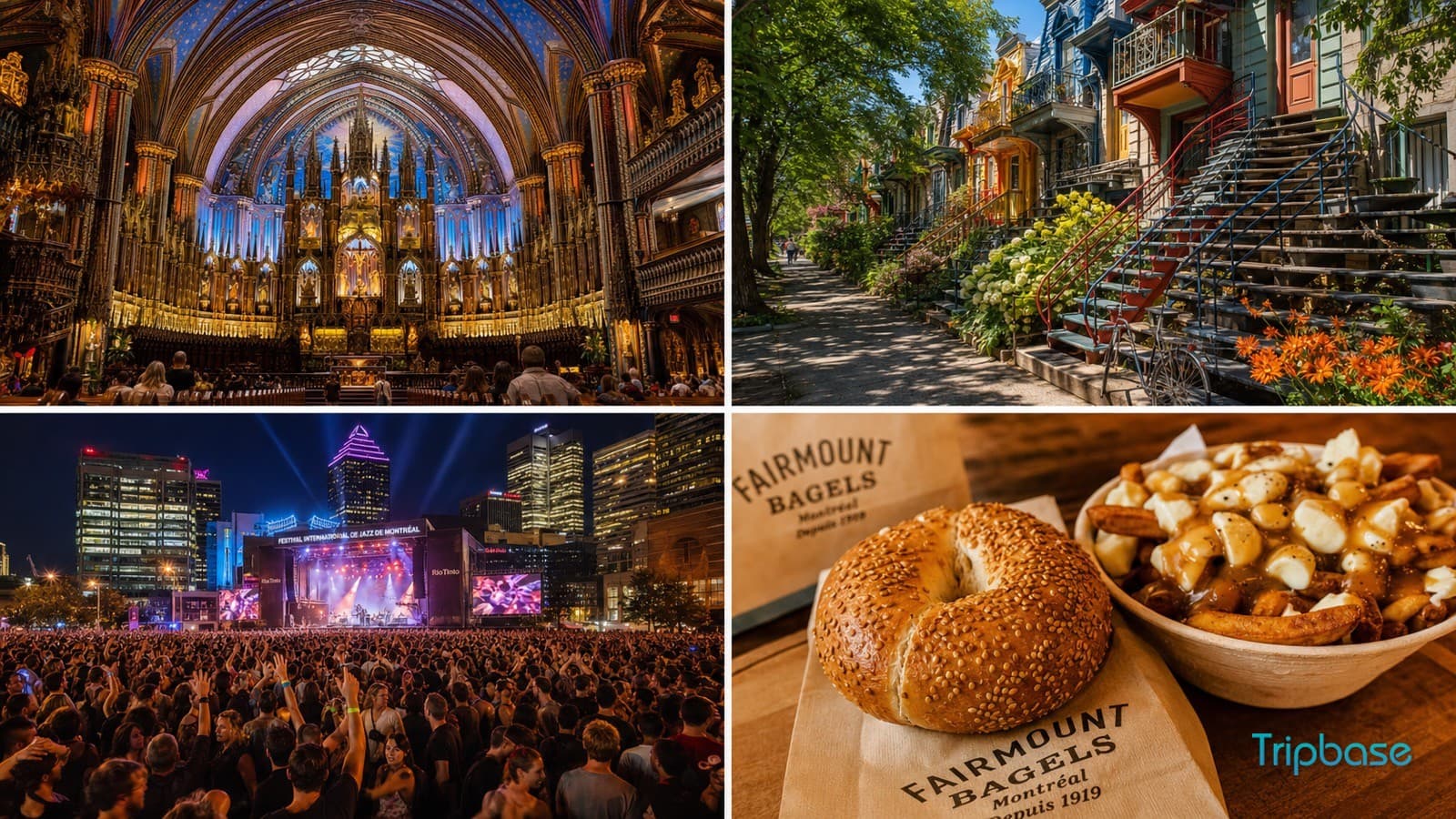
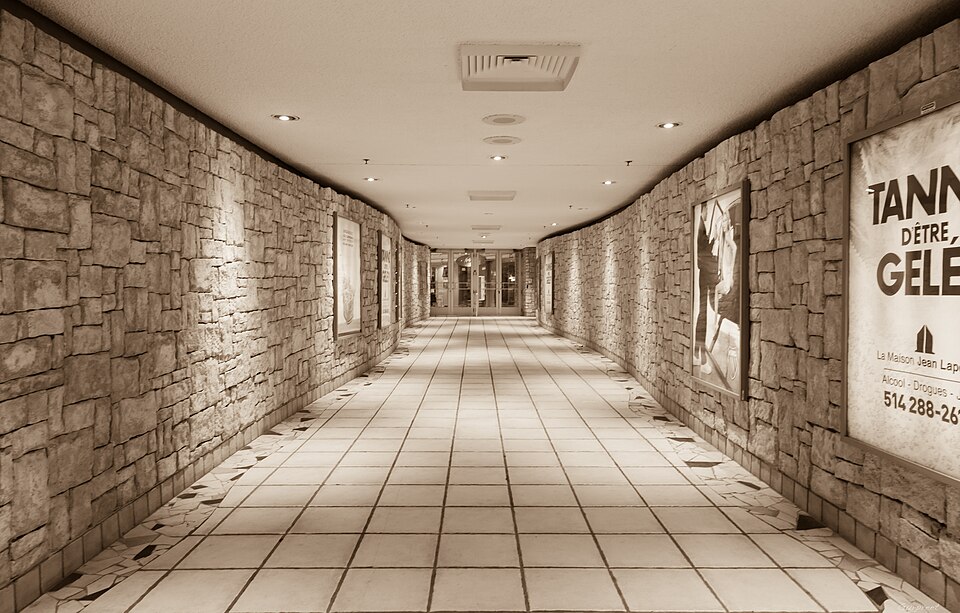
The four cities above were built underground because of invaders, plague, extreme heat, or geological circumstance. Montreal built its underground city because of winter, which is the most Canadian motivation imaginable. RESO is a network of 32 kilometres of underground pedestrian tunnels connecting 60 complexes, 10 metro stations, hundreds of restaurants, 2,000 businesses, hotels, offices, and cinemas across central Montreal. It is not a historical curiosity. It is a functioning commercial district that happens to be underground.
On any given weekday, approximately 500,000 people use RESO to move across the city without putting on a coat, which is the universal Montreal winter goal. Development began in 1962 beneath the Place Ville Marie skyscraper and expanded steadily as each new building connected to the network, until the underground city became larger than most actual cities. It is not, technically, a separate city - it is Montreal, but underground - though the distinction feels academic when you can walk from your hotel to a shopping mall to a restaurant to a cinema to a train station without once encountering the January air temperature, which in Montreal can drop to -30°C with wind chill.
RESO doesn't have the dramatic history of Derinkuyu or the UNESCO status of Wieliczka or the ghost legends of Mary King's Close. What it has is 2,000 businesses and 32 kilometres of heated corridors, which is arguably more practically useful than all of those combined. Our Montreal guide covers the full city above and below ground - but visiting in January and spending an afternoon navigating RESO without a coat is, in its own quiet way, as impressive as anything carved by ancient hands.
There is a particular comfort in knowing that at every point in history when things have gone catastrophically wrong above ground - whether through invasion, plague, climate, or simply Canadian winter - someone has looked at a hole in the earth and thought, 'that'll do.' The underground city is not a defeat. It is, in its own way, an act of stubborn optimism: a declaration that wherever we find ourselves, we will build something worth visiting. Even if it requires a hard hat and a flashlight to find it.
Disclaimer: We strongly recommend checking opening hours and booking tours in advance, as several of these destinations require timed entry. We also recommend appropriate footwear. If you arrive at Derinkuyu in flip-flops, you deserve whatever happens next.