The Walkable Trip: How to Plan a Vacation You Can Do Entirely on Foot
There is a particular type of traveller who arrives in a new city, gets into a taxi to the hotel, rides a bus to the main square, takes a hop-on-hop-off tour of the highlights, and then flies home feeling they've seen the place. They have not seen the place. They have seen the place from inside various sealed vehicles, which is approximately as useful as watching a nature documentary about a destination you were physically present in. The traveller who walks, on the other hand - who meanders off-route, who ducks into a courtyard because they were curious, who finds themselves eating lunch somewhere they couldn't name on a map - that person has actually been somewhere.
Walking trips are also, not incidentally, the cheapest form of travel that exists. Your feet don't have a day rate. They don't require an app, a booking reference, or the specific combination of luck and optimism involved in hailing a cab in an unfamiliar city. Your feet have been waiting their entire lives for this. Let them have it.
What Makes a City Actually Walkable
Not every city rewards walking. Some cities - built at American scale, strung along motorways, lacking pavements of any meaningful width - are actively hostile to pedestrians (see: most of Los Angeles, where the city's relationship with walking is roughly that of a cat with water). A truly walkable city needs three things: compactness (the interesting parts should be within a few kilometres of each other), street-level vitality (something worth looking at below the third floor), and navigable topography (or at least excellent blisters-to-views compensation).
The best walking cities tend to be European medieval settlements that predate the car by several centuries and therefore never bothered designing themselves around one. They also tend to be places where the locals walk too - where the streets have cafés and bakeries and bookshops and small, inexplicable hardware stores - rather than cities where the pedestrianised zone is simply a tourist corridor that the residents avoid. You can tell the difference almost immediately. One feels like a city that happens to have tourists in it. The other feels like a film set with cafés.
Lisbon: The City That Built Its Own Obstacle Course
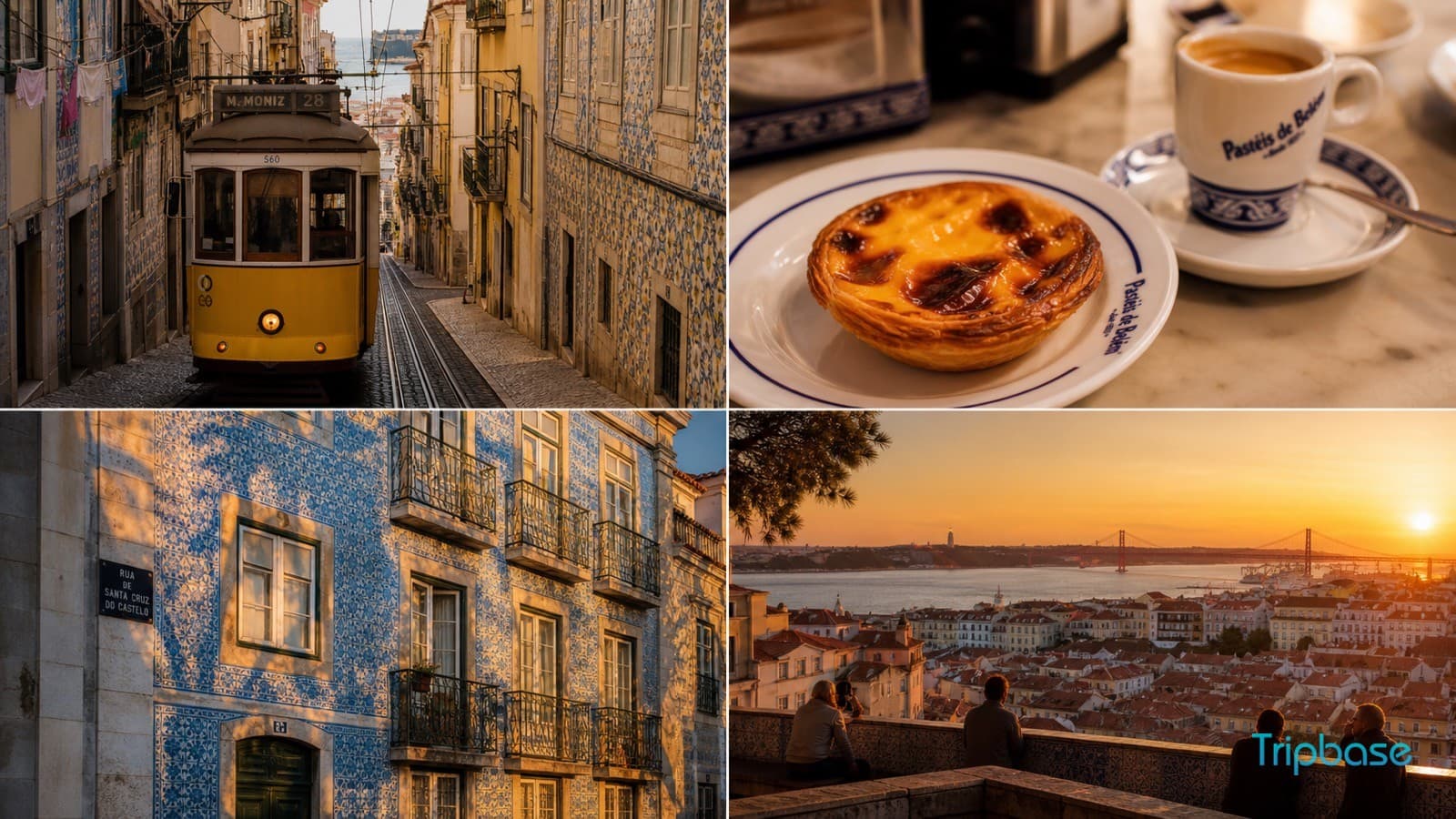
Lisbon has seven hills, approximately four of which will try to kill you on a warm afternoon in July. This is not a bug. The hills - combined with the city's mosaic pavements, its crumbling Moorish quarter of Alfama, its Art Nouveau tiled facades, and its trams that creak up gradients you'd hesitate to drive - create a walking experience that is at once exhausting and continuously surprising. You will go around a corner and find a miradouro, a viewpoint terrace, above a terracotta cityscape tumbling to the Tagus. You will do this fifteen times in a day and be surprised each time.
Lisbon rewards slower walking and mild dehydration. Its best neighbourhoods - Alfama, Mouraria, Principe Real, the labyrinthine streets of Bairro Alto - are all within an hour's walk of each other. The trams exist if your legs give out. The miradouros have wine. This is the ideal arrangement.
Prague: A Medieval City That Forgot to Change
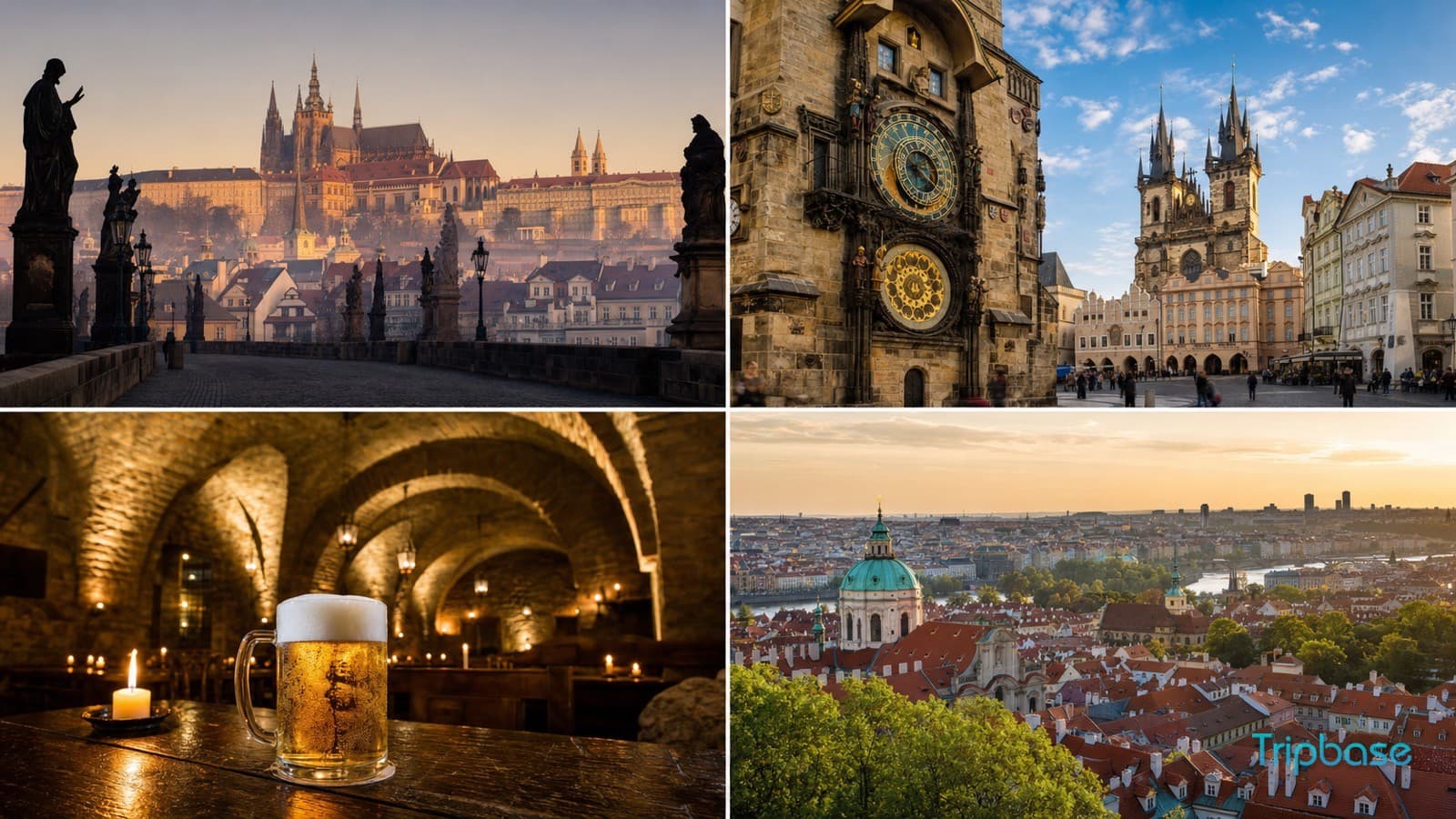
Prague's Old Town is so comprehensively preserved that you can spend a full day walking through it and be mildly unsettled by how little has changed since the fourteenth century (and simultaneously quite settled by the density of excellent beer available within it). The Charles Bridge, the Old Town Square, the Jewish Quarter, the castle complex on the hill above the river - all are within thirty minutes' walk of each other, connected by a warren of cobbled streets that reward getting genuinely lost in rather than navigating efficiently.
The key to walking Prague is to treat the tourist-facing main routes as a warm-up and then immediately abandon them. The streets behind the Old Town Hall become ordinary Czech neighbourhoods within a few minutes. The district of Vinohrady has tree-lined boulevards and local restaurants that don't require reservations made in a different month. Prague has perhaps the most complete medieval city centre in Europe and charges you nothing to walk through it, which, given what they charge for tourist-facing activities generally, feels like an oversight on somebody's part.
Edinburgh: Dramatic Views, Questionable Weather
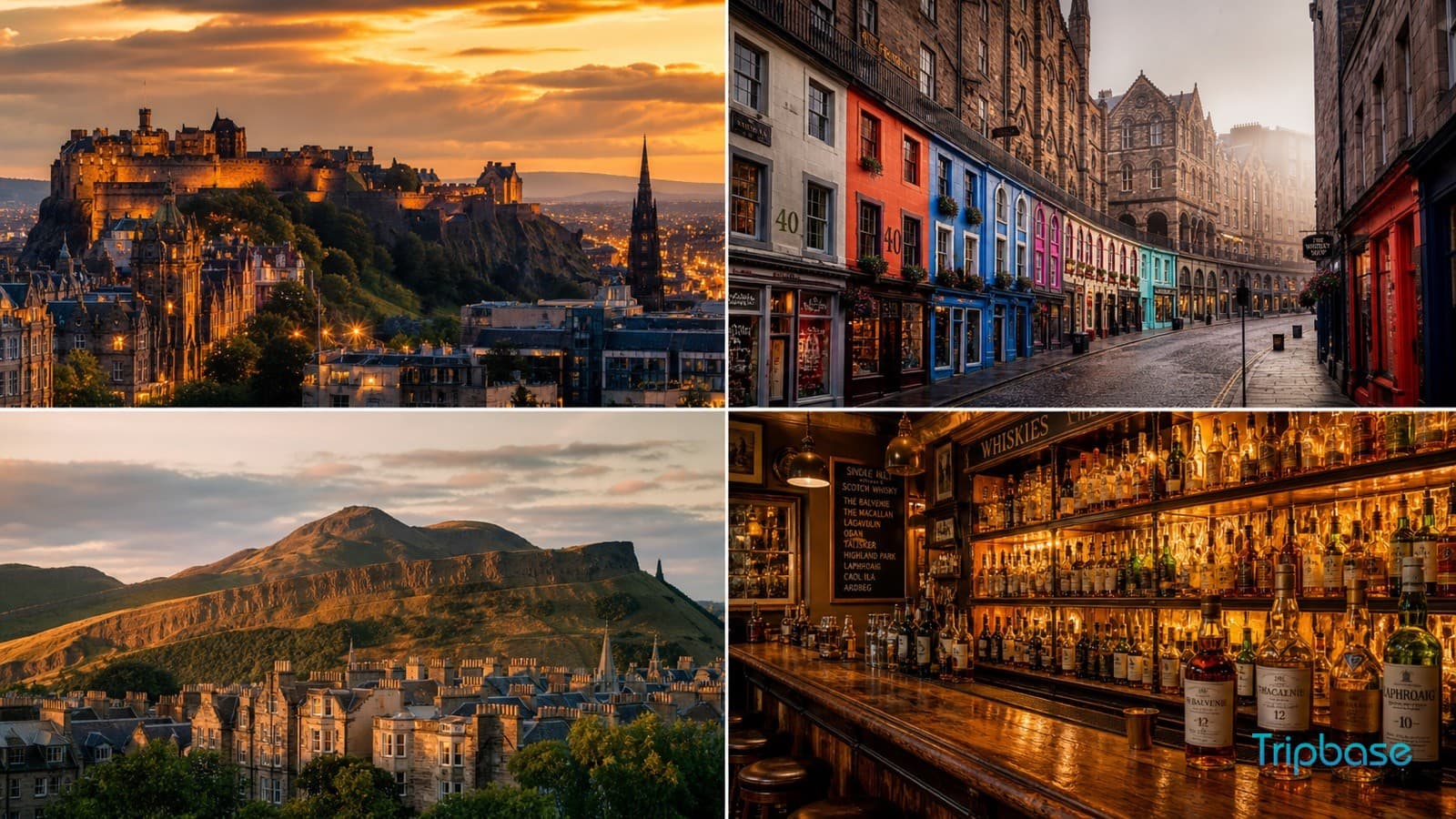
Edinburgh is a city designed to make you feel you are living inside an extremely atmospheric novel - one where it might rain at any moment, and several characters are wearing tweed. The compact Old Town runs along a ridge from the castle at one end to the Palace of Holyroodhouse at the other, with the Royal Mile as its spine and a network of closes (alleyways, essentially) running off it like ribs, each one containing something interesting at its end: a courtyard, a bar, a view down to the New Town below.
Arthur's Seat - an ancient volcano in the middle of the city, rising to 251 metres - is a forty-minute walk from the city centre and offers views that extend to the Firth of Forth in one direction and the entire Edinburgh skyline in the other. You do not need a guide. You need reasonable shoes and the willingness to ascend a hill in what is, statistically, probably a light drizzle. Edinburgh in the rain is still Edinburgh. This is no small thing.
Dubrovnik: The Walled City That Is Basically a Walking Holiday Already
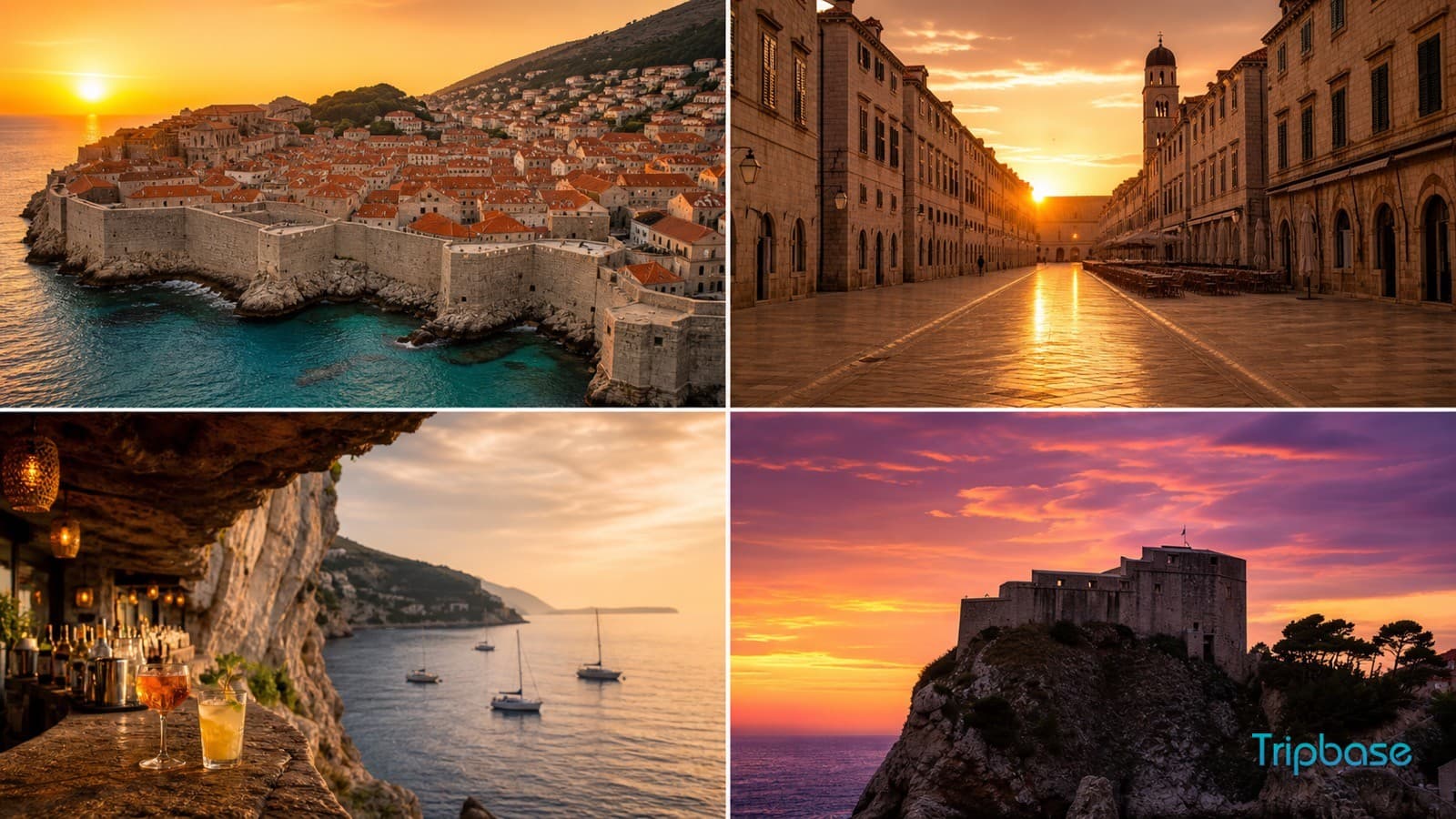
Dubrovnik's Old City is a walled medieval settlement on the Adriatic coast that is, by the nature of its walls, a closed loop. The City Walls - a 2-kilometre circuit around the entire fortification - are the single best walk in Central Europe, offering views simultaneously inward over terracotta rooftops and outward over the Adriatic's improbable blues. Arrival in summer will reveal that roughly half the world's cruise ship passengers had the same idea, which is why you should do the walls at 8am, before the ships disgorge, when the stones are cool and the sea is still.
Dubrovnik's old city is small enough to walk end-to-end in fifteen minutes. This is both its charm and, frankly, its problem - by the third day you will have memorised every alley and begun to feel the walls in a new, slightly psychological way. The smart approach is to base yourself there for one night, walk the walls at dawn, and then take the ferry to one of the Elafiti Islands, where you can walk through olive groves and vineyards in the kind of silence that mainland Dubrovnik has not had access to since approximately 2014.
Tallinn and Bruges: The Compact Case Studies
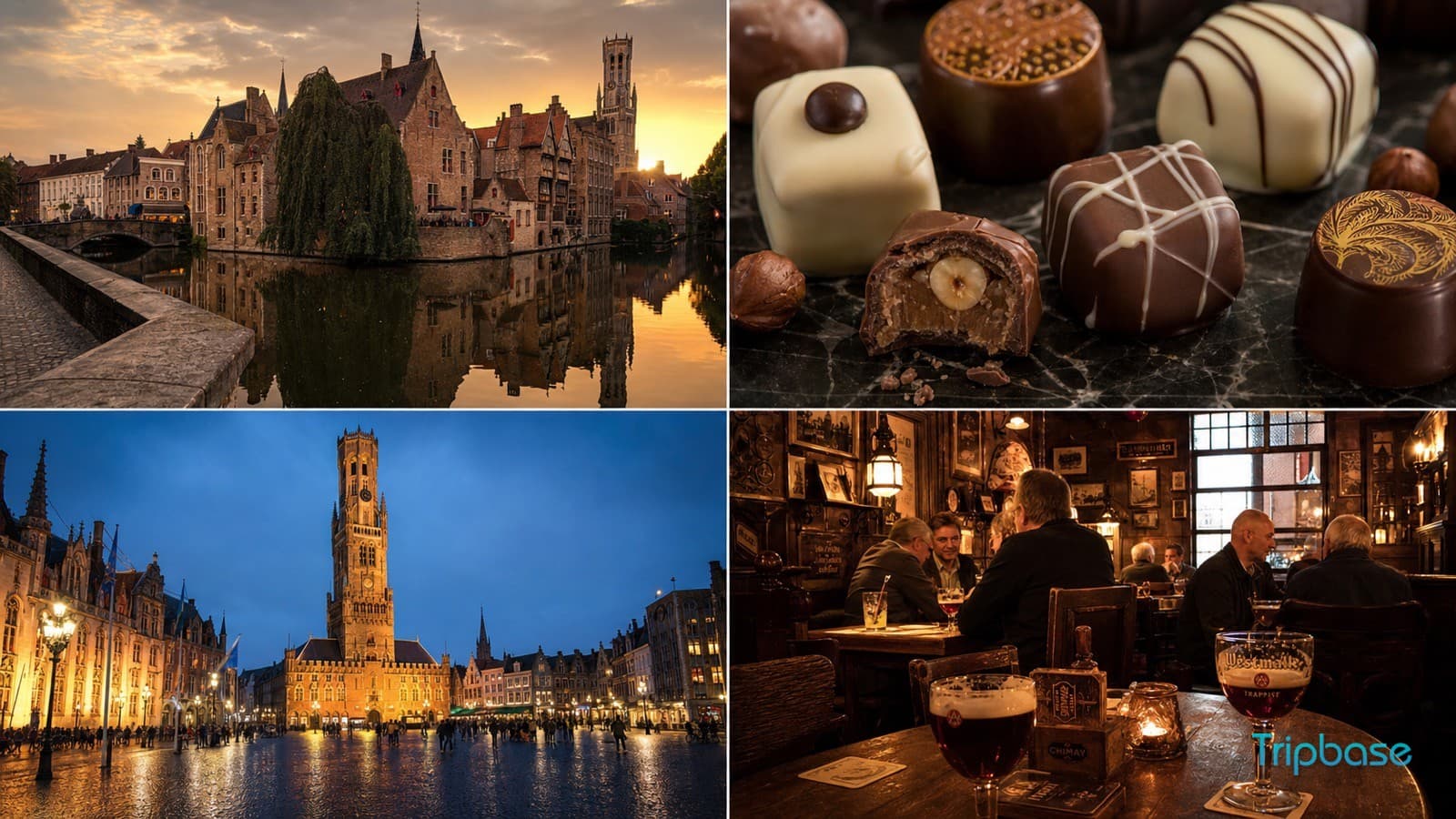
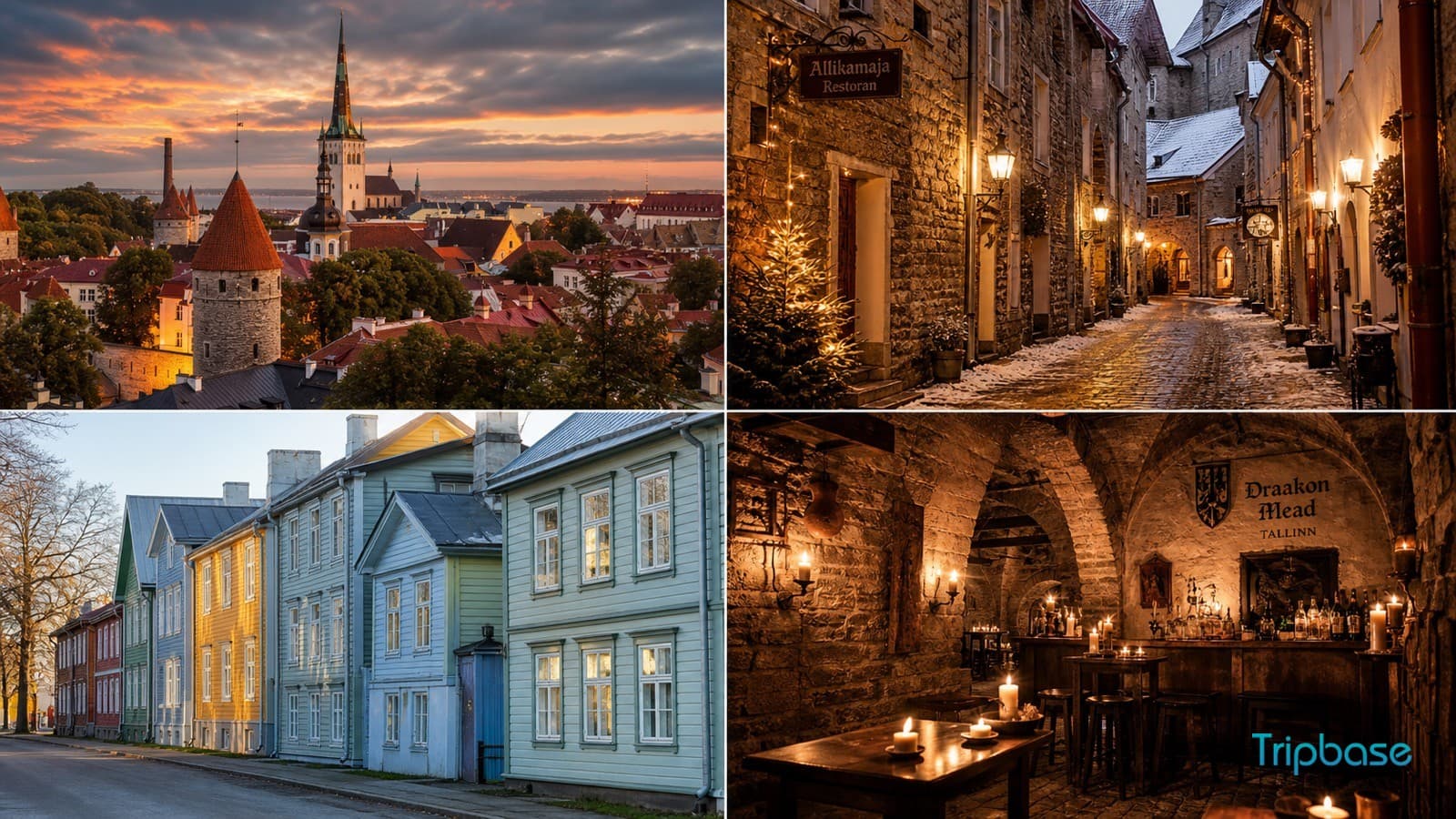
Two cities that prove the formula at its most efficient: Tallinn's medieval old town and Bruges's canal network are both so contained that you can walk their entire historic centres in a morning, which means the afternoons are free for eating, revisiting the places you liked, and contemplating the peculiar Flemish or Estonian specificity of each shopfront. Tallinn's Town Hall Square is one of the best-preserved medieval squares in the Baltic and doesn't get the attention it deserves because Estonia is not on most tourists' mental map. Tallinn will reward this general inattention.
Bruges is smaller than you expect and prettier than the photographs suggest, which is a reversal of the usual ratio (see: the Mona Lisa; see also: the Manneken Pis). The canal walks between the Rozenhoedkaai and the Begijnhof take forty minutes at a leisurely pace and contain more genuine medieval Flanders than most people see in a week of trying harder. The chocolate shops are numerous. The beer is exceptional. You will not need a car, a bus, or a tour guide. You will need comfortable shoes and a working pancreas.
Florence: The City That Fits in a Morning
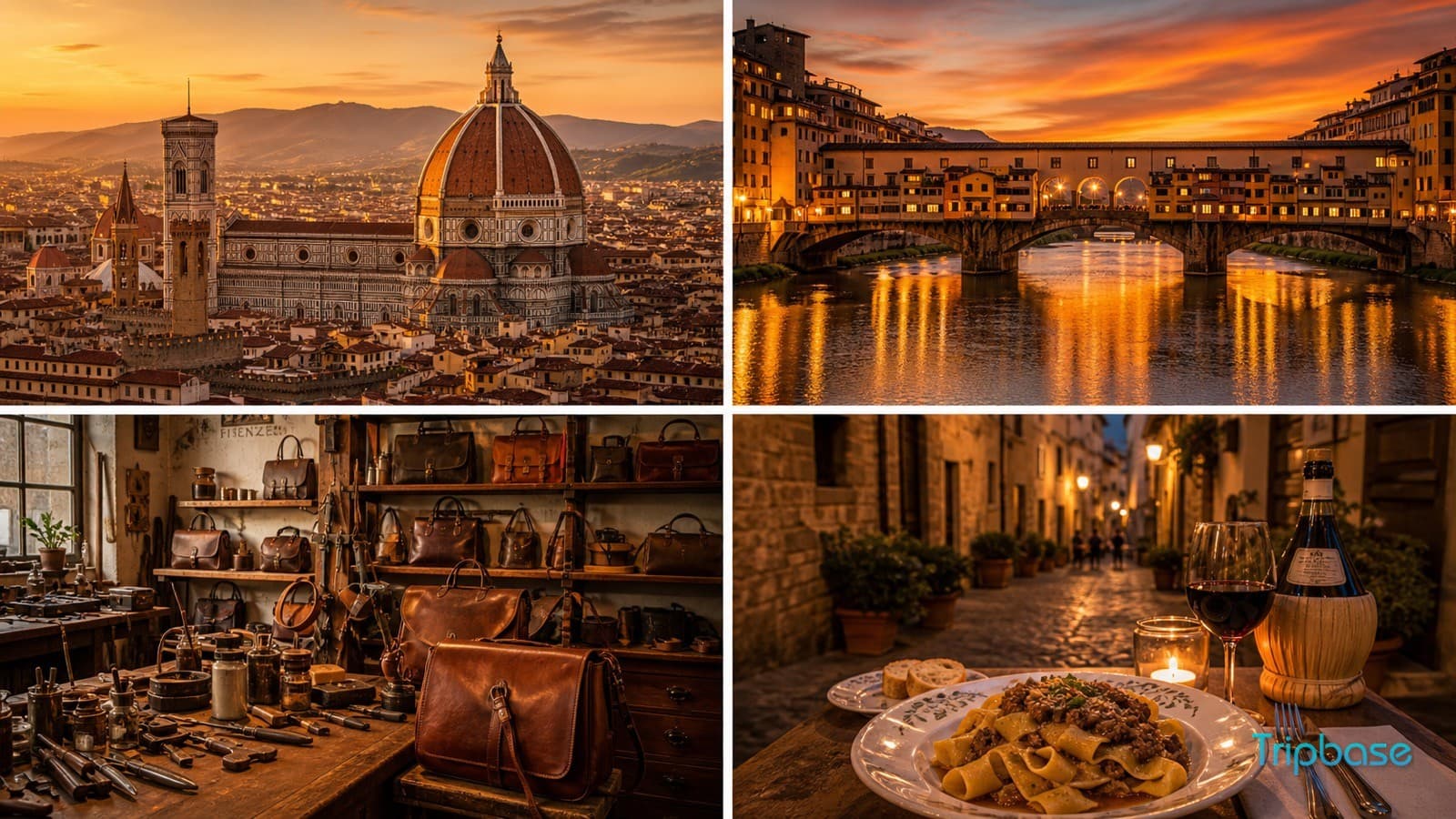
Every major attraction in Florence is within a thirty-minute walk of every other major attraction in Florence. The Uffizi, the Duomo, the Accademia, Ponte Vecchio, the Pitti Palace, the Piazzale Michelangelo viewpoint - all of them, on foot, at a human pace, connected by streets that are themselves an argument for the existence of Italian urban planning. Florence is the city that makes walking feel not like logistics but like the actual point of the visit.
The Oltrarno neighbourhood, on the south bank of the Arno, is twenty minutes from the Duomo and still feels like a working Florentine neighbourhood rather than a tourist facility. The Boboli Gardens above the Pitti Palace are free with the museum ticket and offer elevated views over the city. The walk up to the Piazzale Michelangelo at dusk, past olive trees and monastery walls, is so aggressively romantic it verges on showing off.
The Practical Bit: What to Bring and What to Leave at Home
The single most important variable in a walking holiday is not the city, the weather, or your route planning. It is your shoes. Bring shoes that you have already broken in. Bringing new shoes on a walking holiday is the travel equivalent of deciding to learn to swim in the deep end - technically possible, but the cost-benefit analysis is grim. You want shoes that are waterproof enough for cobblestones after rain, supportive enough for eight hours on medieval pavement, and plain enough to wear to dinner without looking like you've come from a fell race.
Everything else in your bag should be interrogated through this question: can I carry this for seven hours without noticing it? A small daypack. Water bottle (refillable - many European cities have free drinking fountains; Rome alone has 2,500 of them). Offline maps downloaded before you lose signal in the Alfama backstreets. A lightweight rain layer folded to the size of a paperback. Sunscreen. A notebook, if you're that kind of person, or your phone, if you're every other kind of person. That is the list. Anything with wheels gets left at the hotel.
Planning the Route (Without Becoming a Route Planner)
The paradox of planning a walking trip is that over-planning defeats the purpose. The best walking discoveries are contingent - they happen because you took the wrong street, or stopped because something smelled interesting, or followed a sound through an archway. This does not mean having no plan. It means having enough of a plan that you can deviate from it.
The approach that works: identify one or two anchor points per half-day (the market at 9am, the hilltop viewpoint before the midday heat) and let the route between them be improvised. Use offline maps for genuine navigation, not as a step-by-step director. Know which neighbourhoods you want to eat in and roughly which direction they are. If a street looks interesting, go down it. If a café has locals in it and the kind of menu that requires pointing rather than reading, sit down. You will find, consistently, that the best parts of a walking holiday are the parts that were not on any itinerary, which is somewhat annoying to put in a planning article but is nonetheless the truth.
For more inspiration on going somewhere genuinely off the standard route, our guide to the world's most remote places will reframe what counts as a reasonable destination. For a reminder of what happens when you follow the crowd instead, our complete ranking of the worst tourist traps in the world is an educational read.
Have you built an entire trip around walking? Which city had the best streets? We'd like to know, partly for editorial reasons and partly because the shortlist is never long enough.