Spring 2026 Travel Calendar: What to See and When
Spring travel is the world's most predictable open secret - everyone knows that March through June offers the best weather, the best value, and the best reason to pretend you're the kind of person who plans in advance.
The problem, of course, is that "everyone" includes roughly 800 million people, all of whom have read the same article about cherry blossom season and have had the same thought about booking flights to Kyoto. Spring is objectively good for travel. It is also, in certain places and at certain times, objectively very busy in a way that tests your ability to appreciate beauty while standing very close to strangers.
What follows is a month-by-month breakdown of what is actually happening in spring 2026, where the crowds will be, and - for the two or three of you who enjoy making smart decisions - where the crowds will not be.
March: The Underrated Opening Act
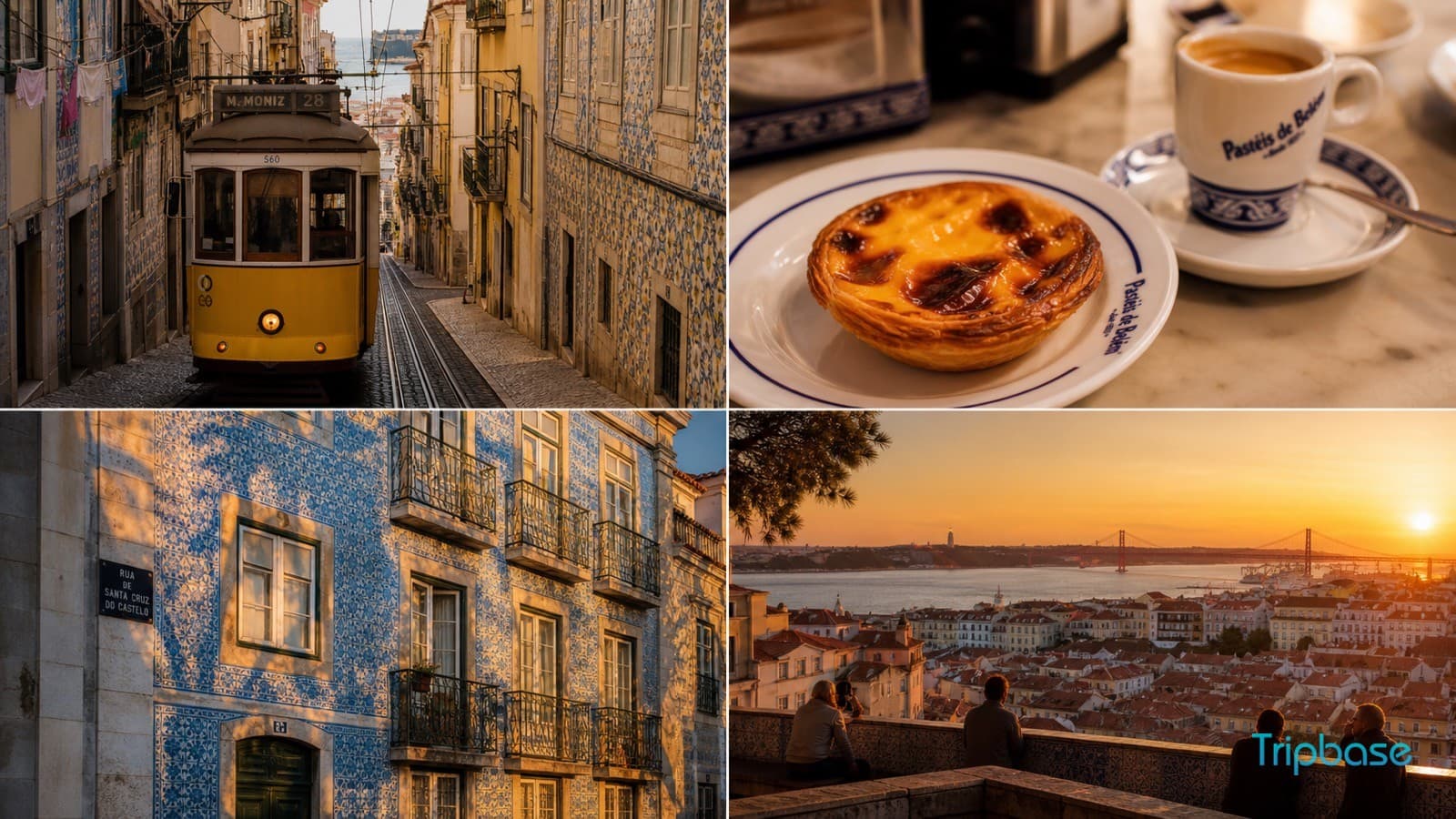
March suffers from an image problem. It is technically spring in much of the northern hemisphere while feeling suspiciously like a damp extension of February, which does not inspire travel enthusiasm. This is a mistake. While the rest of the travelling public is sitting at home watching weather forecasts and arguing about whether 13 degrees counts as jacket weather, Lisbon in March is sitting at around 16 degrees, almost entirely uncrowded, and offering pasteis de nata without a queue for the first time since approximately October.
This situation will not survive April. By the second week of April, Lisbon's miradouros will be occupied by couples in matching linen who found the city on Instagram and have coordinated their outfits accordingly. March is your window. Use it.
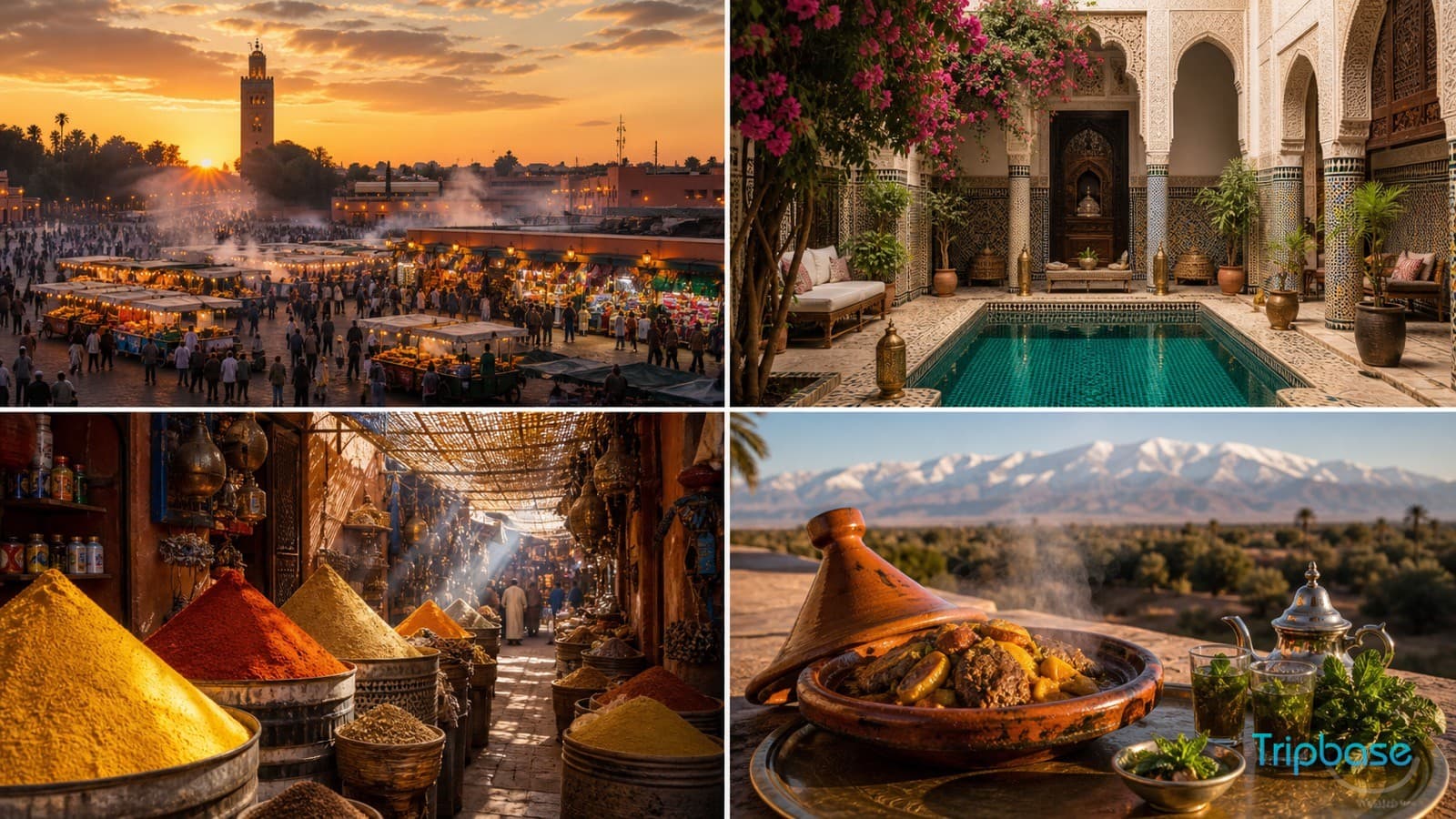
Marrakech in March is one of the more criminally under-promoted travel propositions available. Temperatures sit in the low-to-mid twenties, the Atlas Mountains are still snow-capped for dramatic photographic contrast, and the medina is navigable without the full-summer sensation of being slowly cooked inside a beautiful maze. Day trips to the Sahara from Merzouga are possible without the July experience of staring into an oven and deciding to call it adventure.
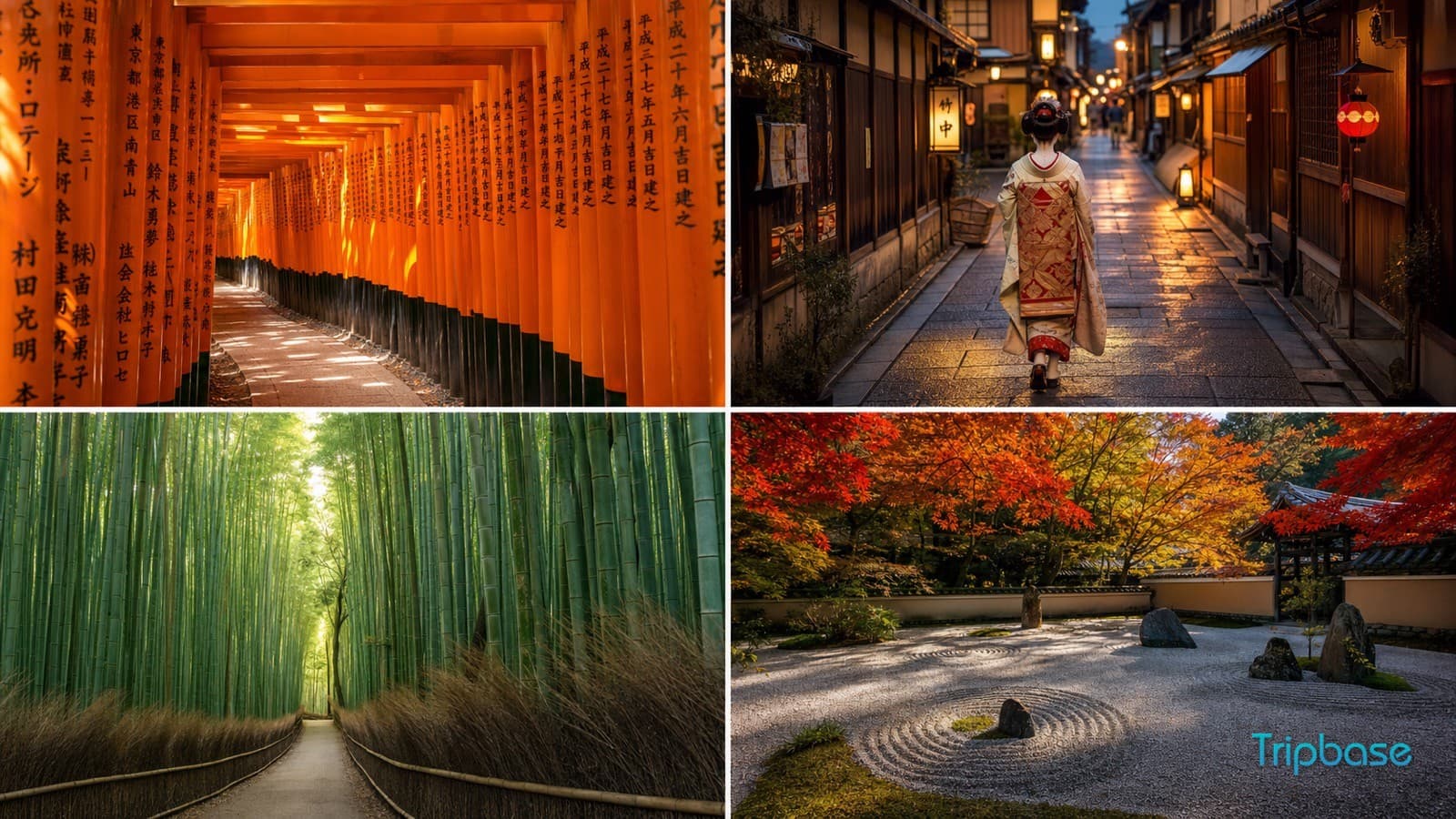
Cherry blossom season in Japan begins earlier than most people realise. The sakura front moves northward across the country over roughly six weeks, starting in Kyushu in mid-March and working up to Tokyo in late March, and then Kyoto in early April. Catching the season in southern Japan in mid-March means experiencing a genuinely beautiful natural phenomenon without the full social infrastructure that accompanies peak Kyoto season in April. It is still crowded by any reasonable definition. It is just not Kyoto-in-April crowded, which is its own specific and humbling category.
April: Peak Blossom, Peak Everything
April is the month the travel internet has collectively decided is the ideal time to go everywhere simultaneously, and it is not wrong. The weather across Europe and East Asia is genuinely excellent in April. Unfortunately, this is also the determination that several hundred million other people have reached, which produces a certain tension between the conditions and the experience of being in them.
Kyoto during cherry blossom season is one of the genuinely transcendent travel experiences available on this planet - assuming you can get a train that is not operating at 140% capacity and a hotel room that does not require a payment plan. Peak sakura in Kyoto typically falls between late March and mid-April, varying by a few days each year in ways that produce surprising amounts of collective anxiety on Japanese meteorological forums. The Philosopher's Path in bloom is extraordinary. It is also extremely, verifiably full of people all attempting the same photograph. Book accommodation approximately one geological era in advance. Prices during peak blossom week represent what happens when supply and demand stop being on speaking terms.
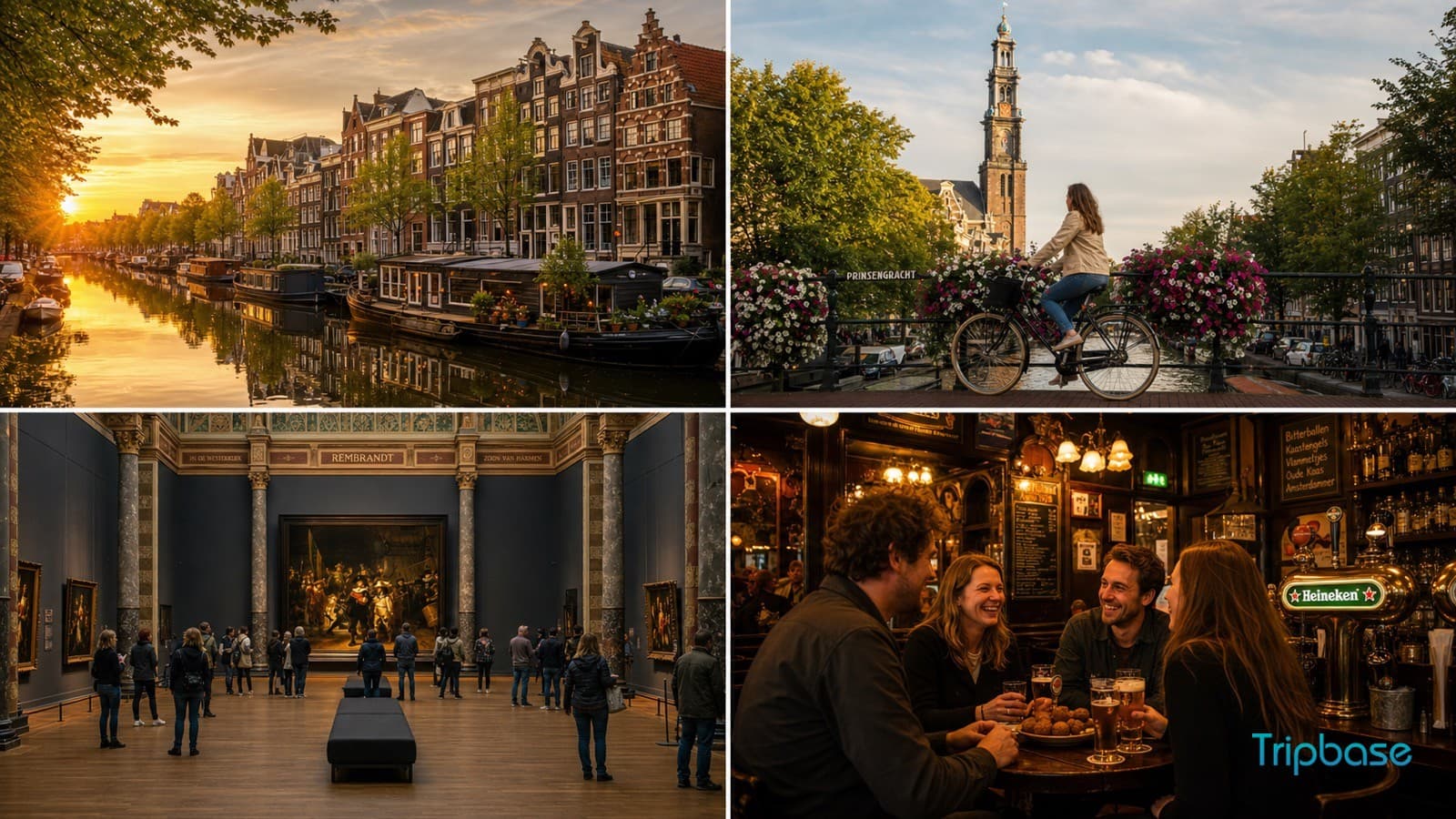
Amsterdam in April hosts Keukenhof, which contains approximately seven million tulip bulbs arranged in configurations suggesting someone gave a florist an unlimited budget and then left the country. The gardens are open only from late March to mid-May. April is peak bloom. It is therefore also peak attendance. The Dutch, having inadvertently created one of the world's most photographable landscapes, accept this with the resigned pragmatism of a people who have learned to manage large quantities of visitors in a small amount of space.
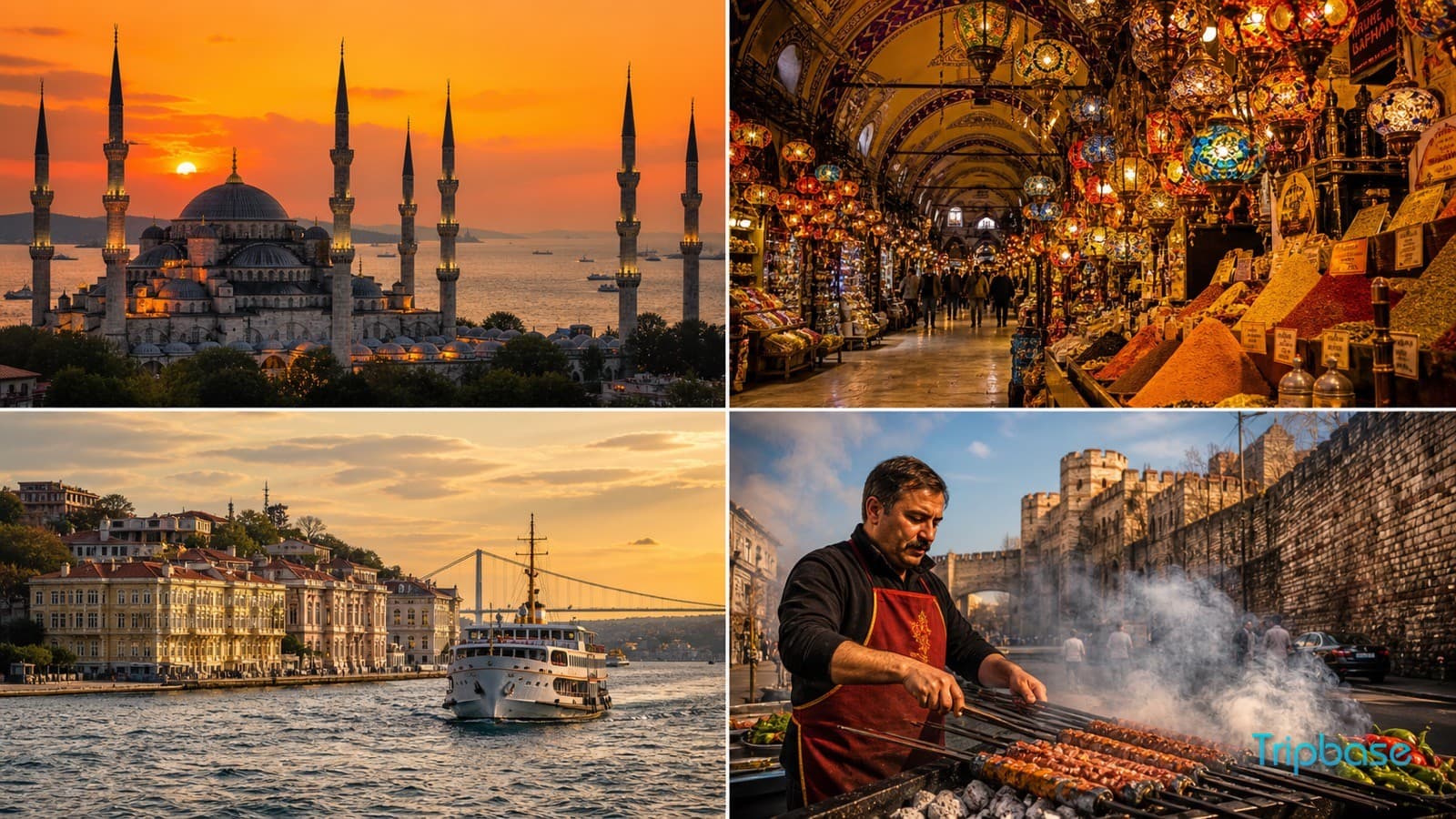
For an April that does not involve competing with half of East Asia for a viewpoint, consider Istanbul. The city runs its own tulip festival through most of April - a fact many visitors find surprising, given that tulips are originally Turkish and not Dutch, a piece of horticultural history the Netherlands finds diplomatically inconvenient. Three million tulips are planted across the city's parks. The weather is mild. The Bosphorus ferry costs roughly nothing. The crowds operate at what Istanbul, a city of sixteen million people, considers a comfortable level, which is to say: you can walk in a straight line most of the time.
May: Italy Before Italy Becomes a Problem
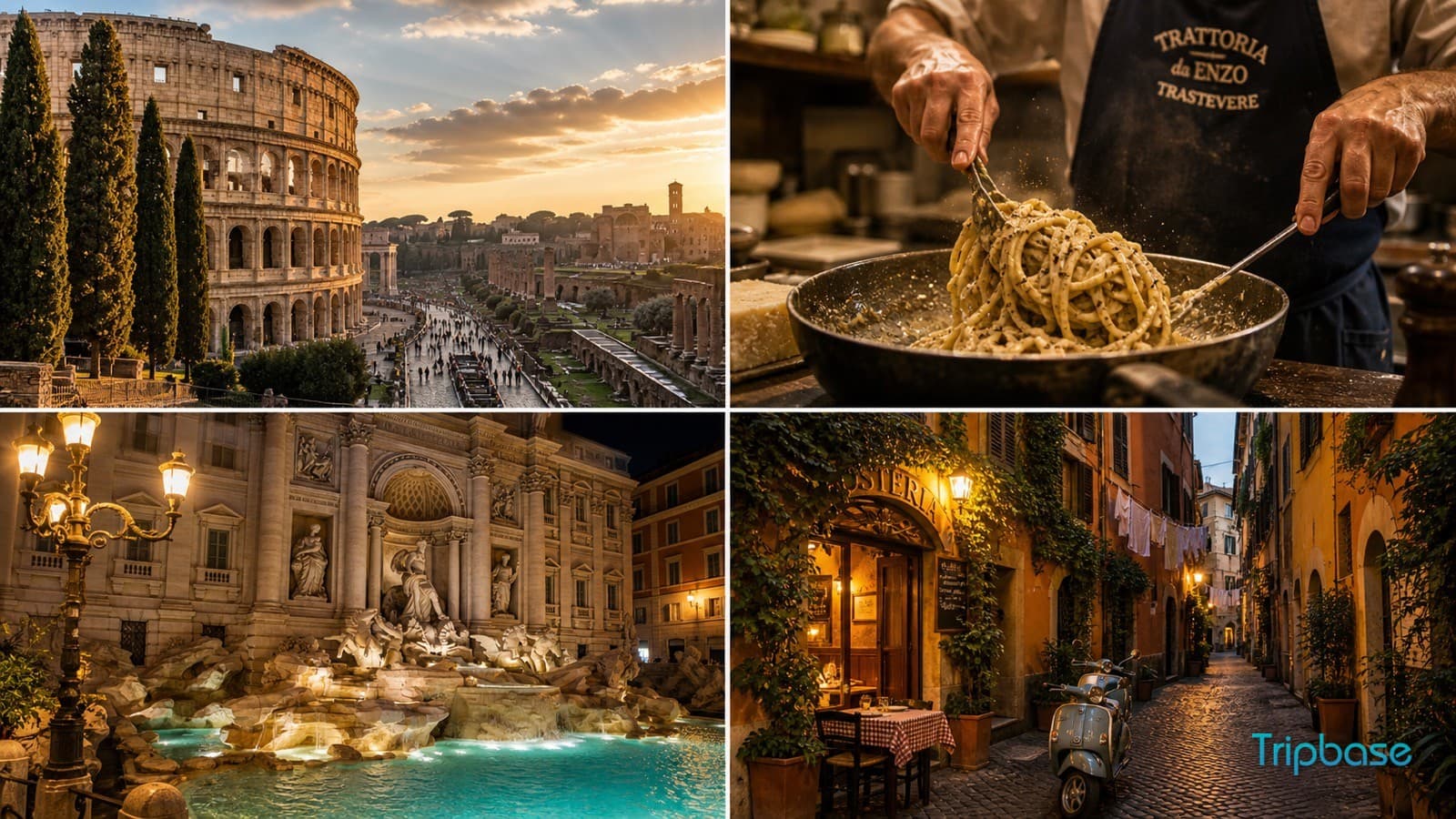
There is a version of Rome that exists only in May. The version where the Colosseum queue is merely long rather than a philosophical test of endurance. The version where you can sit outside for dinner at 9pm without sweating through your pasta. The version where the city has not yet reached its July operational state, which can best be described as a barely-functioning heat event populated by people who have fundamentally misunderstood the phrase "eternal city" as a guarantee of comfort rather than a guarantee of very old stonework.
Rome in May sits between 18 and 24 degrees. Hotels are cheaper than June and exponentially cheaper than August, when a mediocre room near the Trevi Fountain crosses a price threshold that should require a customs declaration. Florence operates on similar principles. The Uffizi has a queue, but it is the kind of queue you can bypass with a pre-booked ticket rather than the kind that requires its own logistics planning. The Boboli Gardens are accessible. The gelato is excellent. None of this is quite true in July, or at least, it is technically true but you will be suffering too much to enjoy it.
Barcelona in May offers the Barceloneta beach without the sardine-tin conditions of August, the Gothic Quarter without the full-summer sensation of being funnelled through a corridor by people wearing backpacks on their fronts, and the ability to get a terrace table in El Born without strategic advance planning. The city in May is a reminder that Barcelona is an excellent city before it becomes extremely popular with everyone who reads travel articles in January and does nothing about it until July.
Prague in May is quietly excellent and consistently underrated in spring travel discourse, largely because Prague is perennially described as good in any season, which is technically true but means it does not receive May-specific enthusiasm. The beer gardens open in earnest. The old town is genuinely beautiful in spring light. Prices remain substantially below those of Western European capitals doing objectively less interesting things architecturally. If you have not been, May is the argument for going.
June: Midnight Suns and Last Chances
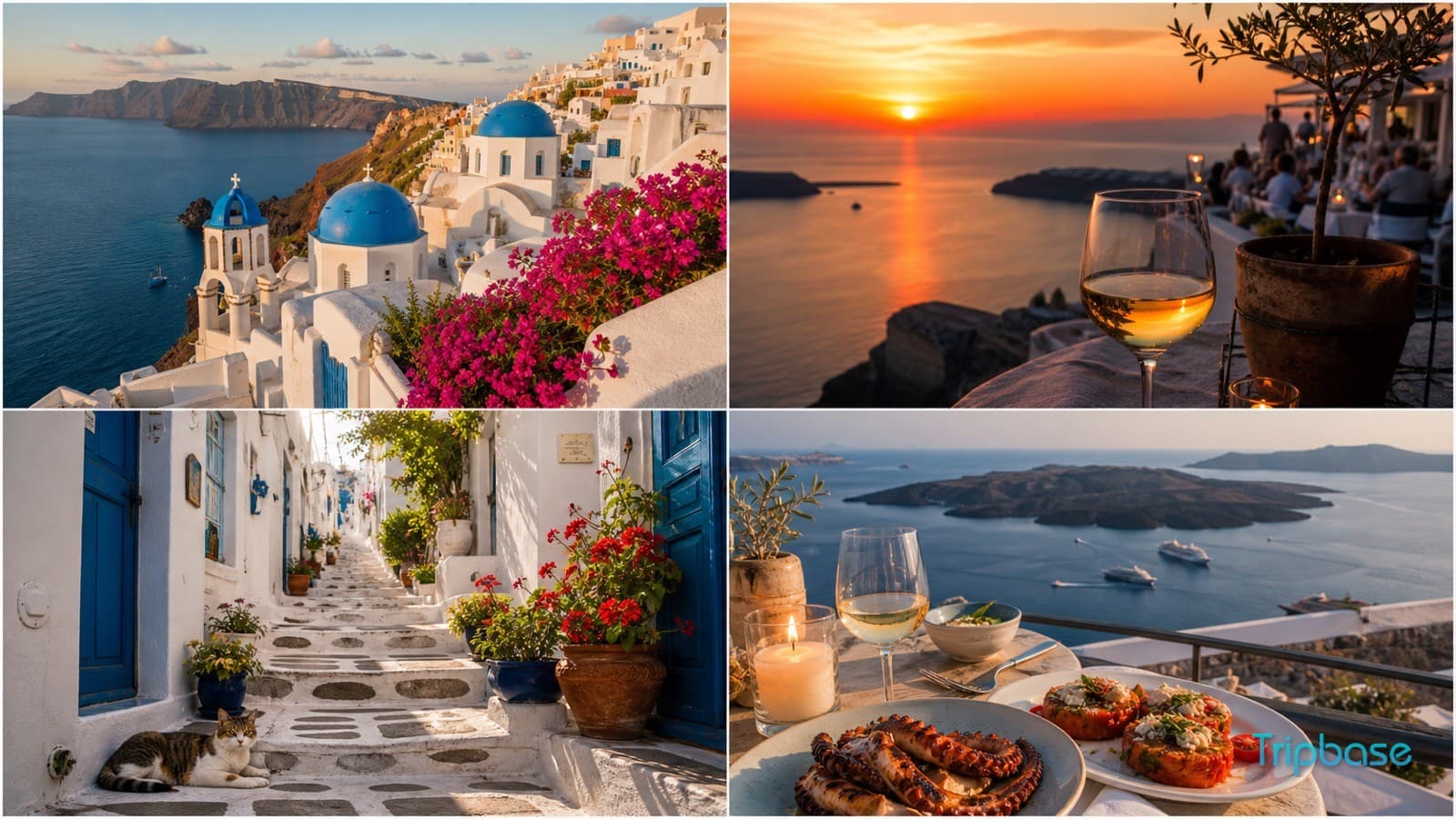
June is travel's warning shot. The summer crowds are mobilising. In Greece, early June is still technically shoulder season: Santorini in the first two weeks of June offers temperatures in the mid-to-high twenties, functioning sunsets, and cable car queues that are merely inconvenient rather than existential. By late July, the same cable car will be a slow-motion compression chamber for visitors who expected a view of the caldera and got a view of the back of someone else's head.
Norway in June is an entirely different category of argument. The midnight sun - the phenomenon where the sun simply declines to set because it apparently has somewhere better to be - begins in late May and runs through late July. June is when it becomes undeniable and, depending on your relationship with blackout curtains, either transcendently magical or faintly maddening. The fjords in June are green, navigable, and photographed at 11pm in lighting conditions that make every image look AI-generated even when it is aggressively real. The Lofoten Islands in June are for people who believe there exists a version of Iceland that has trees. There is. This is it.
Croatia in June is a genuine, practical recommendation from people who have made the mistake of visiting in July and discovered that Dubrovnik's city walls have reached a pedestrian density that could reasonably support a feasibility study into crowd flow management. June has the Adriatic warmth (around 22 degrees water temperature), the old town accessibility, and the coastline without peak-summer competition for sun loungers. By late July, the same stretch of coast operates at a saturation level that raises philosophical questions about whether a place retains its essential character when it is 85% elsewhere. The answer, broadly, is no.
The Booking Window Problem
Spring travel has a booking window problem that most travel content politely avoids mentioning: several of its best events require advance planning timescales that feel genuinely unreasonable when viewed from the present. Kyoto during cherry blossom season: six to twelve months advance accommodation booking, minimum. Santorini in June: six to eight months. Norwegian coastal properties in June: four to six months. Lisbon in March: a reassuring two months out, which is why Lisbon in March is the correct answer for everyone who has realised it is already April and has decided to do something about spring.
The fundamental difference between spring travel and summer travel is that spring has deadlines. Cherry blossoms last approximately ten days. Keukenhof closes in May. The midnight sun is a seasonal event, not a feature that can be rescheduled. You can move a beach holiday around the calendar with relative flexibility. You cannot negotiate with a natural phenomenon that operates on its own schedule without consulting your availability. Book early, or accept that you are doing June in a different city than originally planned. Both are valid outcomes. Only one of them is the one you wanted.
Disclaimer: Spring will happen regardless of whether you have booked anything. This is not something within our control, and we are genuinely sorry about it.