The Lost Art of Travel Sketching (Or: Why Your 4,000 Photos Are Lying to You)
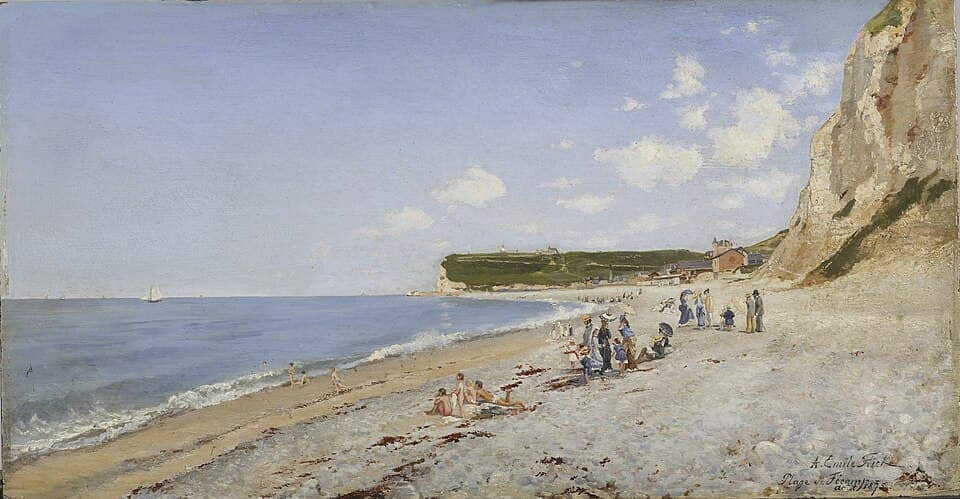
Somewhere in your phone there are four thousand photos of your last trip, and you cannot describe a single doorway from it. You know this is true. You photographed the Trevi Fountain over a stranger's head, a plate of pasta you don't remember eating, and 34 nearly identical sunsets, and your brain retained approximately none of it. There's a better technology for actually seeing the places you visit. It costs about four dollars, weighs less than your power bank, and has been field-tested for five centuries by people significantly better at this than us. It's a sketchbook.
Your Camera Is Lying to You
This isn't romantic nostalgia — it's documented cognitive science. Psychologist Linda Henkel ran a study in 2014 where museum visitors were asked to photograph some objects and simply observe others. The next day, they remembered fewer of the objects they'd photographed and fewer details about them. She called it the photo-taking impairment effect, which is the academic way of saying your brain sees the camera come out and immediately clocks off (someone else is remembering this, it reasons — the little rectangle has it covered).
Sketching is the exact opposite transaction. You cannot draw a building without counting its windows. You can't draw a market stall without noticing that the awning is patched in three places and the oranges are stacked in a way that defies both gravity and health codes. Drawing is looking with consequences. Ten minutes of it will weld a place into your memory more permanently than an entire camera roll, and unlike your camera roll, nobody will make you scroll through it at dinner.
You're in Historically Excellent Company
Travel sketching isn't some new mindfulness trend invented by a wellness influencer in a linen jumpsuit. J.M.W. Turner left behind roughly 300 sketchbooks — now sitting in the Tate — filled on relentless tours through the Alps and Italy. Eugène Delacroix spent six months in Morocco in 1832 cramming notebooks with watercolors and scribbled margin notes, and spent the next thirty years mining them for paintings. The entire Urban Sketchers movement — founded in 2007 by Seattle Times illustrator Gabriel Campanario — now has chapters in hundreds of cities where perfectly normal people meet up specifically to sit on curbs and draw what's in front of them (the first rule of Urban Sketchers is you draw on location; the second rule is you absolutely will talk about Urban Sketchers).
The point is: this is a legitimate travel tradition with a better pedigree than almost anything else you'll do on holiday, including the holiday itself.
The Kit: You Need Less Than Your Art Store Thinks
Art supply stores would love to sell you a £300 field easel, a set of 72 watercolour half-pans, and a foldable stool of surprising complexity. Ignore all of it. The complete travel sketching kit is: one pocket-sized sketchbook (A6 or A5, anything with paper that doesn't dissolve on contact with ink), one pen that doesn't smear (any waterproof fineliner), and one pencil. That's it. That's the kit. If you're feeling ambitious, a tiny watercolour set and a water brush add colour for less weight than a second phone charger.
The cheap kit isn't a compromise — it's the strategy. A precious sketchbook is a sketchbook you'll be too frightened to use, and gear you can't carry up a medina staircase is gear that stays in the hotel. Delacroix conquered Morocco with notebooks he could shove in a coat pocket. You'll manage.
How to Draw Things That Look Like the Things
Here's the part nobody tells you: drawing accurately is not a gift handed out at birth to a chosen few. It's a set of extremely learnable tricks, and artists have been using the same ones for centuries. Squint at your subject until the details blur and only the big light-and-dark shapes remain, then draw those shapes — not the thing your brain insists is there. Start with the largest masses, compare everything to everything else (is the tower twice as tall as the roofline, or three times?), and save the details for last, when they have somewhere to live.
And when a subject defeats you — foreshortened bridges are notorious repeat offenders — there's a five-hundred-year-old cheat code: the grid method. Divide your reference into squares, divide your page into the same squares, and copy one small square at a time, which turns an impossible cathedral into thirty very possible little abstract drawings. Dürer built wooden gridded frames for exactly this in the 1500s; this excellent step-by-step grid method guide covers the modern version, including apps that overlay an adjustable grid directly onto a reference photo on your phone — which is also the single best way to turn your favourite travel photos into finished drawings once you're home and the jet lag has worn off.
Where to Point Your Pencil: Paris
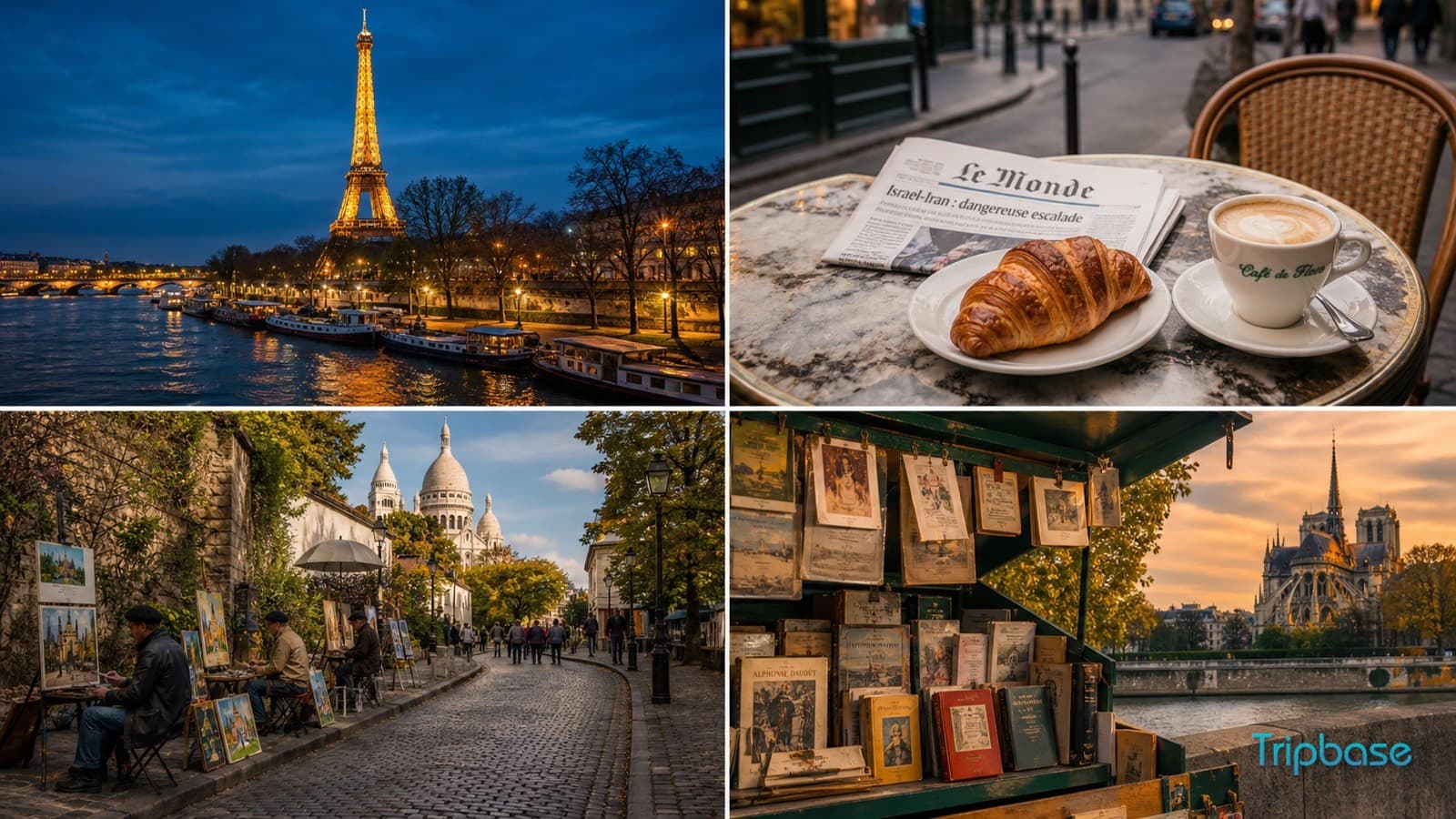
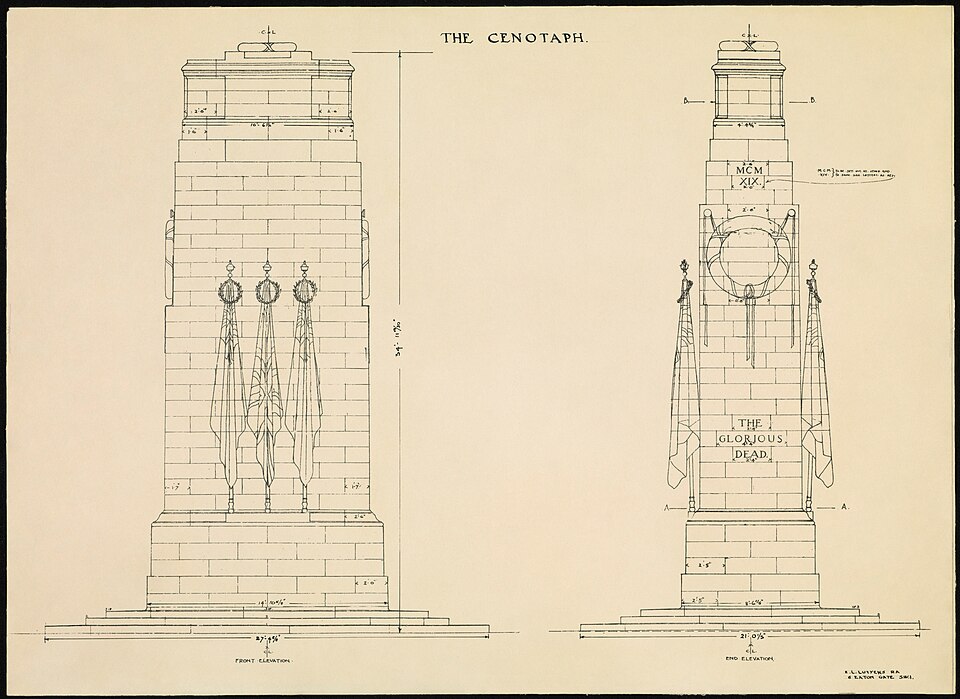
Yes, it's obvious. It's obvious because it works. Paris has been the official habitat of the sketching tourist since before your great-grandmother's grand tour, and the Place du Tertre in Montmartre still operates as a sort of open-air zoo where the artists draw back. Skip the caricaturists offering to give you enormous teeth for €40 and instead find a café table one street downhill, order the second-cheapest thing, and draw the rooftops — which Utrillo painted so many times the rooftops presumably started recognising him.
The real Paris sketching secret is the parks: the Luxembourg Gardens issue free chairs, statuary, and elderly men playing chess at a speed best described as geological — in other words, model sitters who hold a pose.
Florence, Where the Competition Is Dead
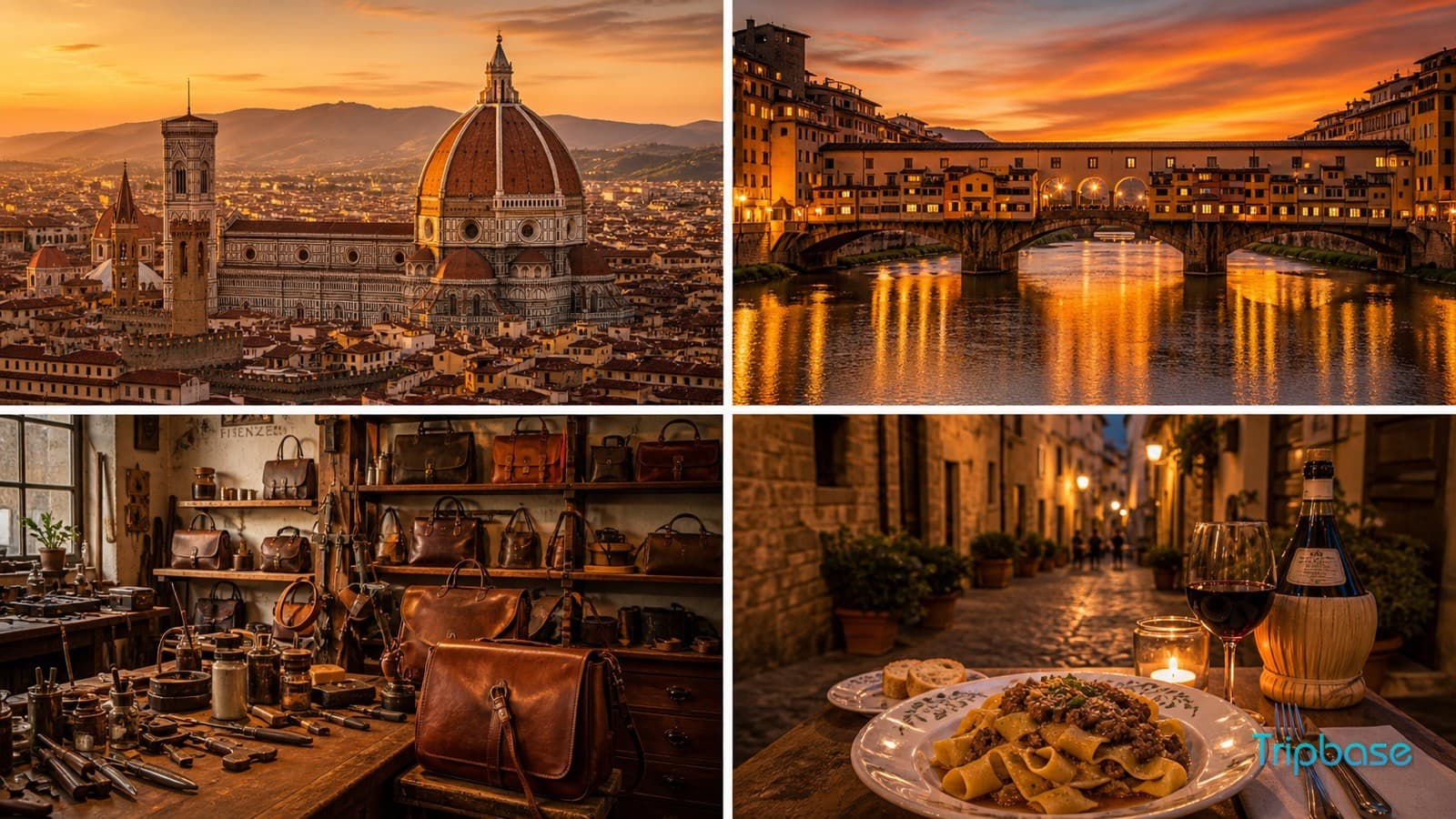
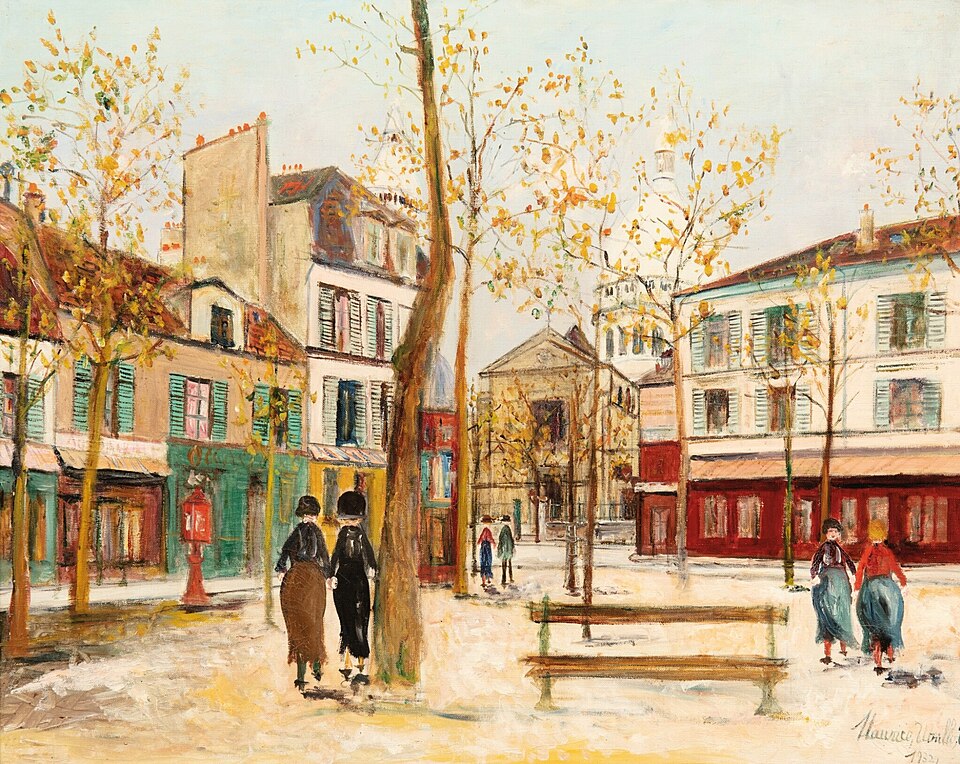
Sketching in Florence means working in the shadow of Leonardo, Michelangelo, and roughly four hundred other people history insists on calling Masters, which sounds intimidating until you remember they're all dead and you're the one holding a pencil. Climb to Piazzale Michelangelo at golden hour, find a step among the crowds, and draw the skyline — Duomo, tower, bridges — while everyone around you takes the same photograph four hundred times.
Fair warning: Florence is where Stendhal reportedly became so overwhelmed by art that he nearly fainted, a condition now called Stendhal syndrome. Drawing is the antidote. It's very hard to swoon while counting arches.
Kyoto: Sketching as Meditation
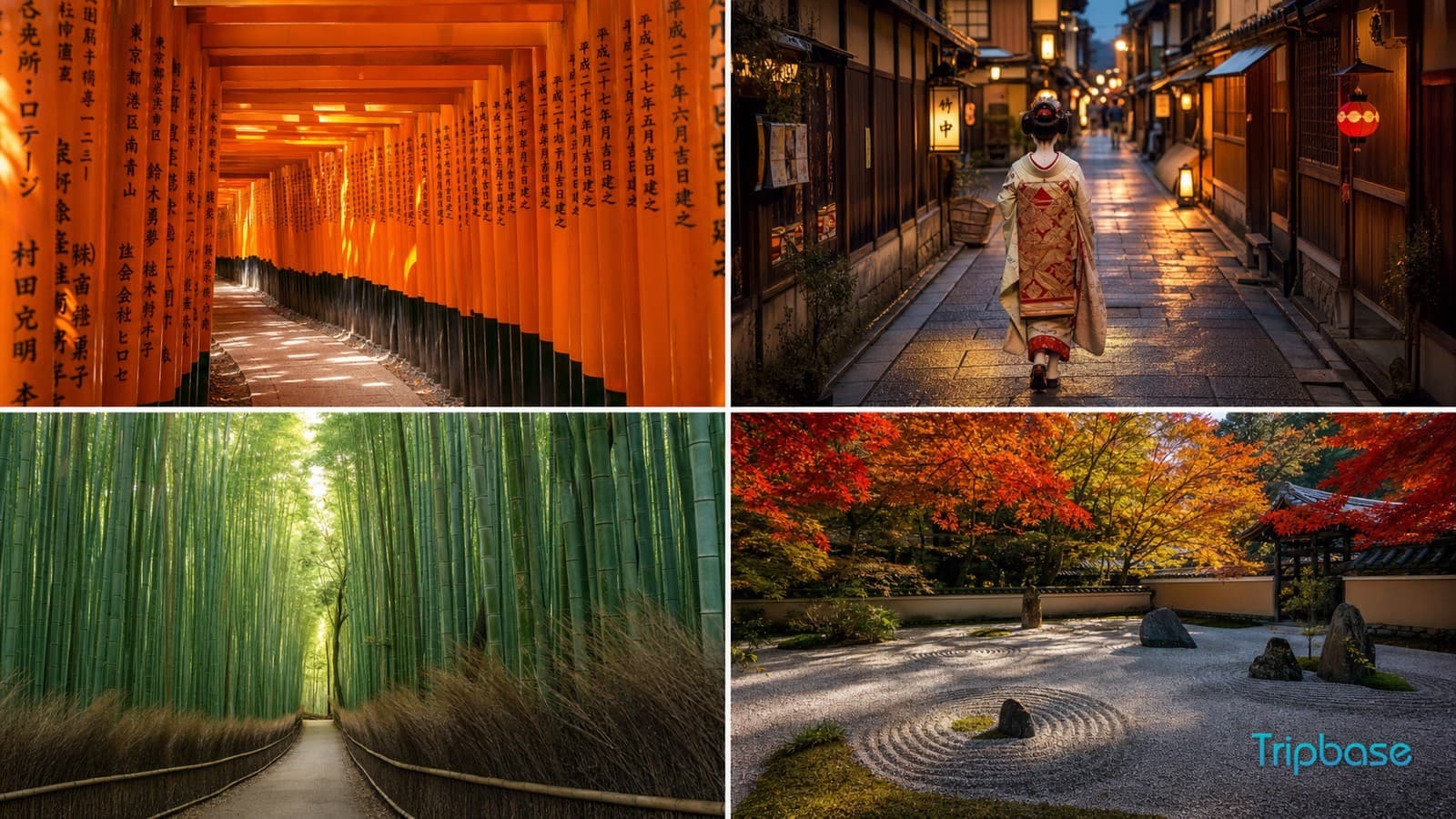
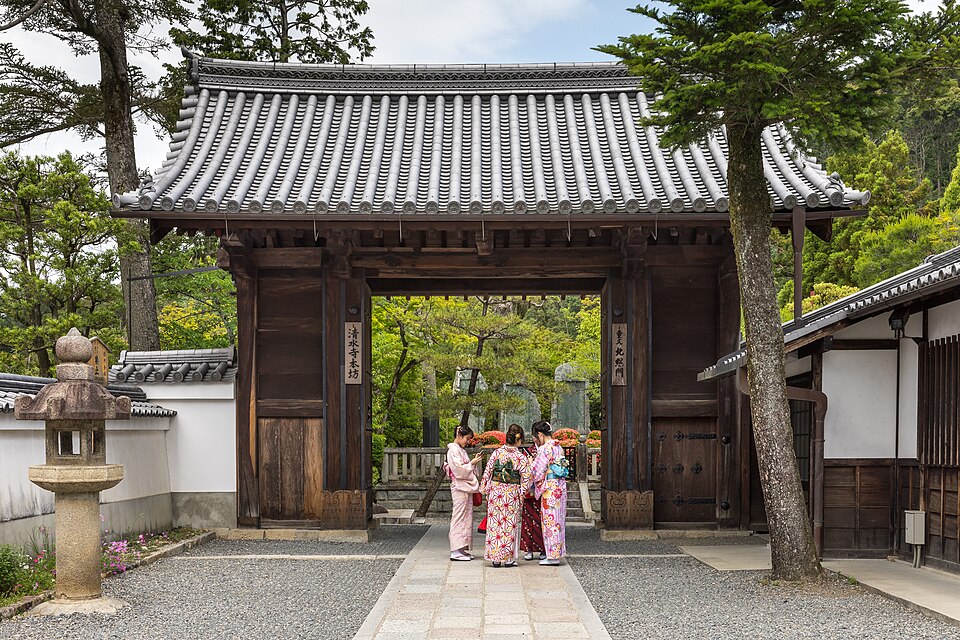
If Marrakech (we're getting there) is sketching on hard mode, Kyoto is the tutorial level designed by someone who loves you. Temple gardens are engineered for exactly the kind of long, quiet looking that sketching requires — raked gravel, considered rocks, a maple placed four hundred years ago by someone who knew precisely what they were doing. Sit on an engawa veranda at a quieter temple (skip Kinkaku-ji's golden hour crush for the moss and maples elsewhere) and draw slowly. Nobody will bother you. Politely ignoring people doing strange quiet activities is arguably Japan's national sport.
Marrakech: For the Brave
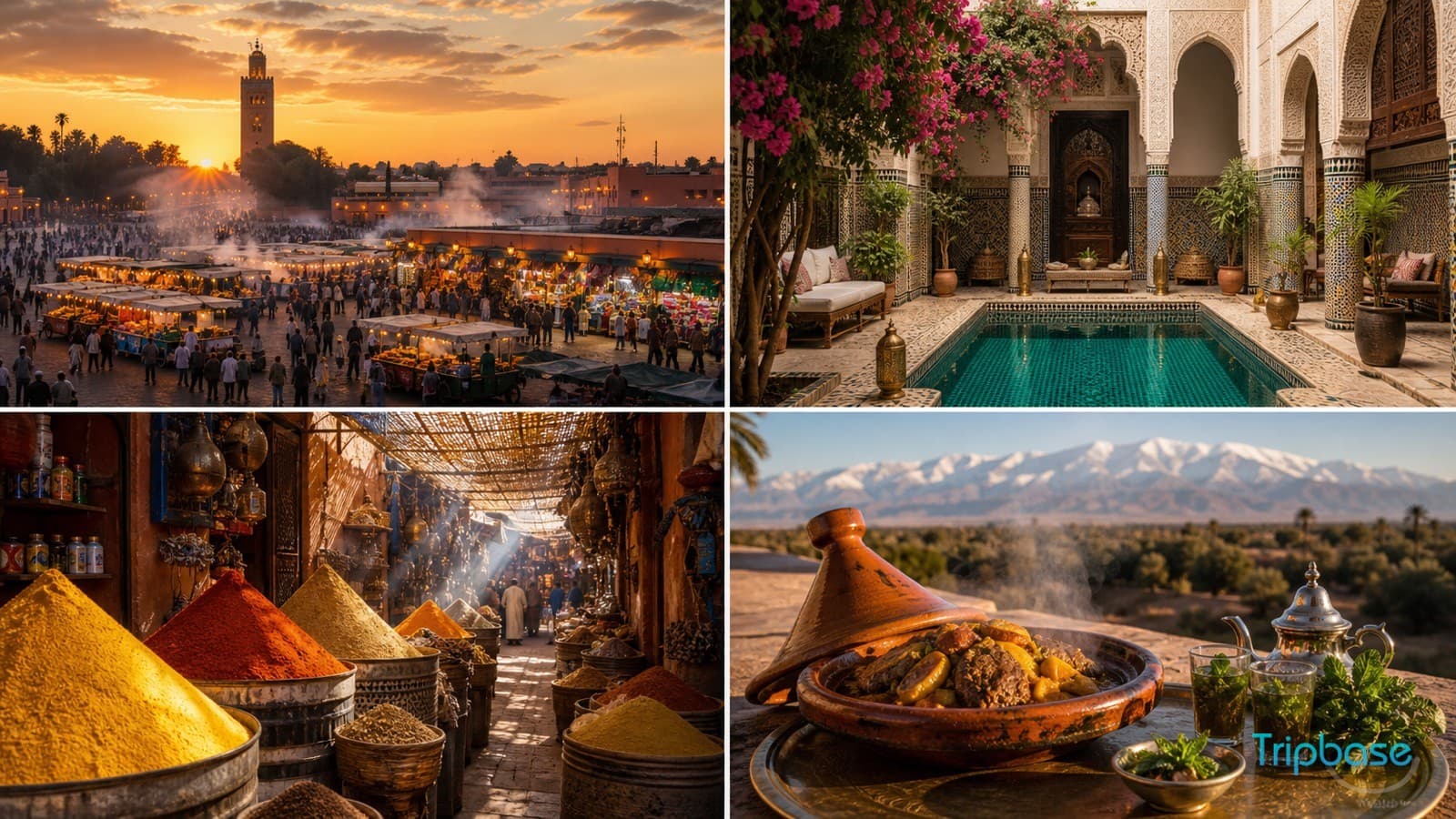
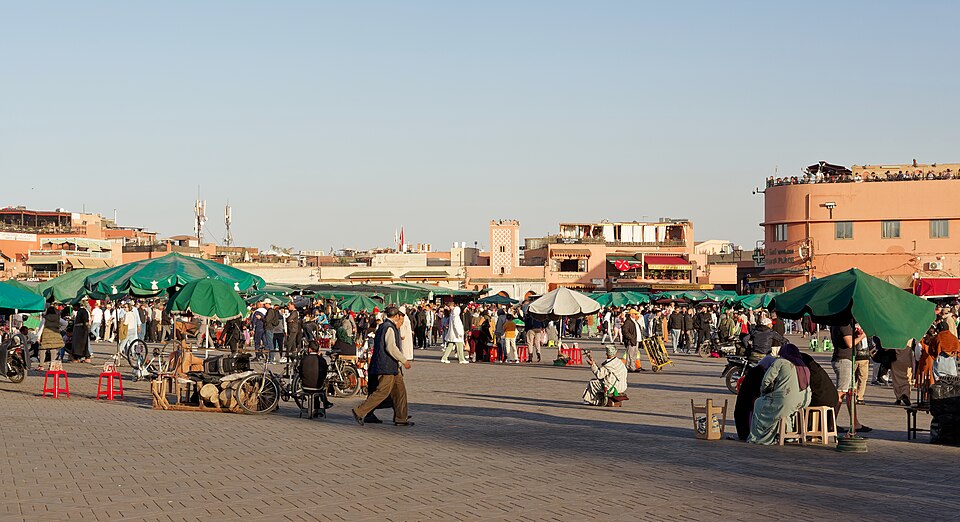
Delacroix filled his greatest notebooks in Morocco, and one afternoon attempting to sketch Marrakech's Jemaa el-Fnaa will show you why: the square is a live-fire exercise in drawing things that refuse to stand still. Snake charmers, orange-juice carts, drummers, motorbikes carrying improbable cargo — your tidy architectural rendering plans will collapse within minutes, and what you'll produce instead is fast, scribbled, half-legible gesture drawing. It will be some of the best work in your sketchbook. Find a rooftop café at sunset, order mint tea, and draw the chaos from above like a general surveying a battle they have no intention of joining.
Sketching in Public Without Dying of Embarrassment
The number one reason people don't sketch on their travels isn't ability — it's the fear that strangers will look at the drawing. Here is the liberating truth: they will, and it doesn't matter. A tourist with a sketchbook gets warmer treatment than a tourist with a camera almost everywhere on Earth. Cameras take; sketchbooks pay attention, and locals can tell the difference. You'll have more genuine conversations in an hour of public drawing than in a week of photography, most of them beginning with someone's grandmother looking over your shoulder and saying something encouraging you don't fully understand.
And if the drawing is bad? Wonderful. Bad drawings are memories with better handwriting — that mangled sketch of a Kyoto gate will summon the smell of the incense and the sound of the gravel better than any photo, precisely because you spent twenty minutes failing at it. Besides, there's an entire museum in Boston devoted to collecting bad art, so technically you're building an acquisitions portfolio. If you want maximum sketching bang for your buck, go in shoulder season, when the café tables are free, the light is low and interesting, and nobody is queueing behind you for your bit of wall.
So: one sketchbook, one pen, one trip. Draw badly, remember everything. What's the worst drawing you've ever been sincerely proud of — and more importantly, can you still smell the place it came from?