The Real History of the World's Most Famous Pirate Ports
The Golden Age of Piracy lasted roughly from 1650 to 1730, and in that eighty-year window, a fairly remarkable number of people decided that the most sensible career path available to them was theft at sea. They were not wrong. The alternatives - impressment into the Royal Navy, indentured servitude in colonial plantations, dying of typhus in an English debtor's prison - compared unfavorably to a life of maritime crime that at least offered fresh air, a degree of democratic self-governance (pirate ships were, structurally, more democratic than most governments of the era), and the occasional chest of Spanish gold.
The ports where these men and women operated are mostly still there. Some are thriving tourist destinations. Some have partially sunk into the sea, in what historians have described as divine retribution and insurance investigators have described as a total loss. Here, in no particular order of infamy, are the places where the Golden Age of Piracy actually happened - and what's left of them now.
Nassau, Bahamas - The Republic of Pirates
Between approximately 1706 and 1718, Nassau was not, technically, under the control of the British Crown. It was, for all practical purposes, a pirate republic - a settlement of several thousand people, governed by no one in particular, where the most famous pirates of the era came to drink, spend their money, careen their ships, and argue about who owed whom what from the last raid. Blackbeard was here. Anne Bonny was here. Calico Jack was here. Charles Vane was here. If you wanted to find a pirate in the early eighteenth century and you checked Nassau, your odds were excellent.
The arrangement ended in 1718 when the British sent Woodes Rogers as the new Governor of the Bahamas with a fleet of ships and a pragmatic attitude toward amnesty. Rogers offered pardons to any pirate who surrendered, and most of them took it, because the alternative was hanging and the pirates of Nassau were, on reflection, quite keen on not hanging. Those who didn't accept the pardon - about ten men who were captured at sea - were hanged on the shore of Nassau harbor within sight of their former colleagues, which Woodes Rogers apparently felt was an instructive lesson in the consequences of principled obstinacy.
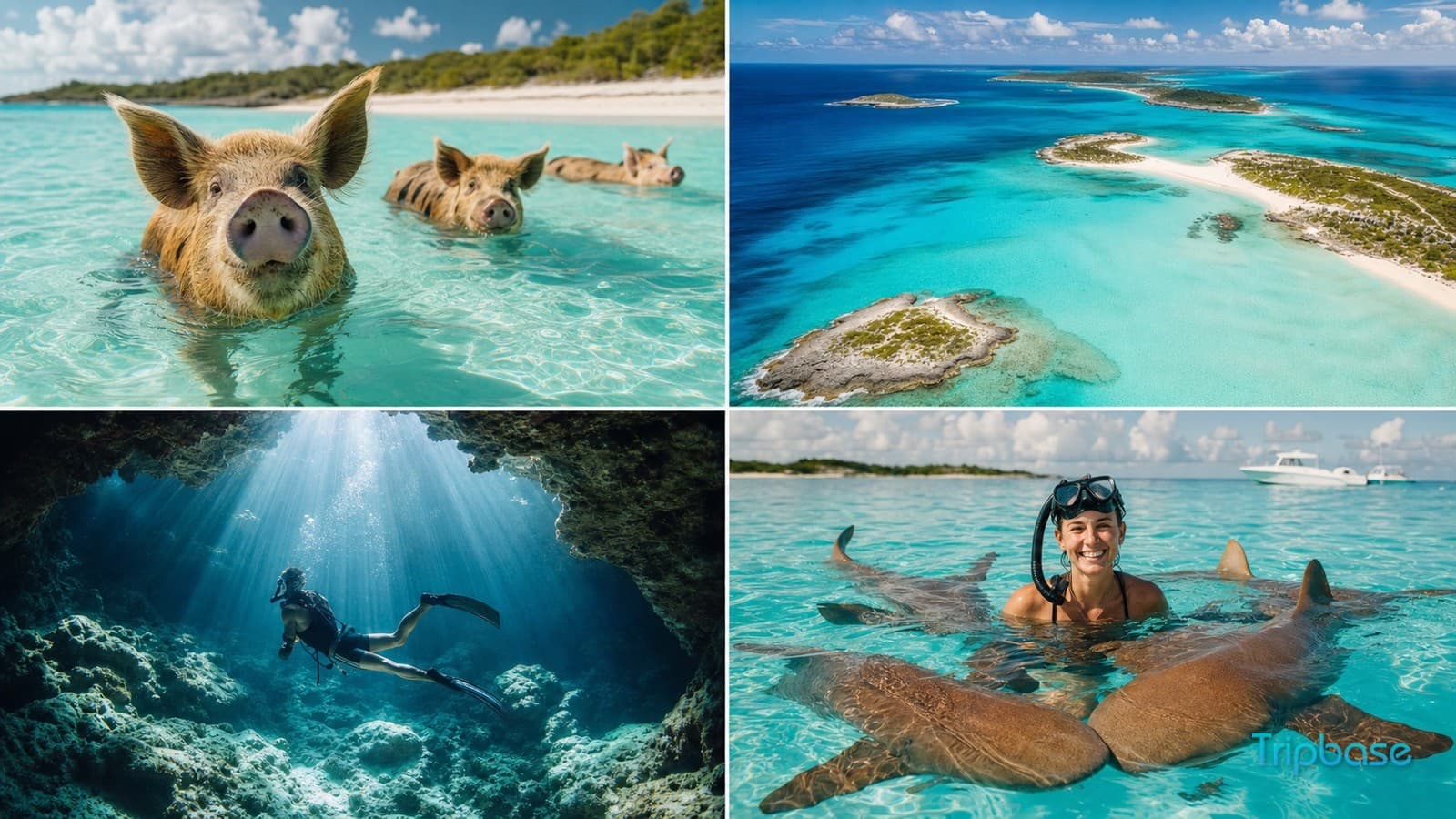
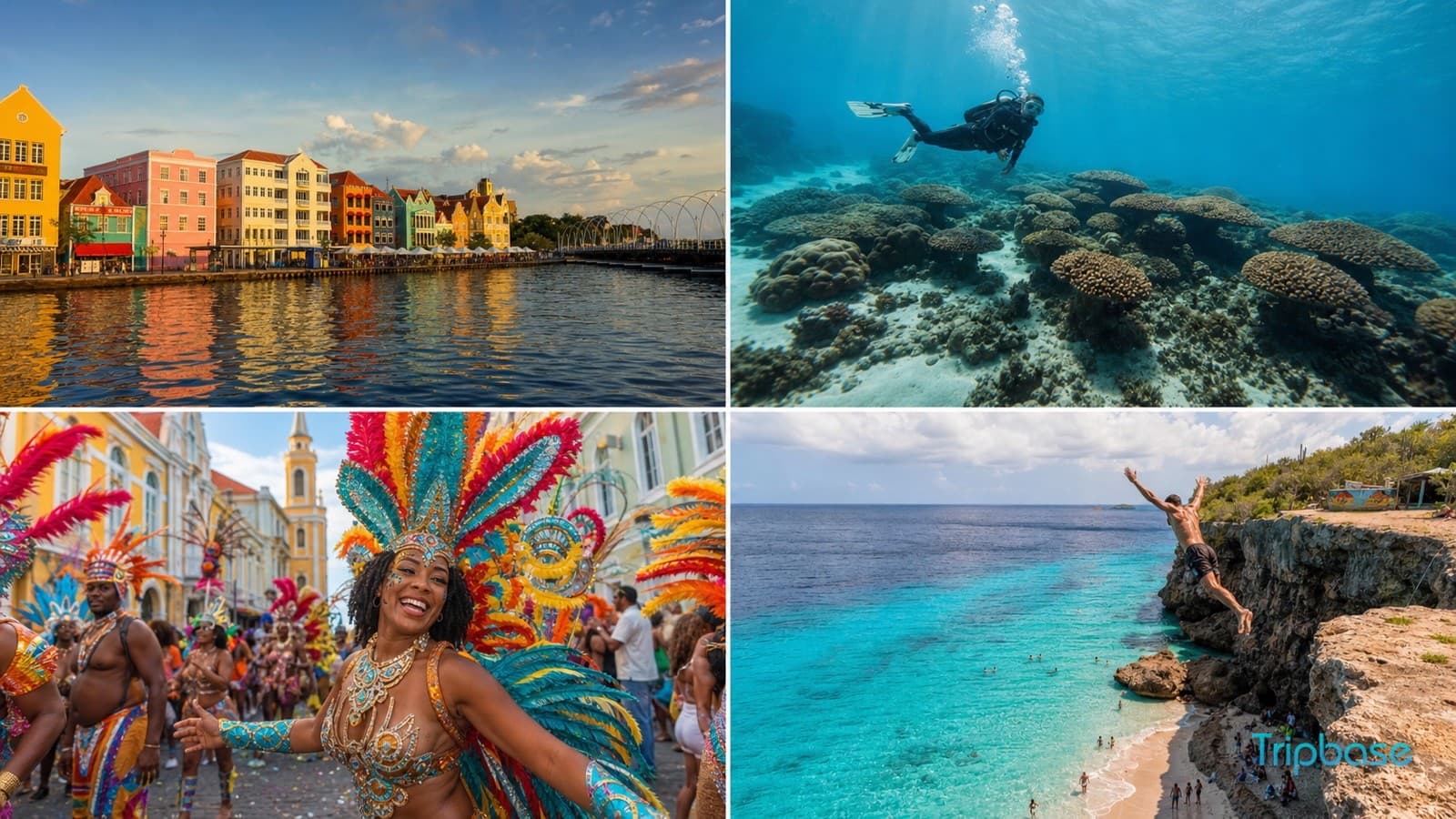
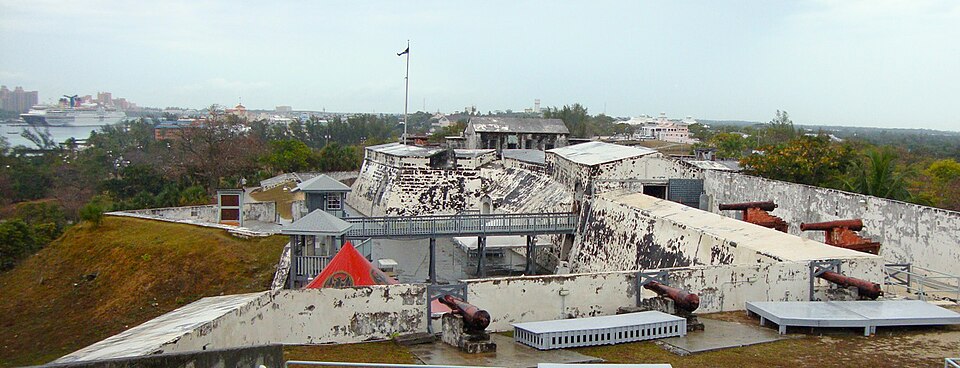
Today, Nassau is the capital of the Bahamas and a major cruise ship destination, which Blackbeard would probably find baffling and also somewhat ironic, given that cruise ships are essentially the modern equivalent of the Spanish treasure galleons he spent his career robbing. The Pirates of Nassau Museum covers the history with reasonable thoroughness, and Fort Charlotte - built after the pirate era but on the same strategic harbor - is worth visiting. Our Bahamas guide covers where to stay and what to do beyond the pirate history. The nearby Curacao, with its own Dutch colonial fort and trading-post history, is also worth a detour if you're island-hopping through the pirate Caribbean.
Tortuga, Haiti - The One From the Movies
Tortuga (officially Ile de la Tortue) is a small island off the north coast of Haiti that served as the primary base for Caribbean buccaneers throughout much of the seventeenth century. Its name means 'turtle' in Spanish, which is considerably less menacing than its reputation suggests. It was at various points controlled by the French, the Spanish, and the English, each of whom took turns installing governors who were then largely ignored by the actual inhabitants, who were buccaneers and found the concept of being governed by anyone a somewhat theoretical proposition.
The island's strategic value was its harbor - deep enough for the shallow-draft vessels preferred by pirates, sheltered from the worst Atlantic weather, and positioned conveniently along the routes used by Spanish treasure fleets sailing north from their Caribbean colonies. The buccaneers of Tortuga were, in their early years, not technically pirates but rather hunters who sold smoked meat to passing ships. They had been driven off Hispaniola by Spanish forces and had relocated to Tortuga, where they learned that attacking Spanish ships was more profitable than selling them beef, which is the kind of market analysis that you don't need an economics degree to understand.
What remains of Tortuga today is, depending on your expectations, either disappointing or fascinating. The island is now a quiet Haitian settlement with a population of around 25,000 people. There are no pirate museums, no re-enactments, and no themed restaurants named after Blackbeard. There is a small fort, largely ruined, that dates from the seventeenth century. Getting there requires a boat from Port-de-Paix on the Haitian mainland. Haiti itself - as our article on the world's most challenging travel destinations covers in some detail - requires careful planning and current safety research before any visit.
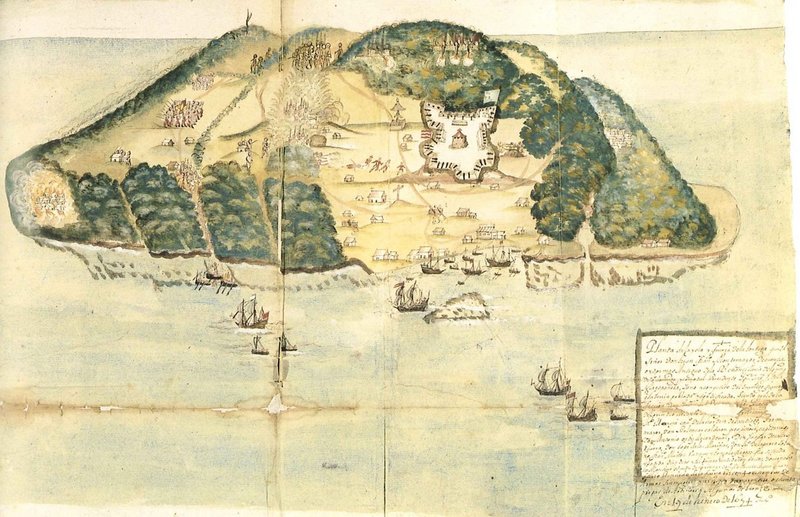
Port Royal, Jamaica - The City That Sank
Port Royal is the most extraordinary entry on this list, not because of its pirate history - though that is considerable - but because of what happened to it in 1692. Port Royal in the 1680s was, by most accounts, the richest city in the western hemisphere and, by every account, the most sinful. It had more taverns per square metre than anywhere else in the known world. Its economy was built on piracy, privateering, and the sale of stolen goods from Spanish colonies. Henry Morgan, who had raided Panama and various other Spanish possessions with the enthusiastic support of the English Crown, retired there as Lieutenant Governor. The place was, in the words of one contemporary clergyman, a 'sink of all filthiness.'
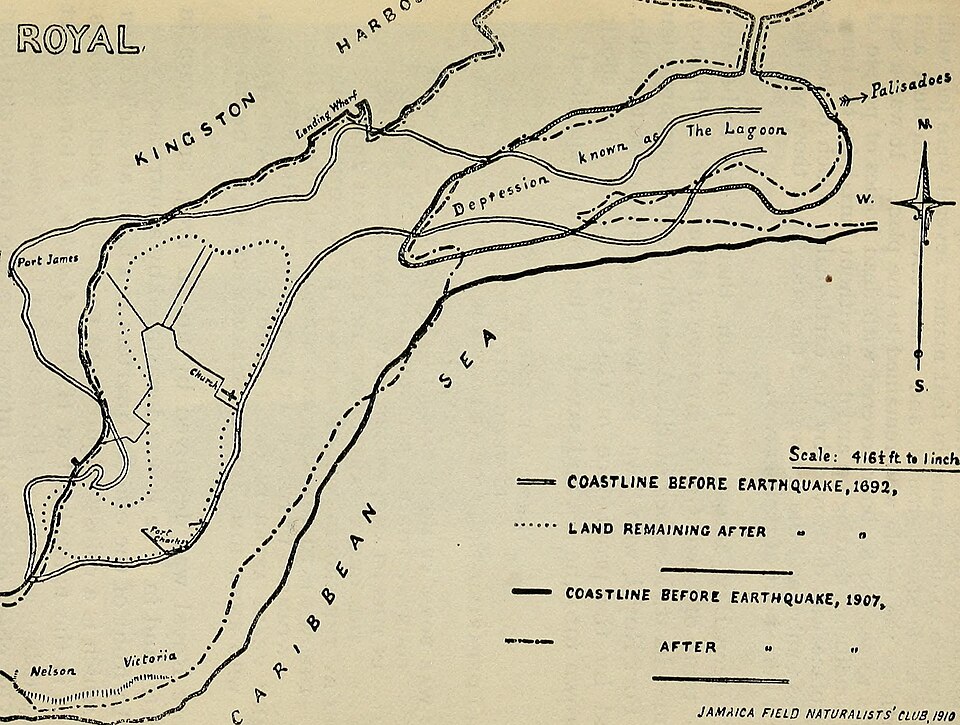
On June 7, 1692, a massive earthquake struck Jamaica. Port Royal, which had been built on a sandy spit prone to liquefaction, responded to the earthquake by sinking into Kingston Harbour. Two-thirds of the city disappeared beneath the water in under two minutes. Approximately 2,000 people died in the immediate disaster, with another 3,000 dying in subsequent disease outbreaks. Most contemporary observers concluded that God had chosen to make His opinion of Port Royal's activities quite clear, which is a theological interpretation that the insurance industry has since labeled 'act of God' and declined to cover.
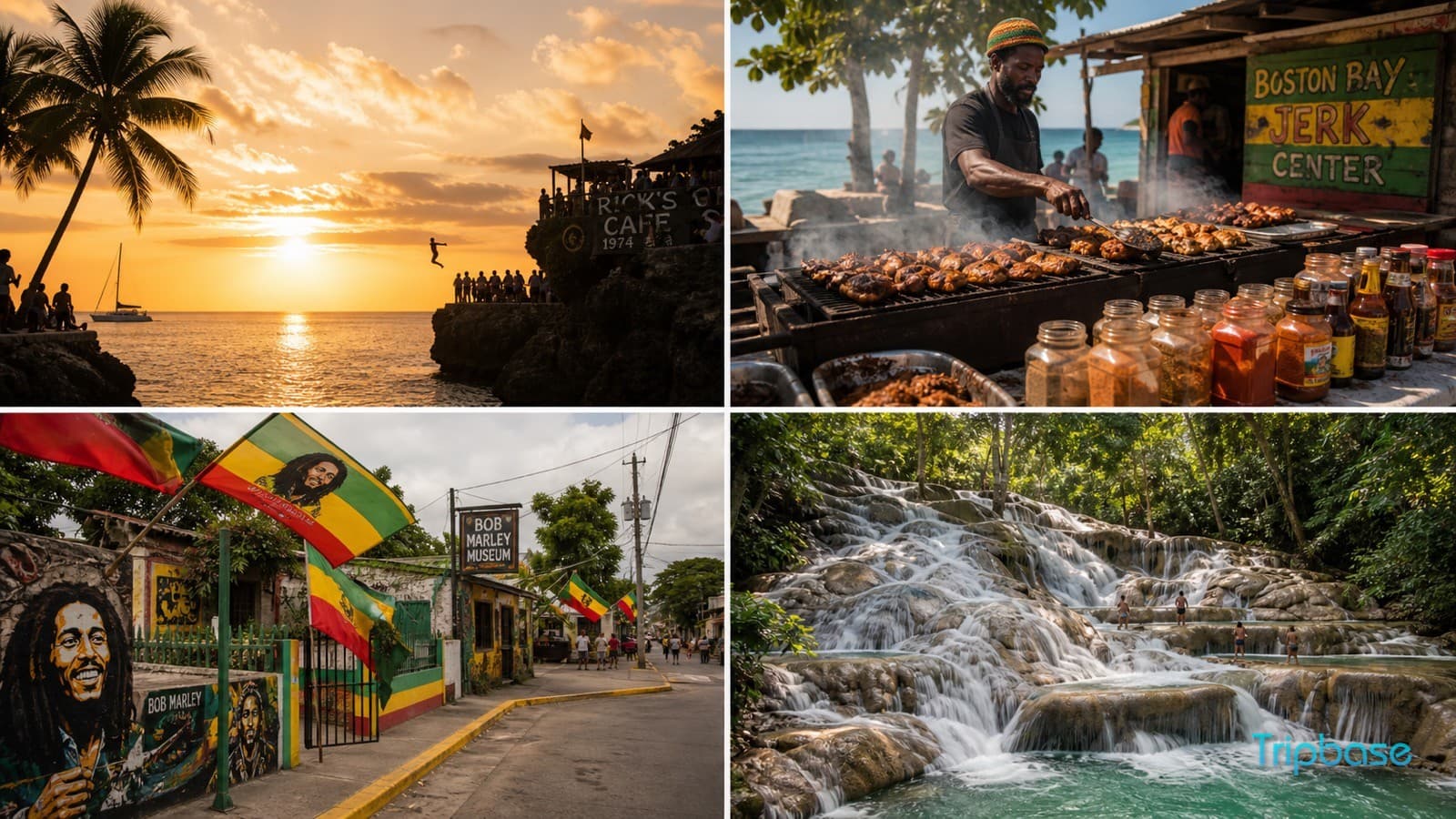
The sunken city is still there, largely intact beneath the waters of Kingston Harbour, making it one of the most significant underwater archaeological sites in the western hemisphere. The remaining above-water portion of Port Royal - still inhabited, now a modest fishing village - has Fort Charles, a seventeenth-century fortification where a young Horatio Nelson once served, and a small museum covering the earthquake and the pirate era. Jamaica makes it easy to combine a Port Royal visit with the rest of the island. The underwater ruins are not generally accessible to recreational divers - archaeological protection and poor visibility limit access - but there are ongoing excavation projects that periodically surface remarkable artifacts.
Ile Sainte-Marie, Madagascar - The Pirate Utopia That May Have Existed
The most romantically appealing entry on this list is also the most historically contested. Ile Sainte-Marie (or Nosy Boraha, as it's known locally) is a long, narrow island off the northeast coast of Madagascar that served as a major pirate base from the late seventeenth century onward. It had fresh water, a sheltered harbor, and - crucially - was positioned conveniently along the route used by East India Company ships sailing from the Indian Ocean to Europe, which made it an excellent staging point for anyone whose business model involved intercepting those ships.
The contested part is Libertalia - a supposed pirate utopia allegedly established on Sainte-Marie in the 1680s by a French captain named Mission and a defrocked Dominican priest named Caraccioli, who had worked out between them a philosophical system that combined piracy with a proto-socialist community of free men of all races and nationalities. This sounds extremely made up, and it may well be. The primary source for Libertalia is a 1724 book called 'A General History of the Pyrates' by a Captain Charles Johnson, who may have been Daniel Defoe writing under a pseudonym, and whose account of Libertalia is disputed by historians who would like some corroborating evidence and haven't found it yet.
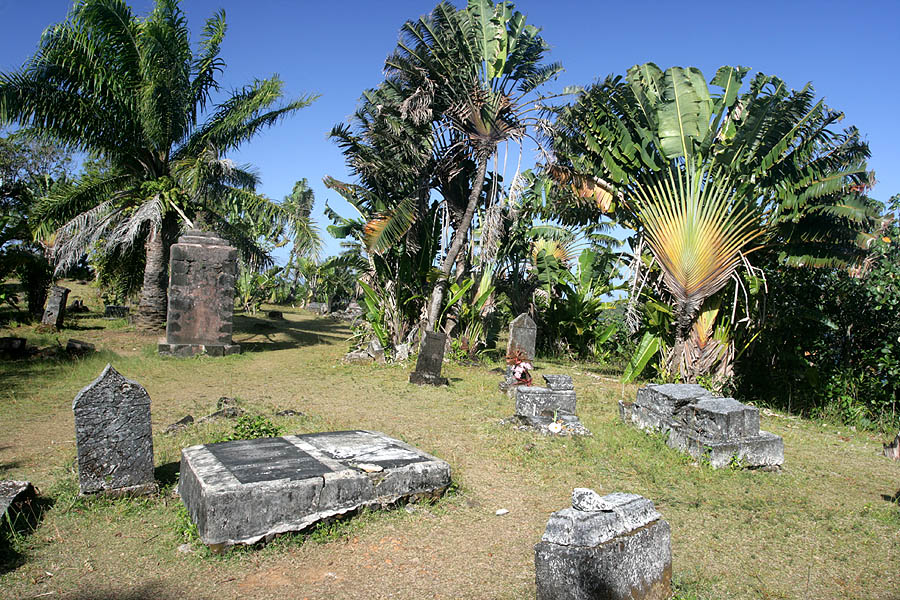
Whether or not Libertalia existed, Ile Sainte-Marie's pirate heritage is real. The island has a famous pirate cemetery - the Cimetiere des Pirates - containing the graves of several buccaneers, complete with skull-and-crossbones headstones that are either authentic eighteenth-century pirate graves or extremely effective tourism marketing, depending on whom you ask. The harbor still contains the rusted hulks of several pirate ships, which are, admittedly, not quite as dramatic as they sound at low tide. Our article on places that have vanished from history covers Libertalia, among other lost civilizations. The island itself, however, very much exists and is reachable by flight from Madagascar's capital Antananarivo.
Have you visited any of these former pirate ports? And if you found buried treasure at any of them, at what point did you decide that declaring it to customs was the historically appropriate thing to do?
Disclaimer: As a brand, Tripbase are accepting of all global cultures. This article is written from a Western perspective and is meant for humorous purposes only. No offense is intended to the descendants of anyone who was either a pirate or robbed by one.