The Most Haunted Places in the World (That You Can Actually Visit)
There is a particular category of human being who, upon hearing that a location is cursed, abandoned, historically catastrophic, and possibly home to the restless dead, immediately thinks: 'That sounds like a lovely weekend.' If you are that person, congratulations - you have found your people. If you are not that person, you have nevertheless clicked on this article, which suggests you are at least haunting-curious, and that is good enough for us.
Ghost tourism is, by any reasonable measure, a deeply weird industry. Someone had to look at a former plague quarantine island heaped with human remains and think, 'People will pay good money to stand here.' And they were right. Dark curiosity is one of humanity's oldest impulses, and the global travel industry has been only too happy to monetise it. What follows is a tour of the world's most notoriously haunted locations, arranged roughly in order of how terrified you should be upon arrival, starting from 'mildly unsettled' and ending at 'genuinely reconsidering your life choices.'
Poveglia Island, Italy
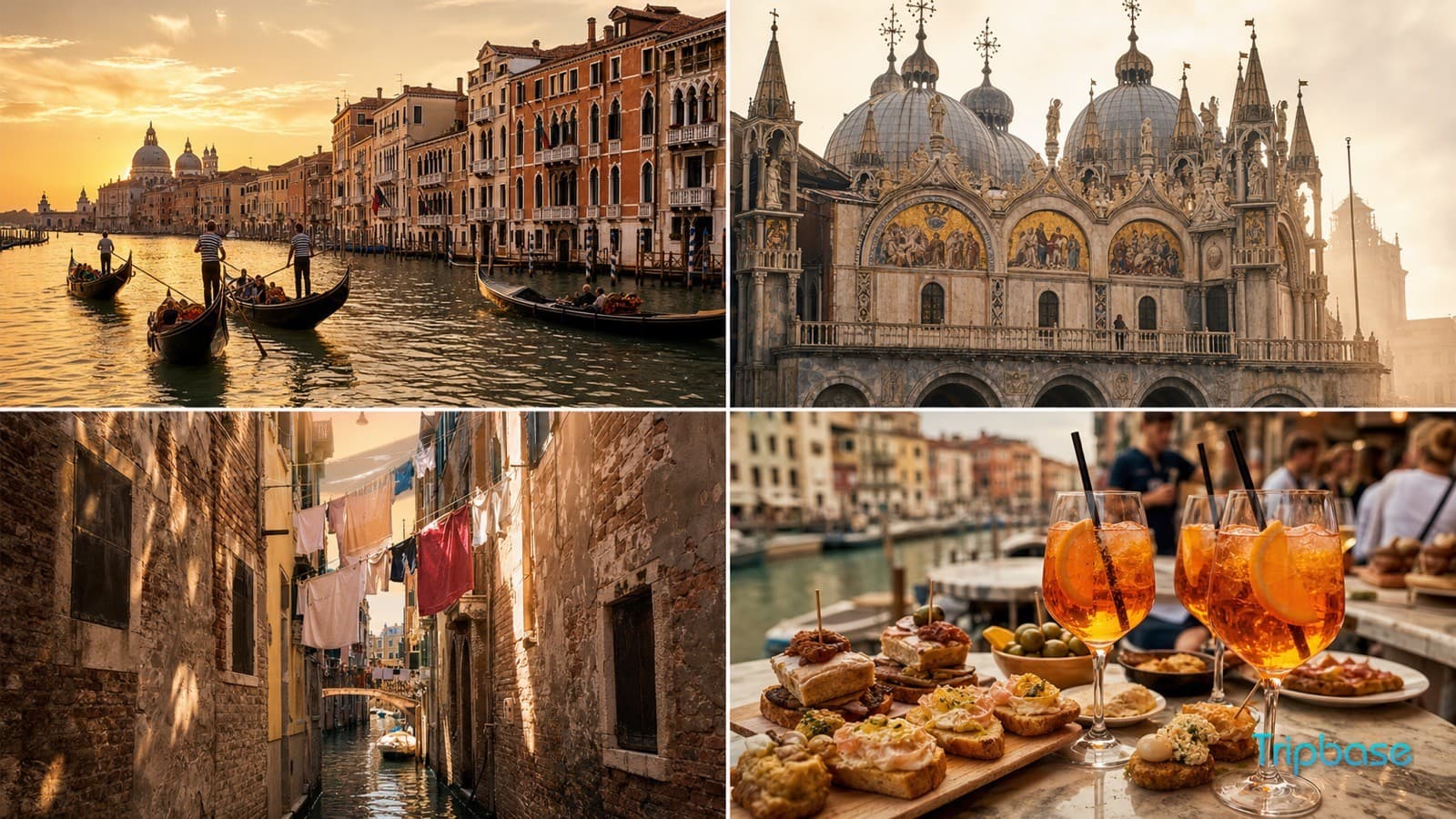
Poveglia Island sits in the Venetian Lagoon, approximately twenty minutes from the city of canals, gondoliers, and tourists who have accidentally booked a room the size of a cupboard. For most of Venice's history, Poveglia served as a place to put people that Venice didn't want to deal with: plague victims in the fourteenth century, more plague victims in the seventeenth century, and then, because apparently one use of an island for mass death wasn't enough, a psychiatric hospital in the early twentieth century.
The plague pits alone are estimated to contain the remains of over 160,000 people. The soil on the island is reportedly so rich with ash and decomposed human remains that it has a peculiar dark appearance - which is a sentence that required absolutely zero dark imagination to write, because it is simply fact. The psychiatric hospital that operated there from 1922 to 1968 has its own set of legends, most of which involve a doctor performing unauthorized experiments on patients before, according to local folklore, throwing himself from a bell tower. The bell tower was later demolished. You'd demolish the bell tower too.
The Italian government has kept Poveglia officially closed to the public for decades, though boat tours around the island run from Venice regularly, and occasionally the island's been put up for lease to developers who uniformly decided they'd rather do something else with their lives. This is perhaps the most haunted thing about it: even developers won't touch it.
Eastern State Penitentiary, Philadelphia
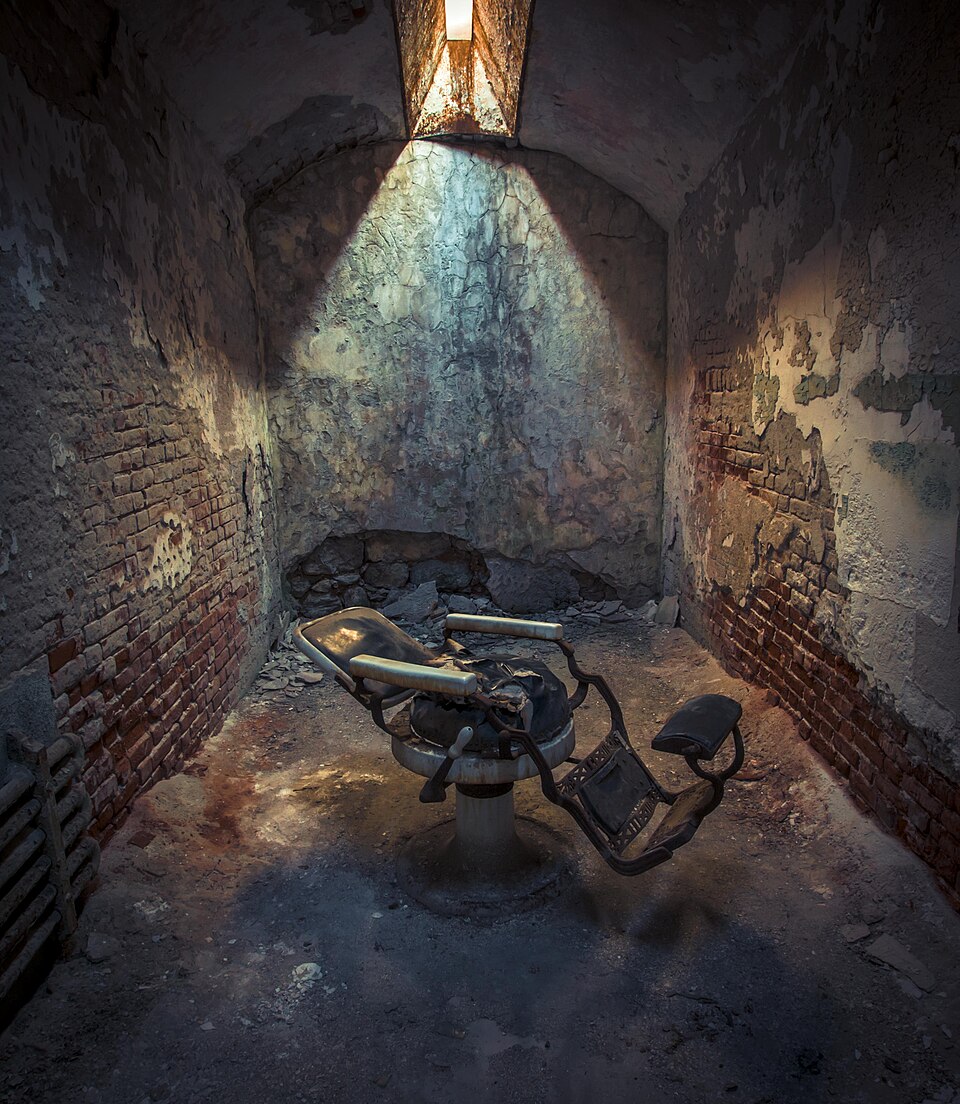
Eastern State Penitentiary was, when it opened in 1829, considered a revolutionary approach to criminal justice. The idea was simple: solitary confinement, total silence, and religious contemplation would rehabilitate prisoners rather than merely punish them. What actually happened was that prolonged isolation drove many inmates to complete psychological breakdown, which is the sort of outcome that could have been predicted by anyone who has ever spent two weeks working from home.
At its peak, Eastern State held Al Capone - whose cell, by the way, was furnished with oriental rugs and fine art, because Al Capone was not the sort of man who did solitary confinement without some interior decorating. The prison closed in 1971 and sat abandoned for over two decades before opening as a historic site. The abandoned cellblocks, with their peeling paint, collapsed ceilings, and vegetation reclaiming the corridors, are genuinely atmospheric in a way that no production designer could improve upon.
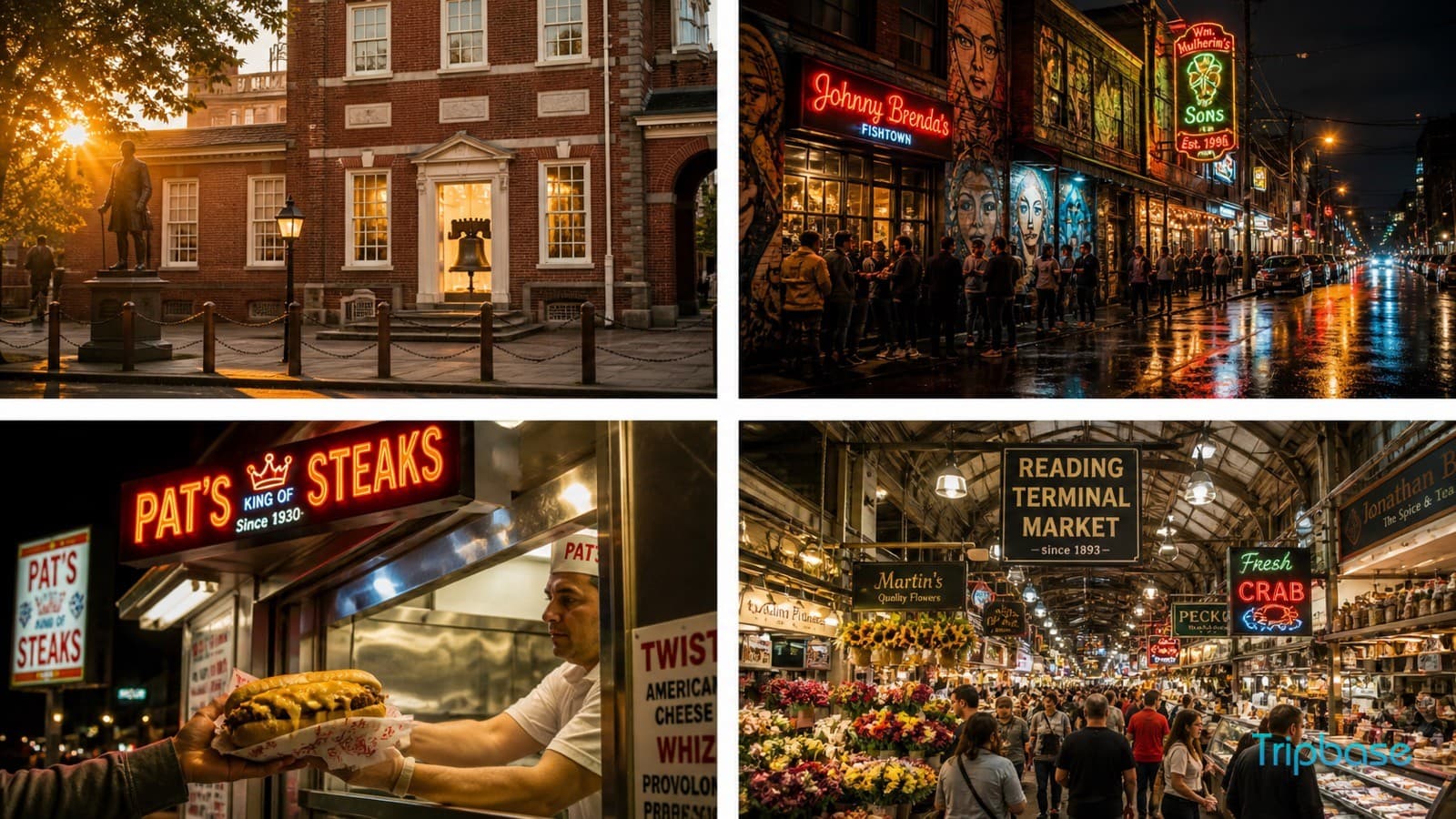
Tours run year-round, and the prison runs a famous Halloween attraction every October that is, in the assessment of most people who visit, genuinely terrifying even before you factor in the alleged ghost sightings. Multiple guards, workmen, and visitors over the years have reported shadowy figures and faces peering from cellblock windows. Whether this is evidence of the paranormal or of the human brain doing what human brains do when placed in a dark, historically disturbing building is left as an exercise for the reader. See our Philadelphia guide for visiting details.
Winchester Mystery House, San Jose, California
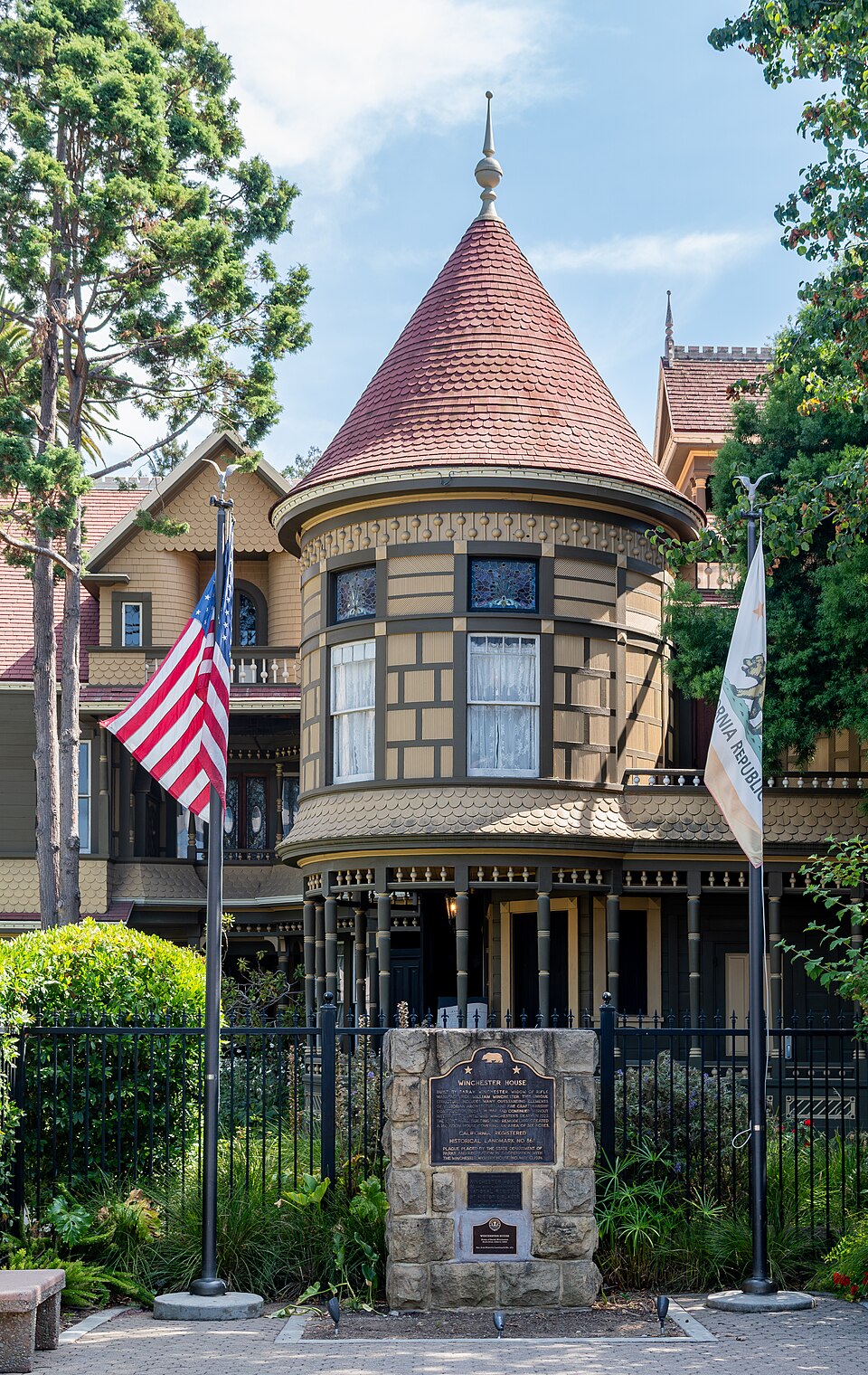
Sarah Winchester, heiress to the Winchester rifle fortune, was advised by a medium following the deaths of her infant daughter and husband that she was being haunted by the spirits of everyone killed by Winchester rifles. The prescribed remedy was to build a house - continuously, without stopping, for the rest of her life - to confuse and appease the spirits. Sarah Winchester took this advice at face value and spent the next thirty-eight years building.
The result is one of the most structurally bizarre buildings in the world. The Winchester Mystery House in San Jose has 160 rooms, 2,000 doors (many of which open onto walls or sheer drops), 10,000 windows, stairs that go nowhere, doors that open onto blank walls, a séance room where Sarah reportedly communicated with the spirits nightly, and architectural choices that make Escher look like a straightforward draughtsman. Construction ran continuously from 1884 until Sarah's death in 1922, employing construction crews who worked around the clock in rotating shifts. Some historians suggest Sarah was simply an eccentric woman who enjoyed building and wasn't particularly concerned with conventional architecture. Others note that whatever else she was, she was not wrong to be a little paranoid about rifle-related karma.
The house is open for tours throughout the year, and visitors consistently report the building as the most disorientating experience of their lives, which is saying something given that it's in California. The sheer volume of unnecessary doors opening onto unexpected drops is, if not supernatural, at minimum a health and safety auditor's worst fever dream.
Aokigahara Forest, Japan
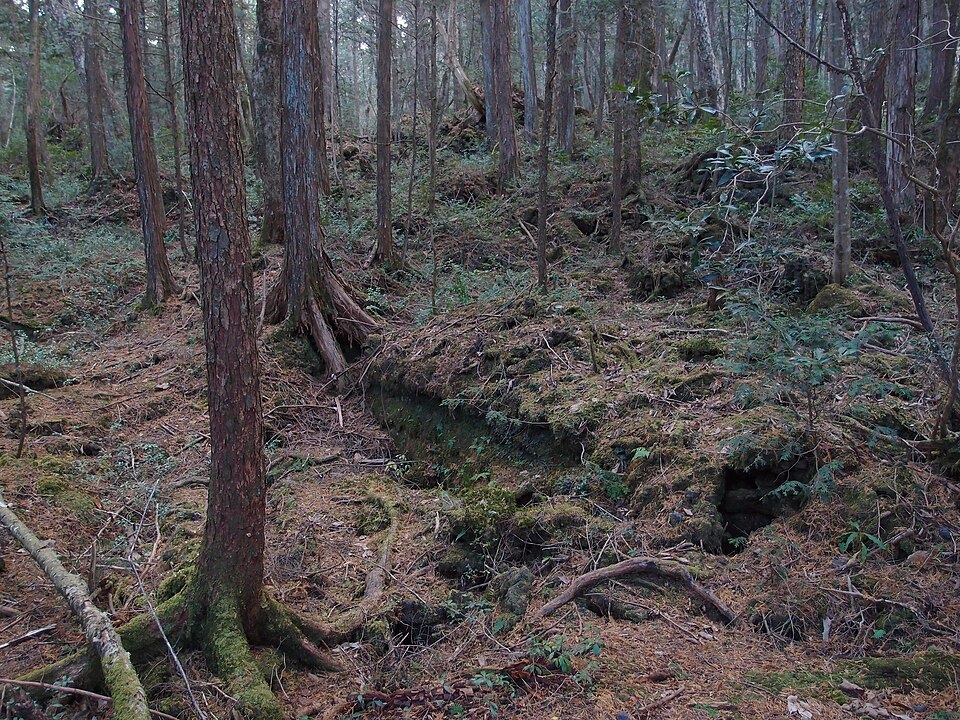
Aokigahara, known outside Japan as the Sea of Trees, sits at the base of Mount Fuji and is, on its face, an exceptionally beautiful place. The forest grew over a lava field left by an eruption in 864 CE, producing a dense, cave-riddled landscape where compasses behave erratically due to magnetic iron in the volcanic rock, and where the trees grow so thickly that wind barely penetrates, producing an unusual silence. It is also one of the world's most visited sites for suicide, a fact that Japanese authorities have tried to address with signage urging visitors to reconsider and directing them to support services.
In Japanese folklore, Aokigahara has been associated with demons and the restless dead (yurei) for centuries, predating its modern associations. The forest's reputation was significantly amplified by a 1960 novel set there, and has since become embedded in the global consciousness in ways that have created a complicated tension between a genuinely beautiful natural site and its psychological weight. The authorities discourage references to the more disturbing associations and actively work to position the forest as what it also undeniably is: a remarkable natural landscape worth visiting for its own sake, including ice caves formed in the lava beneath the forest floor.
If you visit - and plenty of people do, on perfectly ordinary and uneventful trips - stay on the marked paths. The forest is genuinely dense enough that people get lost, and the magnetic anomalies mean GPS and compasses can malfunction. The official visitor areas near Tokyo's accessible day-trip distance include the Narusawa Ice Cave and the Fugaku Wind Cave. The trees are, in their own way, extraordinary.
Château de Brissac, France
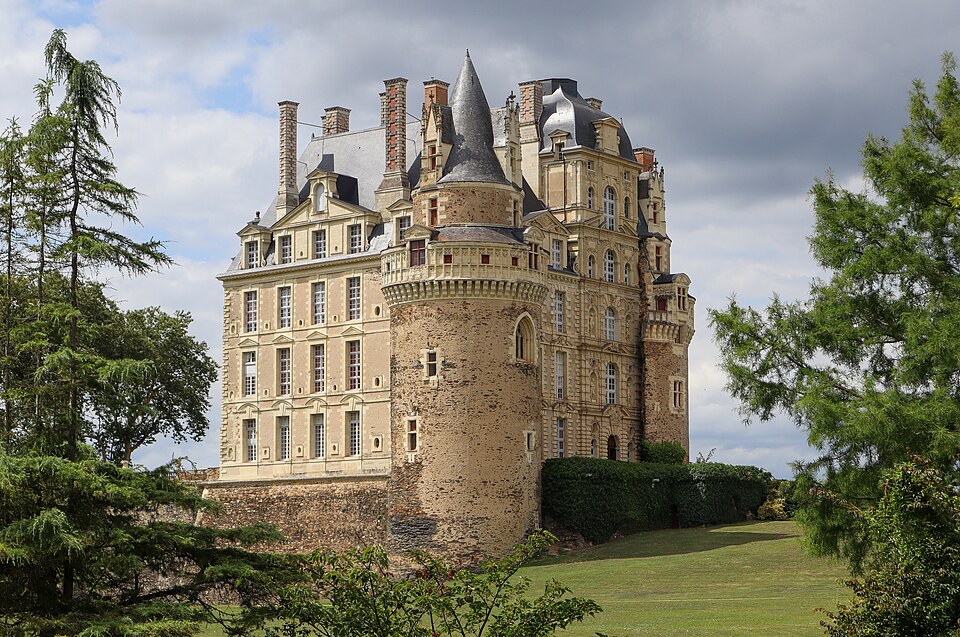
The Château de Brissac is, depending on your definition of 'tallest,' France's tallest château, and has been continuously inhabited by the Brissac family since 1502, which means it has had more than five hundred years to accumulate stories. It has accumulated several very good ones. The most famous concerns Charlotte of France, illegitimate daughter of Charles VII, who was reportedly murdered in the château in the fifteenth century after her husband discovered her in a compromising situation with Jacques de Brézé. This is, admittedly, the kind of discovery that tends to end badly.
Charlotte is said to haunt the château to this day, appearing in a room known as the 'tower room' wearing a green dress, with visible wounds where eyes and nose should be. She has been nicknamed 'The Green Lady' by the château staff, which suggests either an admirably matter-of-fact approach to the supernatural or an extremely strong staff orientation program. The current Duc de Brissac, Artus de Cossé-Brissac, still lives in part of the château while the rest operates as a hotel - meaning you can, if you wish, sleep in a historic French castle while a fifteenth-century murder victim wanders the corridors. This is either magnificent or deeply concerning, depending on your position on murdered medieval royalty as a tourism asset.
The château is in the Loire Valley, one of the most beautiful wine regions in France, which means that whatever level of supernatural disturbance you experience can be cushioned by extremely good Chenin Blanc. Charlotte's appearance is probably less alarming after the second glass.
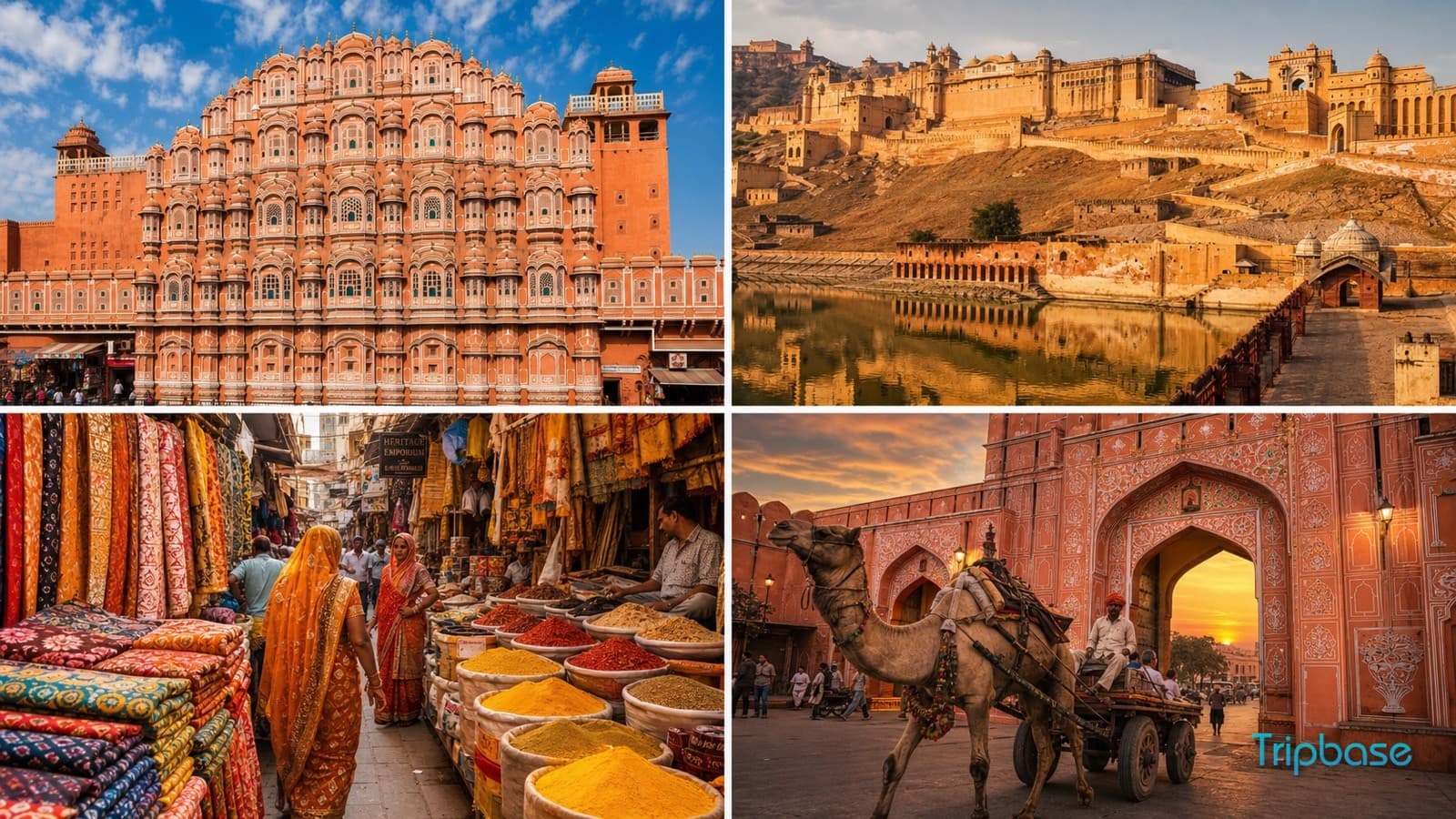
Bhangarh Fort, Rajasthan, India
Bhangarh Fort is distinguished from most haunted locations on this list by the fact that the Indian government's Archaeological Survey of India has posted official signage prohibiting entry after sunset. This is not the kind of thing that tends to happen at places where nothing unusual has occurred. The sign cites 'danger' without elaborating further, which is arguably more unsettling than any ghost story, because it suggests the relevant authorities considered the matter and concluded that 'danger - please leave before dark' was sufficient explanation.
The fort was built in 1613 in Rajasthan and was abandoned sometime in the seventeenth century under circumstances that remain disputed. The most popular legend involves a sorcerer named Singhia who attempted to bewitch the princess Ratnavati, was discovered, cursed the fort upon his death, and ensured that no roof built within its walls would stand. Notably, no roofs in the fort are intact, which could be explained by the legend, or by four centuries of monsoons and general abandonment. Local villagers have historically refused to live within the fort's perimeter, though modern development is gradually encroaching.
The Archaeological Survey site is open during daylight hours, and the ruins are genuinely impressive - a city rather than merely a fort, with temples, markets, and residences spread across a substantial area in the Rajasthan landscape. Visiting during the day involves no supernatural encounters whatsoever, merely history and atmosphere. What happens after dark is, by government directive, not something tourists are encouraged to investigate.
The Catacombs of Paris, France
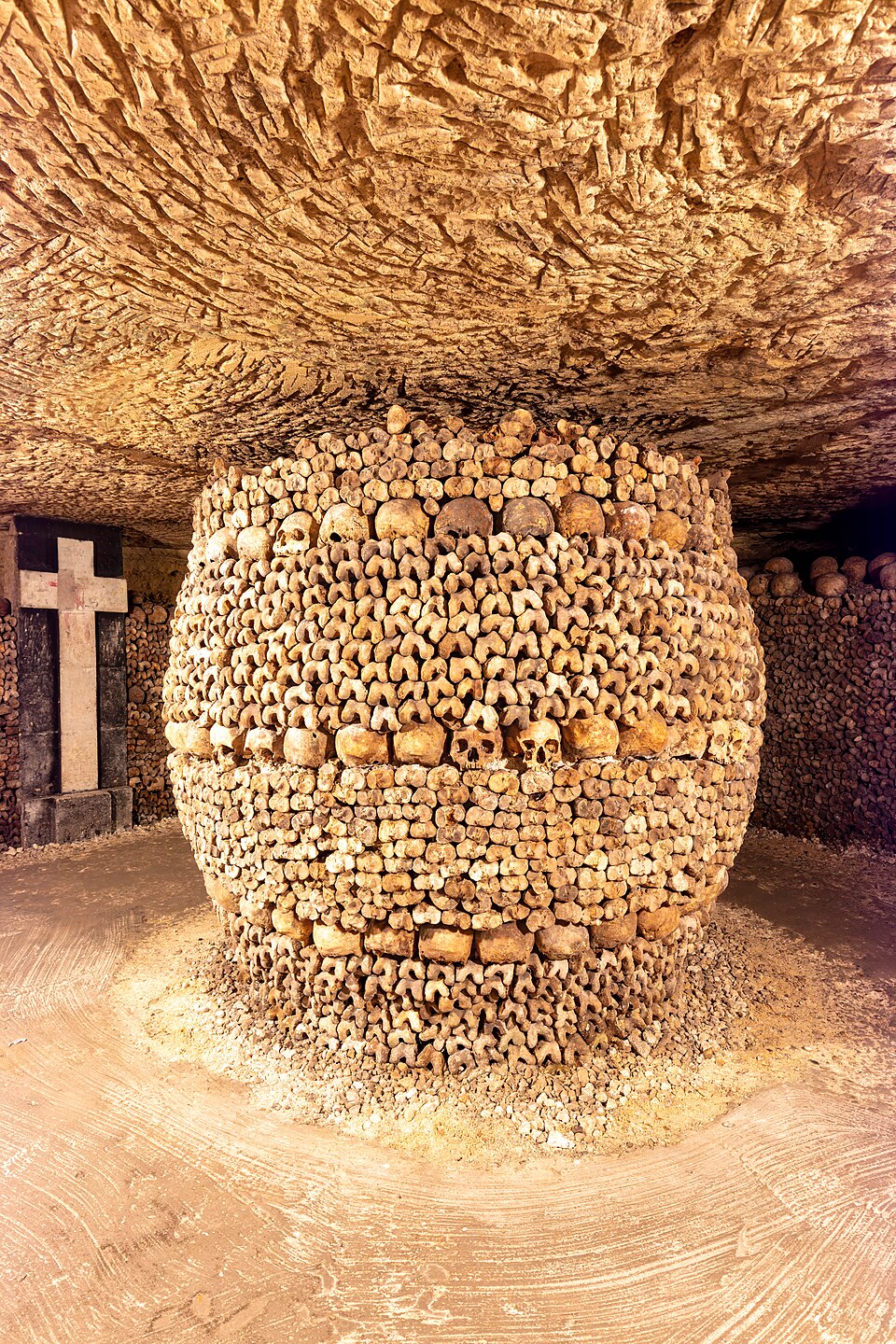
The Paris Catacombs contain the remains of approximately six million people, arranged with a tidiness that suggests either extraordinary civic organisation or a very particular type of interior designer. The bones were transferred to the old quarry tunnels beneath Paris beginning in 1786, when the city's overflowing cemeteries were creating public health crises. Workers moved the remains in carts at night, with priests accompanying the procession, which is exactly the sort of logistical operation that sounds completely insane until you remember that Paris in 1786 was genuinely dealing with corpses leaking into wells.
The tunnels extend for approximately 300 kilometres beneath the city, of which about two kilometres are accessible on the official tour. The remaining 298 kilometres are technically illegal to explore, a prohibition which has created a thriving subculture known as 'cataphiles' - people who access the restricted tunnels, have parties, maintain underground art installations, and occasionally get spectacularly lost. The police have a dedicated underground unit called the Cataflics, which is one of the better names for a law enforcement unit in existence, and who issue fines to anyone caught cataphiling without authorisation.
The official tour is extraordinary in the way that all genuinely enormous confrontations with mortality are extraordinary: it arranges six million people's worth of bones into patterns on the walls and presents them matter-of-factly, which is somehow more affecting than any amount of atmosphere or dramatic lighting. Multiple visitors report the experience as genuinely unsettling in a way that horror films rarely achieve, probably because six million is a number that becomes visceral when confronted in person rather than read on a page. Paris above ground is magnificent; Paris below it is something else entirely.
Disclaimer: Tripbase would like to clarify that visiting any of these locations will probably not result in a supernatural encounter. Probably. We are not, however, going to guarantee it, because we have seen the signs outside Bhangarh Fort, and we have questions. Travel safely, respect local regulations about after-dark access, and perhaps leave a light on when you get home. Just in case.