
The World's Most Expensive Foods - Ingredients Worth More Than Gold
The World's Most Expensive Foods
Most of us never give a second thought to the price of an ingredient - you grab it, you cook it, you eat it. But somewhere at the absolute frontier of gastronomy, ingredients are priced like fine art, purchased by chefs who treat them like precious metals, and eaten by people who can afford to. These are the foods that occupy that rarefied world.
What makes a food expensive? Usually some combination of extreme scarcity, near-impossible harvesting conditions, very long production time, or regulations that restrict supply. Sometimes all four at once. And sometimes, frankly, just the prestige of paying an obscene amount for something most people have never heard of.
White Truffle - Up to $6,000 per kilogram
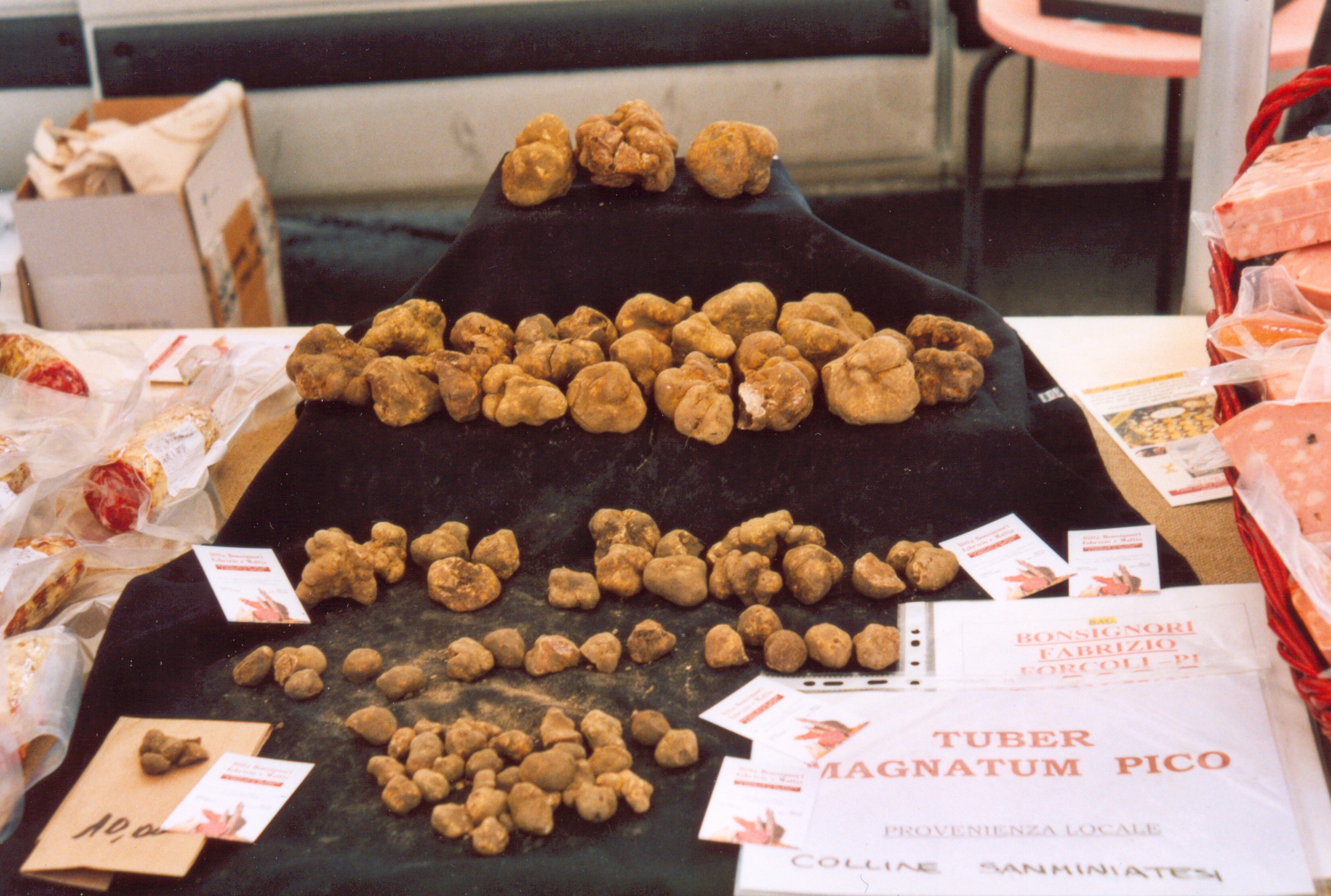
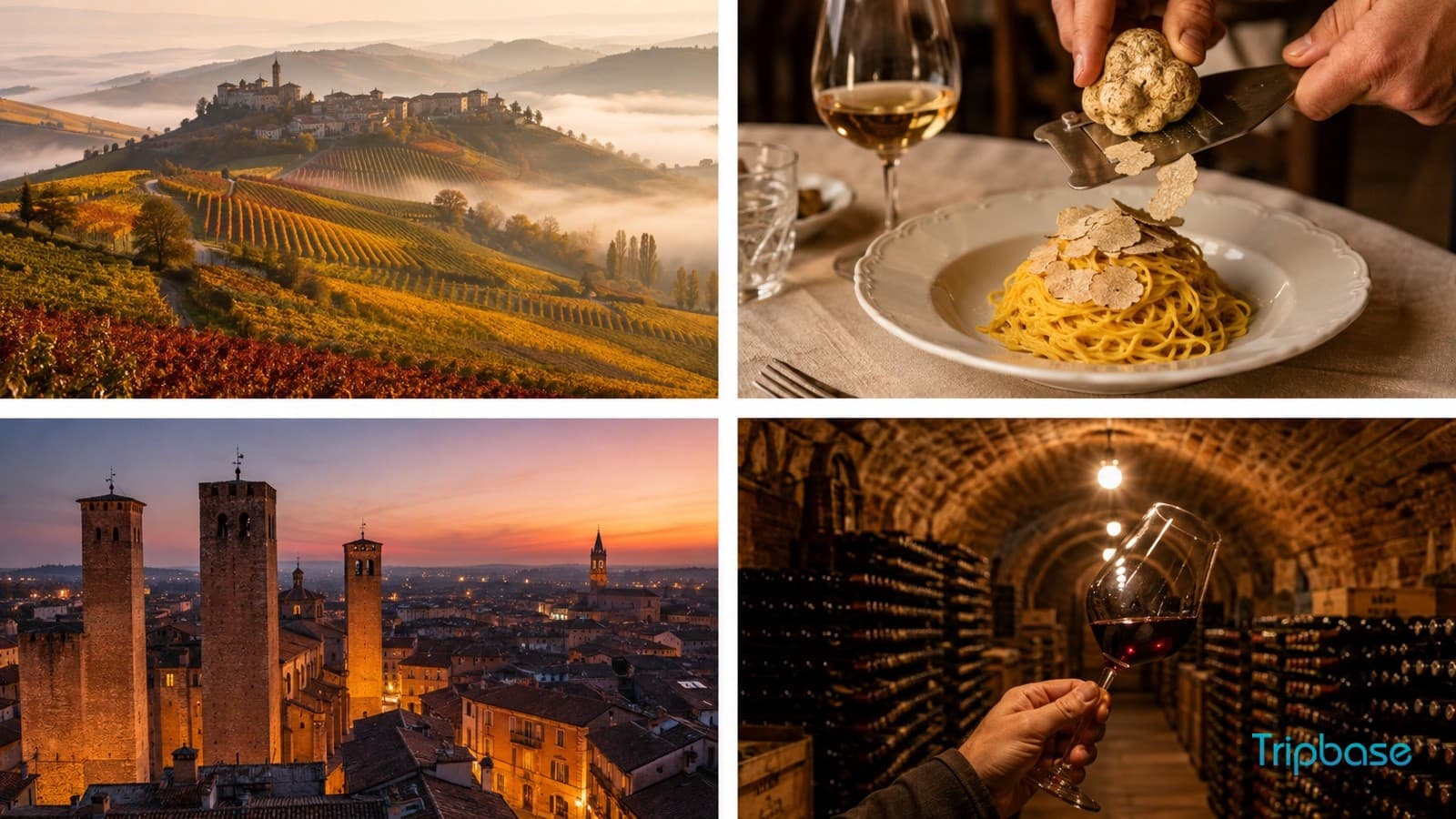
The white truffle (Tuber magnatum) is possibly the most expensive food ingredient in the world by weight. Found only in specific regions of northern Italy - primarily Piedmont, around the city of Alba - it defies every attempt at cultivation. Unlike black truffles, which can be grown commercially by inoculating tree roots, white truffles simply refuse to be farmed. They grow where they like, when they like, and in quantities determined entirely by factors still not fully understood by science.
The result is a seasonal frenzy every autumn, when trained dogs (and formerly pigs) hunt them in oak and hazel forests, and buyers pay anywhere from $1,500 to $6,000 per kilogram. Individual specimens weighing over a kilogram have sold at auction for well over $100,000. The flavor is intensely earthy, garlicky, and musky - and it disappears within days of harvest, which is why white truffles are almost always shaved raw over pasta or eggs at the absolute last moment.
Kopi Luwak - $700 per kilogram
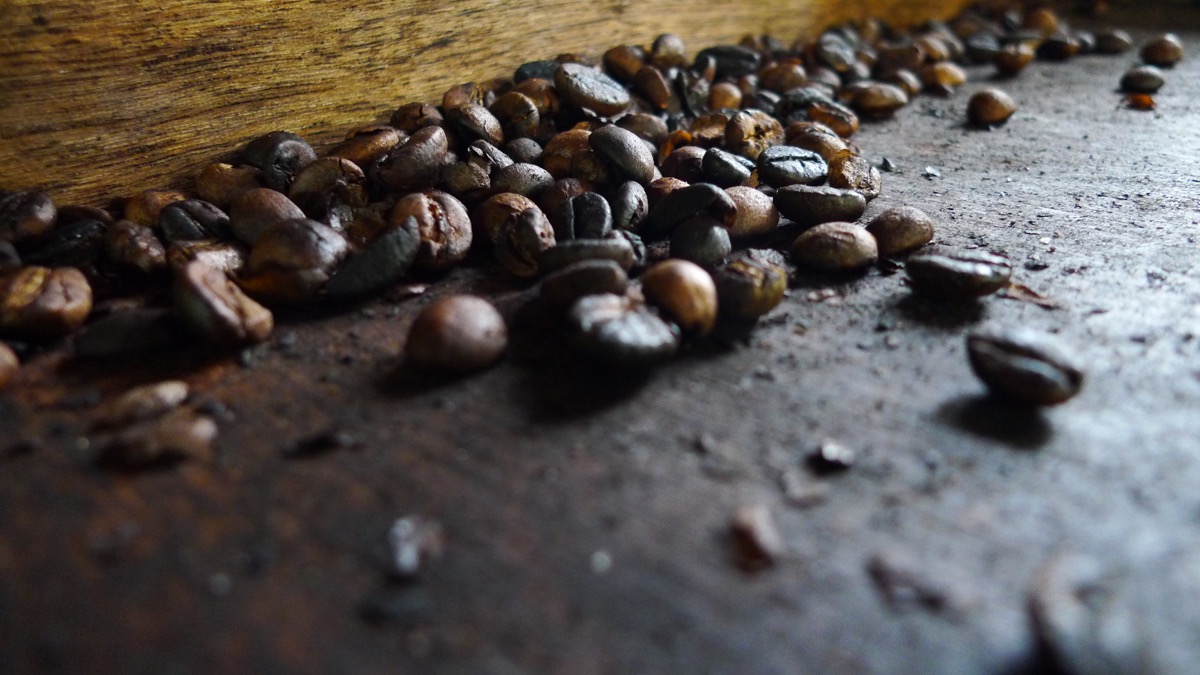
Kopi Luwak is coffee made from beans that have been eaten and excreted by Asian palm civets. This is not a euphemism. The civet eats the coffee cherries, the beans pass through its digestive system, enzymes in the process alter the proteins in the beans (supposedly reducing bitterness and adding complexity), and the intact beans are then harvested, washed, and roasted.
The result sells for $500-700 per kilogram - or up to $100 per cup in specialist cafés. Whether it actually tastes better is genuinely contested. Blind taste tests have given wildly inconsistent results. What's less contested is the animal welfare dimension: much commercially sold Kopi Luwak comes from civets kept in small cages on coffee fruit-only diets, which is both cruel and produces inferior coffee. Wild-sourced Kopi Luwak remains genuinely rare and commands a meaningful premium over the farmed version.
Pacific Bluefin Tuna - Up to $3,000 per kilogram
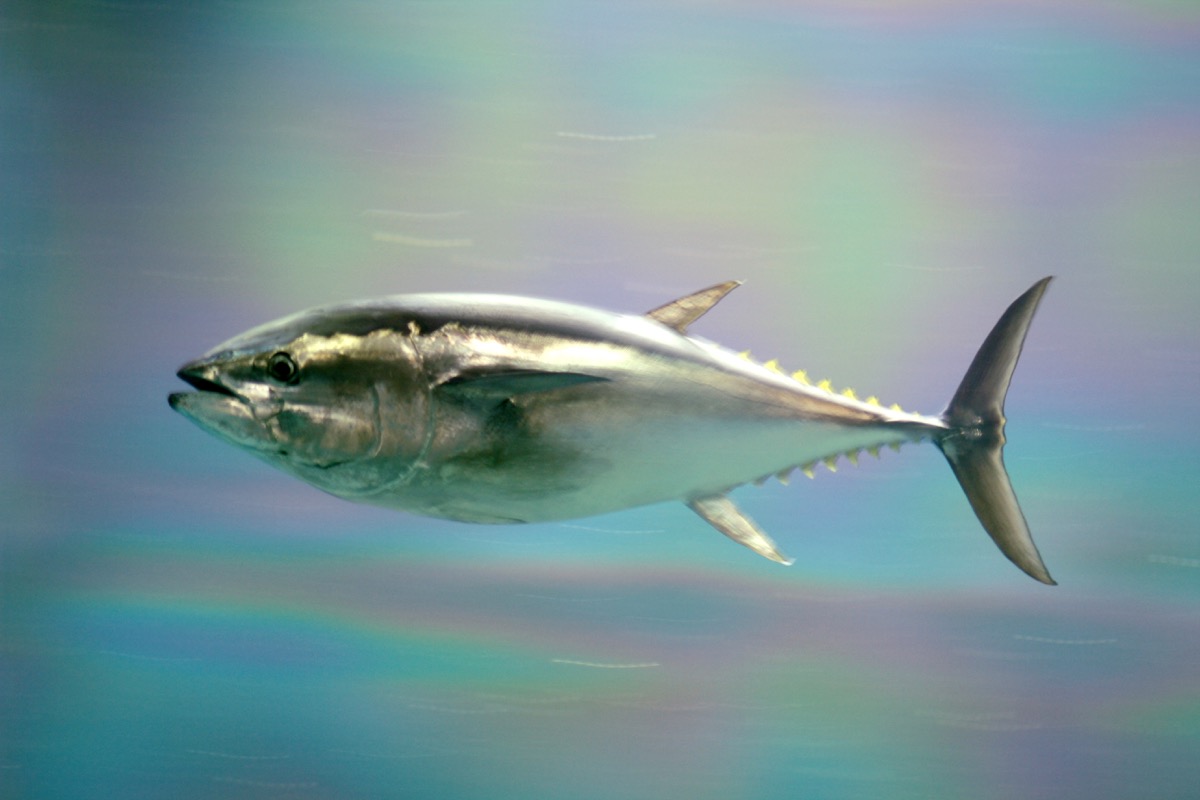
Every year on January 5th, Tokyo's Toyosu fish market holds its ceremonial first tuna auction of the year. And every year, a single bluefin tuna sells for a price that makes international headlines. In 2019, sushi restaurateur Kiyoshi Kimura paid ¥333 million (approximately $3 million) for a 278kg fish - roughly $10,800 per kilogram. The record price was widely understood to be partly for publicity, but it illustrates the extraordinary premium commanded by premium bluefin.
Outside of New Year's auction theater, top-grade Pacific bluefin tuna - the fatty belly cut known as otoro - still sells for $200-400 per kilogram at wholesale and significantly more at high-end sushi restaurants. The fish is critically endangered in the wild, which adds both moral complexity and a scarcity premium to every bite.
Bird's Nest Soup - $2,000 - $10,000 per kilogram of nests
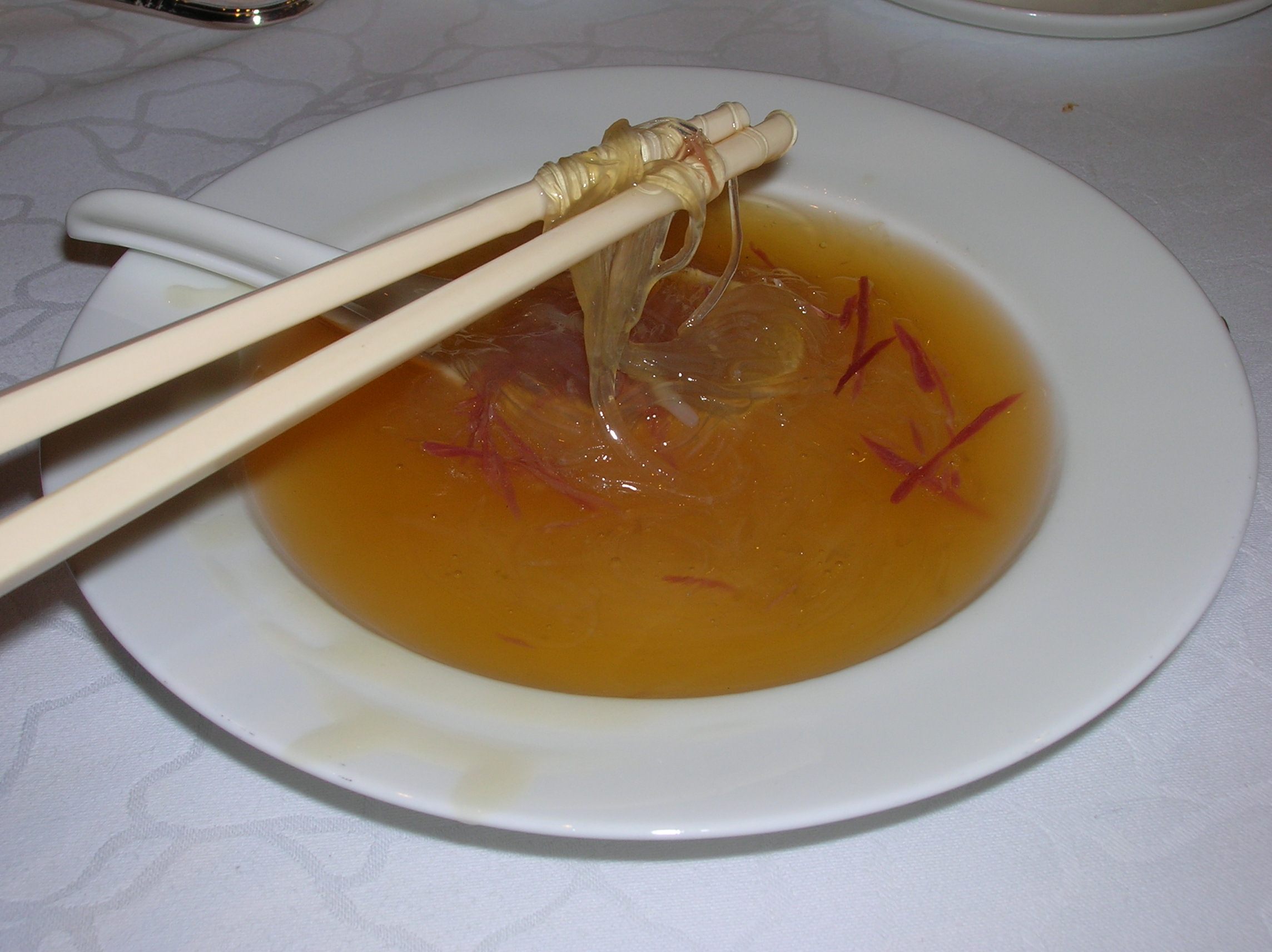
The edible bird's nest used in this famous Chinese delicacy is made from the solidified saliva of the swiftlet bird, primarily the Edible-nest Swiftlet found across Southeast Asia. The birds build their nests on sheer cliff faces and in cave ceilings, using strands of saliva that harden on exposure to air. Harvesting them is genuinely dangerous, requiring climbers to scale bamboo poles or ropes to extraordinary heights.
The nests dissolve into a gelatinous broth when soaked and cooked, producing a delicacy with a mild, slightly sweet flavor that's more textural than taste-driven. In traditional Chinese medicine they're attributed with everything from improved digestion to anti-aging properties. Prices vary enormously by quality - red (blood) nests command the highest prices, followed by white. A kilogram of top-grade nests can cost $10,000.
Densuke Black Watermelon - Up to $6,000 each
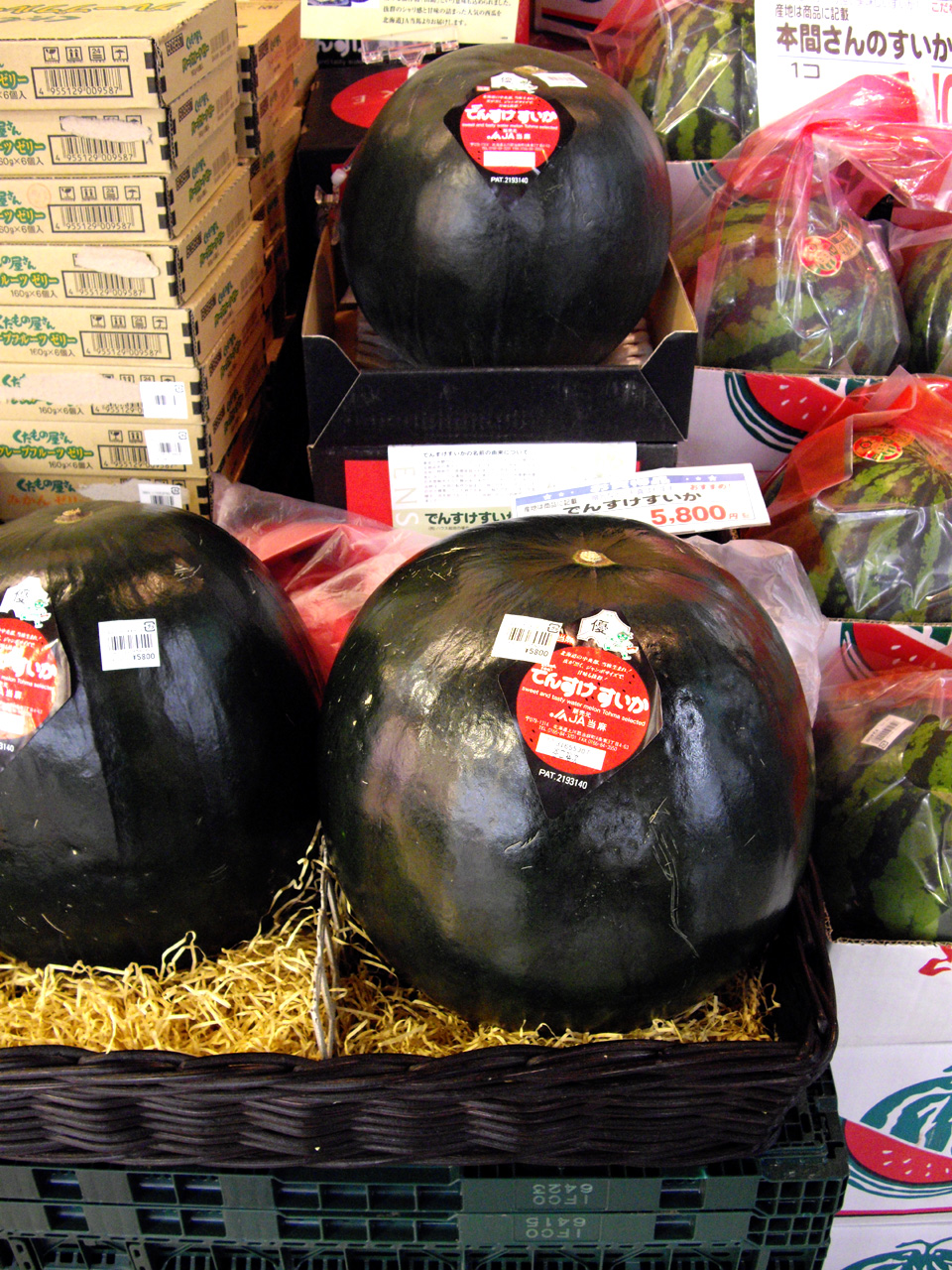
The Densuke watermelon is grown exclusively on the island of Hokkaido, Japan, in quantities of only a few thousand per year. Its distinguishing features are a uniformly dark, almost black rind with no stripes, and a flesh that's significantly sweeter and crunchier than ordinary watermelons. The very first harvest of the season is traditionally auctioned, and early-season specimens routinely sell for $2,000 - $6,000 each.
This is partly about taste, partly about Japanese gift-giving culture (premium fruits are a prestigious gift in Japan), and partly about the spectacle of conspicuous spending. Year-round retail prices are more modest - around $250 per melon at premium department stores - but they remain among the most expensive fruits in the world.
Saffron - $6,000 - $10,000 per kilogram
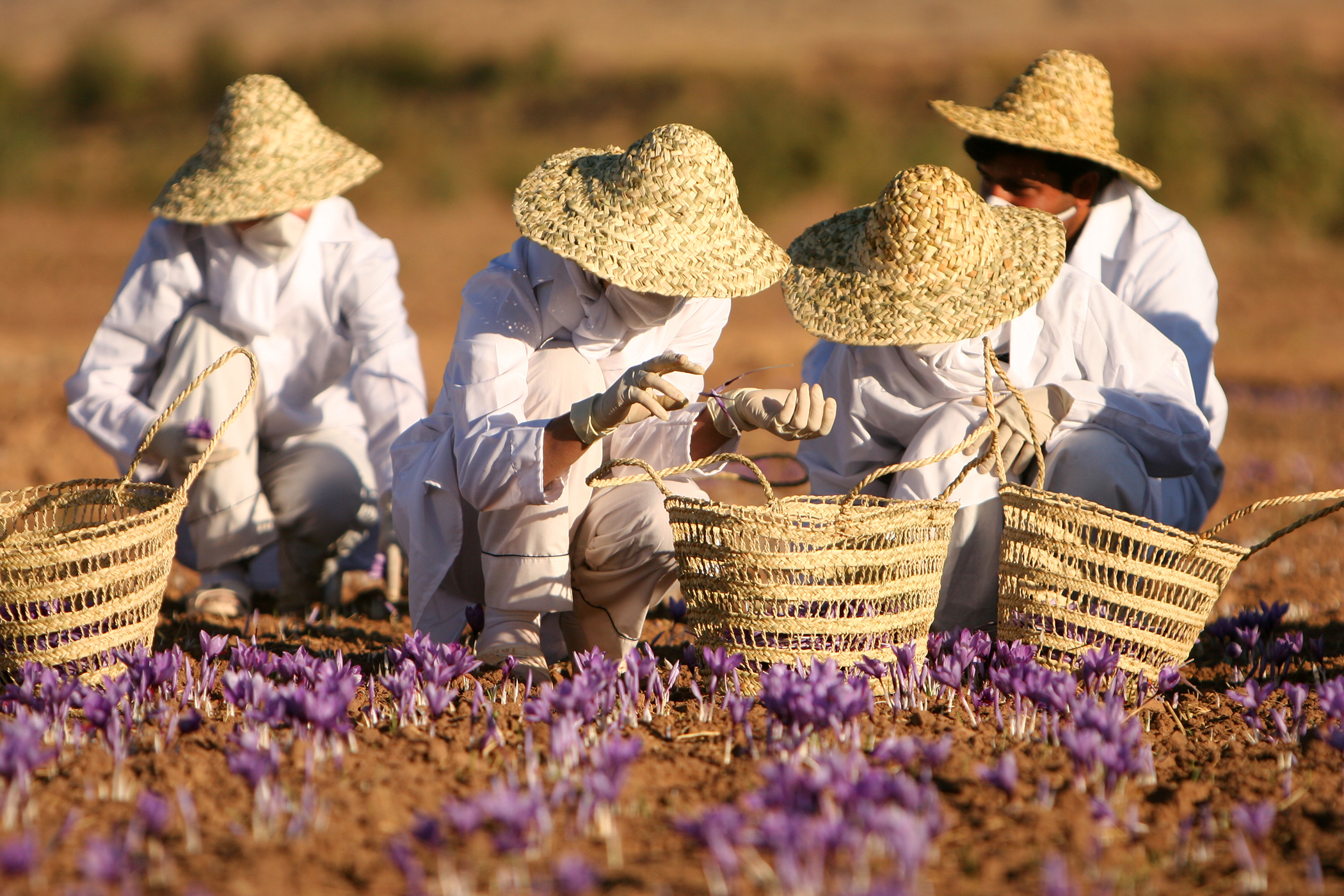
Saffron's price is a direct function of the labor required to produce it. Each Crocus sativus flower yields exactly three red stigmas - the threads that become saffron. They must be hand-picked during a brief flowering window in autumn, dried immediately, and handled carefully to preserve their color, aroma, and flavor. Producing a single kilogram of saffron requires between 150,000 and 200,000 flowers and roughly 40 hours of skilled hand labor.
Iran produces approximately 90% of the world's saffron, concentrated in the Khorasan region. The spice colors food golden-yellow, contributes a distinctive floral-metallic flavor to dishes from paella to biryani to saffron ice cream, and has been traded as both spice and medicine for over 3,000 years. At $6,000 - $10,000 per kilogram, it earns its title as the world's most expensive spice.
Would you pay for any of these? Which seems most worth the price - and which is the most outrageous? Let us know in the comments.
Also worth reading: our guide to the rarest foods you can buy - from ancient Japanese seaweed salt to bird's nest soup harvested from cliff faces.



![[puamelia]](https://commons.wikimedia.org/wiki/File:Densuke_watermelon.jpg)
