Literary Travel: The Real Places Behind Famous Books
Every great novel is, at its core, a real estate listing that got wildly out of hand. Someone sat in a specific room, looked out of a specific window, drank something specific, and then invented a universe. The universe became famous. The room became a gift shop.
Literary tourism is visiting the places where writers wrote, or the places they wrote about, or both at once. You are paying money to stand where someone else once had better ideas than you. You will look at a desk and think, "A person sat here and changed Western literature, and I sat at a similar desk this morning and ordered replacement bin liners from Amazon." The desk doesn't judge you.
What follows is a tour of cities where the literary ghosts are thick enough to trip over and the graves are, occasionally, more famous than the living residents. If you have a taste for the macabre side of travel, our guide to dark tourism destinations covers adjacent territory with considerably more skulls.
Edinburgh: Where the Boy Wizard Met His Tombstone
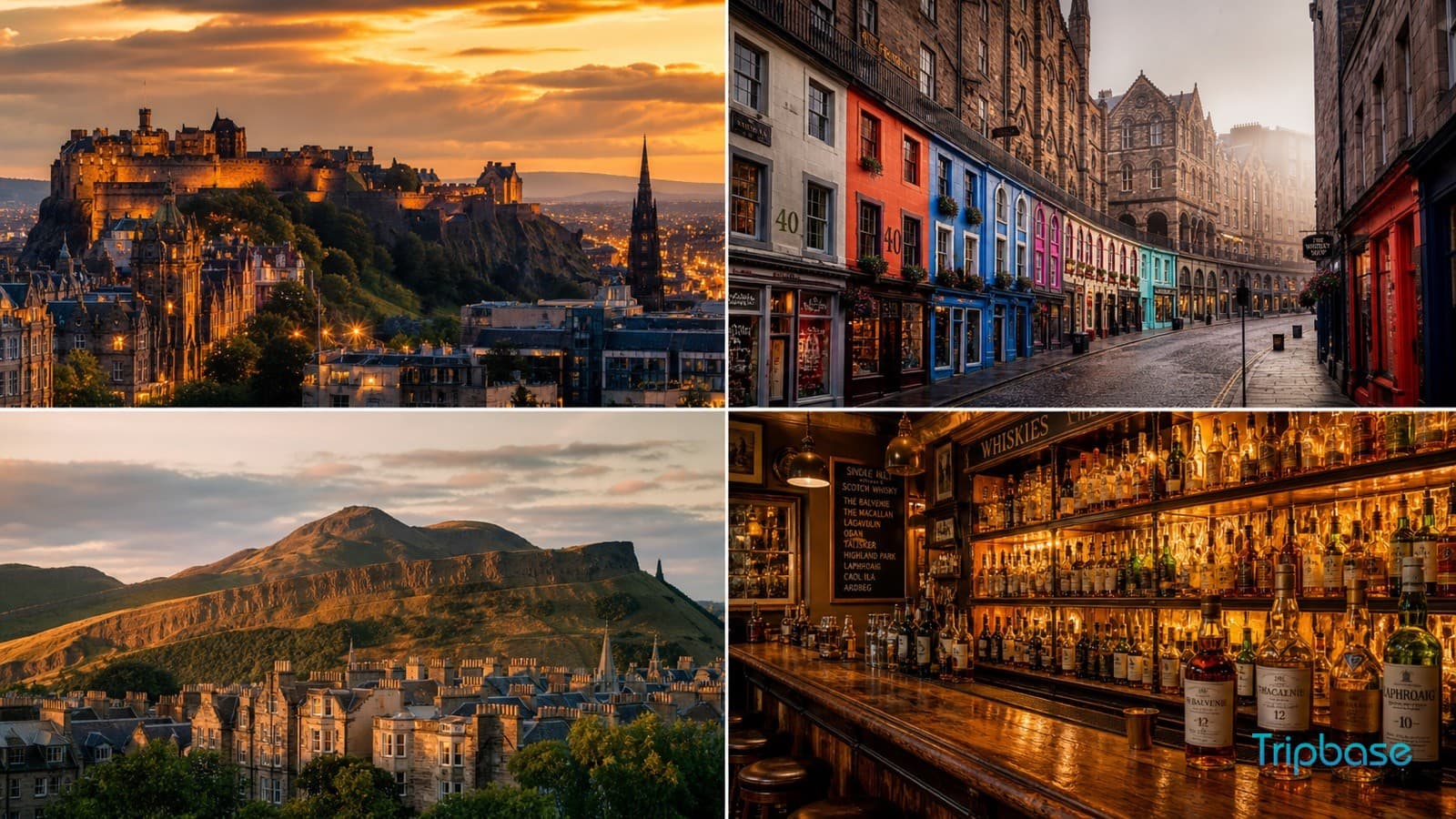
J.K. Rowling wrote significant portions of Harry Potter in The Elephant House cafe on George IV Bridge, which marketed itself as "The Birthplace of Harry Potter" with the confidence only a cafe charging four pounds for a flat white can muster. The cafe suffered a devastating fire in 2021 and has been undergoing renovation, so you cannot currently sit where a single mother on benefits invented a multibillion-pound franchise. You can stand outside and photograph the signage, which is arguably the more honest literary pilgrimage.
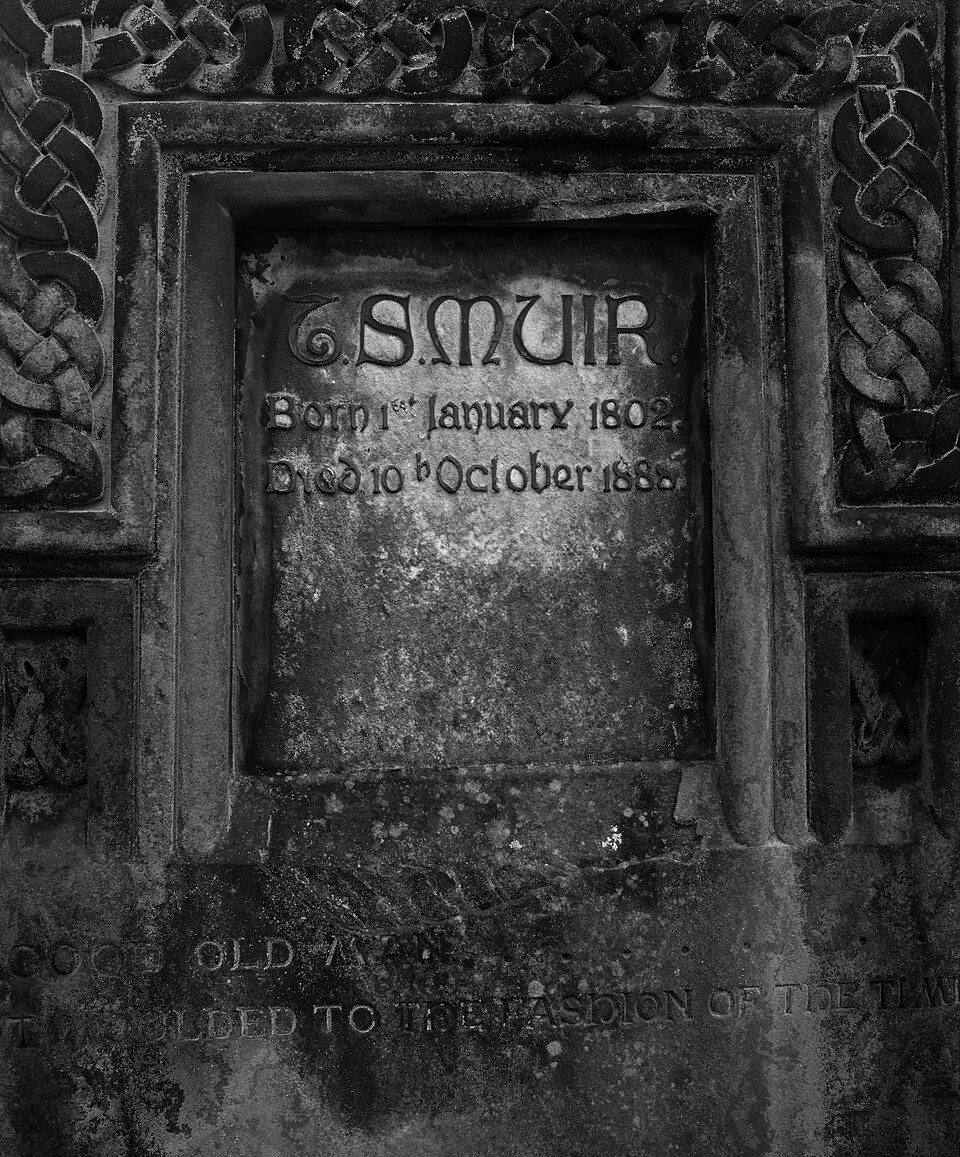
What you can do is visit Greyfriars Kirkyard, the atmospheric cemetery where a gravestone bearing the name "Thomas Riddell" sits among the mossy headstones - the kind of coincidence that makes you wonder whether all fiction is just plagiarism from tombstones. Victoria Street, a curving, colourful, multi-level shopping street, almost certainly contributed to Diagon Alley, though Rowling has been diplomatically vague about the degree of borrowing.
Edinburgh is not exclusively Rowling's city. Irvine Welsh's Trainspotting is set here too, and you can walk from Greyfriars (boy wizard territory) to Leith (heroin territory) in about forty minutes - a tonal journey no other city on earth offers with such geographic economy. The Edinburgh city guide covers both ends of this spectrum, though it is politer about Leith than Welsh was.
Dublin: One Day, Infinite Footnotes
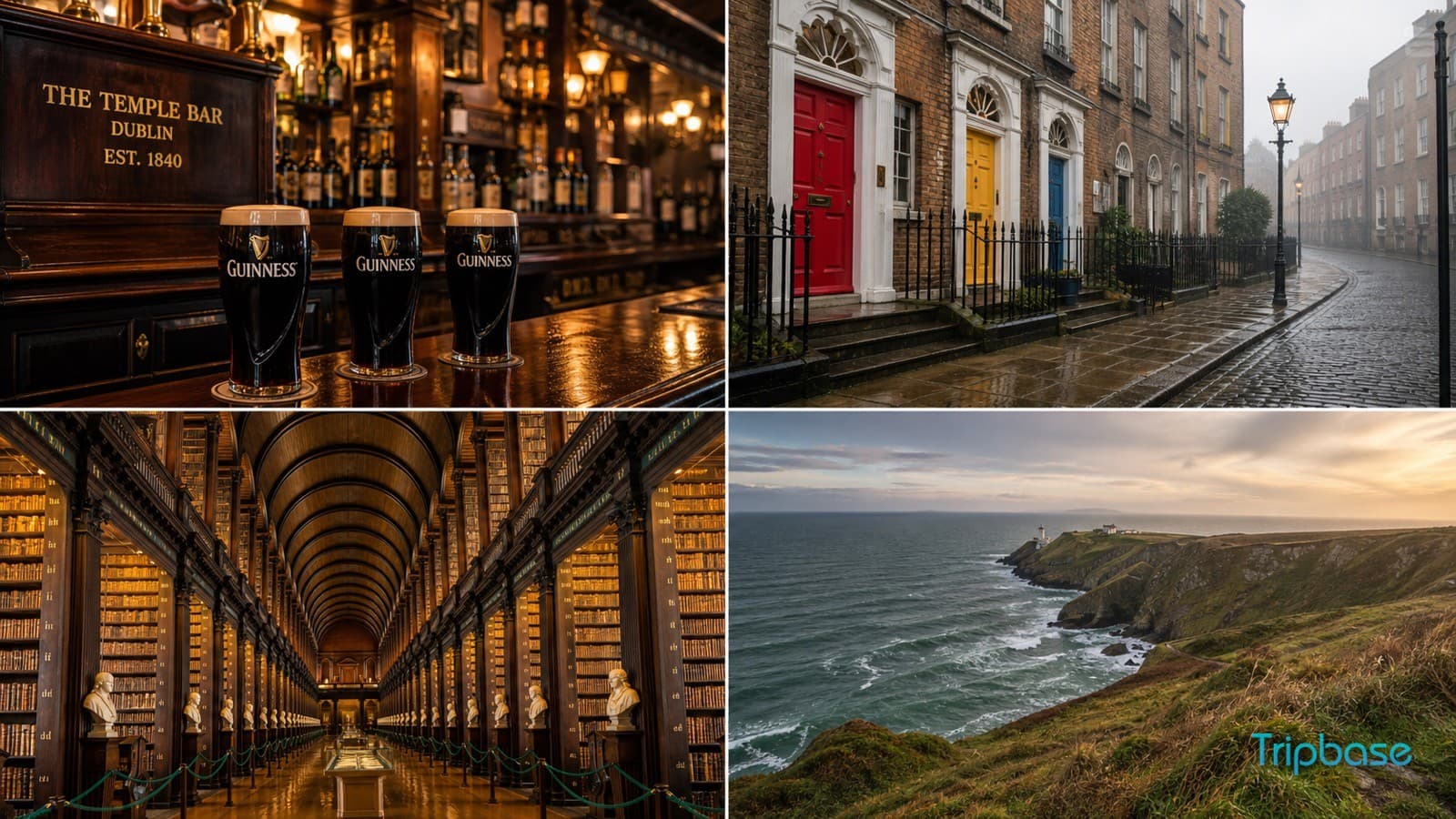
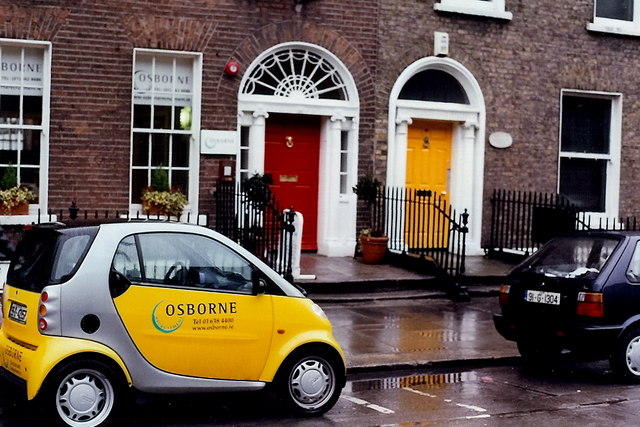
James Joyce set Ulysses on a single day in Dublin - June 16, 1904 - and the city has been dining out on those twenty-four fictional hours ever since. Bloomsday, celebrated annually on the 16th, sees Dubliners dress in Edwardian costume and retrace Leopold Bloom's route through the city, stopping at locations Joyce described with the forensic precision of a man who had left Ireland and was furiously homesick about it. He wrote most of Ulysses in Trieste, Zurich, and Paris, which is either a testament to the power of memory or evidence that you write better about a city once it can't talk back.
Sweny's Pharmacy on Lincoln Place, where Bloom buys a bar of lemon soap in the novel, still exists and still sells lemon soap - a business model of such elegant literary parasitism that it deserves its own economics paper. The pharmacy hasn't dispensed actual medicine in years. It hosts readings and sells soap for about four euros. You are buying a prop from a fictional shopping trip in a novel published in 1922. You will buy it anyway.
The James Joyce Centre on North Great George's Street offers guided walks and a recreation of the door from 7 Eccles Street (Bloom's fictional address, since demolished). Dublin treats its literary heritage with a mixture of genuine reverence and commercial opportunism that Joyce would have found entirely appropriate, given that he spent most of his life trying to get publishers to pay him.
Bath: Bonnets, Ballrooms, and Barely Concealed Fury
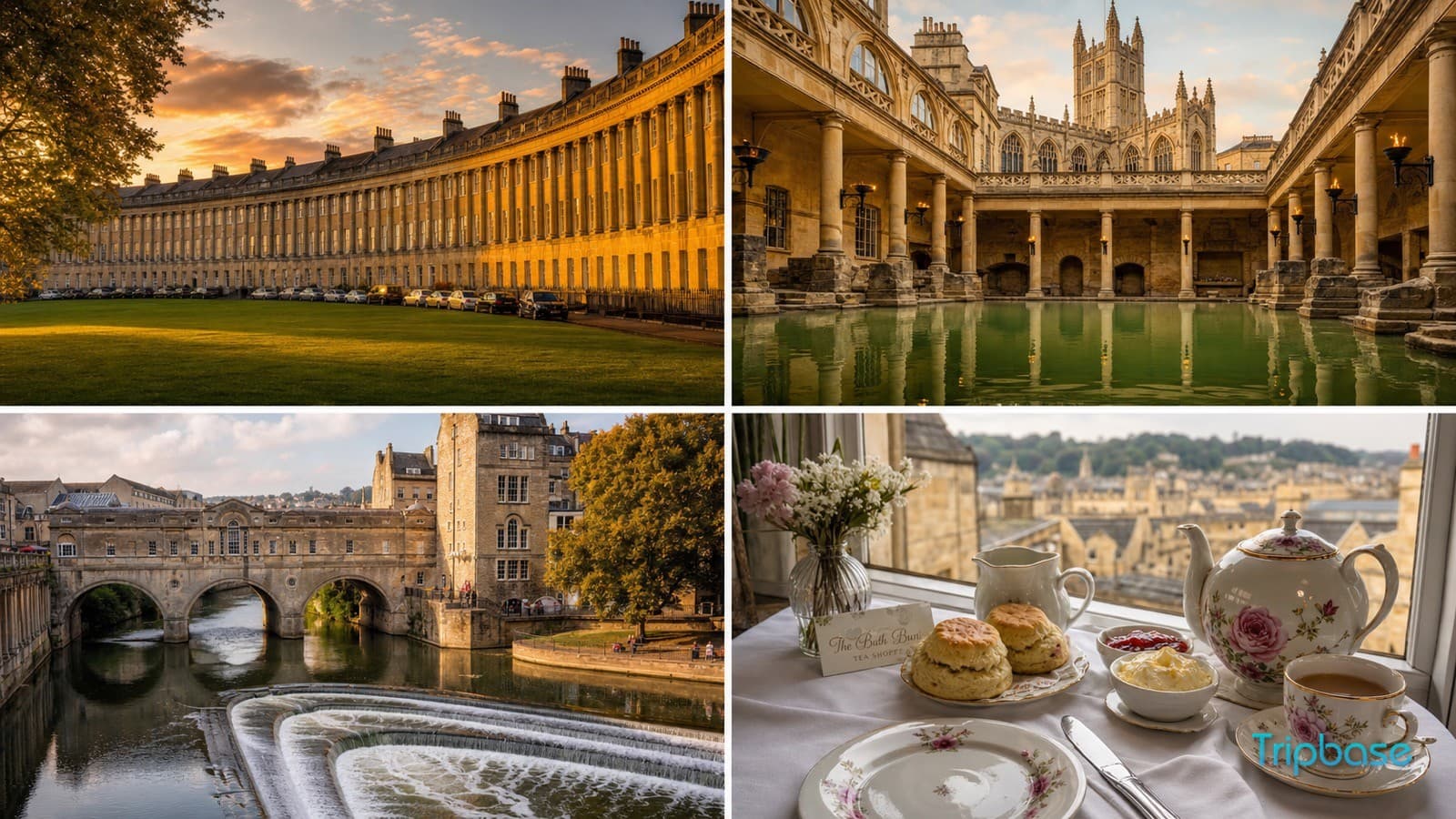
Jane Austen lived in Bath from 1801 to 1806 and, by most biographical accounts, hated it. This has not stopped Bath from claiming her with the enthusiasm of a city that knows exactly how much a Regency bonnet is worth in tourism revenue. She lived at 4 Sydney Place (now a holiday rental - you can sleep where Austen was miserable, for a fee), and the Jane Austen Centre on Gay Street offers an exhibition where you can dress in period costume and be photographed, an activity Austen would have satirised with such precision that the Centre would have needed to close.
The Assembly Rooms are where Bath's Georgian social season played out - the dances, the gossip, the husband-hunting that Austen documented in Northanger Abbey and Persuasion with the detached horror of a woman observing a meat market and taking notes. Persuasion is specifically set in Bath and specifically about a woman who finds Bath tedious - Austen writing autobiography in the thinnest possible disguise.
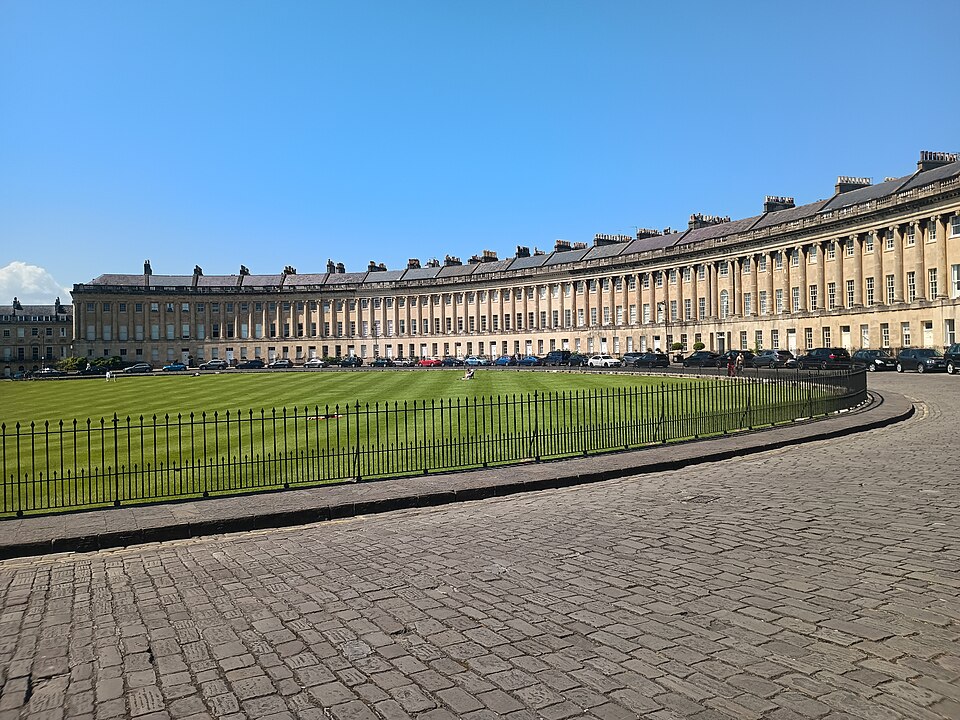
Bath is a city preserved in Georgian amber. The Royal Crescent and the Circus look exactly like the backdrops to every BBC Austen adaptation you've ever seen, because they are. Whether you're here for the literature or the thermal spa that the Romans built and the Georgians made fashionable, you will find it almost impossible not to narrate your own visit in Austen's voice. ("It was a truth universally acknowledged that a tourist in possession of a smartphone must be in want of a good Instagram angle.")
Oxford: Dons, Dragons, and Drinking Companions
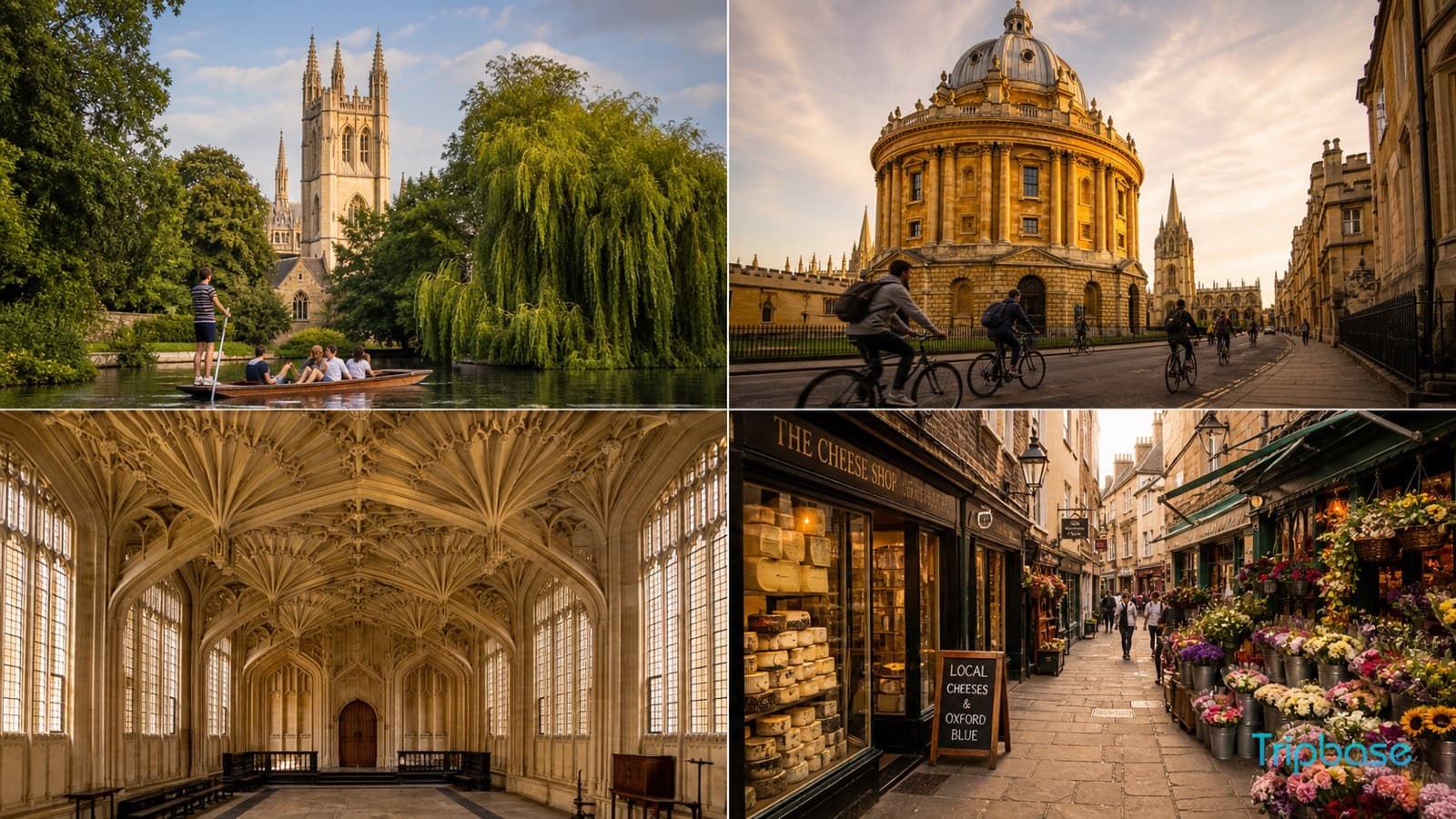
C.S. Lewis and J.R.R. Tolkien were colleagues at Oxford, friends in the way that only academics who fundamentally disagree about religion can be friends, and drinking companions at The Eagle and Child pub on St Giles'. The pub - known locally as the Bird and Baby - was where the Inklings met on Tuesday mornings to read aloud from works in progress. Tolkien read from The Lord of the Rings. Lewis read from Narnia. The other patrons presumably drank their pints and wondered why two professors were going on about elves again.
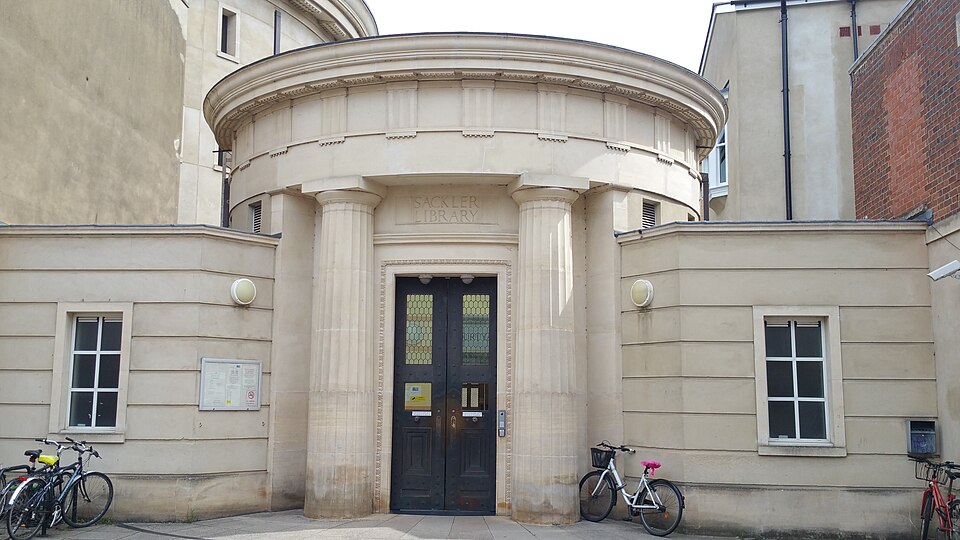
Christ Church College, with its vast dining hall and fan-vaulted ceiling, is widely cited as the inspiration for Hogwarts' Great Hall - meaning Oxford claims influence over both the Narnia and Potter franchises, a literary monopoly the university's portfolio managers would approve of. The Bodleian Library has appeared as a filming location for both and is one of the finest research libraries in the world, though that fact plays second fiddle to "the place where they filmed that bit."
Philip Pullman set His Dark Materials partly in an alternate Oxford with colleges full of scholars and a general atmosphere of intellectual menace - either fantasy worldbuilding or a straightforward description of exam season. The real Oxford is walkable, dense with bookshops, and populated by people who will tell you about their research without being asked. For those who prefer fictional settings on screen, our guide to famous film locations covers the cinematic side.
Paris: Where Americans Went to Be Writers and the French Went to Be Philosophers
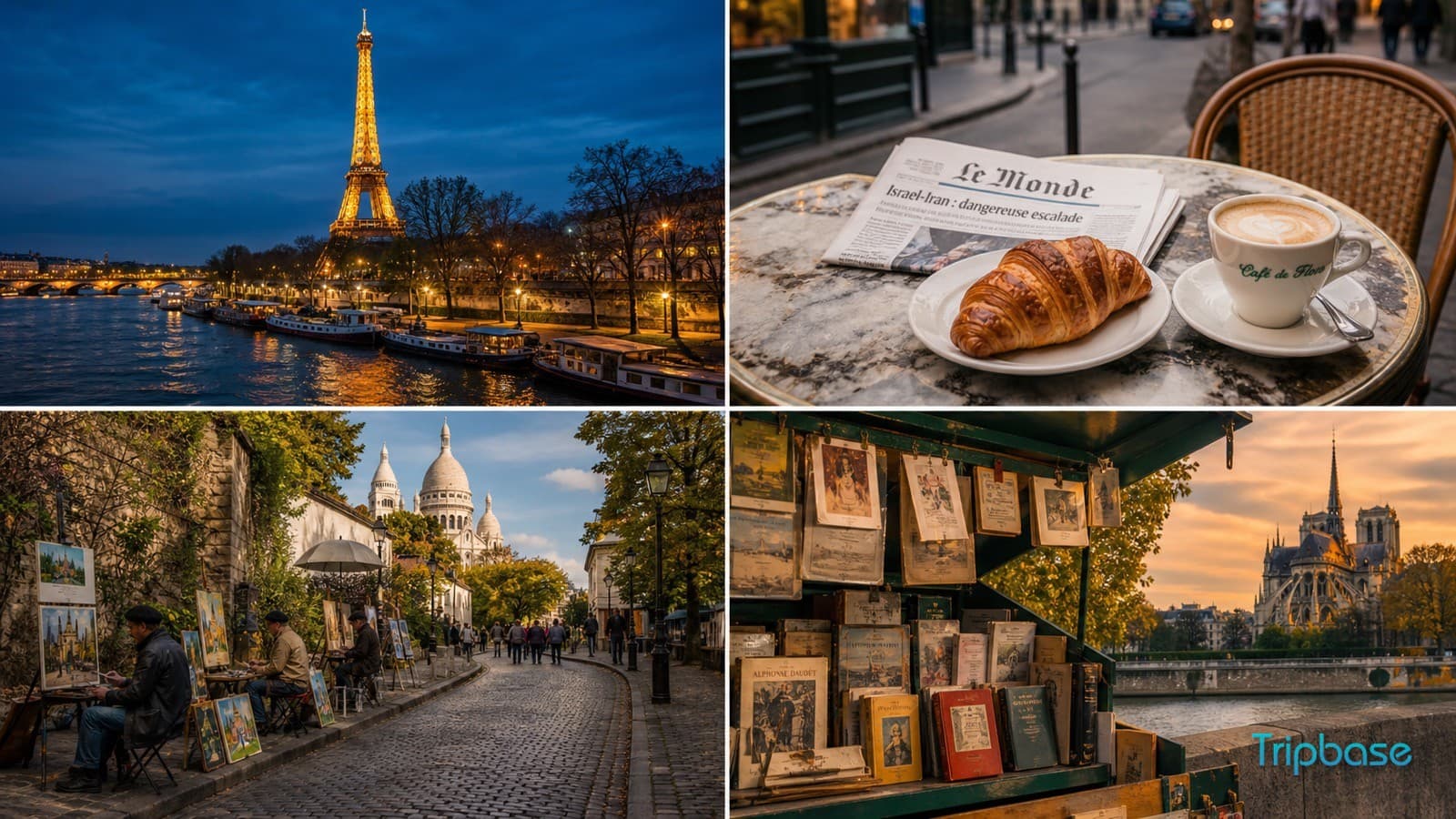
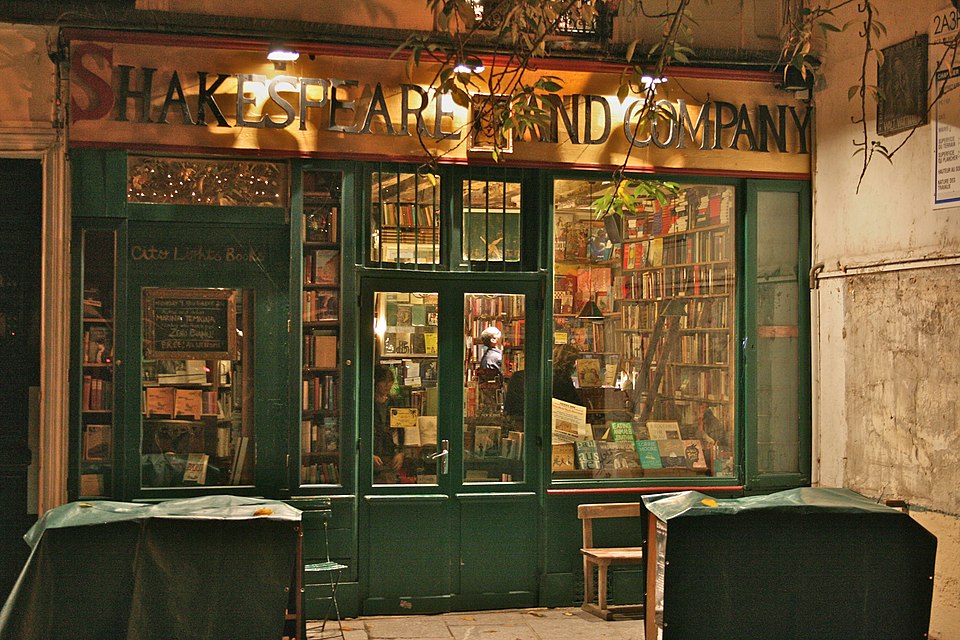
Shakespeare and Company, the English-language bookshop on the Left Bank, is the kind of place that makes you want to quit your job and become a novelist, which is exactly what George Whitman intended when he opened it in 1951. The shop provides free beds to aspiring writers ("tumbleweeds") in exchange for reading a book a day, working a shift, and writing a one-page autobiography. It is still there, still cramped, still wonderful, and it will make you feel like a fraud for reading your Kindle on the Metro.
Hemingway described Paris in A Moveable Feast as the place where he learned to write, a claim Paris accepts without modesty. The cafes he frequented - Les Deux Magots, Cafe de Flore, La Closerie des Lilas - still exist and still charge prices that would have bankrupted young Hemingway in an afternoon. Cafe de Flore is where Sartre and de Beauvoir held court, chain-smoking and inventing existentialism, whose central insight ("life is meaningless") pairs naturally with receiving the bill at a Saint-Germain cafe.
Victor Hugo's Paris is everywhere too - Les Miserables is a love letter to the city's capacity for both beauty and cruelty, written by a man in exile who missed the place desperately. Notre-Dame de Paris (the novel, not just the cathedral) invented the modern concept of architectural preservation, because Hugo was so furious about the cathedral's neglect that he wrote a bestseller about it and shamed the government into restoration. Literature as infrastructure policy.
Florence: Dante's Grudge Match and Forster's View
Dante Alighieri was born in Florence, exiled from Florence, and wrote the most famous poem in the Italian language largely about how everyone who exiled him was going to hell. The Divine Comedy is the longest and most elaborately structured revenge fantasy in Western literature. The Museo Casa di Dante, near the supposed site of his birth, commemorates this with the solemn enthusiasm of a city that banished its greatest son and spent seven centuries making up for it.
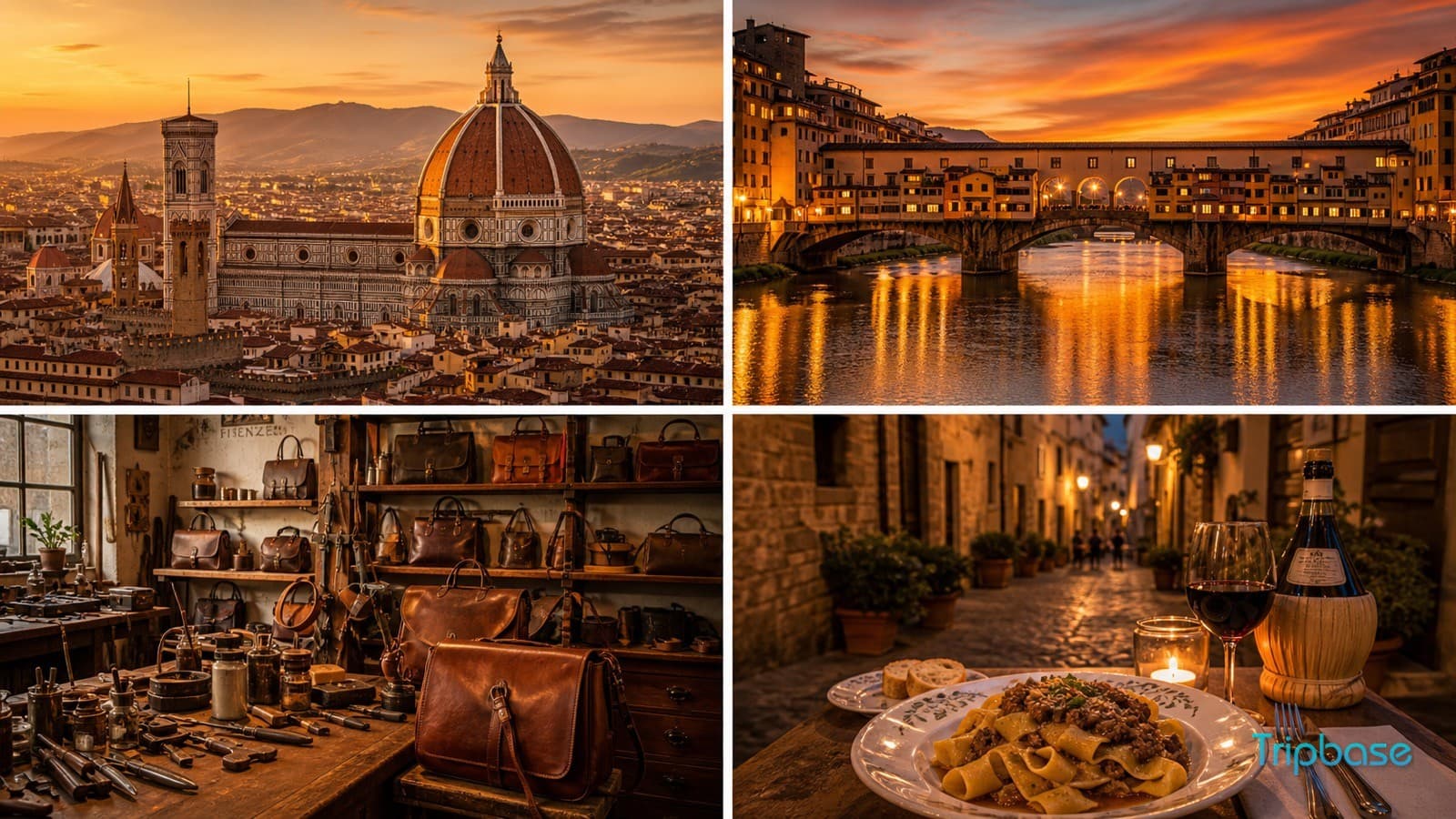
E.M. Forster's A Room with a View is set in a Florentine pensione overlooking the Arno, and the novel's central tension - between English repression and Italian passion - is one every British tourist in Florence still experiences, usually while deciding whether to have a third gelato. Dan Brown's Inferno sends Robert Langdon sprinting through the Boboli Gardens in a manner that is not historically accurate but is aerobically impressive.
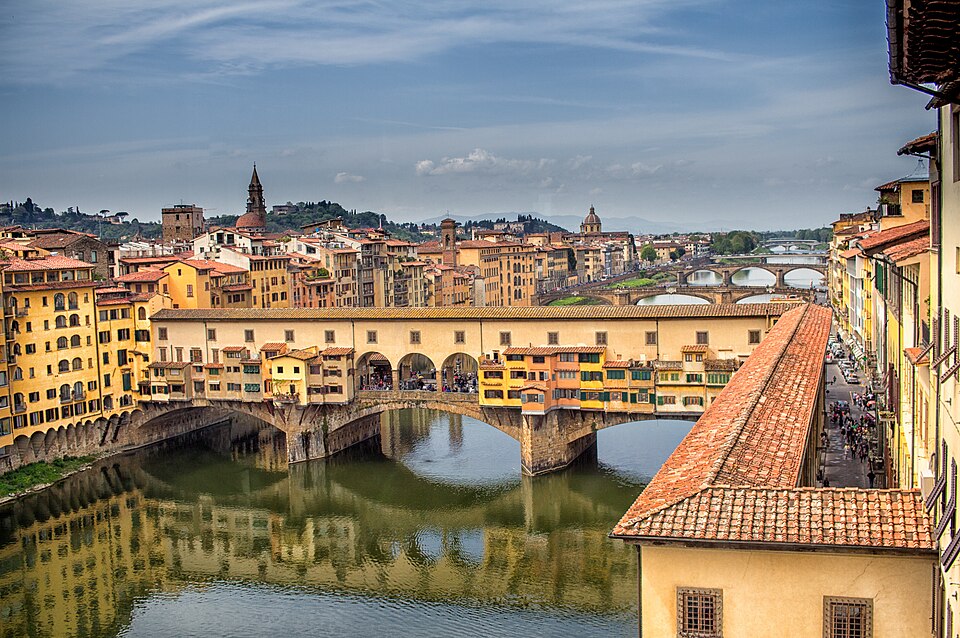
The Ponte Vecchio, the Duomo, the Uffizi have been written about so many times that visiting them feels like entering a palimpsest. You cannot see Florence fresh. You can only see it through the accumulated prose of everyone who has tried, which is either a limitation or a privilege depending on how you feel about company.
Istanbul: Murder, Mystery, and a Museum of Heartbreak
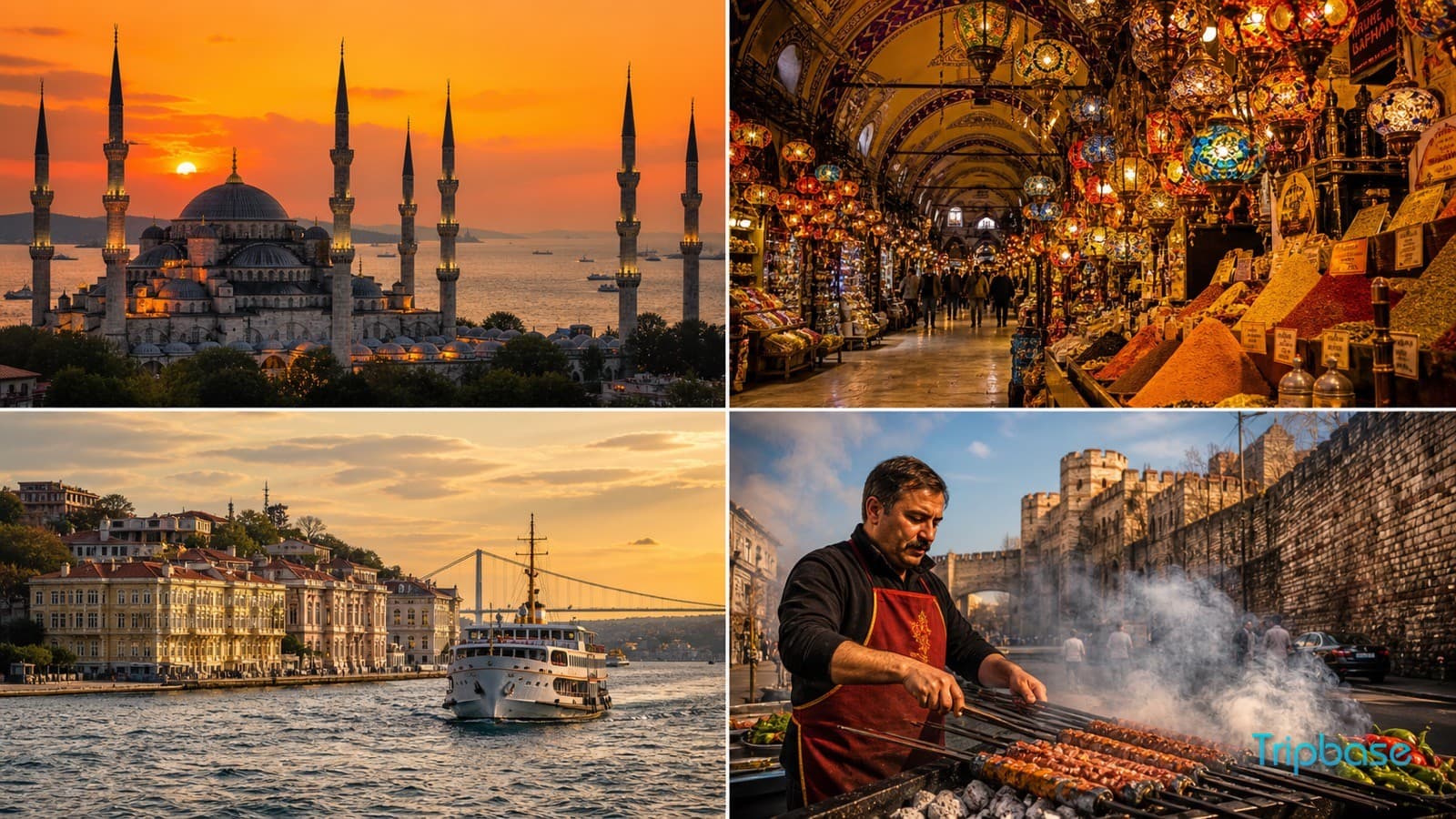
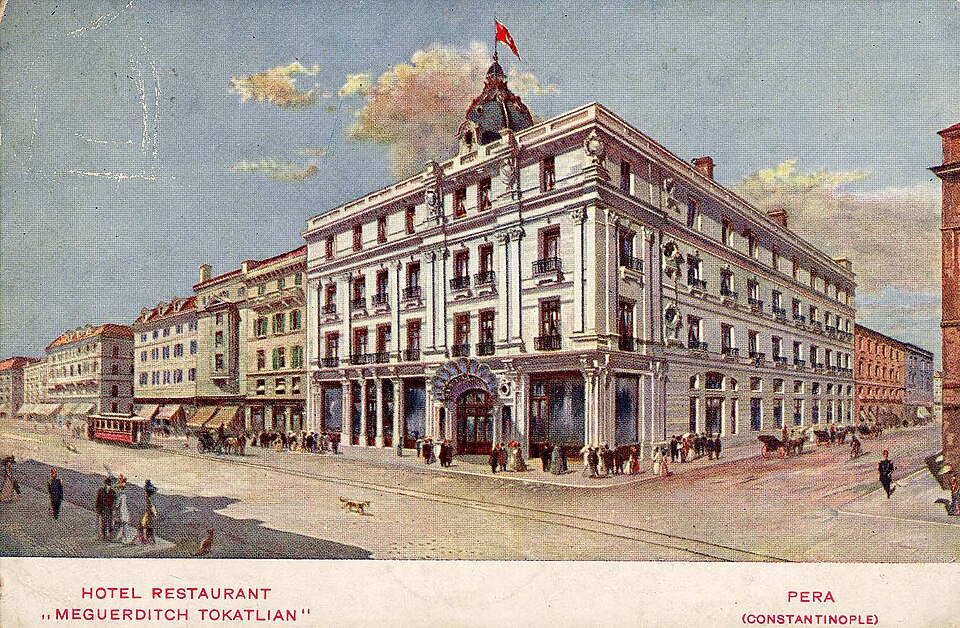
Agatha Christie wrote Murder on the Orient Express at the Pera Palace Hotel in 1934, specifically in Room 411, which the hotel preserves as a museum room you can visit (or, if your budget extends to it, book). Built in 1892 for Orient Express passengers, the hotel's guest list reads like a conspiracy theorist's mood board: Hemingway, Garbo, Mata Hari, Atatürk. A luxury hotel at the terminus of the world's most famous train route was always going to produce a murder mystery.
Orhan Pamuk took a different approach: he wrote a novel (The Museum of Innocence, 2008) and then built the museum it describes. The Museum of Innocence in Cukurcuma displays objects from the novel - 83 display cases, one per chapter, each containing the ephemera of a fictional love affair in 1970s Istanbul. It is a museum of a novel, or a novel that became a museum, or perhaps an elaborate art installation that happens to have an ISBN. It won European Museum of the Year in 2014, beating museums containing actual historical artifacts.
Istanbul has always resisted simple narrative. But Christie's glamorous interwar intrigue and Pamuk's melancholic modern love story offer two entirely different cities in the same geography, which is exactly what Istanbul has always been.
Kyoto: The World's First Novel and a Temple That Burned Twice
Murasaki Shikibu wrote The Tale of Genji in Kyoto around 1000 AD, generally considered the world's first novel, which means the entire apparatus of fiction - plot, character, interiority, the agonising middle section where nothing happens - was invented by a Japanese court lady over a thousand years ago. Every novelist since has been writing fan fiction of her invention. The tale describes Heian-era court intrigues with a psychological sophistication that wouldn't be matched in European literature for another seven centuries, a fact that makes Western literary historians slightly uncomfortable.
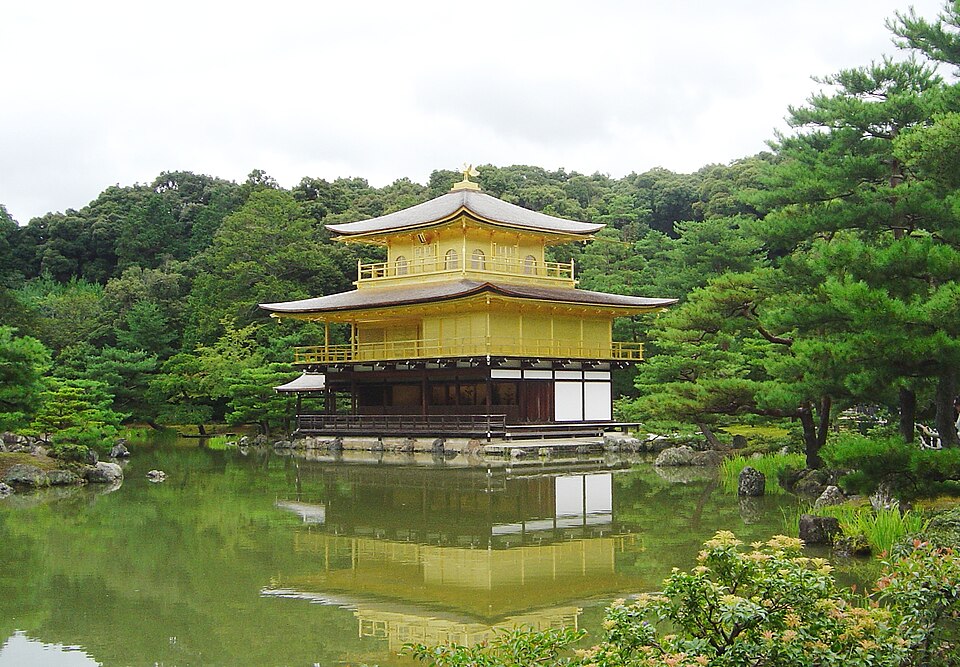
Yukio Mishima's The Temple of the Golden Pavilion (1956) is based on the true story of a monk who burned down Kinkaku-ji in 1950. The temple, built in 1397 and covered in gold leaf, was destroyed in an act Mishima interpreted as a response to overwhelming beauty - something so perfect it must be destroyed. The temple was rebuilt by 1955 and re-gilded in 1987, sitting beside its reflecting pool in northwestern Kyoto looking exactly as it did before the fire, which either vindicates or undermines Mishima's thesis depending on your feelings about reconstruction.
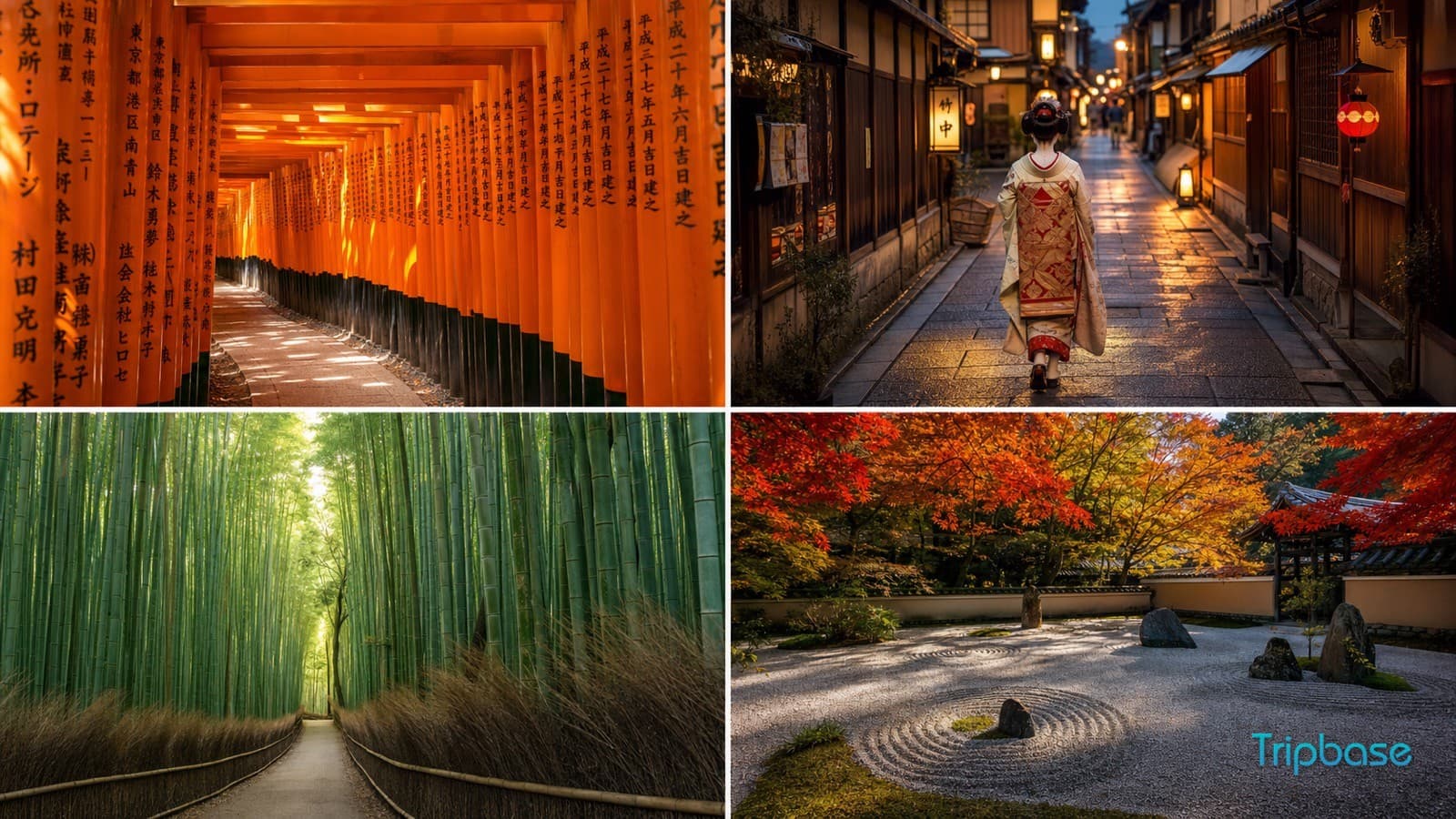
Kyoto is the ideal literary city: ancient, beautiful, haunted by stories older than most European nations. The bamboo groves of Arashiyama, the vermilion torii gates of Fushimi Inari, the geisha district of Gion - written about so extensively that the literature is itself architecture, as permanent as the temples it describes. If you find yourself drawn to characters who never existed but feel more real than your neighbours, our piece on fictional travellers explores that affliction.
The best literary pilgrimages end not with a gift shop purchase but with the quiet realisation that you have been walking through someone else's imagination and it was more vivid than your own reality. The desk is just a desk. The grave is just a grave. The lemon soap is just soap. But the stories that started in these places rewired your head years ago, and standing where they began is the closest you'll get to understanding how. Now go home and write something.