Famous Film Locations You Can Actually Visit
Somewhere around the mid-2000s, the global tourism industry realised that people would pay serious money to stand in the exact spot where a fictional character once stood fictionally, and the entire trajectory of several national economies shifted accordingly. Dubrovnik became Westeros's forwarding address. A sheep farm in New Zealand became the Shire. An Irish rock in the Atlantic became the last Jedi temple. None of these places asked for this. All of them cashed the cheque.
Dubrovnik, Croatia - Where Everyone Wants to Be King
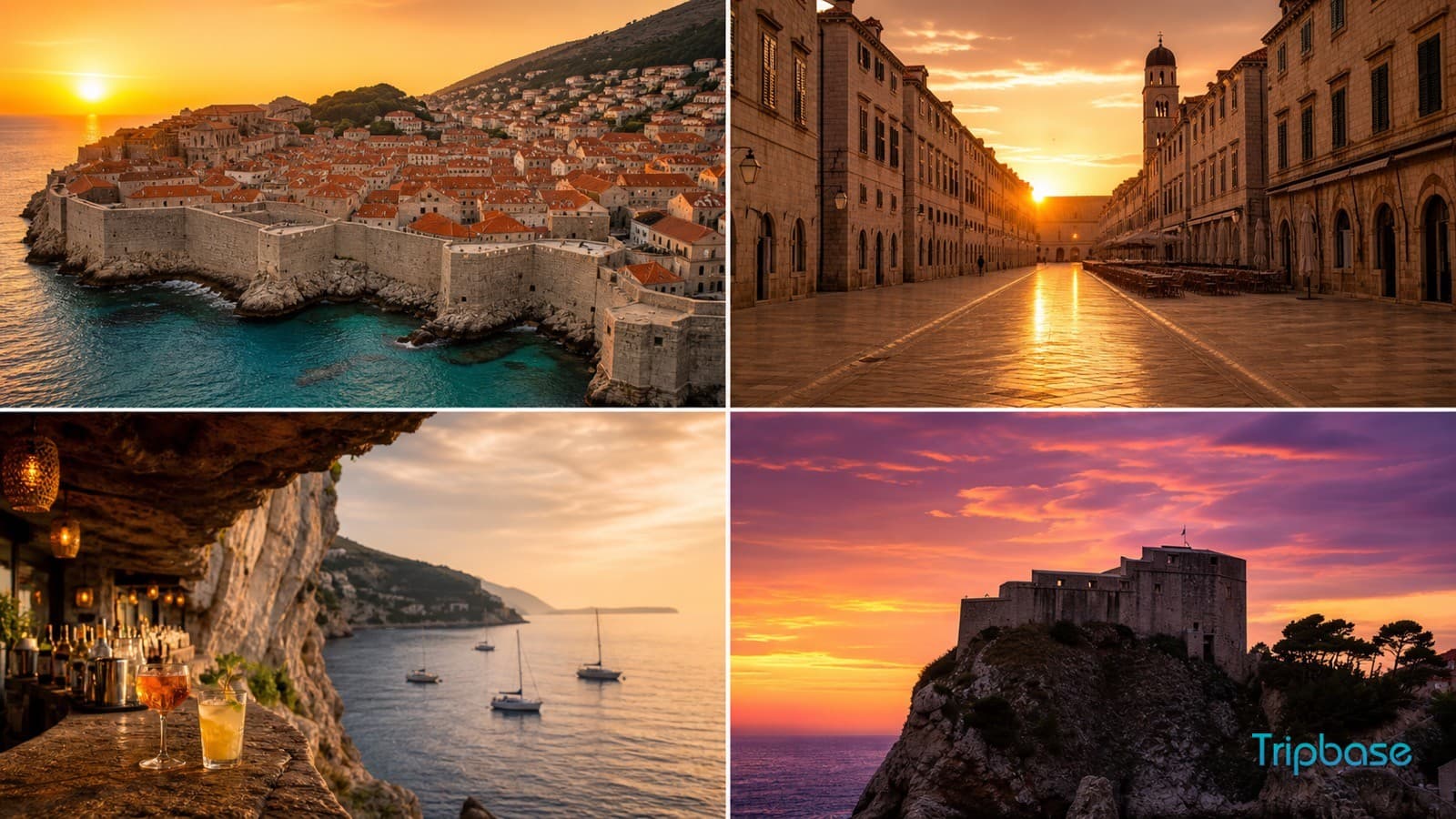
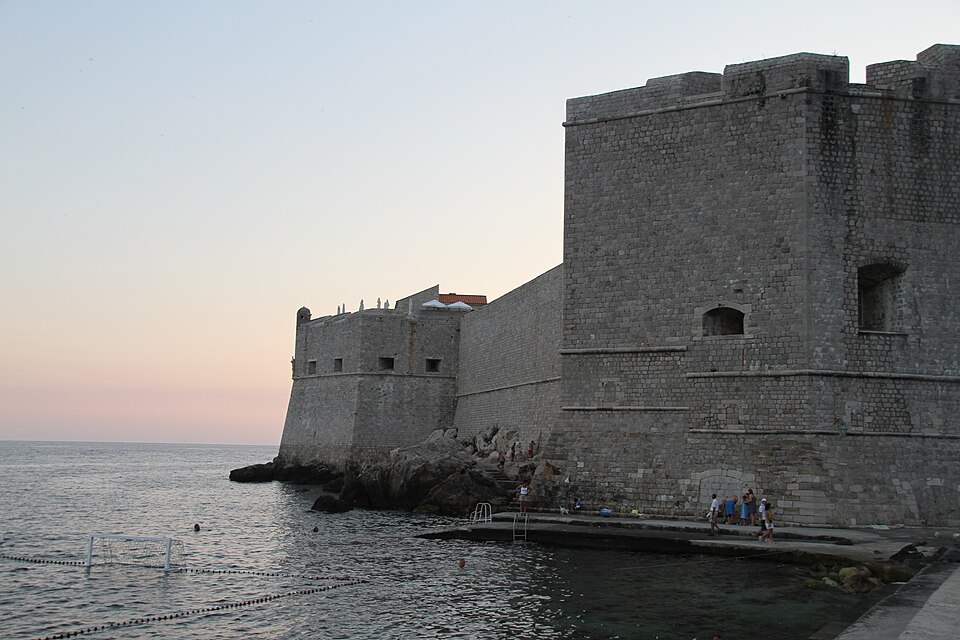
Before 2011, Dubrovnik was a gorgeous walled city on the Dalmatian coast that received a respectable number of visitors. Then HBO filmed it as King's Landing in Game of Thrones, and visitor numbers climbed from around 800,000 to well over 1.2 million in the space of four seasons. The city walls, 1,940 metres long and built to repel the Ottoman Empire, now primarily repel people who forgot a water bottle and underestimated July in Croatia.
Fort Lovrijenac, perched on a cliff outside the western walls, served as the Red Keep - venue for several of the show's more memorable poisonings. Pile Gate became King's Landing's main entrance. The limestone streets doubled as the route of Cersei's walk of shame, a fact commemorated by guided tours that stop at the exact staircase and invite you to imagine Lena Headey looking miserable, which, given the August crowds, requires very little imagination. The Dubrovnik city guide covers the full circuit, though you will share it with several thousand of your closest strangers. The city has since introduced cruise ship caps and daily visitor limits, which tells you everything about what happens when a medieval fortification becomes a television set.
Skellig Michael, Ireland - Six Hundred Steps to the Force
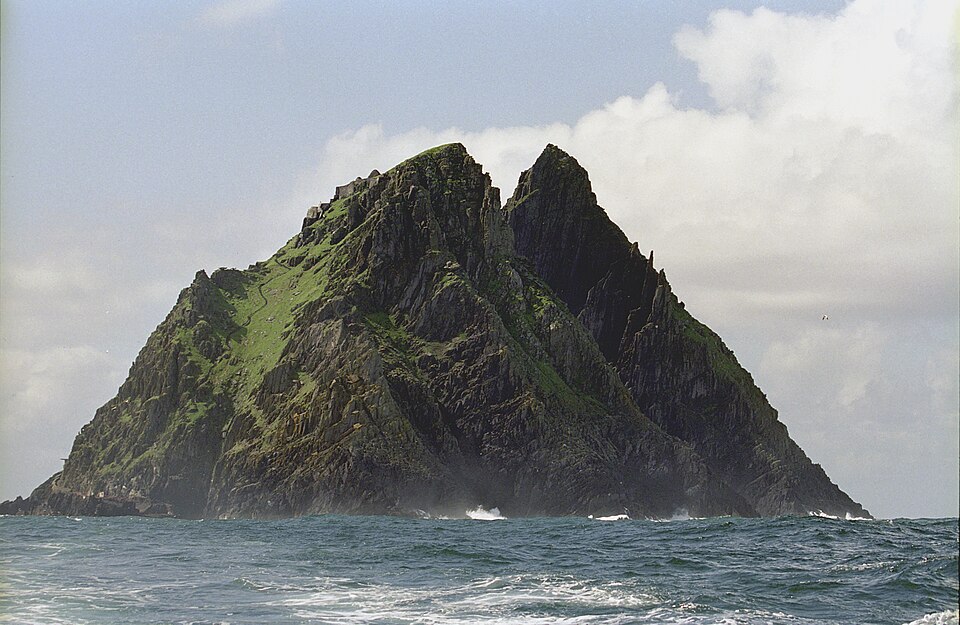
Skellig Michael is a pyramidal rock jutting 218 metres out of the Atlantic, twelve kilometres off the southwest coast of Ireland. For 1,400 years it was known as the site of an early Christian monastery where monks lived in stone beehive huts and apparently decided that the most devout possible location for prayer was one that seabirds could reach but humans could barely manage. UNESCO listed it in 1996. Then J.J. Abrams put Mark Hamill on top of it for Star Wars: The Force Awakens, and the island's visitor allocation became the most contested booking in Irish tourism.
Getting there requires a boat from Portmagee, weather permitting - and the Atlantic off Kerry does not permit often. There is no helicopter access. You step from a rocking boat onto wet stone and climb 618 steps, hand-cut by monks who had never heard of building regulations, to the monastery summit. At the top, you stand where Luke Skywalker brooded about the failure of the Jedi Order, which is also where sixth-century monks brooded about the failure of the corporeal world. The island hosts a thriving puffin colony, entirely indifferent to both your fandom and your vertigo. Only 180 visitors are permitted per day, and boats cancel frequently. This is not a place that accommodates your schedule.
Hobbiton, New Zealand - A Shire Thing
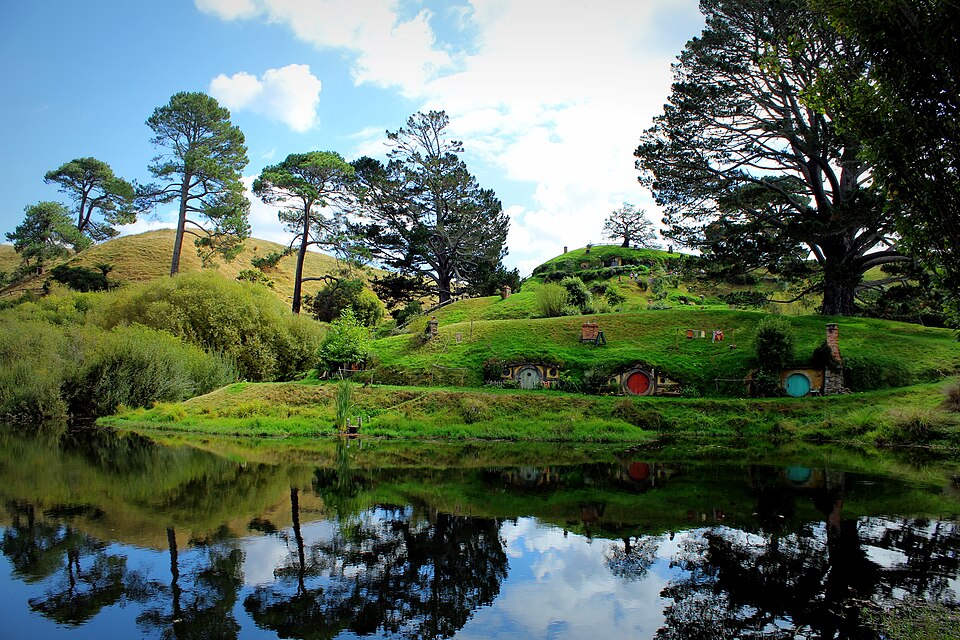
In 1998, Peter Jackson's scouts found the Alexander family farm outside Matamata, on New Zealand's North Island, and decided it looked exactly like Tolkien's Shire. For The Lord of the Rings, the set was temporary and mostly dismantled. For The Hobbit trilogy, Jackson rebuilt it permanently in brick and concrete, presumably having learned that tourists were going to come whether the set existed or not.
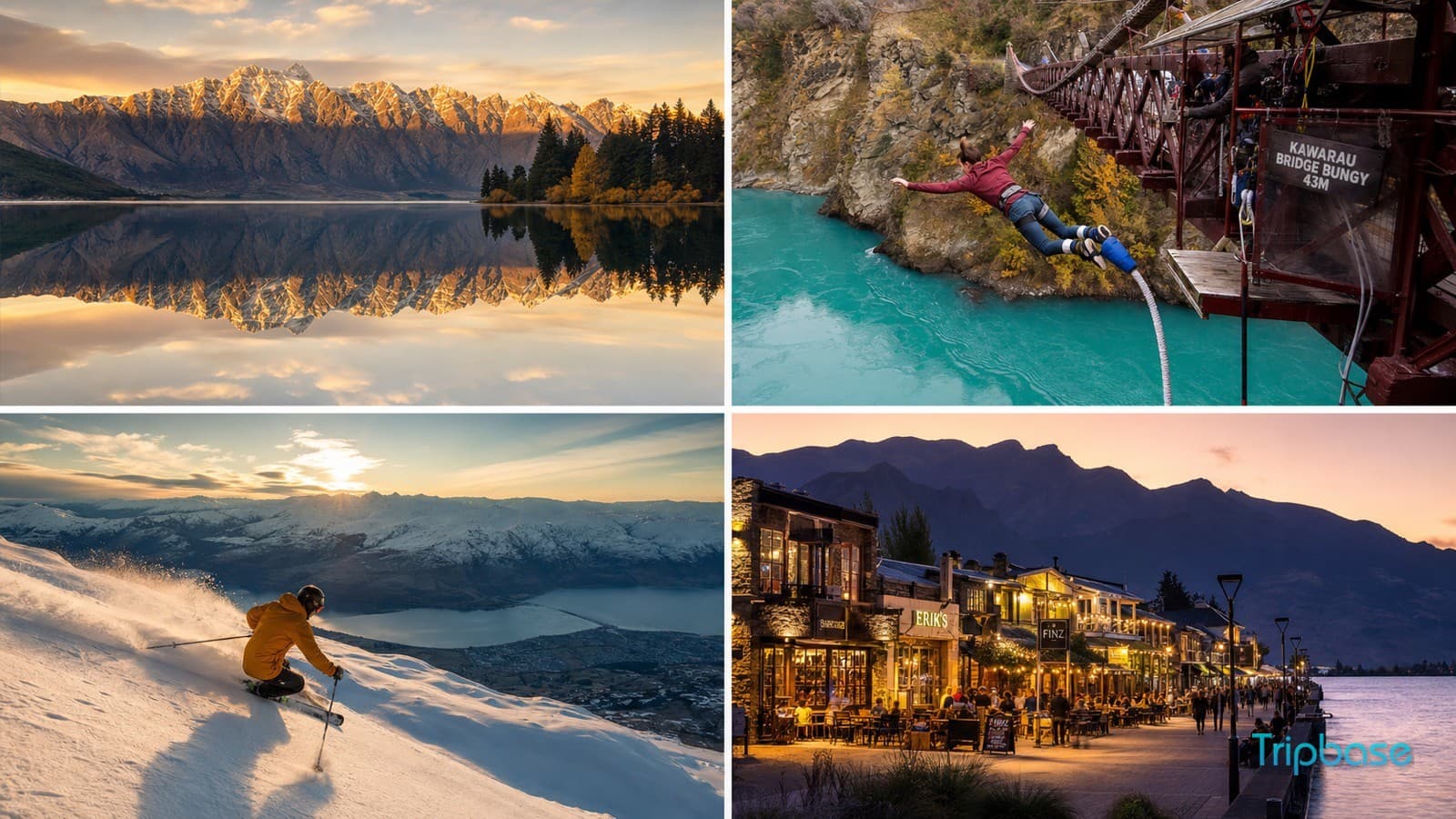
The result is Hobbiton Movie Set: 44 hobbit holes built into a hillside, each with a painted round door, tiny garden, and washing line. The Green Dragon Inn serves actual beer (ginger ale for designated drivers, undermining the Tolkienian commitment to second breakfast ales). Tours run every thirty minutes and book out days in advance. It is, by any reasonable measure, a theme park for a fictional village, and it works far better than it has any right to. The nearest major hub is Queenstown, which doubled as various dramatic Tolkien landscapes. Matamata itself has leaned into the Hobbit identity with the quiet resignation of a community that knows its postcode is now associated with fictional three-foot-tall people.
Rome, Italy - The Eternal Backlot
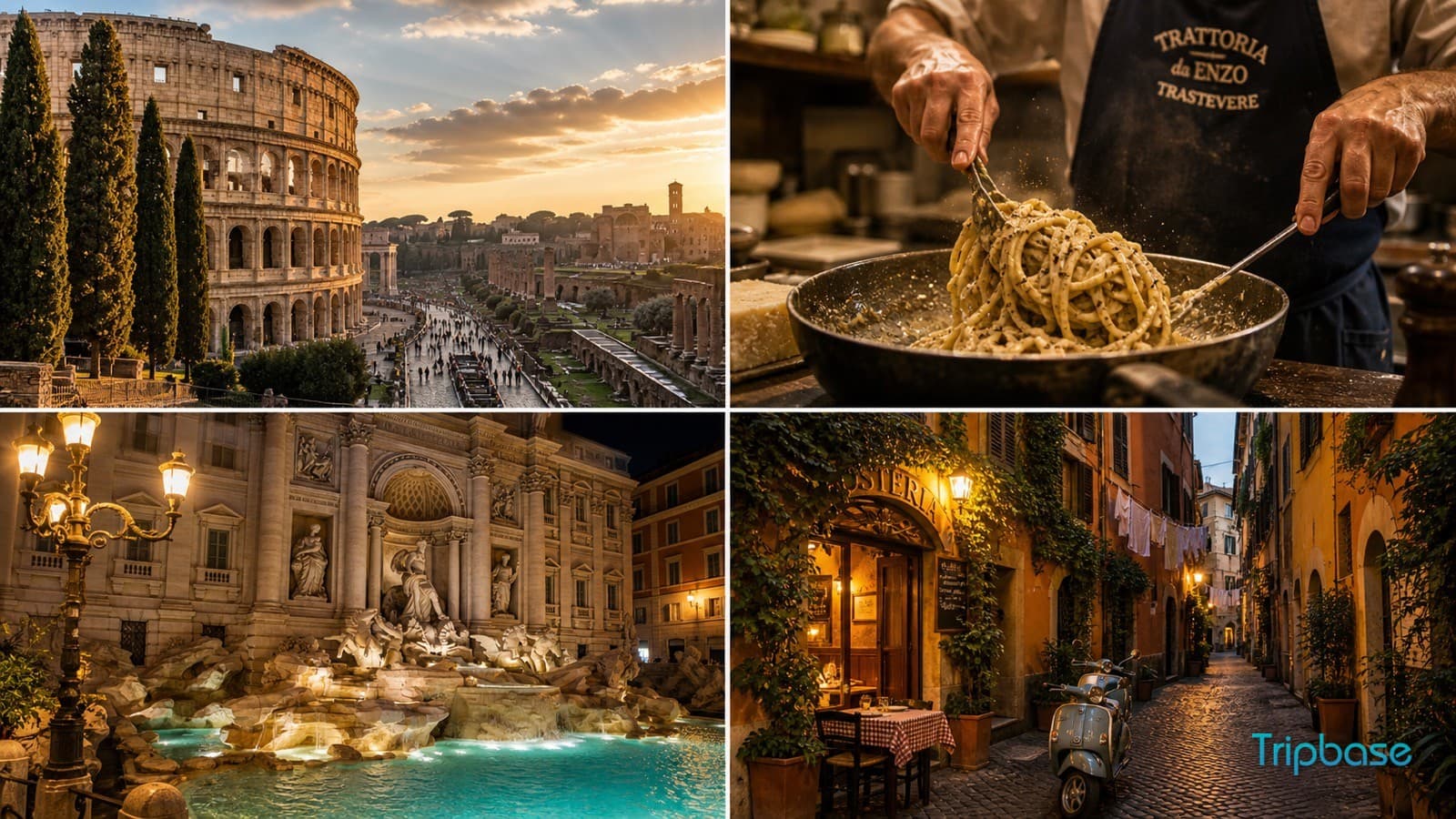
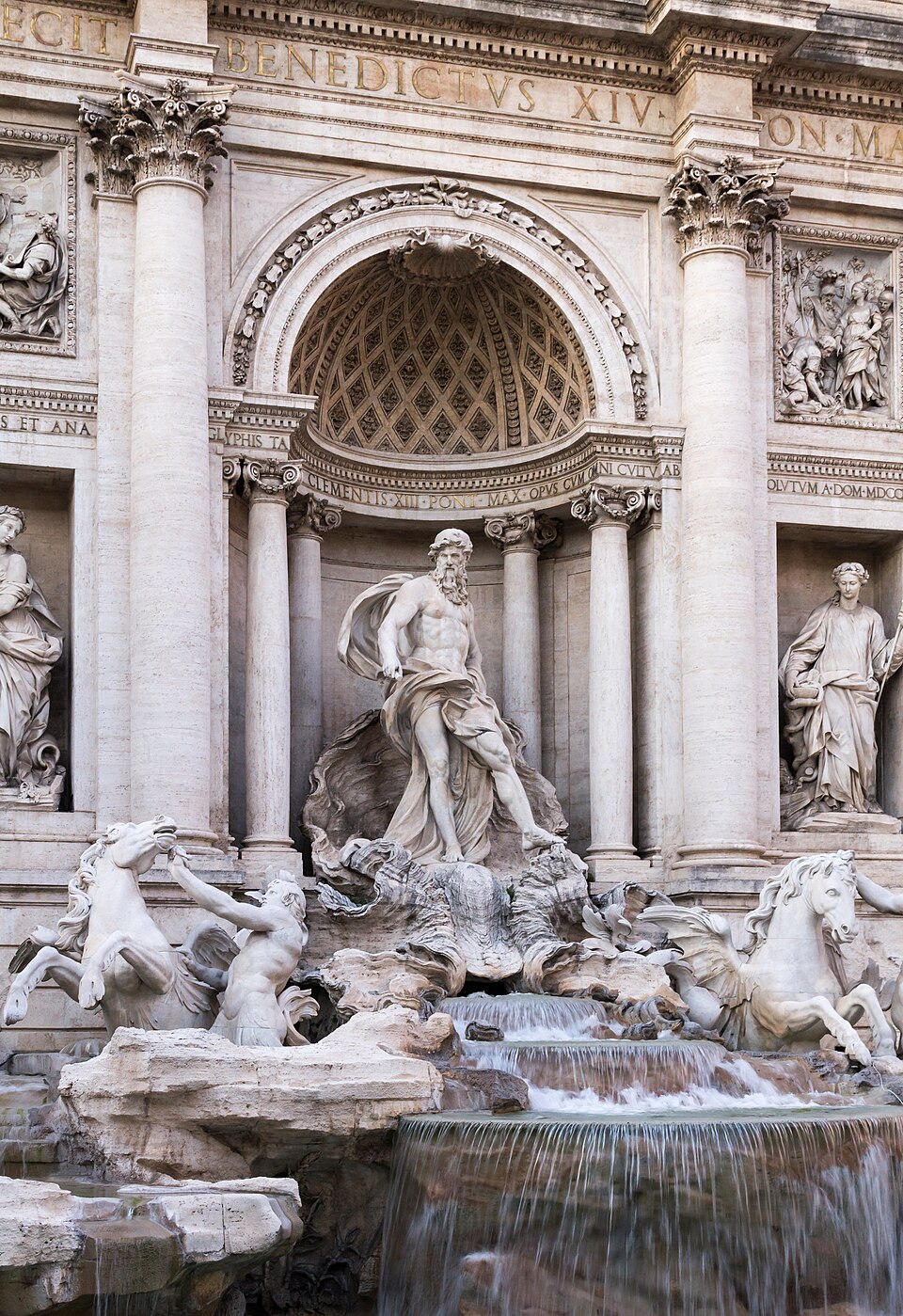
Rome has been a film set for so long that it is more surprising when a major motion picture doesn't include someone eating gelato near the Pantheon. The city's relationship with cinema is a seventy-year rolling collaboration: directors arrive, film Audrey Hepburn or Tom Hanks in front of something ancient, and leave behind another generation of tourists clutching phone cameras and two-euro cones.
Roman Holiday (1953) gave us Hepburn on a Vespa and Gregory Peck at the Bocca della Verita - the Mouth of Truth, a marble face in the portico of Santa Maria in Cosmedin. Legend says it bites liars' hands; the queue to test this now stretches around the building. La Dolce Vita (1960) immortalised the Trevi Fountain via Anita Ekberg wading in fully clothed, an act tourists are no longer permitted to replicate (fines start at 450 euros). Angels & Demons turned the city into a Dan Brown scavenger hunt between the Piazza Navona, the Pantheon, and Castel Sant'Angelo. The Rome destination guide covers all of these without requiring you to decode any Latin. The Colosseum predates Gladiator by roughly 1,920 years, but the films help - every tourist office knows that a two-hour movie sells more plane tickets than two millennia of history.
Petra, Jordan - The Canyon That Launched a Crusade (Fictional)
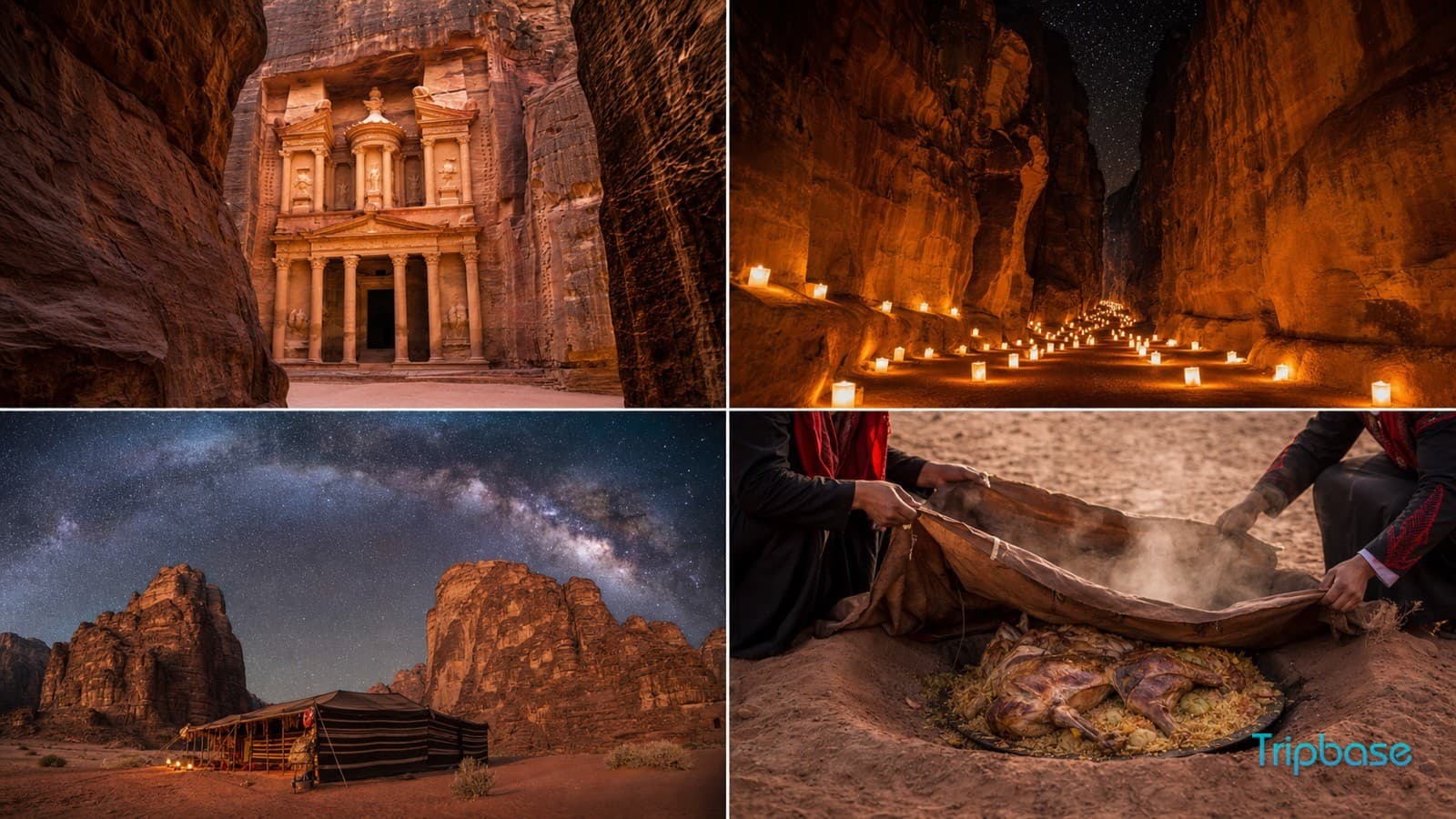
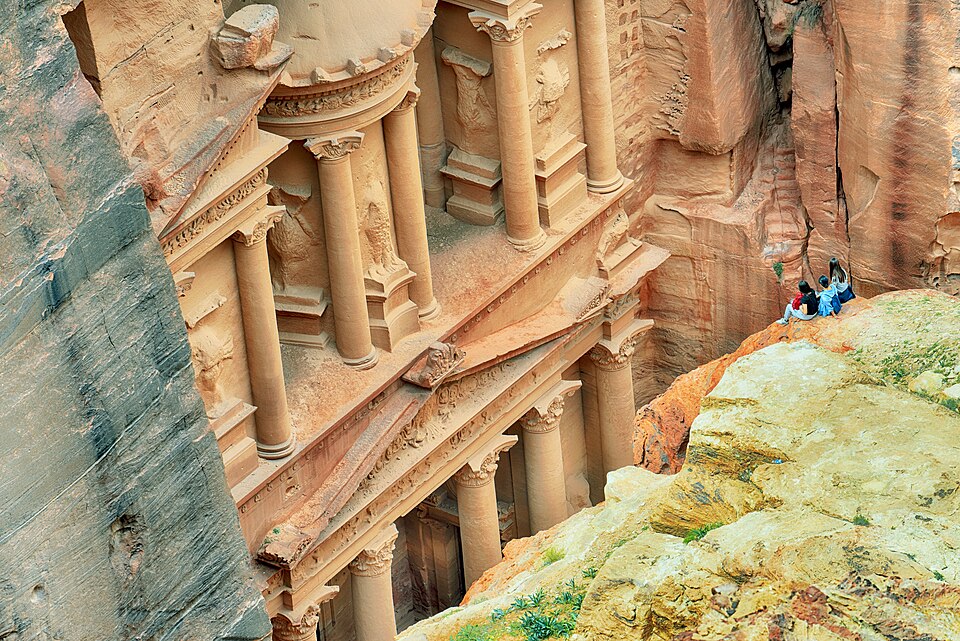
The Al-Khazneh, or Treasury, at Petra is one of the most photographed buildings on Earth, which is impressive for a structure that is technically not a building but a facade carved directly into sandstone by the Nabataean people around the first century BCE. It is 40 metres tall, intricately columned, and pink in the way that only Jordanian sandstone manages - shifting from salmon to terracotta depending on the hour.
Steven Spielberg put it at the end of a canyon in Indiana Jones and the Last Crusade (1989), Harrison Ford rode through the Siq - Petra's narrow gorge entrance - and the Treasury became the resting place of the Holy Grail in popular imagination. It is probably a royal tomb. Only the exterior facade was filmed; the actual interior is a plain, undecorated chamber that would have disappointed Indiana Jones considerably.
The walk through the Siq - 1.2 kilometres of narrowing canyon that opens suddenly onto the facade - remains one of travel's great theatrical reveals. You round a corner and there it is, framed in stone, surrounded by Bedouin vendors selling postcards. The site extends into a vast necropolis, a Roman-era colonnaded street, and a monastery reached by 800 steps, but a staggering number of tourists photograph the Treasury and leave. Indiana Jones has a lot to answer for. (If you're curious about fiction's overlap with travel, our piece on history's most famous fictional travellers covers the territory from Odysseus onwards.)
Salzburg, Austria - The Hills Have Been Alive Since 1965
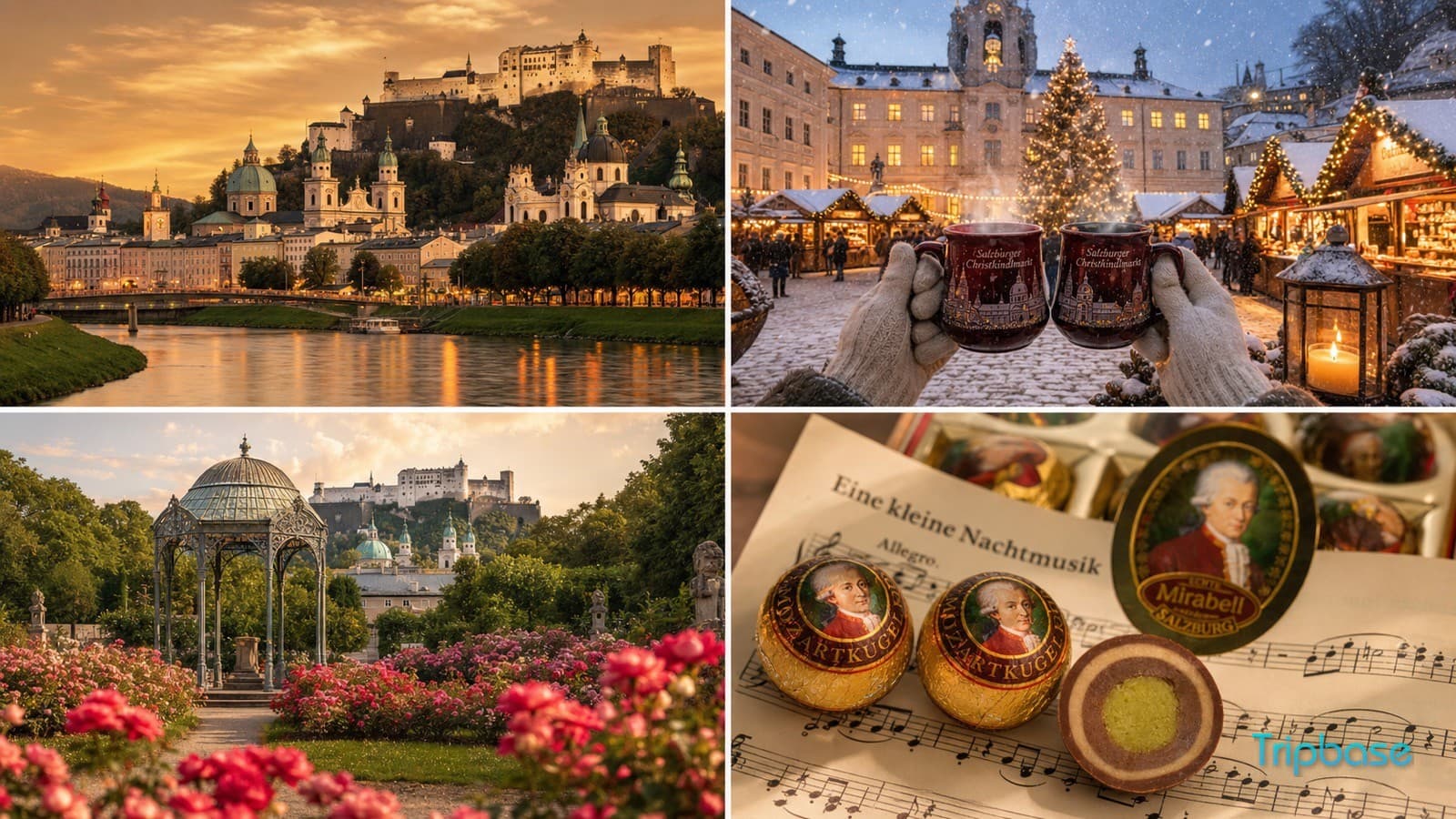
Salzburg has been trading on a single movie for over sixty years and shows no sign of stopping. The Sound of Music (1965) starred Julie Andrews as a singing nun-turned-governess, won five Academy Awards, and was almost universally disliked in Austria itself, where it was perceived as an outsized American confection that reduced the Anschluss to a subplot. The Austrians got over this roughly around the time the tour buses started arriving.
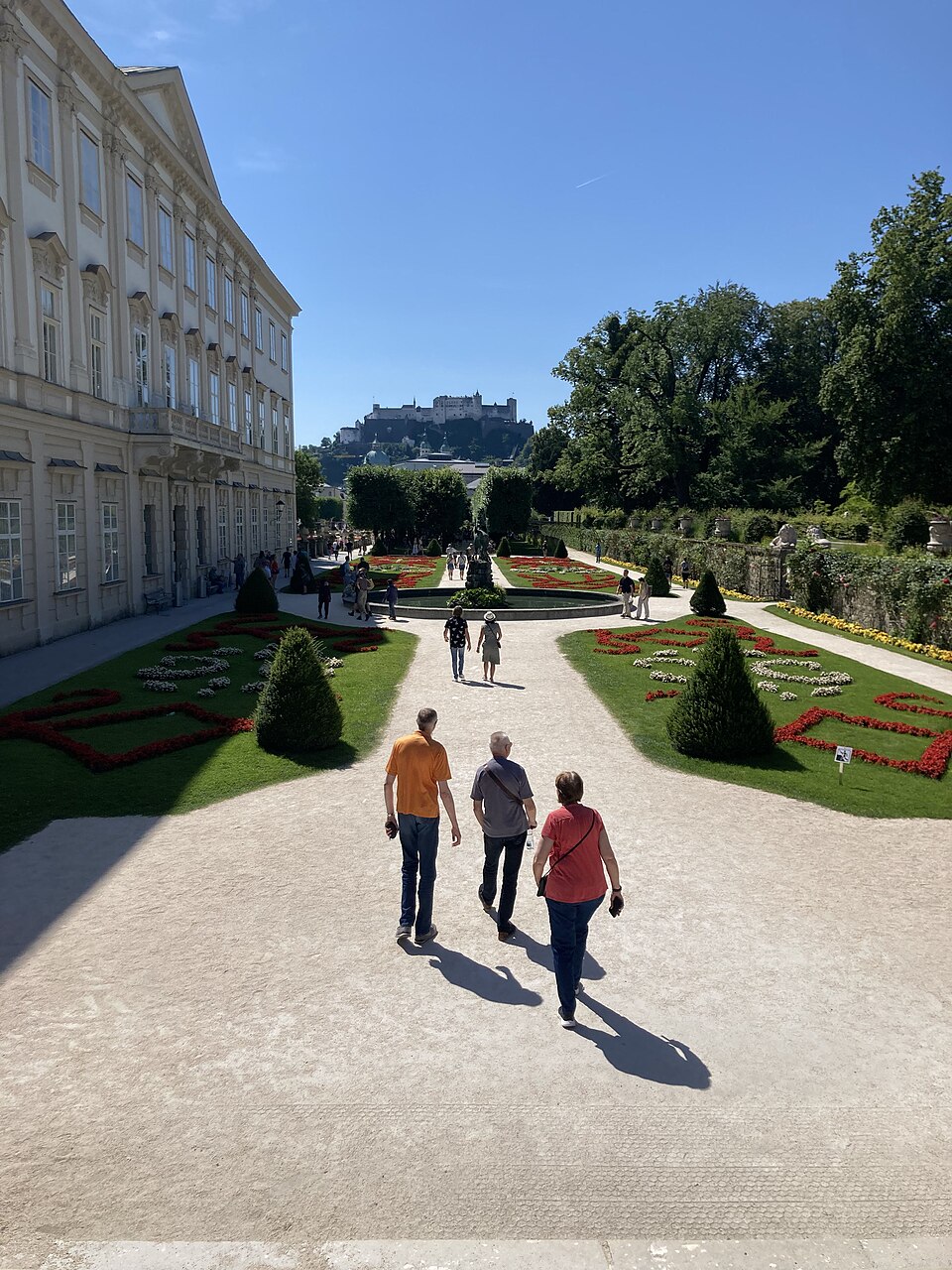
The Sound of Music tour now runs multiple daily departures. It visits Mirabell Gardens, where the "Do-Re-Mi" sequence was filmed on the fountain steps. It passes Leopoldskron Castle, whose lakeside terrace doubled as the von Trapp family home (the front was a different building, because cinema is a confidence trick). It stops at Nonnberg Abbey, where the real Maria von Trapp was a novice before marrying Georg von Trapp in 1927, a full 38 years before Julie Andrews did the same thing with considerably better production values.
The tour also visits the gazebo from "Sixteen Going on Seventeen," relocated to Hellbrunn Palace after too many tourists injured themselves dancing on the benches. This is an actual fact. People were hurting themselves recreating a musical number from 1965, and the Austrian solution was to move the gazebo to a flatter area with better liability characteristics. The hills are alive, but the insurance premiums are higher than you'd think.
London, UK - Platform Nine and Three-Quarters of the Tourism Budget
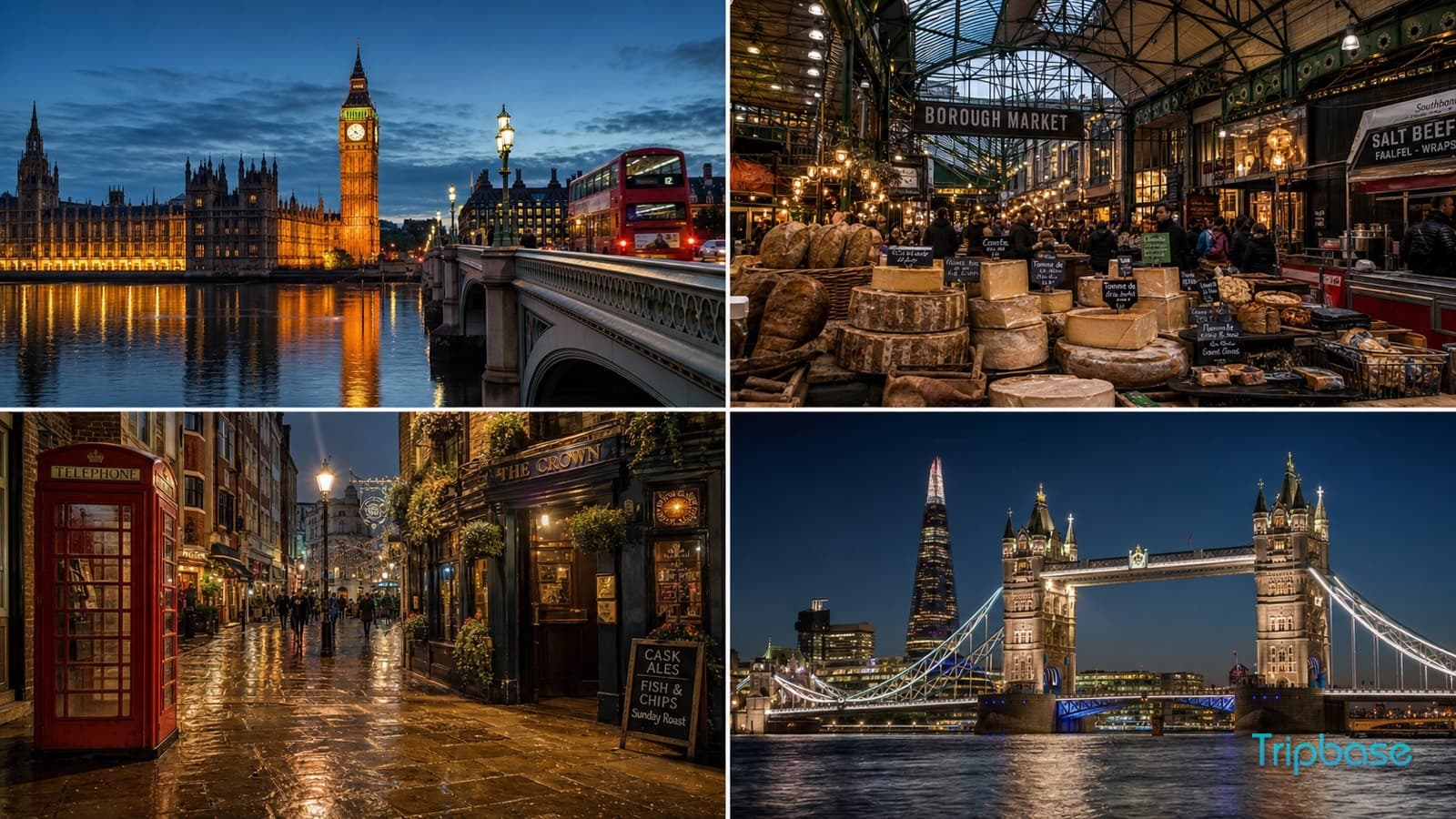
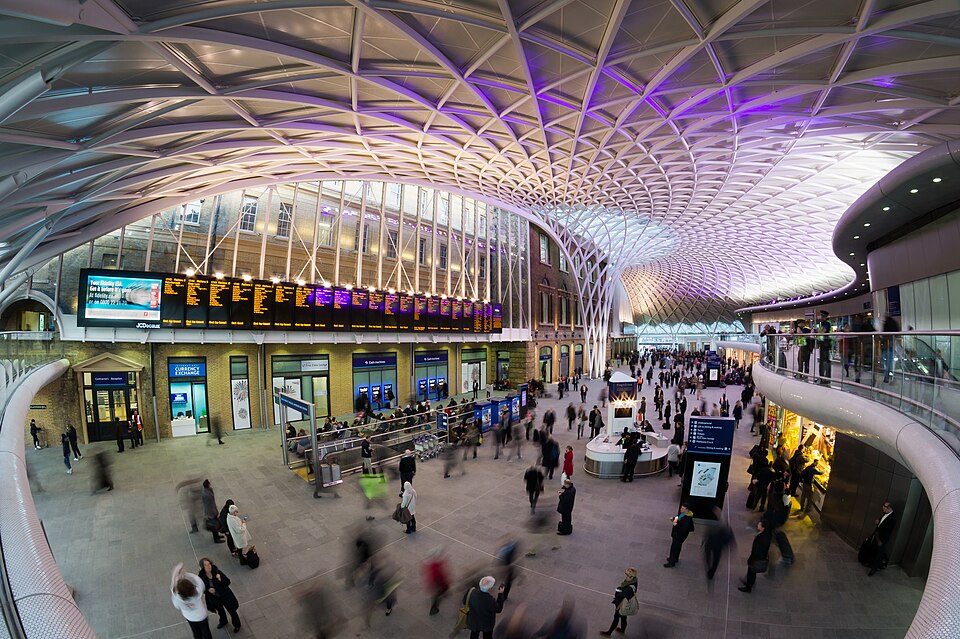
London's cinematic CV runs from Hitchcock to Bond to a minimum of fourteen Richard Curtis movies in which someone runs through the rain to declare love at an inconvenient moment. But the franchise that fundamentally altered London's tourism geography is Harry Potter - which turned King's Cross station from a functional railway terminus into a pilgrimage site for people who believe that running at a wall might take them somewhere better.
Platform 9 3/4 is a luggage trolley embedded in a wall between platforms 4 and 5 (not 9 and 10, because the actual space between those platforms was architecturally inconvenient). Warner Bros. employees throw a house scarf around your neck and toss the trailing end upward to simulate magical velocity. The adjacent shop sells wands. The queue takes forty minutes. Adults do this. Voluntarily. Leadenhall Market served as the exterior of Diagon Alley, which means a fourteenth-century covered market now has a secondary identity as a wizarding shopping street, and the optician's on Bull's Head Passage has come to terms with being photographed eleven thousand times a day.
Beyond Potter, the MI6 building at Vauxhall Cross has been blown up across multiple Bond films and is still the headquarters of the Secret Intelligence Service, which must be exhausting. The Millennium Bridge was destroyed by Death Eaters in Half-Blood Prince. At this point it might be faster to list London landmarks that haven't appeared in a major release. (For the less glamorous side of famous travel spots, our guide to dark tourism destinations covers places people visit for rather different reasons.)
The Reel Truth
The film location industry is one of the stranger economic phenomena of the modern age. A screenwriter types a fictional name. A location scout finds a real place that matches. A camera crew spends three weeks there. And then, for the next twenty to sixty years, that place receives a sustained, significant increase in visitors who want to stand where the fictional thing happened fictionally. Dubrovnik's tourism board did not plan for Cersei Lannister. The monks who carved 618 steps into Skellig Michael absolutely did not plan for Luke Skywalker. And yet here we all are, queuing.
Go see the real places. Take the photograph. Buy the fridge magnet. But maybe - just maybe - also look at the thing itself, the one that was there before the cameras arrived and will be there long after the franchise reboots. The Adriatic doesn't care about your HBO subscription. Petra was extraordinary for two thousand years before Harrison Ford showed up. And the puffins on Skellig Michael have never seen Star Wars, and they're doing absolutely fine.