Foods Named After the Wrong Country (Or Nobody at All)
Cuisine, like history, is mostly written by whoever shouted the loudest at the time. A surprising number of the dishes we order without thinking are named after countries that had nothing to do with them, countries that didn't want them, or in some cases, countries that have spent the better part of a century quietly fuming about it. What follows is a list of foods that are, to varying degrees, lying to your face.
This is the part of food history nobody enjoys teaching, because it requires admitting that several billion humans have, for generations, ordered something with absolute confidence in its provenance and been completely wrong. The good news is that the food still tastes the same. The bad news is that one of these almost certainly involves your country, and you are not going to like it.
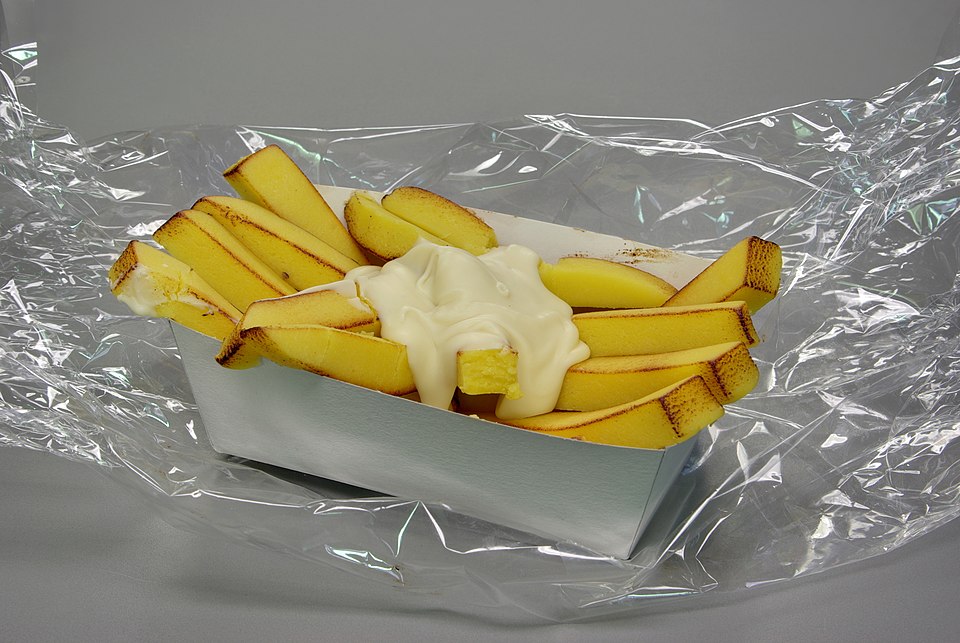
French Fries
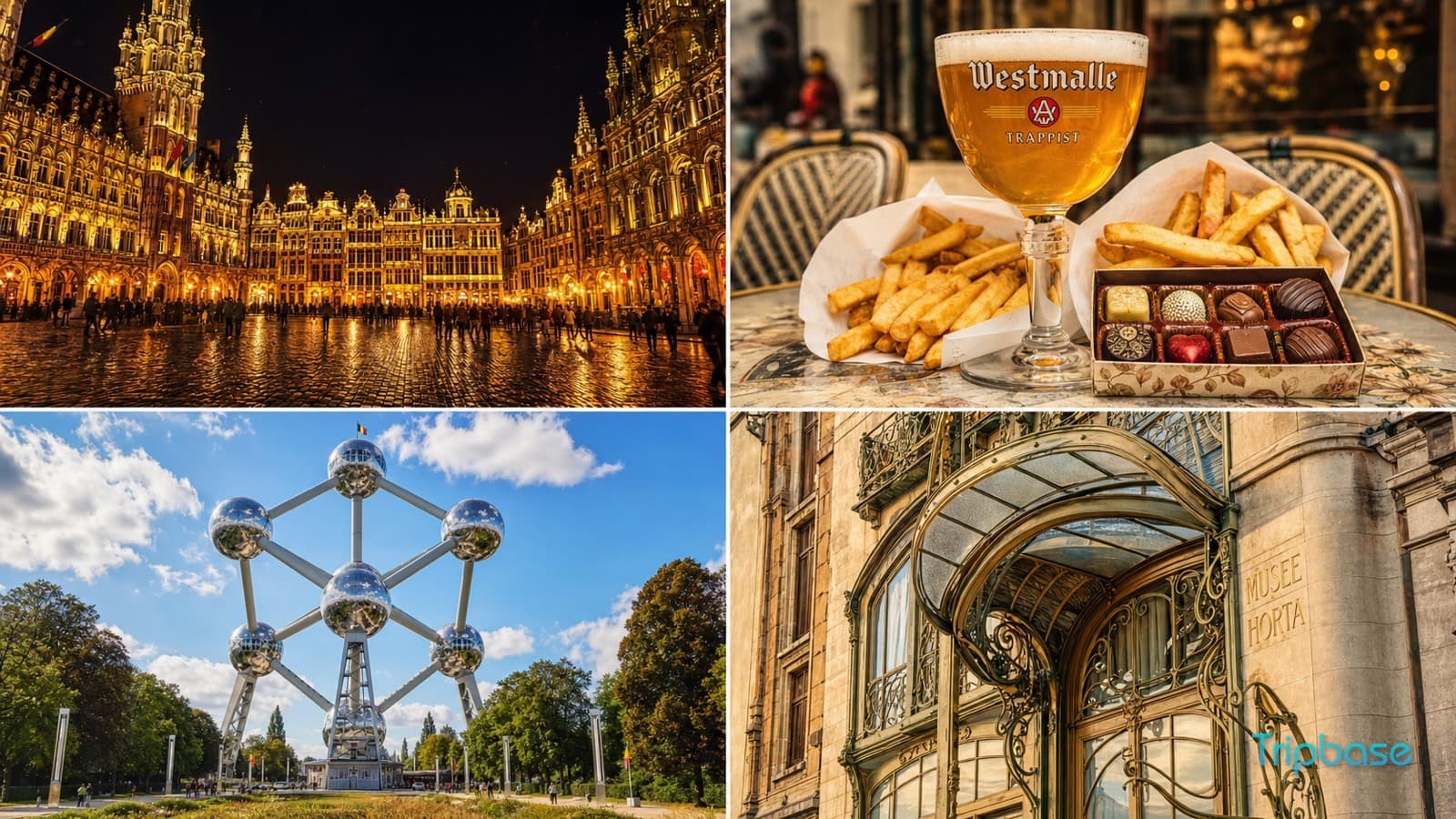
The single greatest national-attribution heist of the twentieth century. French fries are, almost certainly, Belgian. Belgian historians have spent decades patiently producing receipts, invoices, and street-vendor records dating back to the late 1600s in the Meuse Valley, where villagers reportedly began frying thin strips of potato when the river froze and they couldn't fry the small fish they normally ate. This is the kind of detail you don't make up. Nobody invents fish-substitute potatoes for a marketing campaign.
The branding catastrophe happened during the First World War, when American soldiers stationed in southern Belgium - where French is spoken in the Belgian Army - assumed they were eating something French and went home telling everyone about "French" fries. The name stuck so thoroughly that even Belgium can't shift it. The country has petitioned UNESCO for cultural-heritage recognition of its fries (specifically the double-fried, twice-cooked, served-in-a-paper-cone variety), and there is an entire museum in Bruges dedicated to making this point.
The fries themselves are typically beef-tallow-fried, salted, and served with mayonnaise rather than ketchup, which feels controversial right up until you taste it and realise the rest of the world has been cosplaying as Belgians badly for a hundred years. Visit Brussels and you'll find friteries on practically every corner, which is roughly what you'd expect a country to do if the world had stolen its national snack.
Belgian Waffles
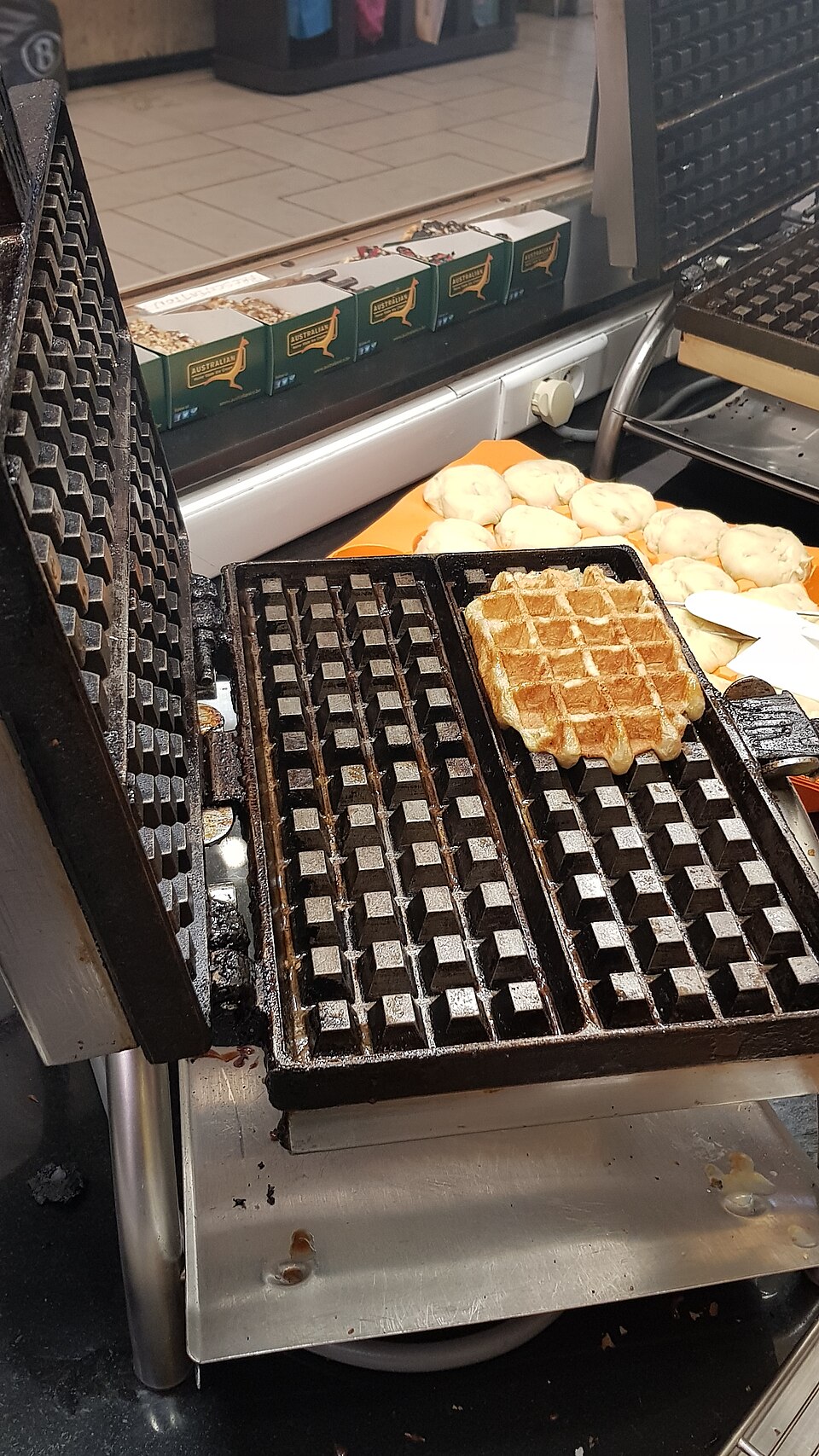
Having lost the fries war, Belgium might reasonably expect to be left in possession of its waffles. It is not. The thing Americans call a "Belgian waffle" - that thick, square-grided, sugar-dusted, whipped-cream-strangled object that appears at every brunch buffet - was invented for the 1964 New York World's Fair by a Brussels restaurateur named Maurice Vermersch, who marketed it to Americans as the "Bel-Gem Waffle". The actual Belgians at home eat two completely different things: the Brussels waffle (rectangular, light, crisp, eaten plain) and the Liège waffle (irregular, dense, studded with pearl sugar that caramelises against the iron and creates the structural integrity of a meteor).
What you order in an American diner under the name "Belgian waffle" is essentially a Brussels waffle with extra sugar and an entire press conference of marketing behind it. Vermersch later admitted, somewhat ruefully, that he had originally called it the "Brussels Waffle" but realised that most fairgoers had no idea where Brussels was. He renamed it after the country and the rest is brunch.
Real Belgian waffles, eaten on the street in Brussels or Liège, are a structurally different food. They are hot, smaller, and never come with strawberries, blueberries, syrup, butter, fruit compote, or whipped cream. The first time you eat one and realise it doesn't need any of those things you will feel briefly furious about your entire life.
Caesar Salad
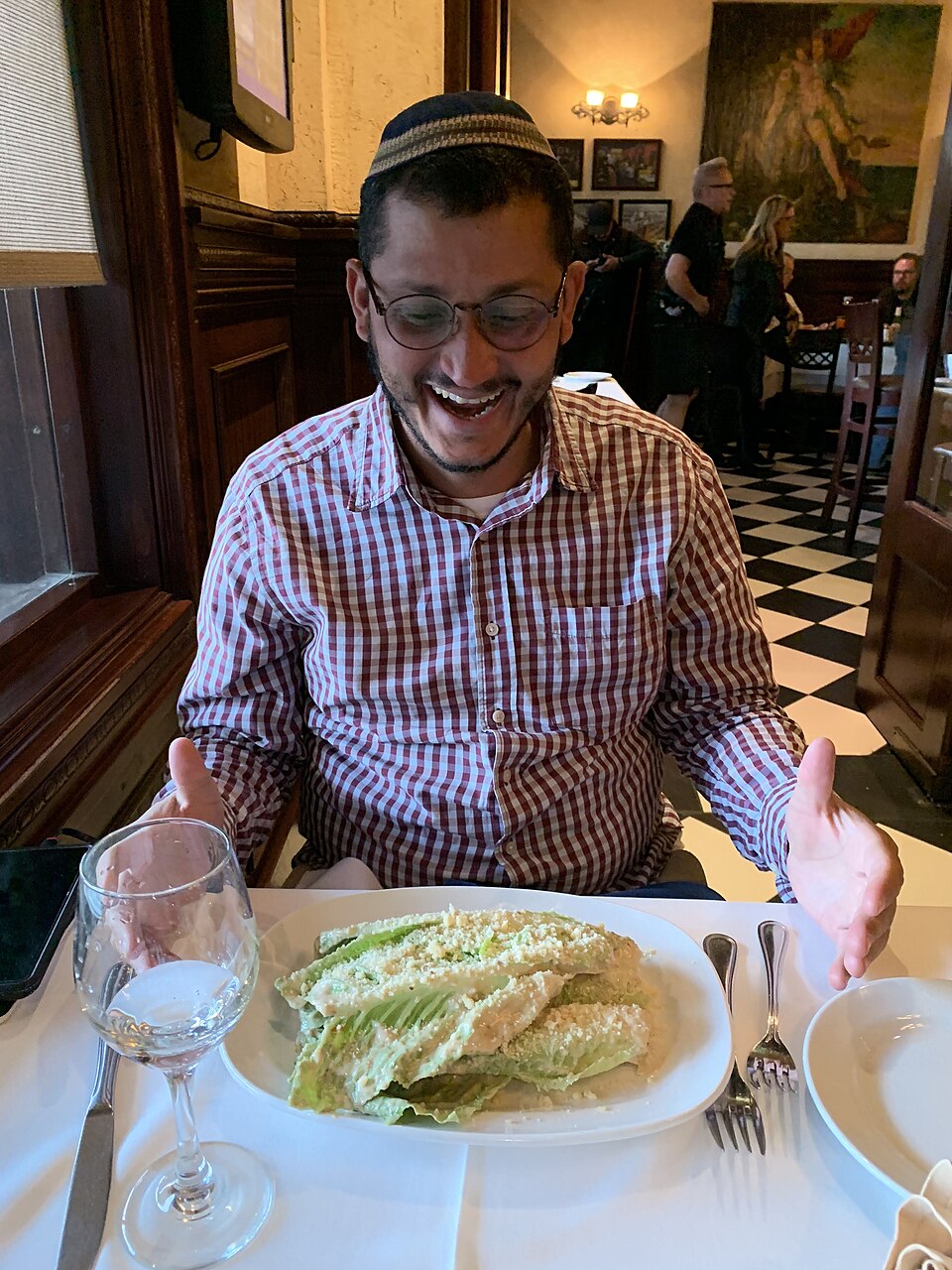
The Caesar salad has nothing to do with Italy, Italians, the Roman Empire, or anyone called Caesar in any meaningful historical sense. It was invented in 1924 in Tijuana, Mexico, by an Italian immigrant restaurateur named Caesar Cardini, during American Prohibition, on a busy 4th of July weekend, in what may be the most American-sounding Mexican origin story ever recorded. The food shortage at his restaurant was so severe that Cardini reportedly threw together what was left in the kitchen - romaine, garlic, olive oil, croutons, parmesan, raw egg, Worcestershire - and presented it tableside with a flourish to disguise the fact that he had run out of actual menu items.
The original recipe contained no anchovies (the Worcestershire sauce provided the umami punch), and the romaine leaves were served whole, designed to be eaten by hand. Both of these things would horrify a modern chain-restaurant Caesar, which arrives chopped, anchovy-laden, and topped with grilled chicken breast despite chicken having appeared nowhere in the original. The salad's fame spread north when Hollywood film crews and Prohibition-era American tourists ordered it at his restaurant on weekend trips to Mexico.
So when an Italian-American chain restaurant in suburban Ohio sells you a "classic Italian Caesar salad," it is named after a man who lived in California, was born in Italy, ran a restaurant in Mexico, and made the dish for Americans during a period in which they couldn't legally drink. Almost nothing in that sentence supports the word "Italian."
English Muffins
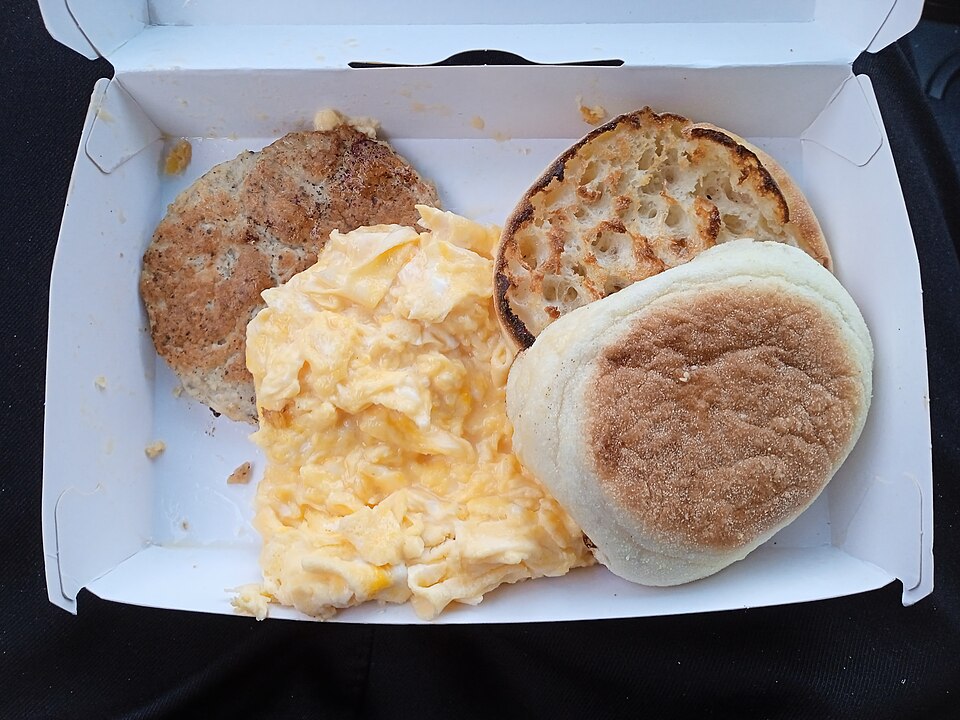
An English muffin, despite what its packaging strongly implies, is not English. The word "muffin" exists in English, certainly (it derives from the Anglo-Saxon "moufflet" or possibly the Old French "moflet," depending on which etymologist you upset), and English bakeries did historically sell something called muffins. But those muffins were a different beast - softer, plain, eaten warm with butter, sold by men carrying trays on their heads ringing bells, in a scene that sounds invented but isn't.
The thing modern supermarkets call an English muffin - that disc-shaped, fork-split, crumpet-adjacent breakfast carrier with the famously cratered interior - was invented in New York in the 1880s by a British expatriate baker named Samuel Bath Thomas, who marketed them as "toaster crumpets". His company, Thomas', still dominates the American shelf to this day, and is owned by Mexican baking giant Bimbo, which is its own separate problem nobody asked for.
In England, what most British people call a muffin is what an American would call a cupcake or a small sweet cake. Order an "English muffin" in a London café and you'll likely receive a confused stare followed, eventually, by a Thomas'-brand product imported back from America. Britain has effectively been re-importing its own apocryphal pastry for a century.
Swiss Cheese
"Swiss cheese" is not a thing in Switzerland. Walk into any cheese shop in Bern, Zurich, or anywhere else in the country and ask for "Swiss cheese" and you will be politely asked to be more specific, possibly while being judged. Switzerland produces somewhere around 450 distinct named cheeses, of which the cheese Americans mean when they say "Swiss" - the pale, rubbery, holed slice on the cold-cut tray - is roughly equivalent to a vague impression of one of them, badly imitated.
The actual cheese the term refers to is Emmental, which is named after the Emme Valley in Switzerland and is genuinely Swiss in origin. The holes (technically called "eyes") are caused by carbon dioxide produced by Propionibacterium freudenreichii during ripening, and a real Emmental wheel weighs around 95 kilograms and ages for at least four months. The thing on a deli sandwich is almost never an actual Swiss Emmental - it's typically an industrial American or Wisconsin imitation, which can legally be labelled "Swiss" in the United States because the term has become genericised.
European Union law, by contrast, is famously stricter about geographical names. You cannot sell a cheese as "Emmentaler" in the EU unless it's made within a specific zone using specific methods, the same way you can't sell sparkling wine as Champagne unless it's from Champagne. America has no such qualms. American "Swiss" cheese is the cheese equivalent of a hat that just says "Italy" on it.
Chicken Tikka Masala
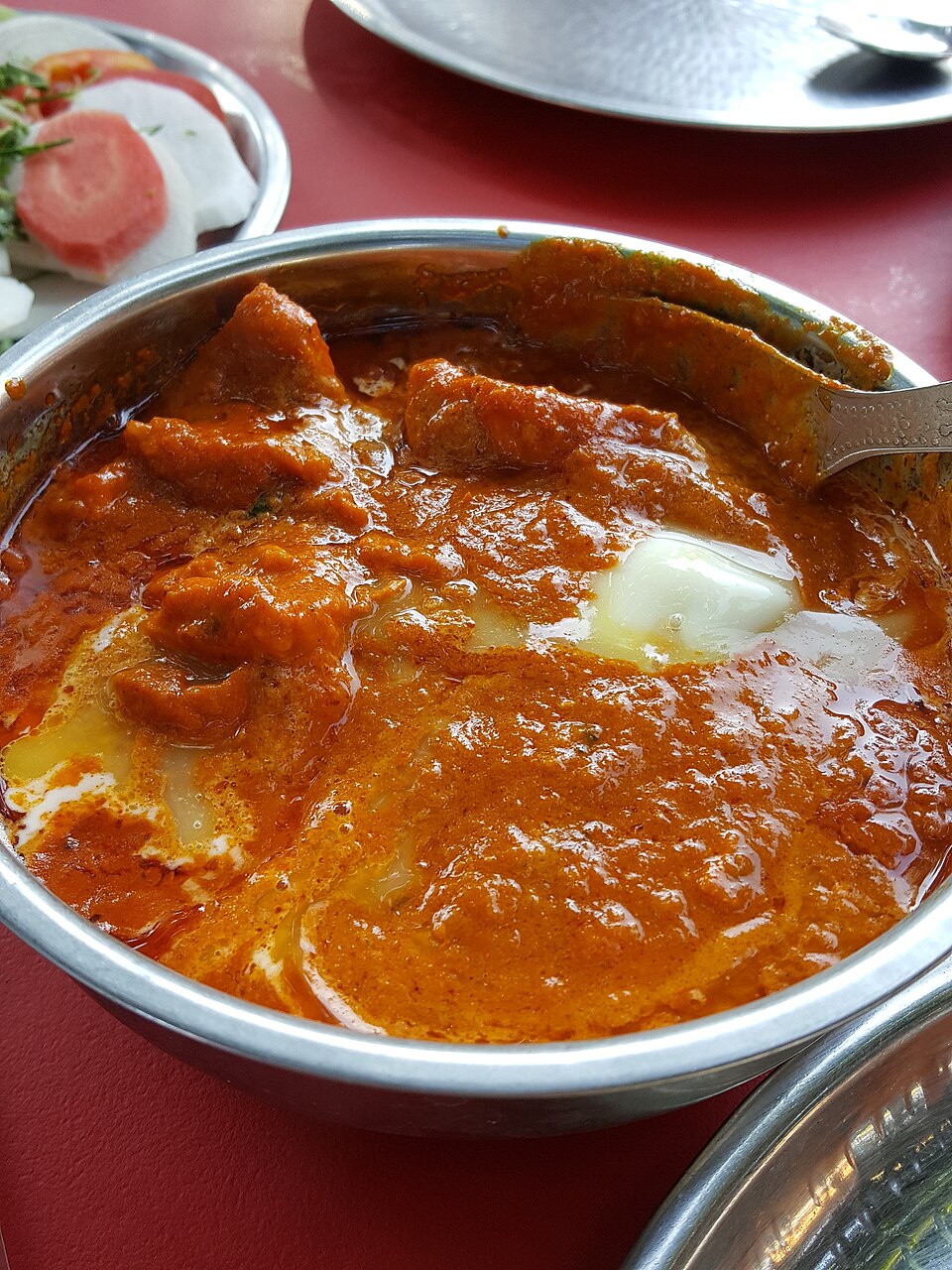
The British national dish, formally declared as such by Foreign Secretary Robin Cook in a 2001 speech, is almost certainly not Indian. It was probably invented in Glasgow, Scotland, sometime in the 1970s, in a restaurant called the Shish Mahal, when a customer reportedly sent back a plate of dry tandoori chicken complaining it needed sauce, and the chef - one Ali Ahmed Aslam - improvised a tomato-and-cream gravy out of a tin of Campbell's condensed tomato soup and some yoghurt. This story has been disputed, primarily by people who'd very much prefer it weren't true, but Aslam himself maintained the version until his death in 2022, and the Scottish Parliament petitioned the EU for protected geographical status for the dish in 2009 (the bid failed, partly because too many countries claimed the dish, and partly because a Glasgow takeaway invention may not have been quite what Brussels had in mind).
The deeper, less convenient truth is that there exist Indian dishes with which tikka masala shares ingredients - butter chicken, the Punjabi makhani gravy - which have plausibly Indian origins. But the specific combination of marinated tandoori chicken pieces drowning in a creamy, mildly spiced, slightly sweet, neon-orange tomato sauce is a thoroughly British invention, optimised over decades for the British palate by South Asian chefs cooking for British customers. It is, in every meaningful sense, a Glaswegian dish wearing a sari.
None of this stops it from being delicious, of course. And it is, by some accounts, the most ordered dish at British curry houses, where it routinely outsells everything actually from the subcontinent. The British eat it without irony. Indian visitors find it baffling. Americans assume it's authentic because it has the word "tikka" in it.
Hawaiian Pizza
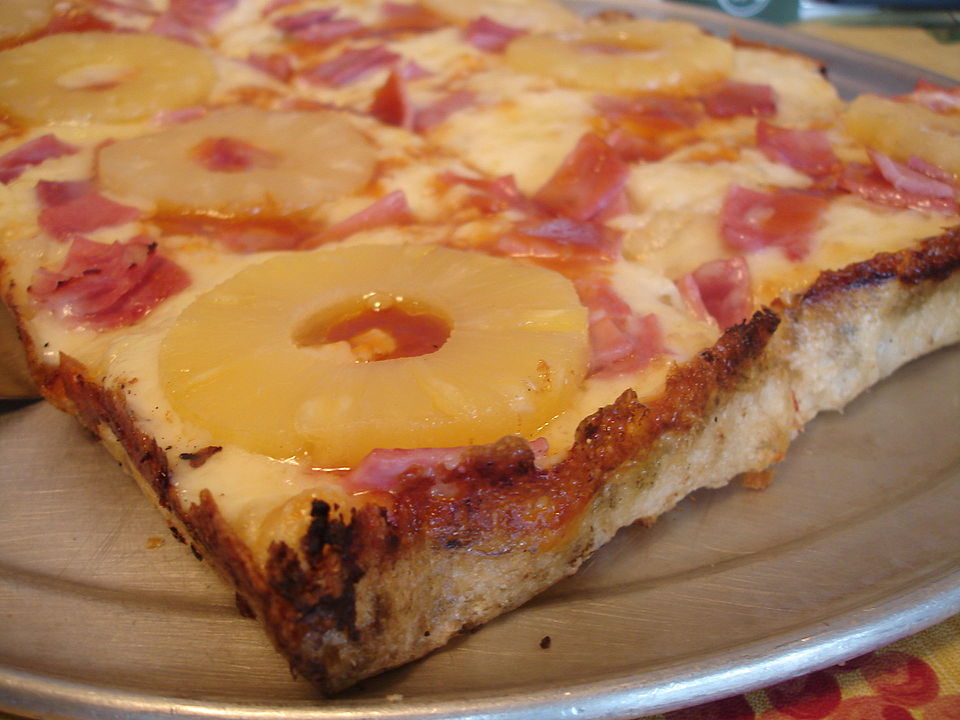
Hawaiian pizza, the divisive ham-and-pineapple offering that has destroyed several family WhatsApp groups, was not invented in Hawaii. It was invented in 1962 in Chatham, Ontario, Canada, by a Greek-Canadian restaurateur named Sam Panopoulos, who was born in Greece, ran a diner in Canada, and named his pizza after the brand of canned pineapple he was using. That brand was Hawaiian. He simply read it off the tin.
The pizza was almost immediately controversial - Italians, Hawaiians, and pizza purists everywhere have spent the intervening sixty years objecting to its existence with steadily increasing volume - and in 2017, the President of Iceland, Guðni Th. Jóhannesson, gave an off-hand answer to a schoolchild's question saying he was "opposed" to pineapple on pizza and would ban it if he had the power, which he then had to formally walk back as a public statement after the resulting international diplomatic incident. This was a real event that happened in real life, in 2017, involving a head of state.
Hawaii itself, for what it's worth, has no traditional culinary association with pizza of any sort. The closest thing to a native Hawaiian dish involving pineapple is fresh pineapple, eaten when ripe. Putting it on a yeasted wheat flatbread covered in tomato sauce and ham is a genuinely Canadian innovation, born of a tin can and a man who was just trying to use up some pineapple.
French Toast
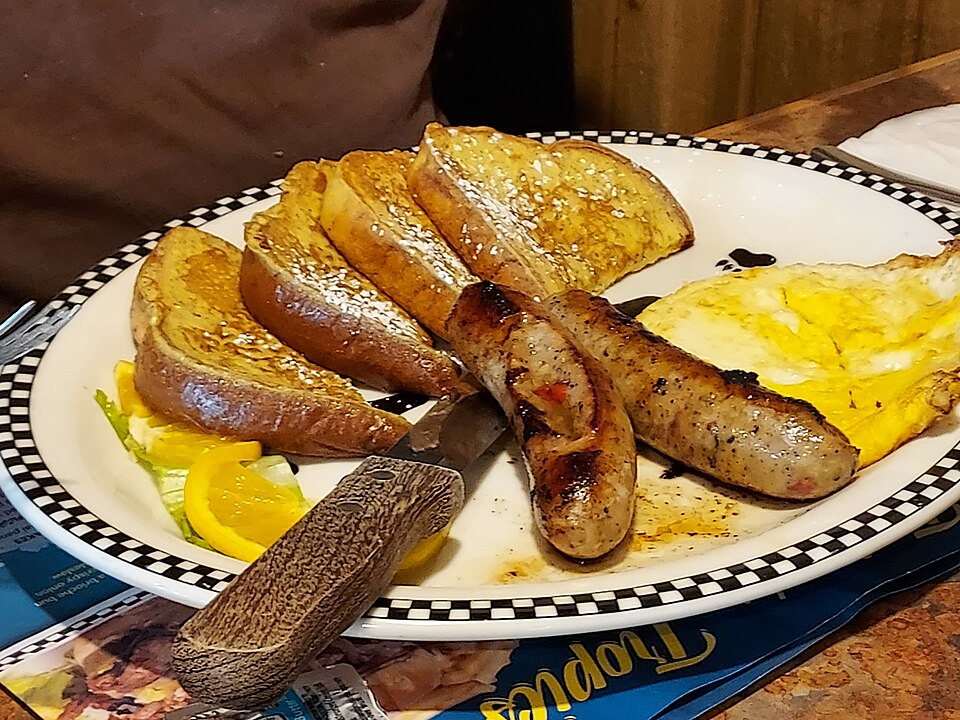
French toast is not French in any meaningful sense. The dish - bread soaked in beaten egg and milk, then fried - has been documented in Roman cookbooks dating to the 4th century, where it appears in Apicius as aliter dulcia ("another sweet dish"), made by soaking white bread in milk and frying it in oil before serving with honey. Romans, not French, with a recipe roughly 1,500 years older than the modern French claim to it.
Versions of the same dish appear across medieval Europe under names like "poor knights of Windsor" (England), "arme Ritter" (Germany), "pain perdu" (France, meaning "lost bread" - i.e. stale bread you'd otherwise throw away), and "torrijas" (Spain). The modern American name "French toast" appears to have emerged in the 1700s in either New England or upstate New York, and was likely a generic descriptor for fancy or foreign-sounding breakfast food rather than a claim of origin.
One particularly excellent etymology theory has the name coming from a Joseph French, a New York innkeeper who advertised the dish in 1724 as "French toast" because he forgot to include the apostrophe and didn't realise his mistake. This theory is almost certainly apocryphal, but the world would be a much funnier place if it weren't.
Bombay Duck
Bombay duck, despite the implications of every word in its name, is not a duck, is not native to Bombay, and is not exclusively associated with what is now called Mumbai. It is a fish - specifically, the Harpadon nehereus, or bummalo, a soft-bodied lizardfish native to coastal waters across the entire South and Southeast Asian seaboard. It was traditionally caught, dried in the sun until it acquired the structural integrity of papier-mâché, and shipped inland by rail.
The "Bombay" part is somewhat justifiable - the dried fish was indeed shipped in large quantities through the Bombay railway system during the British Raj. The "duck" part is significantly harder to explain. The leading theory holds that British soldiers, smelling the dried fish loaded onto trains at Bombay station, called it "Bombay daak" (the Hindi-Urdu word for mail) because it travelled by post-train. "Daak" became "duck" in colonial mishearing, the British went home, and the misspelling was preserved for posterity.
The European Union banned imports of Bombay duck in 1997 on hygiene grounds, then quietly reversed the decision a few years later after complaints from London's South Asian restaurants - reportedly the only food product ever banned by the EU and then reinstated by popular demand. The name remains officially incorrect on every level. The fish is sold in dried form across the United Kingdom under the same wrong name, by people who know it's wrong, in volumes large enough to justify diplomatic intervention.

The Honourable Mentions
Russian dressing was invented in Nashua, New Hampshire, around 1910 by a man named James E. Colburn. It was named "Russian" because the original recipe contained caviar, which was, at the time, something Americans associated with Russia. The caviar disappeared decades ago. The name remains.
Canadian bacon is not what Canadians mean when they say bacon. In Canada, what Americans call "Canadian bacon" is called "back bacon" or "peameal bacon," depending on the cure. Canadian bacon is an American name for an American product Canadians don't recognise.
Spanish rice is Mexican. Italian dressing was invented in Missouri. Mongolian beef has no documented connection to Mongolia. Singapore noodles are not eaten in Singapore. Belgian endive is grown almost everywhere except Belgium. Welsh rarebit has nothing to do with rabbits, and was originally a sarcastic English insult about Welsh peasants who couldn't afford game meat - which makes it the only food on this list whose name is a slur.
If you've made it this far and feel you've been culturally betrayed, take comfort in this: every country has at least one dish it didn't invent but loudly takes credit for, and at least one it did invent and gets none of the credit for. The history of food is mostly accidents, and the names are mostly marketing. National cuisines are largely a 20th-century invention anyway. Eat what you like, and try not to think about it too hard.
Disclaimer: As a brand, Tripbase are accepting of all global cultures. This article is written from a Western perspective and is meant for humorous purposes only. No offense is intended to Belgium, which has been through enough.