The World's Weirdest Drinks That People Actually Travel to Try
Humanity has, given roughly twelve thousand years of agricultural surplus, demonstrated an extraordinary willingness to ferment absolutely anything to see what happens.
The history of drinking is largely the history of someone, somewhere, being bored, hungry, or alone with a barrel and deciding that what was in the barrel could probably be improved by the addition of yeast and time. Most of these experiments produced wine, beer, and the various amiable forms of grain spirit on which the modern world more or less runs. A few of them produced things that the rest of the world has, for the most part, very politely declined to repeat. This is an article about the second category.
What follows is a tour of the genuinely strange drinks of the world - the ones that travellers seek out specifically because seeking them out is the point. Some of them are mildly alcoholic. Some of them will numb your tongue. One of them was traditionally fermented using the saliva of the women of the village. All of them are real, and people travel for all of them.
Airag: Mongolia's Fizzy Mare's Milk
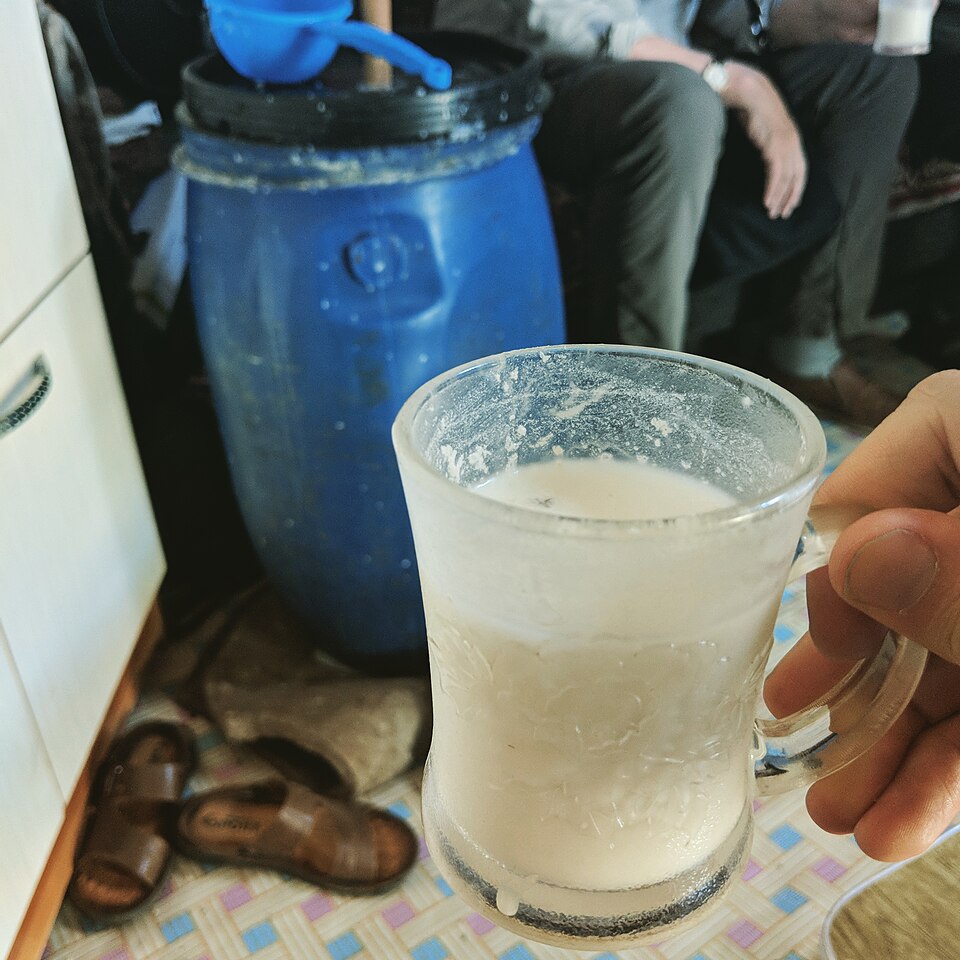
Airag - sometimes spelled aaruul, koumiss, or kumis depending on which side of which border you happen to be standing - is fermented mare's milk, and it is the closest thing Mongolia has to a national drink. It is mildly alcoholic (around 2% ABV, although traditional batches can reach 3%), naturally carbonated by the fermentation process, and tastes precisely the way you would expect a drink made from horse milk to taste, which is to say sour, slightly cheesy, and with a faintly horsey aftertaste that takes some adjusting to. The Mongolian government considers it culturally important enough that during the Naadam summer festival each July, dignitaries are required to drink ceremonial bowls of it on television.
The traditional production method involves milking a mare into a leather bag (the bag is the key bit), then beating, agitating, or simply moving the bag around for several days while the natural lactobacilli and yeasts present in horse milk do their work. A single mare yields around 800ml per milking, which is not very much, which is why airag is mostly made by nomadic herder families with several horses and not, broadly, by industrial dairies. The result is poured from a large communal bowl into smaller bowls for guests, and refusing to drink it when offered is considered, to put it mildly, not the right move.
If you want to try it properly you essentially have to go to Mongolia in summer. The Naadam festival in early July is the cultural high point. The Gobi Desert guide covers the surrounding logistics, and you can usually arrange a homestay with a herder family through any reputable Ulaanbaatar tour operator. Bring antacids.
Tongba: Nepal's Bamboo-Straw Beer
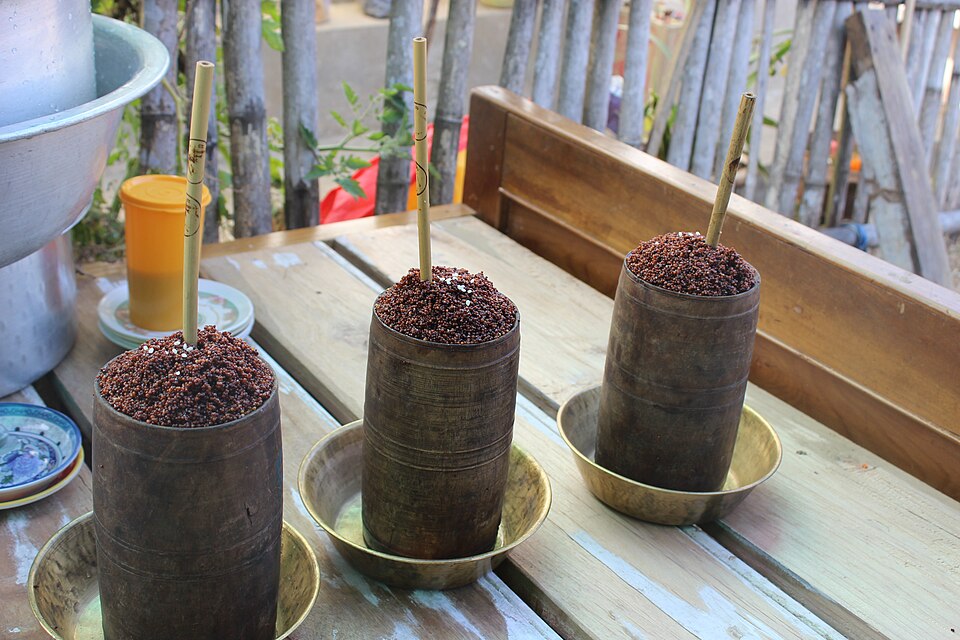
Tongba is the answer to a question nobody had asked, which is: what if beer, but you brewed it directly inside the cup. The drink is native to the Limbu and Sherpa communities of eastern Nepal, where it has been a staple of social and religious life for several centuries, and it is served in a tall wooden or bamboo container into which has been packed several handfuls of fermented millet. Hot water is poured over the millet, and the diner drinks the resulting infusion through a metal straw with a perforated tip designed to filter out the grain. Refills - and there are many - simply involve more hot water poured into the same container of millet.
The fermented millet itself is called jaand or jhand, and it is prepared by cooking finger millet, allowing it to cool, mixing in a starter culture of native yeasts called murcha (which contains around twenty different fungal and bacterial species), and leaving the mixture to ferment in a sealed clay pot for around a week. The finished jaand is alcoholic in its own right, but the act of pouring hot water over it activates a slow secondary fermentation that produces a warm, slightly cloudy, mildly sour, oddly comforting drink that is somewhere between beer and a hot tisane. Average ABV runs in the 5-10% range, although the first pour is considerably stronger than the third.
Tongba is everywhere in Kathmandu's Thamel district during the cool months, and the experience of drinking it on a winter evening in the Himalayan foothills is genuinely one of the simpler pleasures travel can produce. The Kathmandu guide covers the bars where it is best, including a few that have been making it for three generations and would prefer you not photograph them.
Chicha: The Pre-Inca Beer Made With Saliva
Chicha is a fermented corn beer indigenous to the Andes that pre-dates the Inca empire by approximately three thousand years and is, for our purposes, notable for the traditional method of activating the fermentation process. The maize is cooked. The maize is cooled. The maize is then chewed - literally, by mouth, by women, in the village, working in shifts - until enzymes in human saliva (specifically amylase) break down the starches into sugars that wild yeasts can then ferment. The chewed maize is spat into a vat, and over the course of several days it transforms into chicha de jora: a sour, slightly sparkling, mildly alcoholic, distinctly funky beverage that the Inca treated as sacred and that some Andean communities still produce in exactly this way.
If the saliva method has put you off (and it really shouldn't - bread, sourdough, and yoghurt rely on far stranger biology), you can take some comfort from the fact that the vast majority of chicha sold today in Peru, Bolivia, and Ecuador is made using malted maize and conventional brewing techniques. The traditional saliva-based chicha de muko still survives in certain rural communities of southern Peru and Bolivia, but the chicha you will find in most Cusco restaurants and the chicha morada (a non-alcoholic purple-corn drink) sold by every street vendor in Lima is now made the boring way, with industrial enzymes doing the work that human cheeks once did.
Chicha morada, in particular, is delicious. It is sweet, faintly spiced with cinnamon and clove, and the colour of a very serious bruise. The fermented chicha de jora is more of an acquired taste, and is generally drunk in chicherías - rustic local bars marked by a long pole with a red plastic bag at the top, which is the centuries-old Andean signal for "chicha is on today." The Cusco guide has the full routine, and our piece on strangest national dishes covers what to eat alongside.
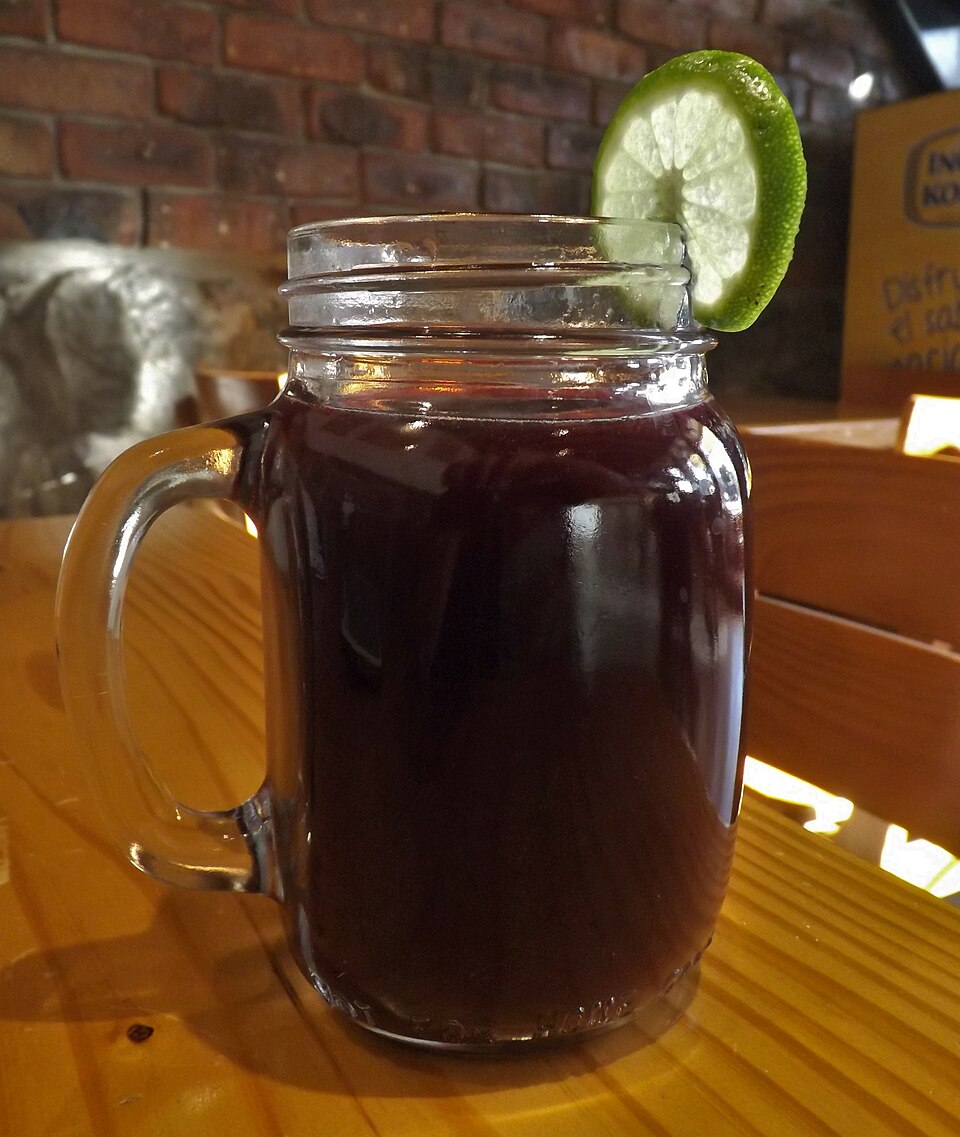
Kava: The Pacific Drink That Numbs Your Tongue
Kava is a traditional drink of Fiji, Vanuatu, Tonga, and large parts of the Pacific, made from the pounded root of the kava plant (Piper methysticum), and the most accurate description of its effect is that you will, within about ninety seconds of drinking it, lose feeling in your lips, tongue, and throat in a manner that is distinctly disconcerting if nobody has warned you in advance. The drink itself looks and tastes a great deal like dishwater into which someone has wrung out an old sock. The numbing effect is the kavalactones - a family of mildly psychoactive compounds that produce a relaxed, slightly anaesthetic, vaguely euphoric state without the cognitive impairment of alcohol.
Kava is consumed ceremonially and socially throughout the Pacific. In Fiji, the bowl (called a tanoa) is filled with the strained kava liquid; the host claps three times, says "bula," and presents a coconut-shell cup to a guest who must drink the whole thing in a single go and then clap three times in return. The atmosphere of a kava ceremony is sustained, communal, and slightly hypnotic - hours can pass during which everyone is still mildly tongue-numb but very much enjoying being in each other's company. It is not alcohol, and it does not produce a hangover, but it is not nothing either, and you should not drive afterwards.
Legally it is a gentle minefield. Kava is a fully legal traditional drink across the Pacific and in most of the United States. It was banned for several years in Germany, Switzerland, and the United Kingdom over concerns about liver toxicity in commercial extracts (the traditional water-based preparation has not been linked to the same risk and most of those bans have since been lifted or relaxed). In Australia it is restricted but legal in small quantities. The Fiji guide covers the etiquette of village kava ceremonies. Do not turn the bowl down.

Snake Wine: Vietnam's Bottled Reptile
Snake wine - rượu rắn in Vietnamese - is exactly the thing it sounds like: a bottle of rice wine or grain alcohol with a venomous snake (or several) inside it, allowed to steep for months before drinking. The most photogenic versions involve a coiled cobra preserved in mid-strike at the centre of the bottle, sometimes with a smaller scorpion or smaller snake also inside for company. It is a traditional drink across Vietnam, China, Laos, and parts of Thailand, and is generally consumed for what its devotees describe as medicinal properties: improved virility, joint pain relief, longevity, and a general sense of having done something brave at dinner.
The science is a mixture of "yes, somewhat" and "absolutely not." Ethanol does denature snake venom proteins effectively over the months that the bottle steeps, so the resulting drink is not actually venomous. There are, however, occasional reports of snakes that were not entirely dead when bottled and that hibernated for months before reanimating when the bottle was opened, which is the sort of detail that travel-medicine authorities feel obliged to mention. The flavour is not, on its own merits, remarkable: it tastes like inexpensive rice spirit with a faint, vague, slightly meaty undertone.
You will see snake wine in every souvenir shop in Hanoi's Old Quarter, in jars at restaurants in Saigon's District 1, and in displays at the morning market in Le Mat (the "snake village" outside Hanoi where most of the country's commercial snake wine is produced). Importing it home is, depending on the species, often illegal under CITES regulations - several of the cobras commonly used are protected. We have covered the broader category of what's-in-the-bottle in our illegal and controversial foods piece. The Hanoi guide covers Le Mat itself, which is genuinely worth the half-day trip.
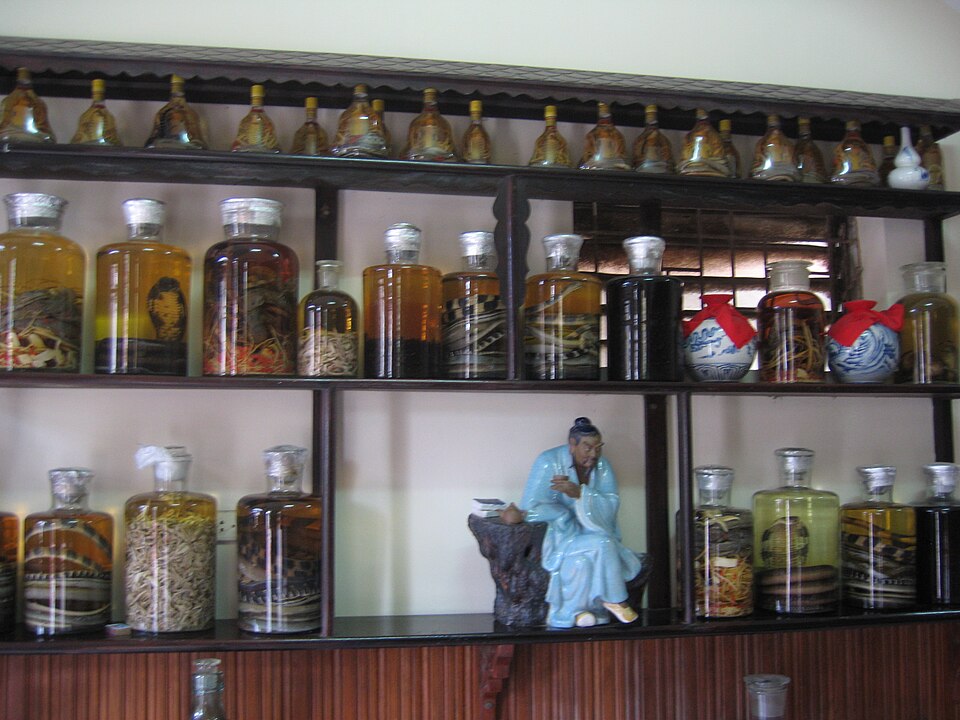
Three Lizard Liquor: China's Reptile Baijiu
If snake wine struck you as insufficiently weird, the Chinese have, in characteristic style, taken the principle and escalated it. Three Lizard Liquor (三蛇酒, sān shé jiǔ - the name technically translates as "three snake wine" but the drinks generally feature lizards or geckos as well) is a baijiu-based concoction that contains, suspended in clear grain spirit, three preserved reptiles. Variants exist with snakes, lizards, scorpions, seahorses, ginseng, deer antler velvet, and various combinations thereof. It is most often associated with Guangxi, Guangdong, and parts of Yunnan province, and is sold in elaborate ceramic jars or large clear glass bottles in which the reptiles are visible at all times.
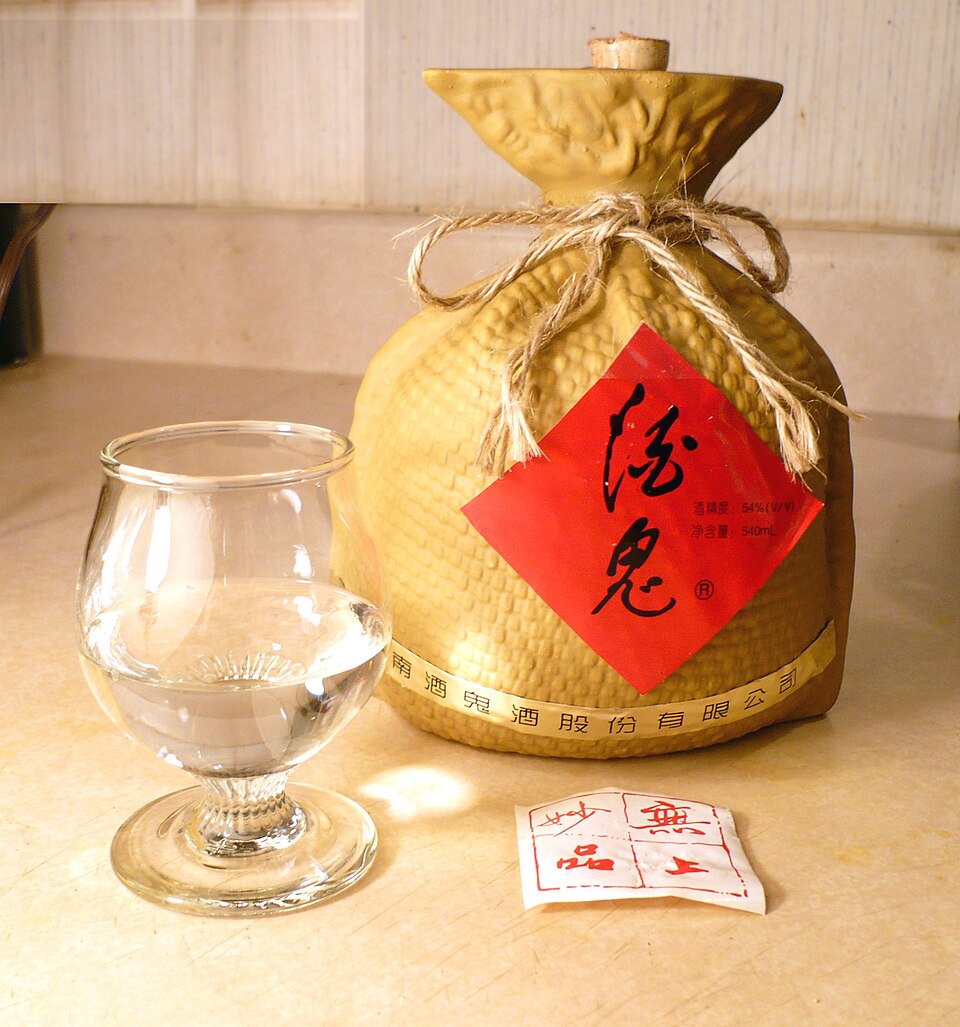
Baijiu, the base spirit, is China's national drink and a beverage that absolutely does not need any help being challenging. It is a clear grain alcohol distilled from sorghum (and sometimes wheat or rice), typically bottled at 40-65% ABV, and possessed of a flavour profile that has been variously described as "like drinking a lit candle," "durian, but worse," and "essence of soy sauce, fermented in regret." Adding three lizards to a bottle of baijiu does not, on the available evidence, improve the experience. It does, however, make a memorable photograph and gift.
You will find three-lizard liquor in upmarket restaurants in Guangzhou, in tourist markets in Guilin, and in essentially any dedicated baijiu bar or specialty Chinese liquor shop in major cities. The legal status for export is, as with snake wine, complicated by CITES protections on several common species. Drinking it is rumoured to cure rheumatism, improve circulation, and (per one unverifiable Cantonese tradition) protect against the predations of the dead. Probably it does not. It does, however, taste exactly as you would expect.
Kiviak: The Inuit Sealskin Bird Wine
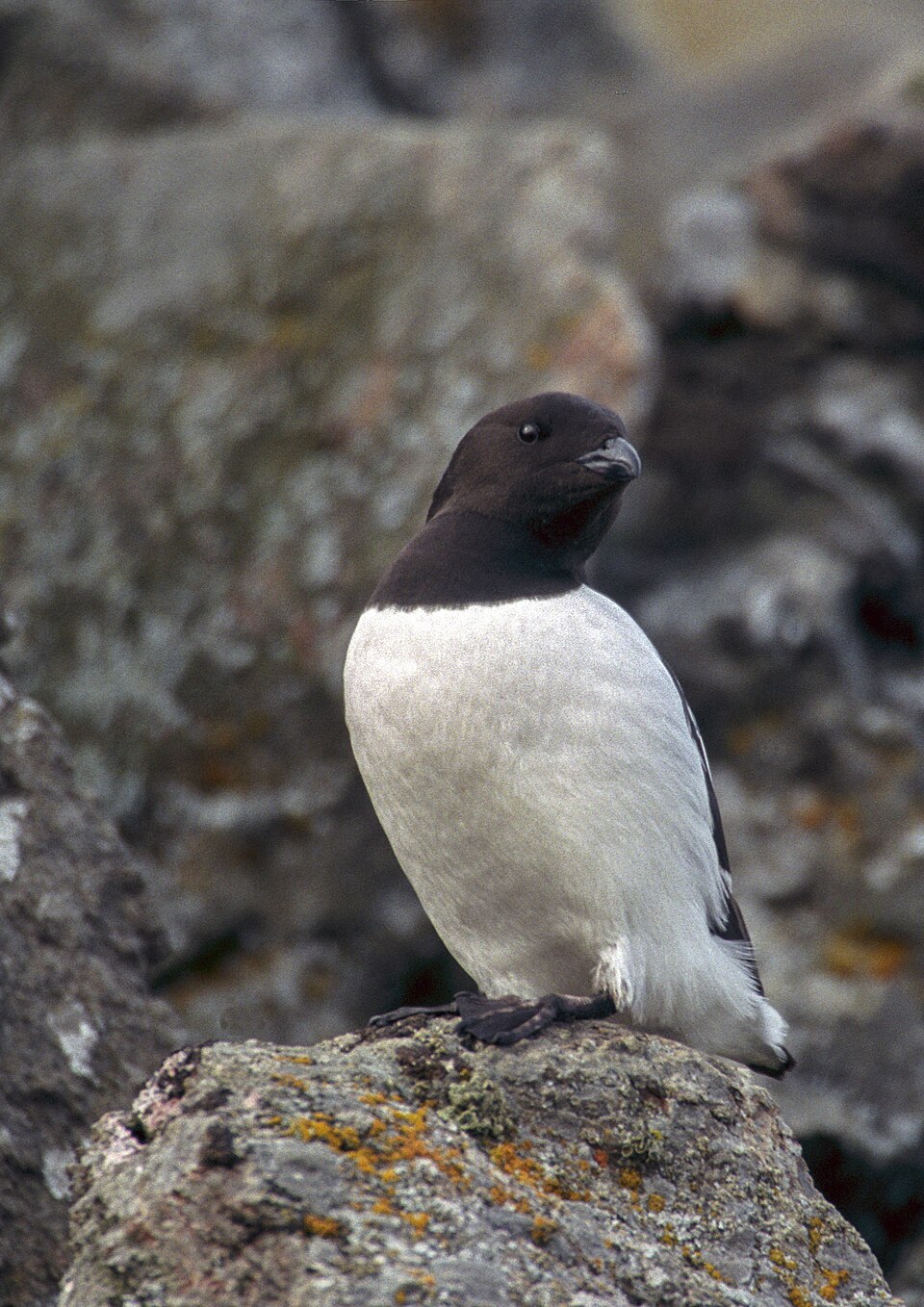
And then, finally, there is kiviak, which is technically a food but is consumed in a manner functionally identical to a fermented beverage and which we are including here because honestly, where else are we going to put it. Kiviak is a traditional Inuit delicacy of northwestern Greenland, made by stuffing several hundred whole little auks (small Arctic seabirds, feathers and beaks and all) into a sealed sealskin, removing as much air as possible, and burying the package under a pile of stones for between three and eighteen months while the bird carcasses ferment in their own juices and the trapped fat of the seal.
When the kiviak is dug up - traditionally for winter weddings, birthdays, and Christmas - the diner extracts a single fermented auk, plucks it (the feathers slide off easily by this point), and sucks the partially liquefied internal contents directly out of the body cavity. The resulting fluid - a thick, dark, intensely fishy, faintly cheesy substance - is the closest thing the High Arctic has to a celebration drink, and it is reserved for genuinely special occasions because the labour involved in producing it (catching several hundred birds, sourcing a sealskin, waiting eighteen months) is non-trivial. Anthony Bourdain ate it on television and described it as "like blue cheese, but stronger." Kiviak has, on at least one occasion, been responsible for a botulism outbreak when prepared without sufficient care.
You cannot buy kiviak. It is not commercial. It is not in restaurants. The only way to try it is to be invited into an Inughuit family home in Qaanaaq or Siorapaluk in northwestern Greenland during the dark months of winter, which is not a trip one undertakes casually. Our piece on most isolated islands covers the broader category of "places where the food is also the entertainment." The weird foods piece may also be relevant if you are still here.
A Final Note on Hospitality
The single useful thing to know about all of these drinks is that, in every culture they come from, refusing them when they are offered is a small but real social offence. The host has gone to some trouble. The drink has been prepared by someone, often a grandmother, who may or may not be watching. The correct move is to drink the small ceremonial portion, smile, say thank you in whatever the local equivalent is, and not - under any circumstances - make a face. You can say something neutral about how interesting it is. You cannot say it tastes bad. Even if it does. Especially if it does.
Have you tried any of these? What is the strangest thing you have politely sipped while pretending to enjoy yourself, and which grandmother would you rather not disappoint?
Disclaimer: As a brand, Tripbase are accepting of all global cultures. This article is written from a Western perspective and is meant for humorous purposes only. No offence is intended.