The Foods That Started Actual Wars
The thing about food is that it seems boring until you realize it has killed more people than almost anything else in history. Not by being eaten badly, though that too has its body count, but by being desirable enough that entire nations decided the correct response to someone else having it was immediate and sustained violence. The spice trade alone was responsible for centuries of colonial conquest, ecological devastation, and at least one instance of an entire indigenous population being massacred so that a corporation could control the world's supply of a seasoning you probably have in your kitchen cabinet right now. Food history is, in other words, considerably more dramatic than it appears at the supermarket.
These are the foods that didn't just inspire the occasional bar fight. These are the ones that started wars.
Nutmeg: The Spice That Cost 15,000 Lives
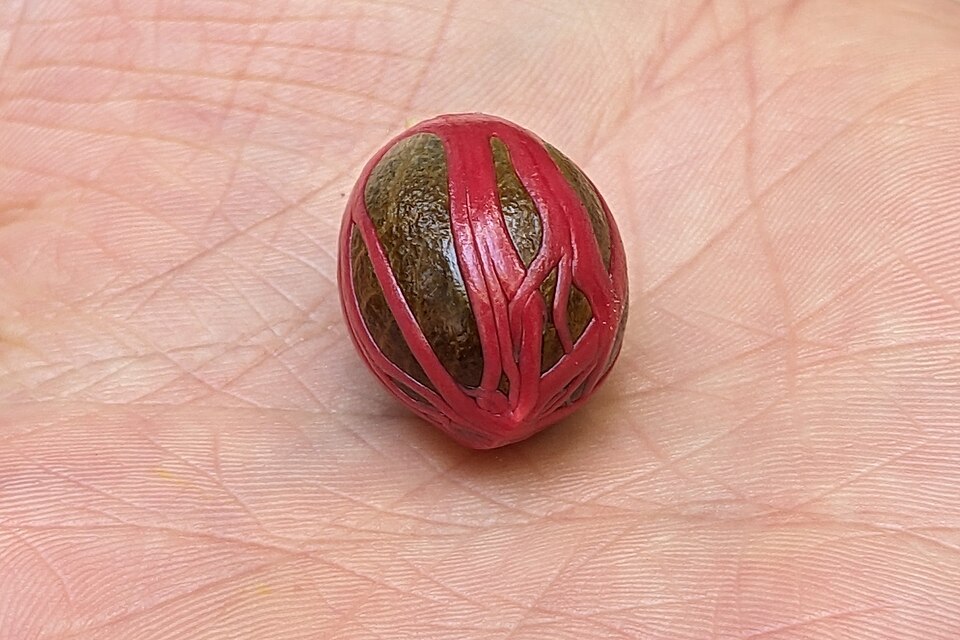
In the early seventeenth century, nutmeg was worth more than gold. This sounds like something a food writer would say for dramatic effect, but in this case it is simply a fact: a single sack of nutmeg purchased in the Banda Islands could be resold in Europe for a markup of several thousand percent, which is the kind of return on investment that would make a modern hedge fund manager weep with envy. The Banda Islands, a tiny archipelago in what is now eastern Indonesia, were at the time the only place on Earth where nutmeg grew. This monopoly was, from a 17th-century Dutch corporate perspective, unacceptably unsecured.
The VOC - the Dutch East India Company - had a solution. In 1621, under the command of Jan Pieterszoon Coen, Dutch forces landed on the Banda Islands and conducted what can only be described as a systematic extermination of the local Bandanese population. Estimates suggest that of approximately 15,000 Bandanese people who lived on the islands before the arrival of the Dutch, around 14,000 were killed, enslaved, or fled into the jungle never to return. The survivors were largely enslaved to work the nutmeg plantations that now, conveniently, had no previous owners.
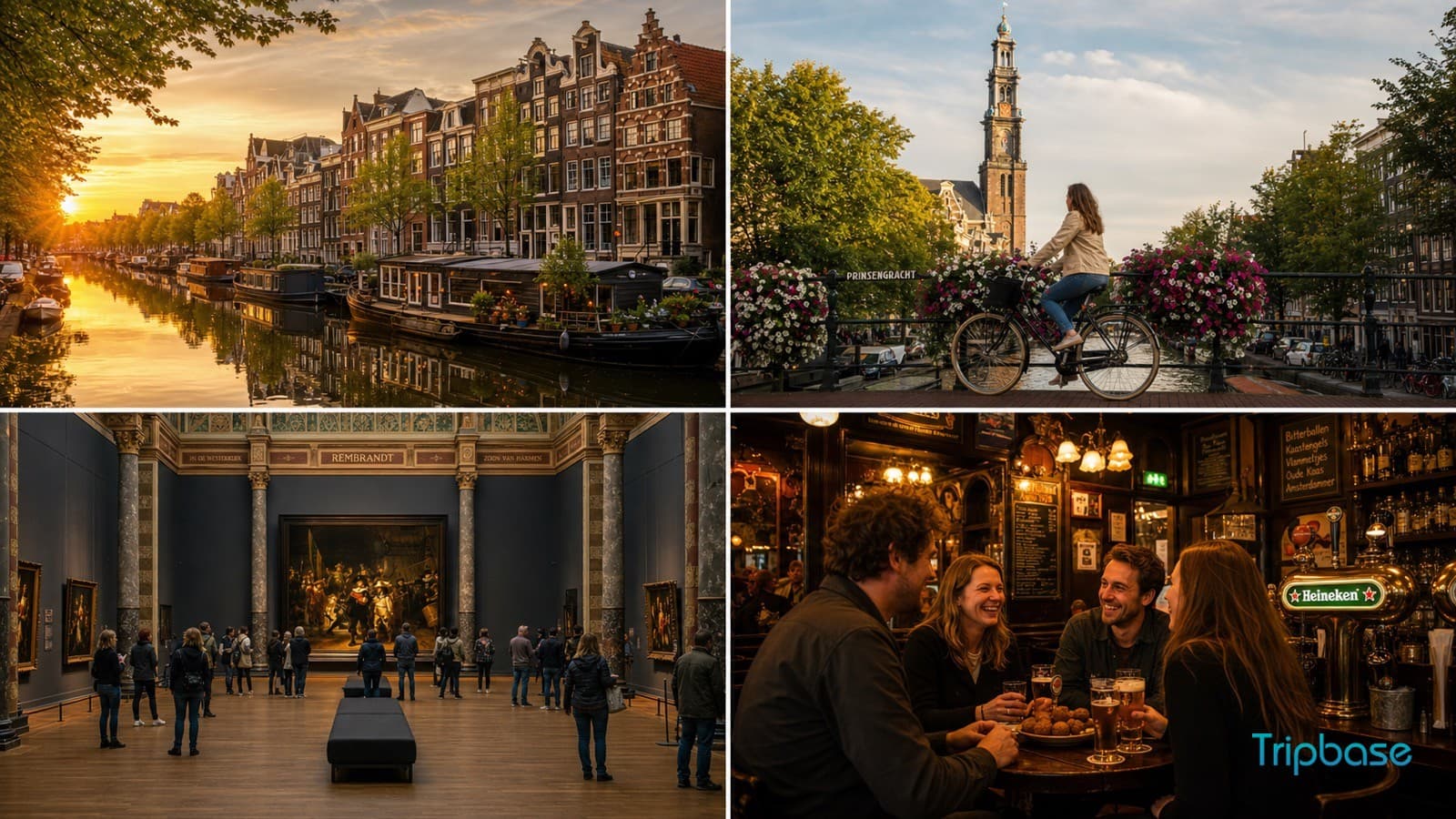
The Dutch then replaced the exterminated population with enslaved workers and Dutch colonists, guarded the nutmeg monopoly with military force, and physically destroyed nutmeg trees in other parts of the archipelago to prevent competition. They maintained this monopoly for decades, until a French botanist smuggled seedlings out in the 1770s (a theft for which history has been, on balance, rather grateful). The French planted nutmeg in Mauritius and Reunion. Eventually the British got hold of seeds and planted them in Grenada, which is why Grenada - a Caribbean island with no historical connection to Southeast Asia - now puts a nutmeg on its national flag. It seemed like the least they could do. Visit Amsterdam today and the canal houses built by VOC profits still stand, their beauty somewhat complicated by the knowledge of what paid for them.
Black Pepper: Portugal's Invasion of India
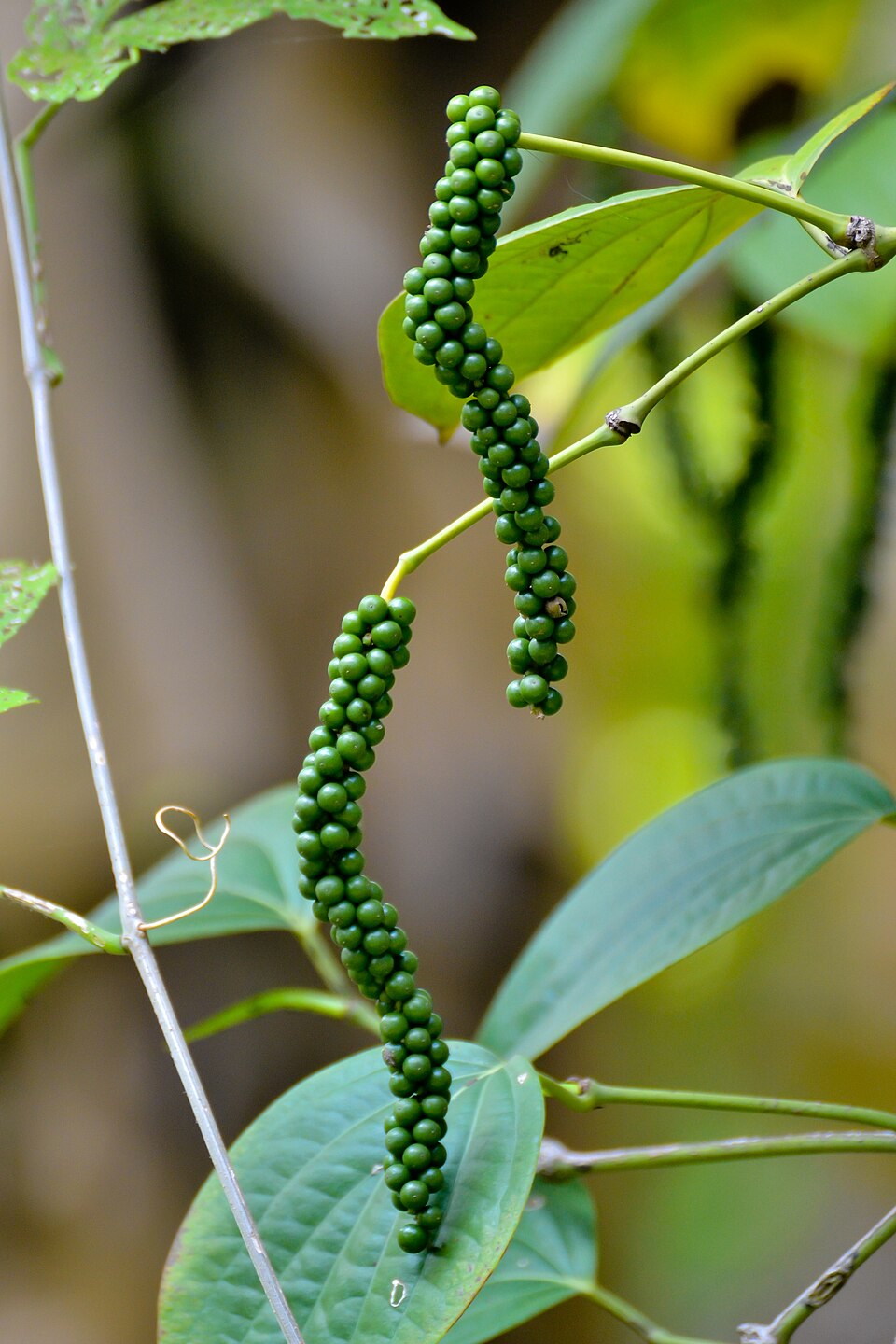
Before the Banda Islands massacre, there was the pepper trade, which set the template for everything that followed. Black pepper was so valuable in medieval Europe that it was used as currency, offered as tribute, and included in ransom demands - when the Visigoths sacked Rome in 410 AD, their ransom list included 3,000 pounds of pepper alongside gold and silver, because apparently even barbarian invaders knew quality seasoning when they saw it. The problem for European merchants was that pepper came from the Malabar Coast of India and got to Europe through a chain of Arab and Venetian middlemen, each taking a cut so substantial that by the time it reached northern Europe, pepper cost roughly its weight in frustration.
Portugal's solution was to cut out the middlemen, by which they meant sail to India and point cannons at people until a more favorable trading arrangement emerged. Vasco da Gama reached Calicut (modern Kozhikode in Kerala) in 1498, the first European to arrive in India by sea, and the reception was frosty from the start. The Zamorin of Calicut was unimpressed with the gifts da Gama offered - cloth and hats, which did not meet the standard expected for diplomatic negotiations with a powerful ruler - and negotiations collapsed. Da Gama returned with a fleet, bombarded the city, and extracted concessions through the application of naval artillery, which is one way to negotiate a trade agreement.
The Portuguese proceeded to establish a network of fortified trading posts along the Indian Ocean coast, seized the strategic port of Goa (which remained Portuguese territory until 1961, an arrangement that India had views about), and spent the next century enforcing their monopoly on the spice route with warships. The era of European colonial trade had begun, dressed up as commerce and powered entirely by the fact that someone in Lisbon wanted cheaper pepper. The consequences for local populations were not generally positive.
Tea: How Britain Accidentally Created the United States
The British relationship with tea is well-documented: they are extremely serious about it, have been since roughly the 1660s, and will defend certain positions about it (milk in first; milk in second; the concept of "builder's tea"; the unspeakable practice of making it in a microwave) with a vigor that borders on the alarming. Less well-documented is the role that this commitment played in the creation of the most powerful country in the world, which is arguably the most consequential cup of tea in history.
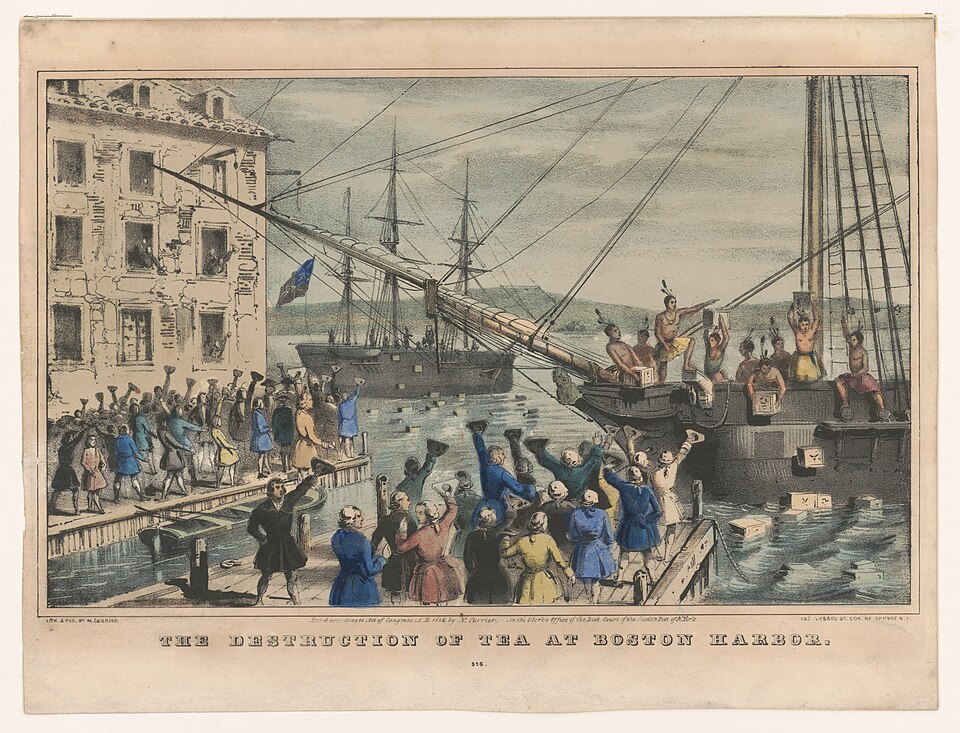
In 1773, the British government passed the Tea Act, which gave the struggling British East India Company the right to sell tea directly to the American colonies, cutting out the American merchant middlemen. The colonists, who had been agitating about taxation without representation for some time, saw this as another power grab - even though the new price actually made tea cheaper than it had been. The principle, they argued, was the problem. On December 16, 1773, a group of colonists dressed (unconvincingly) as Mohawk Indians boarded three ships in Boston Harbor and threw 342 chests of East India Company tea into the water.
The British response - the Coercive Acts of 1774, which closed Boston Harbor and imposed military rule on Massachusetts - proved to be a miscalculation of historic proportions. The colonists called them the Intolerable Acts. The First Continental Congress convened. The American Revolutionary War began. By 1783, Britain had lost its thirteen American colonies, the United States of America existed, and the world's balance of power had shifted permanently - all because of an argument about the correct tax rate on a hot beverage. Americans, it should be noted, drink rather a lot of coffee now, which is its own kind of commentary.
Sugar: The Wars That the History Books Don't Call Wars
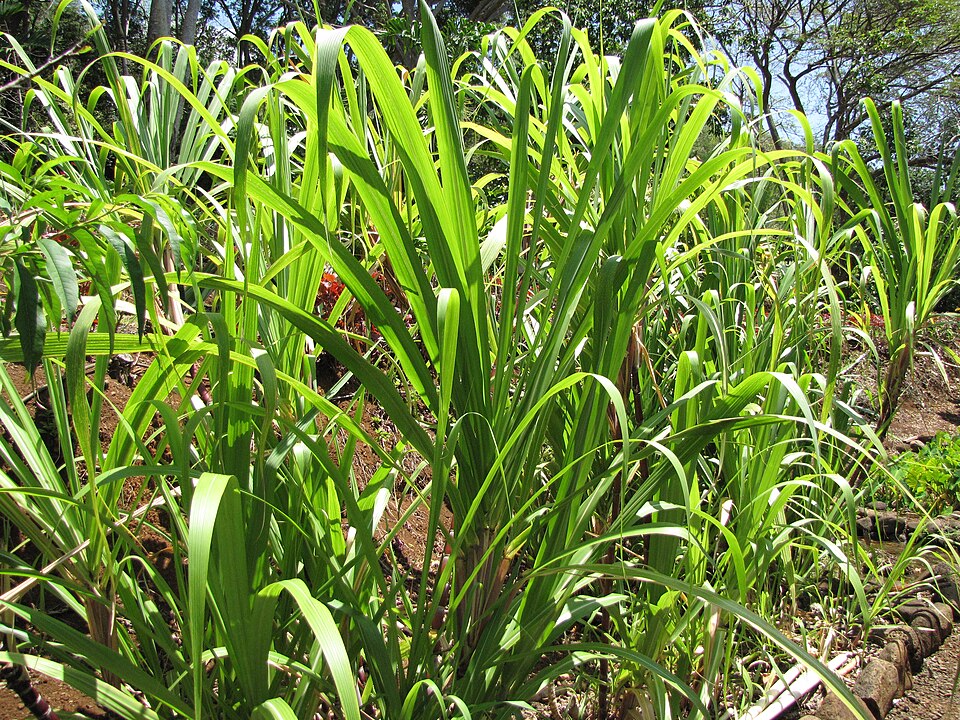
The Atlantic slave trade, which forcibly transported between 12 and 12.5 million Africans to the Americas between the 16th and 19th centuries, was fundamentally an agricultural labour supply system. What was being grown, primarily, was sugar. Caribbean sugar plantations required enormous, brutal workforces; the death rate among enslaved workers was staggering; and the trade was so profitable that European powers spent centuries fighting over the Caribbean islands that produced it, conducting what were essentially wars over who got to own which plantations.
The War of the Spanish Succession (1701-1714), the Seven Years' War (1756-1763), the French Revolutionary Wars, the Napoleonic Wars - all of these had a Caribbean dimension that was, from the perspective of the powers involved, at least as important as the European dimension. Britain and France spent decades fighting over islands like Guadeloupe, Martinique, and Saint-Domingue, and the peace treaties that ended these wars routinely involved trading territories back and forth based on their sugar production value. At the 1763 Treaty of Paris, Britain chose to keep Canada rather than Guadeloupe - a decision that caused genuine controversy at the time, because Guadeloupe was producing more revenue.
The Haitian Revolution (1791-1804), which turned Saint-Domingue into the first Black republic in the world and the first successful slave revolution in history, was fought in a sugar colony. Napoleon sent 50,000 soldiers to suppress it; yellow fever and Haitian resistance killed most of them; France gave up and sold Louisiana to the United States in 1803 to fund European campaigns instead. The sugar economy of a Caribbean island therefore also shaped the territorial boundaries of North America, which is a sentence that doesn't appear in most school curricula but probably should.
Cod: The War That Nearly Broke NATO
By the mid-twentieth century, you might have thought humanity had learned its lesson about starting wars over food. You would have been wrong, though to be fair, the Cod Wars were conducted with somewhat more restraint than the nutmeg genocide. "Somewhat" is doing real work in that sentence.
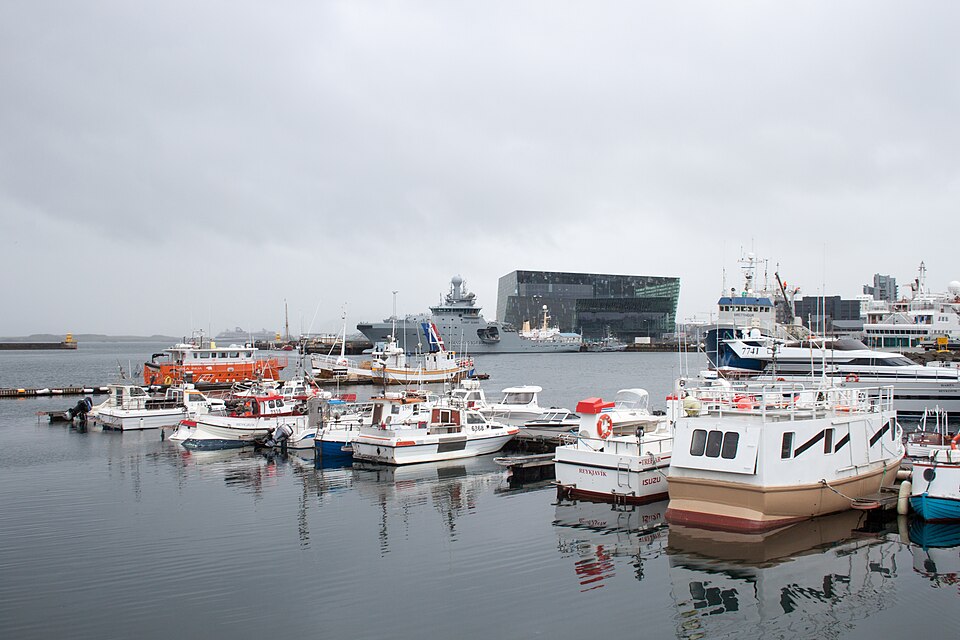
Between 1958 and 1976, Iceland and Britain engaged in a series of disputes - three of them, officially, each called a Cod War - over fishing rights in the North Atlantic. Iceland, whose economy depended on fish in a way that is difficult to overstate (cod constituted 50-80% of the country's export earnings in the 1950s), progressively extended its exclusive fishing zone from 4 miles to 12 miles to 50 miles to 200 miles. British trawlers, which had been fishing those waters for generations and which employed tens of thousands of people in ports like Hull, Grimsby, and Fleetwood, disagreed with this arrangement.
Disagreement, in practice, involved Icelandic Coast Guard vessels cutting the cables of British trawlers. British frigates escorting the trawlers into the disputed waters. Icelandic gunboats ramming the frigates. Iceland threatening to close the US military base at Keflavik and leave NATO unless Britain backed down. NATO, deeply uncomfortable with the prospect of losing an strategically crucial North Atlantic base over fish, pressuring Britain to concede. Britain, in 1976, conceded. The British fishing industry in those ports never really recovered. Visit Scandinavia today and cod remains an animating political subject in ways that will confuse visitors from landlocked nations.
Bonus: The Football War That Was Also Partly About Food
In July 1969, El Salvador and Honduras went to war. This conflict is widely known as the Football War or Soccer War, because it followed three World Cup qualifying matches between the two countries that were accompanied by riots. The name is catchy, the story circulates widely, and the role of football as a trigger is real. However - and this is the part that usually gets left out - the underlying cause was a Honduran land reform that had evicted an estimated 100,000 Salvadoran immigrants who had settled on Honduran agricultural land, many of them farming it. Those farmers were agricultural workers. They were expelled because of land. The land grew food.
The war lasted four days (July 14-18, 1969), involved air forces, ground invasions, and somewhere between 1,000 and 3,000 deaths, and resolved nothing. The two countries didn't sign a peace treaty until 1980. The underlying tensions around migration, land rights, and agricultural inequality in Central America continued long after the football and the bombs were forgotten.
The lesson, if there is one, is that food insecurity - specifically, who controls the land that grows the food - is one of the most consistent drivers of human conflict across all of recorded history. The spice traders knew it. The colonial powers knew it. Iceland knew it. And two Central American nations discovered it all over again in the summer of 1969, although the football was, admittedly, also genuinely annoying.
Have you visited any of the places where these food-fuelled conflicts played out? The Banda Islands are remote but extraordinary; Iceland's history is everywhere in Reykjavik; and Boston still makes it very easy to throw tea into the harbour, symbolically at least. We'd gently recommend not actually doing the last one.