Food, Transit, Weather: The 3 Factors That Actually Predict Whether You'll Love a City
There are people - sensible, intelligent people, people who balance spreadsheets and make excellent decisions in every other area of their lives - who book city trips based on whether the place looks good in photographs.
This is not a criticism. Photography is compelling evidence. An aerial shot of a city at golden hour, framed just right, with the correct number of boats in the harbour and the sky doing something photogenic, is difficult to argue with. It says: this place is beautiful. It may well be. But it tells you precisely nothing about the three things that will govern whether you actually enjoy your week there.
Those three things are food, transit, and weather - not whether these sound agreeable in a description, but whether they are genuinely good in the specific city, at the specific time of year, in the specific conditions you will experience. Not the ceiling of what the city can offer. The floor. The everyday, unremarkable experience of being there at 7pm on a Wednesday when the celebrated restaurant is full and you have to find something else.
These are the three factors. Here is why they matter more than any Instagram spot, and how to actually research them before you book.
The Food Factor (Which Is Actually the Most Important Factor)
You will eat three meals a day. In a week, that is 21 separate eating occasions - 21 opportunities to think either "this is wonderful" or "this is fine, I suppose." The arithmetic of food satisfaction is not complicated, and yet somehow nobody sits down before booking a trip and thinks seriously about it.
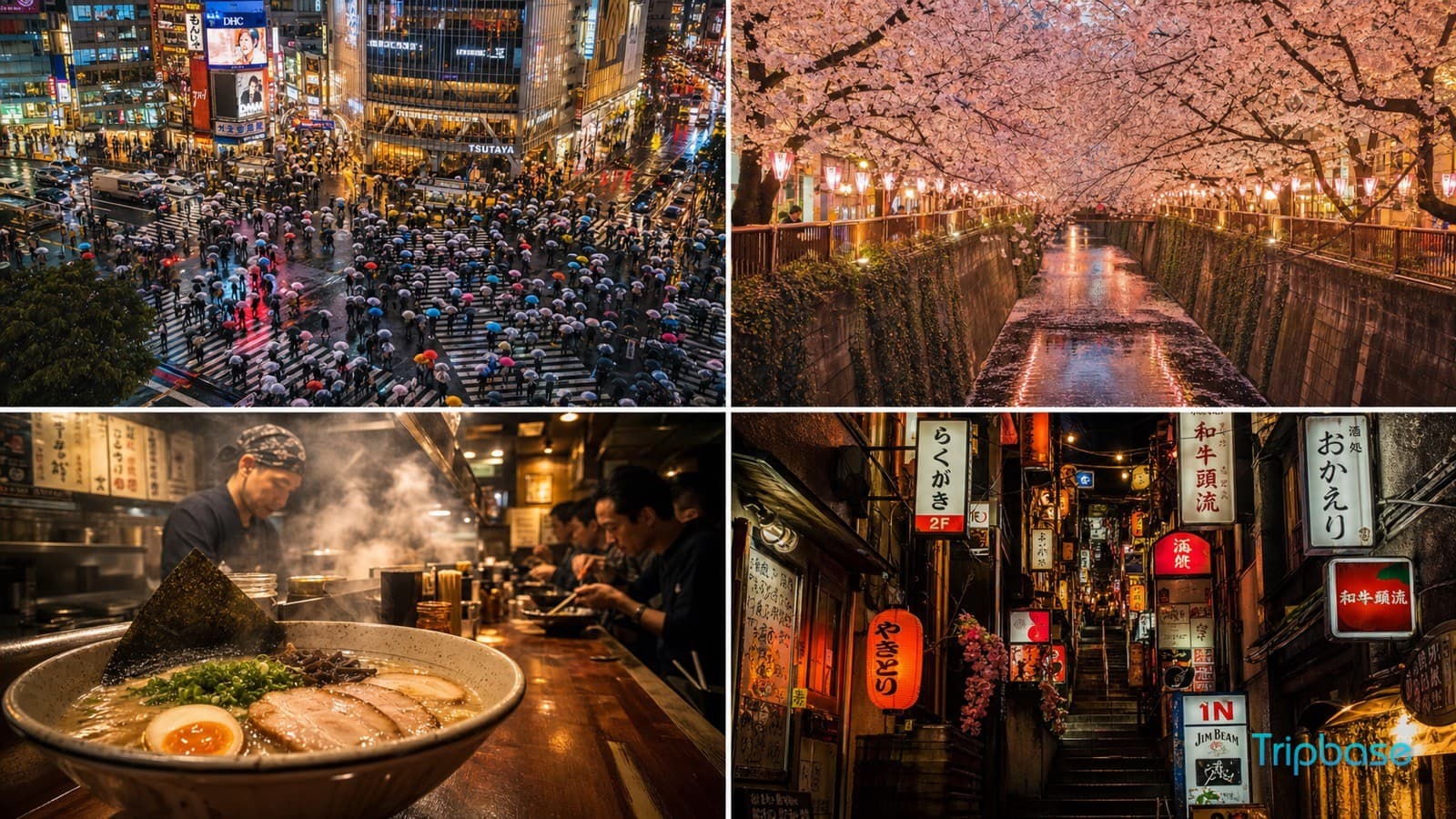
The cities where food reliably transforms a trip are the ones where the quality floor is high. Tokyo has more Michelin-starred restaurants than any other city on earth - by some margin - but this is almost the wrong measure, because Michelin stars are by definition an achievement of exceptional restaurants, and exceptional restaurants can exist anywhere if enough money is invested. What makes Tokyo extraordinary is not the ceiling. It's that even a mediocre ramen shop in a train station produces a bowl that many European cities would present as a destination dining experience and charge accordingly for. You cannot accidentally eat badly in Tokyo. You can eat cheaply and still eat well. This is the property that actually matters.
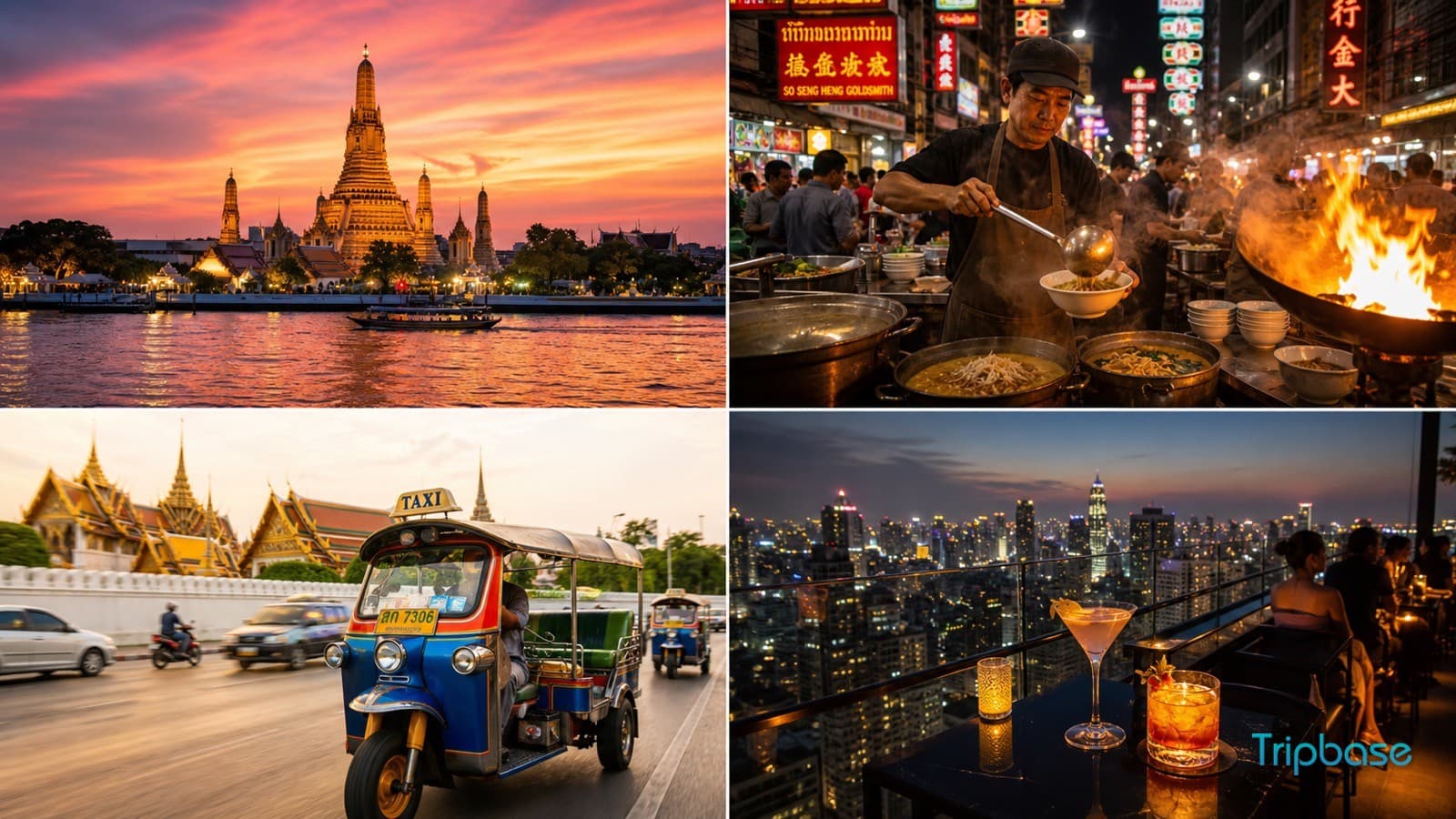
The same applies to Bangkok, where the street food culture means you can spend $3 and eat something that will permanently recalibrate your understanding of what a meal can be, and to Lima, which has quietly established itself as one of the most genuinely exciting food cities on earth (three restaurants in the World's 50 Best list, a cuisine that draws simultaneously on Japanese, Chinese, Spanish, and indigenous Andean ingredients, and a ceviche tradition that will haunt you for the rest of your life). In San Sebastian, the pintxos bars that line the old town operate on the principle that the baseline expectation of what constitutes acceptable food is set so high that it has become structurally difficult to have a bad meal. These cities share a common trait. They just don't share a continent, a climate, or a price point.
The research question to ask - the one that will actually tell you what you need to know - is not "what are the best restaurants?" Travel articles will answer this question in exhausting detail regardless of whether you ask. The question is: "If I ended up at the third result on Google Maps near my hotel because I was tired and hungry and the good place had a queue, would I be okay?" In Bangkok, almost certainly yes. In a number of otherwise agreeable European capitals (we will say London, and then stop there, and then not stop there), the answer is "yes, if your standards have been sufficiently softened by jet lag." This distinction will determine approximately a third of your daily holiday mood - more than the hotel, and considerably more than any photograph. For the full breakdown of which cities deliver at both ends of the price spectrum, see our guide on street food versus fine dining across global cities.
The Transit Question (Which Is Actually About Time)
Nobody goes to a city to spend time in a taxi. This is a statement of such obvious truth that it hardly needs making, and yet the single largest invisible variable in trip satisfaction - how long it takes to get from one place to another - is almost never included in any travel article, guide, or destination recommendation.
Transit infrastructure is effectively a time multiplier. Good transit gives you more city. Bad transit halves your day. Consider the daily itinerary of a visitor to Tokyo. The metro runs on 2-3 minute intervals, costs roughly $1.50 per journey, goes essentially everywhere, and requires neither a car, nor an app, nor an understanding of which side of the road things are on. A visitor can cross the city in 25 minutes. They can visit five or six distinct areas in a single day without any logistical heroism. This is transit infrastructure working as intended.
Now consider Los Angeles, which has the same latitude as the Mediterranean coast, the same year-round sunshine, and a genuinely interesting collection of museums and beaches and neighbourhoods. It also has a freeway network that, during peak hours (which constitute most waking hours), can turn a 10-mile drive into a 50-minute exercise in stationary contemplation. A visitor with 8 productive daylight hours in Los Angeles will spend between 2 and 4 of those hours in a car, depending on when they attempt to move and how many decisions they make about the 405. The effective city available to them has been quietly quartered by infrastructure. The photographs looked the same from the booking page.
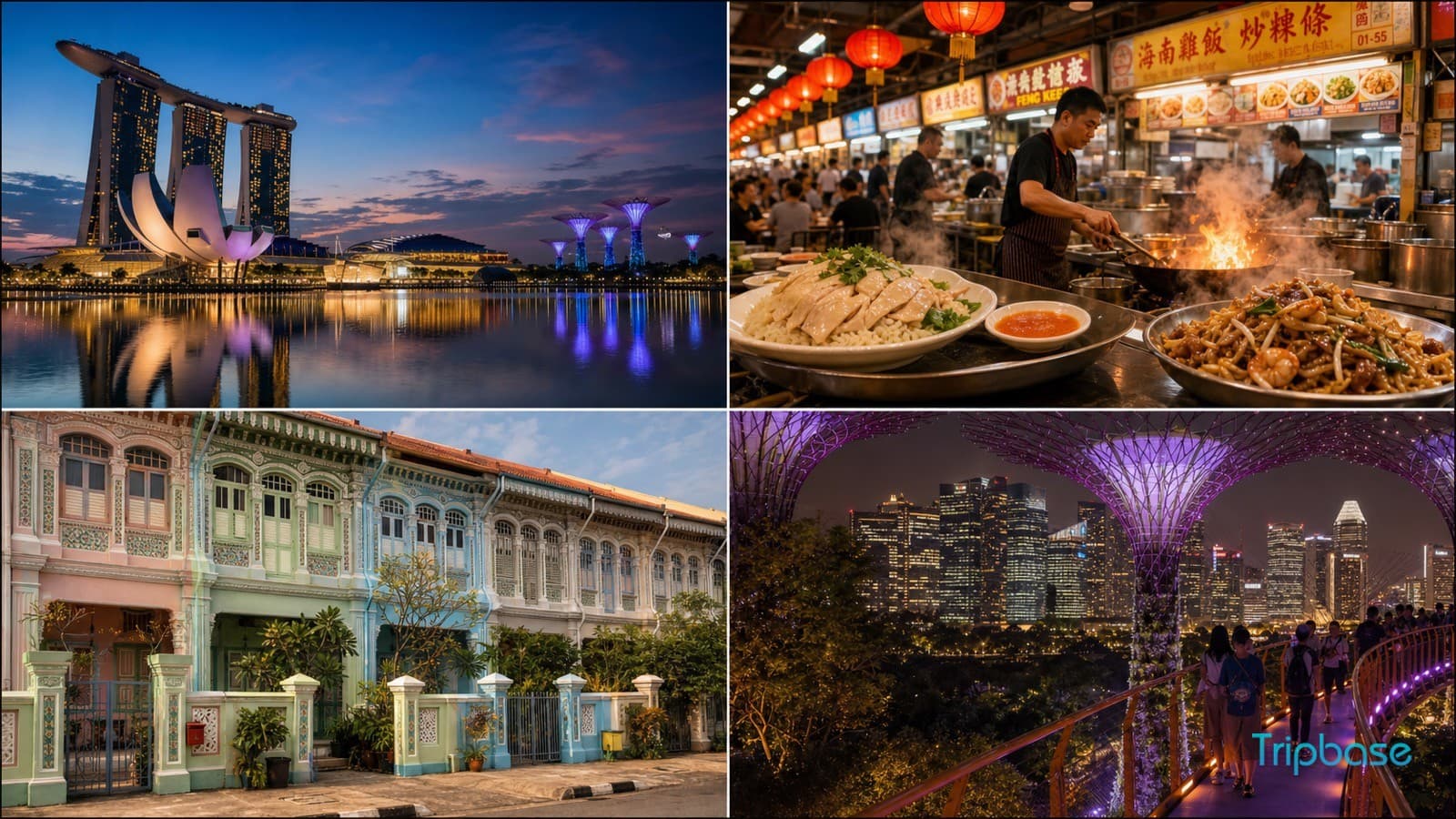
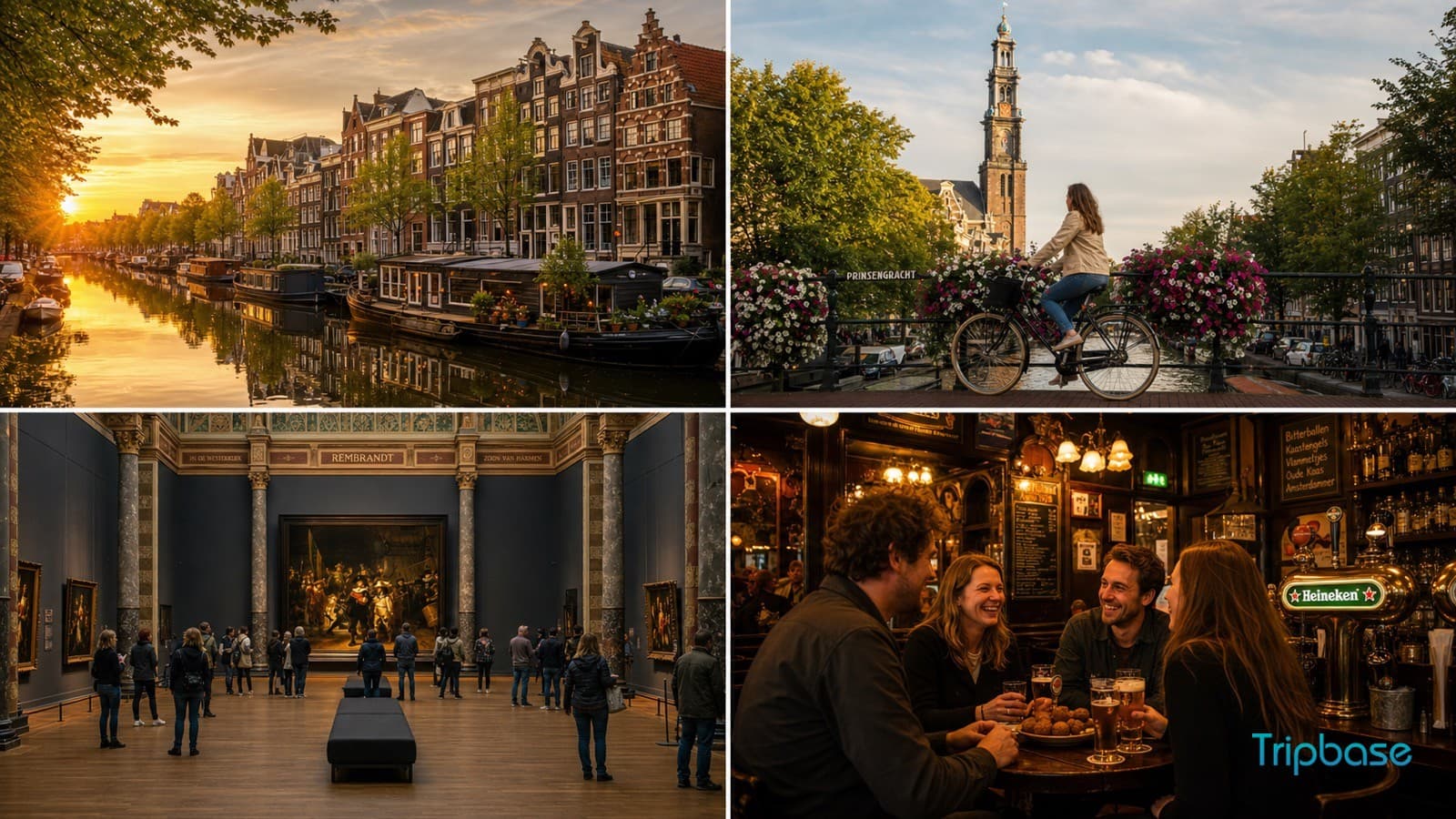
Singapore's MRT connects the airport to the city centre in 30 minutes for $2 and covers the city with the kind of comprehensiveness that makes you feel slightly guilty about how easy everything is. Amsterdam's combination of trams and cycling infrastructure means that almost nowhere in the city is more than 20 minutes from anywhere else, assuming you've sorted out the bicycle situation (which you should). Hong Kong's Octopus card system runs on a network that covers a frankly unreasonable amount of territory for a city of that density, at prices that will make you briefly reconsider your opinions about urban governance.
The research method is simple. Open the metro or subway map of the city you're considering. Check whether the major sites - the cultural district, the old town, the waterfront, the food market - are actually on the network. Check whether the network runs until late enough to support a dinner reservation. Check whether the map resembles a usable transport system or a few disconnected lines that cover the airport and the financial district and nothing else useful. The map will tell you, in approximately three minutes of scrutiny, whether this city is going to give you its time back.
The Weather Reality (Which Is Actually About Data, Not Averages)
Monthly weather averages are one of the most consistently misleading statistics in travel planning, and the industry has built an entire booking infrastructure on top of them.
A month with ten days of torrential rain and twenty days of brilliant sunshine will produce the same average precipitation figure as a month with thirty days of persistent, half-hearted drizzle. These months are experientially nothing like each other. The first one has weekends. The second one is an atmosphere - a grey ambient presence that settles over everything like a climate that has chosen to express a mild but continuous opinion about your presence. Average rainfall does not tell you which one you are booking into.
The more useful metrics, which take slightly more effort to find but are publicly available, are: sunshine hours per day rather than average temperature, the number of distinct rainy days in the month rather than total rainfall, and apparent temperature rather than actual temperature. The last of these matters enormously for anywhere with significant humidity.
Consider Bangkok in July: an air temperature of around 33°C, a relative humidity of approximately 80-85%, and an apparent temperature that the human body processes as considerably more hostile than either of those numbers individually implies. This is the "walking through warm soup" problem - a heat that presses against the skin with a physicality that mere temperature figures do not capture. Compare this with Dubai in the same month: 40°C, but dry, which is an entirely different physiological proposition. Both cities are hot. One of them is an experience that many visitors describe as energising, in a sauna-adjacent sort of way. The other is one that many visitors describe in tones suggesting they have reconsidered a number of things. Average temperature: unhelpful in distinguishing between these two experiences. Apparent temperature and humidity percentage: considerably more honest.
The other weather trap is conflating rain patterns with rain consequences. Tropical rain - the kind that arrives punctually at 4pm, performs aggressively for 40 minutes, and then stops entirely - is a planning variable but not a trip-ruiner. You have lunch inside. You emerge at 4:45pm into air that has been cleaned and slightly cooled and smells of rain on hot concrete, which is an experience many people travel specifically to have. The grey, ambient, non-committal drizzle of an Atlantic autumn is a different proposition. It does not schedule itself. It does not stop. It merely continues, at various levels of intensity, for the entire duration of your stay, which is a sentence that accurately describes London in November and parts of the Pacific Northwest in ways that the phrase "average rainfall 85mm" does not.
Before booking, look for sunshine hours per day. Look at the percentage of days with measurable rainfall, not total rainfall. Search for apparent temperature in the city during your intended month. If you're comparing destinations, the climate sections in destination comparison guides are built around exactly these metrics, specifically because "average temperature" is the data point responsible for the most expensive surprises in holiday planning.
The photographs will still be there regardless of when you book. The food quality and transit network will also still be there - they just need to be the thing you actually look at. Three factors. Five minutes of research each. The ratio of effort to outcome is, frankly, embarrassing.
Disclaimer: We are not meteorologists, transit engineers, or restaurant critics, and nothing in this article constitutes a guarantee that your trip will not be rained on, delayed, or presented with something disappointing on a plate. Research responsibly.