
Do You Make These 7 Body Language Mistakes When Traveling?
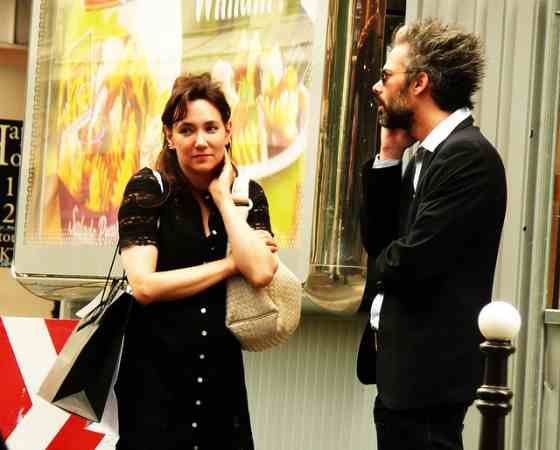
Body language is more important to travelers than many of us realize. The language your body is portraying to someone in another culture can mean the difference between them welcoming you with open arms and being extremely offended.
Also, locals’ body language, and what it means in their culture, can help you to understand when you are being accepted or being threatened.
Be sure to research the body language culture of countries before you visit them, but here are some of the most common body language mistakes you might not know you’re making:
1) Hand Signals
Be absolutely sure that you understand the different meanings of hand signals before you use them in a foreign country.
What can mean “okay” in one country-like the thumb and forefinger touching each other in a circle with the other three fingers up in the air-can mean a total insult in another.
The “peace” sign in the United States means “go to hell” in Greece, which is obviously a very different meaning.

Though this signal means “okay” in the US, it is considered a rude gesture in other countries, and may get you into trouble. Photo by quinet.
2) Head Nods
A typical Westerner will nod his or her head up and down in agreement. So it can be confusing if you are in India or Turkey and a person nods his or her head up and down when the person doesn’t agree.
That’s because the up-and-down nod indicates “no” in their culture. The typical indication of “no” in the United States-moving the head from side to side-means “yes” in India.
When you are bartering in a market, it is particularly important to know what the seller is indicating by the head nod.
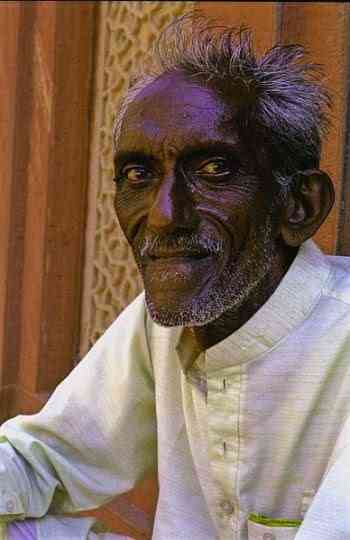
While in the West nodding up and down indicates agreement, in India, it means “no”. Photo by Barbara Millucci

3) Laughter
It’s generally assumed that to laugh means you are happy or pleased with something or someone. Not so fast though.
For example, if it is high-pitched, the laughter indicates nervousness in Japan. For the Japanese, just the act of smiling can mean a person is confused or angry.
Russians consider smiling at strangers in public as suspicious behavior, and random laughter may make them even more nervous.
According to world-renowned magician Leodini, Taiwanese rarely utter a sound during his magic shows, and his jokes are met with silence. But after the show, audience members will approach him and share their enjoyment.

Laughter usually means people are happy, but in some countries, it is meant to cover embarrassment. Photo by Peter Swain.

4) Eye Contact
While most Westerners consider eye contact to be a good introduction, the same is not true for many other countries. For Australian Aboriginals, it is a sign of respect to drop your gaze when talking to someone of high stature.
In many Middle Eastern countries, it is not acceptable to maintain eye contact between a man and a woman. Yet, sometimes men will try and make eye contact with Western women and will consider her reciprocating as a sign that she is interested. So ladies, beware.
In Latin American countries, extended eye contact often means a challenge of authority, so it is best to keep eye gazing to a minimum.
Flashing your eyebrow in Japan carries sexual connotations, or it might be thought of as downright rude.

Direct eye contact can be seen as disrespectful in many cultures, though eyes are considered the “window to the soul” in others. Photo by F.C.Photography.
5) Feet
Though we don’t tend to think much about what our feet are doing in the United States or Europe, those walking blocks can mean a whole lot more in other cultures.
In some Arab and Asian countries, showing the soles of the feet is considered rude and insulting. Also, don’t point your feet at anyone because that is considered similarly rude. Essentially, the feet are thought of as dirty.
Even in Europe, it’s generally not accepted to put your feet up on a table or desk, while this is much more acceptable in the United States.
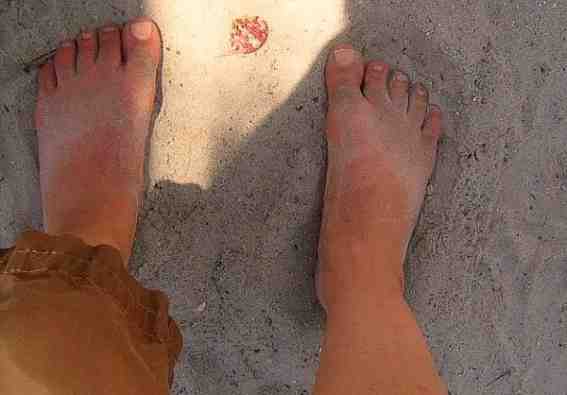
Feet are considered dirty in certain countries, so it is considered rude to point them in someone else’s direction. Photo by Joshb.

6) Right Hand Vs Left Hand
In Europe or the United States, if you are right-handed, you write, eat and take care of most functions with your right hand. If you are left-handed, you naturally do the same with the left hand.
But in Arab countries, there are very specific connotations for the different hands. The left hand is generally considered unclean, as it is associated with taking care of bodily functions. They would never dare to eat with the left hand, even if this hand was favored for easier use.
Arabs would also not touch anything or anyone important with the left hand for the same reason, so it is best to stick with the right hand as much as possible when visiting these countries.
Sorry, lefties.
Which hand you use to eat and touch others has differing importance in different cultures. Photo by Luisfi.

7) Kissing
Kissing certainly means different things to different people, even within the same culture. But there are some cultures that naturally kiss more, particularly as a greeting sign, while others generally prohibit it in public.
For example, Latin Americans and Southern Europeans often kiss both cheeks when saying “hello” or “good-bye” to a friend. But do not try to pull the same method when you visit Asian countries, as this sign of affection is strictly prohibited.
When it comes to kissing, it’s best to let the person from the country you are visiting take the lead.

Kissing the cheek is norm in some cultures, while others never kiss in public. Be sure to know what is acceptable in the country you are visiting. Photo by caseywest.
Which body language faux pas have you made? Did any ever land you in trouble? Let me know in the comments below.
If you liked this article, you might also like: 8 Ideals of Beauty from Around the World.
Main photo: Body language can help protect you or show you are in danger while traveling. Photo by malias.