The World's Strangest Food Festivals (That You Should Probably Attend)
Cooking is humanity's greatest gift. And food festivals are what you get when a civilization has mastered cooking, developed a surplus of tomatoes, and has the kind of community spirit that says: 'you know what would really bring people together? If we threw all of this at each other.' This list exists somewhere at the intersection of culinary tradition, extreme sport, and events that started with a bet nobody expected to win.
Every food festival on this list is real. Every injury, every animal participant, every kilogram of food hurled at another human being, is documented. If this reads as though someone wrote a fever dream about agriculture and then told a small town to make it an annual tradition - well. That is essentially what happened, in several cases literally.
We've covered plenty of foods that probably shouldn't exist and things the world calls delicacies. This is different. This is what happens when the food itself is not the problem - the problem is what we've chosen to do with it.
La Tomatina, Buñol, Spain
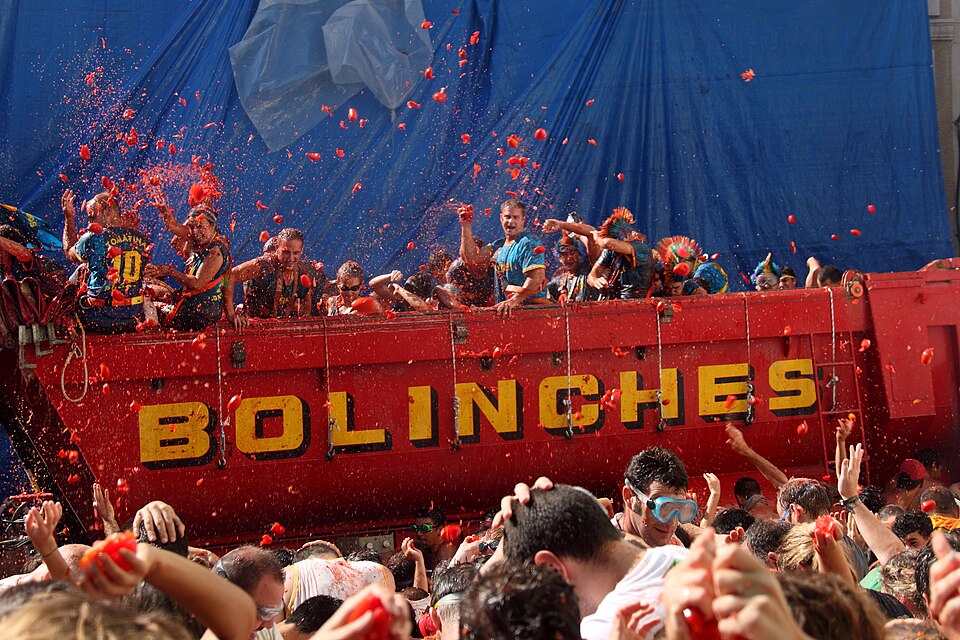
La Tomatina happens on the last Wednesday of August in Buñol, a small town in the Valencia region of Spain with a population of around 9,000 people who, for approximately 364 days a year, live perfectly normal lives. On the 365th, 20,000 people descend on the town square and hurl 150,000 kilograms of tomatoes at each other for exactly one hour. This is called a festival. It is considered a good time.
The origins of La Tomatina are disputed, which is perhaps inevitable when the central activity is pelting strangers with produce. The most popular theory is that it started in 1945 when a group of young people joined a parade, accidentally knocked a stall over, and began throwing tomatoes at participants they were unhappy with. This escalated annually until it became a civic institution. The Spanish capacity for turning an accident into a tradition is something the rest of the world should study more carefully.
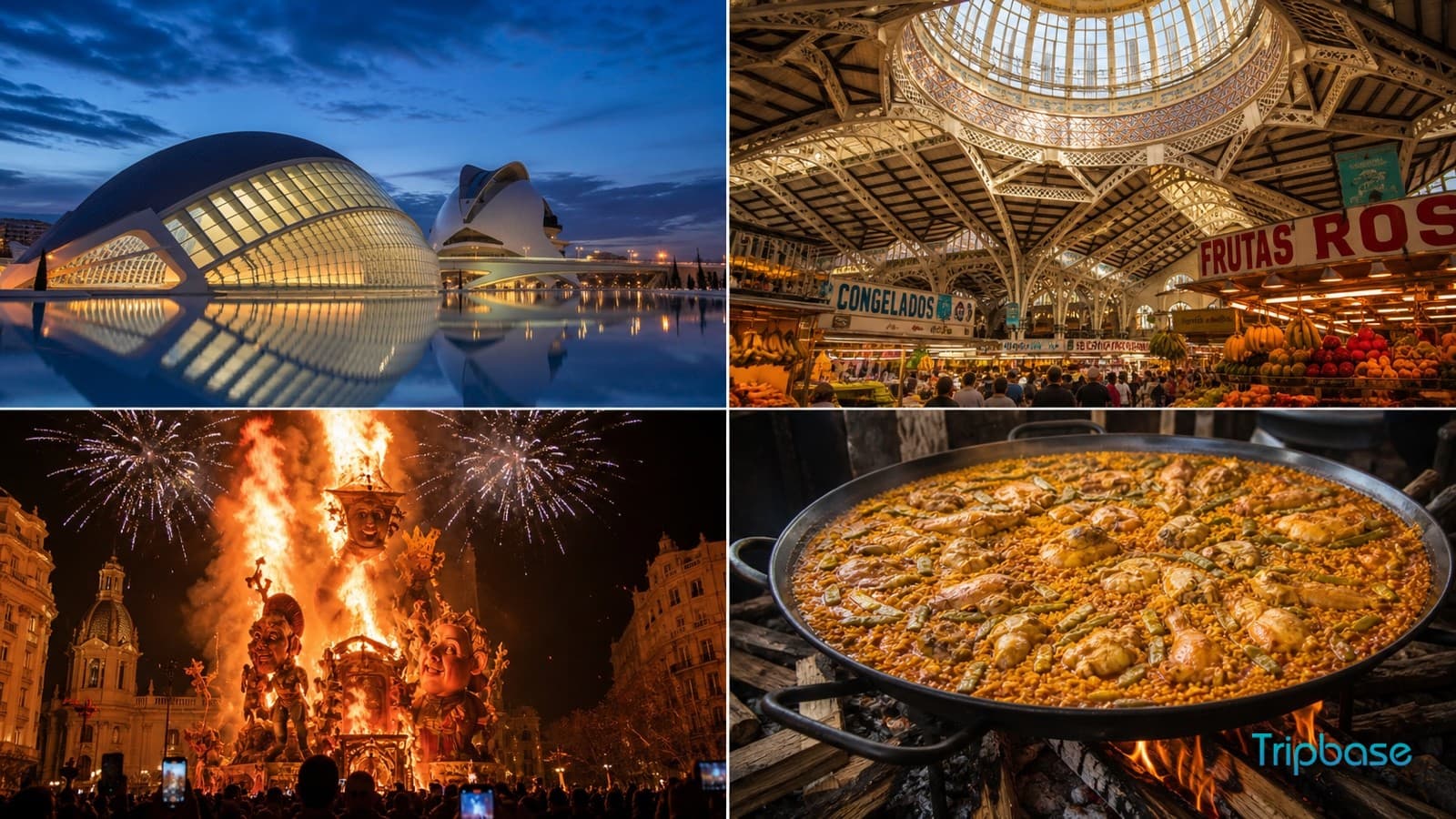
The tomatoes are specifically sourced from cheap, unripe stock from Extremadura - not because Buñol is economical about it, but because an unripe tomato thrown at speed is marginally less likely to take an eye out than a ripe one. Rules require participants to squash the tomatoes before throwing, which is a safety precaution that also looks, from any distance, like complete madness. Since 2013, attendance has been capped at 20,000 tickets to prevent the event from collapsing under its own enthusiasm. The Valencia region is the obvious base - the surrounding area gives you several days of considerably less chaotic Spanish culture to balance things out.
Cooper's Hill Cheese-Rolling, Gloucestershire, England
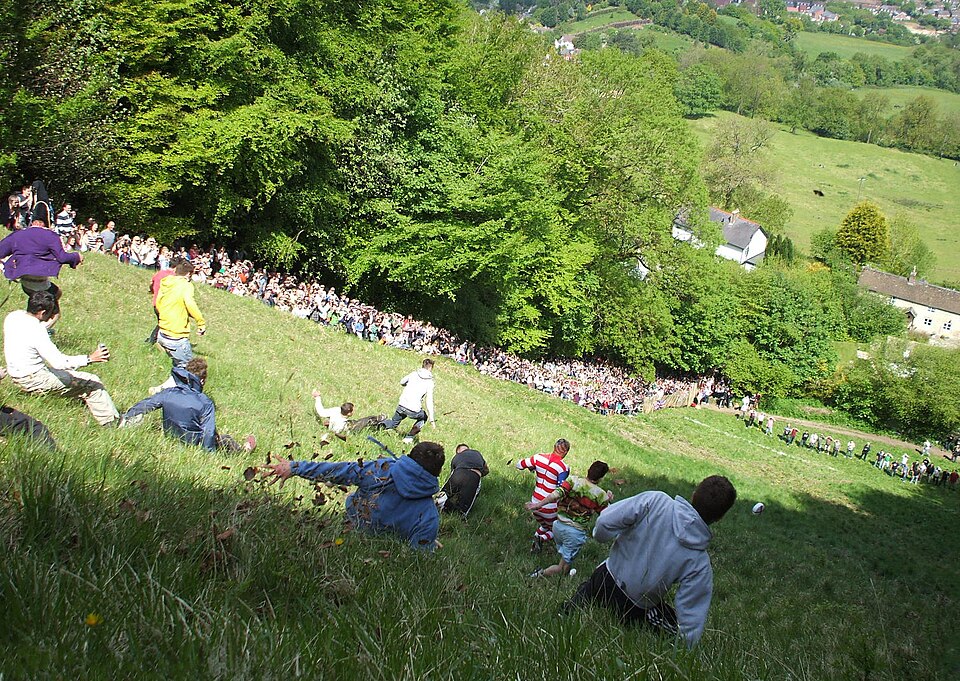
On a hill near the village of Brockworth in Gloucestershire, every spring, approximately 20 people hurl themselves down a near-vertical slope in pursuit of a nine-pound wheel of Double Gloucester cheese. The cheese is released first and reaches speeds of up to 70 miles per hour. The humans do not reach speeds of 70 miles per hour, but several of them reach speeds at which 'stopping' becomes a theoretical concept rather than a practical one. The winner receives the cheese, which is worth approximately £5 at retail.
The injuries sustained in pursuit of this £5 prize include broken ankles, concussions, dislocated shoulders, and in notable cases, broken necks. These are treated by a dedicated mountain rescue team and St John's Ambulance volunteers who attend every year because they are intimately familiar with the gradient. The cheese itself has been replaced with a foam substitute in recent years, because the original wheel was reaching the bottom before the first human had cleared the starting line - and even the organisers felt that a competition humans had no mathematical chance of winning was slightly unfair. The foam substitute, to be clear, still wins.
The event has been running for at least 200 years, possibly longer. Official organisers disbanded in 2010 citing liability concerns. The cheese-rolling continued anyway. Every year. Completely unsanctioned. Because nobody told the participants to stop, and because some traditions are too irrational to die. Combine it with a few days in London, two hours away and entirely indifferent to your cheese-related plans.
The Lopburi Monkey Banquet, Thailand
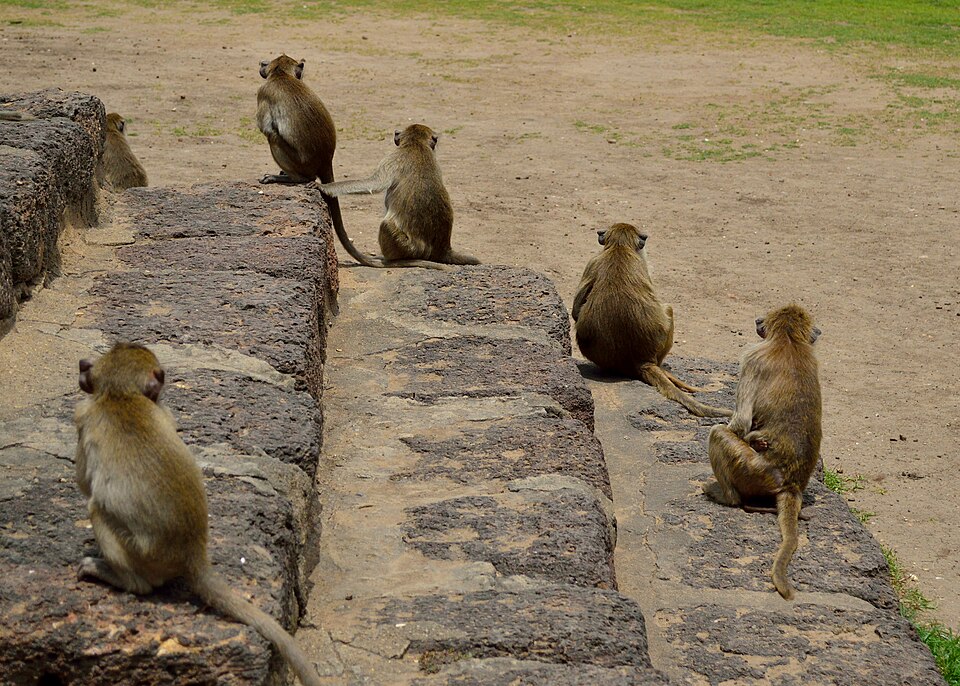
Lopburi is a city in central Thailand with a population of approximately 750,000 long-tailed macaques who happen to share the space with around 800,000 humans. The macaques are considered sacred under local Buddhist beliefs and have, over decades, established themselves as the unchallenged rulers of the old town, particularly the ruins of Prang Sam Yot temple, which they have occupied as permanent headquarters. The humans pay tribute in the form of food offerings. This is not a festival arrangement - this is Tuesday.
Once a year, in November, this arrangement becomes considerably more elaborate. The Lopburi Monkey Banquet sees over 4 tonnes of fruit, vegetables, sticky rice, ice cream, and candies laid out on specially constructed tables for the macaques, who respond with the measured gratitude and table manners of 2,000 animals who have never been told 'no' by anything larger than themselves. The festival was established in 1989 by a local hotel owner who correctly identified that feeding an enormous quantity of food to thousands of monkeys in a confined space would attract tourists. He was right.
The monkeys' relationship with Lopburi is not entirely diplomatic. During the COVID-19 pandemic, with tourists absent and the fruit supply reduced, the macaques formed rival gangs and began raiding restaurants, homes, and businesses in numbers that prompted authorities to consider population control measures. The Monkey Banquet is, among other things, a management strategy. For the broader Thailand experience, Bangkok is two hours south and has its own chaotic energy, though of a different variety and involving fewer macaques specifically.
Battle of the Oranges, Ivrea, Italy
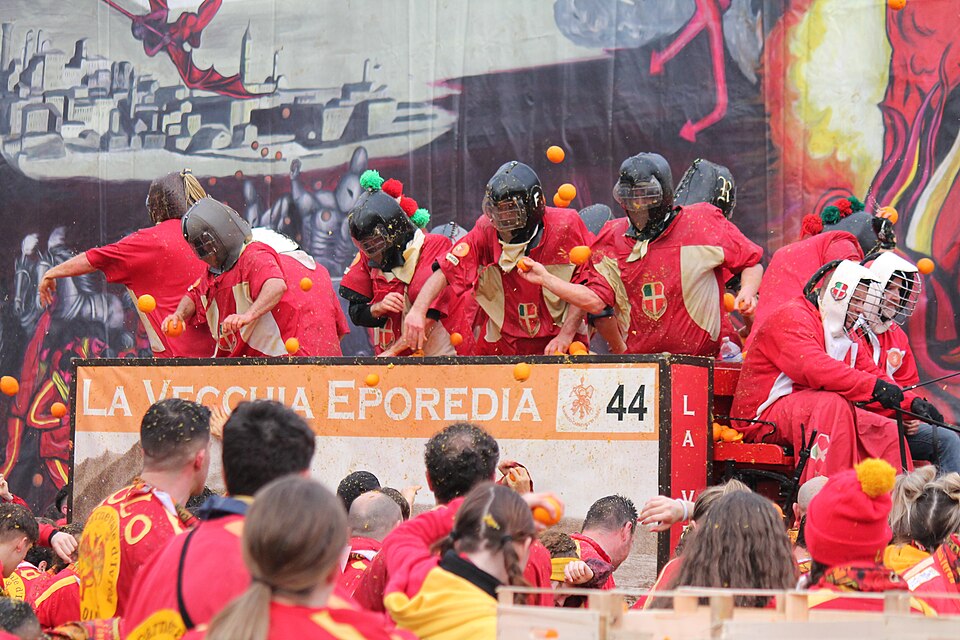
The Ivrea Carnival is one of the oldest in Italy. The Battle of the Oranges - the part where 400,000 kilograms of oranges are thrown at people - dates to the 19th century as a re-enactment of a 12th-century peasant revolt, in which the local tyrant was overthrown with extreme prejudice by the townspeople he'd pushed too far. History is complicated. The upshot is that nine squads of orange-throwers on foot (representing the victorious people) battle against horse-drawn carts (representing the tyrant's forces) over three days of increasingly orange-stained medieval theatre.
This is not a gentle festival. Participants on foot wear chainmail. The oranges are thrown at close range and with considerable conviction by people who have been doing this since childhood. The horse-drawn carts - which move through the crowd at speed - are a more alarming prospect than they sound in theory. Injuries are common and treated matter-of-factly, in the way that injuries at a battle re-enactment are treated when everyone knew the risks. Spectators are expected to wear a red Phrygian cap (the Berretto Frigio) to indicate they are observers rather than combatants, and accordingly should not be targeted. The oranges find them anyway.
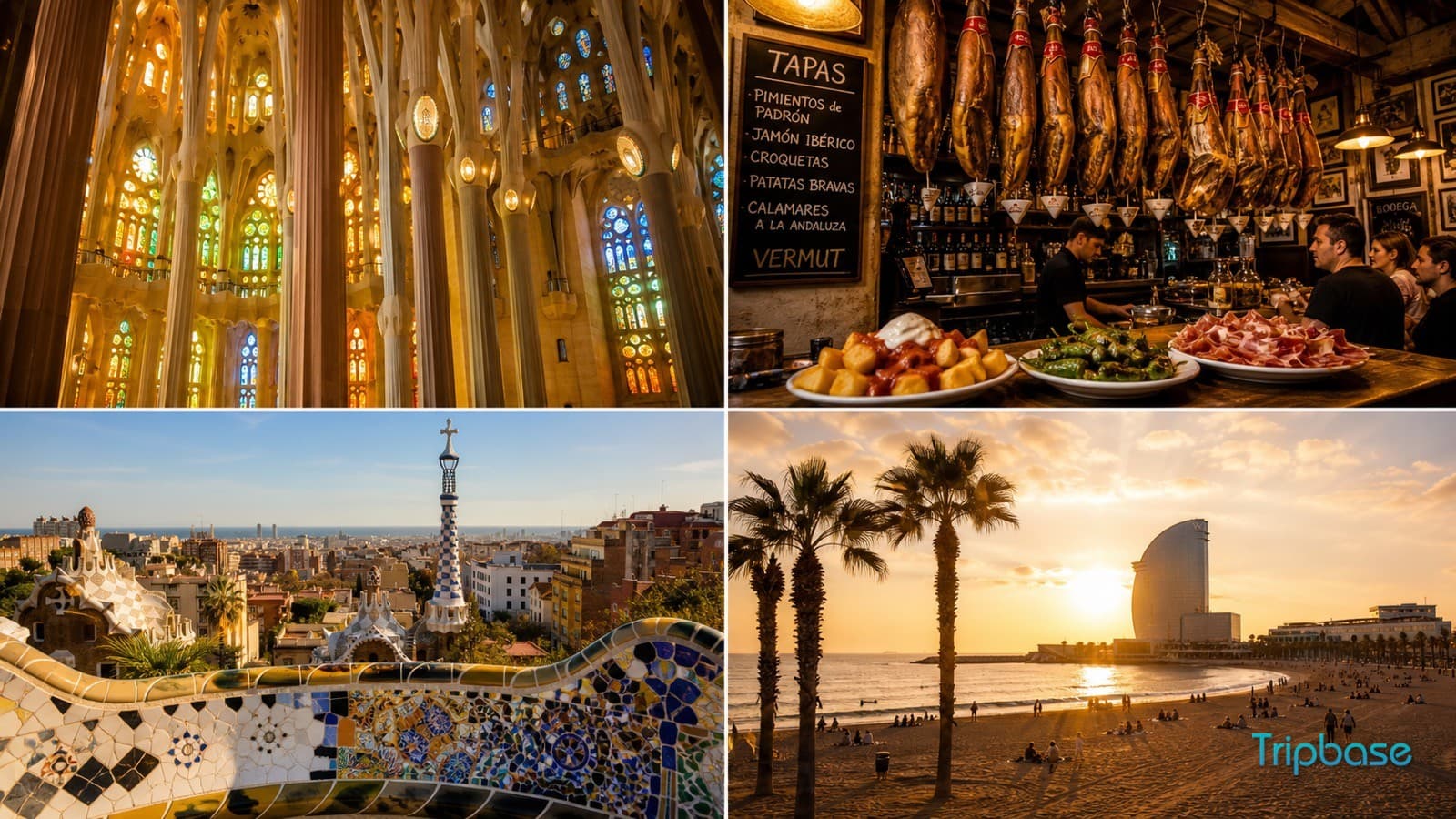
Approximately 40 million oranges are sourced from Sicily specifically for the festival, because the Piedmont region does not grow enough oranges to destroy at this scale. This is an annual logistics operation that the town considers entirely justified. An Ivrea trip pairs well with the broader Piedmont region, or - flying in from the west - with a few days in Barcelona on the way through Mediterranean Europe. Just leave the good coat at home.
World Nettle Eating Championship, Dorset, England
Somewhere in Marshwood, Dorset, there is a pub called The Bottle Inn. Since 1986, this pub has hosted the World Nettle Eating Championship, in which contestants eat as many raw stinging nettles as they can in one hour. The current record is approximately 80 feet (24 metres) of stinging nettle stalks consumed in 60 minutes. This number represents, if we're being honest, a deeply worrying quantity of stinging nettles.
The stinging nettles sting. This is not a side effect neutralised by willpower, competitive spirit, or the ambient atmosphere of Dorset. Contestants develop blistered mouths, stinging tongues, and what can only be described as a conflicted relationship with plant-based food. They are offered sorrel as a natural antidote, which most refuse on the grounds that accepting relief would be contrary to the spirit of the competition. The correct technique, for anyone considering this, involves rolling the nettle leaf lengthwise and crushing it against the roof of the mouth before swallowing - which reduces but does not eliminate the sensation of eating something that would prefer not to be eaten.
The festival originated in 1986 when a local farmer, disputing whose nettle stalk was longest, bet a neighbour that the neighbour couldn't eat it. The neighbour ate it. This was considered a satisfying resolution to the disagreement, until the following year when someone suggested doing it again, officially, with rules and spectators. It is now one of the more improbable recurring events in the English calendar, which is impressive given the competition. Check out our roundup of bizarre things that are somehow legal for further evidence that Britain operates under its own logic. For the surrounding West Country, London is the obvious gateway - though the nettles grow considerably better in Dorset, which is either a selling point or a warning.

There's a theory, mostly held by anthropologists and people who've eaten too many nettles, that food festivals exist because they transform eating from a private necessity into a shared spectacle - turning surplus (tomatoes in August, oranges in winter, nettles in summer, the goodwill of a town's monkey population) into theatre. The fact that the theatre sometimes involves serious injury and a mountain rescue team is, if anything, evidence that the theory is correct. We do not do this because it's easy. We do it because it's something to do together, and because tradition, once started, is considerably harder to stop than a wheel of Double Gloucester cheese on a 1-in-2 gradient.
Disclaimer: We are not doctors. We accept no responsibility for injuries sustained while chasing cheese, absorbing oranges at close range, eating things that actively resist being eaten, or attending a monkey banquet without reading the briefing carefully enough. The relevant emergency services are well aware of each of these situations. They will know where to find you.