The Most Unusual Hotels You Can Actually Book Tonight
The travel internet is full of "world's most unusual hotels" articles featuring concept designs that never got built, properties that burned down in 2014, and at least one structure that exists only as a render in an architect's portfolio.
This is not that article. Everything here is real, bookable, and operating right now - which matters because the gap between "existed as a viral photo" and "you can sleep there" turns out to be substantial. What follows is a tour of genuinely strange places to spend a night, with honest assessments of which ones justify the price and which ones you should admire from a safe distance on social media without spending your annual leave on them.
ICEHOTEL, Jukkasjärvi, Sweden
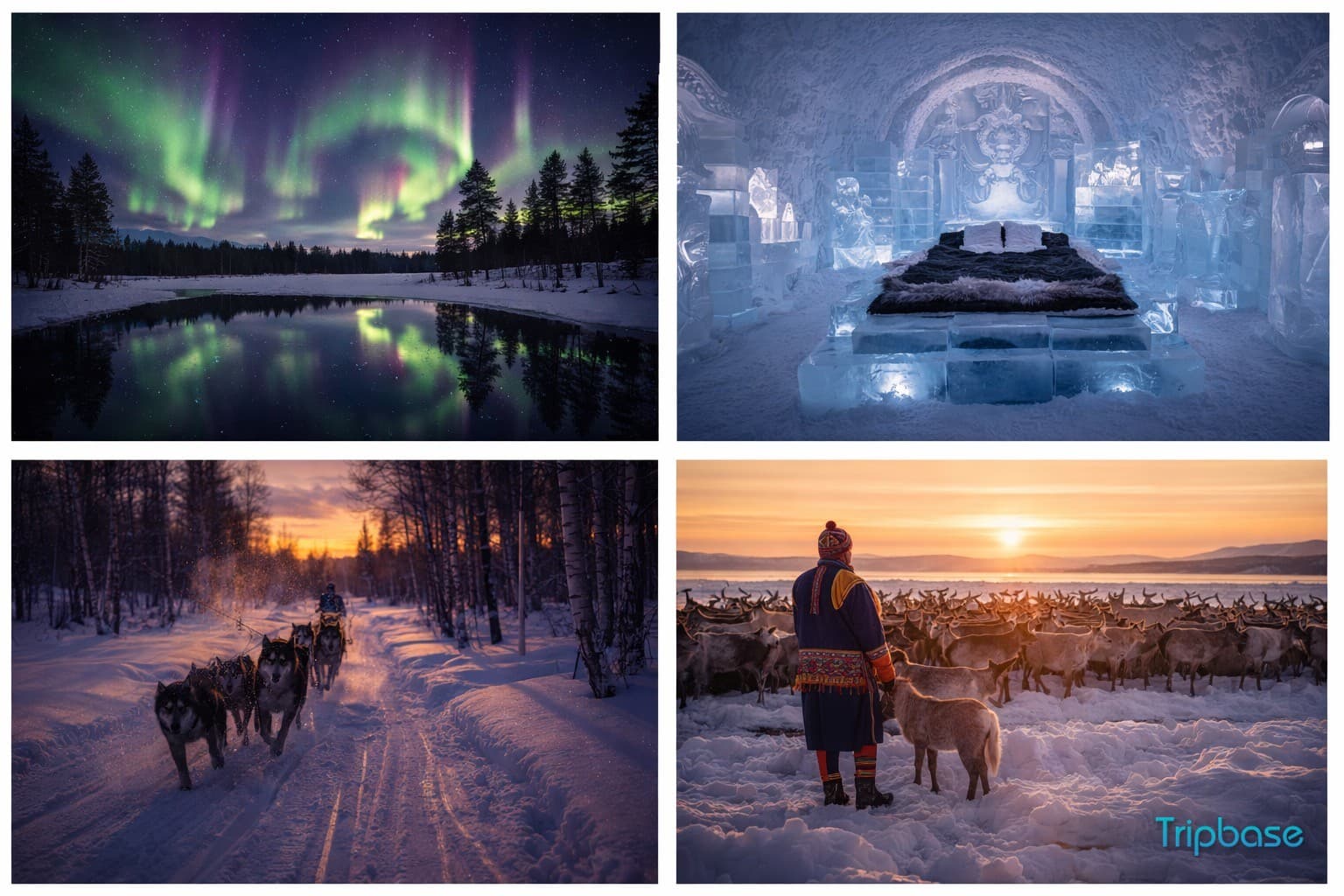
The original ice hotel, operating since 1990 in a small village in Swedish Lapland, is the one that made every other entry on this list possible. ICEHOTEL is rebuilt from scratch every year using 2,000 tons of ice harvested from the Torne River, opens in December, and melts back into the river in April. There is also a permanent section (ICEHOTEL 365) kept at -5°C year-round for those who cannot visit in winter, which raises the question of what exactly you are optimizing for if you are traveling to the Arctic Circle in August.
The rooms are maintained at -5°C to -8°C. You sleep in a sleeping bag rated to -30°C, on a bed made of ice, under reindeer hides. The bathroom - and this is the moment where the fantasy and the reality have a frank conversation - is in a warm building nearby, which you access in the middle of the night by putting on everything you brought. The art suites, carved by invited artists from around the world, are genuinely extraordinary; the standard rooms less so, which is true of most hotels but feels more pointed when you are paying to be cold.
Is it worth it? Yes, once. The experience of lying in a room sculpted entirely from ice, with a glass of aquavit that stays cold without effort, while the Northern Lights do their thing outside, is one of those nights you will be describing to people who didn't ask about it for the next decade. Book the art suite and treat the warm chalets on-site as the backup accommodation plan, which they effectively are.
The Underwater Room, Pemba Island, Tanzania
Manta Resort on Pemba Island, off Tanzania's northern coast, offers a floating structure in the Indian Ocean with a bedroom positioned two meters below the waterline. You take a short boat ride to reach it, descend a ladder, and find yourself in a glass-walled room at the bottom of the sea, with fish swimming past at eye level and the bioluminescent plankton outside turning the water into something from a particularly well-funded nature documentary. There is no minibar. There is no room service. There is a radio to call the mainland. The ocean does the rest.
The structure has a rooftop deck for sunbathing and a lounge area at sea level, so you are not entirely committed to submarine living. What you are committed to is the fact that the waters around Pemba Island are extraordinarily clear, teeming with marine life, and about as far from a Marriott as it is physically possible to be. It costs roughly $1,500 per night. Flights to Pemba are complicated. None of this has dampened demand, which suggests people's relationship with the ocean is more nuanced than the sharks article would imply.
Is it worth it? If you have ever lain awake wondering what it would be like to sleep at the bottom of the sea, this is a controlled environment in which to find out. If you are booking it primarily for the Instagram post, the photo comes out well and you will have paid $1,500 for it, which is your business.
Capsule Hotels, Tokyo, Japan
The Tokyo capsule hotel - which began in 1979 as a solution to salarymen who had missed the last train and could not face the commute - has evolved into something significantly more interesting than its origins suggest. The modern incarnation, particularly at properties like 9 Hours in Shinjuku or First Cabin near most major train stations, is less "storage unit for humans" and more "extremely efficient precision-engineered sleep pod with better ventilation than most budget hotels."
Each capsule is roughly 2 meters long, 1 meter wide, and 1 meter tall - enough for sleeping and not much else, which is the point. They include a mattress, controlled lighting, a small screen, power outlets, and a reading light. Facilities are shared and, in Japanese hotels, immaculate. The experience of lying in your pod listening to the sounds of a city that has absolutely no interest in your comfort is, paradoxically, one of the better night's sleeps available in Tokyo.
Is it worth it? At ¥3,000-5,000 per night (roughly $20-35), it is one of the most honest value propositions in travel: you get exactly what you pay for, precisely measured, nothing more. If you are claustrophobic, the answer is no. If you are taller than 190cm, the answer is also no, and you should have planned ahead.
Cappadocia Cave Hotels, Turkey
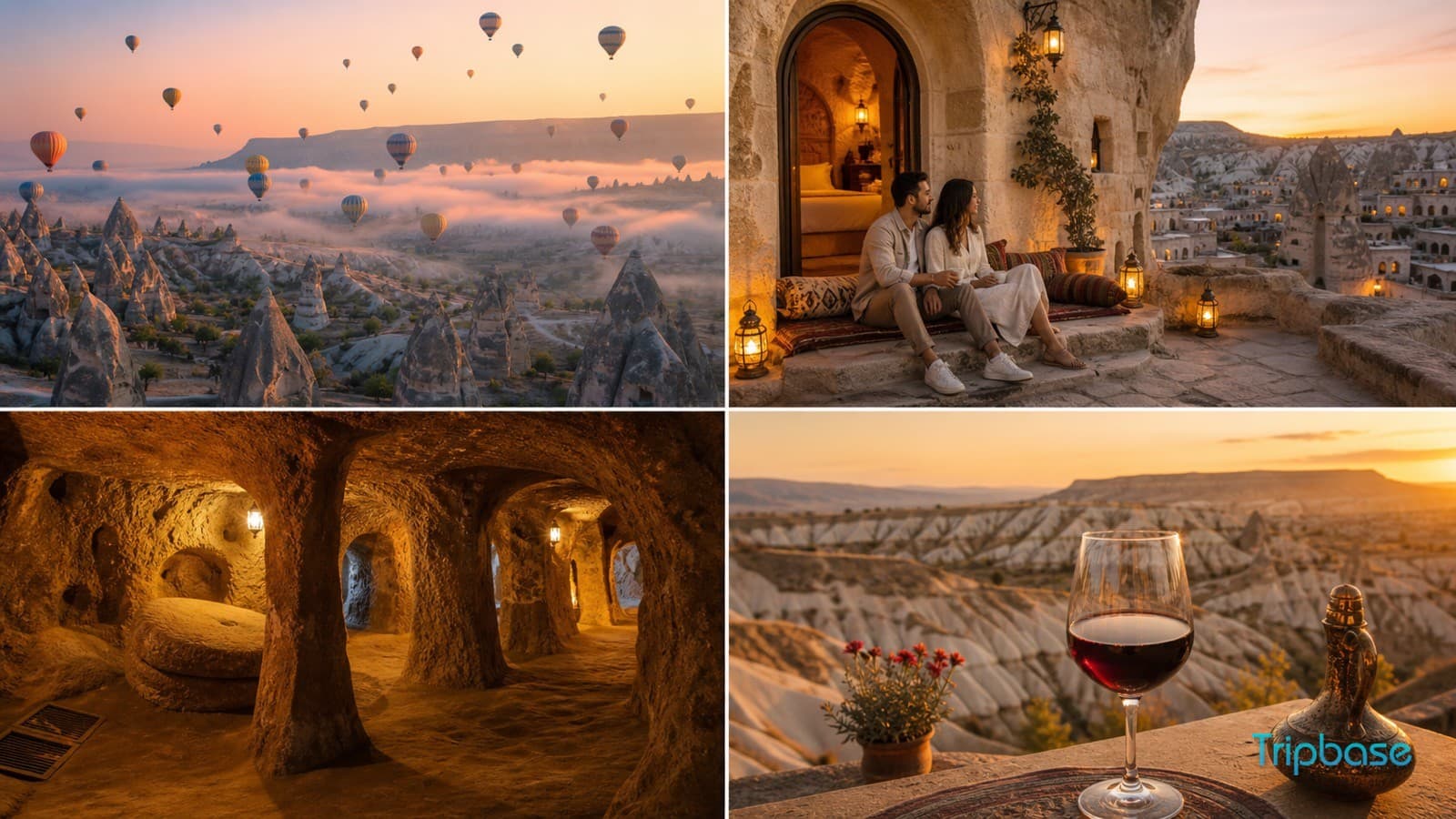
Central Cappadocia's volcanic landscape - all fairy chimneys, tufa formations, and valleys that look designed by someone who had never seen a normal landscape and was improvising - has been inhabited since the Bronze Age, largely because the soft volcanic rock is straightforward to carve into. People carved rooms. Rooms became churches. Churches became cave cities. Eventually someone put thread counts on the linens and started charging nightly rates, and now the cave hotels of Cappadocia are genuinely among the most atmospheric places to sleep anywhere in Europe or the Middle East.
Properties like Argos in Cappadocia and Kayakapi Premium Caves in Urgup occupy spaces that have been carved and used for centuries, with modern plumbing added in a way that only occasionally reminds you that you are sleeping in a hole in a cliff. The natural insulation of the tufa rock means rooms are cool in summer and warm in winter, which is a sustainable architecture solution that took humanity several thousand years to start charging premium rates for.
Is it worth it? Unequivocally. The combination of the landscape, the history embedded in the walls, and the experience of waking up in a room that was cut from rock before the printing press existed is not replicated elsewhere. The hot air balloon flight over the valleys at sunrise costs extra and is separately worth every lira. Our guide to genuinely extreme experiences notes that the roads to some of the more remote cave properties are their own adventure.
Kakslauttanen Arctic Resort, Finland
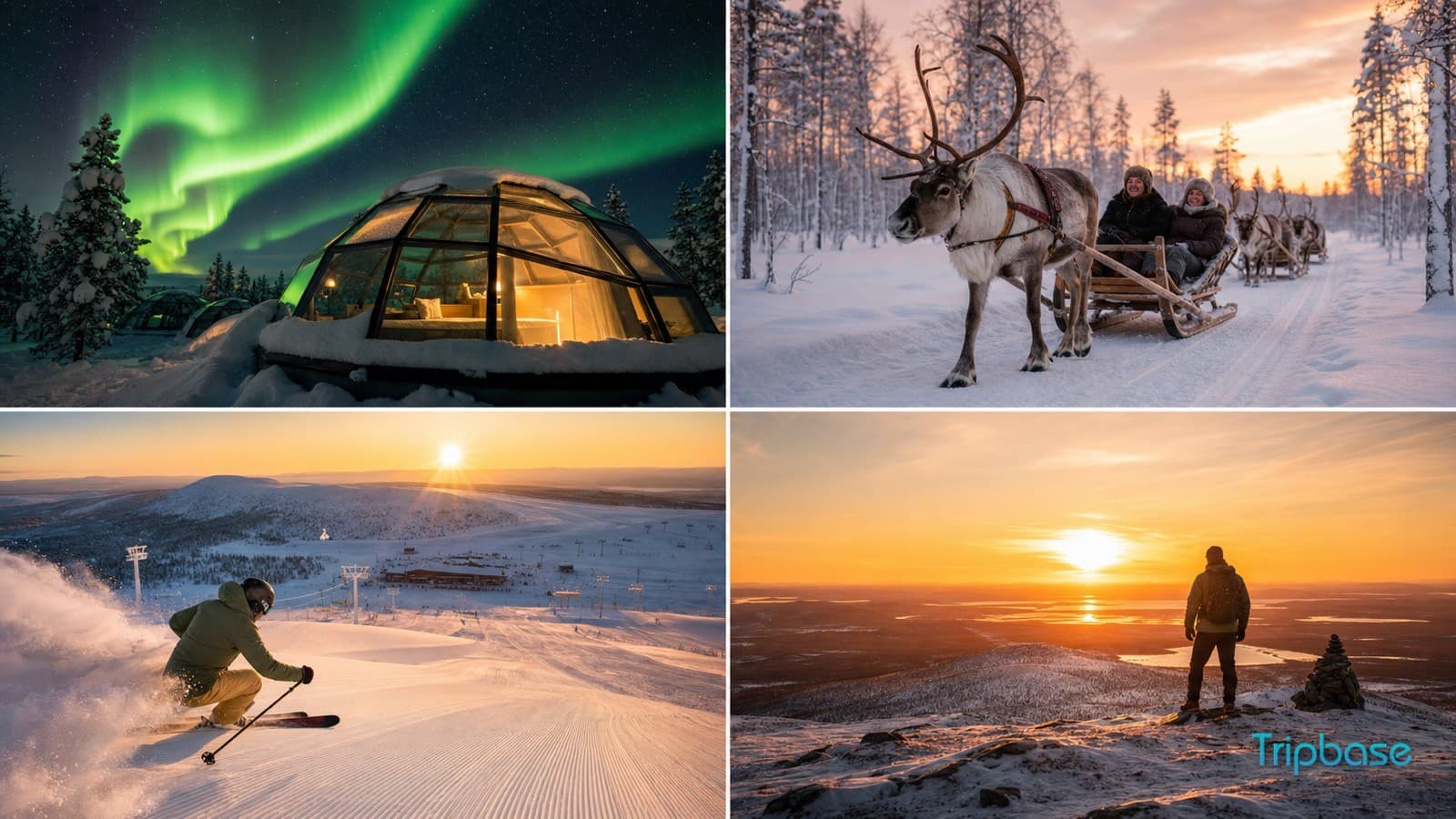
The glass igloo, floating somewhere in the Finnish internet between "luxury accommodation" and "transparent tent in -30°C weather," has been photosynthesizing viral content since approximately 2012. Kakslauttanen Arctic Resort in Finnish Lapland is where the image originates: a cluster of geodesic glass domes, each containing a bed and a 360-degree view of the Arctic sky, positioned in a landscape that provides Northern Lights approximately 150 nights per year.
The thermal glass keeps the interior at a reasonable temperature while remaining transparent, which answers the practical question before you ask it. You lie in bed and look directly up at the Aurora Borealis while inside a warm room, which is either the point of visiting the Arctic or a profound betrayal of what the Arctic is actually like, depending on your philosophical position on comfort versus authenticity. There are also traditional log cabins and smoke saunas if you want the full Finnish experience, which involves being extremely hot and then extremely cold and claiming it is good for you.
Is it worth it? The glass igloos book out 12-18 months in advance and cost upward of €300-600 per night, so the question of whether it is worth it will be answered by the Northern Lights, which have not yet agreed to perform on demand. If they appear, it is worth it. If they don't - which happens - you have paid a meaningful sum to sleep in a geodesic dome in a Finnish forest, which is still more interesting than most hotel rooms but not quite the promised spectacle. Travel insurance for disappointed Aurora seekers is not yet available.
The Palacio de Sal, Bolivia
The Palacio de Sal on the edge of the Salar de Uyuni - the world's largest salt flat, covering 10,582 square kilometers of the Bolivian altiplano at 3,656 meters above sea level - is a hotel constructed almost entirely from salt blocks. The walls are salt. The floors are salt. The furniture is salt. The decorative sculptures are salt. There is a sign asking guests not to lick the walls, which suggests previous guests required this instruction.
The altiplano surrounding Uyuni is extraordinary in a way that photographs communicate imperfectly - a landscape of such geometric flatness and such strange light that it routinely causes people to doubt their own perception of depth and distance. The hotel sits at the edge of this, offering sunsets over an infinite white plain that turns gold, then pink, then dark, in a sequence that is difficult to be cynical about even with practice. The altitude, at 3,656 meters, causes enough light-headedness in the first day that some of the existential quality of the landscape might be partly physiological.
Is it worth it? Yes, though the salt construction means the rooms are on the basic side - you are paying for the location and the experience, not for the thread count. The Salar de Uyuni alone warrants the journey. The hotel made from its primary material is a suitably absurd way to sleep there.
Converted Prison Hotels: Yes, Several
The prison-hotel industry is more robust than you might expect. The Liberty Hotel in Boston occupies the 1851 Charles Street Jail, a building whose original brick cells have been converted into rooms and whose atrium - once the exercise yard where inmates circled beneath the eye of guards on overhead walkways - is now a bar called Clink (because someone in the branding meeting thought of it and nobody said no). The Langham Melbourne occupies a converted 1845 jail. Jailhotel Löwengraben in Lucerne, Switzerland, allows guests to sleep in actual cells with the original doors intact, which either appeals to you or suggests a different kind of vacation entirely.
The Liberty Hotel in particular is a remarkable building - the Charles Street Jail was designed by Gridley James Fox Bryant and is a National Historic Landmark. The rooms in the main jail tower have 14-foot ceilings and arched windows, which are considerably better cell conditions than the original occupants experienced. The hotel's bar menu includes cocktails named after former wardens. The humor throughout is consistent and slightly too pleased with itself, which is probably the right note to strike when you are asking people to pay $400 a night to sleep in a reformed Victorian prison.
Is it worth it? The Liberty is an excellent hotel in a beautiful building in a good location, and the history is a bonus rather than a gimmick. Jailhotel Löwengraben is considerably more committed to the bit - the cells are genuinely spartan - and is worth visiting for the experience rather than the comfort.
Treehouses That Are Serious About It
The treehouse category is vast and contains multitudes. On one end: platforms with mattresses that wobble when the wind picks up, positioned in trees of dubious structural confidence, booked through platforms that use the word "glamping" without irony. On the other end: Treehouse Masters-engineered structures with plumbing, electricity, private decks, and views that make you understand why humans spent millennia climbing things.
The Canopy Treehouses at Inkaterra Machu Picchu in Peru sit in cloud forest above the Sacred Valley, surrounded by orchids, hummingbirds, and the kind of misty highlands that make Peru feel genuinely mythological. The Hapuku Lodge treehouses in Kaikoura, New Zealand, sit 10 meters above native bush with views of both mountains and sea, which is the architectural equivalent of getting everything right simultaneously. Both have full amenities and cost accordingly.
Is it worth it? Entirely dependent on which treehouse. A good treehouse in the right location is one of the best accommodation experiences available. A bad treehouse in a suburban garden with an extension cord running from the house is not. The gap between these two things is why you should read more than the headline before booking.
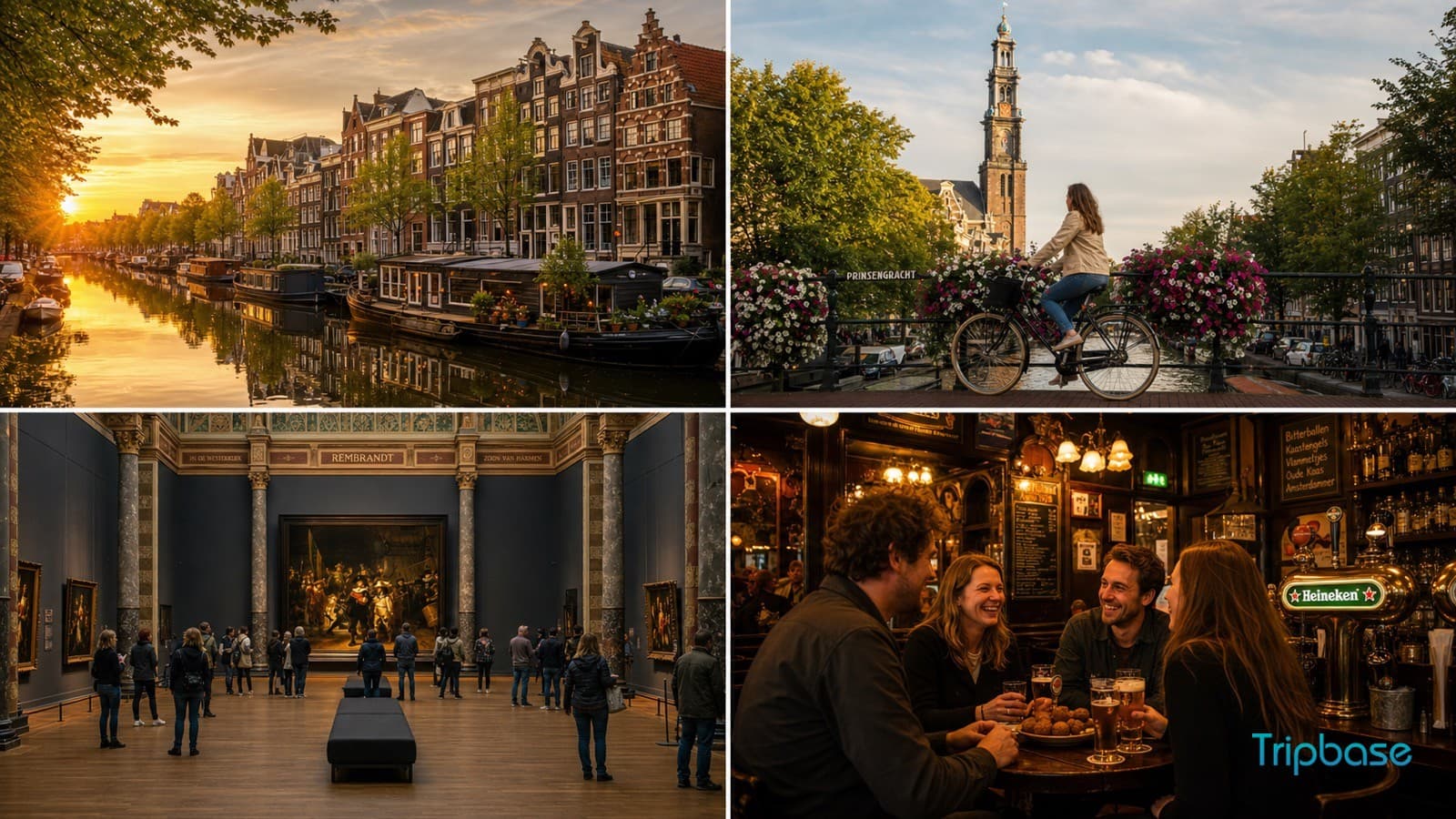
The Faralda NDSM Crane Hotel, Amsterdam
Three suites inside a repurposed industrial crane at the NDSM Wharf in Amsterdam-Noord - a former shipyard that the city turned into one of Europe's more interesting creative districts. The crane is 50 meters tall. The suites are accessible by elevator, have panoramic views of the IJ River and the Amsterdam skyline, and include a private jacuzzi positioned to make the view part of the bathing experience. The whole structure has a slight sway in strong wind, which is either atmospheric or alarming depending on your inner ear.
The NDSM Wharf itself is a destination: repurposed industrial spaces hosting art installations, restaurants, market days, and the kind of creative tenancy that tends to appear in places where rents are low and the architecture is interesting. Amsterdam's ferry from Central Station to NDSM takes 15 minutes and is free, which means the crane hotel has better transport links than its industrial waterfront location suggests.
Is it worth it? The Faralda is one of the more coherent unusual hotels: the setting (repurposed industrial infrastructure), the location (creative district with good access), and the experience (genuinely spectacular views) all support each other. It is unusual for reasons beyond novelty alone. Booking is essential; there are only three suites.
Airplane Hotels: The Jumbo Stay, Stockholm
A Boeing 747 - the aircraft that democratized long-haul travel and remained the queen of the skies for four decades - retired at Stockholm Arlanda Airport and was converted into a hostel and hotel. Jumbo Stay offers dormitory beds in what was the cargo hold, standard rooms throughout the fuselage (with windows that are actual aircraft windows), and a suite in the cockpit, because someone correctly identified that sleeping in the nose of a 747 with a panoramic view across the airport tarmac was the correct use of the space.
The cockpit suite has two of the original pilot seats, a bed, and a floor-to-ceiling view of aircraft taking off and landing at Arlanda, which is an excellent arrangement if you have any interest in aviation and a reasonable one even if you don't. The aircraft is positioned near one of Europe's busier runways, which means the ambient noise level is either exciting or prohibitive depending on what you came for. The connection to the terminal is covered walkway, seven minutes on foot.
Is it worth it? The Jumbo Stay is honest about what it is: a converted aircraft near an airport, with genuinely interesting rooms and no pretense about being a luxury resort. The cockpit suite is spectacular. Everything else is a curiosity. Fans of aviation history and anyone who wants to sleep inside a 747 before all of them are eventually retired and scrapped will find this straightforwardly worthwhile. Others may feel the novelty exhausts itself after the first morning.
Have you stayed in a hotel that required you to explain it to people afterward? That is usually the indicator that it was worth it - not the amenities, not the breakfast, but the fact that you have a story that begins with "so the room was made entirely of salt" and ends with people looking at you slightly differently. The shark swam past the underwater window, the Aurora appeared above the glass dome, or the crane swayed just enough to remind you where you were. These are the things the minibar and the loyalty points cannot provide. Book accordingly.