Places Where the Sun Refuses to Set
The sun sets. This is one of the few things you can rely on: taxes, mortality, and the sun going down at the end of the day. Go far enough north, however, and the sun simply declines to participate. It circles the sky, dips towards the horizon at midnight, thinks better of it, and climbs back up again - for weeks, and in the more extreme cases, for four consecutive months. There is no darkness. There is no night. There is only an enormous, tireless, faintly smug ball of fire that will not go to bed, and neither, it turns out, will you.
The mechanism is straightforward and, once explained, mildly infuriating in its simplicity: Earth is tilted about 23.4 degrees off the vertical. In the northern summer, the top of the planet is leaned towards the sun, so everywhere above the Arctic Circle - latitude 66 degrees 34 minutes north - spends some portion of the season rotating without ever swinging its share of the surface into shadow. Stand exactly on the Arctic Circle and you get precisely one day of this, around the June solstice. Go further north and the effect compounds sharply. The sun doesn't move differently up there. You are just standing somewhere that has been tipped into permanent line of sight.
And the whole thing is a loan, not a gift. Every hour of midnight sun in June is repaid, with interest, in a winter where the sun does not rise at all. The Arctic keeps immaculate books. Below is where to go, when, and what to expect from a sky that has forgotten its job - the destinations here are the ones we've actually scored, so you can pair the astronomy with somewhere to sleep. Speaking of which: bring an eye mask. Every single person who tells you they don't need one is wrong, and will discover this at 2am.
Svalbard: the deep end
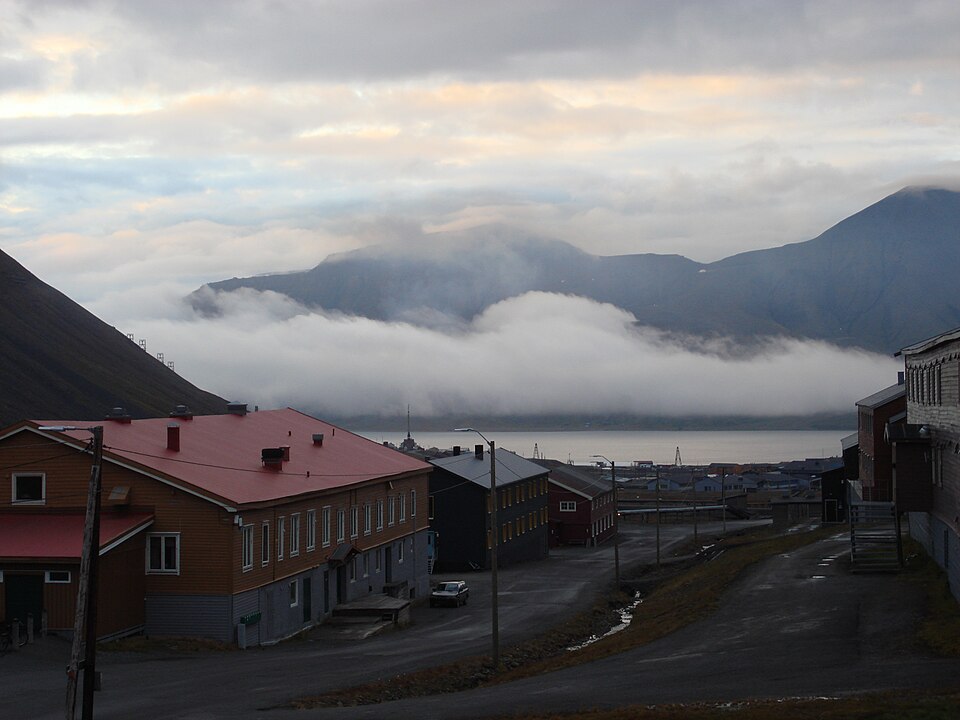
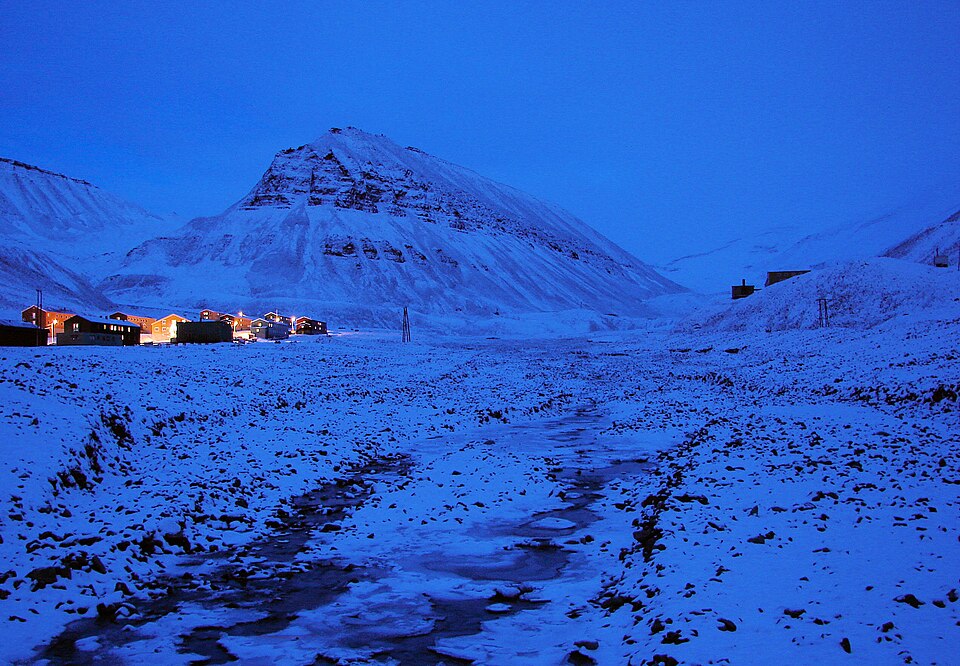
Svalbard is the extreme case and the one to reach for if you want the phenomenon undiluted. Longyearbyen, its main settlement, sits at 78 degrees north - about 1,300 kilometres from the North Pole and roughly as far north as you can get while still having a supermarket, a brewery, and a taxi rank. The midnight sun runs here from around 20 April to 22 August. That is four months. Not four months of long evenings - four months in which the sun does not touch the horizon, at all, once.
Then the bill arrives. The polar night lasts from roughly 26 October to 15 February, and within it sits a stretch from about 11 November to 30 January that Norwegians call the mørketid and scientists call civil polar night, when the sun is so far below the horizon that even the twilight gives up and the darkness at noon is total. Residents describe the return of the sun in February as an event. It is an event. There are celebrations. People go outside and look at it.
The other thing about Svalbard is the polar bears, which outnumber the residents and which are the reason that anyone travelling beyond the settlement boundary is required to carry a firearm and know how to use it. This is not folklore for tourists - it is a regulation, enforced, and the road network beyond Longyearbyen is about 50 kilometres long precisely because there is nowhere else you are getting to by car. It is also worth knowing that Longyearbyen has no arable land, which historically meant no meaningful farming, and modern Svalbard imports very nearly everything. You have not seen remote until you've seen this. If that appeals, our roundup of the most isolated islands on Earth is the companion piece and Svalbard gets off comparatively lightly in it.
Tromso: the civilised option
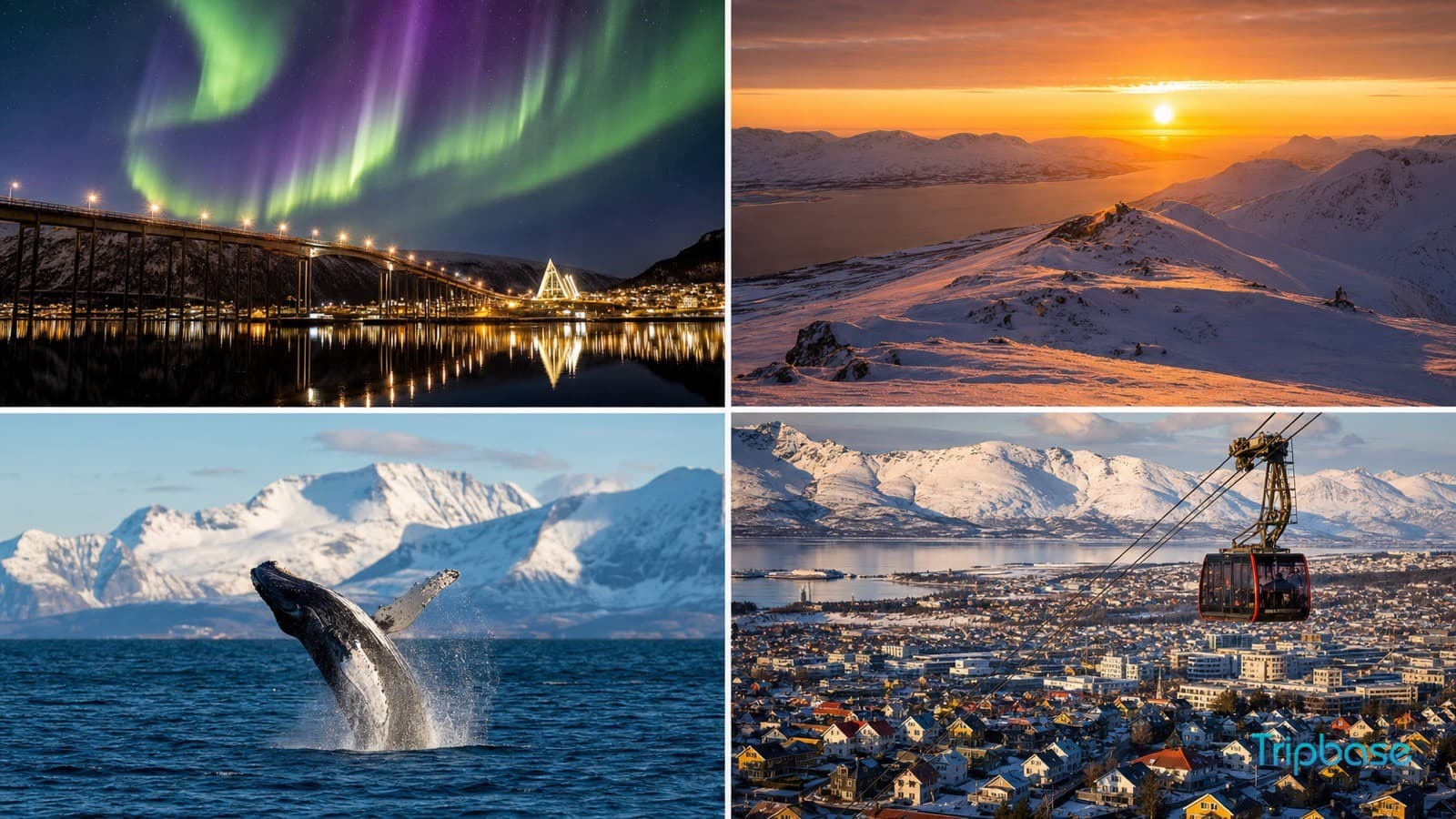
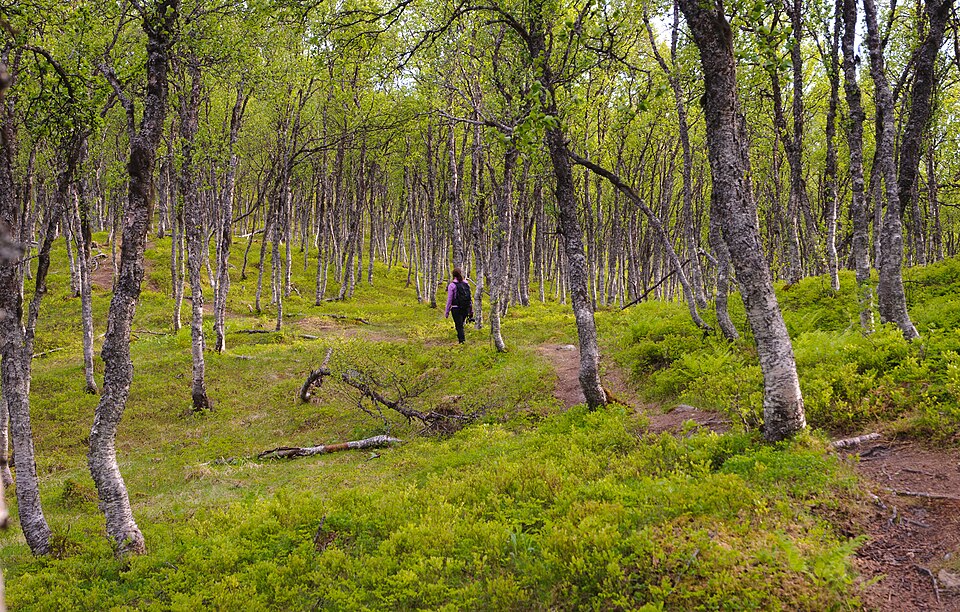
Tromso sits at 69 degrees north, comfortably inside the Arctic Circle, and is the answer for anyone who wants the midnight sun without also wanting to carry a rifle to the shops. The sun stays up from around 18 May to 26 July. The city has roughly 77,000 people, a university, an absurd density of bars for its latitude, and a reputation as the Paris of the North - a nickname coined by visitors who arrived expecting a fishing camp and found people in evening dress.
The polar night here runs from about 27 November to 15 January, and Tromso's response to it is the most instructive thing on this entire list. Rather than enduring the dark, the city has largely decided to enjoy it: candles, wool, koselig (the Norwegian cousin of hygge, and untranslatable in the way these words always are), and a genuine cultural stance that winter is a season rather than a punishment. Researchers who have gone looking for the expected epidemic of seasonal depression in Tromso have repeatedly come back with less than they anticipated, and the working theory is that the mindset is doing a substantial amount of the work. When the sun does come back, on 21 January, the city eats sun buns - solboller - and takes the afternoon reasonably seriously.
As a base it's hard to fault: flights land direct from Oslo in under two hours, the Arctic Cathedral is across the bridge, cable cars go up Storsteinen for the view back over the whole absurd arrangement, and the surrounding fjords deliver the landscape without requiring you to commit your entire annual leave to reaching it. Tromso is, on balance, the most sensible way to stand somewhere the sun won't set.
Lofoten: the one from the photographs
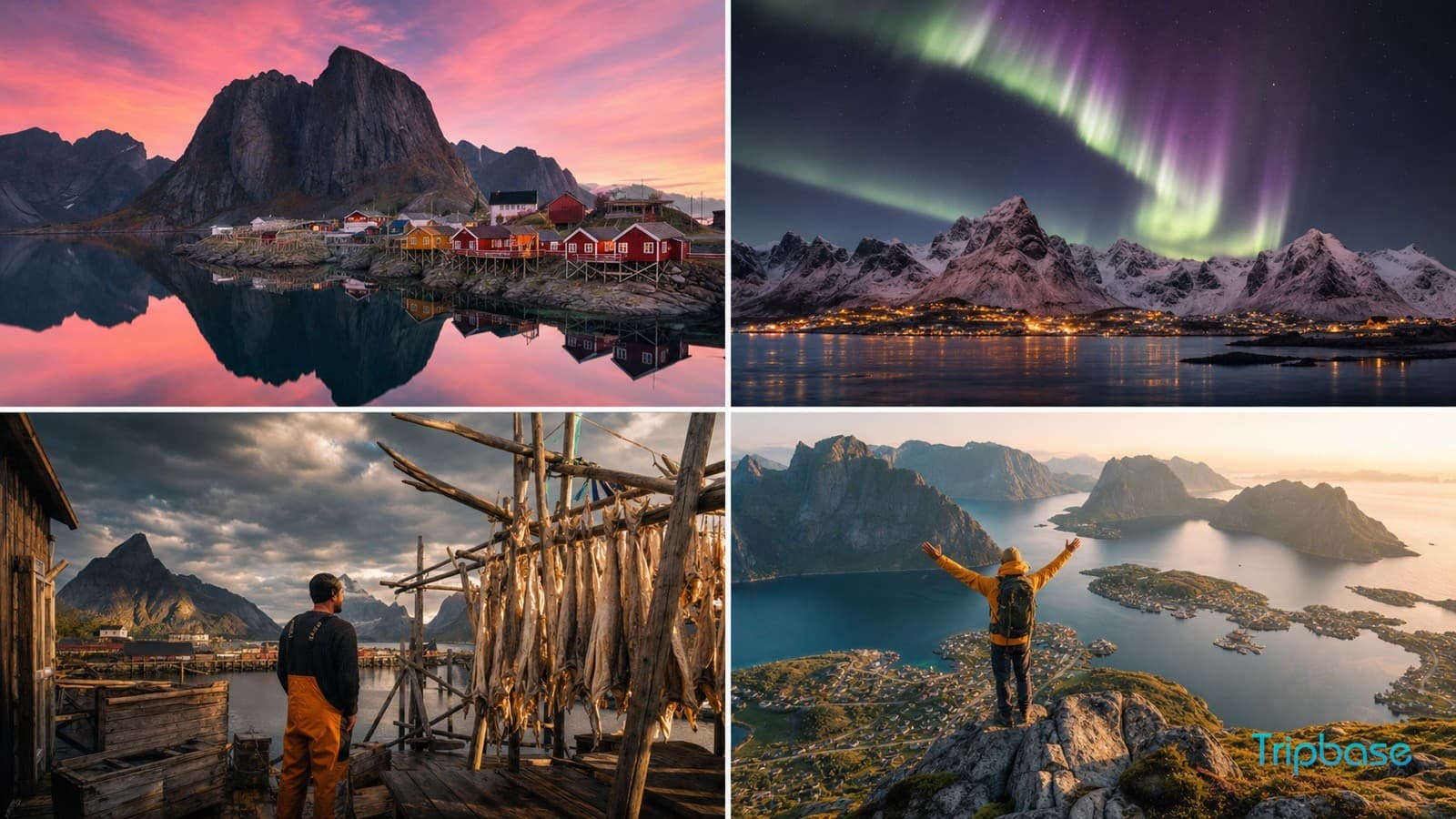
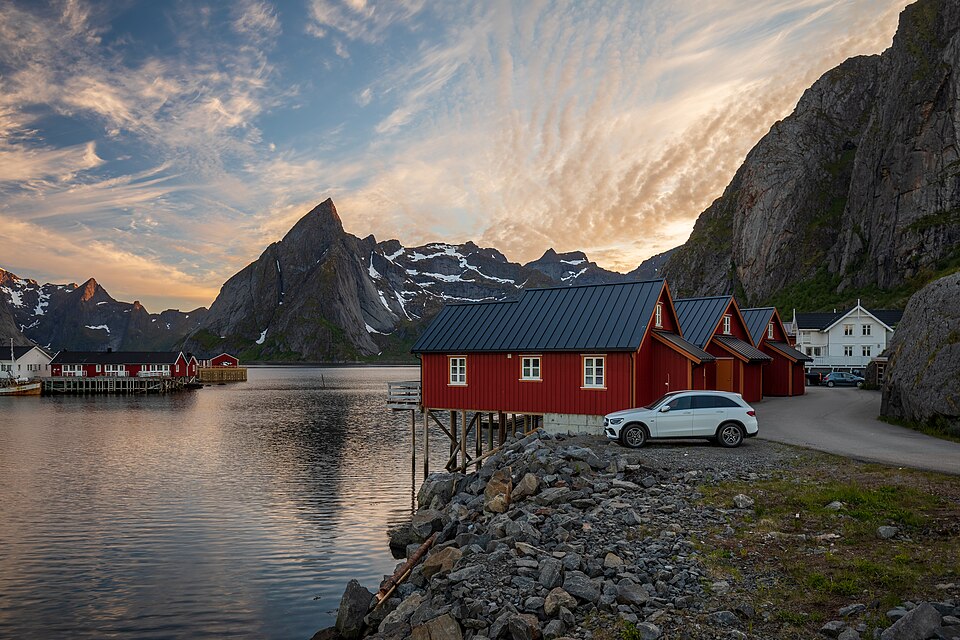
The Lofoten archipelago, strung out off Norway's north-west coast at around 68 degrees north, is the version of this you have already seen - red fishing cabins on stilts, granite peaks going almost vertically into the sea, and everything lit at one in the morning by a sun that is sitting on the horizon doing an impression of a sunset without ever completing it. The midnight sun runs from roughly 26 May to 17 July.
What the photographs don't convey is the light itself, which at Lofoten's latitude spends the small hours in a permanent golden hour - the sun grazing the horizon at a shallow angle for hours rather than dropping through it in twenty minutes. Photographers arrive for exactly this and then discover the catch, which is that there is no reason to ever stop shooting, and that they have not slept in three days, and that this seemed fine at the time.
The red cabins - rorbuer - are the old fishermen's quarters, built over the water on posts, and many have been converted into accommodation, so you can now sleep in a building designed for cod processing while a mountain glows outside the window. The islands are the reason people say the word 'Lofoten' with a slightly reverent tone. Lofoten takes some getting to, and everyone who has been will tell you, unprompted and at length, that this was not a problem.
Rovaniemi and Finnish Lapland: the fine print
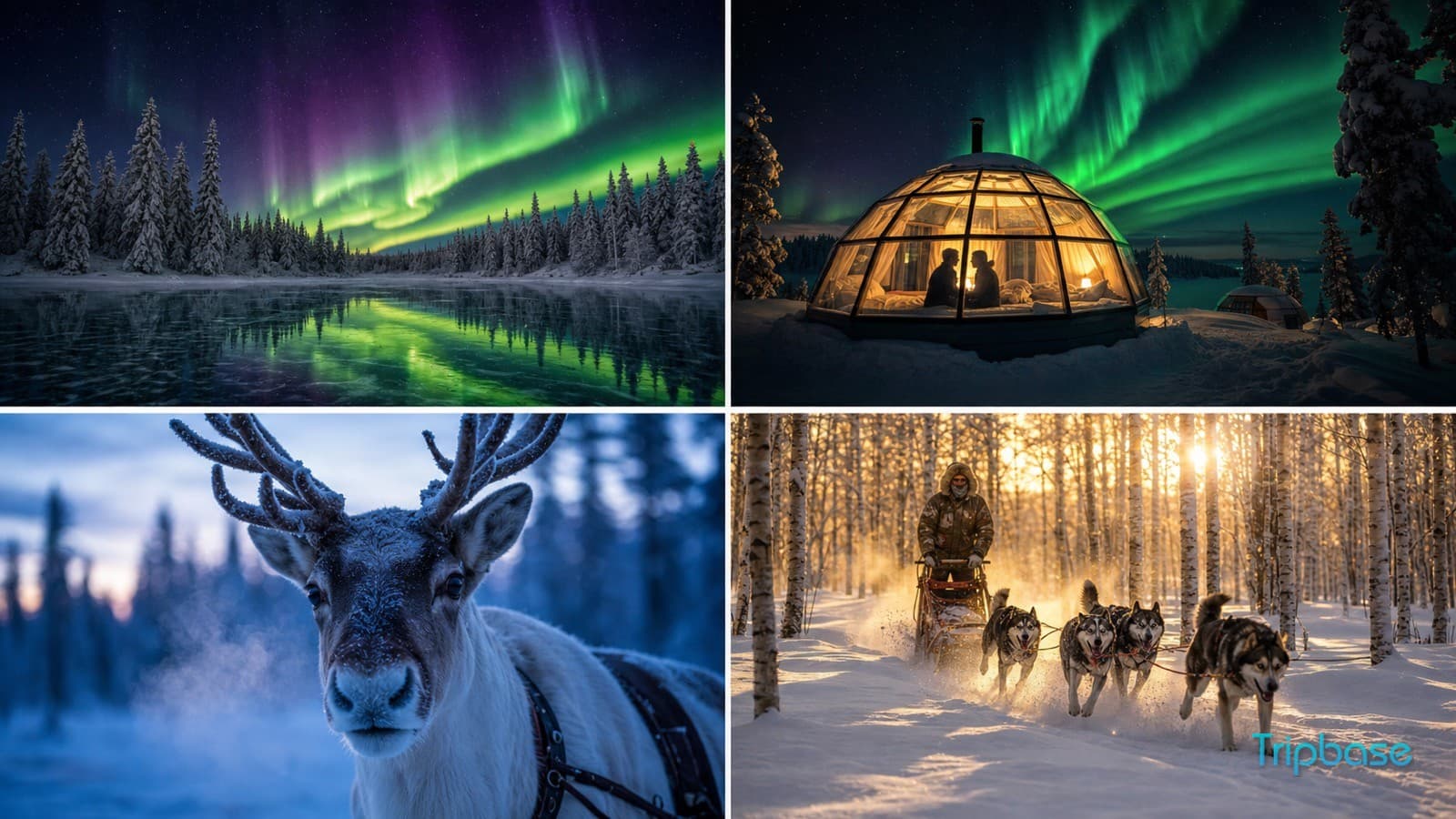
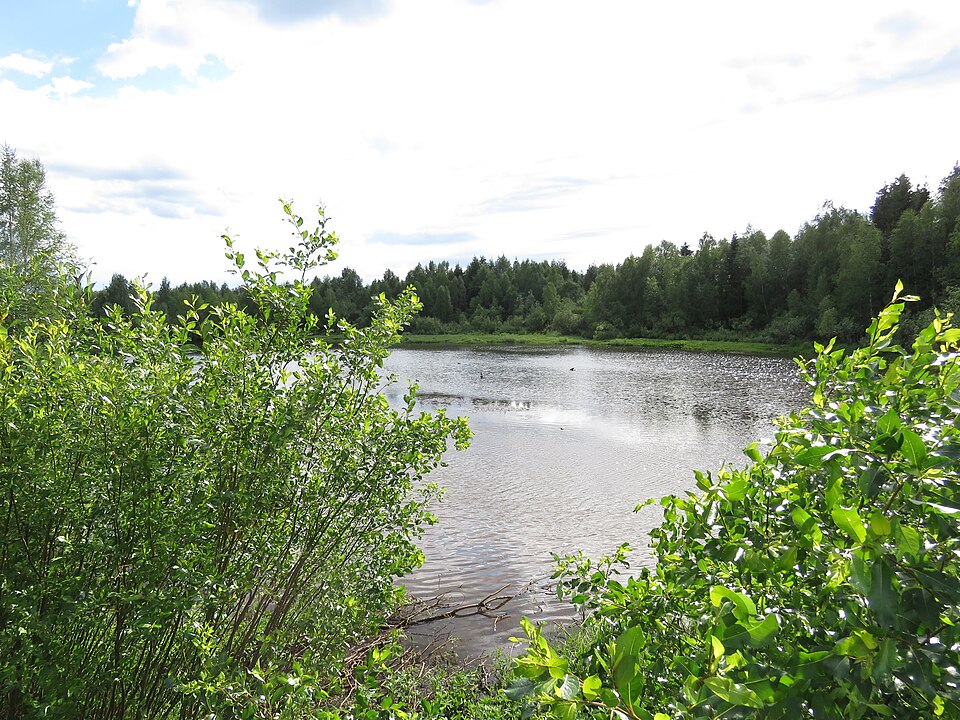
Rovaniemi is where the pedantry starts, and we're going to indulge it, because the pedantry is interesting. The city sits at about 66 degrees 30 minutes north - which is, by a margin of roughly four minutes of arc, below the Arctic Circle. The Circle itself runs through the northern edge of town, past Santa Claus Village, which is why there is a painted line on the ground there and a queue of people photographing themselves straddling it. So the true midnight sun in Rovaniemi is a local affair, running from around 6 June to 7 July, and you technically need to be on the correct side of a line drawn through a theme park to claim it properly.
In practice this distinction matters not at all, because for most of June and July the Rovaniemi sky never gets dark regardless. The sun either doesn't set or sets so briefly and so shallowly that the twilight never deepens into anything you'd call night. You can read a newspaper outdoors at midnight in the middle of a forest. The trees are green, the rivers are warm enough to swim in if you are Finnish or determined, and the mosquitoes - and we cannot stress this enough - are a serious and organised force with the numerical advantage.
Finnish Lapland's summer is the best-kept part of its reputation, mostly because the region has spent decades marketing its winter so effectively that people forget it has another one. Go further north into Lapland proper - to Levi, Inari, Utsjoki - and the midnight sun stretches out to weeks. Rovaniemi is the gateway, has the airport, and has, unavoidably, Santa, who is available for meetings in July as well and does not appear to take a holiday.
Northern Iceland: the honest disappointment
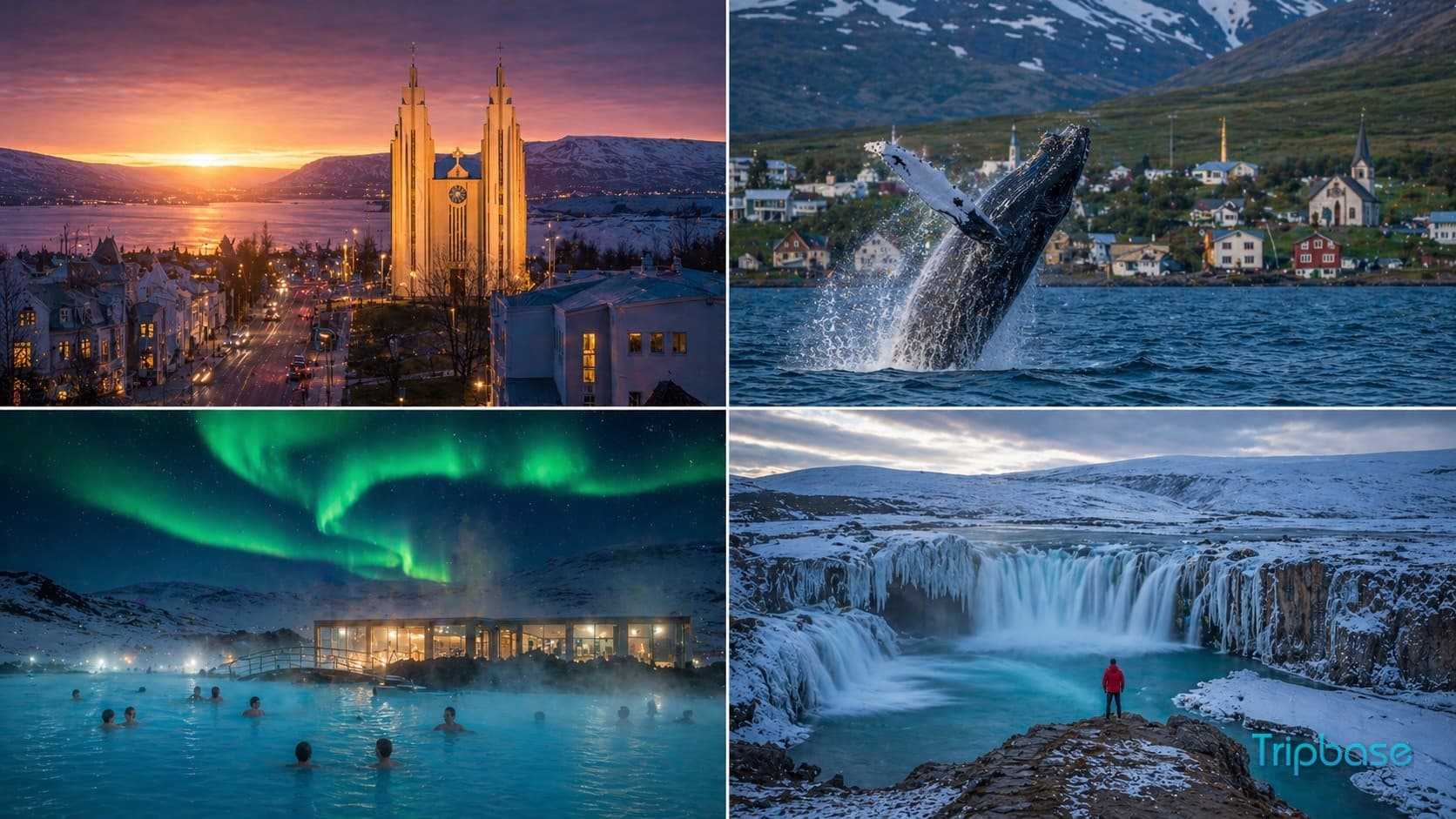
Iceland has built a substantial industry on the midnight sun, and Iceland is - and there is no gentle way to put this - almost entirely below the Arctic Circle. Reykjavik sits at 64 degrees north. Akureyri, the northern capital, at 65 degrees 41 minutes. Both are south of the line. Neither gets a true midnight sun, where the entire disc of the sun remains visible for a full 24 hours.
What they get instead is close enough that the distinction feels like a technicality invented to ruin things. Around the solstice the sun in northern Iceland drops barely below the horizon and stays just beneath it, so the sky performs a sunset that turns seamlessly into a sunrise, in colour, for hours, and true darkness never arrives at all. The white nights of an Akureyri June are, by any reasonable standard, the experience people came for. The sun has technically set. Nobody, standing there at half past one in the morning in full daylight, cares.
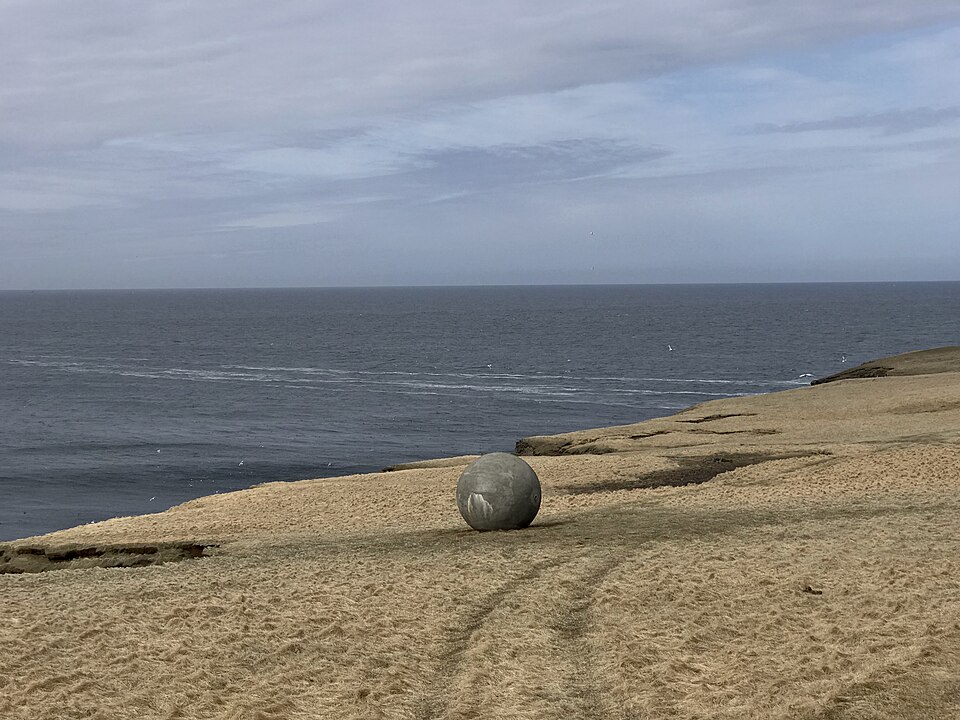
If you want the genuine article on Icelandic soil you have to go to Grimsey, the small island 40 kilometres off the north coast that the Arctic Circle actually crosses, where puffins outnumber the roughly 60 residents by a margin that would be alarming anywhere else. The island marks the Circle with Orbis et Globus, a three-tonne concrete sphere installed in 2017 - and here is the detail that makes the whole trip worthwhile: they have to move it. The Arctic Circle is not a fixed line. It drifts north at around 14 metres a year, following a slow wobble in Earth's axial tilt, so every year the sphere is rolled to a new position to keep up. The Circle is currently projected to leave Grimsey altogether around 2047, at which point Iceland will have no Arctic Circle at all and the sphere will presumably be pushed into the sea, having done its best.
Ferries and small planes run from Akureyri, which is the base for all of this and a genuinely good town in its own right, and north Iceland generally gets a fraction of the traffic the south coast does. As with everything Icelandic, Reykjavik is where you land first and where the queue is.
What it actually does to you
Here is what nobody puts in the brochure. Human sleep is governed substantially by melatonin, and melatonin production is suppressed by light - specifically, blue light, of the kind emitted in some volume by a sun that will not set. Your body does not have a philosophical position on the Arctic Circle. It simply notes that it is daytime, concludes that it must therefore not be bedtime, and declines to make you sleepy. Ever. At any point.
The result, for most first-time visitors, is a peculiar and slightly manic energy in which you find yourself hiking at midnight because it seemed like a reasonable idea at the time, followed roughly 48 hours later by a hard and comprehensive collapse. Blackout curtains are standard in Arctic accommodation for exactly this reason, and an eye mask should be the first thing in your bag, above the waterproofs. The locals, who have had generations to sort this out, mostly just go to bed at a fixed hour with the curtains shut and let the sun get on with it. This is the correct approach and you will not follow it in your first week.
The polar night is the mirror image, and its reputation is worse than its reality. The dark is not, mostly, the black void people imagine - snow reflects everything available, the moon can stay up for days at a time, and the light that does exist arrives as a long blue twilight that photographers spend serious money to be present for. The people who struggle are usually the ones who arrived expecting to endure it. The people who thrive are the ones who bought the wool, lit the candles, and treated it as a season. If you're planning around Arctic light in either direction, our piece on why shoulder season beats peak season applies double up here, where the shoulder is the narrow window in which you get actual nights and actual days on the same trip, like a normal person.
The thing you take home from all of this isn't the photographs, which never work - a sun at midnight looks exactly like a sun at teatime, and no image has ever conveyed the part that matters. What you take home is the recalibration. A day, it turns out, is not a unit of time. It is a local weather condition, produced by a specific rock rotating at a specific tilt, and it is entirely possible to stand somewhere on that rock where the whole arrangement quietly stops applying. Then you fly home, and the sun sets at nine, and it feels like an imposition.
Disclaimer: We are not sleep scientists and we cannot help you. Bring the eye mask. If you are reading this at 3am in Longyearbyen in June, wide awake and fully dressed and considering a walk, this is exactly what we were describing, and you should at minimum check the polar bear situation before leaving the settlement.