A Traveler's Guide to Altitude Sickness (Or: Why Machu Picchu Is Trying to Murder You)
There's a special kind of person who will read every piece of travel advice ever written about high-altitude destinations, dismiss it as bureaucratic overcaution, fly directly from sea level to Cusco, and spend three days horizontal in a hotel room wondering why they can't breathe.
This article is for them, though admittedly they're probably too headachey to read it right now. It's also for everyone currently planning a trip to Cusco, La Paz, Everest Base Camp, or any other destination where the air has decided to become largely decorative. Altitude sickness is what happens when you arrive somewhere high and your body - which has spent its entire life at sea level developing very reasonable expectations about the density of oxygen molecules per cubic metre of air - encounters a situation where those expectations are cheerfully, catastrophically unmet.
The formal term is Acute Mountain Sickness, or AMS. If you treat AMS as a minor inconvenience and continue ascending, it upgrades itself into High Altitude Cerebral Edema (HACE, where your brain swells) or High Altitude Pulmonary Edema (HAPE, where your lungs fill with fluid). Both can kill you within hours. The only treatment for either is immediate descent - not rest, not medication, not the very determined attitude of a person who paid good money for this trip. Down. Now.
The good news is that altitude sickness is almost entirely preventable. The bad news is that preventing it requires a patience most people on a ten-day South America itinerary don't particularly have.
What Actually Happens to Your Body
At sea level, atmospheric pressure pushes roughly 21% oxygen into your lungs with every breath. At 3,000 meters (9,843 feet), the atmospheric pressure drops by approximately 30%, meaning each breath now delivers about 70% of the oxygen you're used to. At 5,000 meters, you're getting around 55%. At the summit of Everest at 8,849 meters, approximately a third. Your hemoglobin, having trained exclusively at sea level, encounters this information and responds with something that can only be described as institutional panic.
The body's acclimatization response is actually quite elegant: breathing deepens, heart rate increases, and the kidneys begin excreting bicarbonate to acidify the blood, which stimulates more breathing still. Over days and weeks, the bone marrow starts producing additional red blood cells. Long-term residents at altitude - Tibetans, Andean peoples, Ethiopians - have genetic adaptations that make this whole process efficient and more or less effortless. You have a direct flight and a limited annual leave allocation.
If you ascend faster than your body can acclimatize, the result is AMS: a splitting headache caused by cerebral blood vessels dilating in an attempt to deliver more oxygen, nausea from confused neurological signals, fatigue, dizziness, and a spectacular inability to sleep despite being completely exhausted. The headache is particularly unpleasant - not the dull throb of dehydration but a specific, sustained pressure behind the eyes that painkillers only partially address and that no amount of positive thinking touches at all.
Cusco and Machu Picchu, Peru
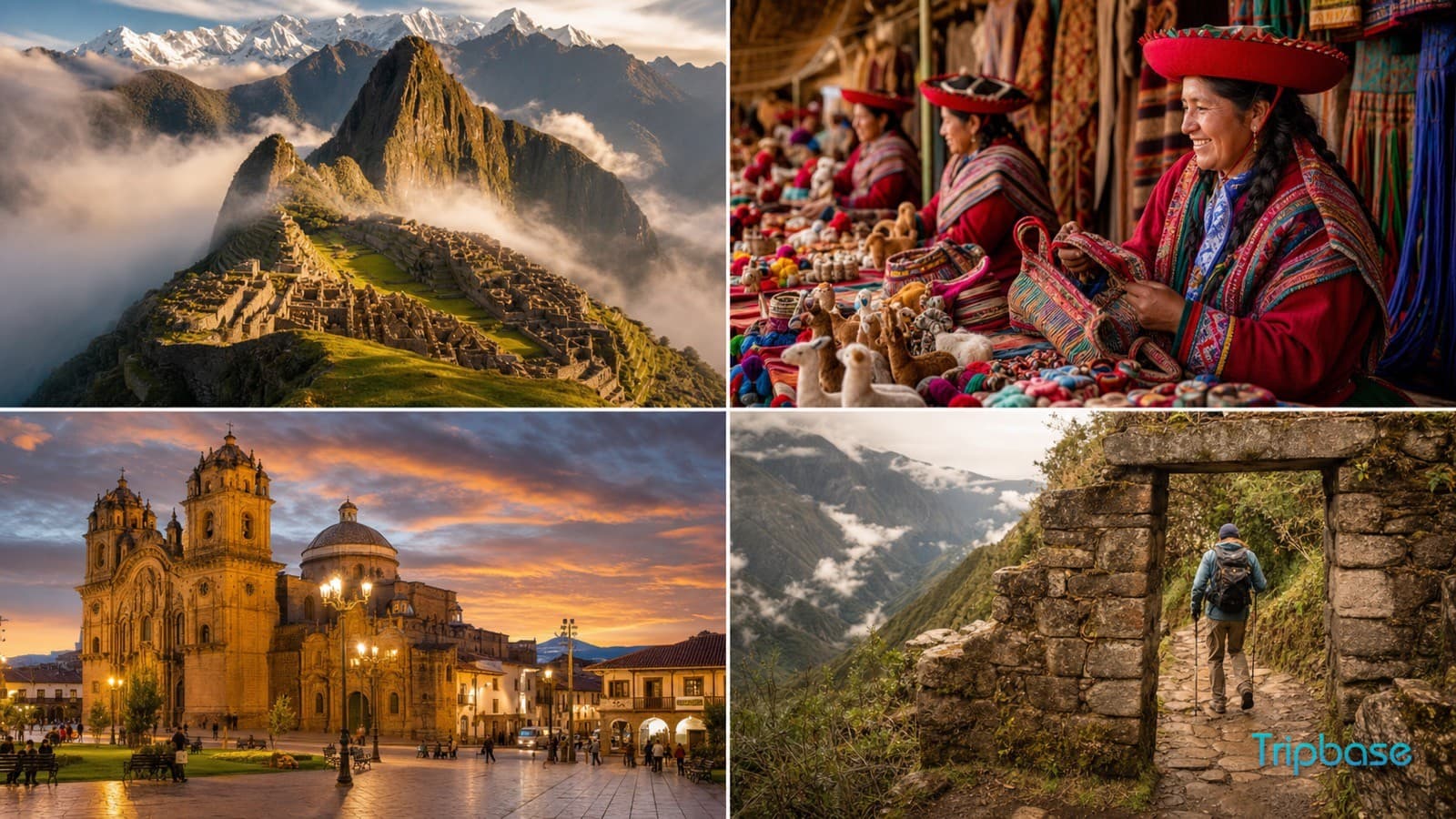
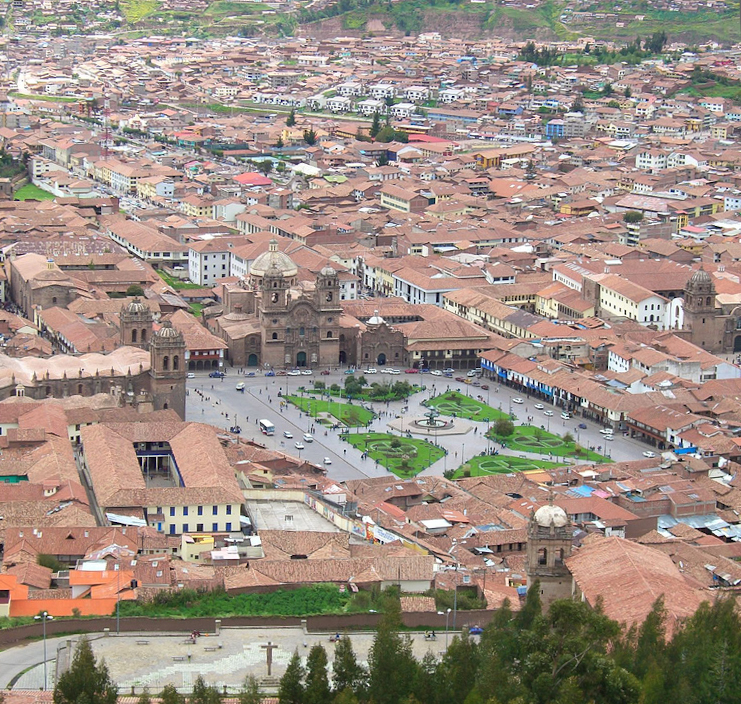
The most famous altitude sickness trap in the world is also one of the most visited tourist destinations on earth, which tells you something about the relationship between beauty and personal suffering. Cusco sits at 3,400 meters (11,154 feet). Most visitors fly in from Lima, which sits at a comfortable 154 meters above sea level, meaning you'll go from "completely fine" to "medically significant headache" in approximately three hours, including the layover in which you ate a forgettable airport sandwich. See our full Cusco travel guide for everything to plan before your lungs file their formal objection.
The particular cruelty of the Cusco-Machu Picchu route is that Machu Picchu itself - the thing everyone is suffering toward - sits at 2,430 meters (7,972 feet), significantly lower than Cusco. The destination is easier on the body than the place you have to transit to reach it. Many tourists arrive in Cusco feeling terrible, spend a miserable day wondering if they've contracted something exotic, take the train to Machu Picchu and feel noticeably better, then return to Cusco and feel terrible again. It's a loop of carefully calibrated suffering.
The Sacred Valley, at 2,800-3,000 meters, is the commonly recommended intermediate stop precisely because it lets you acclimatize before ascending to Cusco. Many experienced travelers advise two nights in the Sacred Valley first. Most tourists, having carefully researched this advice, proceed directly to Cusco anyway and spend one of their limited vacation days lying very still in a dark room eating crackers from the minibar. This is probably fine. Probably.
La Paz, Bolivia - Where Altitude Sickness Is Just Called Tuesday
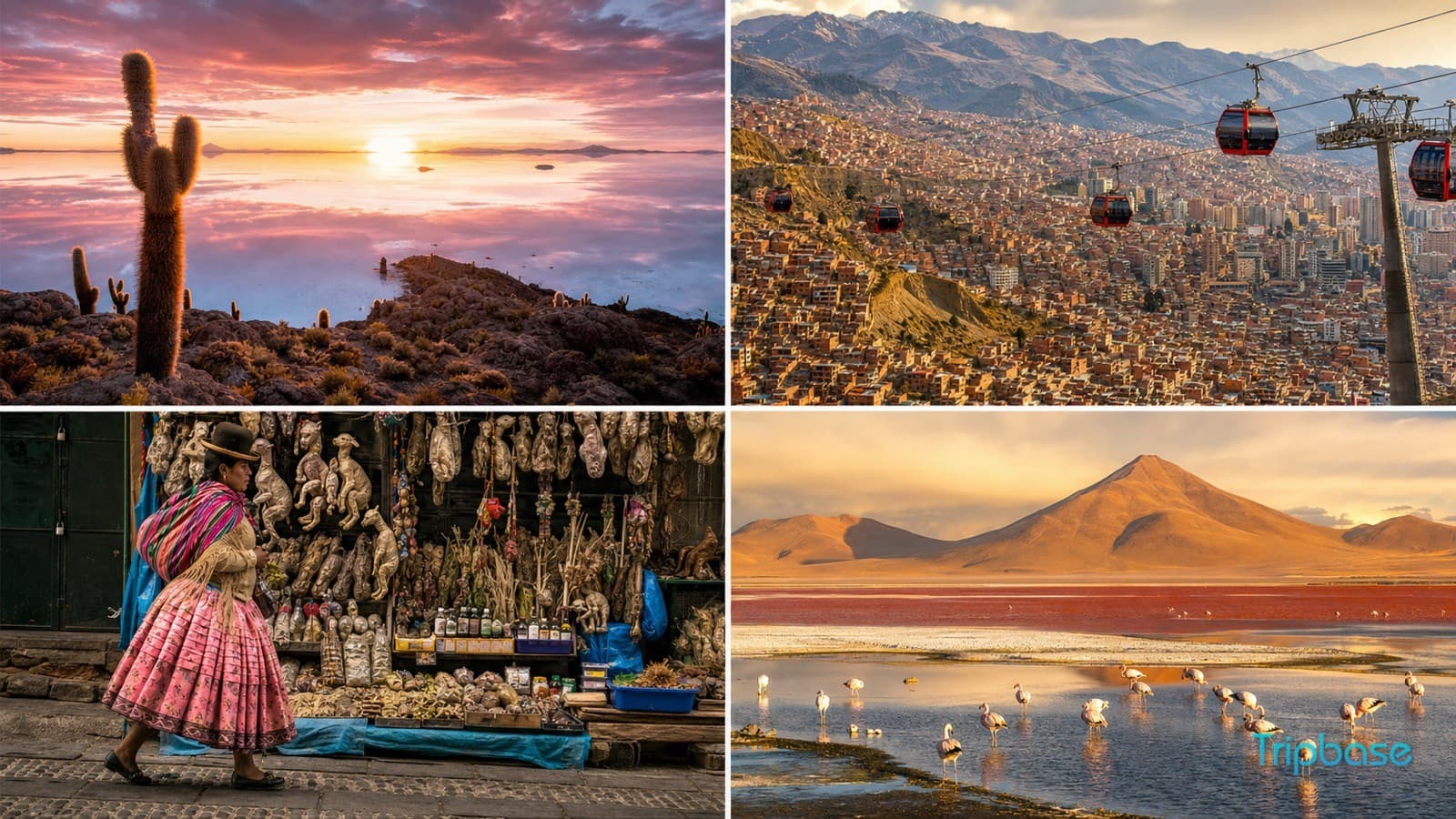
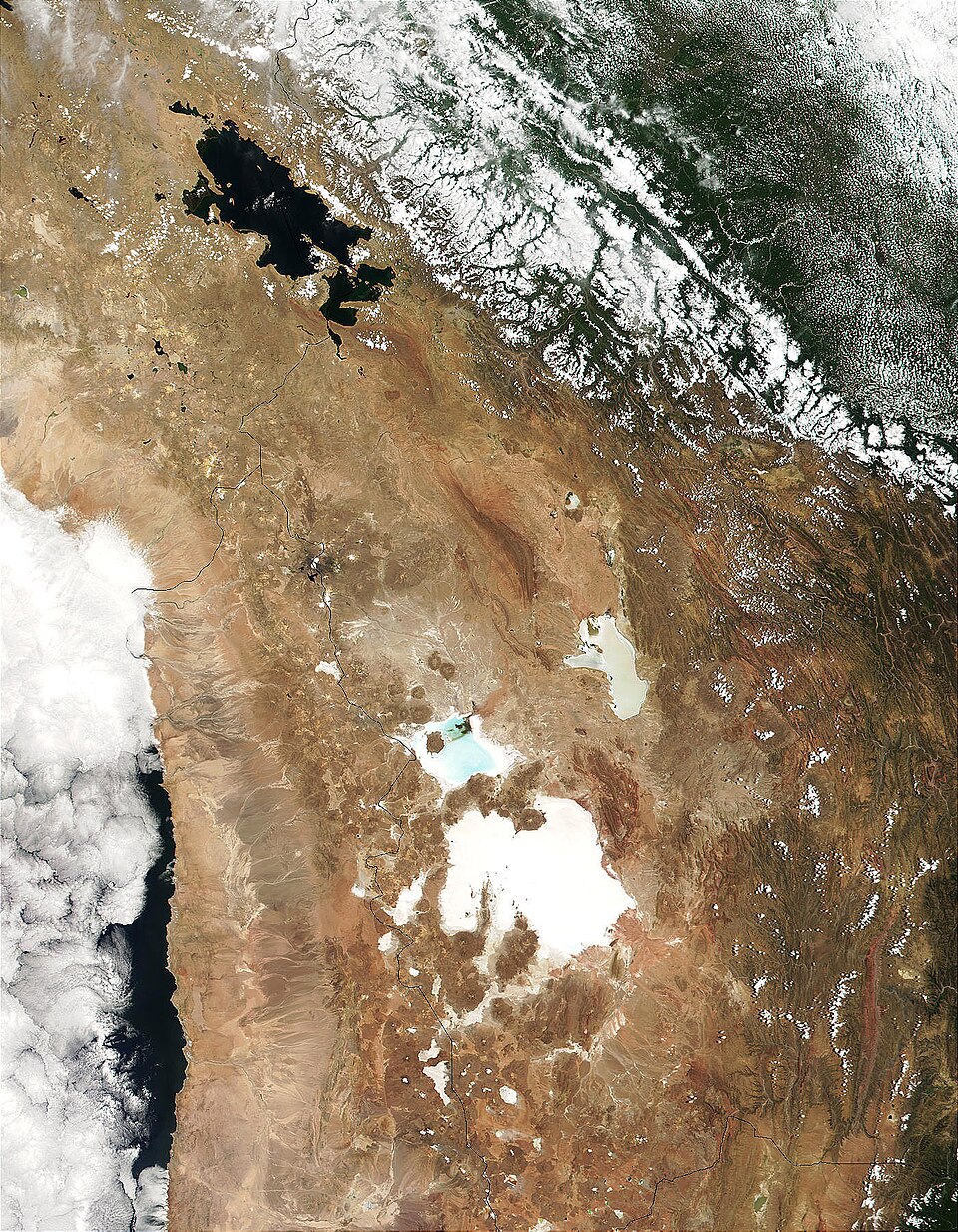
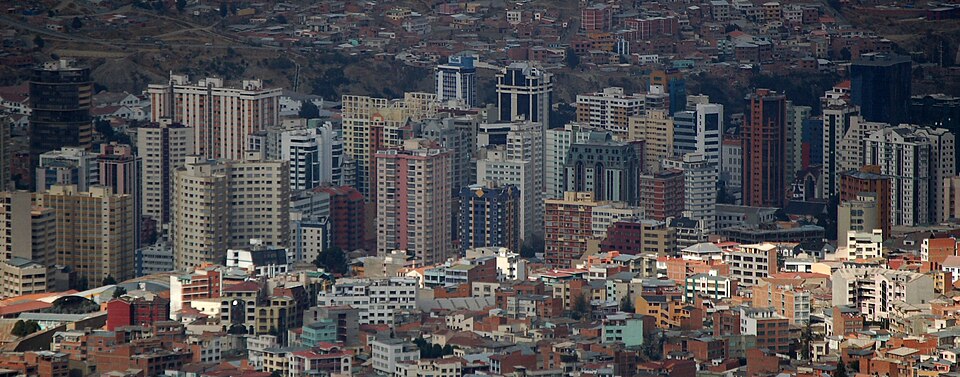
If Cusco is the introductory course, La Paz is the advanced module. The city occupies a canyon at 3,640 meters (11,942 feet), making it the highest administrative capital city in the world (a distinction it holds over Quito and Kathmandu, both of which are considerably more comfortable). But the airport, where you arrive, is the truly notable part: El Alto International Airport sits at 4,061 meters (13,323 feet). You'll land, stand up to retrieve your carry-on from the overhead locker, and discover that your legs have developed opinions.
La Paz has one of the stranger socioeconomic geographies of any city on earth: the wealthy neighborhoods sit at the bottom of the canyon, where the air is marginally denser, and the working-class neighborhoods cling to the rim at the top, where it isn't. Altitude privilege is literally inverted. Residents who have lived there for generations carry approximately 14% more red blood cells than sea-level humans and have lungs with roughly 30% greater capacity. Their resting cardiovascular function at 3,600 meters would leave most tourists gasping. They watch visitors stagger out of the arrival terminal at El Alto with what can only be described as chronic low-grade patience.
The city has excellent infrastructure for managing altitude sickness, up to and including oxygen bars in hotels and restaurants. Walking uphill - which is inescapable in a city built in a canyon - will leave you winded in a way that feels disproportionate and mildly alarming. Climbing a flight of stairs requires a rest. This is normal. Bolivia isn't going anywhere. The full Bolivia travel guide has everything you need to plan a trip worth the mild cardiac inconvenience.
Everest Base Camp and the Voluntary Suffering Tier
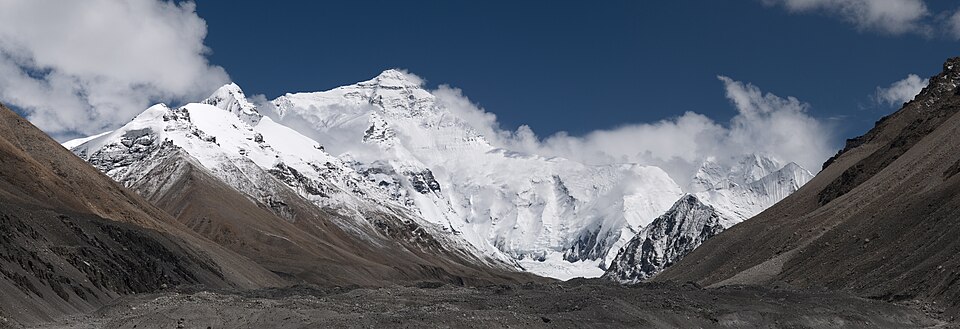
If you're reading this while planning a trek to Everest Base Camp at 5,364 meters (17,598 feet), altitude sickness is already a known quantity for you. What may be less expected are the specific additional flavors of suffering that appear at extreme altitude and are not mentioned in the brochures.
The Khumbu Cough is nearly universal at EBC elevations. The air at 5,000+ meters is so cold and so dry that it damages the respiratory mucosa with each breath, producing a violent, persistent cough that can last for weeks after descent. "Can crack ribs" is not a metaphor. People have cracked ribs from coughing at altitude. Surgical masks that warm and humidify the air help significantly, though the aesthetic of arriving at Everest Base Camp in a surgical mask is admittedly not the triumphant visual you imagined when you told everyone about this trip at your leaving drinks. Nepal's Everest region remains one of the world's great trekking destinations regardless - our Nepal guide covers logistics including the acclimatization schedule that makes EBC survivable for ordinary humans.
The standard EBC trek itinerary has roughly a 50% incidence of some AMS symptoms despite its built-in acclimatization days, which is a statistic worth sitting with. The standard rule above 3,000 meters: ascend no more than 300-500 meters per day. If symptoms develop, don't ascend further. If symptoms worsen, descend immediately. The mountains are permanent. You are on a fixed itinerary, and a helicopter evacuation from altitude is considerably more expensive than a flight change fee.
Folk Remedies: A Field Guide to Things That Don't Work
Every high-altitude destination has developed its own catalogue of local remedies, which vary from "mildly helpful" to "almost certainly useless" to "will make things considerably worse." Peru and Bolivia are particularly well-stocked with altitude remedies, the most famous of which is coca tea.
Coca tea is brewed from the leaves of the coca plant - yes, the source of cocaine, though the tea contains very low concentrations of cocaine alkaloids. A cup contains roughly 4mg of cocaine (recreational use typically involves 20-75mg per dose). There is modest scientific evidence that these alkaloids have some effect on acclimatization symptoms - it's not entirely useless. It is, however, nowhere near as effective as its reputation suggests, and will not meaningfully help if you've just arrived at 4,000 meters and are planning to spend your afternoon visiting ruins. It'll be offered to you as a first-line solution. It will solve approximately 15-20% of your problem while the hotel staff maintains a sympathetically neutral expression.
Alcohol makes altitude sickness worse (it suppresses respiratory drive and promotes dehydration). Dehydration makes altitude sickness worse. Alcohol causes dehydration. This chain of logic does not prevent significant numbers of tourists from celebrating their arrival in Cusco with several pisco sours, an evening that reliably ends in a way that is unpleasant for everyone involved. Ibuprofen addresses the headache but not the underlying cause. Ginger helps with nausea and nothing else. Various herbal preparations sold in tourist shops at altitude have essentially no evidence base and are purchased primarily by people who've run out of better options.

What Actually Works
Diamox - acetazolamide - is the only medication with robust scientific evidence for preventing and treating AMS. It works by inhibiting an enzyme involved in blood acidity regulation, making your blood slightly more acidic, which stimulates more breathing. More breathing means more oxygen. Inelegant but effective. It must be started one to two days before ascending to work as prevention, and it comes with memorable side effects: all carbonated drinks taste completely flat (a minor social problem at altitude, where everyone is drinking the same beer), and persistent tingling in the hands and feet appears in the majority of users (alarming the first time, background noise thereafter). It also significantly increases urination frequency, which is ideal in a tent at 5,000 meters in sub-zero temperatures at 3am.
The non-pharmaceutical route is slower but reliable: acclimatize gradually by spending two to three days at intermediate altitude before ascending further. Avoid exertion on your first day at altitude regardless of how fine you feel - the symptoms often emerge 6-12 hours after arrival. Drink water consistently; the dry air at altitude causes fluid loss through breathing at a rate that's easy to underestimate. Follow the mountaineer's golden rule: "climb high, sleep low" (ascend during the day, return to a lower elevation camp at night). If planning a trekking itinerary, treat acclimatization days as mandatory rather than optional.
And if symptoms worsen - headache that doesn't improve with rest and ibuprofen, a cough producing frothy fluid, confusion, loss of coordination, inability to walk a straight line - the answer is always the same: go down. Every 300 meters of descent produces measurable physiological improvement. The choice between a ruined afternoon and a helicopter evacuation is one that most people, in retrospect, would prefer to have made in favour of the afternoon.
Disclaimer: We are not doctors, and nothing in this article constitutes medical advice. If you're planning to travel at altitude, consult a healthcare provider about preventative options including Diamox. If you're experiencing severe symptoms - confusion, inability to walk, coughing up fluid - stop reading and descend immediately. The article will still be here when you're at a lower elevation.