
Arctic Sweden: Aurora & Icehotel
Interior Swedish Lapland in the dark half of the year: the Iron Ore railway runs Stockholm to Gällivare, Kiruna (home of the Icehotel, rebuilt from river ice every winter) and Abisko, whose rain-shadow position gives it some of the most reliably clear aurora skies in the north. A deep-winter trip built around the northern lights, dog sledding and snow, not summer fjords or city sightseeing.
7–13 days · Point-to-point
When to go
- WeatherDeep winter cold (Dec - Feb) — Kiruna and Abisko regularly see -20°C to -30°C with short daylight windows (a few hours, or none at all around the solstice) - proper layered arctic clothing isn't optional, and it shapes how much you can pack into a day.
- WeatherPolar night (early Dec - early Jan) — North of the Arctic Circle the sun doesn't clear the horizon for several weeks around the solstice - atmospheric and good for round-the-clock aurora hunting, but plan around permanent twilight rather than a normal daylight schedule.
- NoteIcehotel is seasonal (mid-Dec - mid-Apr) — Jukkasjärvi's Icehotel is rebuilt from Torne River ice each winter and melts away by spring - it only exists inside this window, so check the current season's exact open dates before booking an ice room.
This is Swedish Lapland in the dark half of the year, not the fjords-and-midnight-sun Scandinavia most itineraries chase. The overnight sleeper train runs you from Stockholm straight up the Iron Ore Line to Gällivare, Kiruna and Abisko - Kiruna for the Icehotel, rebuilt from river ice every winter, and Abisko for some of the most reliably clear aurora skies anywhere in the north, thanks to a rain-shadow microclimate between two mountain ranges. It's a slow, cold, dark trip built around one thing: the sky. Ten days is the comfortable standard; a week works if you fly the first leg, and twelve lets you push on to Riksgränsen at the literal end of the line.
This route's vibe
What you get across the whole trip, blended from each stop's strengths.
Stop by stop
The route
Adjust trip length, budget, and travel style — the stops, transport, and cost update to match.
- 1
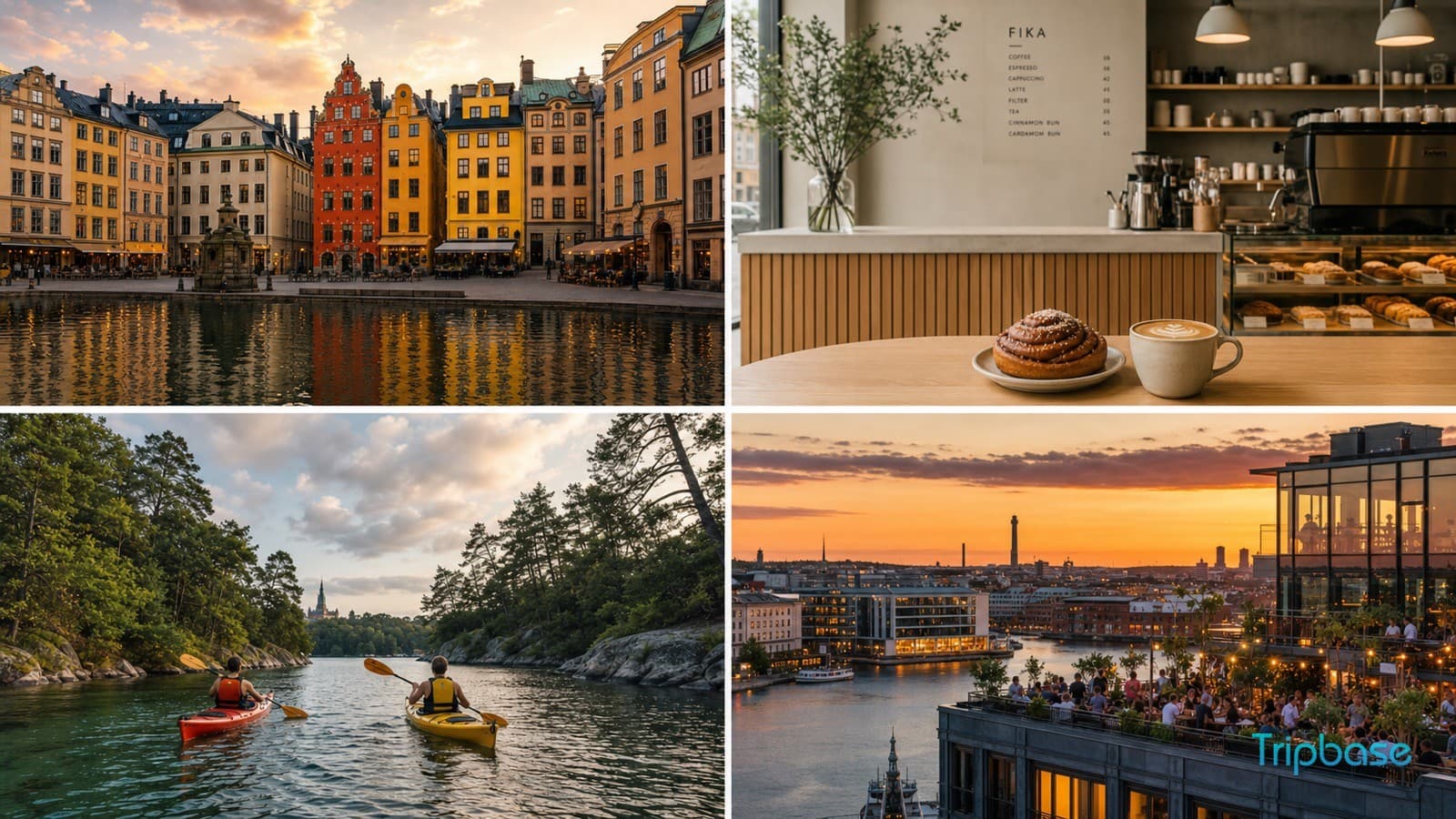
Stockholm
1 nightThe launch point, not the destination: this is where the overnight sleeper train north departs from Stockholm Central, so budget a day to land, adjust, and pick up any last cold-weather gear before the long ride.
Skip / overrated: This isn't the trip's Stockholm stay - see Gamla Stan, the Vasa Museum and the archipelago on the Scandinavian Capitals route instead. Here it's a single transit night, not a city break.
View Stockholm guide→Getting there· ~877 kmTrainRecommendedThe SJ overnight sleeper (Nattåget) covers Stockholm to Gällivare in one long overnight run, arriving the next morning - the classic, atmospheric way north, and it doubles as a night's lodging.
Book: SJ (sj.se) — sleeper cabins sell out weeks ahead in aurora season, and especially over New Year and Sweden's February school-holiday week (sportlov) - book as soon as your dates are fixed
Book trainsFlightDirect flights from Stockholm Arlanda into Gällivare's Lapland Airport cover the same distance in under two hours - the fast option if you'd rather spend the saved day in the Arctic than on a train.
Book: BRA / SAS
- 2

Gällivare
2 nightsThe first proper stop above the Arctic Circle, and a quieter warm-up before Kiruna's crowds: Dundret fell gives an easy, lift-served aurora vantage point, and the town sits on the edge of the Laponia UNESCO wilderness for dog-sledding and snowmobile day trips.
View Gällivare guide→Getting there· ~82 kmTrainRecommendedRegional trains on the same Iron Ore Line continue Gällivare to Kiruna in under two hours - a short, easy hop.
Book: Vy / Norrtåg — service drops to a couple of departures a day in deep winter - check the timetable before planning a same-day connection
Book trainsBusLänstrafiken regional buses cover the same route on a similar schedule - a straightforward fallback if the train doesn't fit your day.
Book buses - 3
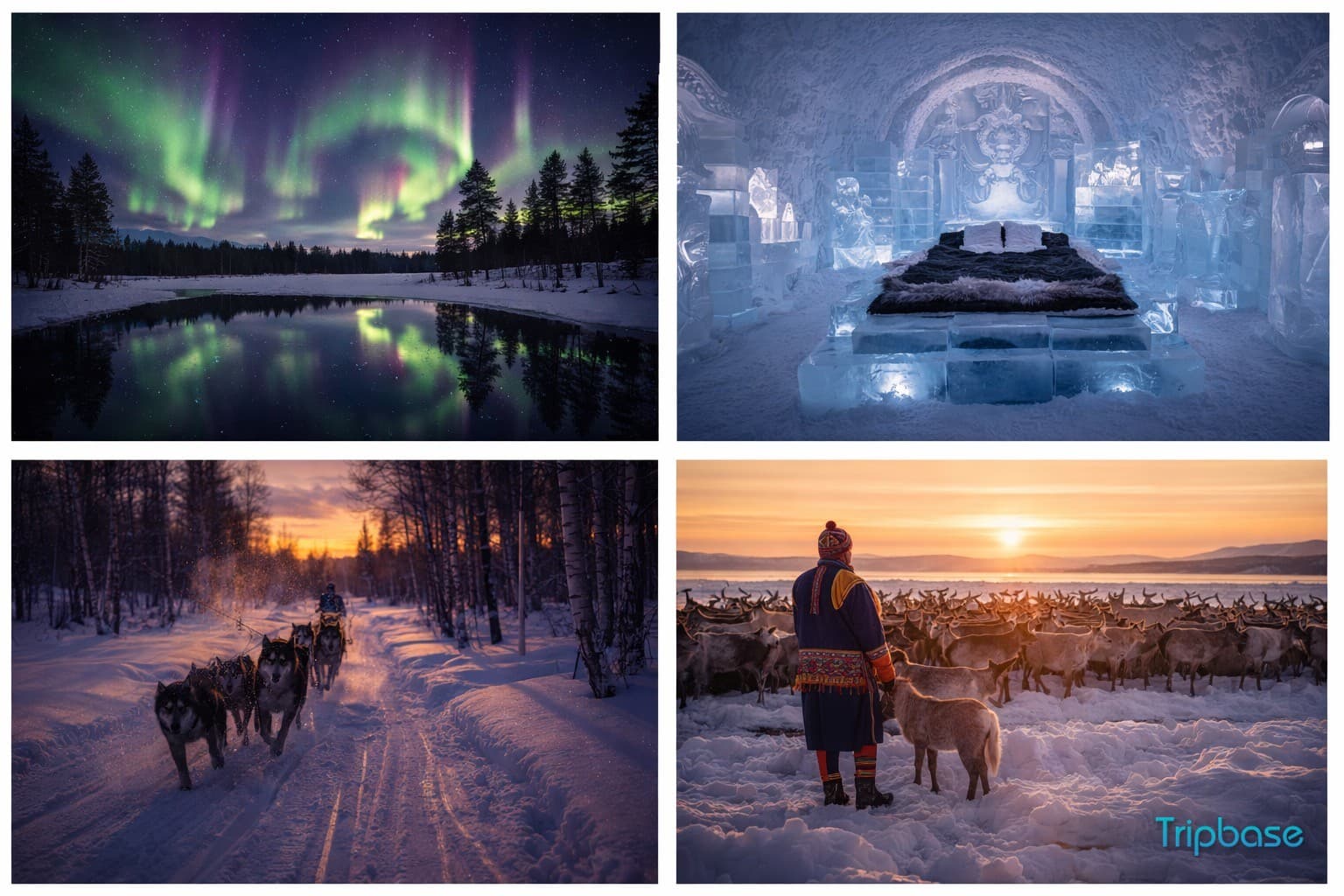
Kiruna
3 nightsThe trip's hub: the Icehotel at nearby Jukkasjärvi, rebuilt fresh from Torne River ice every winter; the striking wooden Kiruna Church; an LKAB tour into the world's largest underground iron-ore mine; and the main base for guided dog-sled and snowmobile trips out onto the tundra.
Skip / overrated: A night in an Icehotel room is a splurge, not a necessity - the complex's public areas (ice bar, ice-art suites) are open to day visitors for a fraction of the room rate if you're staying in Kiruna proper instead.
View Kiruna guide→Getting there· ~80 kmTrainRecommendedThe Iron Ore Line continues north from Kiruna to Abisko (and on to Riksgränsen and Narvik, Norway) in a bit over an hour - the same line, same easy hop.
Book: Vy / Norrtåg
Book trainsCarSelf-drive or a transfer along the E10 covers the same distance in about an hour, useful if you want a car in Abisko for reaching trailheads outside the village.
Book: car hire (pick up in Kiruna)
- 4
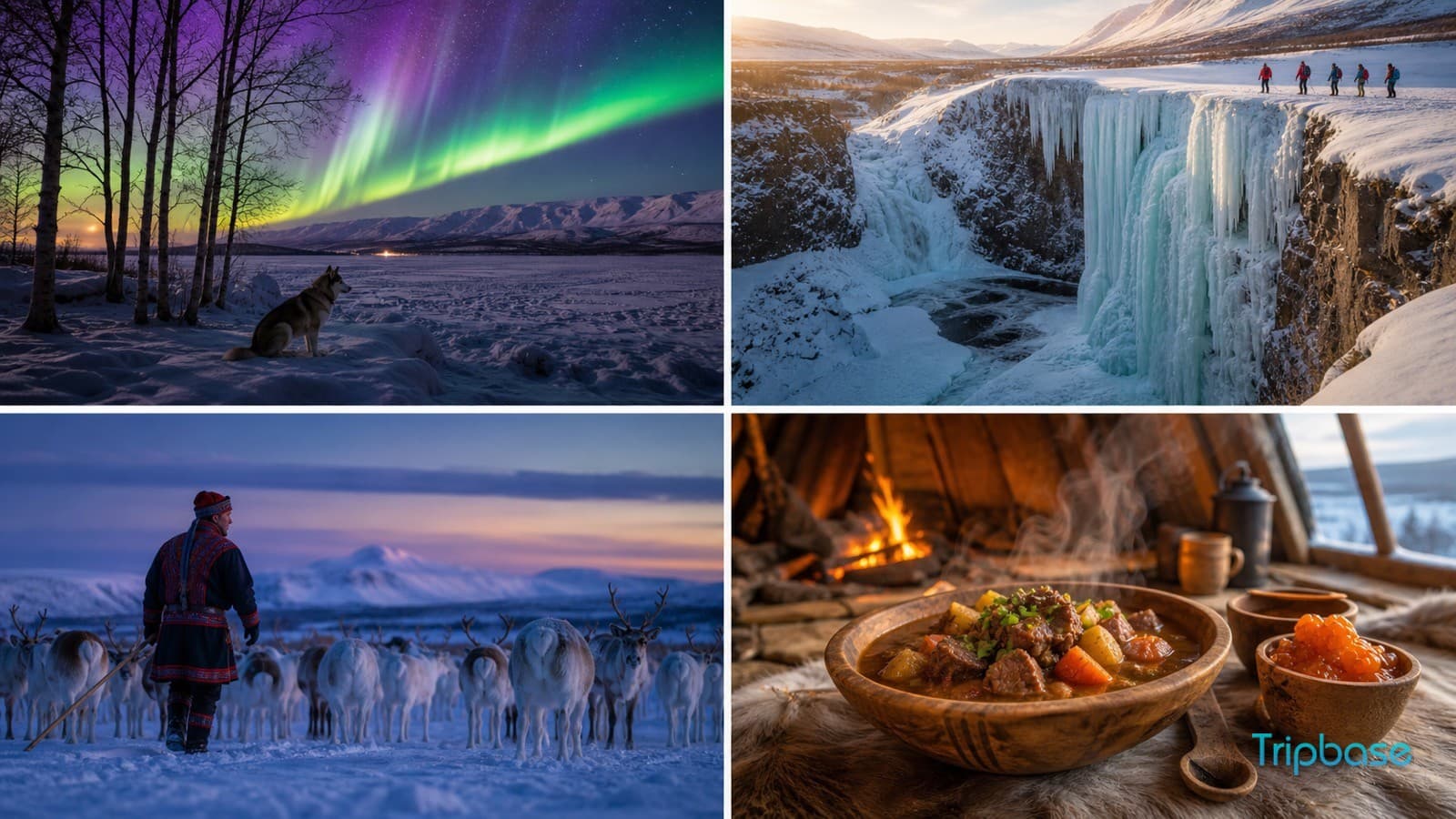
Abisko
3 nightsThe payoff stop: Abisko National Park sits in a rain-and-cloud shadow between two mountain ranges, giving it a local reputation as one of the most reliably clear-sky spots anywhere in the aurora zone. The Aurora Sky Station chairlift climbs above the treeline for an unobstructed view, and the Kungsleden trail starts right at the village.
View Abisko guide→
Lodging + daily spend only — excludes flights & intercity transport.
What to skip
Don't try to bolt this onto a summer Nordkapp or fjords trip - the two seasons want opposite gear, opposite daylight, and opposite pacing. This route is built for the dark months only; save the coastal midnight-sun drive for a separate trip on the Norwegian Arctic Circuit.
Practical tips
Book the sleeper-train cabin and the Icehotel weeks ahead - both sell out fast in peak aurora season and around Sweden's February school holiday (sportlov). Pack real layers (down, wool base layers, insulated boots) rather than trusting a city coat, and build a weather buffer into the Abisko nights since clear skies, not darkness, are what actually deliver the lights.
Best for
Common questions
How many days do I need for Arctic Sweden?
Ten days is comfortable for the full Stockholm-to-Abisko run with real time in each stop. A week works if you fly the Stockholm - Gällivare leg and skip Gällivare itself; twelve lets you push on to Riksgränsen at the end of the line.
When is the best time to go?
December through March, for the darkest skies and the Icehotel's full season. Aurora activity itself isn't the limiting factor - cloud cover is, so build buffer nights into Abisko rather than picking one 'best' date.
Do I need a car?
No - the Iron Ore Line's regional trains link every stop, and Kiruna and Abisko both run guided aurora, dog-sled and snowmobile trips that collect you from your hotel. A car is only useful in Abisko if you want to reach trailheads independently.