
6 Things I Learned about Myself through 100 Hours of Meditation
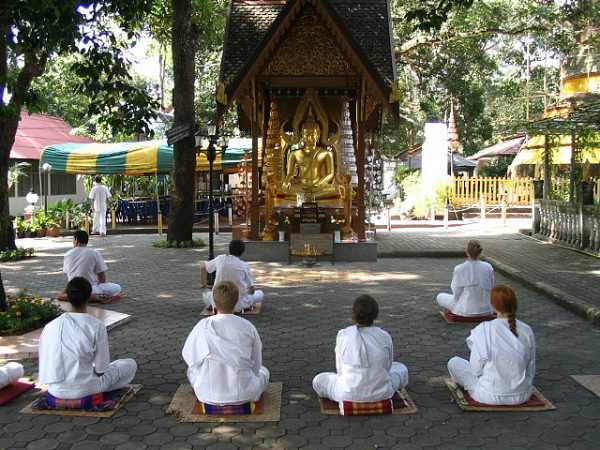
Sometimes when people hear the term “meditation retreat,” they think of a dreamy escape to an exotic place where meals are taken care of and you get to sit crossed-legged on a cliff in front of a crystal blue ocean full of crashing waves.
Though this scenario may exist somewhere in the world, this is not the reality of a meditation retreat. Even if it did exist, the retreat would not be dreamy because meditation takes a lot of work.
You may not realize that living in the present is one of the hardest things to do. I suggest taking just one minute to stay focused only on your breath and attempt to have no other thoughts. Now imagine doing this for 10 hours a day sitting on a pillow in a meditation hall.
Let’s not dash your dreams about meditation retreats, though. Yes, it is hard, but it is also the path to freedom from the chains of your own making. We all create our own chains and we each have to be the one to break free of them.
Here are 6 things I learned about myself during my recent stay on a meditation retreat:

We each have to be the one to break free of our own chains.
1) My mind constantly chatters
Most of us don’t realize to what extent our minds are on constant overdrive. The mind produces thought after thought after thought, which we often think of as multitasking. However, it’s just monkey mind.
This monkey mind actualizes crazy making and continued up and down feelings, depending on the thoughts we have. I realized how much this cycle impacts my overall happiness, health, and well-being.
To focus on one specific thing-the breath, a body scan-forced me to bring my attention back time and time again, creating more of a sense of balance and less extreme emotions.
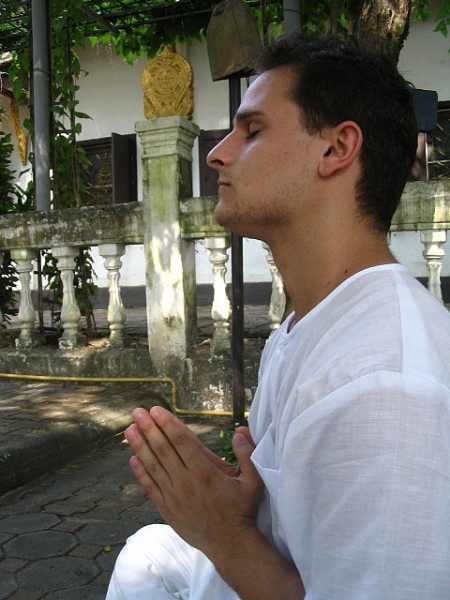
Sitting in meditation can help to clear the mind. Photo by The Philosophy of Photography.
2) My needs are never-ending
I already knew that I’m somewhat of a high-maintenance kind of girl, but during this meditation retreat, I realized to what extent this is true. I also realized how having never-ending needs is the case for most of us.
These needs can be as simple as needing to move my body because I feel uncomfortable or as complicated as needing a big check to come through so I can pay my bills. Point is, needs never seem to stop. I could only see this truth as I meditated 10 hours a day.
At some point, I realized I have to begin to let go of some of my needs at different times because the constant needing is making me unhappier than if I simply accepted that it’s impossible to have all my desires fulfilled all of the time.
It’s good to let go.
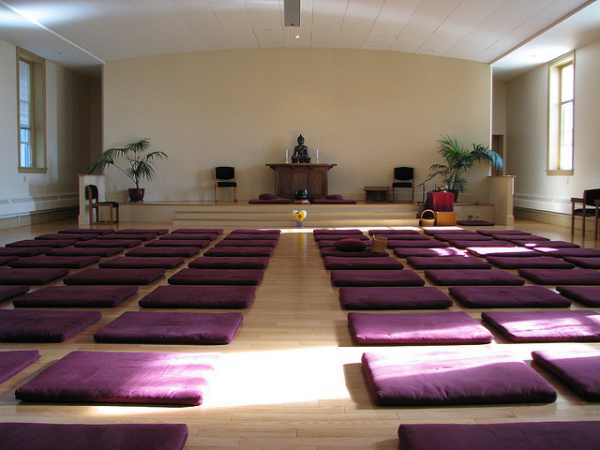
Meditating for 10 hours a day helped me to let go of my never-ending needs. Photo by gihin.
3) Life will always have its ups and downs
I know that I spend a lot of time trying to be happy and work to make things both pleasant and exciting in my life.
The reality is, though, bad things happen and will continue to happen throughout life, just as much as good things happen. It’s the ebb and flow of nature, energy and humanity.
What I realized during the 100+ hours of meditation I did in 10 days is that our attachment to always wanting good in our life actually creates more misery than if we accepted the reality that everything will rise and fall.
The journey is about approaching those rises and falls with grace instead of dealing with the issues that come with attachment to our desires, such as jealousy, anger and depression.
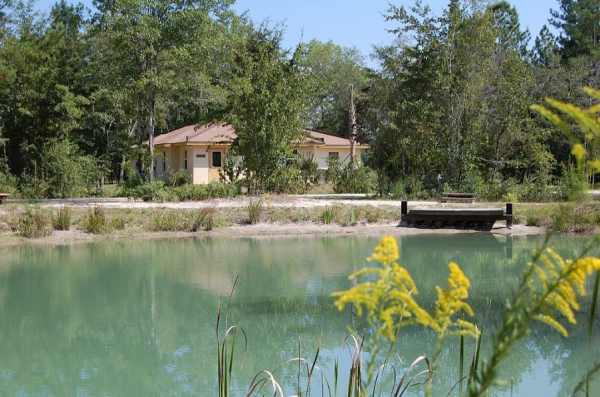
Ups and downs are part of the ebb and flow of nature and humanity. Photo by Southeast Vipassana Center.
4) I have control over my reactions
There is so much that happens in life that we don’t have control over, but the truth is, we always have control over our reactions.
I know I often feel as if my emotional reactions take over and blurt themselves out to the world, either literally through my mouth or body. Emotions can be strong puppies.
Nonetheless, we actually do have the ability to sit back and look at our emotions before we react negatively to the outside world.
For example, I can get irritated when I’m asked to redo a project I’ve spent a long time working on, but lashing out at my supervisor does neither of us any good. Speaking my truth from a place of non-attachment gets us both to a better place.
Taking control requires awareness and practice (lots and lots of practice), but it is a different way of moving through life that can save you-and the people around you-a lot of grief.
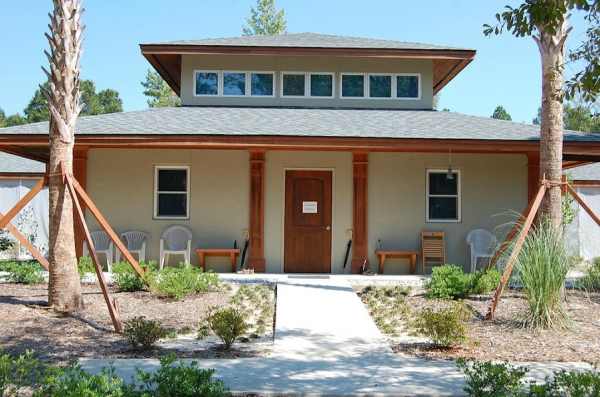
Registering for a meditation retreat can help you take control over your emotional reactions. Photo by Southeast Vipassana Center.
5) We all experience a lot of pain
One of the aspects of Vipassana meditation that is different from other forms is that it asks you to sit through three 1-hour sessions a day where you don’t move your body at all.
Sounds painful? It is.
That’s part of the point, actually. See, it’s an experiential way of understanding that pain and suffering are real things that will happen in our life whether we like it or not. The deeper suffering actually comes from constantly trying to run away from that pain instead of sitting with it.
The most interesting thing that happens when you do sit with the pain and attempt to stay non-attached is that the throbbing in your knee or the spasms in the back of your shoulder transform. Sometimes it just goes away, but at other times it turns into a miraculous light that ushers in a calmness that’s hard to experience any other way that is legal.
Experiencing this pain also opens up a window into the suffering of others, and you begin to feel a lot of compassion for what we all experience, just by being human.
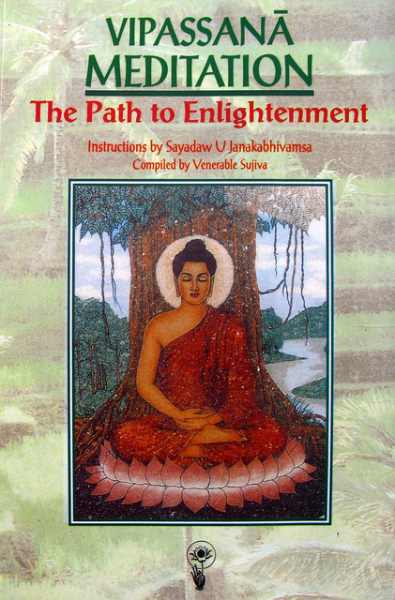
Vipassana meditation is an experiential way of understanding that running away from pain creates more suffering than sitting with it. Photo by artist in doing nothing.
6) I need meditation to disconnect from the world and reconnect to my soul
Though the point of meditation is to let go of the many thoughts that swirl around in your head and focus on a specific action such as the breath, you will undoubtedly tackle some of the big issues you’ve been facing in your life during a meditation retreat.
I struggled with a romantic situation in my life for nearly a year and a half, which became utterly clear to me during my 10-day retreat. I realized that this is because I was able to connect directly to my soul or intuition to determine the right course of action.
During that year and a half, my mind (and ego) constantly got in the way, making me go back and forth in debate. It was maddening to both myself and my partner.
Meditation can help clarify the path that is best for you in a given situation.
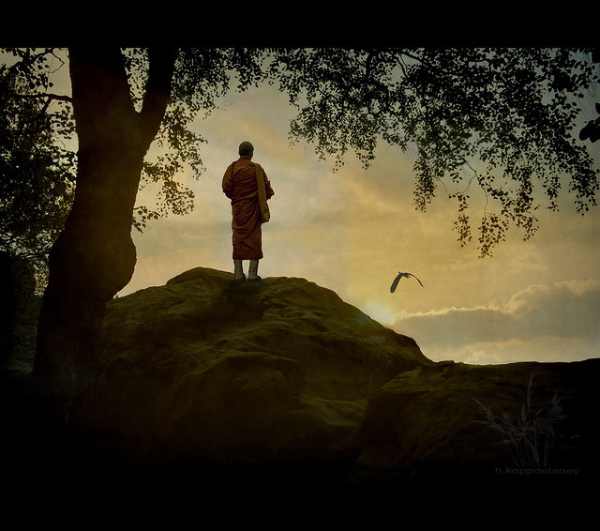
The world seems a lot simpler when you practice meditation . Photo by h.koppdelaney.
Have you been to a meditation retreat? What was your experience like? Let me know in the comments below.
If you liked this article, you might also like: 15 Things I Learned from 10 Years of Living and Traveling Abroad.
This writer completed a meditation course at the Southeast Vipassana Center, Georgia.
Main photo: Vipassana meditation involves sitting completely still for up to 10 hours a day. Photo by The Philosophy of Photography.