
12 Famous Paintings and their Real-Life Locations
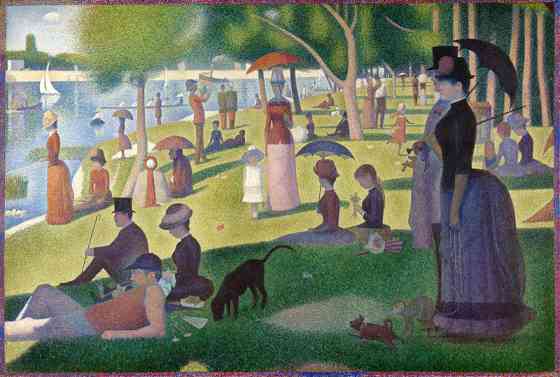
Have you ever seen a painting you wish you could step into? Check out the real-life locations of these famous paintings and take a trip to the places that inspired some of the most talented artists in the world.
1) Central Australian Landscape, 1950’s, Albert Namatjira
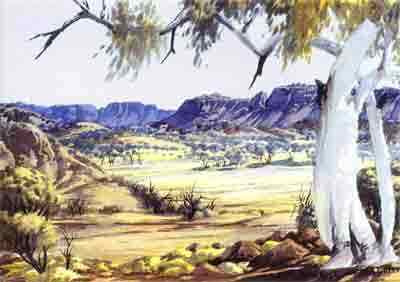
Real-life Setting: McDonnell Ranges, Australia
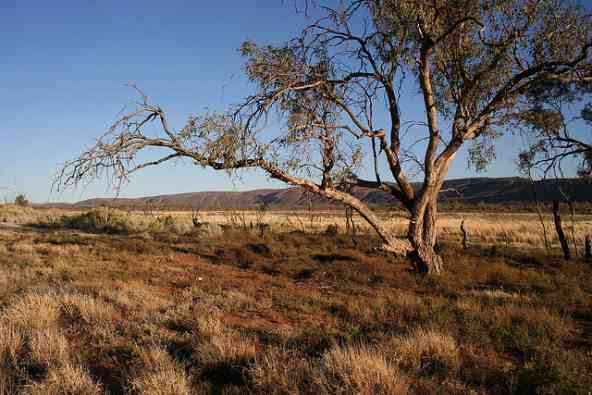
Though Namatjira achieved international recognition and wealth for his artworks, he was always glad to return to the outback.
Known for being Australia’s most famous Aboriginal painter, Albert Namatjira’s watercolors capture the beauty and uniqueness of Australia’s outback.
He gained worldwide recognition and despite critics who charged that he only became famous by painting in the European style, Namatjira is hailed as one of Australia’s best painters as well as pioneer for Aboriginal rights.
You can see his work in major museums in Australia or check out the original landscapes yourself in Australia’s Northern Territory.
2) Mont Sainte-Victoire, Cezanne, 1885-1887
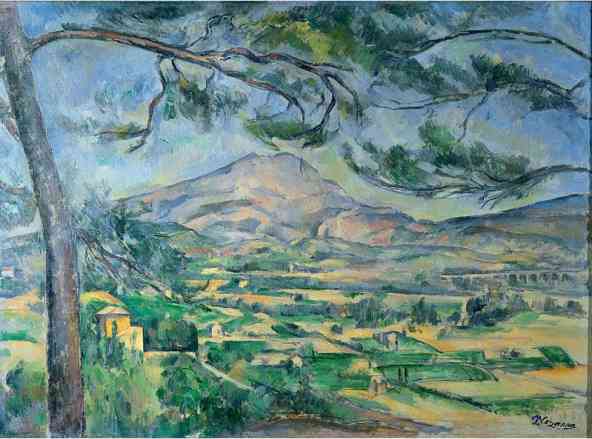
National Gallery of Art, London
Real-life Setting: Mont Saint-Victoire, France
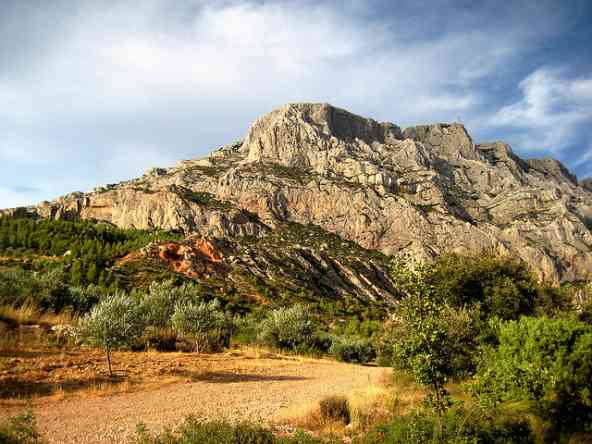
Cezanne was rejected repeatedly from the Paris Salon but is now understood to be one of the most important painters in the development of modern art.
Though Cezanne’s paintings look pretty but quaint today, his explorations with fragmenting and simplifying the picture plane was revolutionary at the time and he is credited with inspiring the early Cubists.
He is known to have painted the Saint Victoire Mountain near his home in Aix-en-Provence over 60 times from various angles.
3) Lake McArthur, James MacDonald, 1924
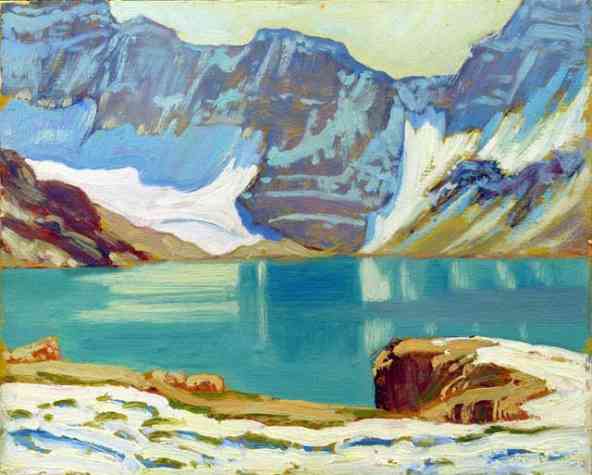
Real-life Setting: Lake McArthur, British Columbia, Canada
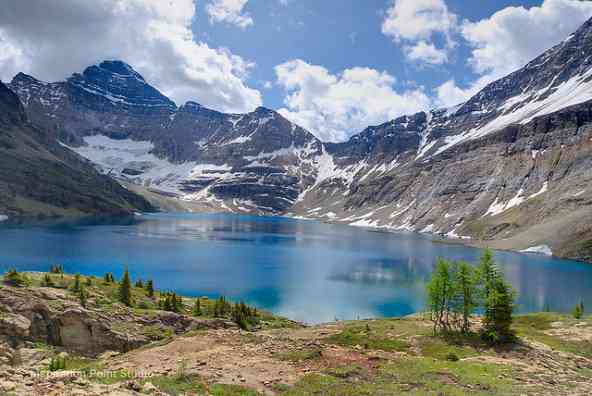
Created by a retreating glacier, stunning Lake McArthur is only reachable via an 8km hike.
Inspired by Scandinavian Impressionism at the turn of the last century, James MacDonald began painting expansive vistas of Canadian wilderness, even traveling the country in a specially outfitted van that doubled as a mobile studio.
He was a member of Canada’s famed Group of Seven painters who depicted Canadian landscapes in vibrant colors at a time when most of the art world thought Canadian scenes weren’t worthy of being painted.
4) Café Terrace at Night, Vincent Van Gogh, 1888
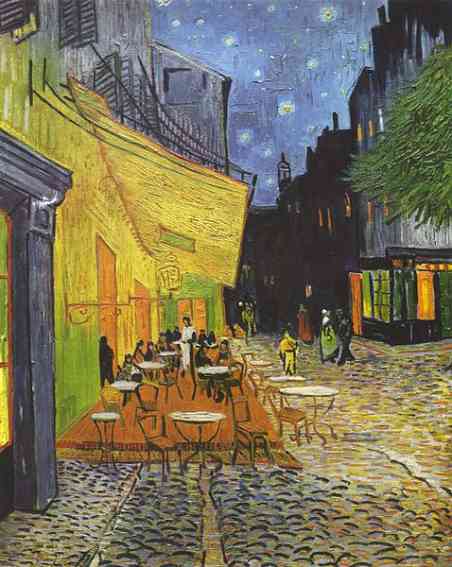
Real-life Setting: Arles, France
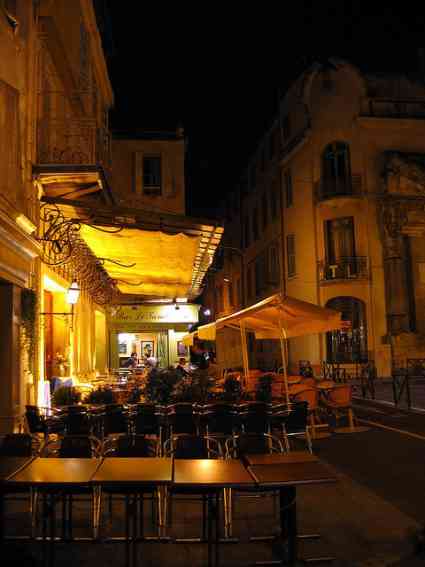
The café site was refurbished in 1991 to look exactly like Van Gogh’s famous painting.
Painted at night on the Place du Forum, Van Gogh wanted to capture immediately the vibrant yellow artificial lighting of the café, the deep blue of the houses in shadow and the pinkish glow cast on the cobblestone street. The painting was his first attempt to depict a starry sky.
The café is still popular and has been renamed in Van Gogh’s honor; you can see the original painting at the Kröller-Müller Museum in Otterlo, Netherlands.
5) Sunday Afternoon on La Grande Jatte, Georges Seurat, 1884
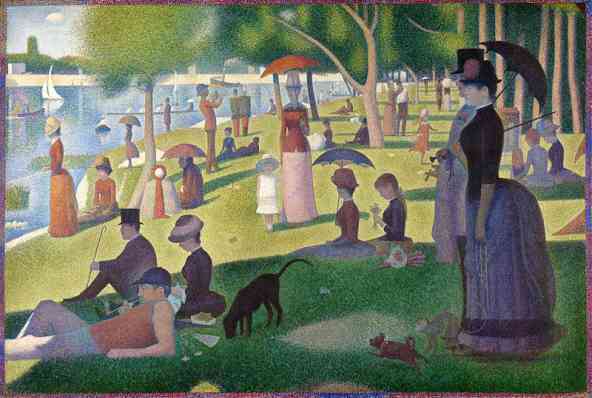
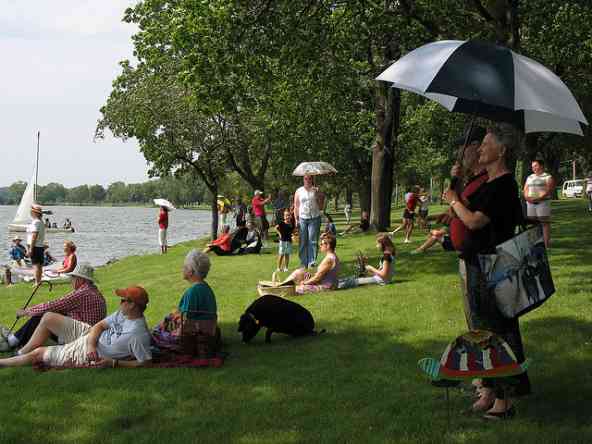
Real-life Setting: The Island of la Grande Jatte, Paris, France
A monumental 2×3 meters (6x10ft), Sunday Afternoon is Seurat’s most famous painting and one of the best examples of pointillism.
It can be seen at the Art Institute of Chicago, where it was purchased for $24 million in 1924.
The Island of La Grande Jatte is located on the Seine River, 7km from Notre Dame Cathedral, and is a relaxing garden retreat from the urban center.
6) Christina’s World, Andrew Wyeth, 1948
Real-life Location: Cushing, Maine, United States
Flickr photographer alexthompson snapped this shot of the original Olson house as a tribute to the artist-the house has been restored to match its appearance in the painting.
Andrew Wyeth was inspired to paint when he saw the woman here, Christina Olson, crawling across the field-she suffered from polio.
This small town in Maine was favored by artists for its wide spaces and unspoiled beauty; Christina’s World can be seen as part of the permanent collection of the Museum of Modern Art in New York.
7) Enoshima in the Sagami Province, Hokusai, 1830
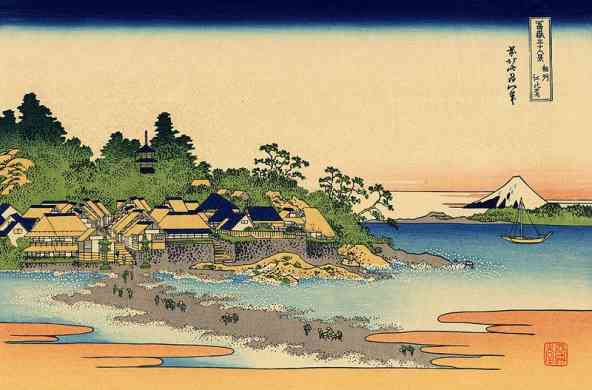
Created by woodblock printing, the Japanese tradition used water-based inks instead of oil to achieve a wide range of vivid colors and transparencies.
Real-life Location: Enoshima Island, Japan
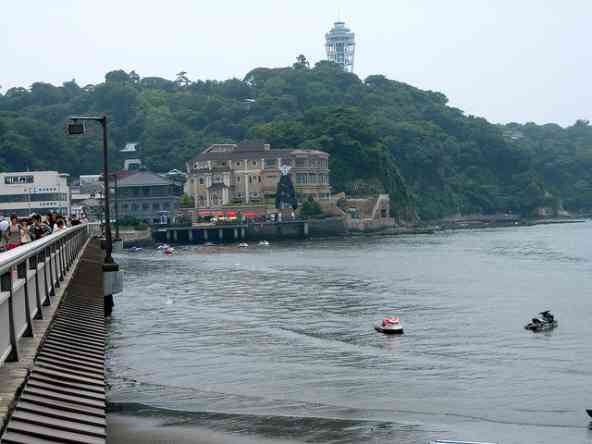
Born in Tokyo in the Edo period, Katsushika Hokusai was one of Japan’s most famous landscape artists best known for his series “Thirty-Six Views of Mount Fuji.”
Hokusai was a member of the Nichiren Sect of Buddhists who associate the North Star with a deity and see Mount Fuji as a symbol of eternal life.
This scene depicts Enoshima Island in the mouth of the Katase River, about 50 km south of Tokyo. It is home to a popular local resort and was the Olympic harbor for the 1964 Summer Olympics.
8) Water-Lily Pond and Weeping Willow, Claude Monet, 1916-19
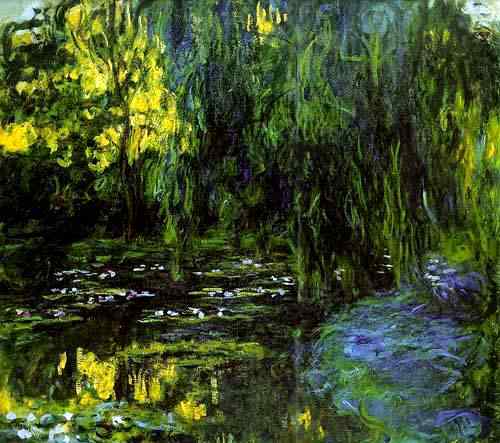
Real-life Setting: Giverny, France
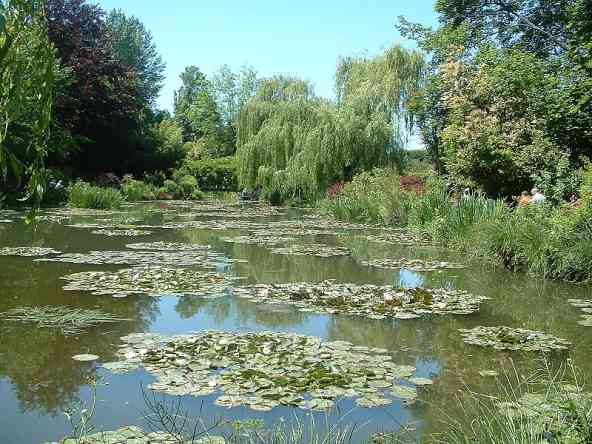
Monet served as the architect of his own gardens and expanded them as his wealth grew.
One of the world’s most famous painters, Monet was the founder of the French Impressionist style which aimed to capture immediate perceptions of nature painted on the spot.
Monet favored painting series of the same scene in order to capture changing light and weather conditions-his own gardens at his home in Giverny were a favorite subject.
9) Cass, Rita Angus, 1934
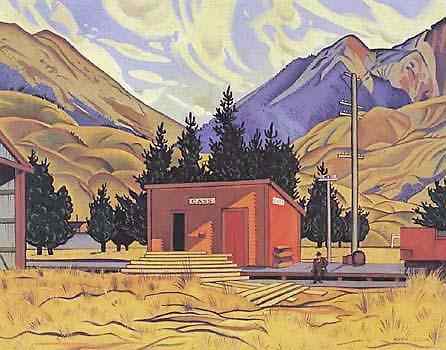
Real-life Setting: Canterbury Province, New Zealand
Though the Cass railroad station is New Zealand’s most frequently photographed building, it has only one resident!
Recognized as one of New Zealand’s leading artists, Rita Angus helped define a New Zealand national aesthetic through her sharply-defined, colorful landscapes.
One of her most famous paintings depicts the bare beauty of the Canterbury countryside through the solitary figure of the Cass railroad station, located 116 km from Christchurch.
10) Chalk Cliffs on Rügen, Caspar David Friedrich, 1818
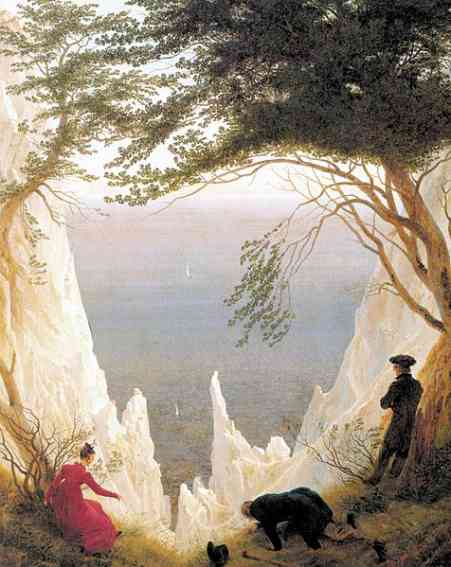


Real-life Setting: Rügen Island, Germany
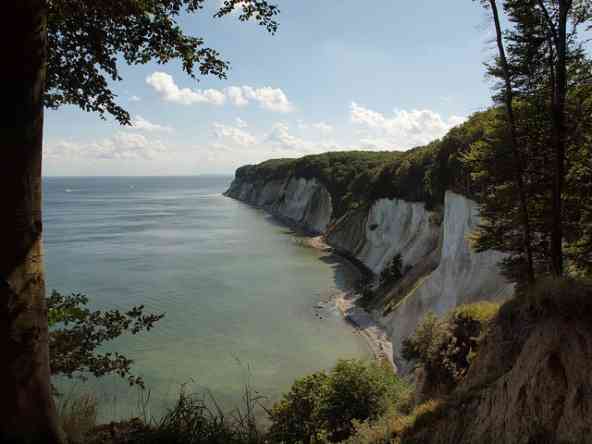
Germany’s largest island, Rugen is known for the interesting cliffs of Jasmund National Park that form interesting shapes with erosion.
Part of a 19th century generation increasingly interested in spirituality in the face of un-fulfilling industrial materialism, Friedrich became one of the most important German Romantic painters of his time.
His works depict expansive, overwhelming landscapes that encourage a metaphysical contemplation of the wonders of nature.
This painting is believed to depict Friedrich himself and his new wife in a highly symbolic scene: the colors of their clothing-red, green and blue-symbolize love, hope and faith and the abyss they gaze into is interpreted as death.
11) Looking Down Yosemite Valley, Albert Bierstadt, 1865
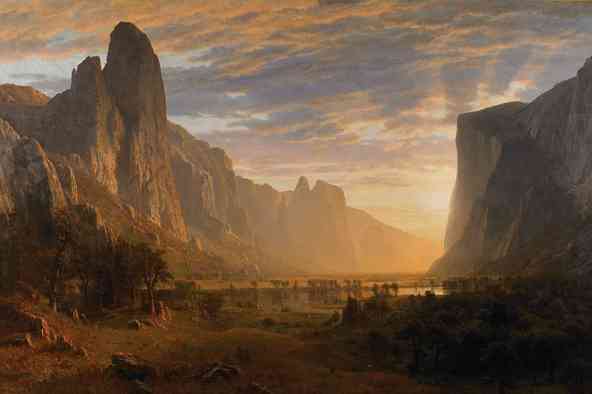

Real-life Setting: Yosemite National Park, California, United States
A World Heritage Site, Yosemite National Park is visited by 3.7 million people per year.
The overwhelming panoramic view down the valley in this massive (5x8ft) painting is meant to draw the viewer into the dramatic scene of a magnificent unpopulated landscape.
Critics contest that Bierstadt’s paintings exaggerate the colors and proportion of nature, but he painted primarily for an American audience curious about the West and looking for a mythical Eden untouched by the Civil War that was raging at home.
Though he may have embellished, Bierstadt was truly amazed by what he saw when reaching California. He wrote that: “nowhere is there scenery whose grandeur can for one moment be held comparable with that of the Sierra Nevada in the Yosemite District.”
12) Along the River During the Qingming Festival, Zhang Zeduan, 1085-1145
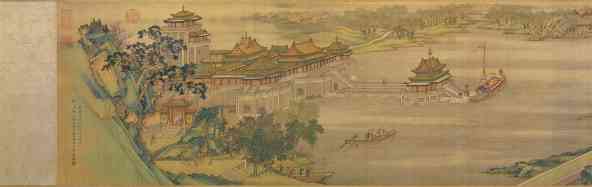
National Palace Museum, Taipei

Real-life Setting: Kaifeng, China
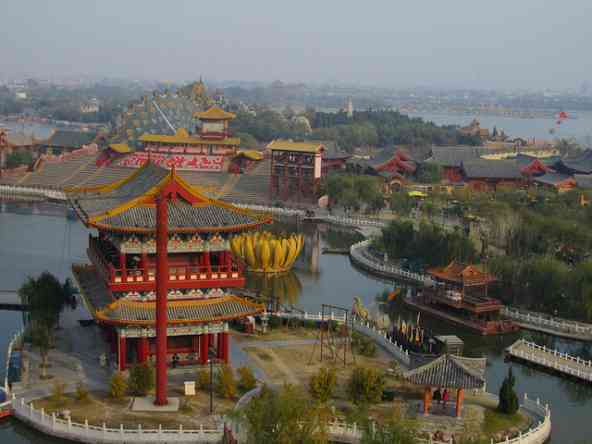

In 2010, a 3D digital animated version of this famous scroll was created for the World Expo in Shanghai, China.
The painting shown here is a reproduction of the original 17 foot long scroll that depicts the daily life of the people of China’s Song Dynasty and the celebration of the Qingming Festival - it is considered a national treasure and only exhibited every few years.
The revered original scroll was entirely hand-painted and is so famous it is known as “China’s Mona Lisa”. It is considered so valuable that it cost in the 10′s of millions of dollars to ship it to Hong Kong to go on exhibit.
Kaifeng, China was believed to be the largest city in the world during the era depicted in the scroll - it’s much smaller today but known for its massive night market and famous 5-spice bread.
Paint Your Own Version (Seriously, You Can)
Here’s the part most visitors miss: every one of these places is still paintable. Cezanne stood in front of Mont Sainte-Victoire more than 60 times, and the mountain has generously agreed to keep posing. You don’t need a French easel or a beret — a pocket sketchbook and a photo of the view will do, and the same tricks the masters used are still on the table. Art academies have taught copying the masters and gridding a reference for centuries, and modern tools have made both absurdly accessible: an app like Atelier: Art Grid overlays an adjustable grid on your reference photo so the proportions land where you want them, and can even work out how to mix each color from the paints you actually own.
So next time you’re standing on the Place du Forum in Arles with a hundred other people photographing Van Gogh’s café, consider being the one person drawing it instead. Worst case, you’ll have a souvenir nobody else went home with.
Have you visited any real-life locations of famous paintings? Post a comment and let me know.
If you liked this, you might also like: 7 Most Disappointing Art Exhibits in the World.