A Brief History of Animals Elected to Public Office (Our Most Consistent Performers)
The standard critique of politicians is that they are self-serving, difficult to understand, and unable to connect with ordinary people. The standard counterargument is that at least they're trying. What follows is a brief survey of animal politicians who have, without making any particular effort, outperformed the human competition across several centuries and multiple continents.
The evidence has been reviewed dispassionately. The conclusions are uncomfortable.
Incitatus: The Horse Caligula Wanted to Make Consul
The most famous animal in political history never actually held office, which makes his inclusion here technically contentious but thematically essential. Incitatus was the beloved horse of the Roman Emperor Gaius Julius Caesar Augustus Germanicus, known to history as Caligula, and his political story is almost certainly embellished by later Roman historians attempting to illustrate that Caligula was, to use the technical term, extremely unwell.
According to Suetonius and Cassius Dio, writing some decades after the fact, Caligula planned to appoint Incitatus to the position of consul - the highest elected office in the Roman Republic, which nominally still existed under the emperors in the same way that a car still technically exists after you have removed the engine and four of the wheels. Incitatus already had a marble stable, an ivory manger, a jeweled collar, and his own house, complete with furniture and slaves, for entertaining guests at dinner parties. He received guests. The guests were senators.
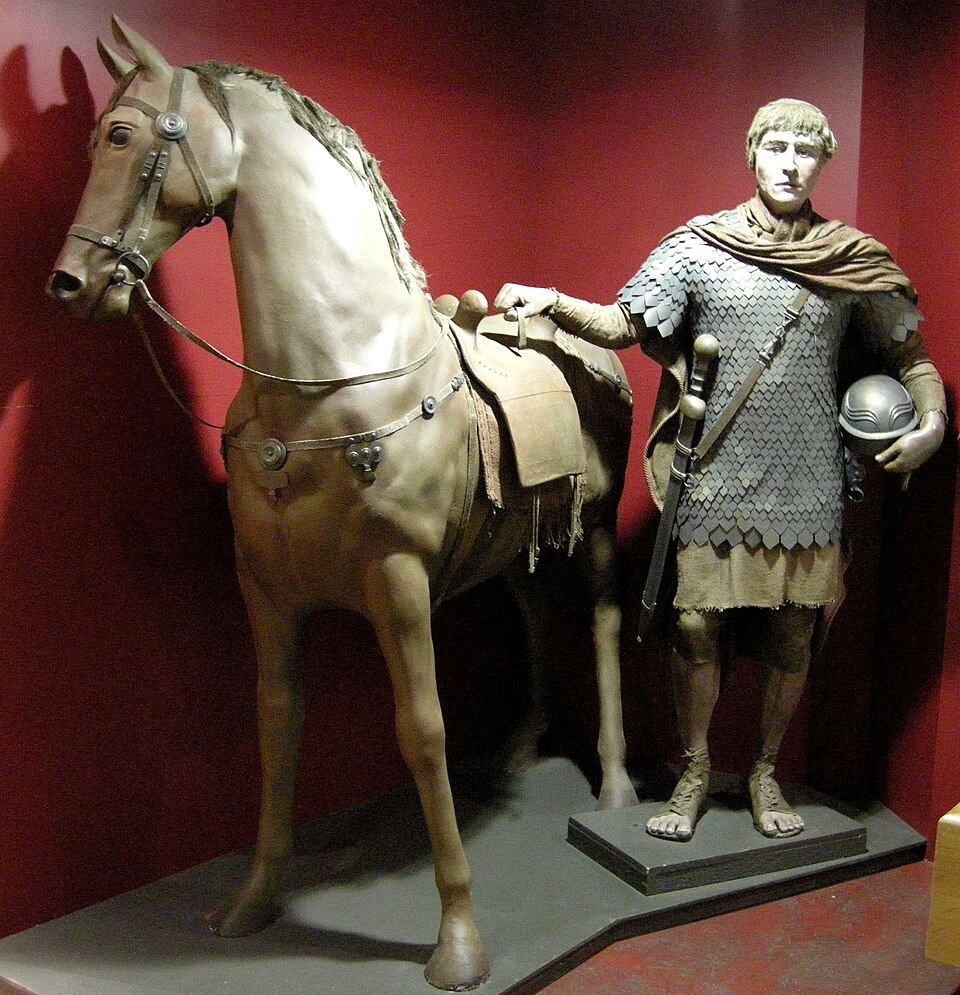
Whether Caligula genuinely planned to make his horse a consul, or was making an extremely pointed statement about the irrelevance of the Senate by implying any candidate would be an improvement over its current membership, remains debated by historians. The horse, for his part, was entirely oblivious to the constitutional implications of his position, which is the correct response to the Roman Senate and should be studied as a model of political equanimity. Caligula was assassinated in 41 AD before the appointment could happen. Incitatus subsequently disappears from the historical record. He was probably fine.
Cacareco the Rhinoceros: São Paulo's Most Popular Politician
In October 1958, the state of São Paulo held elections for its city council. The result, when tallied, was that a five-year-old white rhinoceros named Cacareco had received approximately 100,000 votes - more than any human candidate. The Brazilian electoral authorities declined to seat a rhinoceros on the São Paulo city council, which is one of the less controversial decisions in the history of Brazilian democracy, though it was not without precedent.
Cacareco was a resident of the São Paulo zoo and had not campaigned. She had made no public statements, held no press conferences, and expressed no views on local governance. What she had going for her was that she was not any of the human candidates, and the voters of São Paulo, confronted with an election they considered to offer no good options, had concluded that a rhinoceros represented a meaningful upgrade.
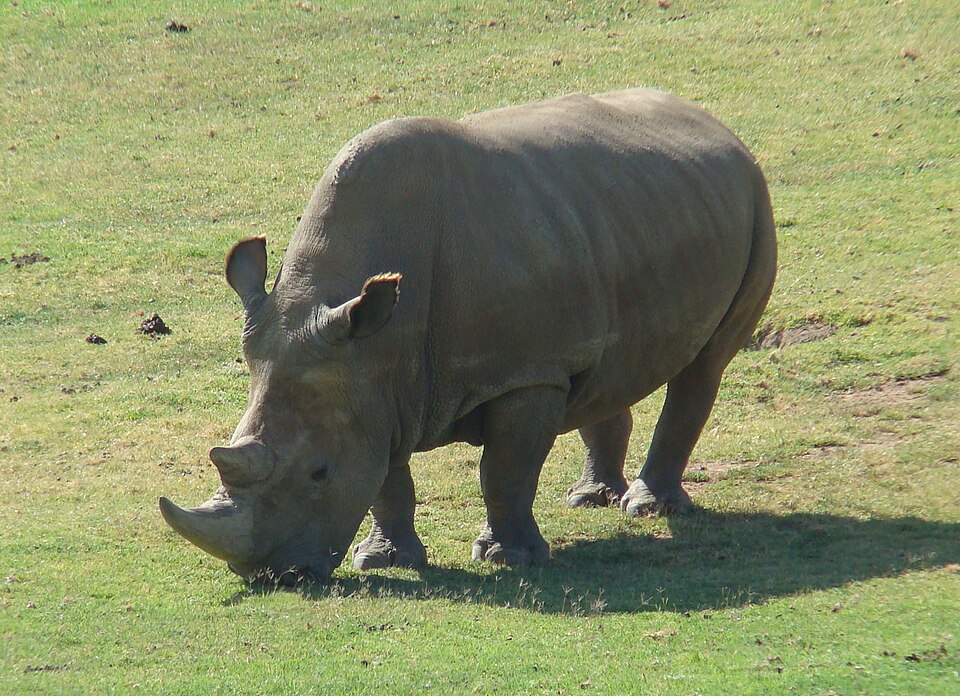
The episode is sometimes cited as one of the origins of Brazil's tradition of creative protest voting, which has included ballots cast for fictional characters, deceased individuals, and concepts ("none of the above" has been a persistent favourite). The word "cacareco" in Brazilian Portuguese means "old piece of junk," a colloquial term for rubbish or trash. Someone named her this as a zoo animal. She does not appear to have taken this personally. She received 100,000 votes and became an enduring symbol of democratic frustration. The humans who named her received no votes at all and are not remembered.
Bosco Ramos: Mayor of Sunol, California, and a Cold War Flashpoint
In 1981, the small unincorporated community of Sunol, California held a mayoral election. The candidates were two human beings and one black Labrador-Rottweiler mix named Bosco, entered by his owner Brad Leber as a joke. Bosco won. The residents of Sunol - approximately 900 people at the time - had apparently evaluated the options and reached a considered decision.
Bosco served as honorary mayor from 1981 until his death in 1994, a tenure of thirteen years. His platform, insofar as he had one, consisted of walking around the town, being friendly to residents, and occasionally stealing food from unsecured areas. His approval ratings were not formally measured but are assumed to have remained high.
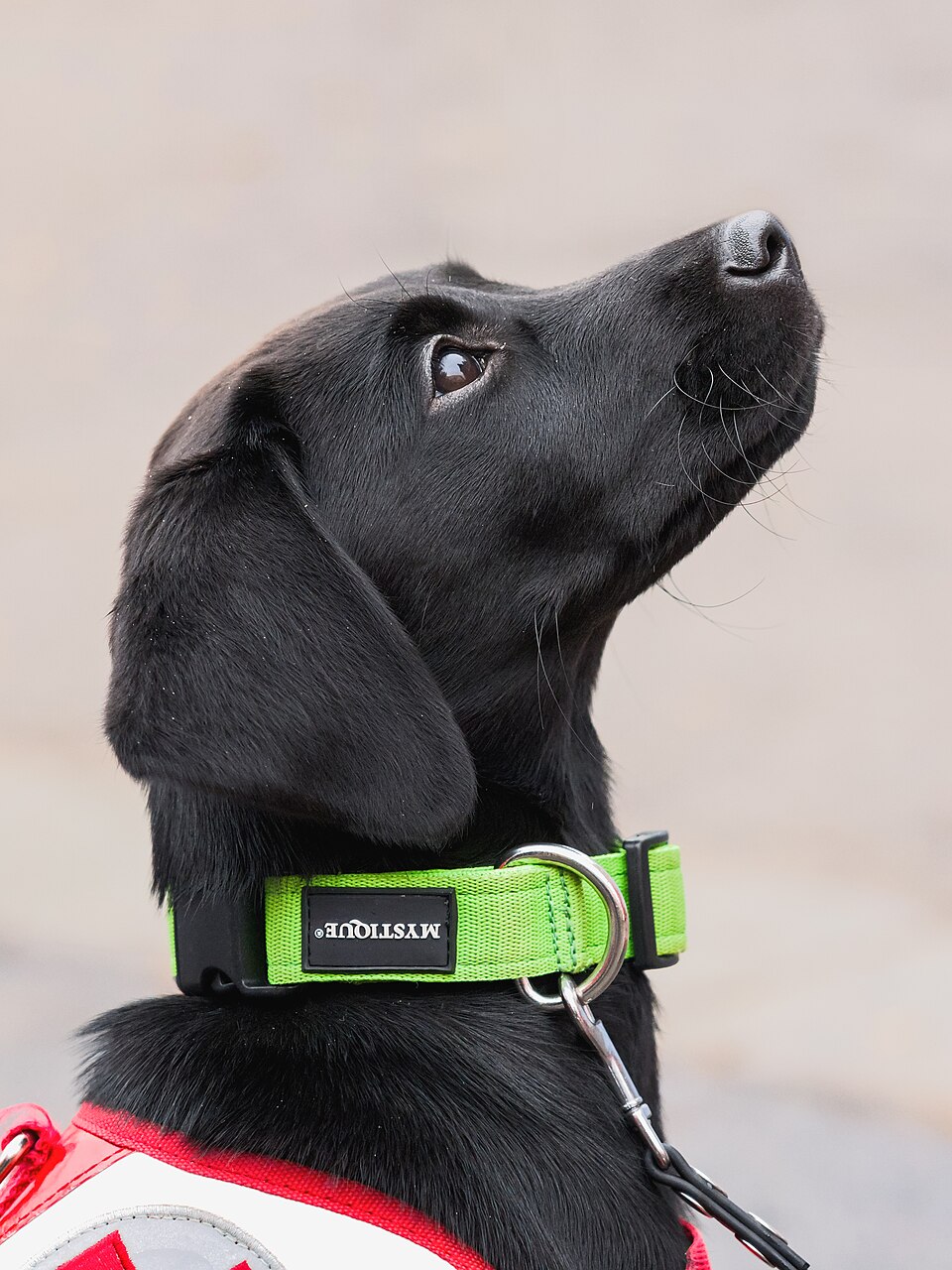
The notable international dimension of Bosco's career came in 1989, during the Tiananmen Square protests. A Chinese state newspaper, seeking to demonstrate the fundamental inadequacy of American democracy, ran an editorial pointing out that the United States had elected a dog to public office. The editorial intended this as a damning indictment. The people of Sunol, informed of this coverage, were broadly unbothered. Bosco was given a memorial bronze statue after his death, which still stands in the centre of Sunol. His Wikipedia page notes that he is remembered as "the embodiment of what a small-town politician should be," which is either a tribute to a very good dog or an extremely specific critique of small-town politicians, depending on how you read it.
The Dogs of Rabbit Hash, Kentucky
Since 1998, the town of Rabbit Hash, Kentucky has elected its mayor via popular vote. The votes cost one dollar each, proceeds go to the Rabbit Hash Historical Society, and dogs run as candidates. This is not a malfunction of the democratic process. This is the process.
The mayoral succession of Rabbit Hash reads as follows: Goofy (a terrier mix) served as the inaugural mayor; Nugget (a golden retriever) succeeded him; Lucy Lou (a border collie) served from 2008 to 2016, making her the only female mayor in the town's history; and Brynneth Pawltro - a pit bull - has served since 2016, having received over 3,000 votes in an election she won against several other dog candidates, at least one cat, a donkey, and a chicken.
Brynneth's campaign emphasized her commitment to afternoon napping, her robust position on squirrels (opposed), and a policy platform that translated roughly to "more treats." She has since attracted international media coverage, been photographed with elected officials, and become arguably the most recognizable political figure in Henry County, Kentucky. The Rabbit Hash Historical Society has raised significant funds. The town's human residents appear consistently satisfied with the arrangement. The donkey who ran against Brynneth in 2016 received fewer votes but has presumably moved on.
Stubbs: Twenty Consecutive Years as Mayor of Talkeetna, Alaska
In 1997, the residents of Talkeetna, Alaska decided that none of the candidates in the local mayoral election met their requirements. They wrote in the name of Stubbs - an orange tabby cat who lived at the town's general store, owned by local resident Lauri Stec - on their ballots. Stubbs received enough write-in votes to win.
Whether the position counted as an official mayorship is technically contested, since Talkeetna is an unincorporated community and the title was honorary rather than administrative. Stubbs governed, to whatever extent a cat governs anything, for approximately twenty years. He drank water infused with catnip from a wine glass every evening. He received fan mail from around the world. He was photographed with tourists on a daily basis and appears to have approached this aspect of public life with the resigned tolerance that cats deploy for all human activities they have not personally initiated.
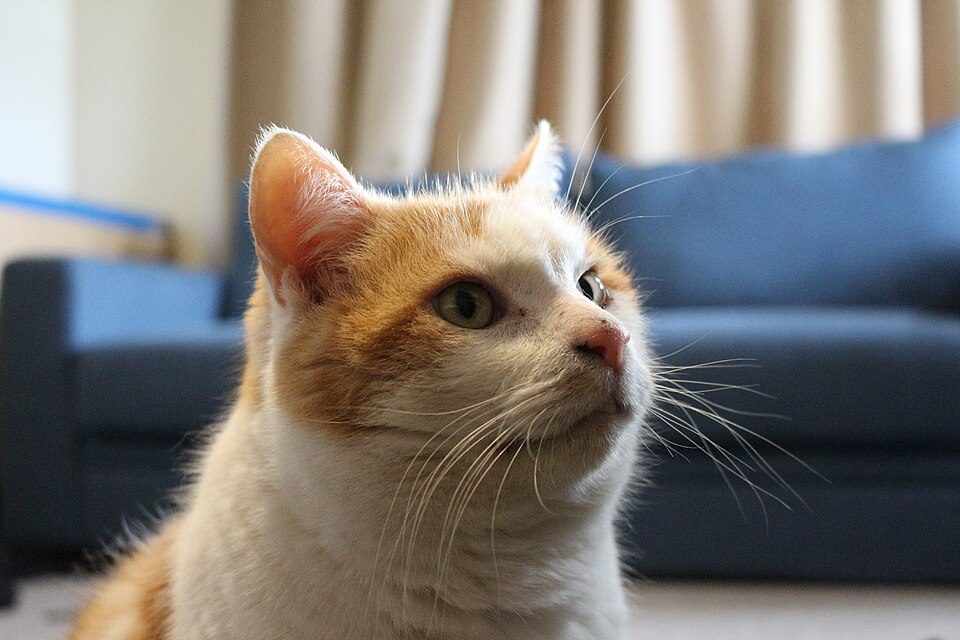
In 2013, a dog attacked Stubbs and he required emergency veterinary surgery. He recovered and returned to office. He served until 2017, when he died of natural causes at approximately twenty years old. His passing was reported by CNN, the BBC, and the Washington Post. The Washington Post headline was "Stubbs the cat mayor of Alaska has died." This sentence appeared, without irony, in a major American newspaper, which tells you something either about Stubbs or about the Washington Post. Talkeetna sits at the base of Denali and serves as a gateway to Denali National Park. If you visit, Stubbs is not there, but his legacy apparently is.
Hank the Cat: Virginia Senate, 2012
In 2012, a domestic shorthair cat named Hank ran for the United States Senate in Virginia. He ran as an independent. He received approximately 6,000 votes in the general election - more than either of the two third-party human candidates, and enough to rank him third in a competitive Senate race.
His owner, Matthew O'Leary, ran the campaign as a pointed commentary on American political fundraising - Hank solicited donations throughout the race, and all funds raised were donated to animal welfare organisations. Over the course of the campaign, Hank raised more than $60,000 for animal shelters. His platform included ending political gridlock, increasing access to catnip, and the elimination of what his campaign materials described as "career politicians."
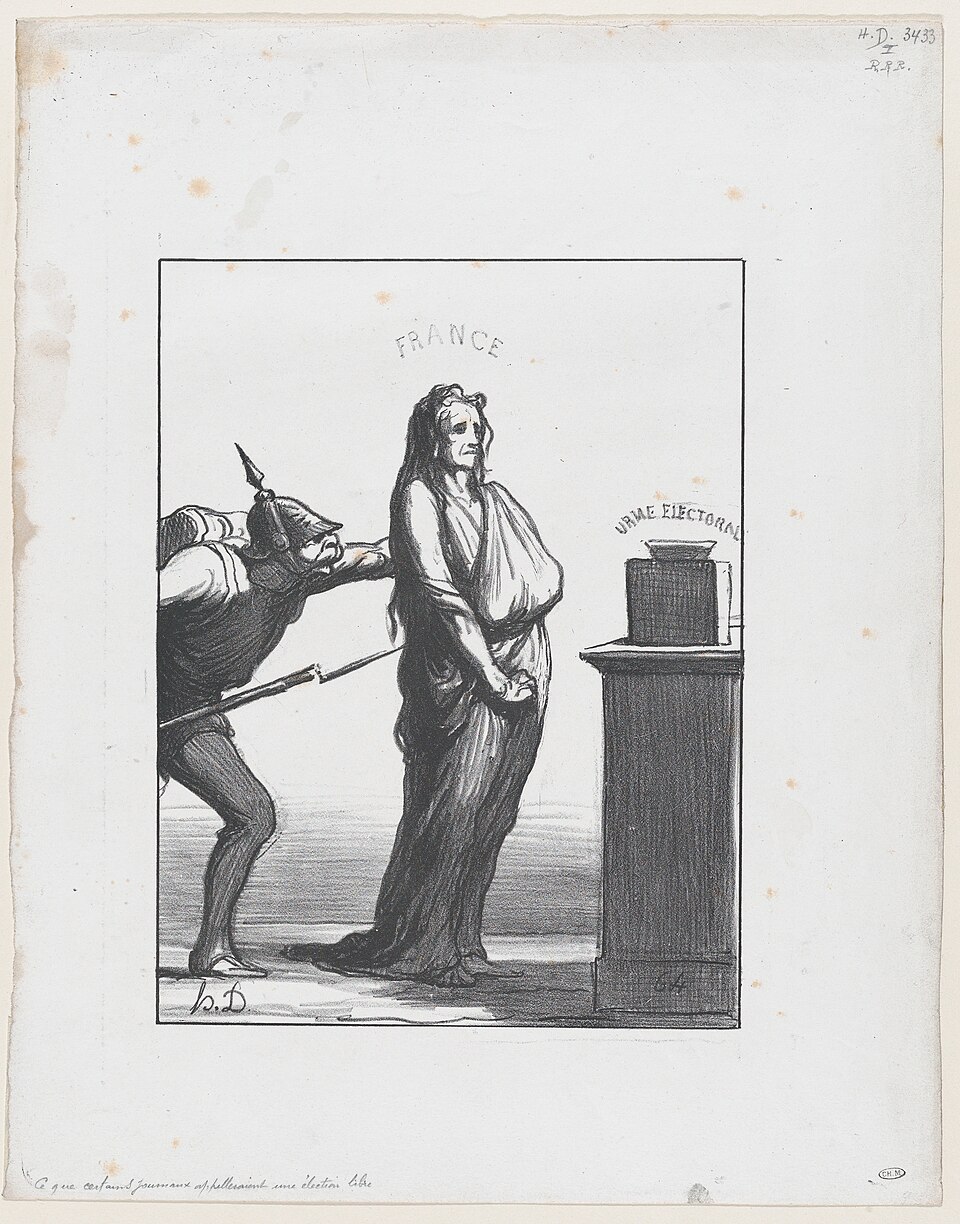
Hank lost to Tim Kaine, who subsequently became the Democratic vice-presidential nominee in 2016 and lost that election as well. Whether a Senate seat won by a cat would have led to a better or worse vice-presidential outcome in 2016 is not knowable. Hank died in 2012, shortly after the election result was announced. He had, by any reasonable measure, an excellent year. His cause - animal welfare fundraising disguised as a Senate campaign - raised more money than most actual Senate candidates and received more press coverage than any of the other third-party human candidates combined. The other third-party human candidates were not available for comment.
The Pattern Is Clear
Across two thousand years and several continents, the animals who have entered politics - voluntarily or otherwise - have broadly achieved the following: they have generated goodwill among their constituents, attracted tourism to their communities, raised money for charitable causes, and served their terms with dignity, without once being credibly accused of embezzlement, corruption, or making implausible claims on their expense accounts. The bar they have collectively cleared is, in fairness, not an especially high one. But they have cleared it with consistent cheerfulness.
The goats, incidentally, have also participated. Clay Henry, a beer-drinking goat, served as honorary mayor of Lajitas, Texas, for several years, until he was castrated by a drunk visitor who objected to Henry's beer consumption on a Sunday. This is perhaps the most alarming event in the history of municipal politics in the American Southwest, which is saying something. Clay Henry recovered. He continued to drink beer. He remained in office.
If you are considering a political career, we recommend reviewing this list carefully as a performance benchmark. A rhinoceros received 100,000 votes without making a single public statement. A cat governed a community for twenty years without attending a single meeting. A Labrador became an international diplomatic figure by existing. The competition, on reflection, is formidable. You should probably be working harder.
For more on humanity's complicated relationship with the animals it shares the planet with, see our guide to the world's most bizarre animals. For destinations where you might encounter wildlife in a context that does not involve ballot papers, our Alaska and Rome guides are both relevant, for entirely different reasons.